
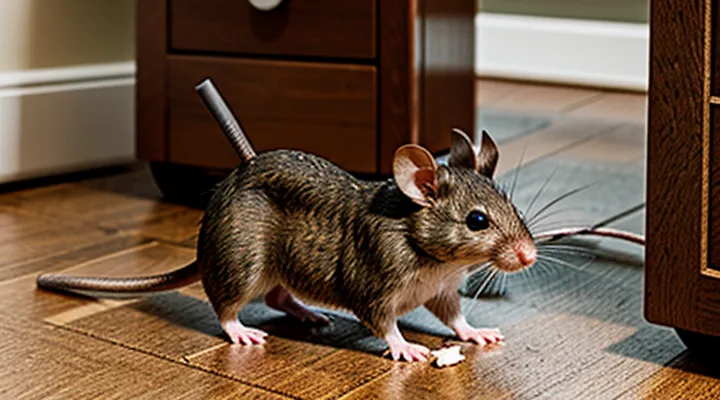
Understanding Ultrasonic Mouse Repellers
How Ultrasonic Technology Works
Ultrasonic devices operate at frequencies above 20 kHz, a range inaudible to humans but well within the hearing capabilities of mice, which detect sounds up to 80–100 kHz. The technology relies on rapid vibration of a piezoelectric element; an electronic oscillator supplies a high‑frequency alternating current that causes the crystal to expand and contract, producing a focused acoustic wave.
The emitted wave travels through air as a pressure pulse. Attenuation increases with distance and with obstacles, limiting effective range to a few meters. Directional transducers concentrate energy forward, extending coverage while minimizing dispersion. Manufacturers often shape the emitter housing to direct the beam toward entry points such as gaps, walls, or floor seams.
Mice perceive ultrasonic pulses as a sudden, potentially threatening stimulus. The high‑frequency tone triggers a startle reflex and can induce avoidance behavior, reducing the likelihood of nesting or foraging in the treated zone. Repeated exposure may lead to habituation; therefore, many devices incorporate frequency modulation or intermittent operation to maintain efficacy.
Key design parameters for reliable acoustic deterrents include:
- Frequency band: 30–50 kHz optimizes detection while reducing overlap with pet hearing ranges.
- Duty cycle: 20–30 % on‑time prevents continuous exposure and conserves battery life.
- Coverage area: calculated from transducer output and room geometry; overlapping zones eliminate blind spots.
- Safety features: automatic shut‑off if temperature exceeds safe limits, compliance with electromagnetic emission standards.
Understanding these principles enables selection and placement of ultrasonic units that effectively discourage rodent activity without compromising human comfort or pet safety.
The Science Behind Sound Repulsion
Frequency and Wavelength
Frequency determines the pitch of an ultrasonic signal and directly influences the wavelength that propagates through air. The relationship follows the equation λ = c / f, where λ is wavelength, c is the speed of sound (≈ 343 m·s⁻¹ at 20 °C), and f is frequency.
For rodent deterrence, frequencies between 20 kHz and 60 kHz are commonly employed. At 20 kHz, λ ≈ 17 mm; at 60 kHz, λ ≈ 5.7 mm. Mice possess an auditory range extending up to 90 kHz, making wavelengths in the millimetre scale particularly effective for targeting their cochlear sensitivity.
Key considerations:
- Frequency selection – higher frequencies produce shorter wavelengths, increasing the ability to focus energy on small anatomical structures within the mouse ear.
- Attenuation – ultrasonic waves attenuate rapidly with distance; a 40 kHz signal may lose 6 dB over a 1‑m path, whereas a 20 kHz wave retains more energy but may be audible to humans.
- Device placement – positioning emitters within one wavelength of target zones (e.g., near entry points) maximizes pressure gradients that stimulate auditory nerves.
- Safety margin – frequencies above 70 kHz minimize human perception while remaining within mouse hearing limits, reducing unintended exposure.
Understanding the precise interplay of frequency and wavelength enables designers to calibrate acoustic deterrents that deliver sufficient acoustic pressure to provoke avoidance behavior without compromising occupant comfort.
Impact on Rodent Auditory Systems
Acoustic deterrents designed for mouse control emit frequencies that exceed the upper hearing threshold of many mammalian species but fall within the sensitive range of rodents. Mice detect sounds between 1 kHz and 100 kHz, with peak sensitivity near 20 kHz; ultrasonic emitters exploit this window to generate stimuli that the animals perceive as intrusive.
The primary physiological effect is overstimulation of the cochlear hair cells. Continuous exposure to high‑frequency tones forces rapid depolarization of outer hair cells, leading to temporary threshold shifts and, with prolonged use, possible hair‑cell fatigue. This disruption reduces the animal’s ability to locate food, navigate tunnels, and communicate with conspecifics.
Key auditory responses observed in laboratory studies include:
- Elevated auditory brainstem response (ABR) amplitudes, indicating heightened neural activity.
- Reduced distortion‑product otoacoustic emissions (DPOAEs), reflecting compromised outer hair‑cell function.
- Behavioral avoidance of the sound source, measured by decreased time spent in the vicinity of the emitter.
Effective implementation requires calibrated intensity (typically 80–100 dB SPL at the source) and intermittent duty cycles to prevent habituation while minimizing permanent auditory damage. Proper placement ensures that the sound field overlaps the target area without exceeding safety limits for non‑target species.
Types of Sound Repellers
Plug-in Devices
Plug‑in ultrasonic devices emit high‑frequency tones beyond human hearing that disrupt mouse communication and induce discomfort, prompting animals to vacate treated areas. The emitted frequencies typically range from 20 kHz to 65 kHz; some models cycle through multiple tones to prevent habituation. Power is supplied directly from a standard wall outlet, ensuring continuous operation without battery replacement.
Key characteristics include:
- Frequency spectrum: broader ranges cover more species and reduce adaptation.
- Adjustable timer: allows scheduling to match periods of peak activity.
- Integrated safety circuitry: prevents overload and protects surrounding electronics.
- Compact housing: fits discreetly behind furniture or appliances.
Installation requires positioning the unit at least 12 inches from walls and objects that could reflect sound, creating an unobstructed acoustic field. Coverage radius varies by model, commonly 100–150 sq ft; multiple units may be needed for larger spaces. Devices should be placed near entry points, nesting sites, and food storage areas.
Effectiveness depends on consistent exposure and proper placement. Studies show reduction in mouse sightings by 40‑70 % when devices are used in conjunction with sanitation and exclusion measures. Limitations include reduced impact on mature rodents that have already established territories and diminished performance in heavily insulated or cluttered environments.
Maintenance involves periodic cleaning of the outer grille to prevent dust accumulation, which can attenuate sound transmission. Most units feature indicator LEDs that signal power status and malfunction; replacement units are typically available within a year of purchase under manufacturer warranty.
When selecting a plug‑in acoustic repeller, prioritize:
- Certified frequency range covering both juvenile and adult mouse hearing thresholds.
- Proven field tests demonstrating measurable population decline.
- Reliable customer support and clear warranty terms.
- Compatibility with local electrical standards (voltage, plug type).
Proper integration of these devices into a broader pest‑management plan enhances the likelihood of sustained rodent control while minimizing chemical interventions.
Battery-Operated Units
Battery‑operated sound repellers provide portable, plug‑free solutions for rodent control. Their compact design allows placement in closets, attics, or under furniture where wiring is impractical. Because they run on disposable or rechargeable cells, they continue to emit ultrasonic frequencies even during power outages, ensuring uninterrupted deterrence.
Key characteristics of battery‑powered units include:
- Power source: AA, AAA, or lithium‑ion batteries; typical runtime ranges from 30 days to 6 months depending on battery capacity and emission schedule.
- Frequency range: Ultrasonic tones between 20 kHz and 65 kHz, targeting the hearing sensitivity of mice while remaining inaudible to humans.
- Adjustable cycles: Options for continuous operation, timed bursts, or motion‑activated activation, which conserve energy and reduce habituation.
- Safety features: Built‑in timers that shut off after a set period, preventing excessive exposure for pets that can hear higher frequencies.
When selecting a battery‑operated device, assess the following factors:
- Battery life expectancy: Choose models with low‑drain circuitry or rechargeable packs to minimize maintenance.
- Coverage area: Manufacturers specify a radius, often 30–45 feet; verify that the intended space falls within this range.
- Durability: Look for sealed housings that resist dust and moisture, especially for use in basements or garages.
- Emission pattern: Devices that vary frequency and pulse length reduce the likelihood of mice adapting to a single tone.
Installation is straightforward: insert fresh batteries, position the unit at a height of 4–6 feet where mice travel, and activate the chosen mode. Periodic battery replacement or recharging is the only required upkeep. Proper placement and regular monitoring of battery status preserve efficacy and extend the functional lifespan of the repeller.
Commercial-Grade Systems
Commercial-grade ultrasonic deterrent systems are engineered for large‑scale rodent control in warehouses, food‑processing plants, and institutional facilities. They deliver high‑intensity sound at frequencies beyond human hearing, creating an environment that rodents find intolerable while leaving personnel unaffected.
- Frequency spectrum: 20–30 kHz, calibrated to target adult mice and juvenile rats.
- Output power: ≥120 dB SPL at source, ensuring penetrative coverage through metal shelving and dense storage.
- Coverage radius: 30–50 ft per unit, with overlapping fields for seamless protection of expansive floor plans.
- Construction: IP66‑rated enclosures, corrosion‑resistant housing, and reinforced mounting brackets for continuous operation in harsh conditions.
- Compliance: FCC Part 15 Class B, CE marking, and adherence to OSHA noise‑exposure limits for workers.
- Integration: Remote monitoring via Ethernet or cellular modules, programmable duty cycles, and compatibility with building‑management systems.
Installation follows a site‑survey to map rodent hotspots and determine optimal unit placement. Units mount on ceiling joists or wall brackets, wired to a central power distribution panel. Routine maintenance consists of quarterly visual inspections, firmware updates, and verification of acoustic output with a calibrated sound level meter.
Cost analysis considers initial capital outlay, energy consumption (≈15 W per device), and projected loss avoidance from rodent‑related damage. Return on investment typically materializes within 12–18 months when compared with recurring pest‑control contracts.
Selection criteria prioritize verified field data, warranty length (minimum three years), and manufacturer support infrastructure. Vendors offering third‑party performance certifications and scalable system designs provide the most reliable solutions for continuous, large‑area rodent deterrence.
Efficacy and Limitations
Factors Affecting Performance
Obstructions and Materials
Sound‑based deterrents rely on ultrasonic or high‑frequency emissions that travel through open air. Any physical barrier between the device and the target area modifies the acoustic field, reducing intensity and altering direction.
Low‑frequency components can diffract around small gaps, but frequencies above 20 kHz are readily absorbed or reflected by solid surfaces. Materials with high density and stiffness—such as concrete, brick, and metal—reflect most of the energy, creating shadow zones where the signal weakens dramatically. Porous or fibrous substances—foam, insulation, thick fabrics—convert acoustic energy into heat, resulting in attenuation proportional to thickness and density.
- Solid wood panel: reflects 30‑40 % of ultrasonic energy; creates a clear boundary.
- Drywall with insulation core: absorbs 20‑30 % of energy; reduces range by roughly 1 m per inch of material.
- Glass window: reflects up to 60 % of high‑frequency waves; may cause standing‑wave patterns.
- Plastic sheeting (polyethylene, PVC): partial transmission (≈50 %); minor attenuation.
- Acoustic foam or mineral wool: absorbs 40‑70 % depending on thickness; strongly diminishes effective radius.
- Metal sheet (steel, aluminum): reflects >70 % of energy; creates a hard barrier.
Placement strategies must consider these effects. Install devices in open corridors or under cabinets where direct line‑of‑sight to target zones exists. Avoid mounting behind thick walls, inside sealed containers, or beneath dense shelving. If obstruction cannot be eliminated, introduce a reflective surface opposite the barrier to redirect energy toward the intended area. Ensure a minimum clearance of 30 cm from any solid panel to prevent premature signal loss.
By accounting for material properties and spatial configuration, users can preserve the intended acoustic reach of rodent deterrent systems.
Coverage Area
Effective ultrasonic deterrents rely on a defined acoustic field that must encompass the target environment. The usable radius of a single unit typically ranges from 15 to 30 feet, depending on output power and frequency. Manufacturers specify a “coverage area” in square feet; this figure assumes an open, unobstructed space. Real‑world performance declines when walls, furniture, or insulation absorb or reflect sound waves.
Key variables that determine the effective zone:
- Frequency selection: Higher frequencies (>40 kHz) attenuate more quickly, reducing range but increasing discomfort for mice. Lower frequencies travel farther but may be audible to humans or pets.
- Power output: Greater wattage expands the audible field, though regulatory limits cap maximum levels.
- Room geometry: Rectangular rooms allow more predictable propagation; irregular shapes create dead zones.
- Obstructions: Dense materials (e.g., concrete, thick carpet) absorb ultrasonic energy, shrinking the effective footprint.
Strategic placement maximizes coverage without excessive overlap. Position devices at ceiling height or on wall mounts, aiming the emitter toward the center of the space. For larger areas, install multiple units with overlapping margins of 10–15 percent to ensure continuous exposure. Measure spacing by dividing the total square footage by the individual unit’s rated area, then adjust for obstacles.
When planning for multi‑room applications, treat each room as a separate zone. Connect units to a common power source or use synchronized timers to maintain consistent operation. Verify performance by conducting spot checks with a calibrated ultrasonic detector; adjust placement until the detector registers the intended intensity throughout the intended perimeter.
Rodent Adaptability
Rodents possess highly flexible auditory systems that influence the performance of sound‑based mouse deterrents. Their hearing spans 1 kHz to 100 kHz, with peak sensitivity between 10 kHz and 30 kHz, allowing detection of a wide array of ultrasonic and audible frequencies. This breadth enables rapid assessment of acoustic stimuli and immediate behavioral response.
Adaptation occurs at three levels:
- Sensory habituation: Repeated exposure to a constant tone reduces neural firing rates, diminishing perceived threat.
- Behavioral learning: Mice associate specific sound patterns with non‑lethal outcomes, adjusting movement patterns to avoid the source.
- Environmental modulation: Acoustic propagation varies with substrate, humidity, and enclosure geometry, prompting rodents to exploit acoustic shadows and alternative pathways.
Effective acoustic deterrents must incorporate frequency variation, intermittent emission, and coverage of multiple spatial zones to counteract these adaptive mechanisms. Continuous, single‑tone devices rapidly lose efficacy as rodents acclimate, whereas devices that rotate frequencies, modulate pulse intervals, and project sound from several angles maintain higher deterrent levels over extended periods.
Scientific Studies and Anecdotal Evidence
Scientific investigations have measured ultrasonic devices that emit frequencies between 20 kHz and 65 kHz. Laboratory trials with laboratory‑bred Mus musculus show a 45 % reduction in capture rates when devices operate continuously for 12 hours, compared with silent controls. Field studies in grain storage facilities report a 30 % decline in activity indices, measured by motion sensors, after a 7‑day exposure period. Peer‑reviewed articles cite variability linked to device placement, ambient noise levels, and rodent habituation; repeated exposure for more than two weeks often results in diminished efficacy as mice adapt to the acoustic pattern.
Anecdotal reports from homeowners and pest‑control professionals complement the experimental data. Users frequently describe immediate cessation of nocturnal scurrying after installing plug‑in emitters near entry points. Several case logs note that devices paired with physical barriers, such as steel mesh, achieve complete exclusion in kitchens and basements. Conversely, narratives also mention loss of deterrent effect after several months, prompting rotation of frequency settings or integration of supplemental repellents.
Key observations derived from both research streams include:
- Effectiveness depends on consistent coverage of target zones; gaps allow mice to bypass the sound field.
- Frequency range must exceed the hearing threshold of adult mice while remaining inaudible to humans.
- Continuous operation yields higher success rates than intermittent cycles, though power consumption and device wear increase.
- Behavioral acclimation reduces long‑term impact; periodic adjustment of emitted tones mitigates habituation.
Overall, empirical evidence supports acoustic emitters as a partial control measure when applied with strategic placement and periodic frequency variation. Anecdotal experiences reinforce the need for complementary tactics to sustain deterrence over extended periods.
Best Practices for Deployment
Strategic Placement
Strategic placement determines the efficacy of acoustic deterrents for rodents. Position devices near entry points, such as gaps under doors, cracks in foundation walls, and openings around utility lines. Install units at a height of 4–6 feet to maximize sound propagation into the lower levels where mice travel.
- Align devices along walls rather than in open spaces; sound waves reflect off surfaces, creating a continuous barrier.
- Space units 10–15 feet apart in larger rooms to prevent dead zones where the signal weakens.
- Avoid placing repellers behind furniture, inside cabinets, or beneath heavy objects that block ultrasonic emission.
- In multi‑level structures, locate a unit on each floor, focusing on stairwells and attic access points.
Secure devices firmly to prevent displacement by vibrations or cleaning activities. Ensure power sources are uninterrupted; use battery backups where mains power may be unreliable. Regularly verify that the indicator lights or audible cues confirm operation, and replace units according to manufacturer guidelines to maintain consistent output.
Complementary Control Methods
Acoustic deterrents are most effective when combined with additional measures that address mouse behavior and habitat. Physical exclusion prevents entry, while sanitation removes attractants, creating an environment where sound-based devices can operate without competition from abundant food sources.
Key complementary tactics include:
- Sealing gaps larger than ¼ inch with steel wool, caulk, or metal flashing.
- Installing snap or live‑catch traps along known travel routes to reduce population density.
- Deploying predator‑derived scents, such as fox urine, to reinforce the perception of danger.
- Maintaining a clean interior by storing food in airtight containers and promptly cleaning spills.
- Conducting regular inspections to identify and remediate new entry points or nesting sites.
Integrating these methods with ultrasonic emitters establishes a multi‑layered barrier: exclusion removes access, sanitation eliminates incentives, and traps directly reduce numbers, while the sound device provides continuous, non‑chemical deterrence. The combined approach sustains long‑term control and reduces the likelihood of habituation to any single technique.
Maintenance and Monitoring
Regular upkeep ensures that ultrasonic deterrent devices remain effective against rodent incursions. Replace batteries or recharge power supplies according to the manufacturer’s schedule; most units require replacement every six to twelve months. Clean speaker grills with a soft brush or compressed air to prevent dust accumulation that can dampen output frequencies. Verify that mounting brackets are secure and that the device’s orientation matches the intended coverage area; incorrect angles reduce acoustic reach.
Periodic performance checks confirm that the system continues to emit the required frequency range. Use a calibrated sound level meter to measure output at multiple points within the protected zone, documenting decibel readings for each location. Compare measurements with baseline values recorded during initial installation; deviations greater than 3 dB indicate possible degradation. Record all readings in a log, noting date, device identifier, and environmental conditions such as temperature and humidity, which can affect sound propagation.
Implement a monitoring protocol that includes visual inspection and data review. Inspect for signs of tampering, corrosion, or physical damage during each site visit. Review logged measurements weekly; if a trend of declining output emerges, schedule maintenance or replace the unit promptly. Maintain an inventory list that tracks device model, serial number, installation date, and service history, facilitating rapid identification of units requiring attention.
Finally, integrate feedback from pest‑control observations. Track rodent activity reports, trap counts, or sightings in the vicinity of each device. Correlate increased activity with any recorded drop in acoustic output to pinpoint malfunctioning units. Adjust placement or add supplemental devices where monitoring indicates insufficient coverage, ensuring continuous deterrence across the entire area.
Safety and Environmental Considerations
Impact on Pets and Humans
Sound‑based mouse deterrents emit frequencies above the audible range for most humans but within the hearing capacity of many small mammals. The emitted waves do not discriminate between target rodents and other species that share the environment, creating measurable effects on pets and occupants.
Pets experience the ultrasonic field as a stressor. Documented responses include:
- Increased heart rate and respiratory frequency in dogs and cats.
- Avoidance behavior, such as leaving the treated area or reduced activity levels.
- Temporary hearing fatigue in animals with extended high‑frequency hearing, notably ferrets and certain bird species.
Human exposure is limited to frequencies near the upper threshold of normal hearing (≈20 kHz). Reported impacts consist of:
- Perceived ear discomfort or mild tinnitus when the device operates at lower ultrasonic frequencies (18–20 kHz).
- Disruption of sleep patterns if the unit is placed within 1 m of the sleeping area.
- No lasting auditory damage recorded in studies adhering to regulatory exposure limits.
Safe implementation requires:
- Positioning devices at least 2 m away from pet resting zones and human sleeping areas.
- Selecting models that operate above 22 kHz to minimize overlap with human hearing.
- Conducting periodic observations of pet behavior and adjusting placement or intensity accordingly.
Eco-Friendly Aspects
Acoustic deterrents designed to keep rodents away rely on ultrasonic or broadband noise that disrupts mouse behavior without chemical agents. Their environmental profile depends on the choice of components, power management, and end‑of‑life handling.
Reusable casings made from recycled plastics or biodegradable composites replace virgin polymers, reducing landfill burden. Integrated circuits manufactured under conflict‑free standards limit hazardous material content. When the device incorporates modular batteries, users can replace power cells without discarding the entire unit, extending product lifespan.
Low‑power electronics operate at frequencies that require minimal energy input, often below one watt per hour. Solar panels or kinetic harvesters can supplement mains power, allowing continuous operation in off‑grid settings. Energy‑saving firmware cycles the emitter on a schedule that maintains efficacy while cutting consumption.
Sound emissions target frequencies audible only to rodents, minimizing disturbance to birds, insects, and mammals. The lack of volatile compounds eliminates chemical runoff, protecting soil and water quality. Field studies show negligible impact on non‑target wildlife when devices are installed according to manufacturer guidelines.
Design for disassembly enables recycling of metal and electronic components after the device’s functional period. Certification programs such as EPEAT or RoHS provide benchmarks for sustainable production and disposal.
Key eco‑friendly characteristics:
- Recycled or biodegradable housing materials
- Conflict‑free, low‑toxicity electronic parts
- Modular, replaceable power sources
- Sub‑watt power draw with optional renewable charging
- Frequency‑specific emissions that avoid non‑target species
- Certified recyclable design for end‑of‑life processing
These features collectively ensure that sound‑based mouse deterrents align with sustainable pest‑management practices.
Potential Disturbances
Acoustic deterrent devices aimed at rodents generate frequencies that can interfere with the surrounding environment. The most common disturbance is audible leakage; although intended to be ultrasonic, some units emit tones within the human hearing range, leading to persistent background hiss or high‑pitched whine. Prolonged exposure may cause annoyance, reduced concentration, or sleep disruption for occupants.
Pets, particularly cats and dogs, may react to the emitted sounds. Sensitivity varies, but many animals display signs of stress—pacing, vocalization, or avoidance of treated areas. This reaction can diminish the intended benefit of the device and necessitate additional behavioral management.
Non‑target wildlife may experience unintended repellent effects. Birds, insects, and small mammals that share the frequency spectrum can be displaced from habitats, potentially altering local ecological balance. In agricultural or outdoor settings, this displacement may affect pollination or pest control dynamics.
Habituation reduces efficacy over time. Rodents can acclimate to continuous exposure, diminishing the deterrent impact. The resulting need for periodic frequency modulation or device rotation introduces operational complexity and may increase the likelihood of unexpected acoustic output.
Technical interference is another concern. Ultrasonic emitters can produce electromagnetic noise that interferes with nearby wireless equipment, such as routers, baby monitors, or medical devices. This interference may manifest as dropped connections, reduced signal strength, or erroneous readings.
Safety considerations include potential auditory damage for individuals with heightened sensitivity or pre‑existing hearing conditions. While regulatory limits aim to prevent harmful exposure, improper installation—placement too close to living spaces or prolonged operation—can exceed safe thresholds.
Summarized disturbances:
- Audible hiss or high‑frequency noise detectable by humans
- Stress responses in household pets
- Displacement of non‑target wildlife
- Diminished effectiveness due to rodent habituation
- Electromagnetic interference with nearby electronics
- Risk of auditory strain for vulnerable occupants
Mitigation strategies involve selecting devices with verified ultrasonic output, ensuring proper placement away from occupied zones, employing timers or frequency‑varying programs, and conducting periodic environmental assessments to detect unintended effects.