
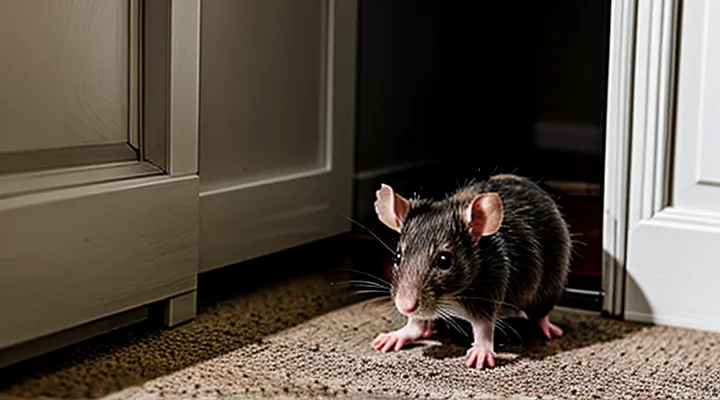
Understanding the Threat: Why Rats are a Problem
Health Risks Associated with Rats
Diseases Carried by Rats
Rats inhabiting a private residence pose a direct health threat through the pathogens they transmit. Their ability to infiltrate kitchens, basements, and storage areas creates opportunities for disease agents to contact food, surfaces, and occupants. Understanding the specific illnesses linked to rodent activity informs effective control measures and reduces exposure risk.
Common diseases associated with domestic rats include:
- Leptospirosis – bacterial infection spread via urine, capable of contaminating water and surfaces, leading to fever, muscle pain, and kidney complications.
- Hantavirus Pulmonary Syndrome – virus carried in rodent droppings and saliva; inhalation of aerosolized particles can cause severe respiratory distress.
- Salmonellosis – bacterial contamination of food through rodent feces, resulting in gastrointestinal upset, fever, and dehydration.
- Rat‑Bite Fever – bacterial infection (Streptobacillus moniliformis) transmitted by bites or scratches, producing fever, rash, and joint pain.
- Lymphocytic Choriomeningitis Virus (LCMV) – virus present in rodent urine and droppings; infection may cause meningitis, encephalitis, or flu‑like symptoms.
- Tularemia – bacterial disease (Francisella tularensis) occasionally carried by rats, leading to ulcerative skin lesions, fever, and respiratory issues.
Each pathogen requires distinct preventive actions: sealing entry points, eliminating food sources, maintaining sanitation, and employing traps or professional extermination. Prompt detection of rodent signs and immediate remediation limit the window for disease transmission within a household.
Contamination of Food and Surfaces
Rats introduce pathogens directly onto food items and indirectly through droppings, urine, and saliva. These biological contaminants can multiply rapidly, especially in warm, moist environments, rendering stored provisions unsafe for consumption.
Contaminated surfaces serve as reservoirs for bacterial and viral agents. Contact with kitchen countertops, cutting boards, or pantry shelves transfers microbes to utensils and hands, increasing the likelihood of cross‑contamination during food preparation.
Key contamination pathways include:
- Direct gnawing of packaged goods, creating entry points for bacteria.
- Deposition of droppings on open food containers and shelving.
- Urine stains on floor tiles and cabinets, which dry and become difficult to detect.
- Chewed wires and structural damage that expose insulation, fostering mold growth that further degrades hygiene.
Effective mitigation requires immediate removal of contaminated items, thorough sanitation of all surfaces, and preventive measures that limit rodent access. Disinfection protocols should employ EPA‑registered rodent‑specific cleaners, applied according to manufacturer contact times, followed by a rinse with potable water. Regular inspection of storage areas for signs of gnaw marks or droppings enables early intervention before contamination spreads.
Property Damage Caused by Rats
Structural Damage
Rats gnaw on wood, insulation, and structural members, creating openings that compromise a home’s integrity. Their incisors continuously grow, prompting relentless chewing that weakens load‑bearing beams, floor joists, and wall studs. Over time, hidden tunnels can reduce the capacity of supporting elements, leading to sagging floors, cracked walls, and, in severe cases, partial collapse.
Common manifestations of rat‑induced structural damage include:
- Compromised timber – visible bite marks, reduced cross‑section, and splintered fibers.
- Damaged drywall and plaster – holes created for nest access, often concealed behind surface finishes.
- Corroded wiring – gnawed insulation exposing conductors, increasing fire risk and weakening electrical support systems.
- Degraded insulation – shredded material that loses thermal efficiency and adds moisture retention, accelerating rot in adjacent structures.
Preventive measures focus on eliminating access points and reducing attraction sources. Sealing cracks, installing metal flashing around vents, and maintaining a clean perimeter deny rats entry and nesting sites. Regular inspections of vulnerable areas—basements, attics, and crawl spaces—allow early detection of bite marks and structural weakening before repair costs escalate.
When damage is identified, prompt removal of affected components and replacement with rodent‑resistant materials, such as steel‑reinforced lumber or hard‑plastic sheathing, restores structural stability. Integrating these practices with a comprehensive rat‑management program safeguards the building envelope and preserves the long‑term safety of the residence.
Electrical Wiring Hazards
Rats frequently gnaw electrical wiring, creating hazards that compromise safety in a private residence. Their incisors can strip insulation, expose conductors, and produce short circuits that may ignite surrounding materials.
The primary risks include:
- Loss of insulation leading to arcing and fire ignition.
- Direct contact with live wires causing electrocution of occupants or pets.
- Intermittent power loss due to damaged circuits, increasing the likelihood of equipment failure.
- Overheating of compromised wires, which can degrade surrounding structural components.
Visible indicators of wiring damage are:
- Fresh gnaw marks on cable jackets.
- Discolored or melted insulation.
- Repeated tripping of circuit breakers without an apparent load increase.
- Unusual odors resembling burning plastic.
Preventive actions focus on eliminating access and protecting vulnerable cables:
- Install metal conduit or steel plates around all exposed wiring runs.
- Seal foundation cracks, gaps around utility entries, and vent openings with steel wool and caulk.
- Deploy rodent-resistant cable covers made from hardened polymer or galvanized steel.
- Maintain a clean environment that removes food sources and nesting materials.
- Conduct quarterly visual inspections of wiring in attics, basements, and crawl spaces.
If damage is detected, remedial steps are mandatory:
- Disconnect power to the affected circuit before any handling.
- Replace compromised sections with conduit-protected wiring.
- Engage a licensed electrician to verify compliance with local codes.
- Implement additional rodent barriers in the repaired area to prevent recurrence.
Consistent monitoring, robust physical barriers, and immediate repair of compromised wiring together eliminate electrical hazards while supporting an overall rat management strategy in a residential setting.
Prevention Strategies
Sealing Entry Points
Inspecting the Exterior
Inspecting the exterior of a private residence is the first line of defense against rodent intrusion. A thorough visual survey identifies entry points, harborage sites, and food sources that attract rats.
- Walk the perimeter at ground level, noting cracks, gaps, or holes in foundations, walls, and siding.
- Examine utility penetrations, such as pipe sleeves, cable conduits, and vent openings; seal any openings larger than ¼ inch.
- Check roof eaves, soffits, and gutter systems for loose material, debris, or nesting material.
- Inspect door thresholds, garage doors, and window frames for deteriorated weatherstripping or damaged screens.
- Survey the surrounding landscape: trim low vegetation, remove piles of wood, mulch, or compost that provide shelter.
Key indicators of a rat problem include fresh droppings, gnaw marks on wood or plastic, and burrow openings near the foundation. Presence of greasy smears along walls or tracks in dusty areas also signals activity. Document each finding with photos and a written log to prioritize repairs.
Promptly repairing identified vulnerabilities, installing metal flashing or hardware cloth, and maintaining a clean perimeter reduce the likelihood of infestation. Regular exterior inspections, performed seasonally, sustain the integrity of the property’s barrier against rodents.
Repairing Gaps and Cracks
Sealing gaps and cracks eliminates the most common entry points for rodents, directly reducing the likelihood of infestation. Identify all openings larger than a quarter‑inch, including those around pipes, vents, windows, doors, and the foundation. Use a systematic inspection: visual check, flashlight probing, and tactile assessment of suspect areas.
- Apply steel wool or copper mesh to fill narrow cracks before applying sealant; rodents cannot gnaw through metal.
- Choose a durable, rodent‑resistant caulk (silicone‑based or polyurethane) for gaps around fixtures and trim.
- For larger openings, install hardware cloth with a ¼‑inch mesh, securing it with screws and expanding foam for a tight fit.
- Repair damaged siding, soffits, and eaves with weather‑resistant panels, ensuring seams are overlapped and sealed.
- Inspect the attic and crawl spaces; seal access points to HVAC ducts, electrical conduits, and chimney flues with appropriate metal flashing.
Regularly re‑evaluate sealed areas after seasonal temperature changes, as expansion and contraction can create new fissures. Maintain a schedule of quarterly inspections to confirm that all repairs remain intact, thereby sustaining an environment that deters rodent intrusion.
Maintaining Sanitation
Proper Food Storage
Proper food storage is a fundamental component of rat management in a residence. Secure containers eliminate accessible food sources, reducing attraction and encouraging nesting.
- Use airtight, rodent‑proof containers made of metal or heavy‑wall plastic for grains, cereals, pet food, and dried goods.
- Store bulk items in sealed drums with locked lids; keep lids tightened after each use.
- Place all food containers on shelves away from walls and floor level to prevent rats from climbing directly to them.
- Keep pantry doors closed; install self‑closing hinges if doors are frequently left ajar.
Maintain cleanliness to complement storage practices. Promptly wipe spills, sweep crumbs, and discard expired products. Regularly inspect storage areas for signs of gnawing or compromised seals; replace damaged containers immediately.
By eliminating readily available nourishment, the environment becomes inhospitable to rats, supporting broader control strategies without reliance on traps or poisons.
Waste Management Practices
Proper waste handling directly reduces the likelihood of rat infestations in residential properties. Rats locate food sources primarily through odors emitted by improperly stored or discarded refuse; eliminating these cues removes a critical incentive for colonization.
Key practices include:
- Store all waste in containers equipped with tight‑fitting lids; replace damaged seals promptly.
- Position bins away from the building’s exterior walls and elevate them on sturdy platforms to prevent rodent access.
- Empty indoor trash daily; schedule outdoor collection no later than 24 hours after disposal.
- Separate organic material for composting in sealed, rodent‑proof units; turn compost regularly to discourage nesting.
- Keep the perimeter clear of debris, cardboard, and unused pallets that could serve as shelter or food caches.
Consistent monitoring of waste areas, combined with immediate correction of any breach in containment, sustains an environment hostile to rats. Routine inspections of seals, lids, and surrounding landscaping ensure that waste management remains an effective component of an overall rodent‑control strategy.
Landscape Management
Trimming Vegetation
Keeping shrubs, trees, and groundcover trimmed reduces shelter and food sources for rats. Overgrown vegetation creates dense cover that protects rodents from predators and weather, allowing populations to thrive near a dwelling. Regular pruning eliminates these hiding places, forcing rats to move into less favorable areas where they are more vulnerable to control measures.
Key practices for vegetation management:
- Cut back low‑lying branches and vines that reach the foundation or crawl spaces.
- Maintain a clearance of at least 2 feet between plants and the house walls.
- Remove leaf litter, grass clippings, and fallen fruit from garden beds weekly.
- Thin out dense shrubbery to expose the soil surface, discouraging burrowing.
- Dispose of trimmed material away from the property or compost it in a sealed container.
Implementing these steps complements other rat‑deterrent strategies, creating an environment where rodents find few refuges and are less likely to establish permanent colonies in a private residence.
Removing Debris
Removing debris eliminates shelter and food sources that attract rodents to a residence. When clutter is cleared from basements, attics, and crawl spaces, rats lose the hiding places they use for nesting and foraging, reducing the likelihood of infestation.
Key debris categories and removal actions include:
- Cardboard and paper waste: Collect and dispose of in sealed containers; recycle only after shredding.
- Wood piles and construction scraps: Store outside the home, elevate on pallets, and keep covered with tarpaulins.
- Food remnants and packaging: Sweep floors daily, empty trash bins nightly, and use airtight containers for pantry items.
- Cluttered storage areas: Organize items on shelves, maintain at least a six‑inch clearance around walls, and discard broken or unused objects.
Regular maintenance of these areas sustains a hostile environment for rats, supporting broader pest‑management strategies in a private dwelling.
Active Rat Control Methods
Trapping Methods
Snap Traps
Snap traps provide immediate, lethal control of rats in a residential setting. The mechanism consists of a spring‑loaded bar that releases upon contact with a trigger, delivering a rapid, precise strike that kills the animal instantly. This method eliminates the need for chemical agents and reduces the risk of secondary poisoning.
Effective use of snap traps requires careful selection and placement. Choose traps with a sturdy base, a smooth interior to prevent escape, and a trigger sensitivity calibrated for the size of the target rodent. Bait the trap with products that attract rats, such as peanut butter, dried fruit, or small pieces of meat. Position traps along established runways, behind appliances, near walls, and in concealed areas where rats travel. Place traps perpendicular to the wall, with the trigger end facing the expected direction of approach.
Key considerations for safe operation:
- Wear gloves when handling traps to avoid contaminating the trigger with human scent.
- Secure traps out of reach of children and pets; consider using lockable bait stations.
- Check traps daily; remove dead rodents promptly to prevent odor buildup.
- Dispose of captured rats in sealed bags and follow local waste regulations.
- Reset or replace traps after each catch to maintain effectiveness.
Maintenance extends the lifespan of snap traps. Clean the trigger mechanism with a mild solvent to remove residue that could impair sensitivity. Inspect the spring for fatigue and replace the trap if the bar no longer snaps fully.
Advantages include rapid action, low cost, and no reliance on poisons. Limitations involve the need for regular monitoring and the potential for non‑target captures if traps are not properly secured. When integrated with sanitation measures—sealing entry points, removing food sources, and eliminating clutter—snap traps become a reliable component of a comprehensive rat control program in private homes.
Live Traps
Live traps provide a humane alternative for managing rats within a private residence. The devices capture rodents without killing them, allowing owners to relocate the animals away from the property.
The trap consists of a concealed chamber with a trigger mechanism. When a rat enters to reach the bait, the door closes behind it, preventing escape. Effective bait includes peanut butter, dried fruit, or small pieces of meat; freshness enhances attraction.
Placement determines success. Position traps along walls, behind appliances, and near known activity signs such as droppings or gnaw marks. Ensure the trap sits on a stable surface to avoid accidental release. Check traps at least twice daily to reduce stress on captured rodents.
After capture, handle the animal with gloves to prevent bites and disease transmission. Transport the rat in a secure container to a location at least 100 meters from the home, preferably in a natural area where it can find shelter. Verify local regulations; some jurisdictions require permits for relocation or prohibit release of captured wildlife.
Key considerations
- Size of trap matches target rat species (Rattus norvegicus or Rattus rattus).
- Bait freshness refreshed every 24 hours.
- Daily monitoring prevents prolonged confinement.
- Release site complies with legal and ecological guidelines.
- Combine live traps with sanitation and exclusion measures for comprehensive control.
Live traps excel in settings where humane treatment is a priority, but they demand consistent maintenance and adherence to legal requirements. Integrating them with other rodent‑management practices yields the most reliable reduction in household rat populations.
Electronic Traps
Electronic traps eliminate rodents by delivering a rapid, high‑voltage shock that incapacitates the animal instantly. The device contains a sensor plate that registers the weight of a rat; once the threshold is reached, a controlled electric pulse is released, preventing escape and ensuring a humane kill.
Key benefits include:
- Immediate lethality, reducing the chance of disease transmission.
- No reliance on poisons, eliminating secondary poisoning risks for pets and humans.
- Reusable components that lower long‑term costs compared to disposable snap traps.
- Quiet operation, suitable for indoor environments where noise is undesirable.
Installation requires placement along established runways, near walls, or close to known entry points. Position traps on flat surfaces, connect to a reliable power source, and test the sensor before activation. Regular inspection removes deceased rodents and verifies battery health or power‑line integrity. Safety features such as insulated housing and child‑proof switches prevent accidental contact, making electronic traps a practical solution for private residences seeking effective rat control.
Baits and Rodenticides
Types of Rodenticides
Rodenticides are chemical agents used to reduce rat populations in residential settings. Their classification rests on mode of action and toxicity profile.
Anticoagulant rodenticides interfere with blood clotting. First‑generation compounds such as warfarin and chlorophacinone require multiple feedings to achieve lethality, making them suitable for low‑density infestations. Second‑generation agents—brodifacoum, bromadiolone, difenacoum—possess higher potency, often causing death after a single ingestion; they are preferred when rapid reduction is essential but demand strict placement to prevent accidental exposure.
Non‑anticoagulant rodenticides act through alternative physiological pathways. Zinc phosphide releases phosphine gas in the stomach, producing acute toxicity. Bromethalin disrupts neuronal ion transport, leading to cerebral edema. Cholecalciferol (vitamin D₃) induces hypercalcemia, while sodium fluoroacetate (1080) impairs cellular metabolism. These options provide alternatives when resistance to anticoagulants is documented.
Effective deployment in a private house requires:
- Selection of a rodenticide matched to infestation severity and resistance patterns.
- Placement of bait within sealed stations to limit access by children, pets, and non‑target wildlife.
- Monitoring of bait consumption and removal of uneaten material after the control period.
- Compliance with local regulations governing purchase, labeling, and disposal.
Understanding the specific characteristics of each rodenticide class enables homeowners to implement a targeted, safe, and legally compliant rat management program.
Safe Application and Placement
Safe placement of rodent control products prevents accidental exposure and maximizes effectiveness. Position traps along walls, behind appliances, and in concealed pathways where rats travel. Keep devices out of reach of children and pets by installing them on elevated surfaces or using protective barriers. Store baits in sealed containers, away from food preparation areas, and label them clearly to avoid misuse.
When applying chemical baits, follow these guidelines:
- Use pre‑measured, tamper‑resistant bait stations designed for residential use.
- Place stations in dark, inaccessible corners, such as under sinks or behind cabinets.
- Maintain a minimum distance of 3 feet from food storage, cooking surfaces, and pet feeding zones.
- Replace stations only after the original contents are fully consumed or expired.
Mechanical traps require regular inspection. Check traps daily, remove captured rodents with disposable gloves, and dispose of them in sealed bags. Reset or replace traps promptly to maintain continuous pressure on the infestation. Adhering to these practices ensures that rat control measures function safely and efficiently within a private home.
Natural Deterrents
Peppermint Oil and Other Scents
Peppermint oil functions as a volatile repellent; its strong menthol aroma overwhelms the rat’s highly developed olfactory system, prompting avoidance of treated areas. Apply the oil undiluted on cotton balls or use a 10‑15 % solution in water for spraying along baseboards, entry points, and near stored food. Reapply every 3–5 days, especially after cleaning or ventilation, to maintain effective concentration.
Other aromatic compounds exhibit comparable deterrent properties:
- Eucalyptus oil – 8‑12 % solution, sprayed on exterior walls and crawl‑space vents.
- Citronella oil – 5‑10 % mixture, applied to outdoor perimeters and garden sheds.
- Clove oil – 5 % blend, placed in small containers near pantry shelves.
- Spearmint oil – 10 % solution, used similarly to peppermint for interior corners.
Effectiveness depends on consistent coverage and avoidance of direct contact with food surfaces. Scents do not eradicate established infestations; they are most useful as a preventive barrier when combined with sealing gaps, trapping, and sanitation. Excessive use may cause respiratory irritation for occupants, so observe manufacturer safety guidelines and ventilate treated rooms after application.
Ultrasonic Repellents
Ultrasonic repellents emit high‑frequency sound waves that rodents cannot hear but find uncomfortable. The devices typically operate between 20 kHz and 65 kHz, a range that interferes with rats’ auditory perception and induces avoidance behavior.
The emitted pulses create a hostile acoustic environment, prompting rats to vacate treated zones. Continuous operation maintains the deterrent effect, while automatic shut‑off during daylight hours conserves energy without compromising protection.
- Position units at least 30 cm above the floor, away from walls and furniture that could block sound propagation.
- Install one device per 30 m² of floor space; larger areas require multiple units for overlapping coverage.
- Place units near entry points, such as doorways, vents, and gaps around utility lines.
- Ensure power supply is stable; use battery‑backed models where outages are frequent.
- Replace units according to manufacturer recommendations, typically every 2–3 years, to preserve output intensity.
Field studies report a 40–70 % reduction in rat activity when ultrasonic devices are used in isolated indoor environments. Success rates increase when devices are combined with physical exclusion methods, such as sealing openings and removing food sources.
Effectiveness diminishes in cluttered rooms, areas with heavy acoustic damping, or when rats become habituated to the sound. Regular rotation of frequencies, integration with traps, and strict sanitation enhance long‑term control. Ultrasonic repellents serve as a non‑chemical component of a comprehensive rodent management strategy for private residences.
Post-Control Measures
Cleaning and Disinfecting
Removing Carcasses
Prompt removal of dead rodents eliminates food sources, reduces attractants, and prevents disease spread. Delays allow decomposition odors to draw additional pests and create health hazards for occupants.
Before handling, equip gloves, disposable coveralls, and a face mask. Ensure adequate ventilation; isolate the affected area to contain contaminants.
- Identify all carcasses, including hidden ones in walls, attics, and crawl spaces.
- Place each specimen in a heavy‑duty, sealable plastic bag.
- Add a second bag for double sealing; tie securely.
- Apply an EPA‑approved disinfectant to the exterior of the sealed bags.
- Transport bags directly to a designated disposal point.
Acceptable disposal methods include municipal solid‑waste collection, licensed pest‑control contractors, or on‑site incineration if permitted by local regulations. Avoid composting or burial in residential soil.
After removal, clean the surrounding surfaces with a detergent solution, then disinfect with a product effective against rodent‑borne pathogens. Allow the area to dry completely before restoring normal use.
Sanitizing Contaminated Areas
Sanitizing areas contaminated by rodents prevents disease transmission and removes attractants that can sustain an infestation.
Identify zones where rats have been active by looking for droppings, urine stains, gnaw marks, and disturbed food packaging. Mark each location for systematic treatment.
Before cleaning, don disposable gloves, a face mask, and protective clothing. Remove loose debris, sweep up droppings, and discard contaminated materials in sealed bags. Follow a three‑step cleaning protocol:
- Pre‑clean: Wash surfaces with hot, soapy water to dissolve organic residue. Rinse thoroughly.
- Disinfect: Apply an EPA‑registered rodent‑specific disinfectant or a 1:10 dilution of bleach solution (sodium hypochlorite). Ensure the product remains on the surface for the manufacturer‑specified contact time.
- Dry: Allow the area to air‑dry or use clean towels to remove excess liquid, eliminating moisture that could attract pests.
After treatment, verify effectiveness by inspecting for remaining stains, using a UV flashlight to detect hidden droppings, and confirming the absence of strong odors.
Integrate sanitization with exclusion measures, baiting, and regular monitoring to maintain a rodent‑free household environment.
Ongoing Monitoring
Regular Inspections
Regular inspections form the backbone of any successful rodent‑prevention strategy in a residence. By systematically surveying vulnerable areas, homeowners can identify early signs of activity, such as droppings, gnaw marks, or nesting material, before an infestation escalates.
A practical inspection schedule includes:
- Monthly perimeter review – Examine exterior walls, foundation cracks, and utility openings for gaps larger than ¼ inch. Seal identified breaches with steel wool, caulk, or metal flashing.
- Quarter‑yearly interior sweep – Focus on kitchens, pantries, basements, and attics. Look for food residues, water sources, and concealed entry points behind appliances or stored items.
- Seasonal deep check – During spring and fall, inspect insulation, wiring cavities, and roof eaves for new burrows or chew damage. Remove debris that could serve as shelter.
Documentation of findings is essential. Record the location, type of evidence, and corrective actions taken. Maintaining a log enables trend analysis, helping to predict high‑risk periods and allocate resources efficiently.
Prompt remediation of detected issues prevents population growth, reduces the need for chemical interventions, and protects structural integrity. Consistent, thorough inspections therefore sustain long‑term rodent control in a private dwelling.
Early Detection of Reinfestation
Early detection of rat reinfestation is essential for maintaining a pest‑free residence. Routine visual inspections should focus on areas where rodents travel, feed, or nest: attic joists, crawl spaces, kitchen cabinets, and behind appliances. Look for fresh droppings, gnaw marks, urine stains, and shredded insulation. The presence of new burrows or fresh gnaw holes indicates recent activity and requires immediate response.
Monitoring devices increase detection accuracy. Place snap traps or electronic detectors along established runways; check them daily. Use non‑toxic tracking powders at suspected entry points; a single footstep leaves a visible trail that confirms movement. Motion‑activated cameras positioned near waste bins or utility rooms capture nocturnal activity without disturbing occupants.
A systematic schedule reinforces vigilance. Conduct a thorough inspection weekly for the first month after treatment, then bi‑weekly for the next two months, and monthly thereafter. Record findings in a log, noting location, type of evidence, and date. Correlate entries with seasonal patterns; rodent populations typically rise in fall and winter, prompting more frequent checks during those periods.
If evidence of renewed presence appears, initiate a targeted response. Replace or reposition traps near the detection site, seal any newly discovered gaps, and apply rodent‑resistant materials where feasible. Prompt action prevents a minor re‑entry from escalating into a full‑scale infestation.