
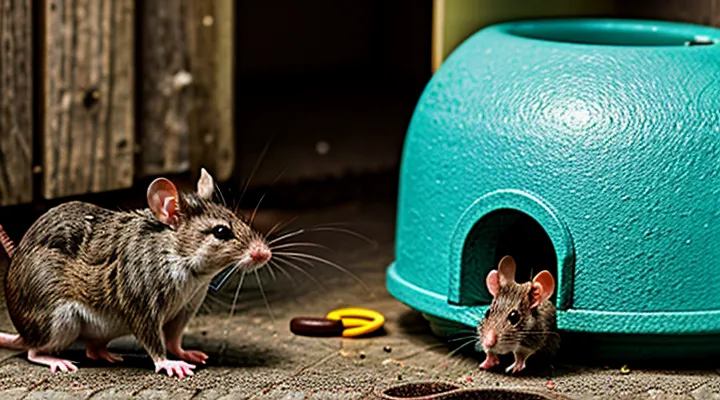
Understanding Rat and Mouse Behavior
Why Rodents Invade Homes
Rodents enter residential structures primarily to satisfy basic survival needs. Food availability, shelter, water, and favorable microclimates drive their movement from external habitats into homes.
Key motivations include:
- Accessible food: unsecured pantry items, pet food, and kitchen waste provide high‑calorie resources.
- Protection from predators: walls, attics, and basements offer concealment from birds of prey and mammals.
- Stable temperature: indoor environments maintain warmth during winter and coolness in summer, reducing thermoregulatory stress.
- Water sources: leaky pipes, dripping faucets, and condensation create reliable hydration points.
- Breeding opportunities: abundant resources support rapid population growth, prompting individuals to expand territory into human dwellings.
- Structural weaknesses: gaps around doors, windows, utility penetrations, and foundation cracks serve as entry routes.
Environmental pressures such as habitat loss, seasonal scarcity, and population density amplify these drivers. When external conditions become unfavorable, rodents instinctively seek the safety and resources that homes provide, leading to frequent infestations.
Signs of a Rodent Infestation
Detecting rodent activity is the first step toward any successful deterrent program. Early identification allows timely deployment of control measures before populations expand.
- Gnaw marks on wood, plastic, or wiring indicate repeated chewing.
- Droppings, typically ¼‑inch dark pellets, accumulate near food sources, nests, or travel routes.
- Grease or urine trails appear as dark, oily streaks along walls, baseboards, or cabinets.
- Nest material composed of shredded paper, fabric, insulation, or dried plant matter signals breeding sites.
- Audible noises such as scratching or scurrying, especially at night, confirm presence.
- Unexplained damage to stored food, packaging, or wiring points to foraging behavior.
Each sign confirms active infestation and justifies immediate implementation of rodent deterrent methods. Prompt response limits structural damage, health risks, and reduces the amount of repellent product required for effective control.
Non-Lethal Repellent Strategies
Natural Repellents
Essential Oils («Peppermint», «Eucalyptus», «Citronella»)
Essential oils constitute a core component of many rodent deterrent formulations. Their volatile compounds interfere with the sensory systems of rats and mice, prompting avoidance behavior.
-
Peppermint (Mentha piperita) – high menthol concentration produces a strong, cooling odor that overwhelms rodent olfactory receptors. Studies show a reduction in activity levels when peppermint oil is applied to entry points, nesting sites, or dispersed via spray. Recommended dilution: 10 ml oil per liter of water, applied twice daily with a fine mist.
-
Eucalyptus (Eucalyptus globulus) – eucalyptol and related terpenes create a sharp, medicinal scent that repels rodents. Field trials report decreased trap captures after treatment of walls and floorboards. Effective mixture: 8 ml oil per liter of carrier (water or mineral oil), delivered through soaked cotton pads or ultrasonic diffusers.
-
Citronella (Cymbopogon nardus) – citronellal and citronellol generate a citrus-like aroma intolerable to rodents. Integration into solid blocks or gel matrices extends release time, maintaining a persistent barrier. Formulation guideline: 12 ml oil per 500 ml carrier, solidified with beeswax for placement in burrow entrances.
Application protocols must consider toxicity to non‑target species. All oils should be tested on a small area before widespread use, and exposure to pets or children should be minimized. Combining the three oils in a balanced blend (equal parts) often enhances repellent potency by targeting multiple sensory pathways simultaneously.
Household Items («Vinegar», «Ammonia», «Hot Pepper»)
Common household substances can serve as practical rodent deterrents when applied correctly.
-
Vinegar – The strong acetic odor irritates the nasal passages of rats and mice, prompting avoidance of treated areas. Apply undiluted white vinegar to entry points, baseboards, and surfaces where droppings are found. Reapply weekly, as the scent dissipates with ventilation.
-
Ammonia – Ammonia vapor mimics the scent of predator urine, creating a hostile environment for rodents. Mix equal parts clear ammonia and water, then soak cotton balls or cloth strips. Place the saturated material in concealed locations such as under appliances, behind cabinets, and near suspected burrows. Replace the mixture every three days to maintain potency.
-
Hot Pepper – Capsaicin, the active component in chili peppers, causes discomfort upon contact with rodent skin and mucous membranes. Create a spray by blending finely ground hot pepper flakes with water and a small amount of dish soap to emulsify. Spray the solution around doorways, fence lines, and garden beds where rodents forage. Reapply after rain or cleaning.
When employing these agents, ensure adequate ventilation and avoid direct contact with skin or eyes. Store chemicals out of reach of children and pets. Combining multiple deterrents can enhance coverage, but monitor for material degradation and replace treatments regularly to sustain efficacy.
Electronic Repellents
Ultrasonic Devices («How They Work», «Effectiveness and Limitations»)
Ultrasonic repellents emit high‑frequency sound waves, typically above 20 kHz, that are inaudible to humans but perceived as uncomfortable by rodents. The devices contain a transducer that converts electrical signals into acoustic energy, creating a sound field that radiates outward from the unit. Frequency modulation cycles between several bands to prevent habituation, while the intensity is calibrated to cover a limited radius, usually 30–50 ft depending on model specifications.
Effectiveness varies with species, environmental conditions, and placement. Studies show that:
- Consistent exposure can reduce activity of house mice and Norway rats in confined spaces.
- Open areas with high airflow diminish sound propagation, limiting impact.
- Young rodents may become desensitized after weeks of uninterrupted operation.
- Devices do not affect burrowing or hidden populations; they only influence animals within the audible field.
Overall, ultrasonic units provide a non‑chemical option for short‑range deterrence, but reliance on them alone is insufficient for comprehensive rodent management. Integration with sealing entry points, trapping, and sanitation yields more reliable control.
Electromagnetic Devices («Principles of Operation»)
Electromagnetic rodent deterrents employ high‑frequency fields that affect the sensory and nervous systems of rats and mice. The devices generate oscillating currents within a coil, producing an alternating magnetic field that extends outward from the unit. When a rodent enters the field, the rapid changes induce micro‑currents in its body tissues, leading to discomfort or disorientation that discourages further presence.
Key operational principles include:
- Frequency selection: Ultrasonic and electromagnetic models typically operate between 20 kHz and 100 kHz. Frequencies above the human hearing range avoid audible disturbance while remaining within the auditory sensitivity of rodents.
- Field intensity: Output levels are calibrated to produce a magnetic flux density sufficient to trigger sensory receptors without posing a health risk to humans or pets. Typical flux densities range from 0.1 mT to 0.5 mT at the device’s perimeter.
- Modulation pattern: Continuous waveforms may cause habituation; many units employ pulse‑width modulation or frequency hopping to maintain efficacy.
- Coverage geometry: Coil design determines the spatial distribution of the field. Cylindrical or toroidal coils create a roughly spherical zone, while linear arrays target corridors or wall voids.
- Power management: Devices draw low‑power AC or DC input, often incorporating automatic shut‑off timers to conserve energy and extend component lifespan.
The interaction mechanism relies on induced electric fields that stimulate mechanoreceptors in the rodent’s whiskers and auditory nerves. This stimulation produces an aversive response, prompting the animal to vacate the area. Because the effect is non‑lethal and does not involve chemical agents, electromagnetic devices are compatible with integrated pest‑management programs that prioritize safety and environmental compliance.
Physical Deterrents and Exclusion
Sealing Entry Points
Identifying Common Entry Points («Cracks», «Gaps», «Utility Openings»)
Rats and mice gain indoor access through small structural deficiencies that are often overlooked. Identifying these weaknesses is a prerequisite for any successful rodent deterrent strategy because it allows targeted sealing, reducing the need for chemical or trap-based interventions.
Typical entry points include:
- Cracks in foundation walls, especially near the perimeter where soil meets masonry.
- Gaps around door frames, window sills, and sliding glass doors, often visible as uneven seams or worn weatherstripping.
- Utility openings such as pipe penetrations, vent chases, and conduit sleeves that lack proper collars or flashing.
- Openings around HVAC ducts, exhaust fans, and chimney flues, where gaps may develop from settled insulation or rusted metal.
- Spaces beneath raised floors, crawl spaces, and basements where joist ends are exposed.
Inspection should begin with a systematic walk around the building exterior, using a flashlight to reveal hidden fissures. Inside, examine the perimeter of each room, focusing on baseboards, cabinets, and appliance installations. Look for signs of rodent activity—gnaw marks, droppings, or nesting material—to confirm active pathways. Once identified, seal cracks with hydraulic cement, fill gaps with steel wool followed by caulk, and install stainless‑steel mesh or silicone‑based sealants around utility penetrations. Regularly re‑evaluate sealed areas to ensure integrity, especially after seasonal temperature fluctuations or structural settling.
Materials for Sealing («Steel Wool», «Caulk», «Hardware Cloth»)
Sealing entry points prevents rats and mice from accessing structures, complementing other deterrent methods. Effective sealing relies on materials that block gnawing, resist weather, and allow easy installation.
Steel wool provides a dense, flexible barrier that rodents cannot easily chew through. It is suitable for small gaps around pipes, vents, and foundation cracks. To maximize durability, wrap the wool tightly and secure it with expanding foam or mesh tape. The material degrades when exposed to moisture over long periods; replace it during routine inspections.
Caulk fills cracks and seams that are too narrow for wire or cloth. Silicone‑based caulk remains flexible, resists temperature fluctuations, and adheres to most building materials. Acrylic caulk offers quick drying and paintability but loses effectiveness in humid environments. Apply a continuous bead, smooth it with a tooling tool, and allow the manufacturer’s cure time before exposing the area to moisture.
Hardware cloth consists of galvanized steel mesh with openings typically ¼ inch or smaller. Its rigidity stops gnawing and withstands outdoor conditions. Cut the cloth to shape, secure it over larger openings such as crawl‑space vents, attic hatch doors, and exterior wall penetrations using stainless‑steel screws and washers. Overlap seams by at least one inch and seal joints with caulk to eliminate residual gaps.
Key considerations for each material
- Steel wool – flexible, quick to install, limited lifespan in damp areas.
- Caulk – ideal for narrow cracks, maintains elasticity, performance varies with formulation.
- Hardware cloth – robust, long‑term protection, requires fastening hardware and seam sealing.
Select the material that matches the size and exposure of each opening, combine multiple types where necessary, and verify integrity during seasonal maintenance. This systematic approach minimizes rodent ingress and reinforces overall pest‑prevention strategies.
Habitat Modification
Removing Food Sources («Proper Food Storage», «Pet Food Management»)
Eliminating accessible food is a cornerstone of any rodent‑deterrence plan. When food is sealed, stored correctly, or removed promptly, the attraction that draws rats and mice into homes and businesses diminishes dramatically.
Proper food storage
- Keep all dry goods in airtight containers made of metal or heavy‑wall plastic.
- Store perishables in the refrigerator or freezer; discard any items past their expiration date.
- Clean spills and crumbs immediately; sweep, vacuum, and mop surfaces after each meal preparation.
- Position pantry shelves away from walls to allow airflow and facilitate inspection for signs of infestation.
Pet food management
- Place dry kibble in sealed, resealable bags or containers; avoid leaving bowls out overnight.
- Feed pets at scheduled times and remove uneaten portions within 30 minutes.
- Store wet food in the refrigerator and discard leftovers after a few hours.
- Clean feeding areas daily, removing any droppings or food residue that could lure rodents.
By denying rodents reliable nutrition sources, the effectiveness of chemical or physical deterrents increases, leading to sustained control of unwanted visitors.
Eliminating Water Sources («Fixing Leaks», «Drying Damp Areas»)
Eliminating water sources removes a primary attractant for rats and mice, forcing them to seek food and shelter elsewhere. Moist environments support nests, provide easy access to building structures, and increase the likelihood of infestation.
Identify and repair leaks promptly. Inspect roofs, gutters, and downspouts for corrosion or blockage; seal cracks in flashing and replace damaged tiles. Examine interior plumbing, including pipes under sinks, behind appliances, and in basements, for drips or condensation. Apply pipe‑thread sealant or replace faulty fittings to stop continuous moisture.
Dry damp areas to deny rodents a suitable habitat. Follow these steps:
- Increase ventilation by installing exhaust fans or opening windows where weather permits.
- Deploy dehumidifiers in basements, crawl spaces, and laundry rooms; set humidity below 50 % and monitor with hygrometers.
- Remove standing water from pet dishes, plant trays, and bucket containers each day.
- Clean and disinfect surfaces after water removal to prevent mold growth that can retain moisture.
- Insulate cold pipes and walls to reduce condensation; use foam pipe wrap or thermal barrier panels.
Maintain a regular inspection schedule. Check for signs of moisture—water stains, musty odor, or rust—and address issues before they become chronic. Consistent elimination of water sources reduces rodent activity, complements other control measures, and supports long‑term pest‑free conditions.
Reducing Shelter Options («Decluttering», «Trimming Vegetation»)
Reducing the places where rodents can hide directly strengthens any pest‑deterrent program. Removing clutter eliminates gaps, piles, and storage boxes that provide nesting sites. When interior spaces are kept orderly, rats and mice encounter fewer protected corners, making them more exposed to traps and chemical barriers.
Trimming vegetation around a building limits outdoor shelter. Low‑lying shrubs, tall grass, and dense hedges create cover for foraging rodents and pathways to entry points. Regular pruning forces them to travel in the open, where predators and deterrent devices are more effective.
Key actions for decluttering and vegetation management:
- Clear debris, cardboard, and unused materials from basements, attics, and garages. Store items on pallets or shelves, leaving at least 12 inches of clearance from walls.
- Dispose of food waste promptly; seal garbage containers with tight‑fitting lids.
- Cut grass to a maximum height of 3 inches.
- Prune shrubs to a width of no more than 6 inches from the building façade.
- Remove vines and plant roots that touch exterior walls.
- Keep mulch and compost piles at least 2 feet away from foundations.
Implementing these measures reduces the attractiveness of a property to rodents, enhances the reach of repellents, and lowers the likelihood of infestations.
Integrated Pest Management (IPM) for Rodents
Combining Repellents and Exclusion
Combining chemical or ultrasonic repellents with physical exclusion creates a layered defense that reduces rodent intrusion more reliably than either method alone. Repellents deter entry by creating an unfavorable environment, while barriers prevent any animals that ignore the deterrent from gaining access.
Effective integration follows a logical sequence:
- Identify vulnerable points such as gaps around pipes, vents, and door frames.
- Install exclusion devices—steel mesh, cement‑filled openings, or sealed door sweeps—ensuring no gaps larger than ¼ inch remain.
- Deploy repellents in the protected zone: place ultrasonic emitters at ceiling height, apply non‑toxic scent gels near entryways, or use granular deterrents in crawl spaces.
- Verify uninterrupted operation of electronic devices, replace batteries quarterly, and replenish scent products according to manufacturer guidelines.
- Conduct monthly inspections to confirm barrier integrity and monitor for signs of rodent activity; repair any breaches immediately.
The synergy arises because repellents reduce the likelihood of rodents attempting to breach barriers, while exclusion ensures that any that do approach are blocked. Continuous monitoring validates system performance and prevents the gradual degradation that compromises efficacy. Implementing this combined approach aligns with best practices for long‑term rodent management.
Regular Monitoring and Maintenance
Regular monitoring ensures that rodent deterrent systems continue to function at peak efficiency. Inspect all devices weekly for signs of wear, blockage, or diminished output. Replace depleted cartridges, recharge electronic units, and clean surfaces that may accumulate dust or debris.
A systematic maintenance routine reduces the likelihood of pest resurgence. Follow these steps each month:
- Verify that bait stations are securely sealed and positioned away from non‑target species.
- Test motion‑activated emitters for proper activation and audible output.
- Examine traps for rust, broken springs, or misaligned triggers; repair or discard as needed.
- Record inspection dates, observations, and corrective actions in a log for trend analysis.
Data collected during inspections guide adjustments to placement density and device type. If activity reports show increased rodent signs in a specific area, increase device concentration or switch to a more suitable technology.
Consistent upkeep extends product life, minimizes replacement costs, and maintains a hostile environment for rats and mice. Implementing a documented schedule and accountability framework protects both the facility and its occupants.
Professional Pest Control Services («When to Call an Expert»)
Rats and mice can breach residential or commercial barriers despite traps, baits, and ultrasonic devices. When infestations persist, a qualified pest‑control provider delivers solutions beyond consumer‑grade products.
- Repeated sightings in multiple rooms or floors
- Droppings, gnaw marks, or urine stains in concealed areas
- Damage to wiring, insulation, or structural components
- High population density indicated by active nests or burrows
- Failure of over‑the‑counter repellents after several weeks
Professional services address these conditions with integrated pest‑management (IPM) protocols. Certified technicians conduct thorough inspections to locate entry points, assess sanitation practices, and identify species. They apply targeted rodenticide placements, bait stations, and exclusion techniques that comply with health and safety regulations. Guarantees often include post‑treatment monitoring and remediation of damage.
Clients receive a documented action plan outlining initial treatment, follow‑up visits, and preventive measures. Technicians seal gaps, install durable barriers, and advise on waste management to deter future incursions. Choosing an expert eliminates guesswork, reduces health risks, and ensures long‑term protection against rodent activity.