
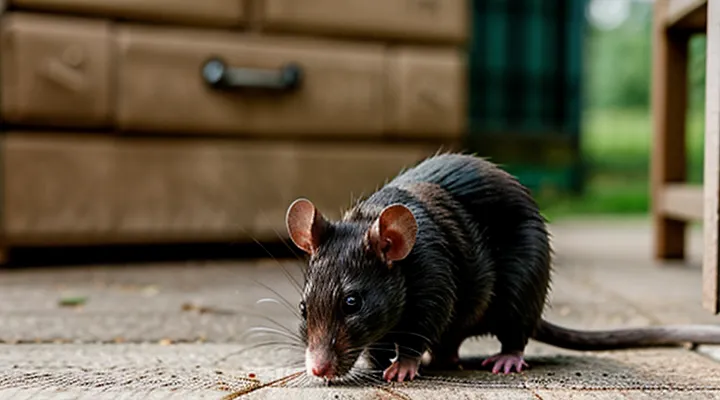
Understanding Rat Parasites
Common External Parasites
Fleas and Mites
Rats infested with fleas or mites exhibit excessive scratching, hair loss, and skin lesions. Early detection relies on visual inspection of the coat and skin, as well as the presence of moving insects on the fur. Fleas appear as small, dark, wingless insects that jump, while mites are microscopic, often requiring a magnifying lens to observe their movement or the resulting dermatitis.
Effective control begins with a thorough environmental sanitation. Remove bedding, clean cages with hot water, and disinfect all surfaces. Replace all nesting material with fresh, untreated supplies to eliminate residual eggs and larvae.
Treatment options include:
- Topical insecticides: Products containing fipronil, imidacloprid, or selamectin applied directly to the rat’s dorsal area provide rapid kill of adult fleas and mites. Follow manufacturer dosage guidelines to avoid toxicity.
- Oral systemic agents: Avermectin derivatives such as milbemycin oxime, administered in calibrated doses, target internal stages of parasites and reduce reinfestation risk.
- Environmental sprays: Permethrin‑based aerosols applied to cage interiors and surrounding areas eradicate hidden stages. Allow proper ventilation before re‑introducing rats.
- Biological controls: Diatomaceous earth, spread thinly on bedding, desiccates external parasites without chemical exposure. Use food‑grade material to ensure safety.
Preventive measures maintain parasite‑free colonies:
- Conduct weekly visual checks and weekly weight monitoring; sudden weight loss may indicate hidden infestations.
- Rotate bedding materials and perform monthly deep cleaning of cages.
- Quarantine new arrivals for at least two weeks, treating prophylactically with a low‑dose topical insecticide before integration.
- Limit exposure to outdoor environments where wild rodents or insects could introduce parasites.
Monitoring after treatment involves re‑inspection at 48‑hour intervals for residual activity and a follow‑up assessment after seven days to confirm eradication. Document findings in a health log to track efficacy and adjust protocols as needed.
Lice
Lice infestations in rats cause irritation, anemia, and can transmit bacterial agents. Rapid identification relies on visual inspection of the ventral surface, ear canals, and tail base, where adult lice and nymphs are most visible. Infested individuals often exhibit excessive scratching and a dull coat.
Effective control strategies combine chemical and environmental measures. Chemical agents must be approved for rodent use, applied at recommended concentrations, and administered with care to avoid toxicity.
- Topical insecticides: Permethrin‑based solutions (0.5 % concentration) applied to the dorsal midline, allowing absorption through the skin. Re‑treatment after 7 days addresses emerging nymphs.
- Oral systemic agents: Ivermectin at 0.2 mg/kg body weight, delivered in feed or water, provides broad‑spectrum ectoparasite coverage. Repeat dosing after 10 days ensures complete eradication.
- Environmental decontamination: Bedding replacement, thorough cleaning of cages with a 1 % sodium hypochlorite solution, and heat treatment of reusable items at 60 °C for 30 minutes reduce reinfestation risk.
Monitoring after treatment involves weekly examinations for four weeks. Absence of live lice confirms success; persistent findings warrant a second treatment cycle with an alternative class of insecticide to prevent resistance development.
Preventive practices include regular cage sanitation, minimizing overcrowding, and routine health checks. Implementing these measures sustains rat welfare and limits the spread of lice within colonies.
Common Internal Parasites
Roundworms
Roundworms (Typhlops spp.) are common intestinal parasites in laboratory and pet rats. Adult worms reside in the small intestine, where they absorb nutrients and cause weight loss, diarrhea, and reduced growth rates. Infection spreads through ingestion of contaminated feed, water, or feces, and can persist in a colony if untreated.
Accurate diagnosis relies on fecal flotation or direct smear microscopy, which reveal characteristic eggs (approximately 70‑80 µm, elliptical, with thick shells). Repeated sampling improves detection because egg shedding is intermittent. Early identification prevents severe morbidity and limits transmission.
Effective therapeutic agents include:
- Fenbendazole – 50 mg/kg body weight, administered orally for three consecutive days; high efficacy, low toxicity.
- Levamisole – 2.5 mg/kg subcutaneously, single dose; rapid action but may cause transient neurotoxicity at higher doses.
- Pyrantel pamoate – 10 mg/kg orally, single dose; useful for light infections, less effective against heavy burdens.
Dosage calculations must consider the rat’s weight; under‑dosing promotes resistance. Post‑treatment fecal exams are recommended after 7 days to confirm eradication. Re‑treatment may be necessary if eggs persist.
Preventive measures consist of strict sanitation, regular fecal monitoring, and avoiding cross‑contamination between cages. Implementing a routine deworming schedule for breeding colonies reduces the incidence of roundworm outbreaks and supports overall colony health.
Tapeworms
Tapeworm infections in rats are caused primarily by Hymenolepis spp., which attach to the intestinal mucosa and absorb nutrients, leading to weight loss, reduced growth, and potential intestinal blockage. Diagnosis relies on microscopic identification of characteristic eggs or proglottids in fecal samples, with concentration techniques improving detection sensitivity.
Effective control requires a combination of anthelmintic therapy, dosage precision, and environmental management. Recommended pharmacological agents include:
- Praziquantel – single oral dose of 5 mg/kg; high efficacy, rapid action, minimal side effects.
- Fenbendazole – 50 mg/kg orally for three consecutive days; broad-spectrum nematocidal activity, also effective against tapeworms.
- Niclosamide – 70 mg/kg orally, repeated after 24 hours; suitable for short‑term treatment, limited systemic absorption.
Treatment protocols should be repeated after two weeks to eliminate newly emerged larvae from the same infection cycle. Regular fecal examinations at three‑week intervals confirm eradication.
Prevention focuses on interrupting the parasite’s life cycle: eliminate intermediate hosts (insects, fleas), maintain strict sanitation, and avoid rodent exposure to contaminated feed. Rotating anthelmintics and monitoring for resistance reduce the risk of therapeutic failure.
Pinworms
Pinworms (Syphacia spp.) are common intestinal nematodes that infest laboratory and pet rats, often causing weight loss, diarrhea, and reduced reproductive performance.
The life cycle completes within the host. Adult females deposit eggs around the perianal region; rats ingest eggs during grooming, leading to intestinal colonization. Eggs become infective after 4–6 days in the environment and remain viable for several weeks, facilitating rapid spread in crowded colonies.
Diagnosis relies on microscopic examination of perianal tape samples or fecal flotation. Repeated testing improves detection because egg shedding can be intermittent.
Effective therapeutic agents include:
- Pyrantel pamoate – administered orally at 5 mg/kg; single dose eliminates most adult worms.
- Fenbendazole – mixed in feed at 50 mg/kg for three consecutive days; covers immature stages.
- Mebendazole – oral suspension at 10 mg/kg for five days; useful when resistance to pyrantel is suspected.
Treatment should be repeated after two weeks to eradicate newly hatched worms. All rodents in the same enclosure require simultaneous dosing to prevent reinfection.
Preventive measures consist of:
- Regular cleaning of cages, bedding, and food trays with a 1 % bleach solution.
- Reducing animal density to limit fecal contamination.
- Implementing a routine deworming schedule that aligns with breeding cycles.
Effective Treatment Strategies
Veterinary Consultation and Diagnosis
Importance of Professional Assessment
Professional assessment is a prerequisite for any reliable parasite control program in rat populations. Veterinarians or trained pest‑management specialists evaluate infestation severity, identify parasite species, and determine the most effective therapeutic agent.
- Species identification prevents use of drugs ineffective against the target parasite.
- Laboratory tests confirm drug susceptibility, reducing the risk of resistance development.
- Accurate weight measurement ensures dosage calculations meet therapeutic thresholds while avoiding toxicity.
- Assessment of co‑existing health conditions guides selection of treatments compatible with the rat’s physiological state.
- Documentation of findings satisfies regulatory requirements for chemical use in animal environments.
Skipping expert evaluation frequently leads to misdiagnosis, inappropriate medication, and persistent infestations. Ineffective regimens waste resources, increase the likelihood of drug‑resistant parasite strains, and expose humans and non‑target species to unnecessary chemical hazards.
Integrating professional assessment into the treatment workflow maximizes efficacy, safeguards animal welfare, and ensures compliance with health and safety standards.
Diagnostic Methods
Accurate identification of parasitic infestations is essential for selecting appropriate therapeutic protocols in laboratory and pet rats. Diagnosis relies on direct observation, laboratory analysis, and molecular techniques, each providing specific information about the presence, species, and burden of parasites.
- Fecal flotation with saturated salt or zinc sulfate solution concentrates eggs and cysts for microscopic examination.
- Direct smear of fresh feces allows rapid detection of motile trophozoites and larvae.
- Polymerase chain reaction (PCR) amplifies parasite DNA from fecal or tissue samples, delivering species‑level resolution and detecting low‑intensity infections.
- Enzyme‑linked immunosorbent assay (ELISA) identifies antibodies or antigens, useful for chronic or tissue‑embedded parasites such as Trichinella.
- Necropsy with systematic organ inspection and histopathology confirms systemic or hidden infestations, especially in research colonies.
- Imaging modalities (ultrasound, radiography) reveal organ enlargement or cystic structures associated with larger helminths.
Combining at least two complementary methods enhances diagnostic confidence, reduces false‑negative results, and guides the choice of targeted anthelmintic or acaricidal treatment. Regular screening schedules, aligned with colony management protocols, maintain low parasite prevalence and support effective control measures.
Topical Treatments for External Parasites
Spot-On Treatments
Spot‑on formulations deliver a precise dose of antiparasitic medication directly onto the rat’s skin, where it spreads through the fur and skin surface. The delivery system ensures rapid absorption, providing systemic protection against a wide range of external and internal parasites.
Key characteristics of spot‑on products include:
- Active ingredients: Typically contain ivermectin, selamectin, or milbemycin oxime, each targeting nematodes, mites, and certain ectoparasites.
- Dosage accuracy: Concentrations are calibrated per kilogram of body weight, eliminating the risk of under‑ or overdosing.
- Duration of efficacy: Formulations are designed to remain effective for 30–45 days, reducing the need for frequent reapplication.
- Safety profile: Approved for use in laboratory and pet rat populations, with minimal adverse reactions when administered according to label instructions.
Application procedure:
- Weigh the rat to determine the correct volume of product.
- Part the fur at the base of the neck or between the shoulder blades.
- Apply the prescribed drop directly onto the skin, ensuring full contact.
- Observe the animal for a few minutes to confirm the dose remains on the skin and does not spread to the environment.
Veterinary protocols recommend integrating spot‑on treatments with regular health monitoring and environmental sanitation. This combined approach maximizes parasite control, minimizes reinfestation risk, and supports overall rodent welfare.
Dusts and Powders
Dusts and powders represent a rapid‑acting option for managing ectoparasites and internal worms in laboratory and pet rats. The formulation typically contains an insecticidal or anthelmintic active ingredient, such as permethrin, pyrethrins, fipronil, or ivermectin, suspended in a fine carrier medium. When applied to bedding, nesting material, or directly onto the animal’s coat, the particles adhere to the skin and fur, delivering a lethal dose to mites, fleas, lice, and certain gastrointestinal nematodes.
Application requires thorough coverage of the environment and, when appropriate, a brief handling session to dust the animal’s dorsal surface. The powder must remain dry; moisture deactivates the active compounds and reduces particle adhesion. After treatment, excess dust should be removed from cages to prevent inhalation hazards, and personnel must wear protective gloves and masks.
Key considerations include:
- Efficacy – Immediate knock‑down of surface parasites; systemic absorption provides limited internal worm control.
- Speed of action – Visible reduction in infestation within 24–48 hours.
- Residue – Persistent particles can remain active for several weeks, offering prolonged protection.
- Safety – Toxicity to non‑target species (e.g., birds, reptiles) necessitates isolation of treated cages.
- Resistance – Repeated use of a single active ingredient may select for resistant parasite populations; rotation with alternative classes is advisable.
Proper storage protects the powder from humidity and light, preserving potency. Dosage calculations should follow manufacturer guidelines based on animal weight and infestation severity. Monitoring after treatment confirms efficacy and informs any needed follow‑up applications.
Baths and Shampoos
Baths and shampoos constitute a practical component of rodent parasite control, delivering direct contact with ectoparasites while providing hygiene benefits. They are especially useful for short‑haired laboratory or pet rats where topical administration is feasible.
- Pyrethrins or pyrethroids – rapid knock‑down of fleas, lice, and mites.
- Benzoyl phenyl urea (BP) – disrupts mite development cycles.
- Chlorhexidine or povidone‑iodine – broad‑spectrum antiseptic action, reduces bacterial secondary infections.
- Neem oil – natural repellent, mild acaricidal effect.
Application procedure:
- Prepare a lukewarm water bath (30–35 °C).
- Dissolve the recommended concentration of shampoo in the water, following the manufacturer’s label.
- Submerge the rat for 2–3 minutes, ensuring thorough coverage of the fur and skin.
- Gently massage to dislodge parasites; avoid excessive agitation that may cause stress.
- Rinse with clean lukewarm water to remove residual product.
- Dry the animal with a low‑heat source or soft towel; monitor for signs of distress.
Safety considerations include verifying the product’s species‑specific approval, avoiding concentrations above the labeled maximum, and observing for respiratory irritation during immersion. Rats with compromised skin integrity, pregnant females, or juveniles under three weeks should receive only mild, non‑chemical shampoos.
Effective protocols typically schedule baths every 7–14 days during active infestations, extending intervals to 30 days once the population is reduced. Post‑treatment observation for residual parasites or adverse reactions informs adjustments to frequency or product choice.
Oral Medications for Internal Parasites
Dewormers
Dewormers constitute a central component of rat parasite control programs. Selection depends on target helminths, safety profile, and regulatory status.
- Pyrantel pamoate – effective against nematodes such as Aspiculuris and Syphacia; rapid gut paralysis; dosage 5 mg/kg orally; low toxicity in rodents.
- Fenbendazole – broad spectrum covering nematodes, cestodes, and some protozoa; dosage 50 mg/kg daily for three consecutive days; requires adequate water intake for absorption.
- Levamisole – potent against Strongyloides and Trichuris; dosage 2.5 mg/kg subcutaneously; risk of neurotoxicity at overdose, monitor for tremors.
- Ivermectin – macrocyclic lactone targeting a wide range of nematodes and ectoparasites; dosage 0.2 mg/kg subcutaneously; contraindicated in pregnant females, may cause liver enzyme induction.
- Milbemycin oxime – similar spectrum to ivermectin with improved safety margin; dosage 0.5 mg/kg orally; useful in mixed‑species facilities.
Accurate dosing requires weight measurement of each animal; under‑dosing promotes resistance, while overdosing increases mortality risk. Oral administration is preferred for colony‑wide treatment, whereas subcutaneous injection suits individual cases with poor appetite.
Routine fecal examinations before and after therapy verify efficacy; a negative result after two consecutive tests indicates successful eradication. In environments with high reinfection pressure, repeat treatment cycles at 30‑day intervals reduce residual worm burdens.
Record keeping must include product name, batch number, administered dose, and observed adverse reactions. Compliance with local veterinary regulations ensures that withdrawal periods are observed before any consumption of rat-derived products.
Overall, integrating appropriate dewormers into a structured health‑management plan minimizes parasite prevalence, supports colony productivity, and safeguards animal welfare.
Antiparasitic Medications
Antiparasitic medications are the primary tool for eliminating internal and external parasites that compromise rat health. Effective control requires selecting agents with proven efficacy against the specific organisms present, confirming appropriate dosage, and adhering to a strict treatment schedule.
Commonly used drug classes include:
- Ivermectin – broad‑spectrum macrocyclic lactone effective against mites, lice, and certain nematodes; administered orally or subcutaneously at 0.2 mg/kg.
- Praziquantel – cestocidal agent targeting tapeworms; dosage typically 5 mg/kg orally, repeated after 48 hours for complete eradication.
- Fenbendazole – benzimidazole anthelmintic covering a range of nematodes; dosage 50 mg/kg orally for three consecutive days.
- Selamectin – topical formulation active against mites, lice, and some nematodes; applied at 0.2 mg/kg per skin surface, repeat monthly.
Dosage accuracy depends on precise weight measurement; under‑dosing fosters resistance, while overdosing risks toxicity. Medication should be delivered using calibrated syringes or measured oral droplets. Treatment duration must match the life cycle of the target parasite, often requiring a follow‑up dose after the organism’s maturation period.
Safety considerations include monitoring for adverse reactions such as hypersensitivity, gastrointestinal upset, or neurologic signs. Veterinary consultation is advised before initiating therapy, especially for breeding colonies or rats with pre‑existing conditions. Record‑keeping of drug type, dose, and treatment dates facilitates effective management and regulatory compliance.
Environmental Control Measures
Cage Cleaning and Sanitization
Regular cage sanitation directly reduces the risk of internal and external parasites in laboratory and pet rodents. Removing feces, urine, and food debris eliminates breeding sites for mites, lice, and gastrointestinal worms, thereby enhancing the efficacy of any pharmacological intervention.
Effective cleaning protocol:
- Disassemble cage components; discard all bedding and nesting material.
- Rinse surfaces with warm water to loosen organic matter.
- Apply an enzymatic detergent; scrub walls, bars, and accessories for at least two minutes.
- Rinse thoroughly to remove detergent residue.
- Disinfect with a rodent‑safe solution (e.g., 10 % diluted bleach or a quaternary ammonium compound) for the manufacturer‑recommended contact time.
- Rinse again with dechlorinated water; dry completely before reassembly.
- Replace bedding with a low‑dust, absorbent substrate; add fresh food and water.
Consistent execution of these steps prevents re‑infestation, supports drug absorption, and maintains a stable environment for health monitoring.
Bedding Management
Proper bedding management directly influences parasite control in laboratory and pet rat colonies. Selecting an absorbent, low‑dust substrate reduces the habitat suitability for mites, fleas, and intestinal helminths. Avoid wood shavings that generate fine particles, which can carry fungal spores and support ectoparasite survival. Preferred materials include paper‑based bedding, kiln‑dried hemp, or processed cellulose pellets.
Frequent bedding replacement interrupts the life cycle of parasites. Remove and replace all bedding at least once every seven days; increase frequency to three‑day intervals when an infestation is detected. During each change, clean cages with a mild, non‑residual disinfectant, rinse thoroughly, and allow complete drying before re‑adding fresh substrate. Do not reuse soiled bedding, as residual eggs and larvae remain viable for weeks.
Effective disposal prevents environmental re‑contamination. Seal used bedding in double‑layered plastic bags before discarding in a designated biohazard container. Incineration or autoclaving of waste eliminates any surviving parasite stages.
Monitoring bedding conditions provides early detection of problems. Inspect for clumping, excessive moisture, or visible parasites at each cage check. Record observations in a log to identify trends and adjust cleaning schedules accordingly.
Key practices for bedding management:
- Choose low‑dust, absorbent substrates (paper, hemp, cellulose pellets).
- Replace bedding weekly; shorten to three days during outbreaks.
- Clean cages with non‑residual disinfectant, rinse, and dry fully.
- Seal and dispose of used bedding in biohazard‑approved containers.
- Conduct visual inspections each cage check; document findings.
Implementing these measures sustains a hygienic environment, limits parasite propagation, and supports overall rat health without reliance on chemical treatments.
Pest Control in the Environment
Effective parasite control for rodent populations must align with broader environmental pest management strategies. Chemical interventions should be limited to agents with low toxicity to non‑target species, rapid degradation in soil, and minimal bioaccumulation. Products such as ivermectin‑based formulations and macrocyclic lactones meet these criteria when applied at recommended dosages.
Integrated approaches combine chemical, biological, and habitat‑modification measures. Reducing food sources, sealing entry points, and maintaining sanitation diminish rat infestations, thereby lowering parasite transmission risk. Biological controls, including predatory insects and nematodes, provide supplementary pressure without chemical residues.
Key considerations for selecting treatments:
- Target specificity – choose compounds that act on rat parasites without affecting beneficial wildlife.
- Resistance management – rotate active ingredients and avoid repeated use of the same class to delay resistance development.
- Environmental persistence – prefer agents with short half‑life in water and soil to prevent contamination.
- Regulatory compliance – verify that products are approved for use in the relevant jurisdiction and conform to safety standards.
Monitoring protocols involve periodic fecal examinations, trap counts, and environmental sampling to assess treatment efficacy and detect emerging resistance. Data-driven adjustments ensure that parasite control remains effective while preserving ecosystem health.
Holistic and Supportive Care
Nutritional Support
Nutritional support directly influences the success of antiparasitic protocols in rats. Adequate intake of specific nutrients strengthens the immune system, promotes gut integrity, and accelerates recovery after medication.
- High‑quality protein (15–20 % of diet) supplies amino acids required for tissue repair and antibody synthesis.
- Vitamin A (1,000–2,000 IU/kg) enhances mucosal immunity and epithelial regeneration.
- Vitamin E (50–100 IU/kg) provides antioxidant protection against oxidative stress caused by parasite elimination.
- Vitamin C (200–300 mg/kg) supports leukocyte function and collagen formation.
- Zinc (30–50 mg/kg) and selenium (0.1 mg/kg) are essential for enzymatic activity in immune responses.
- Probiotic strains (Lactobacillus spp., Bifidobacterium spp.) maintain a balanced gut microbiota, reducing secondary infections.
Formulate diets with these components, ensuring consistent daily portions to prevent nutritional gaps. Monitor body weight and condition score weekly; adjust protein and micronutrient levels if weight loss exceeds 5 % of baseline. Provide fresh water and avoid abrupt dietary changes that could stress the gastrointestinal tract.
When administering antiparasitic agents, schedule feeding so that meals occur at least two hours before and after medication. This timing minimizes drug‑nutrient interactions and maximizes absorption. Record any adverse reactions, such as reduced appetite or diarrhea, and modify the diet accordingly.
Stress Reduction
Reducing stress in rats directly improves the efficacy of antiparasitic protocols. Elevated cortisol levels suppress immune function, decreasing the host’s ability to eliminate parasites and increasing the likelihood of treatment failure. Maintaining a calm physiological state enhances drug absorption and facilitates consistent therapeutic concentrations.
Practical measures for stress mitigation include:
- Gentle, consistent handling techniques that avoid sudden movements.
- Housing enrichment such as nesting material and chewable objects to promote natural behaviors.
- Stable environmental parameters: temperature, humidity, and lighting cycles without abrupt changes.
- Acclimation periods before administering medication, allowing animals to adjust to handling and dosing devices.
- Scheduling treatments during the animal’s inactive phase to minimize disruption of normal activity patterns.
Implementing these practices creates a predictable environment, supports immune competence, and maximizes the success of parasite control strategies in rodent populations.
Follow-Up Care
After administering an anti‑parasitic agent to rats, systematic follow‑up care determines treatment success and prevents reinfestation.
Observe each animal for at least 48 hours. Record appetite, activity level, stool consistency, and any signs of adverse reactions. Promptly report abnormal findings to a veterinarian.
Implement a re‑treatment schedule if the chosen product specifies a secondary dose, typically 7–14 days after the initial administration. Do not rely on a single application when the parasite life cycle exceeds the drug’s active window.
Sanitize the enclosure thoroughly. Remove bedding, clean all surfaces with a suitable disinfectant, and replace food and water containers. Dispose of waste material in sealed bags to eliminate residual eggs or larvae.
Maintain a treatment log. Include dates of medication, dosage, observed side effects, and follow‑up observations. The record facilitates trend analysis and informs future therapeutic decisions.
Schedule a veterinary check‑up within two weeks of completing the regimen. The professional assessment confirms eradication, identifies any lingering infection, and provides recommendations for long‑term rodent health management.
Prevention and Long-Term Management
Regular Health Checks
Regular health examinations are essential for early detection of parasitic infestations in laboratory and pet rats. Systematic assessment allows prompt intervention, reduces disease spread, and supports the efficacy of therapeutic protocols.
Key components of a comprehensive check include:
- Visual inspection of fur, skin, and perianal area for irritation, hair loss, or visible parasites.
- Palpation of the abdomen to identify swelling, masses, or discomfort.
- Observation of behavior: reduced activity, excessive grooming, or weight loss may indicate internal or external parasites.
- Fecal analysis using flotation or sedimentation techniques to quantify ova, cysts, or larvae.
- Blood sampling for hematological parameters such as eosinophil count, which often rises with parasitic infection.
- Respiratory assessment for signs of lungworm, including coughing or labored breathing.
Recommended frequency varies with risk factors. High‑density colonies or recently imported animals should be screened weekly for the first month, then monthly. Established, low‑risk groups may be examined quarterly, with additional checks after any health event or treatment change.
Integrating regular examinations with targeted antiparasitic regimens enhances treatment success. Early identification permits the selection of appropriate agents, dosage adjustments, and monitoring of therapeutic response, thereby minimizing resistance development and preserving animal welfare.
Quarantine Protocols for New Rats
Quarantine isolates newly acquired rats from established colonies, allowing observation for parasites and evaluation of treatment efficacy before integration. Isolation rooms should maintain temperature, humidity, and ventilation consistent with the main facility to prevent stress‑induced health alterations.
- House each animal in a separate cage equipped with clean bedding, food, and water dispensers.
- Conduct a full physical examination within 24 hours of arrival, noting skin condition, fur quality, and any signs of ectoparasites.
- Perform fecal analysis and skin scrapings to identify internal and external parasites; record results promptly.
- Initiate the selected antiparasitic regimen based on diagnostic findings; adhere to dosage intervals and monitor for adverse reactions.
- Maintain strict personnel protocols: use disposable gloves, dedicated clothing, and hand hygiene when handling quarantined rats; avoid cross‑contamination with colony staff.
- Document daily health status, treatment administration, and any behavioral changes in a centralized log.
- After a minimum of 14 days without parasite detection and completion of the treatment course, conduct a final health assessment. If results are negative, approve transfer to the main colony.
Implementing these measures ensures that parasite control measures remain effective across the entire rat population while minimizing the risk of introducing new infestations.
Diet and Hygiene Practices
A balanced diet reduces the likelihood of internal parasites in laboratory and pet rats. High‑quality commercial rodent feed provides adequate protein and essential nutrients while limiting exposure to raw or wild‑sourced foods that may contain cysts or eggs. Adding a measured amount of soluble fiber supports intestinal motility, which helps expel parasites naturally. Avoiding excessive fat and sugary treats prevents gut dysbiosis that can create a favorable environment for parasite colonisation.
Consistent hygiene practices interrupt the life cycles of external and internal parasites. Daily removal of uneaten food eliminates potential infection sources. Weekly deep cleaning of cages, including disinfection of surfaces with a safe, rodent‑approved sanitizer, destroys eggs and larvae. Changing bedding material at least twice a week prevents the buildup of contaminant reservoirs. Water bottles should be inspected for biofilm and replaced or sterilised every 48 hours to maintain a parasite‑free supply.
Practical steps for implementation:
- Provide only certified rodent feed; supplement with fresh vegetables after thorough washing.
- Eliminate exposure to wild rodents, insects, and contaminated bedding.
- Clean food dishes and water bottles after each use; sterilise weekly.
- Perform a full cage cleanout, including scrubbing of all surfaces, on a 7‑day schedule.
- Replace bedding material regularly; use absorbent, low‑dust substrates.
- Monitor rodents for signs of infestation (e.g., weight loss, coat condition) and adjust diet or cleaning frequency accordingly.
Monitoring for Reinfestation
Monitoring for reinfestation is essential after any rodent parasite control program. Immediate post‑treatment inspection verifies that the initial application achieved complete eradication. Follow‑up checks detect survivors and early recolonisation before populations expand.
A structured monitoring schedule typically includes:
- Day 1–3: Visual examination of cages, burrows, and feeding stations for live parasites or signs of activity.
- Week 1: Use of adhesive traps or sticky pads in high‑traffic zones; record capture numbers.
- Weeks 2–4: Conduct fecal flotation or PCR testing on collected droppings to confirm the absence of parasite eggs or DNA.
- Month 2–3: Repeat trap placement and environmental sampling; compare results with baseline data.
- Quarterly thereafter: Perform spot checks during routine husbandry, focusing on new entrants or stressed individuals.
Document each observation with date, location, and quantitative findings. Consistent records enable trend analysis, reveal resurgence patterns, and support timely re‑application of treatments if thresholds are exceeded.
Environmental factors that accelerate reinfestation include overcrowding, inadequate sanitation, and proximity to untreated rodent colonies. Mitigation measures—regular cleaning, waste management, and exclusion of wild rodents—should be integrated with monitoring efforts to sustain parasite‑free conditions.