
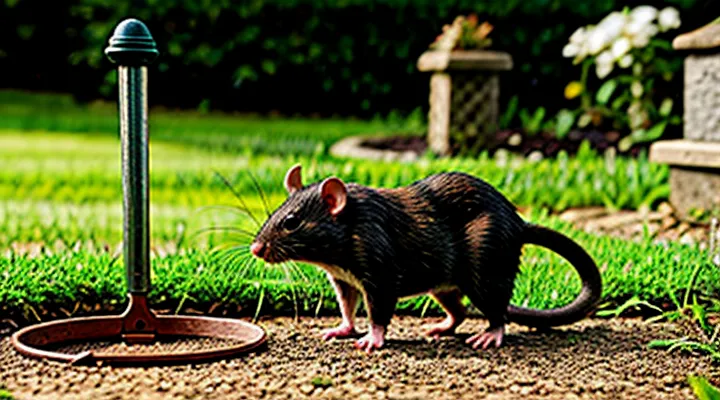
Understanding the Rat Problem in Gardens
Identifying Rat Presence
«Signs of Rat Activity»
Rats reveal their presence through consistent, observable indicators that precede damage to crops and soil structure. Recognizing these markers enables timely deployment of control measures within a garden environment.
- Fresh droppings, typically 1‑2 cm long, dark brown, and found near food sources, pathways, or burrow entrances.
- Gnaw marks on plant stems, wooden stakes, irrigation tubing, and garden fences.
- Chewed or shredded plant material, especially tender seedlings and fruiting bodies.
- Muddy or disturbed soil patches indicating burrow activity or nesting sites.
- Presence of greasy, dark‑gray urine stains on surfaces and foliage.
- Tracks in soft soil or mulch, showing four‑toed footprints with a distinct heel pad.
- Scratching noises heard at night, originating from concealed burrows or hidden pathways.
Each sign confirms active foraging or nesting behavior, justifying immediate placement of traps, bait stations, or exclusion devices. Prompt identification reduces the window for population growth and limits the spread of disease vectors within the garden plot.
«Common Rat Habitats in Gardens»
Rats exploit garden environments that provide shelter, food, and water. Identifying these locations is essential for effective control.
- Dense ground cover such as low‑lying shrubs, tall grasses, and mulched beds creates hiding spots and protects nests from predators.
- Compost heaps and decaying organic matter supply a continuous food source and maintain a moist microclimate favorable for breeding.
- Outdoor storage structures, including sheds, toolboxes, and garden benches, offer dry, concealed spaces for nesting.
- Irrigation components—drip lines, leaky pipes, and standing water in troughs—provide hydration and attract insects that rats consume.
- Debris piles, fallen leaves, and discarded plant material accumulate in corners of the garden, forming insulated chambers for nesting.
- Root zones of perennial vegetables and fruiting plants, especially those with dense foliage, serve as protected foraging and shelter areas.
Rats select habitats that combine concealment with easy access to sustenance. Regular inspection of these zones, removal of excess vegetation, proper compost management, and maintenance of water systems reduce the attractiveness of the garden for rodent colonization, thereby improving the success of trapping strategies.
Why Rats are a Problem
«Damage to Plants and Produce»
Rats cause direct loss of foliage, fruit, and root systems, reducing both the quantity and quality of garden yields. Their gnawing activity creates holes in stems and leaves, leading to wilting, secondary infections, and premature drop of produce. In addition, contaminated droppings introduce pathogens that can spread to neighboring plants, compromising overall plant health.
Common manifestations of rodent damage include:
- Severed stems and broken petioles that interrupt nutrient transport.
- Chewed fruit skins, exposing interior tissue to rot and bacterial invasion.
- Burrowed tunnels near root zones, destabilizing soil structure and impairing water uptake.
- Accumulated urine and feces that foster fungal growth and attract insects.
These effects diminish marketable output and increase labor and chemical inputs required to restore garden productivity. Effective rat control measures must address these damage pathways to protect plant integrity and maintain harvest levels.
«Health Risks and Disease Transmission»
Rats inhabiting garden plots introduce pathogens that can affect humans, pets, and livestock. Direct contact with droppings, urine, or saliva transmits agents capable of causing severe illness, while indirect exposure occurs through contaminated soil, water, or produce.
Common diseases associated with garden‑dwelling rodents include:
- Leptospirosis, spread via urine‑contaminated water or soil;
- Hantavirus pulmonary syndrome, transmitted through inhalation of aerosolized droppings;
- Salmonellosis, resulting from ingestion of contaminated vegetables;
- Rat‑bite fever (streptobacillosis), contracted through bites or scratches;
- Lymphocytic choriomeningitis virus, transferred by handling infected rodent tissue.
Effective rodent control must incorporate protective measures to minimize infection risk. Personnel should wear gloves, masks, and disposable clothing when setting traps or cleaning contaminated areas. Disinfect surfaces with a bleach solution (1 % sodium hypochlorite) after removal of carcasses or droppings. Dispose of captured rodents in sealed containers and follow local regulations for hazardous waste. Regular monitoring of trap activity reduces the likelihood of disease buildup and limits exposure for garden users.
«Damage to Garden Structures»
Rats compromise garden infrastructure through chewing, burrowing, and nesting activities that weaken structural integrity and reduce the effectiveness of control measures.
- Chewed wooden trellises, fence posts, and raised‑bed frames create gaps that allow rodents to enter and escape traps.
- Burrows beneath mulch or soil destabilize pathways, irrigation lines, and the foundations of garden beds.
- Nesting material accumulated in sheds, toolboxes, and compost bins adds weight to doors and hinges, leading to misalignment and difficulty accessing trap locations.
- Damaged wire mesh and netting lose tension, permitting rats to bypass barriers and reach bait stations.
These impairments create blind spots where traps cannot be positioned securely, increase the likelihood of trap avoidance, and necessitate additional maintenance. Restoring or reinforcing affected structures—tightening mesh, repairing chewed wood, sealing burrow entrances, and clearing nesting debris—ensures that trapping devices remain optimally placed and functional, thereby enhancing overall rat‑control outcomes.
Preparation for Trapping
Assessing the Infestation
«Estimating Rat Population Size»
Accurate assessment of the rat population on a garden plot is a prerequisite for any control program. Knowing the number of individuals informs trap density, bait allocation, and timing of interventions, thereby preventing under‑ or over‑deployment of resources.
Several reliable techniques exist for quantifying rodents in a confined area:
- Capture‑recapture: Set a defined number of live traps, mark captured rats, release them, and repeat trapping. The proportion of marked to unmarked captures yields an estimate via the Lincoln‑Petersen formula.
- Activity‑index surveys: Count fresh gnaw marks, droppings, and burrow entrances along transects. Convert counts to density using calibrated reference data.
- Bait‑consumption monitoring: Measure the amount of standardized bait removed over a fixed period; correlate consumption rates with known consumption per rat to infer population size.
- Night‑time visual counts: Use infrared cameras or direct observation during peak activity hours to tally individuals passing a fixed point. Apply correction factors for detection probability.
When applying these methods, follow these procedural safeguards:
- Conduct surveys during stable weather conditions to avoid activity fluctuations.
- Use a consistent grid layout to ensure comparable coverage across sampling periods.
- Record environmental variables (temperature, humidity) that may influence rodent behavior.
- Validate estimates by cross‑checking at least two independent techniques.
Statistical analysis should incorporate confidence intervals to express uncertainty. Software packages such as Program MARK or the R package “Rcapture” automate calculations and produce robust population estimates suitable for planning effective trapping operations.
«Mapping Rat Runways and Entry Points»
Mapping rat runways and entry points provides the foundation for any successful garden‑yard rat control program. By documenting the paths rats use to travel between shelter, food sources, and water, you can place traps and deterrents where they are most likely to encounter rodents, reducing waste of effort and materials.
Begin with a systematic survey of the plot. Look for fresh gnaw marks, droppings, shredded plant material, and greasy footprints along fences, garden borders, and near compost piles. Apply a thin layer of non‑toxic tracking powder on suspected routes; a few hours later, examine the powder for footprints that reveal direction of movement. Motion‑activated cameras positioned at low‑lying entry points capture nocturnal activity and confirm which openings are actively used.
Create a simple schematic on graph paper or a digital drawing tool. Mark each identified runway with arrows indicating traffic flow, and label every entry point—such as gaps under decking, cracked foundation walls, or openings around irrigation tubing. Use symbols to differentiate permanent structures (e.g., burrow entrances) from temporary ones (e.g., loose mulch gaps).
Practical steps for a complete map:
- Conduct visual inspection of all perimeter and interior zones.
- Apply tracking powder along suspected pathways; record footprints.
- Deploy motion‑activated cameras at high‑traffic openings for 24‑48 hours.
- Transfer observations onto a scaled diagram, using arrows for direction and distinct icons for entry types.
- Review the map to prioritize trap placement at convergence points and to schedule sealing of non‑essential openings.
The resulting map directs resources precisely, improves trap success rates, and allows ongoing adjustments as rat activity shifts throughout the growing season.
Choosing the Right Traps
«Types of Traps Available»
Rats in a garden require reliable capture devices that function safely among plants and irrigation. The following trap categories are commonly employed:
- Snap traps – spring‑loaded mechanisms that deliver a rapid, lethal strike. Constructed from wood or plastic, they can be baited with peanut butter, grain, or fruit. Placement near runways and burrow entrances maximizes contact.
- Live‑catch cages – enclosed chambers with a trigger plate that closes a door when the rodent enters. These traps allow relocation of captured rats away from the garden, reducing chemical use. Regular inspection prevents stress‑induced mortality.
- Electronic traps – batteries power a high‑voltage shock that kills instantly upon entry. Devices feature built-in sensors that activate only when a rat is inside, minimizing risk to non‑target species.
- Glue boards – adhesive surfaces coated with a strong, non‑toxic glue. Effective for monitoring activity, they immobilize rats that step onto the board. Immediate disposal is required to avoid suffering.
- Multi‑catch funnel traps – funnel‑shaped entrances lead into a holding area where rats accumulate. Bait placed at the funnel tip draws multiple individuals before the trap is emptied.
Selection should consider garden layout, target population size, and humane handling preferences. Proper positioning—along wall edges, under vegetation, and near water sources—enhances trap efficiency. Regular maintenance, including bait renewal and trap cleaning, sustains performance throughout the season.
«Pros and Cons of Each Trap Type»
Controlling rats in a garden plot demands a clear assessment of each trapping device, weighing functional strengths against practical drawbacks.
-
Snap trap
• Pros: Immediate kill, low cost, no electricity required, easy placement, minimal maintenance.
• Cons: Requires careful positioning to avoid non‑target species, risk of injury to handler, single‑use per catch. -
Live‑catch trap
• Pros: Allows relocation of captured rats, reusable, no lethal chemicals, suitable for humane‑focused gardeners.
• Cons: Captured animals may suffer stress or die if not released promptly, requires regular checking, bait may attract other wildlife. -
Electronic trap
• Pros: Quick, humane death through high‑voltage shock, reusable, eliminates need for poison, indicator alerts when a catch occurs.
• Cons: Higher initial expense, dependence on power source or batteries, limited effectiveness in wet soil unless protected. -
Glue board
• Pros: Inexpensive, flat design fits into tight spaces, passive operation without bait.
• Cons: Causes prolonged suffering, difficult to dispose of dead rodents, attracts insects, ineffective against larger rats. -
Bait station (rodenticide‑based)
• Pros: Attracts rats from a distance, can reduce population with a single application, sealed design limits access for pets and children.
• Cons: Involves toxic chemicals, risk of secondary poisoning, requires strict compliance with safety regulations, may develop resistance over time.
Choosing the optimal trap hinges on garden size, target rat activity, safety considerations, and the gardener’s ethical stance. Each option presents a distinct balance of efficiency, cost, and humane impact.
Baiting Strategies
«Effective Rat Baits»
Effective rat baits are essential for reducing rodent damage in vegetable and ornamental gardens. Selecting the appropriate bait, applying it correctly, and managing safety are critical components of a successful control program.
Common bait formulations include:
- Anticoagulant blocks (e.g., bromadiolone, difethialone). Provide a single dose that interferes with blood clotting, leading to death within 2–5 days. Ideal for placement in concealed stations where non‑target animals cannot access the product.
- Metaldehyde pellets. Produce rapid neurological effects, causing mortality within hours. Best suited for short‑term infestations where quick action is required, but must be used with extreme caution around pets and wildlife.
- Bromethalin paste. Disrupts cellular energy production, resulting in death after 24–48 hours. Effective against bait‑averse rats due to its strong odor and attractive flavor additives.
- Cholecalciferol (vitamin D₃) blocks. Induce hypercalcemia, leading to fatal organ failure. Low risk of secondary poisoning; appropriate for areas with high predator activity.
Placement guidelines:
- Position bait stations near known runways, burrow entrances, and food sources. Align stations parallel to fence lines or garden edges to intercept movement.
- Secure stations at ground level, away from direct sunlight and rain, to preserve bait integrity.
- Space stations 10–15 feet apart in heavily infested sections; increase density to 5 feet in localized hotspots.
- Rotate station locations every 2–3 weeks to prevent bait shyness and to target newly established pathways.
Safety considerations:
- Use tamper‑resistant containers to protect children, domestic animals, and beneficial wildlife.
- Record bait type, concentration, and placement dates for regulatory compliance and future reference.
- Remove and dispose of unused bait after 30 days or when rat activity declines, following local hazardous waste guidelines.
Integrating baiting with habitat modification—such as removing excess vegetation, sealing compost bins, and eliminating standing water—enhances overall effectiveness and reduces the likelihood of reinfestation. Continuous monitoring and prompt adjustment of bait strategy ensure sustained rodent control on garden plots.
«Bait Placement Techniques»
Accurate bait placement determines the success of any rat‑control program in a garden. Position the attractant along established runways, typically the edges of mulch, stone pathways, or low vegetation where rodents travel between shelter and food sources. Concentrate bait at points where droppings, gnaw marks, or fresh soil indicate frequent activity.
Deploy multiple small bait stations rather than a single large source. This approach increases the likelihood of contact and reduces competition among rats, encouraging individual encounters with traps. Space stations 10‑15 feet apart to cover the entire plot while avoiding overlap that could dilute the scent trail.
Select bait that matches the seasonal diet of the target species. In spring, fresh seeds, grains, and soft fruits attract foraging rats; in late summer, protein‑rich items such as dried fish or meat scraps become more effective. Secure the bait to the trap or a disposable platform to prevent spillage and maintain a consistent odor profile.
Maintain bait freshness by replacing it every 2‑3 days. Moisture, temperature fluctuations, and exposure to sunlight degrade attractants quickly, reducing efficacy. Store excess bait in airtight containers in a cool, dark area until needed.
Monitor placement regularly. If traps remain untouched after 48 hours, relocate bait to an adjacent active runway or adjust the height to 1‑2 inches above ground, matching the typical foraging posture of rats. Continuous observation and minor adjustments ensure optimal coverage and rapid reduction of the rodent population.
Trapping Methods and Techniques
Setting Up Traps
«Safe Trap Handling and Placement»
Proper trap handling begins with personal protection. Wear thick‑walled gloves and long sleeves to prevent bites and scratches. Inspect each device for damage before use; replace broken springs or corroded components. Store traps in a sealed container to keep them clean and to avoid accidental activation.
Placement determines capture success while minimizing risk to non‑target animals. Position traps along established runways, close to burrow entrances, and near food sources such as compost piles. Keep devices at least 30 cm from vegetable seedlings and away from pet activity zones. Use bait that attracts rats but is unattractive to wildlife, for example a mixture of peanut butter and oats.
Key steps for safe deployment
- Select a trap model with a secure locking mechanism and a clear release indicator.
- Apply a thin layer of petroleum jelly to moving parts to reduce friction and accidental snap‑back.
- Attach a short, brightly colored flag to the trap’s trigger arm; the flag alerts children and pets to the presence of a live device.
- Place the trap on a stable surface, ensuring the trigger plate is level with the ground to prevent misfires.
- Check traps at least twice daily; dispose of captured rodents according to local regulations and reset the device promptly.
Regular maintenance includes cleaning traps with mild detergent, drying them thoroughly, and lubricating hinges weekly. Document trap locations and capture dates to identify high‑activity zones and adjust placement accordingly. This systematic approach maximizes rat control efficiency while safeguarding humans, pets, and beneficial garden fauna.
«Optimizing Trap Locations»
Strategic placement of traps maximizes capture rates while minimizing disruption to garden activities. Identify core pathways used by rodents: narrow alleys between rows, edges of mulch, and routes along fence lines. Position traps perpendicular to these pathways, with the trigger end facing the expected direction of travel. Ensure traps are anchored to prevent displacement by wind or animal interference.
Assess environmental variables that influence rodent movement. Soil moisture, shade, and proximity to food sources create micro‑habitats that attract rats. Locate traps near these attractors but avoid direct placement under dense foliage, which can conceal the device and reduce effectiveness. Maintain a clear line of sight to the trigger mechanism for easier monitoring.
Key factors for optimal positioning:
- Distance of 1–2 m between traps to cover overlapping activity zones.
- Height of 2–4 cm above ground, matching the typical foraging height of rats.
- Regular rotation of trap locations every 3–5 days to disrupt learned avoidance patterns.
- Use of bait that mimics the garden’s prevalent food items, placed centrally on the trigger plate.
Monitoring and Maintenance
«Regular Trap Checks»
Regular inspection of rodent traps is essential for maintaining their effectiveness on a garden plot. Inspecting traps at consistent intervals prevents bait degradation, ensures mechanical components function correctly, and reduces the risk of unattended captures that could lead to disease spread.
Key practices for systematic trap monitoring:
- Frequency – Check traps at least twice daily: once in the early morning and once in the late afternoon. Increased activity periods, such as after heavy rain or during harvest, may require additional checks.
- Bait assessment – Verify that bait remains fresh and attractive. Replace spoiled or contaminated bait immediately to avoid loss of capture rates.
- Capture handling – Remove captured rats promptly, using gloves and sealed containers. Dispose of carcasses according to local regulations to prevent secondary infestations.
- Trap condition – Examine spring tension, trigger mechanisms, and structural integrity. Repair or replace malfunctioning units without delay.
- Record keeping – Log date, time, location, and capture count for each trap. An aggregated log reveals trends, informs placement adjustments, and supports evaluation of control efficacy.
Adhering to these procedures sustains trap performance, minimizes animal suffering, and contributes to a healthier garden environment.
«Disposing of Captured Rats Safely»
When a rat is captured in a garden trap, immediate and secure disposal prevents disease transmission, discourages scavengers, and eliminates the chance of the animal escaping back into the area.
Follow these actions to handle a trapped rat safely:
- Wear disposable gloves and, if available, a face mask.
- Place the live or deceased rodent into a sturdy, sealable plastic bag; press out excess air before sealing.
- Transfer the sealed bag into a second, larger bag for double containment.
- Label the outer bag with the capture date and location.
- Dispose of the double‑bagged rat in a municipal waste bin designated for animal carcasses, or contact local wildlife authorities for approved removal procedures.
If the animal is dead, clean the trap promptly:
- Rinse the trap with hot water.
- Apply a disinfectant solution (e.g., 10 % bleach) and let it sit for at least five minutes.
- Rinse again and allow the trap to air‑dry completely before reuse.
Sanitize surrounding soil and garden tools after each capture. Remove any droppings or urine with a diluted detergent, then rinse and disinfect. Maintaining a clean environment reduces attractants and supports ongoing rodent control efforts.
Advanced Trapping Tactics
«Pre-Baiting for Success»
Pre‑baiting prepares rats to approach traps by establishing a reliable food source before placement of the killing device. The technique reduces trap avoidance and increases capture rates, especially in cultivated areas where rodents have access to abundant vegetation.
Key actions for successful pre‑baiting:
- Select a highly attractive food item (e.g., peanut butter, dried fruit, or grain) that rats prefer over garden crops.
- Position the bait on a flat surface or inside a shallow dish at each intended trap location.
- Allow a 24‑ to 48‑hour period for rats to discover and frequent the bait site.
- Observe bait consumption; replace depleted bait to maintain constant attraction.
- After the pre‑baiting interval, install the trap directly over the baited spot, ensuring the trigger mechanism remains unobstructed.
Evidence shows that a brief pre‑baiting phase can double the capture efficiency of snap or live traps, minimizing damage to plants and reducing the need for chemical controls. Implementing this method as part of an integrated rodent‑management plan yields consistent results across diverse garden plots.
«Using Multiple Trap Types»
Using several trap designs simultaneously increases the likelihood of capturing rats that exhibit different foraging habits and activity periods. A diversified trap array addresses the limitations of any single device and reduces the chance that a population adapts to a particular method.
- Snap traps: Provide immediate lethal control; position near runways, burrow entrances, and along walls. Use a spring‑loaded mechanism with a sturdy trigger plate to ensure reliable closure.
- Live‑catch traps: Allow removal of captured animals for relocation or humane euthanasia. Place in shaded locations where rats may seek shelter; check at least twice daily to prevent stress.
- Electronic traps: Deliver a rapid, high‑voltage shock; suitable for areas where quick disposal is required. Install on flat surfaces with a clear line of sight to the trigger sensor.
- Bait stations with anticoagulant pellets: Offer a secondary, ingestion‑based approach. Secure stations to prevent non‑target access; locate away from food crops.
- Glue boards: Capture exploratory individuals that avoid larger devices. Position on low‑traffic paths; replace frequently to avoid prolonged suffering.
Effective deployment involves strategic spacing and rotation. Arrange traps at intervals of 10‑15 cm along established runways, ensuring overlap of attraction zones. After a week, shift the positions of at least half the devices to disrupt learned avoidance. Combine lethal and non‑lethal options to maintain pressure on the population while gathering data on activity patterns.
Safety measures are essential. Wear gloves when handling traps, clean all surfaces after each check, and store bait out of reach of children and pets. Record capture dates, locations, and trap type to evaluate performance and adjust the mix accordingly.
Regular monitoring completes the program. Remove dead or captured rats promptly, reset triggers, and replenish bait as needed. A systematic, multi‑trap strategy sustains control over rat infestations in garden environments.
Prevention and Long-Term Control
Garden Hygiene and Maintenance
«Removing Food Sources»
Removing food sources is a critical component of any rat‑control program for a garden area. Rats are attracted to readily available nutrition; eliminating these supplies reduces the likelihood of infestation and improves trap effectiveness.
Identify and eliminate typical attractants:
- Fallen fruit, vegetables, and seed pods; collect and dispose of them daily.
- Spilled grain, birdseed, or pet food; store in sealed containers and feed pets away from the garden.
- Compost piles; maintain a secure, aerated bin with a tight‑fitting lid and avoid adding meat or dairy scraps.
- Mulch and leaf litter; keep a thin layer and turn regularly to expose hidden debris.
Implement sanitation practices:
- Sweep pathways and work zones after each gardening session.
- Rinse tools and equipment to remove residue.
- Position garbage cans with rat‑proof lids and empty them frequently.
By depriving rodents of sustenance, the garden becomes less inviting, allowing traps to capture the remaining individuals more efficiently.
«Eliminating Hiding Spots»
Eliminating hiding spots reduces rat activity and increases trap effectiveness. Rats seek shelter in dense vegetation, wood piles, debris, and gaps around structures. Removing these refuges forces rodents into open areas where baited traps are more likely to be encountered.
Key actions for a garden plot:
- Trim all shrubs, vines, and groundcover to a height of 6 inches or less.
- Clear fallen leaves, compost, and mulch that are deeper than 2 inches.
- Stack firewood or garden waste away from the planting area, using metal pallets or sealed containers.
- Inspect irrigation lines, fence posts, and garden borders for cracks; seal openings with metal flashing or hardware cloth.
- Elevate garden beds on concrete or brick foundations, leaving a 2‑inch gap between soil and base to prevent burrowing.
Implementing these measures creates a bare, unobstructed environment that directs rats toward strategically placed traps, improving capture rates and reducing the need for repeated baiting.
Exclusion Techniques
«Fencing and Barriers»
Fencing and barriers provide a physical exclusion method that prevents rats from entering a garden plot. By creating an uninterrupted perimeter, rodents are denied access to soil, plant roots, and food sources, reducing the need for lethal traps.
Select materials that resist gnawing and corrosion. Preferred options include:
- Galvanized hardware cloth with ¼‑inch mesh, strong enough to withstand repeated bites.
- Welded wire fencing of 1‑mm gauge, offering durability in humid conditions.
- Copper mesh for areas where chemical resistance is required, as copper is toxic to rodents.
Install the barrier with the following specifications:
- Embed the lower edge 6–12 inches below ground level to block burrowing.
- Overlap adjacent sections by at least 6 inches and secure with staples or U‑nails.
- Ensure vertical posts are spaced no more than 3 feet apart to prevent sagging.
- Attach a top rail 2–3 feet above ground to deter climbing.
Regular maintenance is essential for continued efficacy. Conduct weekly inspections for holes, rust, or displaced panels. Repair damage promptly using the same mesh material and fasteners employed during installation. Clean accumulated debris from the fence base to eliminate shelter opportunities for rats.
When combined with strategic placement of live traps and bait stations, a well‑constructed fence dramatically lowers rat activity on garden beds, allowing growers to protect crops without relying solely on chemical controls.
«Sealing Entry Points»
Sealing entry points eliminates the most direct route rats use to reach a garden plot, thereby reducing the need for traps and chemical controls.
Identify all possible openings by inspecting the perimeter, foundation, raised beds, and any structures adjacent to the garden. Common gaps include:
- Cracks in concrete or brickwork larger than ¼ inch
- Gaps around utility pipes, irrigation lines, and wire conduits
- Openings beneath wooden decks, fences, or mulch piles
- Holes in garden sheds, tool sheds, and compost bins
Select durable, weather‑resistant materials appropriate for each opening. Options include:
- Stainless‑steel mesh (¼ inch or smaller) for ventilation gaps
- Expanding polyurethane foam for irregular cracks
- Cement‑based mortar for concrete fissures
- Heavy‑duty hardware cloth for larger holes around pipes
Apply the following procedure:
- Clean the surface of each opening to remove soil, debris, and loose material.
- Measure the gap to determine the required size of the sealing material.
- Cut the chosen material to fit, allowing a slight overlap onto solid surfaces.
- Secure the material with appropriate fasteners (e.g., stainless‑steel screws, masonry anchors) or adhesive where applicable.
- Inspect the seal for gaps or loose edges, reinforcing as needed.
Schedule quarterly checks to verify the integrity of all seals, especially after heavy rain, frost, or garden work that may disturb the barriers. Prompt repair of any new openings maintains a continuous exclusion barrier, supporting overall rat‑control efforts in the garden environment.
Natural Deterrents
«Predator Introduction»
Introducing natural predators provides a biologically based approach to reducing rat populations in garden beds. Predatory species hunt rodents, lowering numbers without chemical or mechanical traps.
- Barn owl (Tyto alba): nocturnal hunter, thrives near open fields and perches; requires nesting boxes and minimal disturbance.
- Red-tailed hawk (Buteo jamaicensis): diurnal raptor, prefers tall structures for roosting; benefits from perching poles or platforms.
- Domestic or feral cat (Felis catus): effective in confined garden areas; needs shelter, regular feeding, and veterinary care.
- Grass snake (Natrix natrix): consumes small mammals; favors moist ground cover and ample hiding spots.
Guidelines for predator introduction:
- Assess habitat suitability: provide nesting boxes, perches, or shelter appropriate to the selected species.
- Verify legal status: obtain permits where required, ensure compliance with local wildlife regulations.
- Implement gradual acclimation: release predators near the garden, monitor activity, and adjust support structures as needed.
- Combine with sanitation: remove food sources and debris to encourage predators to focus on rodents rather than alternative prey.
Potential risks include predation on non‑target wildlife, disease transmission, and territorial conflicts. Mitigate by selecting species with limited impact on birds or small pets, maintaining health checks, and limiting the number of individuals introduced. Properly managed predator presence can suppress rat activity, complementing other control measures and sustaining a balanced garden ecosystem.
«Repellent Plants»
Certain herbs and aromatic plants create odors that rats find unpleasant, reducing their presence around vegetable beds. Commonly used species include:
- Mint (Mentha spp.) – strong scent; spreads quickly, best contained in pots.
- Lavender (Lavandula angustifolia) – floral fragrance; thrives in sunny spots, tolerates moderate moisture.
- Garlic (Allium sativum) – sulfur compounds repel; plant cloves near the perimeter.
- Marigold (Tagetes spp.) – pungent leaves; effective when interplanted with crops.
- Rue (Ruta graveolens) – bitter aroma; prefers well‑drained soil.
These plants should be positioned along garden borders, at entry points, and around storage sheds where rats seek shelter. Regular pruning maintains potency; excessive growth dilutes volatile compounds. Combining living deterrents with physical barriers—such as mesh fencing or sealed compost containers—enhances overall control without reliance on traps alone. Soil amendments that favor the selected species, like adding organic matter for mint or ensuring full sun for lavender, improve establishment and longevity of the repellent effect.