
Understanding Your Adversaries: Rats and Mice
Behavioral Differences
Rats
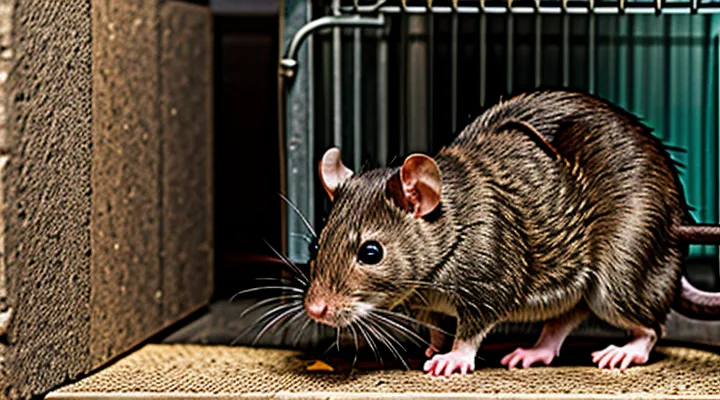
Rats are medium‑sized rodents, typically 200–300 mm long, with keen nocturnal senses, strong incisors, and a preference for concealed pathways. Their omnivorous diet includes grains, fruits, meat scraps, and waste, which makes them opportunistic feeders in both residential and commercial settings.
These mammals respond to food odors, shelter cues, and movement along established runways. A well‑positioned trap exploits these instincts by presenting an irresistible lure within a concealed route that matches the animal’s natural travel corridors.
- Place traps along walls, behind appliances, or in dark corners where rats habitually travel.
- Position the trigger mechanism perpendicular to the expected direction of approach.
- Ensure the trap is stable; wobbling reduces capture efficiency.
- Install traps at least 10 cm above the floor to align with the rat’s body height.
Effective bait combines strong scent, high caloric value, and minimal mess. Preferred options include peanut butter, dried fruit, meat jerky, or commercial rodent attractants. Apply a small amount—no more than 0.5 g—to the trigger platform to avoid spillage that could alert the animal.
After deployment, inspect traps at regular intervals, preferably every 12 hours. Remove captured rats promptly, using gloves and sealed containers to prevent disease transmission. Reset the trap with fresh bait before the next inspection cycle. Regular maintenance sustains trap performance and limits secondary infestations.
Mice
Mice are small, agile rodents that readily explore concealed pathways and seek food sources near walls, cabinets, and stored products. Their ability to squeeze through openings as narrow as 0.5 cm makes thorough inspection of structural gaps essential before deploying a trap.
Effective deployment of a snap‑type trap against mice requires attention to bait selection, placement strategy, and post‑capture handling:
- Bait choice: Use high‑protein or high‑fat items such as peanut butter, dried fruit, or small pieces of cheese. Apply a pea‑sized amount to the trigger mechanism to ensure quick activation.
- Placement: Position traps perpendicular to the wall, with the trigger end facing the baseboard. Target known runways, including behind appliances, under sinks, and near entry holes.
- Spacing: Set traps 1–2 m apart in areas of confirmed activity. In heavily infested zones, increase density to one trap per 0.5 m.
- Setting: Press the trigger bar firmly until it locks, then back the trap slightly to engage the spring tension without releasing the latch.
- Monitoring: Inspect traps at least twice daily. Remove captured mice promptly to prevent odor buildup and secondary infestations.
- Disposal: Wear disposable gloves, place the dead mouse in a sealed plastic bag, and discard according to local regulations. Clean the trap with a mild detergent before reuse.
Mice tend to avoid bright light and open spaces; therefore, conceal traps with a small piece of cardboard or cloth to mimic a natural hiding spot while maintaining visibility of the trigger. Regularly seal entry points with steel wool, caulk, or metal mesh to reduce re‑entry after successful control.
Signs of Infestation
Droppings
Droppings are the most reliable indicator of active rodent presence and should guide trap placement. Fresh, dark brown or black pellets, approximately 0.2–0.5 inches long, appear in clusters near food sources, nesting sites, and travel routes. Older droppings turn gray and crumble easily, signalling a declining population but still warranting monitoring.
When inspecting a premises, follow these steps:
- Identify droppings on surfaces such as countertops, floors, and behind appliances.
- Note the size and moisture level; fresh droppings are glossy and retain shape, while stale ones are dry and fragmented.
- Trace the pattern of droppings to infer pathways; a linear arrangement suggests a wall edge or conduit, whereas scattered piles indicate foraging activity.
- Position traps perpendicular to the identified pathways, with the trigger end facing the direction of travel.
Handling droppings requires protective equipment. Wear disposable gloves and a mask rated for particulate matter to prevent inhalation of aerosolized pathogens. Dispose of contaminated material in sealed bags and sanitize the area with a disinfectant effective against hantavirus and salmonella.
Regular inspection of droppings, combined with strategic trap deployment, maximizes capture rates and reduces the risk of infestation spread.
Gnaw Marks
Gnaw marks are the primary evidence of active rodent pathways. Fresh, shallow incisions on wood, plastic, or wiring indicate recent activity, while deeper, ragged edges suggest prolonged chewing. The size of the bite, typically 2‑4 mm for mice and 4‑8 mm for rats, helps distinguish the species and select a trap of appropriate strength.
Locate gnaw marks along walls, behind appliances, and near food storage. Follow each set of marks to the point where they converge; this spot is the most likely crossing point for the pests. Place the trigger mechanism of the trap directly under or adjacent to the convergence, ensuring the bait aligns with the direction of the gnawing.
When setting the trap, use the following checklist:
- Verify that the gnaw marks are clean of debris; clear any dust or droppings that could obstruct the trigger.
- Position the trap so the trigger plate faces the direction from which the rodent approaches.
- Secure the trap firmly to prevent movement caused by the animal’s force.
- Inspect the trap after each capture; replace it if the trigger plate shows signs of wear.
Regular monitoring of gnaw marks allows adjustment of trap placement as rodents shift routes. Document the location and condition of each mark to track changes in activity patterns over time. This systematic approach maximizes capture rates while minimizing unnecessary trap repositioning.
Tracks and Runways
Tracks and runways are the most reliable pathways for directing rodents toward a trap. Identify natural corridors such as wall voids, pipe openings, and gaps under appliances. Position the trap directly on these routes, ensuring the trigger mechanism aligns with the direction of travel.
Common track types include:
- Linear gaps: narrow spaces along baseboards or behind cabinets.
- Vertical shafts: openings around utility lines or vent stacks.
- Horizontal tunnels: burrows beneath flooring or insulation.
Runways should be constructed to encourage movement without obstruction. Use a thin, rigid material (e.g., a piece of plywood or metal) to bridge gaps, creating a continuous surface that leads to the trap. Secure the runway at both ends to prevent shifting when the rodent steps on it.
Maintain cleanliness on the runway; remove debris that could cause the animal to detour. Replace the runway if it becomes worn or contaminated, as a compromised surface reduces capture efficiency.
Choosing the Right Trap
Types of Traps
Snap Traps
Snap traps provide rapid, humane termination of rats and mice by delivering a sudden mechanical strike. The device consists of a spring‑loaded bar, a trigger platform, and a holding cage that contains the bait. When a rodent applies pressure to the platform, the spring releases, snapping the bar against the animal’s neck or spine.
Effective deployment begins with selecting a trap size appropriate for the target species. Larger traps accommodate rats; smaller models suit mice. Place traps along established runways, typically within 1–2 feet of walls, behind appliances, or near discarded food. Position the trigger side perpendicular to the wall so the rodent approaches head‑first.
Bait choice influences capture rates. High‑protein foods such as peanut butter, dried fish, or soft cheese work well. Apply a pea‑sized amount to the trigger platform, ensuring it does not obstruct the mechanism. Replace bait daily to maintain freshness.
Safety precautions protect humans and pets. Wear thick gloves when handling traps to prevent accidental activation. Secure traps in locations inaccessible to children and non‑target animals, using barrier devices or locked cabinets when necessary. After a kill, cover the trap with a disposable bag, transport it to an outdoor trash receptacle, and dispose of the carcass according to local regulations.
Maintenance extends trap reliability. Inspect the spring for corrosion before each use; replace if stiffness diminishes. Clean the cage with mild detergent after each capture to remove scent residues. Store unused traps in a dry container to avoid moisture damage.
Troubleshooting checklist:
- No captures: verify correct placement, increase bait attractiveness, check trigger sensitivity.
- Frequent premature snaps: adjust trigger tension, ensure bait does not over‑load the platform.
- Damaged springs: replace springs or purchase new traps; compromised tension reduces effectiveness.
Following these precise actions maximizes the efficiency of snap traps in controlling rodent infestations.
Electronic Traps
Electronic traps deliver a high‑voltage shock that instantly kills rodents upon contact. The device consists of a bait station, a sensing plate, and a power source, typically a rechargeable battery or mains connection. When a rat or mouse steps on the plate, the circuit closes and a controlled electric pulse is released.
Proper placement maximizes capture rates. Position traps along walls, behind appliances, and near known activity routes. Ensure the bait station faces the wall so that the rodent approaches from the side of the sensing plate. Avoid locations with excessive moisture, direct sunlight, or heavy foot traffic that could trigger false activations.
Key operational steps:
- Insert fresh bait (e.g., peanut butter or cereal) into the designated compartment.
- Verify that the power indicator shows readiness; charge the battery if the light is dim.
- Close the trap securely, aligning the sensing plate with the bait area.
- Monitor the status LED; a change in color or flashing pattern signals a successful kill.
Safety measures protect users and non‑target animals. Keep traps out of reach of children and pets; use a protective cover or lockable enclosure when the device is unattended. Disconnect the power source before cleaning or relocating the trap. Follow the manufacturer’s voltage specifications to prevent accidental discharge.
Routine maintenance preserves effectiveness. After each capture, remove debris, wipe the sensing plate with a damp cloth, and inspect the battery contacts for corrosion. Replace batteries according to the device’s usage cycle, typically every 6–12 months for battery‑powered models. If the trap repeatedly fails to register kills, test the voltage output with a multimeter and check for damaged wiring before resuming operation.
Live Traps
Live traps provide a humane alternative for controlling rodent populations while preserving the captured animals for release or research. These devices consist of a cage or enclosure that closes automatically when a rodent triggers a pressure plate, a trip wire, or a door latch. The mechanism must be sensitive enough to react to the weight of a rat or mouse but robust enough to avoid accidental closures.
Effective use of live traps begins with selecting a model appropriate for the target species. For rats, choose a cage with interior dimensions of at least 12 × 12 × 12 inches and a door that seals securely. For mice, a smaller unit of 6 × 6 × 6 inches suffices. Ensure the trap material is rust‑resistant and easy to clean, as hygiene reduces the risk of disease transmission.
Placement influences capture rates. Position traps along established runways, near walls, or adjacent to food sources. Align the entrance with the direction of rodent movement to encourage entry. Avoid cluttered areas that may obstruct the trigger mechanism.
Bait selection enhances attraction. Use high‑protein foods such as peanut butter, dried fruit, or small pieces of cooked meat. Apply a thin layer to the trigger area; excessive bait can cause the trap to close prematurely. Replace bait regularly to maintain freshness.
After setting the trap, inspect it at least twice daily. Remove captured rodents promptly to prevent stress and potential injury. If the goal is relocation, transport the animal in a secure container, release it at least 2 miles from the original site, and follow local wildlife regulations. If the animal is to be retained, follow humane euthanasia guidelines or consult a veterinarian.
Maintain trap effectiveness through routine cleaning. Disassemble the device, wash with mild detergent, rinse thoroughly, and allow it to dry before reuse. Inspect moving parts for wear and replace any damaged components to ensure reliable operation.
Key considerations for live‑trap deployment:
- Choose size‑appropriate cages for rats or mice.
- Position traps along active rodent pathways.
- Use protein‑rich bait applied sparingly.
- Check traps twice daily and handle captures promptly.
- Clean and inspect traps after each use.
Adhering to these practices maximizes capture efficiency, minimizes animal suffering, and supports integrated rodent‑management programs.
Trap Sizing for Different Rodents
Choosing a trap that matches the target rodent’s dimensions maximizes capture efficiency and reduces non‑target incidents. Undersized devices allow rats or mice to escape, while oversized traps may deter entry by creating excessive space.
-
House mouse (Mus musculus)
• Body length: 2–4 in (5–10 cm)
• Weight: 0.5–1 oz (15–30 g)
• Recommended trap interior length: 3–4 in (7.5–10 cm) -
Roof rat (Rattus rattus)
• Body length: 5–7 in (12–18 cm)
• Weight: 4–6 oz (110–170 g)
• Recommended trap interior length: 6–8 in (15–20 cm) -
Norway rat (Rattus norvegicus)
• Body length: 7–9 in (18–23 cm)
• Weight: 8–12 oz (230–340 g)
• Recommended trap interior length: 9–11 in (23–28 cm)
Measure the longest rodent specimen expected in the infestation area; select a trap whose interior length exceeds that measurement by 1–2 in (2.5–5 cm). Height and width should accommodate the animal’s girth, typically requiring at least 1.5 in (3.8 cm) clearance on each side.
When evaluating commercial models, verify the manufacturer’s size specifications against the dimensions listed above. Adjust placement height to align with the rodent’s typical travel path—ground level for Norway rats, elevated platforms for roof rats, and low corners for house mice. Proper sizing, combined with strategic positioning, ensures the device functions as intended.
Strategic Trap Placement
Identifying High-Traffic Areas
Identifying the zones where rodents move most frequently is essential for placing traps where they will be encountered. Begin by observing waste containers, food preparation surfaces, and entry points such as cracks, gaps under doors, and utility openings. Look for signs of activity—droppings, gnaw marks, and shredded material—in these locations. Concentrate on pathways that connect food sources to nesting sites, as rodents typically travel along the shortest, safest routes.
Typical high‑traffic areas include:
- Along walls and baseboards where rodents follow edges.
- Behind appliances and under shelving where food residues accumulate.
- Near plumbing fixtures, especially in damp environments.
- Inside or around garage doors, crawl spaces, and attic vents.
After mapping these zones, position traps at the midpoint of each identified pathway. Ensure traps are stable, concealed from non‑target animals, and oriented so the trigger mechanism faces the expected direction of travel. Regularly inspect and adjust placement based on new evidence of activity.
Optimal Trap Density
When placing snap or electronic traps, the number of devices per unit area determines capture efficiency. A density that is too low allows rodents to bypass the control zone; a density that is excessive wastes resources and may cause trap interference.
Guidelines for determining optimal trap density
- Assess infestation level – Light activity (few droppings, occasional sightings) warrants 1 trap per 25 m². Moderate activity (regular droppings, multiple sightings) requires 1 trap per 15 m². Heavy activity (continuous droppings, audible movement) calls for 1 trap per 10 m² or greater.
- Consider habitat complexity – Dense clutter, storage boxes, or wall voids reduce line‑of‑sight. Increase trap count by 20‑30 % in such zones to compensate for limited exposure.
- Account for species behavior – Rats travel along established runways; place traps directly on these paths at 2‑3 m intervals. Mice use shorter routes; spacing of 1‑1.5 m is sufficient.
- Adjust for seasonal variation – In colder months, rodents consolidate in warmer shelters, concentrating activity. Reduce spacing by 15 % during winter; revert to standard spacing in warmer periods.
- Monitor and adapt – After a 48‑hour observation, record catches. If fewer than 30 % of traps are triggered, increase density by one device per 5 m². If capture rate exceeds 70 %, consider reducing density to avoid unnecessary trap loss.
Applying these parameters yields a calibrated deployment that maximizes capture rates while conserving equipment. Regular reassessment ensures the density remains aligned with fluctuating rodent pressure.
Safety Considerations for Pets and Children
When setting a rodent‑capture device in a home where pets or children are present, identify all accessible areas and keep the trap out of sight. Place it on a solid surface at least 3 feet above floor level or behind a barrier that prevents accidental contact.
Key safety actions include:
- Secure the trap inside a sealed enclosure that allows only rodents to enter.
- Use a bait that is unattractive to dogs, cats, and children, such as a small amount of grain rather than sugary treats.
- Install the device in locations unreachable by non‑target occupants, for example, inside a wall cavity, under a cabinet, or within a dedicated trap box.
- Mark the area with a clear, non‑toxic warning sign that specifies “Rodent trap – keep away from pets and children.”
- Inspect the trap daily; remove captured rodents promptly and reset the device only after the surrounding area has been cleared.
If accidental contact occurs, follow these steps: isolate the affected animal or child, seek veterinary or medical assistance immediately, and deactivate the trap by removing the spring mechanism or sealing the trigger. Maintain a record of trap placement and inspection dates to ensure ongoing compliance with safety protocols.
Effective Baiting Techniques
Preferred Baits for Rats
Selecting the right attractant is critical for achieving reliable capture rates with a rat trap. Effective bait choice exploits the species’ natural feeding preferences while minimizing exposure to non‑target animals.
- Peanut butter – strong odor, high fat content, adheres to the trigger mechanism.
- Cereal grains (wheat, oats, barley) – readily accepted, easy to portion, suitable for indoor and outdoor settings.
- Fresh fruit (apple, banana, berries) – sweet scent, attractive to juveniles, must be replaced frequently.
- Meat products (cooked bacon, sausage, liver) – powerful protein aroma, ideal for carnivorous rats, requires refrigeration.
- Nut mixtures (almonds, walnuts, peanuts) – crunchy texture, high caloric value, resistant to spoilage when stored dry.
Place bait directly on the trigger plate, ensuring it does not obstruct the release mechanism. Use a small amount—just enough to cover the contact surface—so the rat must interact with the trigger to access the food. Replace bait daily in warm climates; in cooler conditions, refresh every 48 hours to maintain scent potency.
Avoid baits that attract pets or wildlife, such as fish oils or strong-smelling cheeses, unless the trap is located in a controlled indoor environment. Store all baits in sealed containers to prevent contamination and preserve effectiveness.
Preferred Baits for Mice
Mice respond best to baits that combine strong odor with high fat or sugar content. The most reliable choices are:
- Peanut butter – dense, aromatic, and difficult for mice to remove from a trap.
- Chocolate – sweet, highly scented, and attractive to both house and field mice.
- Sunflower or pumpkin seeds – natural oils provide a potent scent; seeds can be used whole or crushed.
- Soft cheese – strong dairy odor, effective when fresh.
- Nut butter mixes (almond, cashew) – similar properties to peanut butter with varied flavor profiles.
Bait selection should consider freshness; stale or dry bait loses potency within hours. Apply a small amount, enough to cover the trigger mechanism without saturating the trap, which can cause premature release. For indoor settings, avoid baits that emit strong odors to humans, such as strong spices, while maintaining enough scent to lure mice.
Placement matters. Position baited traps along walls, behind appliances, and near known mouse pathways. Secure bait to the trigger plate using a thin layer of wax or a small piece of cotton to prevent the mouse from removing it without activating the trap.
When targeting mice alongside rats, use baits that are less appealing to larger rodents—peanut butter and soft cheese attract mice preferentially, reducing accidental capture of non‑target species. Rotate bait types every few days to prevent habituation and maintain high capture rates.
Bait Security and Freshness
Bait security and freshness directly affect trap efficacy. Secure bait prevents premature consumption by pets, children, or wildlife and shields it from moisture, temperature fluctuations, and odors that diminish attractiveness.
- Store bait in airtight, child‑proof containers made of rigid plastic or glass.
- Use tamper‑resistant seals or zip‑lock closures to maintain integrity during transport and placement.
- Position bait inside the trap’s catch chamber, covering it with the trap’s locking mechanism to limit exposure.
- Avoid placing bait near food waste, compost, or open drains where non‑target animals may access it.
Fresh bait retains the scent and taste that draw rodents. Implement a rotation system that replaces bait every 2–3 days, or sooner if ambient conditions accelerate degradation. Refrigerate perishable baits such as cheese, meat, or fruit, and keep dry baits like grain or peanut butter at room temperature in sealed bags. Inspect each batch for discoloration, mold, or off‑odors before deployment; discard any compromised material immediately.
Consistent application of these security and freshness protocols ensures that traps remain attractive to rats and mice, maximizing capture rates while minimizing unintended interactions.
Setting and Monitoring Traps
Proper Trap Setting Procedures
Place the trap where rodent activity is evident: along walls, behind appliances, near food sources, and in dark corners. Ensure the surface is flat and stable; a wobbling device reduces capture efficiency.
- Wear gloves to avoid transferring human scent onto the trap.
- Open the mechanism according to the manufacturer’s instructions, taking care not to damage the spring or trigger.
- Load the bait—peanut butter, dried fruit, or a small piece of meat—onto the designated platform, positioning it so the rodent must contact the trigger to reach it.
- Set the trigger firmly, confirming that the latch holds under light pressure.
- Position the trap with the bait side facing the wall, aligning the entry hole toward the expected travel path of the rodent.
- Check the trap after 12–24 hours; reset or dispose of captured animals promptly, following local regulations.
Inspect the trap daily for wear, rust, or loss of tension. Replace damaged components before they compromise performance. Store unused traps in a sealed container to keep them free from dust and moisture. Use multiple traps in high‑infestation zones, spacing them 2–3 feet apart to maximize coverage.
Frequency of Checking Traps
Checking traps regularly determines whether a control program succeeds or fails. Each inspection reveals captures, dead or alive, and confirms that the device remains functional. Delayed checks allow surviving rodents to escape, reproduce, and spread disease, undermining the effort.
A practical schedule includes:
- Daily checks during the first 72 hours after deployment; rodents are most active when bait is fresh.
- Every 24 hours thereafter, until activity declines to fewer than two captures per day.
- Every 48 hours once captures drop consistently for three consecutive days; this reduces disturbance while maintaining oversight.
- Weekly inspections during prolonged low‑activity periods, with immediate assessment if new signs of infestation appear.
Factors that modify the interval:
- Bait type – perishable attractants lose potency within 24 hours, demanding more frequent checks.
- Environmental temperature – heat accelerates bait degradation and decomposition of captured rodents, requiring quicker removal.
- Rodent density – high infestation levels increase capture rates, necessitating daily monitoring to prevent trap overload.
- Trap placement – concealed locations may conceal dead rodents, prompting at least twice‑daily inspections in high‑traffic zones.
Best practices for each inspection:
- Wear disposable gloves; dispose of captured rodents in sealed bags.
- Reset or replace bait immediately after removal to maintain lure strength.
- Record date, location, and number of captures; track trends to adjust trap density.
- Clean trap surfaces with mild detergent to prevent scent masking that could deter future catches.
Adhering to this disciplined checking regime maximizes trap efficiency, curtails rodent populations, and ensures compliance with health‑safety standards.
Handling Trapped Rodents
When a trap captures a rodent, swift and controlled handling prevents disease transmission and protects the operator.
Wear disposable gloves, a face mask, and, if available, eye protection before approaching the device. Ensure the trap is placed on a stable surface to avoid accidental release.
- Verify that the trap is fully closed; if not, engage the latch mechanism manually while maintaining distance.
- Grip the trap by its handle, keeping the cage or snap portion away from the body.
- Lift the trap slowly, keeping the captured animal contained, and transfer it to a sealed container or a disposable bag.
Dispose of the rodent according to local regulations: municipal waste, licensed pest‑control services, or approved animal carcass disposal sites. If burial is permitted, dig a pit at least 12 inches deep, cover with soil, and mark the location.
After removal, clean the trap with a solution of hot water and a disinfectant such as a 10 % bleach mixture. Rinse thoroughly, allow to air‑dry, and store in a sealed bag until the next use.
Sanitize the work area, discard gloves, and wash hands with soap for at least 20 seconds. Document the incident, noting date, location, and any observations that could inform future trap placement.
Post-Capture Procedures
Safe Disposal of Rodents
After a trap captures a rat or mouse, the carcass must be handled in a way that prevents disease transmission, contamination of food areas, and attraction of other pests. Use disposable gloves, seal the animal in a plastic bag, and place the bag in a secondary container before disposal.
- Wear nitrile or latex gloves; change them if they become soiled.
- Place the dead rodent in a sealable, puncture‑resistant bag.
- Expel excess air, tie the bag securely, and insert it into a sturdy trash can with a tight‑fitting lid.
- If local regulations require, label the container as “dead animal” and store it for the prescribed time before removal.
- Transport the sealed container to an approved waste collection point or arrange for professional pest‑removal services.
Cleaning the trap and surrounding area eliminates residual fluids and odor. Rinse the trap with hot water, apply a disinfectant approved for food‑handling environments, and allow it to dry completely before reuse. Dispose of cleaning water according to local hazardous‑waste guidelines.
Failure to follow these procedures can result in bacterial exposure, secondary infestations, and violations of municipal health codes. Adhering to the outlined protocol safeguards occupants, maintains sanitary conditions, and complies with legal disposal requirements.
Cleaning and Sanitizing Traps
Cleaning and sanitizing a rodent trap is essential for maintaining effectiveness and preventing disease transmission. After each capture, remove the animal promptly, then follow a systematic procedure.
- Wear disposable gloves and eye protection before handling any components.
- Discard the caught rodent in a sealed bag, then place the trap in a well‑ventilated area away from food preparation surfaces.
- Rinse the trap with hot water to eliminate residual blood and debris.
- Apply a detergent solution (approximately 1 % dish soap in warm water) and scrub all surfaces, paying special attention to hinges, springs, and bait chambers.
- Rinse thoroughly with clean water to remove soap residues.
- Submerge the trap in a sanitizing solution containing at least 70 % isopropyl alcohol or a diluted bleach mixture (1 % sodium hypochlorite) for a minimum of five minutes.
- Remove the trap, allow it to air‑dry completely on a clean, non‑absorbent surface.
- Inspect for corrosion, wear, or damage; replace any compromised parts before reuse.
Regular cleaning after each use extends trap lifespan, ensures reliable operation, and minimizes health hazards associated with rodent pathogens.
Preventing Future Infestations
Implementing a rat trap correctly eliminates the current problem, but long‑term control depends on proactive measures that remove the conditions attracting rodents. Seal all exterior openings larger than a quarter inch with steel wool, caulk, or metal flashing; rodents can compress their bodies to enter gaps far smaller than their length. Install door sweeps and weather stripping on all exterior doors to block entry points. Keep vegetation trimmed at least twelve inches from the building’s foundation, and remove debris, firewood, or stored items that provide shelter.
Maintain a clean interior environment. Store food in airtight containers, dispose of waste in sealed bins, and clean spills immediately. Eliminate standing water by repairing leaks, draining puddles, and using moisture‑absorbing materials in damp areas such as basements and crawl spaces. Regularly inspect and clean gutters, downspouts, and roof eaves to prevent water accumulation that creates favorable habitats.
Adopt a routine monitoring program:
- Conduct monthly visual inspections of potential entry points and interior corners.
- Replace or repair damaged sealing materials promptly.
- Reset and service traps according to manufacturer guidelines after each capture.
- Document findings in a log to identify patterns and adjust preventive actions.
These actions create an environment where rats and mice cannot thrive, ensuring that a single trap deployment remains effective over time.
Common Mistakes to Avoid
Incorrect Trap Placement
Correct positioning of a snap or live‑catch trap determines whether the device will attract, capture, or miss target rodents. Placement errors reduce efficacy, increase exposure risk, and may cause trap avoidance.
Common placement mistakes
- Setting the trap on smooth surfaces such as tile or polished wood, where rodents cannot gain traction.
- Positioning the device in open areas far from walls, corners, or known runways.
- Placing the trap too close to food sources, causing bait contamination and reduced scent appeal.
- Installing the trap on elevated platforms without a secure base, leading to wobble or displacement.
- Using bright colors or strong lighting that alert rodents to the presence of a foreign object.
These errors allow rats and mice to detect the trap, bypass it, or trigger premature releases, resulting in wasted bait and prolonged infestation.
Effective placement guidelines
- Locate traps along walls, behind appliances, or within 12 inches of known droppings, as rodents travel close to vertical surfaces.
- Position the trigger side against a solid edge to provide stability and a clear line of contact.
- Ensure the surface offers slight texture; rubber mats or wooden boards improve grip.
- Keep the trap at ground level or slightly elevated (no more than 2 inches) to match the animal’s natural movement path.
- Conceal the trap with natural materials while maintaining visibility of the bait, reducing visual alarm without compromising function.
Adhering to these placement principles maximizes capture rates, minimizes bait loss, and accelerates rodent control efforts.
Inappropriate Bait Selection
Choosing bait that fails to attract rodents compromises any trap‑based control plan. Poor bait selection reduces capture rates, prolongs infestations, and increases the likelihood of non‑target species interference.
Common mistakes include:
- Using fresh fruit that rots quickly, creating odor that deters rats and attracts insects.
- Offering processed human food such as cheese or peanut butter in excess, which quickly becomes contaminated and loses appeal.
- Selecting bait with strong artificial scents that mask natural rodent attractants.
- Applying large quantities of bait that overflow the trap, allowing rodents to feed without triggering the mechanism.
Effective bait must possess these qualities:
- Strong, natural odor that signals a reliable food source to both rats and mice.
- Stability under ambient conditions, preventing rapid spoilage or desiccation.
- Compatibility with the trap design, ensuring the animal contacts the trigger while feeding.
Preferred options are small portions of dried fruit, nuts, or grain‑based pellets, each presented on a single, secure morsel. Adjust the bait size to match the trap’s trigger sensitivity; a piece roughly the size of a grain of rice typically suffices. Regularly inspect bait for signs of decay and replace it before odor diminishes.
Avoiding inappropriate bait eliminates unnecessary delays and maximizes the efficiency of any rodent‑control effort.
Neglecting Trap Maintenance
Neglecting regular maintenance of a rodent snap or live‑catch trap reduces its effectiveness and can create health hazards. A trap that is not cleaned after each capture may retain blood, urine, and feces, attracting additional pests and exposing occupants to disease‑causing pathogens. Residue on the trigger mechanism can impair sensitivity, causing missed catches or delayed activation, which allows rodents to continue feeding and reproducing.
Key risks of poor upkeep include:
- Diminished trigger response, leading to escape of target animals.
- Accumulation of organic matter that fosters bacterial growth.
- Corrosion of metal components, shortening the trap’s service life.
- Increased likelihood of accidental injury to humans or non‑target animals.
To prevent these outcomes, follow a disciplined maintenance routine:
- Empty the trap immediately after a catch.
- Dispose of the captured rodent in a sealed container and clean the interior with a disinfectant solution.
- Rinse and dry all moving parts thoroughly before reassembly.
- Inspect the spring, latch, and trigger for wear or debris; replace any damaged components.
- Store the trap in a dry, protected location when not in use.
Consistent application of these steps preserves trap performance, extends equipment lifespan, and minimizes health risks associated with rodent infestations.
Integrated Pest Management Approach
Sanitation Practices
Sanitation directly influences the success of a rodent‑control trap. Clean environments reduce food sources, limit hiding places, and increase the likelihood that a rat or mouse will encounter the device.
- Remove spilled grain, crumbs, and pet food promptly. Store dry goods in sealed containers.
- Eliminate standing water and fix leaks. Moisture attracts rodents and creates breeding sites.
- Trim vegetation and clear debris around the trap area. Dense foliage provides cover and pathways.
- Dispose of garbage in tightly sealed bins and relocate bins away from walls. Frequent removal prevents odor buildup.
- Sweep floors and vacuum regularly to remove droppings, urine stains, and nesting material.
Each practice lowers the rodent population’s access to sustenance and shelter, forcing individuals to seek food elsewhere and encounter the trap. Consistent waste management and moisture control also diminish disease risk, preserving the health of occupants while the trap operates. Maintaining these standards before, during, and after trap placement sustains long‑term effectiveness and reduces the need for repeated interventions.
Exclusion Techniques
Effective exclusion prevents rodents from accessing areas where traps are deployed, reducing bait consumption and increasing capture rates. Identify all potential entry points by inspecting foundations, walls, vents, and utility openings. Seal gaps larger than ¼ inch with steel wool, metal flashing, or cement‑based sealants; smaller cracks can be filled with expanding foam reinforced with mesh. Install door sweeps and weatherstripping on exterior doors to eliminate gaps beneath thresholds.
Maintain the building envelope to discourage re‑entry. Trim vegetation away from the structure, remove debris piles, and store firewood at least 18 inches off the ground and at a distance from the building. Install vent covers with fine mesh and ensure that utility penetrations are fitted with sealed conduit sleeves.
Implement a systematic exclusion checklist:
- Conduct a thorough perimeter walk‑around weekly.
- Document each opening, size, and sealing material used.
- Verify integrity of seals after heavy rain or temperature fluctuations.
- Re‑apply sealants to any compromised areas before re‑installing traps.
By integrating these measures, the environment becomes hostile to rats and mice, allowing traps to function with maximal efficiency and minimal interference.
Ongoing Monitoring
Continuous observation verifies trap performance and prevents unnecessary suffering.
- Inspect each trap for triggered mechanisms, broken parts, or displaced bait.
- Count captured rodents and note species, size, and condition.
- Examine surrounding area for fresh droppings, gnaw marks, or new pathways.
- Replace or refresh bait when it becomes dry, contaminated, or unappealing.
Check traps according to infestation level: daily in heavily infested zones, every 48–72 hours where activity is moderate, and weekly where signs are scarce.
Maintain a simple log: date, placement location, number of captures, trap condition, and any adjustments made. The record supports trend analysis and informs future placement decisions.
When captures cease, relocate traps to adjacent walls, corners, or suspected runways. Substitute bait type or increase bait quantity if rodents avoid the current offering. Remove non‑target captures promptly, disinfect traps, and reset them before redeployment.
Wear disposable gloves during handling, seal captured rodents in sealed bags, and dispose of them according to local regulations. Clean traps with a mild disinfectant after each use to sustain effectiveness and hygiene.