
Understanding Rodent Behavior and Preferences
What Attracts Rats and Mice to Bait
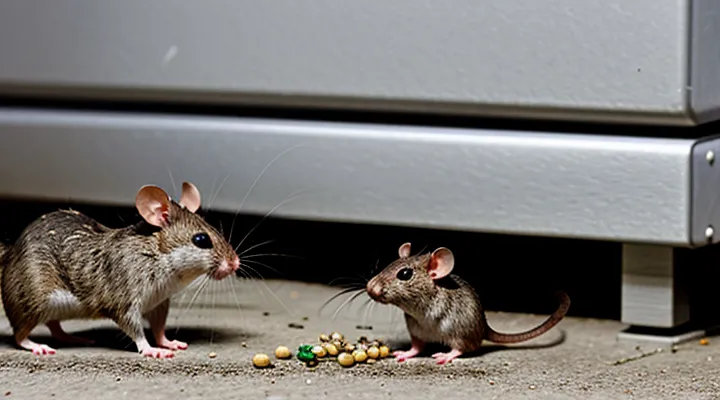
Food Sources and Scavenging Habits
Rats and mice thrive on a broad spectrum of food items, which directly influences bait selection. Grain, seeds, and nuts constitute the primary carbohydrate sources; they are readily recognized and consumed by both species. Protein-rich options such as dried fish, meat scraps, and pet food attract individuals seeking higher nutritional content, especially during breeding periods. Sweet substances—candy, fruit, and syrup—appeal to juveniles and can trigger rapid ingestion. Waste material, including kitchen refuse, compost, and stored grain, provides a continuous supply that sustains populations in urban and agricultural settings.
Scavenging behavior determines how rodents encounter and evaluate bait. Rats prefer to forage along established runways, inspecting food for freshness and safety before removal. They often transport larger pieces back to burrows, allowing delayed consumption. Mice exhibit opportunistic foraging, taking small morsels directly from surfaces and favoring concealed locations to avoid predators. Both species practice neophobia, initially avoiding unfamiliar scents; repeated exposure reduces hesitation and increases acceptance rates.
Effective bait formulation must align with these dietary preferences and foraging patterns. Incorporating a blend of carbohydrate, protein, and sweet attractants enhances palatability across age groups. Adding a modest amount of familiar waste-derived odor can mitigate neophobic responses. Positioning bait along active runways or near nesting sites exploits natural transport habits, ensuring consistent uptake.
Nesting Materials and Shelter
Rats and mice construct nests from readily available fibers, cardboard, insulation, and organic debris. These materials provide warmth, concealment, and a base for breeding colonies. Understanding the composition and location of nests enables precise bait deployment.
Common nesting substrates include:
- shredded paper or newspaper
- cotton, wool, or synthetic fabrics
- shredded insulation or foam
- dried plant matter such as leaves or straw
- cardboard boxes and packaging
Shelters are typically situated in concealed areas: wall voids, under floorboards, behind appliances, in attic corners, and within stored goods. Effective bait placement targets these micro‑habitats by:
- Identifying entry points and pathways leading to nests.
- Positioning bait stations directly inside or adjacent to nesting material piles.
- Securing bait within protective containers that prevent scavenging by non‑target species while remaining accessible to rodents.
- Using bait formulations that retain potency despite exposure to moisture or insulation residues.
Integrating knowledge of nesting preferences with strategic bait placement increases consumption rates, accelerates population decline, and reduces the likelihood of bait avoidance. Regular inspection of shelter sites and replacement of depleted bait sustain control efforts over time.
Common Rodent Species and Their Dietary Needs
Norway Rats: Preferences and Habits
Norway rats (Rattus norvegicus) dominate urban and agricultural environments, thriving where food, water, and shelter are abundant. Their omnivorous diet includes grains, fruits, meat scraps, and high‑fat waste, making them receptive to baits that mimic these macronutrient profiles.
- Preference for high‑energy ingredients such as peanut butter, bacon grease, and cornmeal.
- Attraction to sweet substances, especially molasses and fruit concentrates.
- Tolerance for protein sources like fish meal and dried meat powders.
- Aversion to strong odors unrelated to food, including certain chemical disinfectants.
Habits influencing bait placement:
- Nocturnal foraging, with peak activity between sunset and midnight.
- Use of established runways and burrow entrances; baits positioned within 30 cm of these pathways achieve higher uptake.
- Preference for concealed locations near water sources, sewers, or damp storage areas.
- Social feeding behavior; a single rat often recruits conspecifics, amplifying bait consumption once initial contact occurs.
Effective rodent control baits should combine a palatable matrix reflecting the listed preferences with a reliable anticoagulant or neurotoxin at a concentration that ensures lethal intake after a single exposure. Formulations that remain stable in moist conditions and resist degradation by environmental microbes maintain potency in the damp habitats favored by Norway rats. Proper placement—adjacent to runways, beneath debris, and close to water—maximizes contact probability and leverages the species’ nocturnal foraging pattern, resulting in efficient population reduction.
Roof Rats: Preferences and Habits
Roof rats (Rattus rattus) inhabit upper levels of structures, favoring eaves, attics, and roof voids. Their climbing ability allows them to access exterior vegetation, gutters, and roof shingles, creating a direct link between outdoor food sources and indoor shelter.
The species prefers warm, dry environments with abundant concealment. Nest sites are typically built from shredded insulation, paper, or soft plant material, positioned near structural supports that facilitate movement between floors.
Feeding habits focus on high‑energy, carbohydrate‑rich foods. Preferred items include:
- Fresh fruits and berries
- Sweet grains and cereals
- Nuts and seeds
- Processed human foods containing sugar or starch
Roof rats are nocturnal foragers, emerging after dusk to travel along roof lines and down utility conduits. Their activity peaks between 8 p.m. and 2 a.m., after which they return to nests to rest. Water intake is minimal; they obtain moisture from the food they consume, reducing the need for standing water sources.
Effective bait placement exploits these patterns. Ideal strategies involve:
- Positioning bait stations within 3 feet of known travel routes, such as along rafters, attic joists, or near vent openings.
- Using bait formulations that mimic natural preferences—sweetened grain blocks, fruit‑based gels, or peanut‑oil emulsions.
- Scheduling bait deployment to coincide with peak foraging periods, ensuring exposure during nighttime activity.
Monitoring should focus on tracking chew marks, droppings, and gnawing on insulation to confirm presence and adjust bait locations accordingly. By aligning bait characteristics with roof rats’ specific dietary choices and habitat use, control programs achieve higher consumption rates and faster population reduction.
House Mice: Preferences and Habits
House mice (Mus musculus) thrive in human dwellings where food, shelter, and water are readily available. Their diet consists primarily of grains, seeds, and processed foods, but they readily consume sugary items, dairy products, and pet food. Preference for high‑carbohydrate and protein sources makes these foods the most attractive components of any control formulation.
- Grains, cereals, and cracked corn
- Peanut butter, cheese, and other dairy spreads
- Fruit scraps, sugary cereals, and candy pieces
- Pet kibble and dried fish
Mice favor nesting sites that provide warmth, darkness, and protection from predators. Typical locations include wall voids, attic insulation, stored boxes, and cluttered corners. They construct nests from shredded paper, fabric fibers, and insulation material, often near accessible food sources.
Activity peaks during the night, with foraging trips lasting 30–45 minutes before returning to the nest. Mice can travel up to 100 feet from a food source, but they prefer routes that avoid open spaces and bright light. Their keen sense of smell guides them to food, while tactile whisker input assists navigation through tight passages.
Effective bait strategies exploit these preferences: place attractive food items in concealed bait stations near known mouse pathways, ensure the bait is moist enough to emit a strong odor, and position stations within 3–5 feet of suspected nesting areas. Regular monitoring and replenishment maintain lure potency, increasing the likelihood of successful control.
Types of Effective Baits
Non-Toxic Bait Options
Food-Based Baits: Seeds, Grains, and Nuts
Food‑based baits exploit the natural foraging preferences of rats and mice. Seeds, grains, and nuts provide high carbohydrate and protein content, encouraging rapid consumption and ensuring delivery of active ingredients.
- Seeds – Sunflower, millet, and sorghum seeds possess strong scent profiles that attract both species. Their small size facilitates ingestion by juveniles and allows easy incorporation into pellet formulations.
- Grains – Wheat, oats, and barley offer dense energy sources. Their fibrous texture promotes prolonged chewing, increasing exposure time to lethal agents. Grain kernels can be coated uniformly, guaranteeing consistent dosage.
- Nuts – Peanuts, almonds, and hazelnuts deliver elevated fat levels, appealing to nocturnal foragers. The hard shell protects bait from moisture, extending field stability. Cracked or ground nuts improve accessibility for smaller rodents.
Effective deployment requires placement in concealed, high‑traffic zones such as wall voids, beneath appliances, and along established runways. Bait stations should be secured to prevent non‑target access, and bait density must maintain a continuous supply without saturation, ensuring sustained interest. Regular monitoring of consumption patterns allows adjustment of bait composition to match shifting dietary preferences.
Sweet Baits: Candies and Syrups
Sweet baits exploit the natural preference of rats and mice for high‑sugar foods. Candies and syrups provide rapid, intense olfactory cues that attract rodents from considerable distances, making them effective components of a baiting program.
Candies used in rodent control should be hard, non‑melting varieties such as hard caramel, fruit chews, or sugar‑coated nuts. Their solid structure resists moisture, prolongs field life, and allows precise placement on bait stations. Syrups—especially corn syrup, maple syrup, or fruit concentrate—must be mixed with a binding agent (e.g., powdered gelatin or wheat flour) to form a semi‑solid paste that adheres to a substrate and prevents excessive drippage.
Key considerations for sweet bait deployment:
- Attractiveness: High sucrose concentration (30‑50 % by weight) maximizes palatability.
- Stability: Add a preservative (e.g., propionic acid) to inhibit microbial growth in syrup‑based mixtures.
- Dosage: Offer a single 0.5‑1 g portion per station to limit waste and reduce secondary poisoning risk.
- Placement: Position bait near wall junctions, concealed corners, or active runways; avoid open areas where non‑target species may access the bait.
- Integration: Combine sweet baits with anticoagulant or non‑anticoagulant active ingredients for rapid mortality and reduced bait shyness.
Monitoring is essential. Replace bait every 2–3 days, inspect for depletion, and record capture rates. Adjust formulation if rodents exhibit reduced consumption, indicating possible bait aversion or saturation. Properly prepared candy and syrup baits, when used within a structured control plan, deliver reliable attraction and contribute to effective rodent management.
Fatty Baits: Peanut Butter and Lard
Fatty baits such as peanut butter and lard are highly attractive to rats and mice because of their strong odor and high caloric density. The richness of these substances stimulates feeding behavior even when rodents are wary of new food sources, increasing the likelihood of bait acceptance.
-
Peanut butter
- Strong, lingering scent that penetrates small burrows and crevices.
- Soft texture allows easy incorporation of anticoagulant powders or other rodenticides.
- Low water activity reduces spoilage, extending field life.
-
Lard
- High fat content provides a potent energy source, encouraging repeated consumption.
- Solid at room temperature but melts with body heat, creating a palatable consistency for gnawing rodents.
- Acts as a carrier for powdered toxins, ensuring uniform distribution.
Application guidelines:
- Mix the fatty base with the chosen rodenticide at the manufacturer‑recommended concentration.
- Shape the mixture into small, bite‑size portions (approximately 0.5 g) to match the natural feeding size of target species.
- Place bait stations in concealed locations along walls, near known runways, and within 30 cm of suspected activity.
- Replace or refresh baits every 48 hours to maintain potency and prevent mold growth.
Safety considerations:
- Store peanut butter and lard in airtight containers at temperatures below 10 °C to inhibit rancidity.
- Keep prepared bait out of reach of non‑target wildlife and children; use tamper‑resistant stations when necessary.
- Dispose of unused bait according to local hazardous waste regulations to avoid accidental exposure.
Fatty baits leverage the natural dietary preferences of rats and mice, delivering toxic agents in a format that maximizes ingestion while minimizing avoidance. Proper formulation, placement, and maintenance ensure consistent efficacy in rodent management programs.
Toxic Bait Options (Rodenticides)
Anticoagulants: How They Work
Anticoagulant rodenticides interfere with blood clotting by blocking the vitamin K cycle. The compounds bind to the enzyme vitamin K epoxide reductase, preventing regeneration of active vitamin K. Without active vitamin K, the liver cannot produce clotting factors II, VII, IX, and X, resulting in uncontrolled internal bleeding.
- Ingestion of a sub‑lethal dose initiates the biochemical block.
- Clotting factor synthesis declines over 24–48 hours.
- Hemorrhage begins in vital organs, leading to death within 3–7 days.
- The delayed onset allows rodents to consume multiple bait pieces before symptoms appear, increasing overall efficacy.
Different anticoagulants vary in potency and persistence. First‑generation agents (e.g., warfarin) require higher daily intake and are rapidly metabolized, while second‑generation compounds (e.g., brodifacoum, difenacoum) exhibit longer half‑lives and lower required doses. These properties influence bait formulation, placement density, and exposure time.
Resistance emerges when rodents develop mutations in the target enzyme, reducing binding affinity. Rotating chemical classes and integrating non‑chemical control measures mitigate resistance buildup. Secondary poisoning risk persists for predators and scavengers; bait formulations often include bittering agents or low‑dose anticoagulants to limit non‑target consumption while maintaining lethal effectiveness for the target species.
Non-Anticoagulants: Other Mechanisms
Rodent control programs increasingly rely on baits that avoid anticoagulant compounds, employing alternative physiological disruptions to achieve mortality or deterrence. These formulations target specific biological pathways, reduce resistance development, and limit secondary poisoning risks.
- Neurotoxins such as bromethalin interfere with mitochondrial ATP production, causing rapid paralysis and death without affecting blood clotting mechanisms.
- Metabolic inhibitors like sodium fluoroacetate block the citric acid cycle, leading to energy depletion and eventual organ failure.
- Growth regulators (e.g., hydroxyphenylacetate) prevent maturation of juveniles, suppressing population expansion over successive breeding cycles.
- Digestive disruptors including cholecalciferol overload calcium metabolism, resulting in renal calcification and fatal hypercalcemia.
- Behavioral repellents containing capsaicin or essential oil extracts trigger aversive sensory responses, reducing bait acceptance and encouraging habitat avoidance.
Formulations combine these agents with attractants to ensure consumption while maintaining a safety margin for non‑target species. Proper rotation of mechanisms mitigates resistance and sustains long‑term efficacy in urban and agricultural settings.
Different Formulations: Pellets, Blocks, Pastes, and Liquids
Rodent control programs rely on bait formulations that match the feeding habits and habitat preferences of rats and mice. Four primary delivery formats dominate the market: pellets, blocks, pastes, and liquids. Each format presents distinct advantages and limitations that influence placement strategy, durability, and exposure risk.
- Pellets: Small, dry units sized for individual consumption. Suitable for discreet placement in cracks, burrows, and along travel routes. Low moisture content ensures long‑term stability, but weather exposure can degrade potency if not sheltered.
- Blocks: Compressed solid masses ranging from a few grams to several ounces. Designed for stationary stations where rodents gnaw repeatedly. High density reduces accidental spillage, yet the bulk may limit placement in confined spaces.
- Pastes: Semi‑fluid mixtures that coat surfaces or fill crevices. Attractive to neophobic rodents that investigate tactile cues. Rapid absorption of moisture can shorten shelf life; storage in airtight containers is essential.
- Liquids: Concentrated solutions applied to bait stations or soaked into absorbent substrates. Effective for delivering high doses quickly and for targeting species that prefer liquid diets. Volatility requires sealed delivery systems to prevent evaporation and contamination.
Selection of a formulation should consider environmental conditions, target species behavior, and safety protocols. Dry formats excel in outdoor or high‑humidity settings where moisture protection is critical, while wet formats maximize palatability in indoor infestations where rapid consumption is desired. Compatibility with bait stations, regulatory restrictions on anticoagulant concentrations, and the need for tamper‑resistant packaging further guide the optimal choice.
Bait Placement Strategies
Identifying Rodent Activity Areas
Droppings and Urine Trails
Droppings and urine trails reveal the precise pathways rodents use to travel between shelter and food sources. These biological markers indicate active foraging routes, nest proximity, and the extent of infestation, allowing bait to be positioned where rats and mice are most likely to encounter it.
Identifying droppings and urine involves visual inspection of surfaces, walls, and hidden corners. Fresh, dark droppings suggest recent activity; a strong, musky scent points to urine concentration. Tracking multiple deposits forms a corridor that connects entry points, nesting sites, and feeding areas.
Effective placement of rodent control bait follows these steps:
- Locate the main corridor formed by droppings and urine.
- Position bait stations at least 12–18 inches apart within the corridor, ensuring each station lies directly in the line of travel.
- Secure stations near walls, as rodents prefer edge routes.
- Refresh bait when droppings diminish, indicating reduced activity or bait consumption.
- Rotate stations periodically to prevent bait avoidance.
By aligning bait with the natural movement patterns indicated by droppings and urine, control efforts concentrate on high‑traffic zones, increasing bait uptake and reducing population levels.
Gnaw Marks and Rub Marks
Gnaw marks appear as clean, crescent‑shaped holes on wood, plastic, or wiring, indicating where rodents have chewed to access food or create pathways. Their size typically matches the incisors of the species: rats produce larger, broader cuts, while mice leave narrower, more precise bites. Identifying these patterns helps locate active foraging zones and determines the optimal placement of bait stations.
Rub marks consist of dark, greasy smears on walls, baseboards, or stored goods. They result from the animal’s cheek glands and saliva being deposited while the rodent rubs its body against surfaces to mark territory or to navigate. The concentration of rub marks correlates with high‑traffic routes and nesting proximity, offering reliable cues for bait positioning.
Key considerations for using gnaw and rub evidence:
- Map all observed gnaw holes and rub streaks before deploying bait.
- Prioritize placement near the largest gnaw marks for rat activity; focus on narrower marks for mouse infestations.
- Position bait stations adjacent to rub‑marked pathways, ensuring easy access without obstructing the animal’s natural route.
- Rotate bait locations based on fresh gnaw or rub evidence to prevent bait aversion and maintain pressure on the population.
By interpreting gnaw and rub signatures accurately, pest managers can concentrate attractants where rodents are most active, increasing the likelihood of consumption and reducing the time required to achieve control.
Runways and Nests
Rats and mice travel along established runways—narrow, concealed pathways connecting food sources, water, and shelter. These routes are typically located along walls, behind appliances, or beneath clutter. Identifying active runways involves looking for fresh gnaw marks, droppings, and smudge trails. Placement of attractants directly on or adjacent to these pathways maximizes encounter rates, because rodents preferentially follow familiar travel lines rather than venturing into open spaces.
Nests serve as the central hub of rodent activity. Constructed from soft materials such as insulation, shredded paper, or fabric, nests are situated in hidden cavities: wall voids, attics, crawl spaces, and behind stored items. Bait positioned near nest entrances exploits the rodents’ tendency to forage close to their refuge, ensuring rapid consumption and reducing the likelihood of bait avoidance.
Effective deployment strategy:
- Survey interior and exterior perimeters to map active runways; mark each line with a discreet indicator.
- Place small, moisture‑resistant bait pellets directly on the runway surface at 12‑ to 18‑inch intervals.
- Locate nest entrances by probing for compacted debris; position larger bait blocks within 6‑inch radius of the opening.
- Use bait stations that blend with the environment, preventing interference from non‑target species.
- Rotate bait locations weekly to counter habituation and maintain pressure on the population.
By aligning attractant placement with the natural movement patterns and shelter sites of rodents, control measures achieve higher uptake, faster population decline, and reduced need for repeated applications.
Strategic Placement for Maximum Effectiveness
Near Walls and Corners
Rats and mice travel along edges, using walls and corners as protective routes. Positioning bait within these pathways maximizes contact and reduces avoidance. Secure bait stations 1–2 inches from the baseboard, directly behind baseboard trim, or inside the small gap where two walls intersect. The proximity to structural seams exploits the rodents’ instinct to remain concealed while moving.
- Place solid, tamper‑resistant bait blocks flush against the wall, leaving a narrow gap that forces the animal to bite to access the product.
- Install hanging bait tubes in the upper corner of a wall cavity, ensuring the tube hangs 6–12 inches from the floor to match the typical foraging height of mice.
- Use snap‑type bait stations in the lower corner of a wall junction, positioning them 1 inch from the corner edge to intercept rats that travel along the base of the wall.
- Apply granular bait in the crevice formed by the intersection of a wall and a floor joist, spreading a thin line that remains hidden from sight but accessible to the rodent’s nose.
Effective placement reduces the distance rodents travel before encountering the attractant, increasing ingestion rates. Regularly inspect stations for consumption levels and reposition any that show reduced activity, maintaining continuous pressure on the population.
In Dark, Secluded Areas
Effective rodent control in dark, secluded locations requires bait that remains attractive despite limited light and reduced traffic. These environments—such as crawl spaces, basements, and hidden wall voids—favor species that rely on scent and tactile cues rather than visual signals. Bait must therefore emit a strong, persistent odor and withstand low‑temperature, high‑humidity conditions.
Key characteristics of successful bait for such settings include:
- High‑potency attractants: natural foods (peanut butter, dried fruit) blended with synthetic rodent pheromones.
- Moisture resistance: sealed or gel‑based formulations that prevent spoilage in damp areas.
- Low‑visibility packaging: opaque, low‑profile stations that blend with surrounding structures.
- Long‑term stability: ingredients that retain potency for 30 days or more without refrigeration.
Placement strategies maximize exposure while minimizing interference:
- Install stations within 2 feet of known runways, using the “wall‑edge” method to align bait with rodent travel paths.
- Secure stations at a height of 4–8 inches above the floor, matching the typical foraging level of rats and mice.
- Space stations 10–15 feet apart in extensive voids; reduce spacing to 5 feet when activity signs indicate high density.
- Rotate stations weekly to prevent habituation and maintain scent freshness.
Safety considerations remain essential. Use tamper‑resistant containers to protect non‑target animals and children. Select anticoagulant or non‑anticoagulant formulations based on local regulatory guidelines, and document placement locations for future monitoring. Regular inspection confirms bait consumption, identifies new activity zones, and informs adjustments to the control program.
Away from Children and Pets
Place rodent control bait where children and domestic animals cannot reach it. Install bait stations with lockable lids, mount them at least 18 inches above floor level, and locate them behind appliances or inside wall cavities. Avoid placing bait on countertops, tables, or open shelves.
Use physical barriers to separate bait from non‑target occupants. Secure stations with tamper‑proof hinges, attach them to metal brackets, and ensure the surrounding area is free of crumbs or debris that might attract curious pets. Verify that latch mechanisms function before each deployment.
Store unused bait in sealed, child‑proof containers. Keep containers in locked cabinets or closets, away from food preparation zones. Label each container with hazard warnings and the date of acquisition.
Placement guidelines
- Mount stations at least 45 cm above ground.
- Position stations away from pet feeding areas.
- Install stations in concealed locations (e.g., behind baseboards).
- Check seals daily for damage or tampering.
Bait Safety and Best Practices
Handling and Storage of Bait
Protective Gear and Hygiene
When handling rodent control formulations, direct contact with toxic ingredients poses health risks; appropriate protective equipment eliminates exposure and prevents accidental ingestion or skin absorption.
Essential protective equipment includes:
- Disposable nitrile gloves resistant to chemicals and punctures.
- Full‑face respirator with organic vapor cartridges to filter airborne bait particles.
- Eye protection such as safety goggles or a face shield.
- Fluid‑resistant coveralls or disposable suits that seal at the wrists and ankles.
- Slip‑resistant boots with steel toe caps for stability on wet or uneven surfaces.
Hygiene procedures must be observed before, during, and after bait application. Wash hands thoroughly with soap and water after removing gloves, even if gloves remain intact. Decontaminate work clothing by laundering at high temperature or disposing of single‑use garments in sealed bags. Clean all tools and containers with an approved detergent solution, then rinse with clean water.
Post‑application protocols require securing the work area to avoid cross‑contamination. Store unused bait in locked, labeled containers away from food sources. Dispose of empty containers and contaminated waste in accordance with local hazardous waste regulations. Conduct a final visual inspection to confirm no residue remains on surfaces or personal gear.
Securing Bait from Non-Target Animals
Securing bait against consumption by non‑target species is essential for maintaining the efficacy of rodent control programs. Placement of bait in tamper‑resistant stations prevents accidental exposure to wildlife, pets, and children while concentrating the attractive scent for rats and mice. Stations should be constructed of durable material, feature a lockable lid, and be installed at a height or location inaccessible to larger animals.
Effective measures include:
- Installing bait boxes with entry slots sized for rats and mice but too small for squirrels, raccoons, or domestic pets.
- Mounting stations on poles or walls at least 12 inches above ground level to deter ground‑dwelling mammals.
- Using weather‑proof housings that seal tightly when closed, eliminating scent leakage that attracts non‑target foragers.
- Applying bait only during periods of low activity by non‑target species, such as early evening for nocturnal rodents, while avoiding daylight hours when diurnal wildlife is active.
- Monitoring stations regularly and recording any signs of unauthorized entry, adjusting placement or hardware as needed.
Compliance with local regulations often requires proof that bait is secured from unintended consumers. Documenting the type of station, installation height, and inspection schedule provides verifiable evidence of responsible bait management. Continuous assessment of station integrity and prompt repair of damage sustain the intended impact on rat and mouse populations while minimizing risk to other animals.
Monitoring and Replenishing Bait Stations
Regular Inspections
Regular inspections are essential to maintain bait efficacy and prevent rodent populations from rebounding. Inspectors must verify that bait stations remain intact, bait is fresh, and placement aligns with rodent activity patterns.
During each inspection, record the following:
- Condition of the bait container (no cracks, tampering, or weather damage).
- Quantity of bait remaining; replenish when consumption exceeds 30 % of the original load.
- Presence of non‑target species; remove any unintended captures immediately.
- Evidence of rodent activity (droppings, gnaw marks, trails) to assess whether bait locations require adjustment.
- Compliance with safety regulations, including proper labeling and restricted access.
Inspection frequency should match infestation severity. In high‑risk environments, conduct checks every 48 hours; in moderate settings, a weekly schedule suffices; low‑risk areas may be inspected bi‑weekly. Adjust intervals if monitoring reveals increased activity or bait depletion.
Documentation supports accountability and enables data‑driven decisions. Use a standardized log that includes date, inspector name, station identifier, observations, and corrective actions taken. Review logs monthly to identify trends and refine bait placement strategies.
Prompt corrective measures—such as repositioning stations, changing bait type, or increasing inspection frequency—prevent bait loss, reduce rodent resurgence, and ensure continuous control effectiveness.
Adapting to Changing Conditions
Effective rodent control relies on bait that responds to fluctuations in environment, pest behavior, and product performance. Seasonal temperature shifts alter bait moisture content, influencing palatability and durability. Formulations with hygroscopic agents maintain softness in cold climates, while moisture‑resistant coatings prevent disintegration during hot, humid periods.
Behavioral adaptation among rats and mice reduces attraction to static bait types. Rotating active ingredients—such as anticoagulants, neurotoxins, and non‑chemical attractants—prevents habituation. Incorporating protein‑rich or grain‑based bases addresses dietary preferences that vary with available natural food sources.
Regulatory and supply‑chain changes affect bait composition. When a particular active compound faces restriction, substitute agents with comparable efficacy and safety profiles. Maintaining an inventory of alternative carriers ensures uninterrupted deployment during shortages.
Practical measures for field implementation:
- Monitor temperature and humidity daily; adjust bait storage conditions accordingly.
- Schedule ingredient rotation on a bi‑monthly basis to disrupt learned aversion.
- Conduct short‑term efficacy tests after any formulation change before large‑scale distribution.
These practices sustain bait effectiveness despite evolving conditions, reducing rodent populations while complying with health and safety standards.
Post-Baiting Procedures
Disposal of Carcasses
Proper disposal of dead rodents is a critical component of bait‑based rodent management. Residual carcasses can harbor pathogens, attract scavengers, and undermine control efforts by providing a food source for surviving pests.
Handling should begin with personal protection: wear disposable gloves, a mask, and protective clothing. Transfer each carcass to a sealed, puncture‑resistant container immediately after removal to prevent leakage and odor release.
Recommended disposal methods include:
- Incineration: Use a licensed high‑temperature incinerator; ensure complete combustion to destroy all tissue.
- Burial: Dig a pit at least 2 feet deep, place carcasses in a sealed bag, and cover with soil; locate burial sites away from water sources and food storage areas.
- Commercial rendering: Contract a licensed service that processes animal waste into safe by‑products.
- Landfill submission: Place sealed bags in approved hazardous waste containers for transport to a regulated landfill.
After disposal, decontaminate tools and work surfaces with an EPA‑approved disinfectant. Document each removal and disposal action to maintain compliance with local health regulations and to support ongoing monitoring of the control program.
Cleaning Contaminated Areas
Cleaning contaminated areas is a prerequisite for any rodent bait strategy. Residues, droppings, and food spills provide attractants that diminish bait efficacy and increase health risks. Prior to bait placement, remove all organic debris, sanitize surfaces, and eliminate standing water. Use a detergent solution followed by a disinfectant approved for pest‑control environments; allow the area to dry completely before proceeding.
Key steps for preparing a site include:
- Collect and dispose of waste in sealed containers.
- Sweep or vacuum to eliminate dust and crumbs.
- Apply a detergent‑based cleaner to all reachable surfaces.
- Rinse with clean water and let dry.
- Apply a registered disinfectant, following label instructions for concentration and contact time.
After thorough cleaning, verify that no food sources remain within a 2‑meter radius of bait stations. This eliminates competition and forces rodents to encounter the bait, improving consumption rates and reducing the number of stations required. Consistent maintenance of the cleaned zone sustains bait performance and minimizes re‑contamination.