
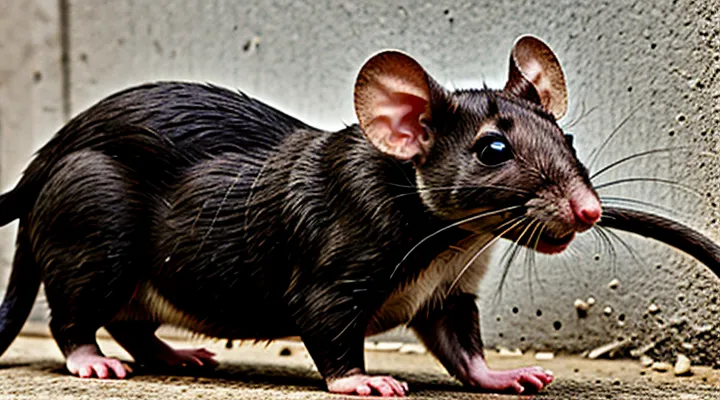
Understanding Dumbo Rats
What Are Dumbo Rats?
Dumbo rats are a type of fancy rat distinguished by large, low‑set ears that fold forward over the head, giving the animal a characteristic “elephant‑ear” appearance. The name derives from the Disney character Dumbo, whose oversized ears inspired the breed’s colloquial label. These rodents result from selective breeding that emphasizes the ear‑position trait while preserving the standard rat body plan.
The phenotype originates from a recessive gene affecting cartilage development, which causes the pinnae to attach near the cheek region rather than the typical lateral placement. Breeders maintain the line through controlled pairings, ensuring that offspring display the hallmark ear structure without compromising overall health.
Key characteristics:
- Ear placement: forward‑folded, covering part of the skull.
- Head shape: broader and slightly flatter than that of conventional rats.
- Coat: available in standard colors and patterns, including solid, brindle, and agouti.
- Size: comparable to standard fancy rats, typically 250–300 g adult weight.
- Temperament: generally calm, curious, and sociable with humans and other rats.
Behaviorally, Dumbo rats exhibit the same intelligence and trainability as other domesticated rats, responding well to handling, enrichment, and basic commands. Their unique appearance makes them popular among hobbyists, while their health profile aligns with that of standard rats, requiring routine care such as balanced nutrition, regular cage cleaning, and veterinary monitoring.
Distinguishing Features
Ear Placement and Shape
Dumbo rats possess ears that sit low on the skull and extend outward, creating a broad, rounded silhouette. The cartilage is soft, allowing the ears to fold forward when the animal is relaxed, yet they retain shape when the rat is alert.
Advantages of this ear configuration
- Amplified sound capture improves detection of subtle noises.
- Increased surface area assists in dissipating body heat, supporting temperature regulation.
- Distinctive appearance enhances visual identification and appeal for hobbyists.
- Forward‑facing ears often facilitate easier handling, as the rat can be guided by gentle pressure on the ear pads.
Challenges and care requirements
- Thin skin and abundant folds create pockets where debris and moisture accumulate, raising the risk of otitis.
- Ear cartilage is prone to injury; rough handling or accidental snagging can cause tears.
- Regular inspection is essential; cleaning should involve a damp cotton swab, avoiding deep insertion.
- Environmental humidity must be controlled to prevent excessive dampness that encourages fungal growth.
Consistent monitoring and gentle grooming mitigate health issues while preserving the breed’s characteristic ear structure.
Body Type
Dumbo rats possess a compact, muscular build characterized by a broad skull, short limbs, and prominent, forward‑facing ears. The overall shape is rounded, with a dense coat that accentuates the stout silhouette.
-
Strong skeletal structure supports vigorous activity and reduces susceptibility to fractures.
-
Low center of gravity improves stability during handling, decreasing the likelihood of accidental drops.
-
Rounded body mass provides ample space for internal organ development, contributing to robust physiological function.
-
High propensity for rapid weight gain can lead to obesity if caloric intake is unchecked.
-
Short limbs limit the animal’s ability to navigate narrow or vertical spaces, restricting enrichment options.
-
Dense coat may retain moisture, increasing the risk of skin infections when hygiene is inadequate.
Effective management of this body type requires precise dietary control, regular weight monitoring, and enclosure dimensions that accommodate the rat’s bulk without crowding. Provide a floor area of at least 2 sq ft per animal, incorporate solid‑surface platforms for rest, and schedule weekly grooming to prevent matting. Adjust feed portions to maintain a lean physique, supplementing with high‑fiber vegetables and limiting high‑fat treats. Monitoring for signs of excess fat deposition around the abdomen and hindquarters enables timely intervention before health complications arise.
The Appeal of Dumbo Rats
Advantages of Owning Dumbo Rats
Temperament and Socialization
Dumbo rats typically display a calm, inquisitive disposition. Their low‑profile ears and round bodies often make them appear less skittish than other varieties, yet individual temperament varies with genetics, early experiences, and environment.
Social interaction with humans and conspecifics shapes their behavior. Regular, gentle handling from a young age reduces fear responses and encourages trust. Cohabitation with compatible cage‑mates promotes natural hierarchy formation and prevents isolation‑induced stress.
Practical steps to improve temperament and socialization:
- Handle each rat daily for 5‑10 minutes, using a soft grip and steady voice.
- Offer small food rewards during handling to create positive associations.
- Introduce new objects or cage enrichments gradually, allowing the rat to explore at its own pace.
- Rotate play sessions with other gentle rats, monitoring for signs of aggression or dominance.
- Maintain a consistent routine of cleaning and feeding to reinforce predictability.
Potential challenges include sudden aggression, excessive wariness, or territorial behavior. Early detection of these signs enables corrective measures such as shortened handling sessions, increased environmental enrichment, or re‑grouping with more docile companions. Consistent, patient interaction typically stabilizes temperament and fosters a sociable, confident pet.
Intelligence and Trainability
Dumbo rats demonstrate a level of cognition that exceeds that of many standard laboratory strains. They navigate mazes, discriminate between visual cues, and solve simple puzzles with a success rate comparable to other intelligent rodents. Their ability to form associations enables them to recognize specific handlers, respond to vocal commands, and adapt to routine changes in their environment.
Training effectiveness depends on several controllable factors:
- Consistent positive reinforcement (e.g., small food rewards) delivered immediately after the desired behavior.
- Gradual escalation of task complexity, beginning with basic actions such as “come” or “touch” and progressing to multi‑step sequences.
- Regular short sessions (5–10 minutes) to maintain focus without inducing stress.
- Enriched cages that provide climbing structures, tunnels, and varied textures, which stimulate problem‑solving instincts.
- Stable social conditions; isolation or frequent changes in cage mates can diminish motivation and increase anxiety.
Advantages of high intelligence include rapid acquisition of handling skills, reduced fear of human interaction, and the capacity for enrichment activities that improve overall welfare. Conversely, heightened awareness may lead to increased sensitivity to environmental disturbances, requiring meticulous maintenance of cage conditions and routine.
Effective care protocols incorporate these training principles, ensuring that Dumbo rats remain mentally engaged while minimizing behavioral issues that arise from unmet cognitive needs.
Low Maintenance (Relative to Other Pets)
Dumbo rats require fewer daily interactions than dogs or cats, making them suitable for owners with limited time. Their diet consists of standard rodent pellets supplemented occasionally with fresh vegetables; a single scoop per day meets nutritional needs without complex meal planning.
- Cage size: a 20‑gal enclosure provides ample space, eliminating the need for multiple habitats.
- Cleaning: spot‑cleaning of waste and a weekly full change of bedding keep hygiene manageable.
- Grooming: a smooth coat reduces shedding, so routine brushing is optional rather than mandatory.
- Health checks: observable signs of illness appear quickly, allowing prompt veterinary attention without extensive monitoring equipment.
- Cost: feed, bedding, and basic supplies average lower monthly expenses compared with larger mammals.
These characteristics collectively position dumbo rats as a comparatively low‑maintenance option among common household pets.
Disadvantages and Considerations
Lifespan
Dumbo rats typically live between 2 and 3 years when provided with proper nutrition, regular veterinary care, and a clean environment. Genetic health, diet quality, and stress levels are the primary determinants of individual longevity.
- Average lifespan: 2 years (minimum) to 3 years (maximum) under optimal conditions.
- Influencing factors:
- Balanced diet rich in protein and low in excessive fats.
- Routine health checks to detect and treat illnesses early.
- Stable, low‑stress housing with adequate enrichment.
- Prevention of common ailments such as respiratory infections and tumors through hygiene and vaccination where applicable.
Owners who monitor weight, provide fresh water, and maintain consistent cage cleaning extend the upper range of the species’ lifespan. Conversely, neglect of these basic requirements shortens life expectancy, often resulting in premature mortality before the two‑year mark.
Health Concerns
Dumbo rats are prone to several health problems that require vigilant monitoring and proactive management. Respiratory infections, especially Mycoplasma pulmonis, manifest as nasal discharge, wheezing, and labored breathing; prompt veterinary treatment reduces mortality. Dental overgrowth can cause difficulty eating, facial swelling, and drooling; regular inspection of incisors and provision of chewable enrichment help maintain proper length. Skin conditions such as fungal infections, mange, and ulcerative pododermatitis appear as hair loss, redness, or scabbing; clean housing, dry bedding, and routine grooming lower incidence.
Obesity presents a risk for cardiovascular strain and reduced mobility; calculate daily caloric intake, limit high‑fat treats, and encourage activity through tunnels and wheels. Parasites—including fleas, mites, and internal worms—lead to anemia, dermatitis, and gastrointestinal upset; quarterly fecal examinations and external parasite checks are recommended. Genetic predispositions in the Dumbo phenotype include spinal deformities and heart murmurs; baseline echocardiograms and skeletal assessments establish early baselines for comparison.
Key indicators of declining health:
- Lethargy or reduced exploration
- Unexplained weight loss or gain
- Changes in stool consistency or frequency
- Persistent sneezing, coughing, or nasal discharge
- Abnormal grooming behavior or self‑injury
Implementing a routine health‑check schedule, maintaining optimal environmental conditions, and seeking veterinary care at the first sign of abnormality collectively mitigate the most common health concerns affecting this breed.
Social Needs
Dumbo rats thrive on interaction with conspecifics. A single individual often exhibits reduced activity, increased stress markers, and a higher incidence of respiratory issues. Housing two or more rats satisfies their innate drive for grooming, play, and hierarchical establishment, which in turn stabilizes hormone levels and promotes robust immune function.
Key social requirements include:
- Continuous visual and tactile contact with at least one compatible cage‑mate.
- Opportunities for shared nesting material to facilitate communal burrowing.
- Regular enrichment that encourages cooperative exploration, such as tunnels and climbing structures.
When social needs are unmet, common problems arise:
- Aggressive outbursts toward humans or objects, stemming from frustration.
- Stereotypic behaviors like repetitive bar‑chewing, indicating chronic stress.
- Weight loss or irregular feeding patterns, linked to heightened cortisol.
Effective management strategies:
- Pair rats at a young age to foster a stable bond; introduce new companions gradually, monitoring for signs of dominance.
- Provide a spacious enclosure that accommodates multiple nesting zones, reducing competition.
- Rotate enrichment items weekly to maintain novelty while preserving shared use.
By ensuring consistent companionship and appropriate group‑level enrichment, caretakers mitigate health risks and enhance overall well‑being, aligning social provision with the broader objectives of responsible dumbo rat husbandry.
Comprehensive Care Guide
Housing Requirements
Cage Size and Type
Proper enclosure is essential for the health and behavior of ear‑tailed rats. The cage must accommodate active climbing, foraging, and social interaction while preventing injury and stress.
- Minimum floor area: 2 sq ft per adult, larger if housing multiple individuals.
- Height: at least 18 in to allow vertical enrichment such as branches and platforms.
- Material: solid‑bottom cages made of stainless steel or powder‑coated metal resist rust and are easy to clean; avoid wire‑bottom designs that can damage delicate foot pads.
- Bar spacing: ½ in (12 mm) or less to prevent escape and limit chewing hazards.
- Ventilation: mesh panels on upper sections provide airflow without compromising security.
- Accessibility: removable top or side doors enable effortless cleaning and handling; lockable latches prevent accidental openings.
When selecting a cage, prioritize durability, ease of disassembly, and the ability to customize interior layout. Overly cramped or poorly ventilated enclosures increase the risk of respiratory issues and aggressive behavior, while spacious, well‑ventilated units support natural activity patterns and overall well‑being.
Bedding and Substrate
Bedding provides insulation, odor control, and a comfortable surface for nesting. Suitable materials include paper‑based products, aspen shavings, and coconut fiber. Paper bedding absorbs moisture quickly, reduces respiratory irritation, and is easy to replace. Aspen is low‑dust, offers a natural scent, and encourages chewing behavior. Coconut fiber retains humidity, supports burrowing, but may harbor mold if not refreshed regularly.
Advantages of common substrates
- Paper: minimal dust, rapid odor absorption, biodegradable.
- Aspen: low allergenicity, pleasant aroma, encourages gnawing.
- Coconut: high absorbency, promotes digging, inexpensive.
Disadvantages
- Paper: can become compacted, reducing airflow.
- Aspen: may contain small splinters that irritate paws.
- Coconut: high moisture retention can encourage bacterial growth if not changed frequently.
Daily maintenance involves spot‑cleaning soiled areas, replacing the entire layer weekly, and monitoring humidity to prevent fungal development. Provide a shallow depth (2–3 cm) to allow nesting without excessive waste accumulation. Avoid cedar and pine, whose aromatic oils cause respiratory distress in rodents. Regular inspection of the substrate for clumping, damp spots, or unusual odors ensures a healthy environment and supports the overall well‑being of the animal.
Enrichment and Toys
Enrichment supplies Dumbo rats with mental challenges and opportunities for natural behaviors. Properly selected toys reduce boredom, encourage exercise, and support dental health.
- Chew blocks made of untreated wood or safe cardboard
- Puzzle feeders that require manipulation to release food
- Tunnels and tubes of varying diameters for exploration
- Hanging hammocks or fabric ladders for climbing
- Small balls or plastic wheels designed for rodents
Mental stimulation prevents repetitive motions such as excessive bar‑gnawing. Physical activity strengthens muscles, promotes circulation, and maintains optimal weight. Interaction with manipulable objects enhances problem‑solving abilities and reduces stress‑related behaviors.
Potential drawbacks include accidental ingestion of broken pieces, sharp edges causing injury, and overstimulation leading to fatigue. Toys constructed from toxic paints, glues, or treated wood must be excluded. Continuous exposure to loud or overly complex devices can provoke anxiety.
Maintenance practices extend toy lifespan and preserve health. Rotate items weekly to sustain novelty. Inspect surfaces for splinters, loose parts, or mold before each use. Clean washable toys with mild soap and rinse thoroughly; sterilize non‑washable objects with a dilute vinegar solution. Replace damaged items promptly.
Implementing a structured enrichment program yields measurable improvements in activity levels, dental wear, and overall welfare for Dumbo rats.
Diet and Nutrition
Staple Diet
A balanced staple diet for dumbo rats consists of high‑quality protein, fresh vegetables, limited fruit, and a small portion of whole‑grain carbohydrates. Protein should represent the core of each meal; commercial rat blocks or pellets formulated for small rodents provide the necessary amino acids and are designed to meet nutritional standards. Fresh, low‑oxalate vegetables—such as kale, broccoli, and carrots—supply vitamins and fiber; a mixed portion of 1–2 tablespoons per adult rat is adequate. Fruit can be offered sparingly, no more than a teaspoon of berries or apple slices twice weekly, to prevent excess sugar. Whole‑grain options like rolled oats or whole‑grain bread may be added in a ¼‑teaspoon serving once or twice a week for additional energy.
- Protein source: rat pellets or blocks (primary), occasional boiled egg or cooked chicken (small pieces).
- Vegetables: kale, broccoli, carrots, bell pepper, spinach (washed, chopped).
- Fruit: berries, apple, pear (seed‑free, limited).
- Grains: rolled oats, whole‑grain bread (tiny amounts).
- Water: fresh, clean supply refreshed daily.
Supplemental calcium (e.g., a pinch of powdered calcium carbonate) can be mixed into the vegetable portion twice weekly to support bone health. Monitoring weight and coat condition guides adjustments; a healthy adult dumbo rat typically maintains a weight of 100–150 g and exhibits a glossy coat. Regularly rotating food items reduces the risk of nutrient deficiencies and prevents dietary boredom.
Supplements and Treats
Supplements for Dumbo rats should address common nutritional gaps without compromising a balanced diet. Calcium and vitamin D support bone development, especially in rapidly growing juveniles. A modest amount of high‑quality multivitamin powder (approximately ¼ teaspoon per kilogram of feed) can prevent deficiencies, but excess may cause renal strain. Omega‑3 fatty acids, typically supplied as fish‑oil capsules, improve coat condition and reduce inflammation; a single capsule split and mixed into fresh water once weekly suffices for most adults. Probiotic blends containing Lactobacillus strains aid digestive health; a pinch added to daily fresh vegetables promotes stable gut flora.
Treats must be safe, low‑calorie, and free of toxic ingredients. Acceptable options include:
- Small pieces of fresh apple (seed‑free) or pear, no more than two bites per day.
- Unsweetened dried banana chips, limited to one thin slice weekly.
- Plain, unsalted pumpkin seeds, offered sparingly to avoid excess fat.
- Commercial rodent treats formulated without added sugars, administered in quantities not exceeding 5 % of total daily intake.
Avoid citrus fruits, chocolate, caffeine, and high‑fat snacks, as they can induce gastrointestinal upset or long‑term health issues. Monitor body weight weekly; any rapid gain or loss warrants adjustment of supplement dosage or treat frequency. Regular veterinary check‑ups should include blood work to detect potential mineral imbalances caused by over‑supplementation.
Foods to Avoid
Dumbo rats require a diet that mimics their natural omnivorous intake while avoiding items that can cause digestive distress, obesity, or toxic reactions. The following foods should never be offered:
- Processed meats with added salts, nitrates, or preservatives.
- Citrus fruits (oranges, lemons, grapefruits) and their juices, which irritate the gastrointestinal lining.
- High‑fat dairy products such as cheese, butter, and full‑fat yogurt; they contribute to rapid weight gain and liver strain.
- Raw beans, especially kidney and lima beans, containing lectins that are harmful when not cooked thoroughly.
- Chocolate, caffeine, and any products containing theobromine, which are cardiotoxic to rodents.
- Sugary snacks, candy, and artificial sweeteners; they disrupt blood sugar regulation and can lead to dental decay.
- Salty snacks, chips, and pretzels; excess sodium precipitates dehydration and kidney stress.
- Onion, garlic, and related allium vegetables; they cause hemolytic anemia in small mammals.
- Fruit seeds and pits (apple, cherry, peach) due to cyanogenic compounds.
In addition to outright avoidance, any fresh produce offered should be washed, peeled when appropriate, and presented in modest portions to prevent overconsumption. Monitoring weight and fecal consistency after introducing new items helps identify hidden sensitivities.
Health and Wellness
Common Health Issues
Dumbo rats frequently encounter respiratory infections, particularly Mycoplasma pulmonis, which manifest as nasal discharge, sneezing, and labored breathing. Prompt veterinary assessment and targeted antibiotics reduce mortality.
Digestive disturbances appear as diarrhea or constipation, often linked to abrupt diet changes or low-fiber feed. Gradual nutritional adjustments and high-quality pellets supplemented with fresh vegetables maintain gastrointestinal balance.
Dermatological problems include skin lesions, mange caused by Sarcoptes scabiei, and fur loss. Regular grooming, a clean habitat, and antiparasitic treatment prevent infestations.
Common health issues
- Respiratory infection (Mycoplasma) – symptoms: nasal discharge, wheezing; treatment: antibiotics, humidified environment.
- Gastrointestinal upset – symptoms: loose stools, reduced appetite; treatment: diet stabilization, probiotic supplements.
- Parasite infestation – symptoms: itching, hair loss; treatment: topical or oral acaricides, habitat sanitation.
- Dental overgrowth – symptoms: difficulty eating, facial swelling; treatment: regular trimming, appropriate chew toys.
Routine health monitoring, clean enclosure, and balanced nutrition are essential to mitigate these conditions. Regular veterinary check‑ups enable early detection and improve long‑term wellbeing.
Veterinary Care
Veterinary care for ear‑tufted rats focuses on prevention, early detection, and treatment of species‑specific conditions. Routine examinations should include weight measurement, body condition scoring, inspection of eyes, ears, and skin, and assessment of dental alignment.
- Physical exam every 6–12 months
- Annual fecal analysis for parasites
- Dental check‑up to identify overgrowth
- Blood work when clinical signs suggest systemic disease
Common health concerns in these rodents involve respiratory infections, skin mites, and dental malocclusion. Prompt veterinary intervention can reduce morbidity: antibiotics for bacterial pneumonia, topical or systemic acaricides for mites, and selective grinding to restore proper tooth length. Emergency care may be required for severe respiratory distress, gastrointestinal blockage, or traumatic injuries; clinics experienced with exotic small mammals are best equipped for such cases.
Advantages of regular veterinary involvement include extended lifespan, reduced incidence of chronic illness, and reliable health monitoring. Challenges comprise limited availability of practitioners familiar with this species, higher per‑visit costs compared to conventional pets, and the need for specialized equipment.
Owners should select a veterinarian with credentials in exotic or small‑animal practice, verify the clinic’s capacity for anesthesia and surgical procedures on rodents, and maintain a record of vaccinations, deworming, and dental treatments. Scheduling appointments before the onset of breeding season or environmental stressors helps mitigate health risks.
Hygiene and Grooming
Proper hygiene and grooming are essential for the health and longevity of Dumbo rats. Regular cleaning of the cage prevents the buildup of ammonia, which can irritate the respiratory system and lead to infections. Spot‑cleaning should occur daily, removing soiled bedding, droppings, and uneaten food. A complete change of bedding and a thorough wipe‑down of all surfaces is recommended weekly, using a mild, unscented disinfectant diluted according to manufacturer instructions.
Grooming routines address fur condition, skin health, and parasite control. Rats groom themselves, yet owners must assist with:
- Brushing once or twice a week with a soft, stainless‑steel comb to detangle hair and reduce shedding.
- Inspecting ears, eyes, and nostrils for discharge; gently wiping with a damp cotton ball if needed.
- Trimming overgrown toenails using a small animal nail clipper; excessive length can cause gait problems.
- Checking for signs of mites or fleas; immediate treatment with a veterinarian‑approved product prevents infestation.
Bathing Dumbo rats is generally discouraged because their fur retains moisture, increasing the risk of skin maceration and hypothermia. If a bath is unavoidable due to severe contamination, use lukewarm water, a pet‑safe shampoo, and dry the animal thoroughly with a low‑heat hair dryer while monitoring body temperature.
Adequate ventilation, a balanced diet rich in fiber, and regular veterinary examinations complement hygiene practices. Neglecting these measures can result in dermatitis, respiratory distress, and reduced immune function, underscoring the direct impact of cleanliness on overall well‑being.
Socialization and Training
Introducing New Rats
Introducing additional Dumbo rats into an established group requires systematic preparation, controlled exposure, and vigilant observation. Neglecting any phase can trigger aggression, illness, or prolonged stress, compromising the welfare of the entire colony.
Begin with quarantine. Isolate newcomers for at least two weeks in a separate cage equipped with identical bedding, water, and food. Conduct a veterinary health assessment to rule out parasites, respiratory infections, or dental issues. Clean and disinfect all accessories before transferring the rats to the main enclosure.
Facilitate integration through staged interaction:
- Place a neutral tunnel or cage divider between the resident and the newcomer, allowing scent exchange without direct contact.
- Rotate the divider daily, extending the period of visual contact while monitoring behavior.
- After several days of calm observation, introduce the rats in a neutral arena free of established territories.
- Supervise the first 30‑45 minutes; separate the animals immediately if fighting escalates.
Maintain ongoing monitoring. Record grooming frequency, eating patterns, and nesting activity for each rat. Adjust dietary portions to accommodate increased competition, ensuring each individual receives adequate nutrition. Provide multiple enrichment items to reduce territorial disputes.
Conclude the process by confirming stable social hierarchy. Once the group exhibits cooperative grooming, shared nesting, and absence of injury, remove barriers permanently. Continue periodic health checks to detect latent conditions that may emerge after integration.
Handling Techniques
Effective handling of Dumbo rats requires consistent, gentle methods that minimize stress and promote trust. Begin each interaction by allowing the animal to become familiar with the handler’s scent and presence. Approach the cage slowly, avoid sudden movements, and extend a hand for the rat to sniff before attempting contact. Secure the rat by supporting its body from beneath the chest and hindquarters, keeping the spine aligned to prevent injury. Maintain a firm yet relaxed grip; excessive pressure can cause bruising, while a loose hold risks escape.
Key handling practices include:
- Acclimation sessions: Limit initial handling to 2‑3 minutes, gradually extending duration over several days.
- Supportive hold: Place one hand under the thorax, the other supporting the rear legs; avoid grasping the tail or limbs alone.
- Temperature control: Perform handling in a room where ambient temperature remains between 68–75 °F (20–24 °C) to prevent hypothermia.
- Observation: Check eyes, ears, and fur for signs of injury or illness before and after each session.
- Sanitation: Wash hands with mild soap before handling; use a disposable glove if the rat shows signs of dermatitis.
Consistent application of these techniques reduces defensive behavior, improves health monitoring, and enhances the overall welfare of Dumbo rats under human care.
Basic Training and Tricks
Training dumbo rats begins with establishing trust. Offer a hand for the rat to sniff, then reward a calm approach with a small treat. Consistency in timing and reward size reinforces the association between the handler’s presence and positive outcomes.
Basic commands rely on a cue word and a hand signal. Start with “come”: call the rat’s name, extend a palm outward, and give a treat when the animal moves toward you. Repeat the sequence several times per session, limiting each session to five minutes to prevent fatigue. Progress to “stay” by asking the rat to remain on a platform, then retreat a short distance before delivering a reward. Incrementally increase the distance and duration while maintaining the same verbal cue.
Tricks add mental stimulation and strengthen the bond. A simple spin can be taught by guiding the rat’s tail with a fingertip in a circular motion while saying “spin.” After the full rotation, immediately reward. For a “high‑five,” hold a treat on the palm, encourage the rat to lift a front paw, and press gently against the hand before giving the treat. Repeat until the rat lifts the paw on cue without the treat visible.
Key considerations for effective training:
- Use high‑value treats (e.g., small pieces of fruit or specialized rodent snacks).
- Keep the environment quiet; sudden noises distract the rat and break focus.
- Limit sessions to 5–10 minutes; overtraining leads to stress and reduced cooperation.
- Maintain a calm, steady voice; abrupt tones can startle the animal.
- Rotate tricks weekly to prevent monotony and encourage continual learning.
Properly trained dumbo rats display reliable responses to cues, exhibit reduced anxiety in handling, and provide interactive enrichment that supports overall health. Failure to follow consistent methods often results in erratic behavior and diminished willingness to engage.
Ethical Ownership
Responsible Breeding
Responsible breeding of the distinctive, ear‑over‑the‑eyes rat requires strict adherence to health, genetics, and welfare standards. Breeders must verify that parent animals are free from hereditary conditions such as respiratory infections, spinal deformities, and dental malocclusions before pairing. Genetic testing records should be maintained and shared with prospective owners to ensure transparency.
- Conduct comprehensive health examinations by a licensed veterinarian at least twice yearly.
- Implement a documented breeding plan that includes age, lineage, and expected litter size.
- Provide enriched housing with adequate space, ventilation, and chew‑safe materials to prevent stress‑related behaviors.
- Limit breeding frequency to prevent maternal exhaustion; allow a minimum recovery period of eight weeks between litters.
Neglecting these practices increases the likelihood of malformed offspring, higher mortality rates, and the proliferation of unqualified sellers. Unscrupulous breeding contributes to overpopulation, strain on rescue facilities, and loss of public confidence in the species as a suitable companion.
Ethical breeders also educate buyers on proper care, supply starter kits, and offer post‑sale support. By integrating health verification, record‑keeping, and responsible marketing, the breeding process safeguards animal welfare and sustains the breed’s reputation among enthusiasts.
Adoption and Rescue
Adopting or rescuing a dumbo rat requires clear preparation and responsible action. Prospective owners should confirm that the animal is healthy, verify its age, and obtain a health record from the shelter or previous caretaker. A reputable rescue organization typically provides documentation of vaccinations, deworming, and any known medical conditions.
Key considerations include:
- Space: a cage of at least 20 inches tall and 30 inches wide per rat, with solid flooring and enrichment items.
- Diet: a balanced mix of commercial rat pellets, fresh vegetables, and occasional protein treats.
- Social needs: dumbo rats thrive in pairs or small groups; solitary housing can lead to stress and behavioral issues.
- Legal status: confirm that local regulations permit ownership of this species.
After acquisition, a quarantine period of 7‑10 days separates the new rat from existing pets, allowing observation for signs of illness. Gradual introduction to a settled group, using a neutral enclosure, reduces aggression. Ongoing veterinary care, routine cage cleaning, and mental stimulation through toys and tunnels support long‑term wellbeing.
Rescuing a rat also involves post‑adoption responsibilities. Volunteers often assist with transport, initial setup, and education on proper handling. Providing a written care plan to the adopter ensures continuity and reduces the likelihood of return. Successful adoptions rely on transparent communication, thorough screening, and commitment to the animal’s health and social requirements.
Frequently Asked Questions
Are Dumbo Rats Good Pets for Children?
Dumbo rats are a short‑haired, ear‑folded variety of domestic rat that often attracts families because of their calm disposition and distinctive appearance. Their size and temperament make them physically manageable for most children, provided adult supervision is maintained.
Advantages for children
- Gentle social behavior reduces risk of biting.
- Small body weight (150–250 g) allows safe handling.
- Quick learning ability enables training for basic tricks.
- Short lifespan (2–3 years) limits long‑term commitment.
Disadvantages for children
- High activity level may overwhelm very young kids.
- Sensitive to rough handling; accidental drops cause injury.
- Require daily cage cleaning to prevent odor and disease.
- Allergies to rodent dander affect some households.
Care requirements
- Secure cage with solid flooring prevents foot injuries.
- Daily provision of fresh water, high‑fiber pellets, and occasional fresh produce.
- Weekly health checks for respiratory signs, skin lesions, and dental overgrowth.
- Structured interaction schedule teaches children gentle grip, proper lifting, and hand‑washing after contact.
When adults enforce consistent supervision, maintain hygiene, and educate children on respectful handling, Dumbo rats can serve as engaging, low‑maintenance companions suitable for many families.
How Long Do Dumbo Rats Live?
Dumbo rats typically live 2 to 3 years, with many reaching the full three‑year mark when provided optimal conditions. Some individuals surpass four years, especially when bred from healthy stock and kept in low‑stress environments.
Key factors influencing lifespan include:
- Genetics: lines selected for vigor and minimal hereditary defects tend to live longer.
- Nutrition: balanced diets rich in protein, limited fats, and fresh vegetables support organ health.
- Housing: spacious cages, regular cleaning, and safe bedding reduce disease risk.
- Veterinary care: prompt treatment of respiratory infections, tumors, and dental problems extends life expectancy.
- Social environment: companionship with compatible rats lowers stress hormones that can shorten life.
Comparatively, standard fancy rats share a similar lifespan range, but Dumbo varieties may experience slightly higher incidences of ear‑related infections due to their ear structure, potentially affecting longevity if untreated.
Maintaining a stable temperature (20–24 °C), providing enrichment, and monitoring weight and behavior regularly are practical steps that consistently improve survival rates.
Do Dumbo Rats Bite?
Dumbo rats are not naturally aggressive; incidents of biting are uncommon when the animal is well‑socialized and handled correctly. Their calm disposition makes them popular among small‑pet enthusiasts.
Behavioral tendencies stem from early interaction with humans. Regular, gentle handling during the juvenile stage conditions the rat to view contact as non‑threatening. Conversely, sudden movements, loud noises, or rough grip can trigger a defensive response.
Risk factors include:
- Fear or stress caused by unfamiliar environments
- Pain from illness, injury, or improper restraint
- Lack of prior exposure to handling
- Genetic predisposition toward skittishness
Preventive measures:
- Introduce the rat to handling gradually, starting with brief, calm sessions
- Use both hands to support the body, avoiding pressure on the head or tail
- Maintain a quiet, stable habitat to reduce anxiety
- Observe body language; retreat if the rat displays raised fur, rapid breathing, or a stiff posture
If a bite occurs, cleanse the wound with mild antiseptic, monitor for redness or swelling, and seek veterinary advice if symptoms develop. Proper care and consistent, respectful interaction minimize the likelihood of biting incidents.