
Understanding Dream Symbolism
The Nature of Dreams
What Dreams Represent
Dreams function as mental simulations that encode emotions, memories, and unresolved concerns. They translate abstract inner states into concrete imagery, allowing the psyche to process stress, desire, and fear without waking‑life constraints.
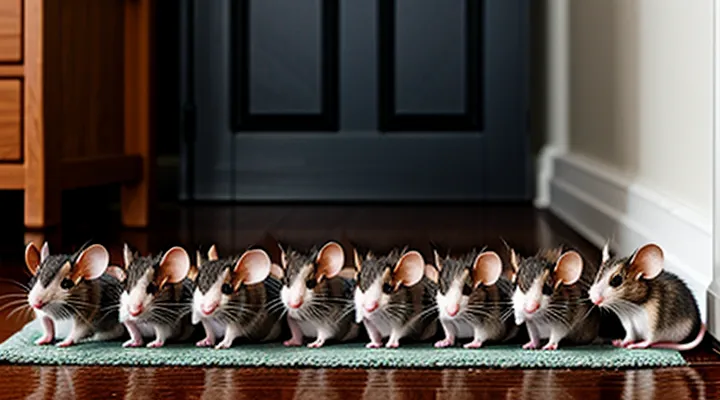
The appearance of numerous rodents within a domestic setting conveys specific psychological signals:
- Overwhelming anxiety – a swarm of small pests suggests a feeling of being besieged by minor yet persistent worries.
- Hidden threats – mice thrive in concealed spaces; their presence hints at issues that remain unnoticed or suppressed.
- Resource scarcity – rodents compete for limited food, symbolizing perceived competition for limited personal or professional resources.
- Loss of control – the rapid, uncontrolled movement of many creatures reflects a sense that daily routines are slipping away from personal command.
Interpretation depends on the dreamer’s current circumstances. If recent events involve tight deadlines, the rodent swarm likely mirrors the pressure of numerous tasks. When interpersonal conflict dominates, the imagery may point to feelings of intrusion or violation of personal boundaries.
Overall, the vision of many mice inside a home serves as a metaphorical alert: emotional overload, concealed problems, and diminished authority require conscious attention and strategic response. Addressing the underlying sources—through organization, boundary setting, or confronting hidden fears—reduces the recurrence of such vivid nocturnal scenes.
Common Dream Themes
Dreams featuring numerous rodents inside a home present a vivid image that intersects with several recurring motifs found across sleeping narratives. Understanding those motifs clarifies the underlying message conveyed by the mouse scenario.
- Pest infestation – signals feelings of being overwhelmed by minor but persistent problems.
- Hidden spaces – denotes subconscious material that remains concealed or neglected.
- Small animals – represent vulnerability, resourcefulness, or aspects of the self that are perceived as insignificant.
- Domestic setting – anchors the experience to personal life, family dynamics, or daily routines.
- Chasing or fleeing – reflects attempts to avoid or confront stressors.
The mouse cluster amplifies each of these elements. An abundance of tiny creatures suggests a buildup of trivial issues that may threaten stability if left unchecked. The indoor environment ties the symbolism directly to personal territory, implying that the source of anxiety resides within familiar boundaries rather than external threats. The presence of many small, agile beings points to feelings of powerlessness coupled with an unconscious recognition of adaptability and survival instincts.
Interpretation therefore points to a need for systematic attention to overlooked details, restructuring of daily habits, and acknowledgment of inner resources that can manage seemingly insignificant challenges. Addressing the identified motifs can transform the unsettling image into actionable insight.
Mice as a Dream Symbol
General Interpretations of Mice
Small Problems or Annoyances
Dreams featuring numerous mice roaming through a home convey a focus on minor, persistent irritations that occupy mental space. The image of many small creatures moving unseen or scurrying across familiar rooms reflects the accumulation of trivial issues that, while individually negligible, collectively disrupt daily equilibrium.
Common manifestations of this symbolic pattern include:
- Unfinished tasks that linger on a to‑do list
- Repetitive noises or disturbances in the living environment
- Minor interpersonal frictions that surface repeatedly
- Financial micro‑leaks such as unnoticed subscriptions or small fees
Each element mirrors the mouse’s behavior: quiet, persistent, and capable of slipping through unnoticed gaps. Recognizing these parallels helps clarify why the subconscious selects this particular motif.
Interpretation benefits from assessing the specific context of the dream. Identify which small annoyance currently demands attention, address it directly, and observe whether the frequency of similar dreams diminishes. This approach transforms the symbolic warning into actionable resolution.
Feelings of Insignificance
Dreaming of a swarm of rodents within a home frequently signals a deep‑seated perception of personal marginality. The sheer number of tiny creatures conveys an overwhelming sense that one’s contributions are easily overlooked, much like the inconspicuous presence of mice amid familiar surroundings.
- The confined setting of a house amplifies the feeling of being trapped in an environment where smallness is magnified.
- Repeated encounters with numerous mice suggest persistent doubts about relevance and impact.
- The nocturnal activity of the animals mirrors hidden anxieties that surface when attention wanes.
Such visions function as an internal alert, urging the dreamer to reassess self‑value and to seek contexts where their role is recognized rather than dismissed.
Resourcefulness and Adaptability
The image of numerous mice scurrying through a residence often signals the dreamer’s capacity to navigate limited resources and shifting circumstances. Mice survive by exploiting small openings, storing food, and adjusting their routes when obstacles appear; the dream mirrors these survival tactics, suggesting that the sleeper possesses similar practical ingenuity.
- Identifying hidden opportunities: the presence of many rodents highlights an awareness of concealed possibilities that can be turned into advantages.
- Flexible planning: mice constantly revise their paths, reflecting the need for adaptable strategies when conditions evolve.
- Efficient use of supplies: the rodents’ habit of hoarding small amounts of nourishment underscores prudent management of scarce assets.
When the subconscious projects a swarm of house‑bound mice, it invites the individual to recognize and amplify these traits. The dream acts as a reminder that success often depends on quick problem‑solving, the willingness to alter course, and the disciplined allocation of limited resources. Embracing these qualities can transform perceived chaos into purposeful, resilient action.
Many Mice in a House: Specific Meanings
The House as a Symbol
Self and Inner World
The image of many mice scurrying through a residence appears frequently in nocturnal narratives and serves as a mirror of the dreamer’s internal landscape. The sheer number of creatures signals an abundance of minor concerns that occupy mental space, suggesting that the psyche is crowded with unresolved details.
When the self identifies with the house, each mouse represents a fragment of personal experience that has escaped conscious control. The presence of numerous rodents implies a perception of vulnerability; the subconscious registers a loss of order, prompting the individual to recognize areas where boundaries have weakened.
The inner world revealed by this scenario encompasses several recurring motifs:
- Hidden anxiety: Small, elusive beings reflect suppressed worries that surface intermittently.
- Resource scarcity: Mice searching for food echo feelings of deprivation or competition for emotional sustenance.
- Adaptation pressure: Rapid movement of the rodents illustrates the mind’s demand for flexibility in changing circumstances.
- Loss of privacy: Intrusion of many small entities into personal space denotes an erosion of inner sanctity.
Interpreting the dream’s components clarifies how the self navigates a landscape populated by countless subtle influences. Recognizing the symbolic weight of each mouse facilitates a more precise self‑assessment and encourages the restructuring of internal boundaries.
Family and Relationships
Dreams featuring a multitude of mice inside a residence often point to underlying family dynamics. The presence of many small rodents suggests a perception of numerous, perhaps unnoticed, influences within the household environment.
In relational terms, the mice represent members who operate on the periphery—children, relatives, or partners whose needs may be overlooked. Their activity highlights a collective pressure on shared resources, such as space, time, or emotional energy.
Common interpretations include:
- Hidden concerns: Small, persistent issues that accumulate without direct acknowledgment.
- Boundary erosion: Overcrowding of responsibilities leading to blurred personal limits.
- Communication gaps: Rapid, scattered signals that fail to reach all participants effectively.
- Resource strain: Competition for limited assets, manifesting as tension or resentment.
Addressing these signals involves clarifying expectations, redistributing duties, and establishing regular dialogue. Prioritizing transparent exchanges reduces the likelihood that minor grievances multiply into larger familial discord.
Security and Comfort
Dreaming of numerous mice occupying a home often reflects an unconscious assessment of personal safety and domestic ease. The presence of many small creatures suggests an environment where boundaries are permeable, prompting the mind to evaluate how well the household shields its inhabitants from external threats.
The dream’s focus on security manifests in several ways:
- A feeling that the dwelling provides reliable protection despite the intruders’ size.
- An awareness that routine measures, such as locks and alarms, remain effective even when the threat seems numerous.
- A perception that the household’s structural integrity endures under pressure.
Comfort appears as the emotional tone accompanying the scene. The dream may convey a sense of calm acceptance, indicating that the individual feels at ease within the familiar walls, regardless of the unexpected occupants. This tranquility can signal confidence in the stability of daily routines and the predictability of the surrounding space.
Overall, the imagery of many rodents inside the residence serves as an internal audit of how well the living environment sustains both physical safety and psychological relaxation. The mind registers that, despite the unusual visitors, the core of domestic life remains secure and soothing.
Interpretations of Multiple Mice
Overwhelm and Stress
The recurring vision of numerous mice inhabiting a residence often signals a state of mental overload. Small, fast‑moving creatures filling familiar space mirror the intrusion of countless tasks, responsibilities, or worries that compete for attention. The mind translates this visual clutter into a symbolic warning: the current workload exceeds the capacity for orderly processing.
Key psychological mechanisms linking the image to stress include:
- Sensory saturation – the sheer number of mice creates a perception of noise, paralleling the constant flow of information that overwhelms cognitive resources.
- Loss of control – mice scurry unpredictably, reflecting a feeling that external demands are moving beyond personal influence.
- Hidden threats – rodents are associated with disease and damage; their presence suggests underlying anxieties about potential negative outcomes hidden within the workload.
When such a dream recurs, it often precedes or accompanies measurable stress responses: elevated heart rate, difficulty concentrating, and disrupted sleep. Recognizing the pattern enables proactive coping. Strategies that directly address the sources of overload—prioritizing tasks, delegating responsibilities, and establishing clear boundaries—reduce the symbolic “infestation” and restore mental equilibrium.
Hidden Fears and Anxieties
Dreams featuring an influx of mice within a domestic setting often reveal underlying emotional disturbances. The small, rapid creatures embody anxieties that remain unnoticed during waking life, while the house represents the personal psyche or daily environment. When the dreamer observes many mice moving through rooms, the mind signals a surge of concealed tension demanding attention.
Key aspects of this symbolism include:
- Perceived loss of control: The sheer number of rodents suggests situations that feel unmanageable, reflecting a fear of being overwhelmed by minor but cumulative stressors.
- Hidden threats: Mice operate in shadows and crevices; their presence mirrors worries that linger in the subconscious, such as unresolved conflicts or suppressed doubts.
- Fear of contamination: The instinct to keep living spaces clean translates into concerns about moral or emotional impurity, indicating apprehension about personal standards being compromised.
- Invasion of privacy: The intrusion of unwanted guests into a private domain signals apprehension about external forces encroaching on personal boundaries.
Interpretation benefits from linking these motifs to the dreamer’s current circumstances. A recent increase in responsibilities, interpersonal tension, or health concerns often coincides with the emergence of rodent imagery. Recognizing the connection allows the individual to address the concealed fears directly, reducing their impact on both dream content and waking experience.
Abundance and Fertility
Dreams in which a house teems with mice often signal material surplus. The presence of many small rodents suggests that resources are expanding beyond ordinary limits, indicating a period of financial growth or an influx of assets. In cultural folklore, rodents are linked to the accumulation of grain and stored provisions; their abundance within a domestic setting reinforces the idea that the dreamer’s environment is becoming fertile ground for wealth.
The same imagery conveys fertility. Mice reproduce rapidly, and their proliferation inside a home mirrors the potential for biological or creative generation. When the dream includes active, healthy mice, it points to a heightened capacity for producing offspring, artistic work, or new projects. Conversely, dormant or diseased mice may hint at blocked or delayed generative forces.
Key symbolic components:
- Quantity of mice: Larger numbers amplify the message of abundance and reproductive vigor.
- Condition of the house: A clean, well‑maintained dwelling strengthens the interpretation of stable, supportive surroundings for growth.
- Behavior of the mice: Energetic movement reflects dynamic expansion; static or hidden mice suggest latent potential awaiting activation.
Interpreting this dream requires attention to personal circumstances. If the dreamer is experiencing financial opportunities, the imagery validates the expectation of increased prosperity. If the individual is considering family planning or creative endeavors, the dream underscores a favorable environment for gestation and development.
Infestation and Invasion
A dream populated by numerous mice inside a home signals an unconscious perception of uncontrolled spread. The rodents represent a collective intrusion that threatens personal boundaries, suggesting that the dreamer feels overwhelmed by small but persistent problems that multiply unchecked.
The symbolism of infestation emphasizes three core dynamics:
- Proliferation: Mice multiply rapidly, mirroring situations where minor issues expand into larger complications.
- Hidden presence: Rodents often hide in walls or corners, reflecting concealed anxieties or unaddressed conflicts within the domestic sphere.
- Loss of control: The sheer number of creatures conveys a feeling that the dreamer’s environment is being overtaken by forces beyond immediate command.
Invasion imagery reinforces the notion of external pressure breaching a safe space. The house, as a traditional emblem of security, becomes a battlefield where the dreamer confronts perceived threats to stability. This scenario can indicate:
- Professional overload: Tasks or responsibilities that accumulate unnoticed until they dominate daily routine.
- Relationship strain: Small grievances that, left unattended, erode trust and intimacy.
- Health concerns: Subtle symptoms that, if ignored, may develop into more serious conditions.
The dream’s intensity often correlates with the dreamer’s level of awareness. Vivid, chaotic scenes suggest heightened alertness to the encroaching issues, while muted, distant visions may imply denial or avoidance. Recognizing the pattern of infestation and invasion can guide the dreamer toward proactive measures—identifying the sources of proliferation, addressing hidden elements, and reasserting control over the personal domain.
Contextual Factors Influencing Interpretation
Emotions in the Dream
Fear or Disgust
The presence of many rodents inside a dwelling often triggers a visceral reaction that can be interpreted as either fear or disgust. Fear emerges from the perceived threat to personal safety, as an infestation suggests loss of control over one’s environment. Disgust arises from the association of mice with filth, disease, and contamination, prompting a strong aversion response.
Both emotions share common symbolic functions:
- Fear signals an unconscious alarm about hidden dangers or unresolved anxieties that may be invading the dreamer’s inner space.
- Disgust highlights a rejection of aspects of the self or life that are considered unclean or morally compromised.
When the dreamer experiences intense dread, the symbolism leans toward a warning about external pressures that could overwhelm personal boundaries. When revulsion dominates, the interpretation points to internal conflict, such as shame or guilt, that the individual wishes to distance themselves from.
The dream’s emotional tone—whether dominated by trembling anxiety or by a feeling of nausea—determines which symbolic pathway is most relevant. Recognizing the predominant feeling allows the dreamer to address the underlying issue: restoring a sense of safety for fear, or cleansing perceived impurity for disgust.
Indifference
A dream in which a house is filled with numerous mice presents a vivid tableau of intrusion and abundance. The presence of rodents often signals concerns about clutter, loss of control, or hidden threats within the domestic sphere.
Indifference describes a detached, unemotional response to stimuli that would typically provoke anxiety or action. In psychological terms, it reflects a coping mechanism that suppresses affective engagement with perceived stressors.
When the dreamer observes the mice without alarm, the indifference conveys a surrender to the situation. It indicates that the individual may be habitually overlooking problems, allowing them to multiply unchecked. The lack of reaction suggests a diminished sense of agency and an acceptance of disorder as normal.
Typical interpretations of this attitude include:
- Acceptance of chaos as an unchangeable condition.
- Reduced motivation to address underlying issues.
- Potential desensitization to repeated disruptions.
- Indication that the subconscious has normalized the presence of nuisances.
Overall, the combination of abundant rodents and a neutral reaction signals a psychological state in which the dreamer has become accustomed to persistent disturbances, thereby reducing the perceived urgency to restore order.
Curiosity
Curiosity drives individuals to explore hidden aspects of their psyche, prompting vivid nocturnal imagery. When the subconscious presents a scenario where numerous rodents occupy a dwelling, the mind signals a need to investigate concealed concerns.
The presence of many mice within a home reflects an internal invitation to examine overlooked details, unresolved tasks, or suppressed impulses. Curiosity fuels the desire to uncover the source of these disturbances, urging a systematic review of personal environments and habits.
Ways curiosity manifests through this dream symbol:
- Inspection of neglected spaces, such as storage areas or attics, where problems may accumulate.
- Inquiry into repetitive behaviors that attract minor, persistent issues.
- Analysis of relationships that feel invasive or overly familiar, prompting boundary reassessment.
- Pursuit of knowledge about health or safety habits that could prevent small crises from escalating.
By responding to the urge to investigate, the dreamer converts the unsettling image of mice into actionable insight, turning curiosity into a catalyst for personal refinement.
Actions of the Mice
Running and Hiding
The presence of numerous mice within a domestic setting often signals feelings of being overwhelmed by minor but persistent concerns, especially those related to personal space and control. When the dreamer observes the rodents moving swiftly and seeking concealment, the imagery intensifies the sense of hidden pressures that evade direct attention.
- Running reflects an instinctive urge to escape mounting stress; the rapid motion suggests urgency and a lack of viable solutions.
- Hiding indicates avoidance of confrontation; the concealed posture reveals suppressed emotions that the dreamer is unwilling or unable to acknowledge openly.
- The combination of swift movement and secrecy points to a cycle where unresolved issues generate continuous anxiety, prompting the individual to both flee from and conceal the source of discomfort.
Interpretation of these dynamics advises focused self‑assessment to identify the underlying triggers and to develop strategies that replace evasion with proactive resolution.
Eating or Destroying
Dreams featuring a swarm of rodents within a residence often reflect underlying anxieties about loss of control, scarcity, or invasion of personal space. When the dreamer actively consumes or demolishes the mice, the action transforms the symbolic meaning from passive observation to decisive intervention.
- Eating the mice suggests an attempt to assimilate or neutralize threatening elements, converting perceived danger into personal empowerment. It may indicate a subconscious drive to “digest” problems, turning chaos into manageable insight.
- Destroying the mice—whether by crushing, burning, or otherwise eliminating them—signifies a forceful rejection of intrusive thoughts, habits, or external pressures. The act conveys a desire to eradicate sources of nuisance before they spread further.
Both behaviors reveal a shift from passive vulnerability to active resolution. The choice between consumption and annihilation often hinges on the dreamer’s emotional state: hunger for control favors ingestion, while anger or fear favors destruction. In either case, the dream underscores a psychological strategy aimed at restoring order within the personal environment.
Being Trapped or Exterminated
Dreams featuring a swarm of rodents within a residence often reflect a subconscious perception of confinement. The multitude of mice suggests an environment where personal space feels invaded, while the setting of a house underscores the intimate sphere of daily life. This combination generates a vivid impression of being cornered by circumstances that cannot be easily avoided.
The sense of being trapped emerges when the dreamer observes the mice scurrying aimlessly, unable to escape the walls of the home. Such imagery parallels feelings of entrapment in one’s waking routine, relationships, or occupational obligations. The relentless movement of the animals, confined to a limited area, mirrors the psychological pressure of limited options and the perception that external forces dictate one’s actions.
Conversely, the dream may convey a fear of extermination. When the mice are pursued, harmed, or eliminated within the dream, the scenario symbolizes an internal drive to eradicate perceived threats or undesirable aspects of the self. This can represent:
- A desire to suppress anxieties that proliferate unchecked.
- An instinct to remove influences that jeopardize personal stability.
- A subconscious preparation for decisive action against persistent problems.
In both interpretations, the recurring presence of numerous mice serves as a metaphor for overwhelming, confined pressures that demand either acceptance of limitation or decisive removal.
Personal Life Circumstances
Current Challenges
Dreams involving a swarm of mice within a residence present interpretive difficulties that stem from several contemporary factors. Psychological research increasingly emphasizes individualized symbolism, reducing reliance on universal archetypes. Consequently, analysts must reconcile personal associations with broader cultural meanings, a task complicated by the scarcity of empirical data linking rodent imagery to specific emotional states.
Current obstacles include:
- Variability of cultural connotations – mouse symbolism diverges across societies, ranging from notions of stealth to representations of abundance, preventing a single definitive reading.
- Limited longitudinal studies – few investigations track the evolution of rodent‑related dream content over time, hindering the identification of stable patterns.
- Overlap with anxiety disorders – high‑frequency mouse imagery often coincides with heightened stress, making it difficult to distinguish metaphorical significance from clinical symptomatology.
- Subjectivity of dream recall – memory distortion introduces uncertainty into the reported details of the dream, reducing reliability of interpretive frameworks.
- Integration of neurobiological insights – emerging findings on sleep‑related memory consolidation have yet to be incorporated into symbolic analysis, leaving a gap between brain science and traditional dream interpretation.
Addressing these challenges requires multidisciplinary collaboration, systematic data collection, and methodological refinement to produce interpretations that reflect both individual experience and collective symbolism.
Financial Situation
The appearance of numerous mice inside a dwelling often reflects concerns about money flow. The dream presents a visual metaphor for many small, recurring financial items that together can affect overall stability.
Interpretations commonly associated with this image include:
- Numerous minor expenses that accumulate unnoticed, such as subscription fees or daily purchases.
- Hidden debts or obligations that surface gradually, similar to a growing infestation.
- A sense of scarcity, where resources are being consumed faster than they are replenished.
- The need for systematic organization, as mice moving through walls suggest gaps in budgeting or record‑keeping.
Practical responses derived from the symbolism are:
- Conduct a detailed audit of recurring costs to identify and eliminate waste.
- Establish an emergency fund that can absorb unexpected financial “infestations.”
- Implement a tracking system for small transactions, preventing them from aggregating into significant losses.
- Review credit agreements and loan terms to detect hidden interest that may erode net income.
By treating the dream as a warning sign, individuals can strengthen financial discipline, reduce leakage, and improve long‑term fiscal health.
Relationship Status
Dreaming of a house teeming with mice often reflects underlying concerns about personal connections, especially the current state of one’s romantic or partnership life. The abundance of small, hidden creatures suggests a subconscious focus on intimacy, commitment, and the stability of relational bonds.
- Single status – The proliferation of mice may signal feelings of isolation or a desire for deeper companionship; the house’s crowded interior mirrors an inner yearning for connection that feels unfulfilled.
- Committed relationship – A multitude of mice can represent the everyday negotiations and compromises that sustain a partnership; the scenario highlights the need for mutual maintenance and attention to avoid neglect.
- Engaged or married – The imagery points to potential anxieties about household responsibilities and shared space; the presence of many mice suggests that unresolved issues could multiply if not addressed promptly.
- Divorced or separated – The dream may illustrate lingering emotional residue from past unions; the mice symbolize remnants of previous relational patterns that continue to occupy mental space.
Interpreting the dream requires assessing the emotional tone within the vision. Feelings of discomfort, fear, or indifference toward the rodents correspond to attitudes toward the current relational phase. Recognizing these signals can guide conscious decisions about strengthening, redefining, or releasing personal bonds.
Cultural and Historical Perspectives
Mice in Folklore
Omens and Superstitions
Dreams featuring a multitude of mice inside a home have long been linked to folklore that treats the vision as an omen. Traditional interpretation treats the animal’s prolific nature as a signal of abundance, while the setting of the house connects the meaning to domestic affairs.
Commonly reported signs associated with this dream include:
- Sudden financial gain or an unexpected inheritance.
- Arrival of numerous visitors or a large family gathering.
- Illness affecting a family member, especially a child.
- Conflict among household members or a breakdown in communication.
- Opportunity for personal advancement that requires diligent effort.
Cultural perspectives shape the specific reading of the image. In medieval European superstition, mice represented hidden theft, prompting caution about concealed losses. East Asian traditions often view the rodent as a messenger of prosperity, emphasizing the dream’s link to upcoming wealth. African oral narratives sometimes associate the presence of many mice with agricultural bounty, interpreting the dream as a forecast of a plentiful harvest.
Interpretation depends on the dreamer’s current situation. Correlate the symbols with recent events, personal concerns, and the emotional tone of the dream. Avoid universal conclusions; instead, assess the omen in the context of individual life circumstances.
Tricksters and Survivors
Dreams populated by numerous mice within a domestic setting often convey messages about resourcefulness and hidden agency. The presence of these small rodents highlights a dual archetype: the trickster who manipulates circumstances and the survivor who endures adversity.
The trickster aspect emerges through the mice’s ability to infiltrate unnoticed, exploit overlooked openings, and turn scarcity into opportunity. This behavior mirrors a subconscious urging to employ clever tactics, subvert expectations, and navigate obstacles by unconventional means.
The survivor dimension reflects the mice’s resilience in cramped, unstable environments. Their persistence indicates an inner drive to maintain stability despite limited resources, suggesting that the dreamer possesses an innate capacity to adapt and thrive under pressure.
Key interpretive points:
- Clever navigation – the dream signals a need for strategic problem‑solving rather than direct confrontation.
- Hidden opportunities – unseen pathways may provide access to desired outcomes.
- Endurance – sustained effort in difficult conditions signals inner strength.
- Resource management – efficient use of limited assets is emphasized.
Collectively, the imagery of many house‑bound mice points to the interplay of cunning and tenacity, urging the dreamer to recognize and harness both qualities in waking life.
Psychological Approaches
Jungian Archetypes
The recurring image of numerous mice inside a dwelling invites analysis through Jungian archetypal theory. Jung regarded dreams as expressions of the collective unconscious, where universal symbols emerge from shared psychic structures. Mice, as small, elusive creatures, activate specific archetypal patterns that convey personal and collective meaning.
The primary archetype engaged by this motif is the Shadow. Mice occupy hidden corners, representing repressed material that surfaces in a domestic setting. Their proliferation signals an overload of neglected content demanding integration. A secondary archetype, the Trickster, appears in the mice’s unpredictable movement, suggesting a challenge to established order and prompting adaptive flexibility. The Child archetype surfaces through the vulnerability and innocence associated with small animals, pointing to nascent aspects of the self that require nurturing. Finally, the Mother archetype is invoked by the house environment, symbolizing the nurturing container that houses both comfort and intrusion.
Interpretive implications follow:
- Shadow activation: awareness of suppressed fears, habits, or desires that have multiplied unnoticed.
- Trickster influence: encouragement to revise routine patterns, embrace spontaneity, and restructure daily life.
- Child presence: invitation to attend to undeveloped talents, creative impulses, or emotional needs.
- Maternal context: assessment of the home’s role as a safe haven versus a space where boundaries are breached.
Collectively, these archetypal cues suggest that the dream signals an urgent need to acknowledge and assimilate hidden aspects of the psyche, adjust rigid structures, and foster growth within the familiar environment.
Freudian Symbolism
Freud interpreted dreams as manifestations of repressed desires and unconscious conflicts. A dream featuring numerous mice within a domestic setting typically reflects hidden anxieties concerning vulnerability, invasion of personal space, and unresolved sexual tension.
- Mice represent instinctual drives that are perceived as trivial yet pervasive; their presence in a familiar environment suggests that these impulses have infiltrated the dreamer’s everyday life.
- The house functions as a symbol of the self, particularly the ego’s protective structure. An infestation implies a breach of the ego’s defenses, signaling fear of losing control over suppressed urges.
- Multiplicity of the rodents points to the intensity and repetition of the underlying wish, often linked to libidinal energy that the conscious mind attempts to suppress.
Freud also associated small, timid animals with the castration complex. In this context, the abundance of mice may indicate a heightened preoccupation with feelings of inadequacy or fear of emasculation. The domestic backdrop intensifies the emotional charge, as the dreamer confronts these concerns within the sphere of safety and routine.
Interpretation requires consideration of personal associations: the dreamer’s relationship with mice, the condition of the house, and any recent experiences of confinement or loss of privacy. When these elements align, the dream serves as a diagnostic signal of unresolved psychosexual tension that the psyche attempts to process through symbolic imagery.
Practical Application and Reflection
Journaling Dream Experiences
Recording nightly visions creates a reliable source for decoding the presence of countless rodents inside a dwelling. Written accounts preserve exact details—number of mice, their behavior, the rooms they occupy, emotional tone—allowing analysts to trace recurring motifs and measure shifts over time.
A structured journal entry should contain:
- Date and time of awakening
- Precise description of the setting (e.g., kitchen, attic)
- Count and size of the animals
- Actions performed by the mice (scurrying, gnawing, gathering)
- Immediate feelings (anxiety, curiosity, amusement)
- Any associated sounds or smells
Consistent documentation reveals patterns that link the dream’s imagery to subconscious concerns such as hidden stressors, resource scarcity, or social dynamics within the household. By comparing entries, the dreamer can differentiate fleeting impressions from persistent symbols, thereby refining personal interpretation.
Analyzing the compiled data with reference to established symbolic frameworks—such as the association of mice with unnoticed threats or communal activity—produces a nuanced understanding of the dream’s message. The journal becomes a tool for self‑assessment, guiding intentional responses to the underlying issues the nocturnal scene reflects.
Exploring Personal Associations
Dreams featuring a swarm of rodents inside a home often serve as a mirror of the dreamer’s inner landscape. The image of mice moving through familiar rooms triggers memories, emotions, and concerns that are uniquely tied to the individual’s life history.
Personal associations shape the interpretation of such a vision. When the subconscious selects a particular symbol, it does so because the symbol resonates with the dreamer’s own experiences. The same animal may represent childhood fear for one person, while for another it may embody feelings of being overwhelmed by minor, persistent issues.
Typical personal connections include:
- Recollections of childhood encounters with mice, whether playful or distressing.
- Recent exposure to clutter or disarray, prompting a sense of loss of control.
- Situations where small problems multiply, creating a perception of infestation.
- Feelings of vulnerability linked to the domestic sphere, such as insecurity at home.
To uncover the specific meaning, the dreamer should:
- List recent events that involve minor annoyances or hidden threats.
- Recall emotional reactions to mice in waking life, noting fear, curiosity, or indifference.
- Examine the condition of the house in the dream—clean, chaotic, or under repair—to gauge the state of personal boundaries.
- Correlate the intensity of the mouse swarm with the intensity of current stressors.
By aligning the dream’s imagery with these personal markers, the symbolic content becomes a practical tool for self‑assessment rather than a generic omen.
Seeking Professional Guidance
Dreams that feature a swarm of mice inside a home often signal underlying anxiety about loss of control, hidden threats, or financial pressure. The imagery combines domestic familiarity with the unsettling presence of pests, creating a complex symbolic pattern that resists casual interpretation.
Professional insight offers a structured method for decoding such patterns. Trained practitioners can separate universal archetypes from personal associations, preventing misreading that may arise from self‑directed analysis.
- Licensed psychotherapists: apply therapeutic frameworks to link dream content with current stressors.
- Jungian analysts: explore collective symbols and individual shadow elements.
- Certified dream consultants: focus exclusively on dream language and recurring motifs.
- Cultural anthropologists: supply cross‑cultural meanings that inform personal relevance.
Effective collaboration follows a clear sequence. First, schedule a confidential appointment. Second, deliver a detailed account of the dream, noting emotions, setting, and any recent life events. Third, discuss the therapist’s questions about personal history and current concerns. Fourth, receive a written or verbal interpretation that connects the mouse imagery to specific psychological or situational factors.
Engaging a specialist reduces ambiguity, provides actionable recommendations, and supports emotional equilibrium. Accurate interpretation can reveal hidden pressures, guide practical adjustments, and alleviate the distress associated with recurring pest‑related visions.