
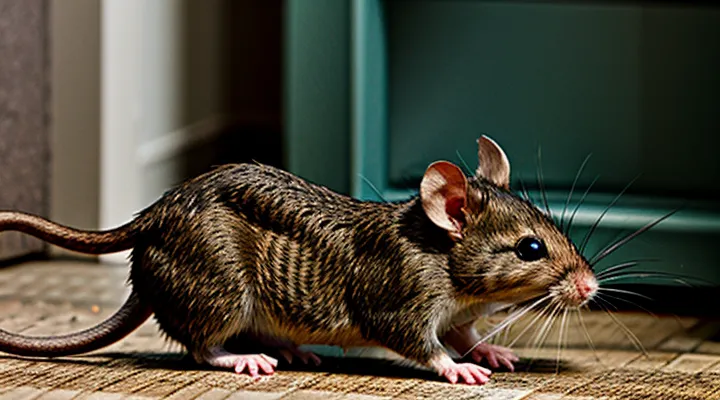
General Interpretations of Rodent Dreams
Symbolism of Mice in Dreams
Dreams featuring mice often signal subtle concerns that have escaped conscious awareness. The animal’s small size and timid behavior translate into symbols of vulnerability, hidden anxieties, or minor irritations that persist in daily life. When a mouse appears, the subconscious may be urging attention to details that are easily overlooked.
The emotional tone of the dream refines the symbol’s meaning. A frightened mouse suggests apprehension about a powerless situation, while a calm or friendly mouse can represent adaptability and the ability to navigate delicate circumstances without attracting notice. Aggressive or oversized mice invert the usual perception, hinting at amplified stressors or an inflated sense of threat.
Cultural narratives shape the interpretation. In Eastern folklore, mice are linked to resourcefulness and survival, implying that the dreamer possesses hidden ingenuity. Western traditions frequently associate mice with theft or loss, directing focus toward potential depletion of personal assets or emotional energy. Recognizing the cultural backdrop helps align the symbol with the dreamer’s personal framework.
From a psychological perspective, the mouse embodies the “shadow” element of the psyche—parts that remain unacknowledged yet influence behavior. Encountering the creature in a dream may prompt integration of suppressed impulses, encouraging the individual to confront minor yet persistent issues before they expand.
Practical steps for reflection include:
- Identify the setting of the mouse encounter; location often mirrors the area of life where the issue resides.
- Note the interaction (pursuit, avoidance, companionship); this reveals the dreamer’s current coping style.
- Assess emotional reactions; intensity of fear or comfort provides clues about the perceived magnitude of the underlying problem.
- Consider recent events involving small-scale challenges; correlation strengthens the relevance of the symbol.
By systematically examining these facets, the dreamer can translate the mouse’s presence into actionable insight, turning a seemingly trivial image into a clear guide for personal development.
Symbolism of Rats in Dreams
Rats appearing in sleep often signal underlying concerns about survival, resource management, or hidden threats. The image of a rat can trigger instinctive reactions linked to disease, contamination, and betrayal, reflecting the dreamer’s subconscious assessment of personal or professional environments.
Interpretations typically fall into several categories:
- Threat perception: A rat scurrying through a familiar space may represent an unseen danger or a situation that feels invasive.
- Resource scarcity: Presence of rats in a kitchen or storage area can symbolize anxiety about insufficient supplies or financial instability.
- Moral ambiguity: Interacting with a rat, especially in a cooperative manner, may indicate conflicted values or compromised ethics.
- Transformation: Observing a rat’s behavior, such as building a nest, can suggest adaptive strategies and personal resilience in adverse conditions.
- Social dynamics: A swarm of rats can mirror feelings of being overwhelmed by collective pressure or gossip within a community.
Cultural background influences the specific tone of the symbolism; some traditions view rats as clever survivors, while others emphasize their association with decay. The dream’s context—location, interaction, emotional response—refines the meaning, guiding the dreamer toward actionable insight. Recognizing the rat’s role in the narrative can highlight areas requiring vigilance, strategic planning, or a shift in perspective.
Common Dream Scenarios and Their Meanings
Dreaming of Many Mice or Rats
Dreams populated by numerous mice or rats convey messages about the dreamer’s current mental climate. The presence of many small rodents signals that minor issues have accumulated and demand attention.
- Overabundance of trivial problems that collectively create stress.
- Perception of hidden threats that are not yet fully recognized.
- Anxiety about loss of resources, such as money or personal belongings.
- Feelings of inadequacy when faced with numerous tasks or responsibilities.
- Social discomfort arising from interactions that feel invasive or uncontrolled.
- Desire for greater order in an environment that feels chaotic.
Interpretation depends on emotional tone and situational details. If the dream evokes disgust, the subconscious may flag contamination or moral compromise. If the rodents are active and aggressive, the mind may be warning of escalating conflicts. A calm or indifferent atmosphere can indicate acceptance of minor nuisances and a capacity to manage them.
When evaluating the dream, record the following elements: number of rodents, their behavior, location within the dream, and personal reactions. Compare these data with recent life events that involve small but persistent challenges. Patterns that emerge provide insight into underlying concerns.
Practical steps include maintaining a dream journal, reviewing recurring motifs, and addressing identified stressors through concrete actions such as budgeting, task prioritization, or setting personal boundaries. Continuous reflection transforms the symbolic presence of many mice or rats into a tool for self‑regulation.
Dreaming of a Single Mouse or Rat
Dreaming of a single mouse or rat concentrates the symbolism of the animal into a focused message. The solitary rodent often represents hidden concerns, minor anxieties, or subtle aspects of daily life that demand attention.
Interpretations commonly associated with this image include:
- Unresolved fear – a lone mouse may signal a lingering apprehension about a specific situation.
- Resourcefulness – rats are noted for adaptability; a solitary appearance can suggest the need to employ clever solutions.
- Neglected details – the presence of one small creature highlights overlooked facts or tasks.
- Personal boundaries – the animal’s proximity in the dream may reflect perceived invasions of personal space.
Psychological analysis links the single rodent to the dreamer’s inner child or subconscious vigilance. The dream’s emotional tone—whether calm, startled, or disgusted—modifies the meaning, indicating either acceptance of minor challenges or a call to confront discomfort.
Cultural traditions assign additional layers. In some Eastern folklore, a mouse symbolizes modest wealth, while in Western myth a rat can denote betrayal or disease. When the dreamer’s cultural background aligns with these symbols, the interpretation gains specificity.
Practical steps after such a dream:
- Identify recent situations that feel minor yet persistent.
- Examine emotional reactions during the dream; note intensity.
- Consider actions that improve personal boundaries or address overlooked tasks.
- Reflect on cultural associations that resonate personally.
A single mouse or rat in a dream serves as a concise alert: attend to subtle pressures, harness adaptability, and restore equilibrium in the waking environment.
Dreaming of Being Chased by Mice or Rats
Dreams in which you are pursued by mice or rats often signal underlying tension. The chase element highlights a feeling of being pressured or unable to escape a situation that feels insignificant yet persistent.
Psychologically, the pursuit reflects anxiety about minor problems that have grown out of proportion. The small size of the animals points to issues that are easy to overlook, while the act of being chased amplifies a sense of helplessness or loss of control.
Symbolically, rodents carry associations with contamination, hidden threats, and survival instincts. Their presence may suggest that you are confronting aspects of yourself that you consider unclean or undesirable, or that you are aware of a covert challenge threatening your stability.
Typical triggers include recent exposure to stressful environments, consumption of media featuring rodents, or real‑life encounters with pests. Such stimuli can activate the subconscious mind, translating everyday concerns into a chase scenario.
Practical steps for interpretation:
- Record the dream immediately, noting emotions, setting, and actions.
- Identify current life areas where small, persistent problems exist.
- Assess whether avoidance or confrontation would alleviate the pressure.
- Implement concrete measures to address the identified issues, such as setting boundaries or seeking professional advice.
Reflecting on these elements transforms the unsettling chase into actionable insight.
Dreaming of Killing Mice or Rats
Dreams in which you kill mice or rats often signal a desire to eliminate something that feels intrusive or bothersome. The act of killing reflects an attempt to assert control over a situation that has been perceived as a nuisance. This symbolism commonly appears when personal boundaries have been challenged, prompting the subconscious to visualize removal of the offending element.
Psychological analysis links the imagery to suppressed aggression. The creature represents a hidden threat, and the lethal action demonstrates a conscious effort to confront and neutralize that threat. The dream may therefore indicate the dreamer’s readiness to face uncomfortable emotions or unresolved conflicts.
Cultural traditions assign additional layers of meaning. In many societies, rodents embody disease, poverty, or deceit. Killing them in a dream can be interpreted as a sign of cleansing, an omen of improved health, or a warning against deceitful behavior in one’s environment.
Practical implications for the dreamer include:
- Identify recent situations that feel invasive or irritating.
- Assess whether avoidance or passive tolerance has been the default response.
- Consider taking decisive steps to address the source of discomfort.
- Reflect on any lingering feelings of guilt or fear associated with the act of killing.
Repeated occurrences of this dream pattern suggest an ongoing internal struggle. Monitoring changes in emotional reactions to the dream can provide insight into progress toward resolution.
Dreaming of Dead Mice or Rats
Dreams featuring dead mice or rats signal unresolved issues that have reached a conclusion. The image of a lifeless rodent often marks the termination of a minor problem, a habit, or a hidden anxiety that no longer exerts influence over the dreamer’s waking life.
Psychological analysis links the motif to the following concepts:
- Release of repressed stress; the dead animal represents the mind’s acknowledgment that the stressor has been neutralized.
- Transition from vulnerability to empowerment; the demise of a small creature suggests the loss of perceived weakness.
- Closure of a relationship or project that was insignificant yet persistent, now officially ended.
Cultural traditions assign specific meanings to deceased rodents:
- In Western folklore, a dead mouse can denote the end of petty conflicts.
- Eastern symbolism frequently interprets the image as a warning against neglecting minor details that may become harmful if left unchecked.
- Indigenous narratives sometimes view the dead rat as an omen of purification, urging the dreamer to cleanse the environment of lingering negativity.
When evaluating such a dream, consider these practical steps:
- Identify recent situations involving small, recurring challenges.
- Assess emotional responses to the dream—fear, relief, disgust—and match them to current life events.
- Reflect on any recent decisions that eliminated a nuisance or habit.
- Record the setting and other dream elements; contextual details refine the interpretation.
The convergence of psychological insight, cultural symbolism, and personal context provides a comprehensive understanding of why a dead mouse or rat appears in sleep imagery.
Dreaming of White Mice or Rats
Dreaming of white mice or rats conveys specific symbolic messages that differ from those associated with darker‑colored rodents. The light hue often indicates purity, new beginnings, or a subtle warning, while the animal’s nature reflects vulnerability and adaptability.
Interpretations commonly linked to white rodents include:
- Renewal or fresh start – the color white suggests a clean slate; the presence of a mouse or rat may signal readiness for change.
- Hidden anxiety – small, timid creatures can represent suppressed worries that are emerging in consciousness.
- Moral clarity – whiteness can denote honesty or a call to confront ethical dilemmas previously ignored.
- Health considerations – some traditions associate white vermin with the need to address minor ailments or preventive care.
Psychological frameworks view these dreams as reflections of the subconscious processing of everyday stressors. The small size of the animal emphasizes details that the waking mind may overlook, urging attention to minor issues that could develop into larger problems if ignored.
Cultural references reinforce these meanings. In several Eastern mythologies, white mice symbolize luck and protection, whereas Western folklore often treats white rats as omens of caution. Cross‑cultural consistency suggests a universal link between the color white and concepts of purity, paired with the rodent’s reputation for survival.
Practical guidance: keep a dream journal to track frequency and emotional tone; note any real‑life events involving cleanliness, health, or ethical decisions. Recurrent appearances of white mice or rats may merit deeper self‑examination or consultation with a professional specializing in dream analysis.
Dreaming of Black Mice or Rats
Dreaming of black mice or rats often signals concealed concerns that the subconscious is trying to reveal. The dark coloration emphasizes secrecy, hidden threats, or aspects of the self that are deliberately suppressed.
Typical interpretations include:
- Unacknowledged fear or anxiety that operates behind the scenes of daily life.
- A warning about deceitful behavior, either from others or from one’s own hidden motives.
- A cue to examine issues related to loss, grief, or the unknown, as the color black commonly denotes endings and mystery.
- An invitation to transform negative emotions into constructive action, reflecting the rodent’s adaptability.
From a psychological standpoint, the presence of a black rodent suggests heightened stress levels. The dreamer’s emotional response—whether disgust, terror, or indifference—provides clues about the intensity of the underlying tension. Persistent dreams of this nature often correlate with unresolved conflicts or repressed memories that demand attention.
Cultural traditions frequently associate black rodents with ominous omens. In several folklore systems, such creatures foreshadow sudden change, potential danger, or the need for vigilance. Conversely, some belief systems view them as symbols of resilience, highlighting the animal’s ability to survive in adverse conditions.
Practical steps for interpreting the vision:
- Recall the setting and actions of the black mouse or rat; note whether it was active, hidden, or attacking.
- Identify the emotions experienced during the dream; stronger feelings usually indicate a more pressing issue.
- Relate the dream’s elements to current life circumstances—financial stress, relationship strain, health concerns, or professional uncertainty.
- Consider making adjustments in the waking world that address the identified worries, such as confronting a deceptive colleague, seeking therapy for lingering trauma, or establishing clearer personal boundaries.
The overall message conveyed by a black mouse or rat dream is a call to examine hidden aspects of one’s psyche and to respond proactively to potential threats that have been overlooked.
Dreaming of Mice or Rats in Your Home
Dreams featuring mice or rats inside the house often signal unresolved issues that affect personal stability. The domestic setting represents the self‑environment; rodents moving through it suggest elements of life that feel invasive, hidden, or out of control.
- Small rodents may symbolize minor anxieties, petty conflicts, or neglected responsibilities that have begun to surface.
- Their presence in familiar rooms points to discomfort within family dynamics, work routines, or personal habits.
- A sudden swarm can indicate overwhelming stress, while a solitary creature may reflect a specific, isolated problem.
- Observing the animal’s behavior—scurrying, gnawing, or hiding—provides clues about how the subconscious perceives the threat: active disruption, gradual erosion, or concealed fear.
Interpretation varies with emotional response. Fear or disgust usually denotes a need to confront the source of irritation; calm observation suggests acceptance of a minor nuisance that can be managed. The dream’s intensity often mirrors the urgency of addressing the underlying issue.
Practical steps derived from the symbolism include: identifying areas of life that feel invaded, setting boundaries to prevent further intrusion, and taking concrete actions to resolve lingering concerns. By acknowledging the rodent’s metaphorical message, the dreamer can restore equilibrium within the personal sphere.
Psychological and Emotional Aspects
Fear and Anxiety in Dreams
Dreams featuring mice or rats often serve as a mirror for underlying fear and anxiety. The small size of these rodents highlights feelings of vulnerability, while their rapid movements can symbolize uncontrollable thoughts that chase the sleeper during sleep. When the dreamer perceives the animals as threatening, the mind projects internal stressors onto a tangible target, allowing the subconscious to process tension in a recognizable form.
Typical manifestations of fear and anxiety in rodent dreams include:
- Being chased by a mouse or rat, which reflects a sense of being pursued by a problem that feels insignificant yet relentless.
- Trying to kill or trap the animal, indicating an attempt to suppress a nagging worry or to regain control over a situation that feels out of hand.
- Observing a swarm of rodents, suggesting that multiple stressors are converging, overwhelming the individual’s capacity to manage them.
- Finding dead or injured rodents, representing fears of failure, loss, or the deterioration of personal resources.
Psychological interpretation links these scenarios to specific emotional states. A chase scene aligns with acute anxiety, where the brain registers a threat that requires immediate response. The act of killing or trapping corresponds to a defensive strategy, often emerging when the dreamer feels powerless in waking life. Swarms suggest chronic stress, where the accumulation of minor pressures creates a pervasive sense of dread. Dead rodents may signal depressive undertones, indicating that fear has transitioned into hopelessness.
Understanding the connection between rodent imagery and emotional turbulence enables the dreamer to identify precise sources of distress. By recognizing the symbolic role of mice and rats, individuals can address the underlying fears directly, reducing their impact on sleep quality and overall mental health.
Feelings of Being Overwhelmed
Dreams that include mice or rats often signal a subconscious perception of being swamped by minor, persistent pressures. The tiny size of these rodents mirrors tasks or responsibilities that appear insignificant individually yet accumulate to create a heavy mental load. When the dreamer feels chased, trapped, or unable to control the rodents, the mind translates real‑world overload into a vivid, symbolic scenario.
Typical manifestations of this overwhelmed feeling in such dreams include:
- A sudden surge of rodents filling a room, suggesting an unmanageable influx of duties.
- Repeated attempts to swat or capture the animals without success, indicating frustration with ineffective coping strategies.
- Observing the rodents multiply or spread, reflecting anxiety about problems that seem to multiply despite efforts to contain them.
Interpretation of these elements advises the dreamer to evaluate the scale of everyday obligations, prioritize tasks, and establish boundaries. Reducing the perceived volume of minor stressors can diminish the frequency of rodent‑related imagery, aligning the dream content with a calmer mental state.
Issues of Control and Helplessness
Dreams featuring small rodents often surface when the subconscious signals a loss of agency. The presence of mice or rats highlights situations where the dreamer feels unable to direct outcomes, mirroring real‑world scenarios such as workplace constraints, relational dynamics, or health concerns.
In these visions, the animal’s behavior amplifies the sense of powerlessness. A mouse scurrying unnoticed suggests hidden anxieties about being overlooked, while a rat aggressively invading a space conveys fear of being overwhelmed by forces beyond personal control. Both scenarios reflect an internal assessment of competence and mastery.
Key indicators of control issues in rodent imagery include:
- Repeated attempts to catch or restrain the creature that fail repeatedly.
- Observing the animal move freely while the dreamer remains immobilized.
- Feeling irritation or panic as the rodent multiplies, symbolizing escalating loss of influence.
When the dreamer successfully removes or neutralizes the rodent, the narrative signals a potential shift toward regained authority. Conversely, persistent evasion or destruction of the animal without resolution reinforces the perception of ongoing helplessness.
Therapeutic interpretation recommends examining current life domains for parallels: identify tasks where effort yields no progress, assess relationships that diminish self‑efficacy, and consider health habits that feel ungovernable. Addressing these patterns—through boundary setting, skill development, or seeking external support—can transform the recurring rodent motif from a warning of impotence to a catalyst for reasserting personal control.
Cultural and Historical Perspectives
Rodents in Folklore and Mythology
Rodents appear repeatedly in mythic narratives, providing a cultural framework for interpreting visions of mice and rats during sleep. Ancient Mesopotamian texts describe rats as messengers of divine warning; inscriptions record their presence at the threshold of temples, signaling impending disease or famine. Egyptian hieroglyphs portray the mouse as an embodiment of the goddess Sekhmet’s destructive aspect, linking nocturnal sightings to sudden illness.
Greek tradition connects mice with agricultural deities. Myth recounts that Demeter sent mice to protect grain stores, while the god Apollo’s oracle warned of plague when mice swarmed the city. Roman folklore adopts similar motifs, casting rats as agents of Mercury, the patron of commerce and thieves, thus associating rodent encounters with loss or theft.
East Asian cultures assign rodents prominent roles in cosmology. The Chinese zodiac positions the rat as the first sign, symbolizing resourcefulness and ambition; folklore warns that dreaming of a rat may foretell a forthcoming opportunity or a subtle betrayal. Japanese tales feature the tanuki, a raccoon‑dog often confused with large rats, embodying trickery and shape‑shifting, suggesting that rodent dreams may reflect hidden motives.
Indigenous narratives across North America depict mice as tricksters or caretakers. Pueblo stories credit the mouse with teaching humility, while Algonquin legends portray the rat as a symbol of survival in harsh environments, implying that nocturnal visions of these creatures can signal endurance or adaptation.
Key symbolic themes derived from these traditions include:
- Warning – emergence of disease, famine, or social unrest
- Protection – guardianship of resources, especially grain
- Cunning – resourcefulness, strategic planning, potential deceit
- Transition – movement between worlds, change in status or fortune
Understanding these cultural patterns enriches the analysis of rodent imagery in dreams, allowing the interpreter to link personal experience with longstanding symbolic associations.
Varying Interpretations Across Cultures
Dreams featuring mice or rats have been examined by societies worldwide, each assigning distinct symbolic weight to these small mammals.
In European folklore, rodents are frequently linked to hidden threats or loss. The presence of a mouse may indicate unnoticed erosion of personal resources, while a rat often signals betrayal or disease.
East Asian traditions treat the creatures differently. In Chinese dream interpretation, a mouse symbolizes modest prosperity and the potential for gradual financial gain; a rat can represent cunning intelligence or, when appearing in large numbers, an impending flood of opportunities that require careful navigation. Japanese narratives associate rats with transformation and adaptability, suggesting that the dreamer is poised to undergo a significant personal shift.
Indigenous cultures of the Americas frequently view rodents as messengers of the natural world. Among certain Pueblo groups, a mouse in a vision denotes humility and the need to attend to subtle signs from the environment, whereas a rat may serve as a warning of ecological imbalance or an invitation to restore harmony with the land.
African oral traditions often embed rodents within moral lessons. In West African storytelling, a mouse can embody resourcefulness and the virtue of perseverance under scarcity; a rat may personify deceit, urging vigilance against hidden adversaries.
Key comparative points:
- Threat versus opportunity – European and some African perspectives emphasize danger; Asian and certain Indigenous views highlight potential benefit.
- Scale of appearance – Single rodents tend to convey personal, internal messages; swarms suggest broader societal or environmental implications.
- Moral dimension – Many cultures attach ethical judgments, interpreting the animal’s behavior (e.g., theft, scavenging) as a mirror of the dreamer’s conduct.
Understanding these divergent readings enables a more nuanced analysis of rodent imagery in nocturnal visions, acknowledging that cultural context shapes the symbolic framework applied to such dreams.
Practical Advice for Dream Interpretation
Considering Your Personal Life Context
Dreams featuring mice or rats reflect concerns that arise from everyday experiences, financial pressures, health anxieties, or relational dynamics. The specific symbols in the dream acquire relevance only when they are linked to current circumstances, such as a recent argument, a looming medical appointment, or a pending budget review.
When you assess the dream, compare the animal’s behavior with recent events:
- A mouse scurrying through a cluttered space may mirror feelings of being overwhelmed by disorganized tasks.
- A rat invading a home could indicate fear of intrusion, whether physical, emotional, or digital.
- Observing a mouse being caught suggests a sense of vulnerability about a problem you are trying to control.
The emotional tone of the dream—fear, disgust, curiosity—provides additional clues. If the reaction is fear, examine sources of insecurity; if curiosity, explore areas where you seek new knowledge. Aligning each element with a concrete aspect of your life yields a precise interpretation rather than a generic reading.
Reflecting on Your Current Emotions
Dreams featuring small rodents often mirror the emotional climate of waking life. When a mouse or rat appears, the subconscious may be flagging feelings that are subtle, persistent, or uncomfortable. Recognizing these emotions provides a direct pathway to understanding the dream’s message.
The presence of a mouse can indicate anxiety about insignificant details that have accumulated into a larger concern. A rat may signal distrust, betrayal, or a sense of being trapped in an undesirable situation. Both creatures share traits of adaptability and survival, suggesting the dreamer is coping with pressures that demand flexibility.
Key emotional indicators to examine:
- Nervous tension – recurring sensations of unease while the rodent is in the dream.
- Shame or embarrassment – feelings of awkwardness when the animal is observed by others.
- Resentment – a lingering irritation toward the creature’s behavior or presence.
- Hopefulness – moments when the rodent is harmless or helpful, hinting at hidden resourcefulness.
By cataloguing these feelings and comparing them with current life events, the dreamer can pinpoint sources of stress, evaluate relationships, and decide whether a change in attitude or circumstance is warranted. This reflective practice transforms a seemingly trivial nocturnal image into actionable insight.
Keeping a Dream Journal
Keeping a detailed record of nightly visions provides the most reliable foundation for deciphering rodent symbolism. Each entry should capture the setting, emotions, and any actions involving mice or rats. Precise language eliminates ambiguity and enables pattern recognition over time.
Key elements to include in every entry:
- Date and time of awakening
- Physical environment of the dream (e.g., house, field, laboratory)
- Specific behavior of the rodents (e.g., fleeing, gnawing, interacting)
- Emotional response (e.g., fear, curiosity, disgust)
- Subsequent thoughts or real‑world events that may relate
Analyzing these components reveals recurring themes such as anxiety about small but persistent problems, instinctual urges to explore hidden aspects of life, or warnings about contamination. When similar motifs appear across multiple nights, they suggest a stable underlying concern that warrants attention.
Cross‑referencing journal data with established interpretations of mouse and rat imagery sharpens insight. Scholars consistently associate these animals with survival instincts, resource management, and social hierarchy. By aligning personal details with these archetypal meanings, the dreamer can formulate actionable strategies—such as addressing overlooked responsibilities or confronting lingering fears.
Regular maintenance of the journal reinforces memory retention and cultivates a disciplined approach to self‑analysis. The practice transforms fleeting impressions into a structured knowledge base, ultimately enhancing the accuracy of rodent‑related dream interpretation.