
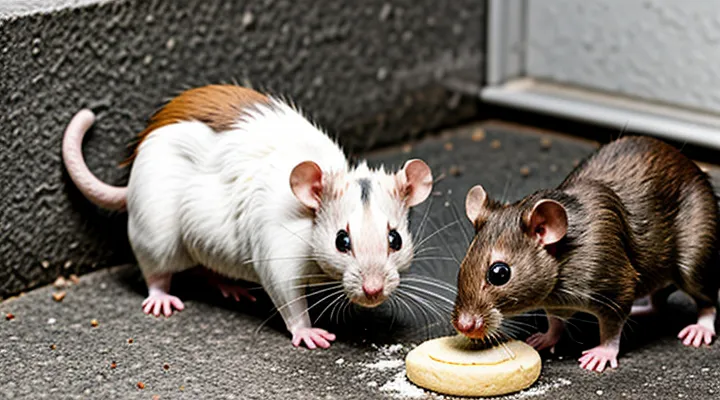
Understanding Rat Dough
What is Rat Dough?
Ingredients and Composition
The bait dough used in rodent control relies on a simple, reproducible formula that balances attractancy, texture, and stability. Its purpose is to lure rats into traps while providing a medium that can be applied to entry points for preventative treatment.
- Base flour (wheat, oat, or rice) – 40 % to 60 % of total weight
- Moisture source (water, broth, or milk) – 20 % to 30 % to achieve pliable consistency
- Protein attractant (peanut butter, boiled egg, or dried fish powder) – 5 % to 10 % for olfactory appeal
- Carbohydrate enhancer (cornmeal, honey, or molasses) – 5 % to 10 % to increase palatability
- Binding agent (gelatin, agar, or xanthan gum) – 1 % to 3 % to maintain structural integrity
- Preservative (vinegar or citric acid) – 0.5 % to 1 % to inhibit mold during storage
Mix dry components thoroughly before introducing liquids. Add moisture incrementally while stirring until the mixture forms a cohesive, non‑sticky mass that can be rolled into 1‑inch balls or spread as a thin layer. Adjust water content to achieve a firmness that resists crumbling yet releases scent when handled.
Quality control includes using fresh, unscented flour, avoiding artificial sweeteners, and ensuring the protein attractant is free of contaminants. Store the prepared dough in airtight containers at 4 °C; discard after 14 days to prevent degradation. The composition described provides a reliable, non‑toxic medium for effective trap baiting and preventive barrier application.
How it Works: Attractants and Toxins
The dough formulation works by combining substances that draw rats with agents that incapacitate them. Attractants create a scent and taste profile that rats find irresistible, while toxins deliver a lethal dose once the material is ingested.
-
Primary attractants
• Grain flour, providing a familiar carbohydrate base.
• Peanut butter or animal fat, supplying strong odor cues.
• Sweeteners such as molasses, enhancing palatability.
• Protein powders, mimicking natural food sources. -
Typical toxins
• Anticoagulant compounds (e.g., brodifacoum) that disrupt blood clotting after several feedings.
• Neurotoxic agents (e.g., bromethalin) that impair nerve function quickly.
• Metabolic poisons (e.g., zinc phosphide) that release toxic gases in the stomach.
The attractant matrix holds the poison in place, ensuring the rat consumes a sufficient quantity before discarding the bait. The dough’s moisture content maintains softness, allowing easy chewing and rapid ingestion. Once the toxin enters the bloodstream, physiological effects follow the specific mode of action, leading to death within hours to days, depending on the agent used. This dual‑component system maximizes capture efficiency while minimizing waste of active ingredients.
Types of Rat Dough Products
Commercial Dough Baits
Commercial dough baits are formulated to attract rodents by mimicking the scent and texture of grain‑based foods. The primary ingredients typically include wheat flour, cornmeal, sugar, and a binding agent such as vegetable oil or gelatin. Anticoagulant or non‑anticoagulant rodenticides are incorporated in precise concentrations to ensure rapid mortality after ingestion.
Effective deployment relies on strategic placement. Baits should be positioned near known activity zones, behind appliances, within wall voids, and along travel pathways. Secure stations protect the product from non‑target species and environmental exposure. Regular inspection every 24–48 hours confirms consumption and identifies the need for replenishment.
Key considerations when selecting a commercial dough bait:
- Active ingredient type (first‑generation anticoagulant vs. second‑generation)
- Palatability rating based on laboratory and field trials
- Shelf life and storage requirements
- Compliance with local regulatory standards
- Packaging designed for weather resistance
Integration with mechanical traps enhances overall control. Baited stations can be combined with snap traps or live‑capture devices, allowing immediate removal of poisoned individuals and reducing secondary exposure risks. Consistent monitoring and rotation of bait formulations prevent habituation and maintain high mortality rates across infestations.
DIY Dough Formulations: Risks and Benefits
DIY dough recipes provide a customizable bait for rodent control devices. Base ingredients typically include wheat flour, water, and a binding agent such as gelatin or egg white. Flavor enhancers—peanut butter, cornmeal, or cheese powder—are added to increase palatability, while preservatives like vinegar or citric acid extend shelf life. Adjusting proportions allows operators to match local rat preferences and environmental conditions.
Benefits
- High attraction rate when flavor aligns with local food sources.
- Low cost compared to commercial baits; ingredients are widely available.
- Ability to incorporate non‑toxic additives, reducing risk to non‑target species.
- Simple preparation; batches can be produced on‑site without specialized equipment.
Risks
- Moisture content may promote mold growth if storage exceeds 48 hours.
- Inadequate binding can cause crumbly bait, leading to reduced capture efficiency.
- Certain flavorings (e.g., strong dairy) may attract unintended wildlife.
- Improper preservation may shorten effective lifespan, necessitating frequent replacement.
Effective use requires testing a small batch in the target environment, monitoring for spoilage, and rotating flavors to prevent habituation. Documentation of ingredient ratios and observed capture rates supports iterative improvement and ensures consistent performance across deployment cycles.
Using Rat Dough Effectively in Traps
Choosing the Right Dough Bait
Factors to Consider: Rat Species and Environment
Effective dough bait must match the target rodent’s biology and the conditions where it is deployed. Selecting an appropriate formula without regard to species or setting reduces capture rates and may increase non‑target exposure.
Black rats (Rattus rattus) prefer higher, cluttered habitats such as attics and wall voids, and they respond better to softer, sweeter dough mixtures. Norway rats (Rattus norvegicus) occupy ground‑level burrows, sewers, and basements; they favor denser dough with protein‑rich additives. Each species’ foraging patterns dictate placement depth and timing of bait renewal.
Indoor environments present stable temperatures, low humidity, and limited competing food sources. In such locations, dough retains moisture longer, allowing fewer re‑applications. Outdoor settings expose bait to rain, wind, and temperature swings; formulations require waterproof binders and higher fat content to prevent desiccation. Seasonal variations also affect activity levels: colder months suppress foraging, demanding stronger attractants.
Key considerations when preparing and deploying dough bait:
- Identify the predominant rat species in the target area.
- Match dough texture and flavor to species‑specific preferences.
- Adjust moisture‑retention properties for indoor versus outdoor use.
- Incorporate weather‑resistant ingredients for exposed locations.
- Schedule bait replacement according to temperature and humidity fluctuations.
Aligning bait composition with these biological and environmental variables maximizes trap efficiency and supports long‑term prevention strategies.
Palatability and Effectiveness
Rat dough functions as a bait matrix designed to lure rodents into capture devices or deter them from specific areas. Its utility depends on two measurable attributes: how appealing it is to rats and how reliably it produces the intended outcome.
Key determinants of palatability include:
- Protein sources (e.g., dried fish, soy, whey) that provide essential amino acids and emit strong odor cues.
- Carbohydrate balance (wheat flour, cornmeal) that supplies quick‑energy taste.
- Fat content (vegetable oil, animal fat) that enhances mouthfeel and aroma diffusion.
- Moisture level (15‑20 % water) that maintains a pliable texture without fostering mold.
- Temperature (room‑temperature storage) that preserves volatile compounds.
Effectiveness is evaluated through quantifiable metrics:
- Attraction index: number of visits per trap per 24 h, measured in controlled field trials.
- Capture success rate: proportion of engaged traps that result in a dead or live capture.
- Persistence: duration the dough remains attractive under ambient conditions, expressed in days.
- Non‑target impact: incidence of unintended species interaction, reported as a percentage of total contacts.
- Environmental stability: degradation rate in soil or water, expressed in mass loss per day.
Optimal formulations combine high‑protein fish extracts with moderate carbohydrate filler and a calibrated fat component, achieving attraction indices above 0.8 and capture success rates exceeding 70 % in laboratory simulations. Adjusting moisture to the specified range prolongs persistence, reducing the need for frequent re‑application. Continuous monitoring of the listed metrics ensures the bait maintains both palatability and operational effectiveness across varied settings.
Baiting Traps with Dough
Proper Placement and Quantity
Using dough as an attractant for rodent control demands exact placement and measured amounts to maximize effectiveness and minimize waste.
- Position bait near active runways, identified by gnaw marks, droppings, or fresh burrows.
- Place dough at a distance of 1–2 feet from entry points, such as gaps under doors or vent openings, to intercept approaching individuals.
- Secure dough on a flat, non‑absorbent surface (plastic tray, metal plate) to prevent moisture loss and maintain scent integrity.
- Avoid locations with high human traffic or food preparation areas to reduce accidental contact.
Quantity guidelines:
- Apply a pea‑sized portion per trap; this size delivers sufficient olfactory stimulus without saturating the environment.
- For perimeter treatment, distribute dough in a linear pattern, spacing pieces 6–8 feet apart to create a continuous scent barrier.
- Replenish bait every 24 hours in warm climates or after heavy precipitation, as moisture accelerates degradation.
Consistent adherence to these placement and dosage practices ensures reliable attraction of target rodents while limiting exposure to non‑target species and preserving bait potency.
Securing the Bait
Secure bait handling determines trap reliability. Loose dough attracts non‑target animals, degrades quickly, and reduces capture rates. Proper containment preserves potency and limits waste.
Use airtight, food‑grade containers for storage. Transfer dough to the trap immediately before placement, avoiding prolonged exposure. Seal the trap opening with a latch or clip that allows only a single entry point for the rodent. This prevents accidental spillage and deters curious pets.
Position traps on stable surfaces away from direct sunlight and moisture. Elevate the bait platform with a small bracket, then fasten the dough with a thin wire or elastic band. The restraint must hold the bait while permitting the rat to gnaw and trigger the mechanism.
Key practices:
- Store dough in sealed, refrigeration‑compatible containers.
- Load bait directly into the trap, then close the latch securely.
- Attach a lightweight restraint (wire, elastic) to keep the dough in place.
- Place traps in dry, shaded locations, preferably on a non‑slippery surface.
- Inspect bait condition daily; replace any softened or contaminated portions.
Consistent application of these steps maintains bait integrity, improves capture efficiency, and reduces inadvertent exposure to other wildlife.
Types of Traps for Dough Bait
Snap Traps
Using a pliable, aromatic bait such as dough significantly increases the capture rate of snap‑type rat traps. The soft consistency encourages gnawing, while the scent draws rodents from concealed routes.
Dough’s high moisture content prevents rapid drying, maintaining attractiveness over several days. Its malleability allows precise molding around the trigger mechanism, ensuring the animal must apply sufficient force to activate the trap.
To prepare and position dough‑baited snap traps:
- Combine flour, water, a pinch of sugar, and a small amount of animal‑derived oil; knead until smooth.
- Shape the mixture into a ½‑inch ball and press it firmly onto the trigger plate, leaving the lever free to move.
- Place the trap along walls, behind appliances, or near known gnaw marks; align the bait toward the expected entry direction.
- Check the trap daily; replace any dried or chewed dough to preserve potency.
When deploying dough bait, wear gloves to avoid contaminating the bait with human scent. Seal discarded traps in airtight containers to prevent secondary infestations. Regular sanitation of entry points and removal of food sources complement the mechanical control, reducing the likelihood of reinfestation.
Live Traps
Using dough as bait in live-capture devices offers a reliable method for humane rat management. The dough’s strong odor and palatable texture attract rats quickly, increasing capture rates while minimizing non-target interference.
When preparing a live trap with dough, follow these steps:
- Mix a small amount of wheat flour, water, and a pinch of sugar to form a pliable dough.
- Incorporate a few drops of natural attractant, such as peanut butter or vanilla, to enhance scent.
- Shape the dough into a compact ball, no larger than a walnut, to fit within the trap’s bait compartment.
- Place the dough ball on the trigger plate, ensuring it does not obstruct the door mechanism.
- Set the trap in an area with evident rodent activity, aligning the entrance with known travel paths.
Key considerations for optimal performance:
- Store dough in a sealed container for up to 48 hours; freshness directly influences effectiveness.
- Replace the bait after each capture to maintain a consistent scent profile.
- Inspect traps daily to release captured rats promptly, reducing stress and preventing escape.
Implementing dough bait in live traps provides a straightforward, cost-effective solution for controlling rat populations while adhering to humane standards.
Electronic Traps
Electronic traps deliver a rapid, humane kill by applying a high‑voltage shock to any rodent that contacts the metal plates. The device contains a battery or mains‑powered circuit, a sensing mechanism that detects the animal’s presence, and a discharge unit calibrated to a lethal current. When a rat steps onto the bait platform, the trap registers the weight, triggers the voltage, and the animal is instantly incapacitated.
Integrating rat dough as attractant enhances trap efficiency. The dough’s strong scent and texture appeal to nocturnal foragers, encouraging them to linger long enough for the sensor to activate. To apply, spread a thin layer (approximately 0.5 cm) of dough on the contact plate, avoiding excess that could bridge the electrodes and cause a short circuit. Replace the bait every 48 hours to maintain potency and prevent mold growth.
Key operational considerations:
- Power source – Ensure fresh batteries or a reliable outlet; low voltage reduces lethality.
- Placement – Position traps along walls, near known runways, and away from non‑target species.
- Cleaning – After each kill, disconnect power, remove the carcass, and wipe the plates with a mild disinfectant to prevent residue buildup.
- Safety – Install a protective cover to shield children and pets; label the unit with a warning sign.
Advantages of electronic devices include consistent kill rates, minimal odor, and reusability without additional consumables. Limitations involve higher upfront cost, dependence on electricity, and the need for periodic maintenance. When combined with properly formulated rat dough, electronic traps become a reliable component of an integrated pest‑management strategy.
Rat Dough for Prevention and Control
Strategic Bait Placement
Identifying Rat Runways and Harborage Areas
Rats travel along established pathways that connect food sources, nesting sites, and escape routes. Detecting these routes allows precise placement of dough bait, increasing capture rates and reducing the need for widespread application.
Visual cues such as fresh droppings, gnaw marks, and greasy smears on walls indicate active runways. Paths often follow walls, under appliances, and within concealed gaps. Inspecting low‑lying edges and corners reveals the most frequently used routes.
Harborage areas concentrate where rats feel safe from predators and disturbance. Typical locations include:
- Cluttered storage rooms with cardboard, insulation, or debris
- Wall voids and ceiling cavities accessed through small openings
- Behind appliances, under sinks, and within crawl spaces
- Outdoor structures such as sheds, decks, and debris piles
To confirm a harborage, look for nesting material (soft fabric, shredded paper), urine stains, and concentrated droppings. Heat and carbon dioxide detectors can also pinpoint occupied spaces.
Once runways and harborage sites are mapped, position dough bait at:
- Junctions where multiple paths intersect
- Directly inside identified harborage openings
- Along walls at a distance of 2–3 feet from entry points
- Near food storage areas that rats frequent
Secure bait to prevent removal by non‑target animals and replace it regularly to maintain attractiveness. Monitoring bait consumption provides feedback on activity levels and helps refine placement strategies.
Indoor vs. Outdoor Application
Using a dough-based bait specifically formulated for rodents offers a versatile tool for both indoor and outdoor environments. The mixture’s texture and scent attract rats, while its composition can be adjusted to meet the demands of each setting.
Indoor deployment requires placement where rats travel, such as behind appliances, within wall voids, or near food storage areas. The bait must remain stable in low‑light, temperature‑controlled spaces; therefore, a formulation with minimal moisture loss is preferred. Safety considerations include preventing accidental contact with children or pets, which can be achieved by sealing bait stations with lockable covers.
Outdoor deployment confronts exposure to rain, sunlight, and temperature fluctuations. A dough with added binders and waterproofing agents resists degradation, maintaining attractiveness over several days. Placement near burrow entrances, along fence lines, or around garbage receptacles maximizes contact with foraging rats. Seasonal adjustments—such as increasing scent potency in colder months—compensate for reduced activity levels.
Key distinctions:
- Moisture control: indoor bait emphasizes low evaporation; outdoor bait incorporates water‑resistant components.
- Durability: indoor mixtures can be softer; outdoor versions require hardened texture to survive weather.
- Safety: indoor stations demand child‑proof designs; outdoor stations rely on tamper‑resistant packaging.
Selecting the appropriate formulation and deployment strategy ensures effective rat management while minimizing waste and non‑target exposure.
Safety Precautions and Handling
Protecting Children and Pets
When rodent bait dough is employed in traps or as a preventive measure, the safety of children and domestic animals must be the primary consideration. The substance, often composed of attractive food‑based ingredients combined with anticoagulant agents, poses a poisoning risk if ingested unintentionally.
Effective protection relies on three practical steps:
- Install bait stations that lock the dough inside a tamper‑proof compartment, allowing only rats to enter through small entry holes.
- Position traps and stations at least three feet above ground level, out of reach of toddlers and pets, and anchor them to walls or elevated surfaces.
- Use low‑toxicity formulations specifically labeled for indoor or pet‑free environments, and keep the product’s label and safety data sheet accessible for reference.
Additional precautions include regular inspection of bait locations, immediate removal of any compromised stations, and education of household members about the hazards. By integrating secure containment, strategic placement, and appropriate product selection, the risk of accidental exposure can be minimized while maintaining effective rodent control.
Personal Protective Equipment
When handling rodent‑attracting dough, direct contact poses contamination and allergic‑reaction risks. Protective gear prevents skin exposure, eye irritation, and inhalation of aerosolized particles that may arise during mixing or placement.
Recommended equipment includes:
- Nitrile or latex gloves, sealed at the wrist, to block dough residues.
- Safety goggles or face shields, to guard against splashes.
- Half‑mask respirator with P100 filter, for environments where dust or volatile compounds are present.
- Disposable lab coat or coveralls, with sealed cuffs, to keep clothing clean.
- Slip‑resistant boots, to maintain traction on wet or oily surfaces.
Application guidelines:
- Don gloves, goggles, and respirator before any contact with the bait mixture.
- Inspect each item for tears or compromised seals; replace damaged gear immediately.
- Remove gloves and coat after each trap‑setting session, place them in sealed waste bags, and wash hands thoroughly.
- Store reusable items in a clean, dry area away from food preparation zones.
Adhering to these precautions aligns with occupational‑health regulations and minimizes occupational exposure while deploying rodent‑control dough.
Disposal of Bait and Carcasses
Proper disposal of rodent dough bait and the remains of caught animals is essential for safety, sanitation, and regulatory compliance. After each trapping session, collect all unused dough and any carcasses in sealed, puncture‑resistant containers. Transfer the containers to a designated waste area that is inaccessible to non‑target wildlife and children.
When handling carcasses, wear disposable gloves and a mask to prevent exposure to pathogens. Place each carcass in a double‑layered bag, remove excess air, and seal securely. If local regulations permit, dispose of the sealed bags in a municipal landfill that accepts animal waste. Where landfill disposal is prohibited, arrange for a licensed hazardous‑waste service to incinerate the material according to approved protocols.
Unused dough bait must be treated as hazardous organic material. Do not discard it in regular trash or compost. Options include:
- Incineration: Burn the bait in a high‑temperature furnace that reaches at least 850 °C, ensuring complete destruction of any residual toxins.
- Chemical neutralization: Apply a commercially available decontamination agent that breaks down the bait’s active ingredients, following the manufacturer’s dosage guidelines.
- Authorized landfill: Transport the sealed bait containers to a landfill that accepts biological waste, documenting the transfer for audit purposes.
Record each disposal action in a logbook, noting date, quantity, method, and the responsible personnel. Retain the records for the period required by local health and environmental authorities. Regular audits of the disposal process help identify gaps and maintain compliance with pest‑control regulations.
Integrated Pest Management (IPM) with Dough
Combining with Sanitation and Exclusion Methods
Effective rodent control relies on integrating bait formulations with rigorous sanitation and thorough exclusion. When dough bait is introduced, it should complement a systematic reduction of food sources and the sealing of structural vulnerabilities.
Sanitation measures that enhance dough bait performance include:
- Immediate removal of spilled grain, pet food, and kitchen waste.
- Daily cleaning of floors, countertops, and storage areas with detergent to eliminate residual crumbs.
- Secure disposal of garbage in sealed containers and regular removal from the premises.
- Routine inspection of pantry shelves and cabinets for hidden debris, followed by thorough vacuuming.
Exclusion practices that work in concert with dough bait focus on preventing entry and harborage:
- Identify all potential ingress points—cracks, gaps around pipes, utility penetrations, and door thresholds.
- Apply steel wool, silicone caulk, or expanding foam to seal openings larger than ¼ inch.
- Install door sweeps and weather stripping to block gaps beneath exterior doors.
- Repair damaged screens, vents, and roofing materials to eliminate roof and attic access routes.
- Conduct periodic structural surveys to detect new breaches caused by weather or building settlement.
Operational guidelines for combining these methods:
- Deploy dough bait stations in locations where sanitation has reduced competing food, typically along walls, behind appliances, and near known runways.
- Position stations at least 10 cm away from non‑target species habitats to minimize accidental exposure.
- Monitor bait consumption daily; replace stations that show reduced activity after two days.
- After a successful decline in rodent activity, remove bait stations and intensify exclusion checks to confirm that no new entry points have emerged.
By synchronizing bait deployment with disciplined cleaning routines and airtight building maintenance, the overall effectiveness of rodent management improves, leading to faster population suppression and reduced risk of re‑infestation.
Monitoring and Follow-Up
Effective monitoring confirms whether dough bait is attracting rats and whether trap placement is optimal. Regular observation prevents wasted resources and allows rapid response to changes in rodent activity.
Key monitoring tasks include:
- Inspect traps every 24 hours, noting capture count and bait condition.
- Record environmental variables such as temperature, humidity, and recent precipitation, which can affect dough consistency and scent dispersion.
- Map capture locations on a floor plan to identify hotspots and gaps in coverage.
- Verify that bait remains fresh; discard any dough that has hardened, dried, or become contaminated.
Follow‑up actions rely on the collected data. Analyze trends weekly to determine if capture rates are rising, stable, or declining. If numbers drop, adjust bait formulation (e.g., moisture content) or reposition traps toward newly identified hotspots. Reapply fresh dough after each inspection cycle to maintain attractant potency. Document all adjustments and outcomes for future reference.
A disciplined monitoring and follow‑up regimen ensures the dough bait program remains effective, reduces the likelihood of rat resurgence, and provides measurable evidence of control success.
Potential Drawbacks and Alternatives
Bait Shyness
Bait shyness describes a rat’s learned avoidance of a particular food source after a single negative experience, such as illness or a failed trap encounter. The phenomenon reduces the effectiveness of any single type of attractant, including dough formulations, because rodents quickly associate the taste or odor with danger and refuse further contact.
Key factors that trigger bait shyness include:
- Consumption of a contaminated or spoiled bait batch.
- Exposure to a trap that fails to deliver a lethal dose.
- Repeated presentation of the same scent without variation.
Countermeasures for bait shyness when employing dough as a rat attractant involve systematic changes to the baiting strategy:
- Rotate dough recipes every few days, altering protein sources, sweeteners, or aromatic additives.
- Incorporate strong, non‑food odors (e.g., peppermint, cloves) in low concentrations to mask previous scent cues.
- Use fresh dough batches; discard any that show signs of mold or fermentation.
- Combine dough with a secondary attractant, such as grain or peanut butter, to create a multi‑scent profile.
- Position dough in new locations regularly, preventing rats from forming a spatial memory of a “danger zone.”
Monitoring bait consumption patterns helps identify emerging shyness early. A sudden decline in uptake, paired with increased activity around traps, signals that rats have learned to avoid the current dough formulation. Promptly adjusting the bait composition and placement restores trap efficacy and supports long‑term population control.
Non-Toxic Options
Non‑toxic dough formulations provide safe bait for rodent control while avoiding chemical hazards. Common ingredients include whole‑grain flour, water, vegetable oil, and natural attractants such as peanut butter, cheese, or fruit puree. These components supply protein and fat, encouraging rats to investigate and consume the bait without exposing humans or pets to poisons.
Preparation involves mixing dry flour with a measured quantity of water and oil until a pliable consistency forms. Adding 10–15 % of a chosen attractant improves palatability; the mixture should remain moist enough to hold shape but not so wet that it disintegrates in the trap. Once prepared, dough can be rolled into small balls (approximately 1 cm in diameter) and placed directly on snap traps, live‑catch cages, or along runways where rats travel.
Key advantages of non‑toxic dough:
- Eliminates risk of secondary poisoning in predators.
- Allows safe use in residential and food‑storage areas.
- Enables easy disposal; unused bait can be composted or discarded without hazardous waste procedures.
- Reduces regulatory constraints associated with rodenticides.
When employing dough in preventive strategies, spread small amounts around entry points, behind appliances, and along walls. Regularly inspect bait for drying or mold; replace fresh dough every 2–3 days to maintain effectiveness. Combining dough bait with exclusion measures—sealing cracks, removing food sources, and maintaining cleanliness—enhances overall rat management without resorting to toxic chemicals.
Professional Pest Control Services
Professional pest‑control firms integrate specialized rodent dough baits into comprehensive management plans. The dough, formulated to attract rats through scent and texture, serves as a primary lure in mechanical traps and as a delivery medium for anticoagulant or bio‑insecticide agents. Technicians calibrate bait placement to maximize exposure while minimizing non‑target risks, employing data on infestation density and activity patterns.
Key operational steps include:
- Assessing site conditions to determine optimal bait stations.
- Preparing dough mixtures according to manufacturer specifications, ensuring consistent moisture and nutritional content.
- Deploying dough in tamper‑resistant containers adjacent to walls, conduits, and known travel routes.
- Monitoring bait consumption and trap captures daily, adjusting placement density as needed.
- Documenting findings in compliance with regulatory reporting requirements.
Professional services add value by conducting regular inspections, calibrating bait potency, and providing education on sanitation measures that reduce attractants. Integrated approaches combine dough baiting with exclusion techniques, structural repairs, and waste management to achieve long‑term rodent population control.