
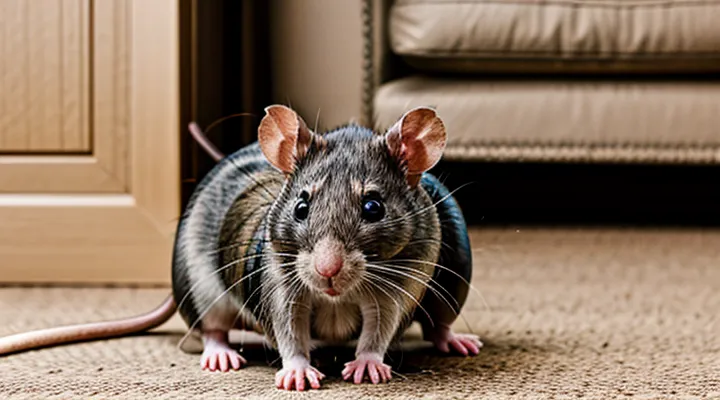
The Allure of Domestic Rats
Why Rats Make Wonderful Pets
Intelligence and Trainability
Domestic rats possess a level of problem‑solving ability comparable to that of small primates. Laboratory studies show they can navigate mazes, discriminate patterns, and remember solutions for weeks after initial exposure. These cognitive capacities translate directly into photographic sessions, where the animal’s willingness to explore and interact with novel stimuli determines the variety and depth of captured images.
Trainability in pet rats stems from their social structure and natural curiosity. When conditioned with positive reinforcement, they reliably perform tasks such as:
- Approaching a designated spot on cue
- Holding a pose for several seconds
- Retrieving small objects on command
Each behavior expands the photographer’s toolkit, allowing composition that highlights texture, expression, and movement without reliance on post‑production manipulation.
Effective training protocols combine short, frequent sessions with diverse rewards, ensuring the rat remains engaged and stress‑free. Consistency in cue presentation and timing reduces latency between command and response, resulting in sharper focus and reduced motion blur in the final picture.
The intersection of high cognitive function and disciplined conditioning produces images that capture the animal’s personality, anatomical detail, and dynamic range, establishing a benchmark for quality in rat photography.
Social Nature and Affection
Domestic rats, widely kept as companion animals, provide photographers with subjects whose interactions and tenderness translate into compelling images. Their inherent sociability and capacity for affection generate dynamic scenes that convey both individuality and group cohesion.
Key aspects of their social behavior include:
- Formation of stable colonies with defined hierarchies.
- Continuous vocal and scent communication to maintain group order.
- Mutual grooming that reinforces bonds and reduces stress.
- Cooperative foraging and play that demonstrate problem‑solving skills.
Affectionate traits observable in domestic rats:
- Immediate recognition of familiar handlers through scent and sound cues.
- Preference for close physical contact, often seeking laps or gentle strokes.
- Display of “nuzzling” and “kneading” motions that indicate comfort and trust.
- Ability to learn and respond to human gestures, reinforcing reciprocal relationships.
Photographers aiming to capture these qualities should prioritize natural lighting, low‑angle perspectives that emphasize eye contact, and timing that coincides with routine social rituals such as grooming sessions or group play. Consistent exposure to the animals’ environment enhances the likelihood of recording authentic expressions of camaraderie and tenderness.
Cleanliness and Grooming Habits
Pet rats maintain a high standard of personal hygiene, a factor that directly influences the visual appeal of photographs. Their self‑grooming routine removes loose fur, dust, and debris, resulting in a smooth coat that reflects light evenly. This natural cleaning process reduces the need for extensive post‑shoot editing and enhances the sharpness of captured images.
Key aspects of rat cleanliness that affect picture quality:
- Frequent self‑grooming eliminates oil buildup, preventing a greasy sheen that can obscure details.
- Chewing behavior trims overgrown whiskers, preserving the fine lines essential for clear facial focus.
- Regular bathing in shallow water or using a damp cloth removes environmental contaminants, ensuring a neutral background without unwanted stains.
- Nest material selection, favoring paper bedding over dusty wood shavings, minimizes airborne particles that settle on fur during shoots.
Owners can support these innate habits by providing:
- Soft, lint‑free nesting substrates that encourage natural grooming.
- Access to clean water sources for occasional baths.
- Gentle, non‑abrasive grooming tools for targeted coat maintenance.
- A balanced diet rich in omega‑3 fatty acids, promoting a glossy, healthy sheen.
Consistent attention to these grooming practices yields rats with a pristine appearance, facilitating high‑quality visual documentation in any curated collection of domestic rodent photography.
Capturing the Charm: Photography Tips
Lighting and Composition for Rat Photos
Natural Light Advantages
Natural illumination provides a color spectrum that matches the visual perception of domestic rats, allowing photographs to capture authentic fur tones and eye reflections without artificial color shifts. The absence of flicker eliminates motion artifacts, resulting in sharper images of active subjects.
- Enhanced texture definition: Sunlight emphasizes whisker and fur details, revealing subtle patterns that flash lighting can flatten.
- Accurate exposure balance: Ambient light supplies a stable intensity range, reducing the need for manual exposure compensation.
- Reduced stress for the animal: Soft daylight creates a calm environment, minimizing startled reactions that compromise composition.
When shooting rat portraits outdoors, position the subject near a diffused window or shaded area to avoid harsh shadows. Adjust ISO to the lowest value that maintains proper exposure, preserving image quality while preventing noise. Use a moderate aperture to retain depth of field, ensuring the entire head remains in focus.
Creating Engaging Backgrounds
Creating engaging backgrounds for high‑quality rat photography requires deliberate control of lighting, composition, and context. The backdrop must complement the subject’s texture and color while directing attention toward the animal’s features.
- Choose neutral or muted tones to prevent color competition; gray, beige, or soft pastel surfaces allow the rat’s fur and eyes to stand out.
- Employ directional lighting to produce subtle shadows that add depth without obscuring details; a single softbox positioned at a 45‑degree angle typically yields consistent results.
- Incorporate natural elements—such as shredded paper, small wooden blocks, or textured fabric—to suggest a realistic environment while maintaining focus on the rodent.
- Position the rat at eye level with the camera to create a direct connection with viewers; adjust the aperture to a moderate f‑stop (f/4–f/5.6) for a shallow depth of field that isolates the subject.
- Eliminate distracting objects from the frame; a clean, uncluttered scene reduces visual noise and enhances the overall impact.
Consistent background selection across a series of images ensures visual cohesion, reinforcing the narrative of each rat’s personality and behavior. By applying these principles, photographers can produce compelling supporting scenery that elevates the quality of the rat image collection.
Posing Your Rat for the Camera
Treats as Motivation
Treats serve as the primary reinforcement when capturing high‑quality images of pet rats. Their immediate appeal drives voluntary participation, allowing photographers to obtain natural poses without stress. Consistent use of small, palatable rewards establishes a predictable exchange: the rat performs a desired behavior, receives the treat, and repeats the action.
Effective implementation includes:
- Selecting low‑calorie, highly aromatic pieces that fit the rat’s diet.
- Timing delivery within one to two seconds of the target behavior to strengthen association.
- Varying treat types to prevent habituation while maintaining motivation.
Training sessions should be brief, typically five to ten minutes, to preserve the animal’s attention span. Gradual reduction of treat frequency, replaced by verbal praise or gentle handling, sustains performance once the desired pose is mastered. This approach yields clear, expressive photographs that highlight the subjects’ individuality while respecting their welfare.
Showing Personality and Movement
Capturing the character and dynamics of pet rats requires deliberate control of lighting, composition, and timing. Consistent, diffused illumination reduces harsh shadows that can obscure facial details, while a shallow depth of field isolates the subject from distracting backgrounds. Position the camera at the rat’s eye level to emphasize expression and to avoid distortion caused by extreme angles.
Effective depiction of movement hinges on shutter speed and focus strategy. A shutter rate of at least 1/500 s freezes rapid scurrying, whereas a slightly slower speed (1/250 s) combined with intentional motion blur conveys kinetic energy. Continuous‑autofocus mode maintains focus as the animal shifts position, and burst shooting increases the likelihood of capturing the precise moment of interest.
Practical steps for photographers:
- Use a single light source softened by a diffuser; add a reflector to fill shadows.
- Set ISO low enough to preserve image quality, raising it only when additional light is unavailable.
- Employ a tripod or stable surface to eliminate camera shake during longer exposures.
- Anticipate typical rat behaviors—exploring, grooming, nibbling—and place props accordingly to encourage natural actions.
- Review images on a calibrated monitor to verify that eyes are sharp and that the pose reflects the intended personality trait (curiosity, confidence, playfulness).
By integrating controlled lighting, appropriate exposure settings, and an understanding of common rat activities, photographers produce images that reveal both the individual temperament and the lively motion characteristic of domestic rats.
A Gallery of Rodent Royalty
Portraits of Perfectly Posed Pipsqueaks
Solo Shots: Highlighting Unique Features
Solo photographs of pet rats provide the clearest view of individual characteristics that define each animal’s personality and breed standards. A well‑executed single‑subject image isolates the rat from background distractions, allowing precise assessment of coat texture, coloration patterns, ear shape, and whisker arrangement. Consistent lighting from a soft, diffused source reduces shadows and reveals subtle fur hues, while a shallow depth of field isolates the subject’s eyes and nose, emphasizing expression and health indicators.
Key elements to capture in solo shots include:
- Facial details: focus on eye clarity, whisker symmetry, and nose coloration.
- Body posture: document natural standing, grooming, or exploratory poses to illustrate musculature and agility.
- Coat quality: highlight areas of smoothness, length, and any distinct markings that differentiate varieties.
- Environmental context: use a neutral backdrop that contrasts with the rat’s fur without introducing visual clutter.
When assembling a collection of top rat images, prioritize photographs that combine technical precision with a clear representation of each animal’s unique traits. This approach ensures that viewers can evaluate aesthetic qualities and health indicators without extraneous visual elements.
Group Dynamics: Interaction and Cuddles
The curated selection of top domestic rat photographs provides a reliable visual reference for analyzing social behavior within small groups. Each image captures spontaneous moments that reveal the structure of interactions and the prevalence of tactile bonding.
Interaction manifests through mutual grooming, coordinated foraging, and hierarchical displays. Grooming sessions involve one rat repeatedly cleaning another’s fur, indicating trust and alliance formation. Coordinated foraging appears as simultaneous approach to food sources, reflecting shared intent. Hierarchical displays emerge when a dominant individual adopts a higher stance or initiates movement, prompting subordinate members to follow.
Cuddling behavior presents as prolonged close-body contact, often with rats nesting together in overlapping positions. This posture facilitates heat exchange, reduces cortisol levels, and strengthens pairwise bonds. Observations show that cuddling frequency increases after periods of environmental stress, suggesting a regulatory function within the group.
Key visual indicators for researchers:
- Overlapping bodies with limbs interlocked
- Mutual grooming duration exceeding 30 seconds
- Simultaneous head movements toward the same stimulus
- Postural elevation of a single individual followed by group alignment
These elements collectively illustrate how domestic rats maintain cohesion through interaction and cuddles, providing a concrete framework for further ethological study.
Action Shots: Playful Moments
Exploring Their Environment
Domestic rats captured in award‑winning photographs reveal a range of habitats that shape their behavior and health. The images illustrate how these mammals adapt to human‑made surroundings, from compact urban apartments to spacious suburban gardens.
- Indoor spaces – cages, shelving, and concealed corners provide shelter; bedding material, nesting boxes, and chewable objects appear consistently in the compositions.
- Outdoor zones – garden beds, compost piles, and low vegetation offer foraging opportunities; natural debris such as leaf litter and mulch serves as cover.
- Structural features – pipes, ventilation ducts, and wall gaps function as travel routes; stairwells and utility rooms act as transit corridors.
- Resource zones – food dispensers, water bottles, and discarded food remnants create focal points for activity; these elements attract multiple individuals and encourage social interaction.
The photographs also document environmental variables that influence rat welfare. Lighting conditions, temperature gradients, and humidity levels are evident through shadows, condensation, and the presence of moisture‑rich substrates. Surface textures—smooth metal, rough concrete, and soft fabric—affect locomotion and claw wear. Seasonal changes appear in foliage density and the prevalence of outdoor debris, indicating shifts in shelter availability.
Overall, the visual record provides a detailed reference for researchers and caregivers seeking to understand the spatial dynamics and resource distribution that define the lived environment of domestic rats.
Mid-Jump and Agile Displays
Mid‑jump and agile displays capture domestic rats at the peak of their natural athleticism, providing dynamic visual evidence of their speed, balance, and coordination. Photographers who specialize in this genre prioritize timing, lighting, and composition to freeze motion without sacrificing subject clarity.
Successful capture begins with stimulus selection. Gentle taps on a cage wall, a rolling treat, or a short burst of air provoke rapid leaps. Observing the rat’s launch angle and leg extension allows the photographer to anticipate the apex of the jump, typically occurring 0.2–0.4 seconds after the initial impulse.
Technical settings must lock motion. Shutter speeds of 1/1000 s or faster eliminate blur; a wide aperture (f/2.8–f/4) isolates the subject from the background, while a moderate ISO (400–800) maintains image quality under controlled lighting. Continuous‑focus autofocus tracks the moving animal, preventing focus loss during rapid displacement.
Composition emphasizes the trajectory. Position the camera low to the ground to align the lens with the rat’s flight path, creating a sense of immersion. Include a clear foreground element—such as a platform edge—to provide context for the launch. Ensure the background remains unobtrusive, using a neutral or softly lit surface to avoid visual competition.
Examples of exemplary images:
- A grey rat vaulted over a wooden perch, captured at 1/2000 s, with crisp detail on the forepaws and a blurred floor that accentuates forward momentum.
- A white rat performing a mid‑air twist after a treat launch, highlighted by backlighting that silhouettes the outline while preserving facial features.
- A brown rat leaping from a cardboard ramp, framed against a gradient backdrop that isolates the silhouette and underscores the curve of the jump.
Varieties and Their Photogenic Qualities
Fancy Rat Types and Their Appeal
Dumbo Rats: The Distinctive Ears
Dumbo rats are distinguished by their enlarged, forward‑facing ears, a trait that sets them apart in visual documentation of pet rodents. The ears attach low on the skull, creating a rounded silhouette that captures light differently from standard rat breeds. This morphology enhances auditory perception and contributes to a unique facial expression, making the animals especially photogenic for collectors of exemplary rodent imagery.
Key characteristics of the ear feature:
- Low placement on the head, resulting in a compact, dome‑like appearance.
- Proportional size that can exceed the width of the head, providing a striking visual balance.
- Soft, velvety fur covering the pinnae, which reflects subtle highlights in high‑resolution photographs.
- Increased mobility, allowing the ears to swivel in response to sound, adding dynamic elements to still images.
Photographers seeking to highlight these traits should employ soft, diffused lighting to emphasize the ear texture, use shallow depth of field to isolate the head from background clutter, and position the subject at eye level to capture the forward gaze that complements the ear orientation. The result is a series of images that showcase the distinctive ear structure as a focal point of aesthetic and anatomical interest.
Rex Rats: Curly Coats and Whiskers
Rex rats are distinguished by their tightly curled fur and prominent whiskers, features that attract photographers seeking unique domestic rodent subjects. The curling pattern results from a genetic mutation that alters hair structure, producing a plush, spiral appearance that reflects light differently than standard coats. Whiskers are longer and denser, providing a striking contrast against the soft fur and enhancing the animal’s facial definition.
Photographers capture Rex rats by emphasizing texture and contrast. Effective techniques include:
- Using side lighting to highlight the curl depth and whisker shadows.
- Selecting macro lenses with a focal length of 90 mm or longer to isolate facial details without distortion.
- Applying shallow depth of field (f/2.8–f/4) to separate the rat from background clutter, drawing attention to coat texture.
Proper handling preserves the visual integrity of the subjects. Gentle restraint minimizes stress, which can cause whisker retraction and coat flattening. Regular grooming removes loose curls, maintaining the characteristic volume that defines the breed’s aesthetic.
In collections of outstanding pet rat imagery, Rex rats frequently appear due to their visual distinctiveness. Their curly coats and expressive whiskers provide photographers with natural focal points, enabling the creation of compelling, high‑impact pictures that stand out among domestic rodent photographs.
Hairless Rats: Unique Textures
Hairless rats present a striking visual contrast in pet rat photography, their smooth, exposed skin revealing subtle variations in tone and vascular pattern. The lack of fur accentuates musculature and skeletal outlines, allowing photographers to capture fine anatomical details that are typically hidden by coat.
Key texture characteristics include:
- Epidermal translucency – thin skin permits light to penetrate, creating a soft glow when illuminated from the side.
- Visible blood vessels – capillary networks appear as fine, reddish lines, adding depth to close‑up images.
- Surface moisture – natural skin oils produce a gentle sheen, which can be enhanced with diffused lighting to avoid harsh reflections.
When composing images, positioning the rat against a neutral background emphasizes texture without distraction. Using a macro lens at a wide aperture isolates the skin’s micro‑features while maintaining sufficient depth of field for the surrounding anatomy. Adjusting exposure to prevent over‑blown highlights preserves the delicate gradations of color inherent to hairless specimens.
The unique tactile quality of hairless rats enriches visual collections of domestic rodent photography, offering viewers an uncommon perspective on the species’ form and structure.
Color Variations and Markings
Hooded and Berkshire Patterns
The hooded pattern features a distinct band of colored fur that runs from the head, over the shoulders, and down the spine, leaving the remainder of the body white or light‑colored. This contrast creates a striking visual effect that photographs well under both natural and studio lighting. The pattern is genetically controlled by the “H” allele, which is dominant over the non‑hooded allele, ensuring predictable breeding outcomes for enthusiasts seeking consistent results.
The Berkshire pattern presents a uniform, solid coat ranging from dark brown to black, with no white markings. Its even coloration offers a smooth, matte appearance that captures subtle texture details in close‑up images. The “b” allele responsible for this pattern is recessive, requiring both parents to carry the gene for the trait to be expressed, which influences selection strategies in breeding programs aimed at visual consistency.
Key considerations for capturing high‑quality images of these patterns include:
- Using diffused lighting to highlight the contrast in hooded specimens and to avoid glare on the glossy fur of Berkshire rats.
- Positioning the subject at eye level to emphasize facial features and coat texture.
- Selecting a shallow depth of field to isolate the rat from background distractions, enhancing the visual impact of the pattern.
Understanding the genetic basis and visual characteristics of hooded and Berkshire coats enables photographers and breeders to produce compelling, aesthetically balanced pictures that showcase the diversity of pet rat appearances.
Solid Colors: Black, Agouti, Fawn
Solid‑color rats—black, agouti, and fawn—provide clear visual contrast that enhances photographic composition. Their uniform coats reduce background distractions, allowing focus on anatomy, posture, and expression.
- Black: Deep pigment absorbs light, highlighting glossy fur and eye reflections. Use side lighting to create subtle sheen and reveal whisker definition.
- Agouti: Mixed banded hairs produce a natural gradient, offering texture cues. Employ diffused illumination to capture the interplay of light across the banded pattern.
- Fawn: Light tan tones reflect ambient light, emphasizing soft contours. Position a soft‑box or natural window light to accentuate the gentle color shift across the body.
When capturing these colors, select a neutral background to prevent color blending. Maintain a shallow depth of field to isolate the subject, and set a fast shutter speed to freeze subtle movements. Consistent exposure settings across the three color variants enable direct visual comparison in a single series.
The Human-Rat Bond: Photo Stories
Interaction with Owners
Cuddling and Petting
Images that capture domestic rats while they are being cuddled or petted illustrate the species’ capacity for gentle interaction. Photographers who prioritize these moments provide viewers with a clear view of the animal’s relaxed musculature, soft fur texture, and expressive eyes, all of which convey trust between pet and owner.
Effective pictures share several visual traits. They employ shallow depth of field to isolate the rat from distracting background elements, use diffused natural light to avoid harsh shadows, and frame the subject at eye level to emphasize connection. Hands or arms are included only when they enhance the perception of contact without obscuring the rat’s features.
Key criteria for selecting exemplary images include:
- Presence of genuine tactile contact, such as a hand cradling the rat’s torso or a gentle stroke along the back.
- Clarity of detail, allowing observers to see whisker movement and fur sheen.
- Composition that balances the rat’s form with the human element, avoiding overly staged poses.
- Consistent exposure that preserves color fidelity, especially the subtle shades of the rat’s coat.
Recommended photographs that meet these standards:
- “Cozy Embrace” by Laura M., a close‑up of a rat nestled in a palm, highlighting the animal’s relaxed posture.
- “Gentle Stroke” by Daniel K., showing a hand gliding over a rat’s back, captured with soft, ambient lighting.
- “Morning Cuddle” by Sofia L., featuring a rat curled against a cheek, emphasizing eye contact and fur texture.
Shared Activities and Games
The most compelling images of pet rats often capture them engaged in cooperative play and interactive challenges. Photographic series that emphasize shared activities reveal natural curiosity, social bonds, and the agility that distinguishes these animals.
- Cooperative obstacle courses: tunnels, ramps, and bridges that require teamwork to navigate.
- Foraging puzzles: containers filled with treats that rats must manipulate together to access.
- Group ball games: transparent balls large enough for several rats to explore simultaneously.
- Interactive toys: rotating wheels, hanging ropes, and chewable structures that encourage mutual interaction.
- Water play: shallow dishes or shallow streams where rats splash and chase each other.
When documenting these scenes, position the camera at rat eye level, use high‑contrast lighting to highlight movement, and employ fast shutter speeds to freeze rapid actions. Consistent framing around the shared space emphasizes the collective behavior, producing images that stand out in any curated collection of rat photography.
Rats in Everyday Life
Relaxing on a Shoulder
Images that capture a pet rat perched calmly on a human shoulder illustrate both animal trust and visual appeal. Successful photographs share several technical and compositional traits:
- Soft, even lighting that highlights the rat’s fur without creating harsh shadows.
- A shallow depth of field that isolates the subject, keeping the shoulder and rat in focus while gently blurring the background.
- A perspective that aligns the viewer’s eye level with the rat’s head, emphasizing the intimate connection.
- Minimal distracting elements; the frame should contain only the shoulder, the rat, and a simple backdrop.
The subject’s posture contributes to the narrative. A relaxed neck, slightly lowered ears, and a relaxed tail convey confidence. Capturing a moment when the rat’s whiskers are gently brushed by a breeze adds dynamism without breaking the tranquil mood.
When selecting images for a collection of premier rat photographs, prioritize those that combine technical precision with an authentic display of the animal’s calm demeanor atop a shoulder. Such pictures serve as reference material for photographers aiming to portray the gentle bond between humans and their rodent companions.
Exploring a Desk or Room
Photographing pet rats requires deliberate attention to the surrounding space, especially when the setting is a desk or a room where the animals naturally explore. The confined area offers a controlled backdrop, predictable lighting, and opportunities to highlight the rat’s behavior without external distractions.
- Scan the surface for clutter; remove items that compete visually with the subject.
- Identify natural light sources such as windows; position the rat to face the light for soft shadows.
- Use a low angle to align the camera with the rat’s eye level, emphasizing detail.
- Incorporate familiar objects (e.g., a chew toy or a nest pad) to keep the rat relaxed while adding context.
Lighting considerations influence image quality more than lens choice. Diffused daylight reduces harsh contrasts, while a single softbox replicates the effect indoors. Adjust ISO to the lowest setting that still yields a clean exposure, preventing noise in fur texture. A focal length between 35 mm and 50 mm provides a natural perspective without distortion.
- Avoid flash directly overhead; it creates glare on whiskers.
- Maintain a short depth of field to isolate the rat from the background.
- Stabilize the camera on a tripod to eliminate motion blur during low-light shooting.
- Capture multiple frames quickly; rats move unpredictably, and a burst sequence increases the chance of a sharp, expressive shot.
Post‑capture, review images for sharpness, proper exposure, and composition. Crop minimally to preserve context, and apply modest contrast adjustments to accentuate fur detail. Consistent adherence to these practices yields a collection of high‑quality rat photographs that reflect both the animal’s character and the environment in which it explores.
Ensuring Welfare for Photogenic Rats
Healthy Habits for Happy Subjects
Proper Diet and Exercise
A balanced diet and regular activity are essential for maintaining the health and appearance of pet rats featured in photographic collections. Nutrient‑rich foods support coat shine, eye clarity, and overall vitality, which directly affect image quality.
- Commercial rat pellets formulated for adult rodents provide a complete source of protein, vitamins, and minerals.
- Fresh vegetables such as broccoli, carrots, and kale add fiber and antioxidants; limit to 10 % of daily intake to avoid digestive upset.
- Small portions of fruit (apple, banana, berries) offer natural sugars; serve no more than once a week.
- Occasional protein treats—hard‑boiled egg, cooked chicken, or mealworms—enhance muscle tone; keep servings under 5 % of total calories.
- Clean, fresh water must be available at all times; change daily to prevent contamination.
Exercise routines promote muscular development and prevent obesity, which can distort posture and hinder natural behavior in images. Recommended activities include:
- A multi‑level cage equipped with climbing ladders, tunnels, and chewable toys; rearrange elements weekly to stimulate exploration.
- Daily supervised free‑play sessions in a secure, enclosed area; allow at least 30 minutes of running, jumping, and foraging.
- Interactive enrichment such as puzzle feeders and treat‑dispensing toys; incorporate several times per week to engage problem‑solving skills.
- Gentle handling exercises—lifting, gentle stroking, and short‑term restraint—train rats to remain calm during photo sessions.
Monitoring body condition scores and adjusting portions prevents weight fluctuations that could affect visual consistency across a series of images. Regular veterinary check‑ups verify nutritional adequacy and detect early signs of disease, ensuring the subjects remain fit for high‑quality photography.
Clean Cages and Enrichment
Maintaining a spotless enclosure is fundamental for healthy rats and for capturing sharp, vivid photographs. Regular removal of waste, thorough cleaning of bedding, and disinfection of food dishes prevent bacterial growth and reduce odors that can stress the animals. A clean environment also eliminates background clutter, allowing the subject to stand out in each frame.
Enrichment items stimulate natural behaviors, resulting in dynamic poses and expressive eyes that enhance visual appeal. Providing a variety of objects encourages exploration, climbing, and foraging, which translates into more engaging images.
- Chewable tunnels and PVC pipes for climbing
- Nesting material such as shredded paper or cotton squares
- Puzzle feeders that require manipulation to access treats
- Safe wooden blocks and ramps for varied height levels
- Mirrors or reflective surfaces to provoke curiosity
Rotating these elements weekly prevents habituation and keeps the rats active. Consistent cleaning combined with diverse enrichment yields well‑behaved, confident subjects and consistently high‑quality pictures.
Ethical Photography Practices
Prioritizing Rat Comfort
When photographing pet rats, comfort directly influences image quality. A relaxed animal displays natural posture, clear eyes, and authentic behavior, which are essential for compelling photographs.
Key factors for rat comfort include:
- Stable enclosure: use a quiet, familiar cage or a secure, padded area free of sudden noises.
- Gentle handling: support the body with both hands, avoid gripping the tail, and limit handling sessions to a few minutes.
- Appropriate lighting: employ soft, diffused light sources to prevent glare and reduce stress.
- Timing: schedule sessions during the rat’s active period, typically in the early evening, when they are most alert.
- Environmental enrichment: provide familiar toys or tunnels within the frame to encourage exploration.
Equipment choices should complement the animal’s well‑being. A camera with a fast shutter speed captures movement without requiring prolonged stillness. A medium‑length lens (50–85 mm) allows close focus while maintaining a comfortable distance for the rat.
After shooting, review images for signs of tension, such as clenched paws or flattened ears. Discard any frames that depict discomfort, and retain only those that show relaxed, natural behavior. This approach ensures that the final collection represents the highest standard of pet rat photography while prioritizing the subject’s welfare.
Avoiding Stressful Situations
When photographing pet rats, stress can blur images, cause erratic movement, and compromise animal welfare. Reducing anxiety yields clearer frames and healthier subjects.
Create a calm environment before the shoot. Turn off loud appliances, dim bright lights, and limit unfamiliar scents. Allow the rat to explore the area for several minutes without a camera present; this habituates the animal to the space.
Handle the rat gently and consistently. Support the body with both hands, avoid sudden grip changes, and keep the tail free from pressure. A secure yet relaxed hold prevents panic and facilitates steady positioning.
Select equipment that minimizes disturbance. Use a silent shutter mode or a camera with an electronic shutter to eliminate audible clicks. Opt for a fast lens (e.g., f/2.8) to reduce exposure time, allowing the rat to remain still for shorter periods.
Implement a concise shooting routine:
- Position the rat on a familiar surface (e.g., a favorite chew block).
- Offer a small treat to encourage natural posture.
- Capture multiple shots quickly, then return the treat.
- Pause between bursts to let the rat settle.
Maintain a consistent routine across sessions. Predictable actions condition the rat to expect brief, non‑threatening photography periods, which diminishes cortisol spikes.
Monitor the rat’s behavior continuously. Signs of agitation—rapid breathing, excessive grooming, attempts to escape—indicate the need to stop, provide a break, and reassess the setup.