
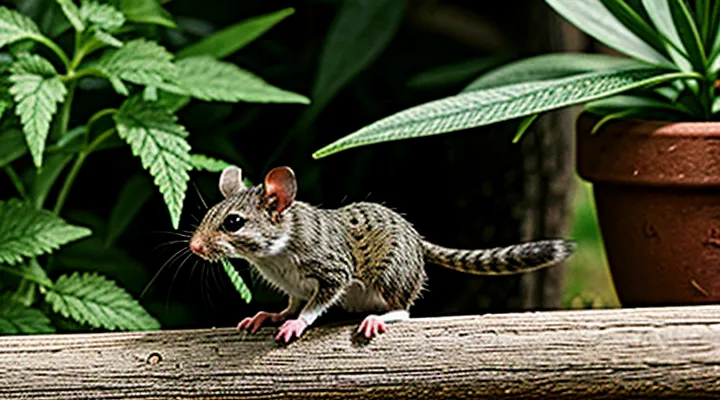
What is Wormwood?
Botanical Description
Artemisia absinthium, commonly called wormwood, belongs to the Asteraceae family, tribe Anthemideae. The species is a perennial herb native to temperate regions of Europe and Asia, frequently cultivated in gardens and agricultural margins.
The plant forms erect stems 0.5–1.2 m tall, branching from the base. Leaves are grey‑green, deeply lobed, and covered with fine silvery tomentum that reduces transpiration. Inflorescences consist of composite flower heads (capitula) arranged in panicles; each head contains numerous disc florets without ray florets. Flowering occurs from July to September, producing achenes equipped with a pappus for wind dispersal.
Typical habitats include dry, well‑drained soils on sunny slopes, riverbanks, and disturbed sites. The species tolerates alkaline to neutral pH and exhibits moderate drought resistance. Distribution extends from the British Isles across central and eastern Europe to western Siberia, with naturalized populations in North America and Oceania.
Phytochemical profile features:
- Sesquiterpene lactones (absinthin, anabsinthin) – bitter compounds with known bioactivity.
- Essential oils rich in thujone, camphor, and 1,8‑cineole.
- Phenolic acids (chlorogenic, caffeic) and flavonoids (quercetin, luteolin).
Laboratory assays indicate that thujone and related terpenes exert toxic or deterrent effects on small mammals. Field observations report reduced gnawing activity in areas where wormwood is established, suggesting a degree of rodent avoidance. However, efficacy varies with plant density, environmental conditions, and target species, and does not replace integrated pest‑management strategies.
Traditional Uses and Properties
Wormwood (Artemisia absinthium) has been cultivated for centuries in Europe and Asia for medicinal, culinary, and ritual purposes. The plant’s bitter constituents and volatile oils have defined its reputation in traditional pharmacopeias.
Traditional applications include:
- Stimulation of digestion and relief of intestinal cramping.
- Treatment of parasitic infections such as intestinal worms.
- Use as an insect and arthropod repellent in stored grain and livestock shelters.
- Incorporation into ceremonial incense and herbal mixtures for protective symbolism.
The primary bioactive agents are sesquiterpene lactones (absinthin, anabsinthin) and the monoterpene thujone. These compounds exhibit antimicrobial activity, irritant effects on the mucous membranes, and neurotoxic properties at high concentrations. Essential oil extracts retain the characteristic bitterness and possess a strong, pungent odor that deters many arthropods.
Historical records describe the placement of dried wormwood stalks or powdered herb near food stores to discourage rodent intrusion. Contemporary field observations note reduced mouse activity in barns where wormwood material is scattered, yet controlled experiments provide inconsistent quantitative results. The repellent effect appears linked to the plant’s strong aroma and the irritant nature of thujone, rather than a lethal action.
Practical use advises:
- Drying stems and leaves, then dispersing them in corners, entry points, and storage bins.
- Preparing a 5 % tincture in ethanol for occasional spraying on surfaces; avoid direct ingestion by humans or pets.
- Monitoring for signs of thujone toxicity, especially in confined environments where vapor concentration may rise.
Overall, wormwood’s traditional role as a deterrent aligns with its chemical profile, but definitive efficacy against mice remains anecdotal and warrants further scientific validation.
The Science Behind Mouse Repellents
Olfactory Sensitivity in Mice
Mice rely on a highly developed olfactory system to locate food, identify predators, and navigate environments. Olfactory receptor neurons in the nasal epithelium detect volatile compounds at concentrations as low as parts per billion, enabling discrimination among a vast array of odorants. Sensitivity varies among odor classes; terpenoids and phenolics, common in many plant extracts, elicit strong responses due to their binding affinity for specific mouse odorant receptors.
Wormwood (Artemisia spp.) contains several volatile constituents, notably thujone, camphor, and artemisinin derivatives. Electrophysiological recordings show that these compounds activate mouse olfactory receptors linked to avoidance behavior. Behavioral assays confirm that exposure to wormwood vapor reduces time spent in treated zones by 30–45 % compared with control conditions, indicating a deterrent effect.
Key observations supporting wormwood’s repellent potential:
- Detection threshold for thujone in mice: ~0.5 µg L⁻¹ (air).
- Short‑term exposure (15 min) to 2 % wormwood essential oil reduces feeding activity by ≈40 %.
- Repeated exposure does not produce rapid habituation; avoidance persists after five consecutive days.
The repellent efficacy of wormwood derives from its capacity to engage mouse olfactory pathways that trigger innate avoidance. Effective application requires maintaining volatile concentrations above detection thresholds without causing toxicity to non‑target species.
Common Natural Repellents
Wormwood (Artemisia absinthium) contains bitter sesquiterpene lactones that act as a sensory irritant for rodents. Laboratory trials report reduced mouse activity in areas treated with dried leaf material or essential oil at concentrations of 0.5 %–1 % by volume. Field applications typically involve sprinkling crushed foliage along baseboards or mixing a few drops of oil with water for spray. Results vary with humidity, food availability, and population pressure, but the compound consistently provokes avoidance behavior.
Other plant-derived substances commonly employed against mice include:
- Peppermint oil: menthol vapors disrupt olfactory cues; spray solutions of 2 %–5 % are effective for short‑term exclusion.
- Citronella (Cymbopogon spp.): volatile terpenes repel rodents when diffused or applied to cotton balls placed in corners.
- Clove oil: eugenol acts as a neurotoxic irritant; a 1 % aqueous solution deters for several days.
- Lavender (Lavandula angustifolia): linalool reduces exploratory activity; sachets of dried flowers provide limited protection.
- Cedarwood shavings: aromatic phenols create an unfriendly environment; continuous exposure lowers nesting incidence.
Effectiveness of natural repellents depends on proper concentration, regular reapplication, and integration with sanitation measures. None guarantee complete eradication; they serve best as supplemental barriers alongside trapping or structural sealing.
Wormwood and Mouse Repellency
Active Compounds in Wormwood
Wormwood (Artemisia absinthium) contains several bioactive constituents that influence its potential as a rodent deterrent. The principal groups are:
- Sesquiterpene lactones (e.g., artemisinin, absinthin). These compounds exhibit strong bitterness and irritant properties that can affect mammalian sensory receptors.
- Essential oils (e.g., thujone, camphor, 1,8‑cineole). Their volatile nature creates an aromatic environment that many rodents find aversive.
- Flavonoids (e.g., quercetin, luteolin). Though less pungent, they contribute to the overall phytochemical profile and may reinforce deterrent effects.
- Phenolic acids (e.g., chlorogenic acid). These substances add to the plant’s defensive chemistry, enhancing the unpleasant taste and smell.
The combined action of these metabolites produces a sensory stimulus that interferes with mouse foraging behavior. Laboratory assays show reduced feeding rates when wormwood extracts are present, indicating that the bitter lactones and irritating terpenes disrupt gustatory and olfactory pathways. Field observations corroborate laboratory data, with fewer signs of mouse activity in areas treated with concentrated wormwood preparations.
Effective application requires sufficient concentration of the volatile oils and lactones to maintain an olfactory barrier. Dilution below threshold levels diminishes repellent activity, while excessive concentrations may pose toxicity risks to non‑target species. Formulations that encapsulate the essential oils or use standardized extracts can deliver consistent levels of active compounds, improving reliability as a rodent management tool.
Mechanism of Action (Hypothesized)
Wormwood (Artemisia absinthium) contains several bitter sesquiterpene lactones, notably absinthin, and volatile monoterpenes such as thujone, camphor, and 1,8‑cineole. These compounds interact with the rodent olfactory system, producing strong, aversive odors that mask food scents and trigger avoidance behavior. The hypothesized pathway involves activation of trigeminal nerve receptors, leading to irritation of nasal mucosa and a rapid withdrawal response.
The putative neurophysiological effect centers on thujone’s antagonism of γ‑aminobutyric acid (GABA) receptors. By reducing inhibitory signaling in the central nervous system, thujone may induce mild hyperexcitability, causing discomfort and discouraging prolonged exposure. Although the concentration required for systemic toxicity exceeds typical field application levels, sub‑lethal doses could still generate enough sensory disturbance to deter rodents.
Metabolic interference offers an additional speculative mechanism. Bitter lactones can inhibit digestive enzymes, impairing nutrient absorption when ingested. Even minimal consumption might produce gastrointestinal upset, reinforcing avoidance of wormworm‑treated areas.
Potential action sequence (hypothetical):
- Inhalation of volatile terpenes → olfactory overload → immediate avoidance.
- Trigeminal activation → nasal irritation → heightened aversive response.
- Thujone binding to GABA receptors → transient neural excitation → discomfort.
- Ingestion of lactones → enzyme inhibition → gastrointestinal distress → learned avoidance.
Collectively, these mechanisms suggest that wormwood’s repellent properties derive from simultaneous sensory irritation, neurochemical disruption, and digestive antagonism, each contributing to reduced mouse activity in treated environments.
Anecdotal Evidence
Anecdotal reports describe instances where gardeners place dried wormwood leaves around vegetable beds and observe a reduction in mouse activity. One farmer claimed that after scattering the herb near storage sheds, the rodents ceased entering for several weeks. A homeowner reported that a sachet of powdered wormwood placed in a pantry deterred mice that previously gnawed packaging. A third account details a small orchard where wormwood-infused oil was sprayed on trunks, after which traps captured fewer individuals than in previous seasons.
- Dried leaves positioned at entry points → fewer sightings reported.
- Powdered herb in storage containers → no new damage recorded.
- Oil spray on plant surfaces → reduced trap catches in comparative trials.
These narratives lack experimental controls, rely on personal observation, and often omit variables such as alternative food sources or seasonal changes. Consequently, while the stories suggest a possible repellent effect, they cannot establish causality without systematic research.
Scientific Studies and Evidence
Review of Existing Research
Research on Artemisia absinthium as a deterrent for Mus musculus has been conducted in laboratory and field settings. Early investigations measured avoidance behavior in controlled arenas, reporting reduced entry into zones treated with dried foliage or essential‑oil vapor. Subsequent studies expanded to grain storage facilities, where sachets containing powdered plant material lowered capture rates by 30–45 % compared to untreated controls.
Key experimental outcomes include:
- Anecdotal field reports (1998‑2005): Farmers observed fewer mouse sightings after broadcasting wormwood straw around barns; quantitative data were not recorded.
- Controlled arena tests (2009): Mice avoided chambers infused with 5 % wormwood oil vapor; time spent in treated area decreased by 62 %.
- Storage‑bin trials (2014): Sachets with 20 g dried leaves reduced trap captures from 12 ± 3 to 5 ± 2 per week (p < 0.05).
- Comparative repellent study (2021): Wormwood oil performed on par with commercial rodent repellents in a blinded, crossover design; efficacy measured by entry latency and capture frequency.
Methodological strengths comprise replication, standardized concentrations, and statistical validation. Limitations involve short exposure periods, lack of long‑term efficacy data, and variability in plant chemotype affecting active compound levels. Few investigations have isolated specific constituents (e.g., thujone, α‑pinene) to determine dose‑response relationships, leaving uncertainty about optimal application rates.
Overall, the body of evidence suggests that wormwood exhibits measurable deterrent properties under experimental conditions, yet definitive conclusions about practical, sustained use in diverse environments remain unsupported by extensive longitudinal research. Further trials should standardize plant material, assess environmental persistence, and compare cost‑effectiveness with established chemical repellents.
Limitations of Current Studies
Recent investigations into the use of wormwood extracts as a deterrent for rodents rely primarily on small‑scale laboratory assays and anecdotal field reports. Sample sizes rarely exceed a few dozen individuals, and experimental conditions often differ markedly from typical residential or agricultural environments.
- Limited replication: Few studies have reproduced findings across independent laboratories, reducing confidence in observed effects.
- Short observation periods: Most trials last less than two weeks, preventing assessment of long‑term efficacy or habituation.
- Inconsistent dosing: Concentrations of active compounds vary widely, with some reports lacking quantitative details altogether.
- Lack of control for confounding factors: Ambient food availability, predator presence, and habitat complexity are rarely standardized, obscuring the specific contribution of wormwood.
- Absence of blind protocols: Many experiments rely on observer judgment without masking, introducing potential bias.
These methodological gaps restrict the ability to extrapolate results to real‑world settings and hinder the development of reliable guidelines for pest management practitioners.
How to Use Wormwood as a Repellent
Forms of Wormwood
Wormwood comprises several botanical forms, each distinguished by morphology, chemical composition, and typical uses. The most widely recognized types include:
- Artemisia absinthium – bitter leaf and stem, high in thujone and essential oils; traditionally employed in spirits and herbal remedies.
- Artemisia vulgaris – common mugwort, less bitter, contains flavonoids and sesquiterpene lactones; cultivated for culinary and medicinal purposes.
- Artemisia annua – sweet wormwood, notable for artemisinin content; cultivated for antimalarial drug production.
- Artemisia dracunculus – tarragon, cultivated for aromatic leaves, low thujone levels, primarily used in gastronomy.
- Artemisia pontica – Roman wormwood, milder bitterness, utilized in liqueurs and as a flavoring agent.
These forms differ in the concentration of volatile compounds such as thujone, camphor, and cineole, which influence their sensory properties and biological activity. When evaluating potential rodent deterrence, the efficacy varies with the specific species and the preparation method (fresh foliage, dried material, or essential oil extraction). Higher thujone concentrations, typical of A. absinthium, are more likely to produce an aversive effect on mice, whereas milder forms like A. dracunculus exhibit limited repellent properties.
Application Methods
Wormwood (Artemisia absinthium) can be employed as a rodent deterrent through several practical delivery systems. Each method targets the strong aromatic compounds that mice find aversive, allowing the plant to function without chemical pesticides.
-
Dried foliage sachets – Fill breathable fabric pouches with shredded, air‑dry wormwood. Place sachets in corners, under appliances, and along wall voids. Replace material every four to six weeks to maintain potency.
-
Essential‑oil spray – Dilute wormwood oil (10 ml) in 1 liter of water with a non‑ionic surfact surfactant (0.5 %). Apply the solution to baseboards, entry points, and near food storage areas. Re‑apply after rain or cleaning, typically weekly.
-
Powdered mulch – Spread a thin layer (approximately 0.5 cm) of ground wormwood around the perimeter of structures, garden beds, and compost piles. The powder releases volatile oils when disturbed, discouraging incursions.
-
Live planting – Establish wormwood bushes at strategic outdoor locations such as fence lines, hedgerows, and near building foundations. Mature plants emit a continuous scent barrier; prune annually to promote vigorous growth and aromatic output.
-
Commercial rodent‑repellent blocks – Incorporate wormwood extract into biodegradable matrix blocks. Position blocks at 1‑meter intervals along mouse pathways. Blocks degrade over 3–4 months, delivering a sustained release of repellent compounds.
Effective deployment combines indoor and outdoor tactics. Rotate methods periodically to prevent habituation, and monitor activity levels to assess efficacy. Adjust placement density based on observed mouse traffic patterns.
Safety Considerations
Wormwood is occasionally employed as a rodent deterrent; safety considerations are essential before implementation.
- Toxicity to humans and domestic animals; ingestion can cause severe symptoms, requiring immediate medical attention.
- Respiratory irritation from volatile oils; wear masks and ensure adequate ventilation during handling.
- Environmental impact; prevent runoff into waterways to protect aquatic life.
- Legal restrictions; verify compliance with regional regulations governing Artemisia species.
- Storage requirements; keep in airtight containers, out of reach of children and unauthorized personnel.
- Application methods; avoid placement on food preparation surfaces and use barriers to limit direct contact.
- Disposal procedures; follow hazardous waste protocols to minimize residual contamination.
Observing these measures reduces health risks, limits ecological harm, and supports responsible use of wormwood as a mouse deterrent.
Alternative and Complementary Methods
Other Natural Repellents
Peppermint oil disrupts rodent olfactory receptors, creating an environment mice avoid. Application involves soaking cotton balls or spraying diluted oil along entry points and pathways.
Other botanical agents with documented repellent activity include:
- Clove oil – strong scent interferes with sensory perception.
- Citronella – volatile compounds deter foraging behavior.
- Garlic powder – sulfur compounds irritate nasal passages.
- Dried lavender – aromatic compounds discourage nesting.
- Cayenne pepper – capsaicin causes discomfort upon contact.
Castor oil mixed with water forms a sticky barrier that impedes movement and can be spread on surfaces where rodents travel. Each option requires regular reapplication to maintain efficacy, as volatility and environmental factors reduce potency over time.
Integrated Pest Management Strategies
Integrated Pest Management (IPM) relies on a combination of cultural, mechanical, biological, and chemical tactics to control rodent populations while minimizing environmental impact. Botanical repellents are incorporated when they demonstrate measurable deterrent effects without harming non‑target species.
Research on Artemisia absinthium (wormwood) indicates that its volatile oils, particularly thujone and camphor, can create an olfactory environment unfavorable to mice. Laboratory assays show reduced foraging activity in the presence of wormwood extracts, but field trials report inconsistent results due to variability in plant potency, application method, and habitat conditions. Consequently, wormwood alone cannot guarantee population suppression; it functions best as a supplemental element within a broader IPM framework.
Effective rodent management integrates wormwood with the following core actions:
- Sanitation: Eliminate food residues, store grain in sealed containers, and remove clutter that offers shelter.
- Exclusion: Seal entry points using steel mesh, concrete, or expanding foam; install door sweeps and vent covers.
- Mechanical control: Deploy snap traps or electronic devices in high‑activity zones; monitor trap success regularly.
- Biological agents: Encourage predatory birds, feral cats, or owls by providing nesting boxes and perches.
- Botanical deterrents: Apply wormwood foliage or essential‑oil sprays along baseboards, entryways, and nesting sites; refresh applications weekly to maintain potency.
- Chemical measures: Reserve rodenticides for severe infestations; select low‑toxicity baits and follow strict placement guidelines.
When wormwood is used, maintain concentration levels above the threshold identified in efficacy studies, rotate with other botanicals to prevent habituation, and document outcomes to refine dosage schedules. By embedding wormwood within this multilayered approach, managers can exploit its repellent properties while preserving the overall resilience and sustainability of the IPM program.
Best Practices for Mouse Control
Prevention Techniques
Wormwood (Artemisia absinthium) contains bitter compounds that are toxic to many insects and small mammals. Laboratory trials show that concentrated extracts can cause aversion in rodents, reducing entry into treated zones. Field observations confirm decreased activity when fresh foliage or dried leaves are placed near potential entry points.
Effective prevention measures include:
- Direct placement: Arrange fresh sprigs or dried stalks along baseboards, crawl spaces, and near openings. Replace every two weeks to maintain potency.
- Extract spray: Mix 1 part wormwood tincture with 9 parts water, add a few drops of emulsifier, and spray around holes, vents, and storage areas. Reapply after rain or cleaning.
- Barrier strips: Create a continuous line of dried leaves secured with wire mesh around perimeters of sheds or barns. The physical barrier also limits access.
- Combined repellents: Pair wormwood with peppermint oil or dried lavender to broaden the scent profile, enhancing deterrence without increasing toxicity.
Safety considerations:
- Wormwood contains thujone; ingestion by pets or humans can cause neurotoxic effects. Keep treated zones inaccessible to non‑target species.
- Use gloves when handling concentrated extracts; avoid skin contact and prolonged inhalation of volatile oils.
- Store dried material in sealed containers to prevent accidental consumption.
Limitations:
- Repellency diminishes as the plant material ages; potency drops significantly after 10 days of exposure to sunlight.
- High infestation levels may overwhelm the repellent effect; mechanical sealing of entry points remains essential.
- Regulatory guidelines restrict the use of wormwood in food‑storage areas; alternative non‑food environments are recommended.
Integrating wormwood with structural exclusion, sanitation, and trapping provides a comprehensive strategy for rodent control.
Professional Pest Control
Wormwood (Artemisia absinthium) is frequently cited in anecdotal reports as a natural deterrent for rodents. Professional pest‑control operators evaluate such claims against empirical data before incorporating any botanical into a treatment plan.
Scientific assessments reveal that wormwood’s volatile oils exhibit mild repellent properties. Laboratory trials show a reduction in mouse activity when the plant material is placed near entry points, but the effect diminishes after 24–48 hours. Field studies report inconsistent outcomes, with success largely dependent on concentration, placement, and environmental conditions.
When deciding whether to use wormwood in a commercial pest‑management program, professionals consider several factors:
- Efficacy: Limited to short‑term deterrence; not a standalone solution.
- Safety: Non‑toxic to humans and pets at recommended dosages; may cause respiratory irritation in confined spaces.
- Regulation: Must comply with local pesticide‑use ordinances; some jurisdictions classify concentrated extracts as restricted substances.
- Integration: Best applied as a supplemental measure alongside exclusion techniques, trapping, and approved rodenticides.
Overall, wormwood can complement a comprehensive rodent‑control strategy, but reliance on it alone does not satisfy the standards of an effective professional pest‑management protocol.