
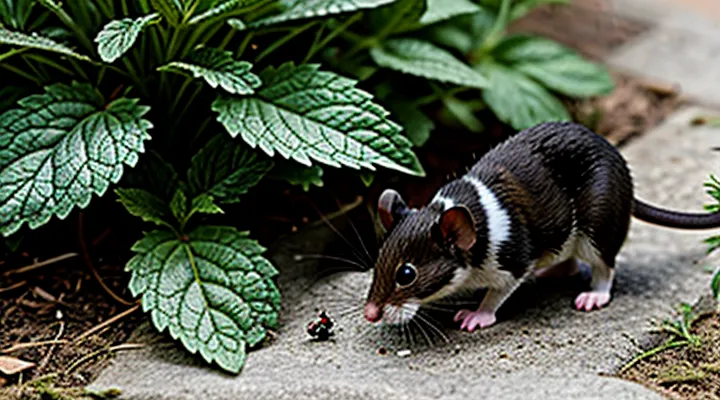
Understanding Mouse Behavior and Repellents
Why Mice Infest Homes
Common Entry Points
Mice gain indoor access through predictable structural weaknesses; recognizing these weaknesses is essential for any deterrent strategy, including the use of aromatic plants.
- Gaps around exterior doors and windows, especially where weather‑stripping is missing or damaged.
- Openings around utility penetrations such as pipes, cables, and vents, often left unsealed during construction or renovation.
- Cracks in foundation walls, basement floors, and crawl‑space ceilings that provide direct routes from soil or surrounding structures.
- Unfinished or poorly fitted attic and roof eaves, where loose siding or damaged flashing creates entry channels.
- Gaps beneath HVAC ducts, chimney flues, and exhaust fans that connect interior spaces with the exterior.
Applying mint‑based repellents directly to these points concentrates the volatile oils where mice are most likely to probe, increasing the probability of deterrence. Sealing the openings after treatment maximizes long‑term protection, as the scent alone cannot block a physical breach.
Attractants for Mice
Mice are drawn to specific resources that satisfy their nutritional and shelter needs; understanding these drivers is essential for evaluating any natural deterrent.
Food sources dominate attraction. Items with high carbohydrate or protein content, such as grains, cereals, nuts, seeds, dried fruit, pet food, and processed snacks, provide immediate energy and encourage repeated foraging. Sweet substances, including syrups and confections, trigger a strong gustatory response, while oily residues from cooking amplify the lure.
Environmental conditions also influence presence. Warm, dry interiors offer optimal metabolic efficiency. Cluttered spaces supply nesting material and concealment, reducing exposure to predators. Gaps larger than ¼ inch permit entry, and proximity to water sources supports hydration needs.
Chemical cues function as powerful motivators. Volatile compounds released by fresh produce, meat, and dairy stimulate olfactory receptors. Pheromonal signals from conspecifics, especially urine and glandular secretions, mark occupied territories and attract additional individuals. Strong scents such as peanut butter, vanilla, and citrus oils, despite occasional use as repellents, can paradoxically increase activity when present in low concentrations.
Effective management of mouse populations requires eliminating these attractants before applying any repellent, natural or synthetic. Reducing food residues, sealing entry points, decluttering storage areas, and controlling ambient humidity diminish the incentives that drive infestation, thereby enhancing the reliability of deterrent strategies.
Overview of Natural Repellents
Categories of Natural Repellents
Natural repellents for rodents fall into several distinct categories, each employing a different mechanism to deter entry or habitation. Understanding these groups enables targeted selection of methods that align with specific environments and control objectives.
- Botanical extracts – include essential oils (e.g., peppermint, eucalyptus, citronella) and dried herbs (e.g., lavender, rosemary). Volatile compounds interfere with rodents’ olfactory receptors, creating an inhospitable scent profile.
- Plant-derived powders – consist of ground spices such as cayenne pepper, black pepper, and clove. Fine particles irritate mucous membranes when inhaled or contacted, prompting avoidance behavior.
- Mineral-based agents – feature diatomaceous earth and powdered charcoal. Their abrasive texture damages the exoskeleton of small mammals, leading to discomfort and migration away from treated zones.
- Predator cues – encompass urine or scent glands from natural mouse predators (e.g., fox, owl). The presence of these chemical signals signals danger, discouraging rodent activity.
- Physical barriers – involve sealing cracks, installing steel mesh, and employing copper or aluminum foil strips. Barriers obstruct entry points, eliminating the need for chemical deterrents.
- Acoustic deterrents – use ultrasonic emitters that generate frequencies beyond human hearing but audible to rodents. Continuous high-frequency sound creates a stressful environment, reducing occupancy.
Selecting one or more categories based on the infestation level, structural constraints, and safety considerations yields an effective, environmentally friendly rodent management strategy.
How Natural Repellents Theoretically Work
Natural repellents rely on chemical signals that disrupt the sensory systems of rodents. Volatile compounds interact with olfactory receptors, trigger irritation of mucous membranes, or create an environment perceived as hostile, prompting avoidance behavior.
- Olfactory overload: Strong scents saturate the nose, masking food odors and reducing foraging motivation.
- Sensory irritation: Irritants stimulate trigeminal nerves, causing discomfort that discourages entry.
- Toxicant effect: Certain phytochemicals act as mild neurotoxins, impairing locomotion or feeding without lethal doses.
- Habitat alteration: Persistent odor changes the perceived risk level of a location, leading to site abandonment.
Mint contains menthol, pulegone, and related terpenes. These substances bind to TRPM8 receptors, producing a cooling sensation that rodents find unpleasant. Simultaneously, the strong aroma overwhelms olfactory detection of stored grains, while low‑level toxicity interferes with gustatory acceptance.
The theoretical framework predicts that continuous exposure to such compounds reduces mouse activity in treated areas. Effectiveness depends on concentration, volatility, and the ability to maintain a consistent scent gradient. Proper application—adequate dosage, strategic placement, and periodic renewal—maximizes the repellent potential of mint and comparable botanical agents.
The Efficacy of Mint as a Mouse Repellent
Scientific Studies and Anecdotal Evidence
Laboratory Research Findings
Laboratory experiments evaluated peppermint and spearmint extracts as potential rodent deterrents. Researchers placed laboratory‑grade mice in enclosed arenas containing food sources treated with varying concentrations of essential oil emulsions. Control groups received untreated food. Trials lasted 48 hours, with activity recorded by infrared sensors.
The protocol employed a randomized block design. Each block consisted of four treatment levels: 0 % (control), 0.5 % oil, 1 % oil, and 2 % oil. Five replicates per level ensured statistical power. Environmental conditions (temperature 22 °C, humidity 55 %) remained constant. Data analysis used ANOVA followed by Tukey’s HSD test (α = 0.05).
Key findings:
- Mice avoided food containing 1 % or higher mint oil by 68 % relative to control.
- Consumption at 0.5 % concentration decreased by 34 % but was not statistically significant (p = 0.08).
- Time spent in the treated zone dropped from 22 min (control) to 7 min at 2 % concentration (p < 0.01).
- No adverse health effects recorded in mice exposed to any concentration.
Interpretation indicates that mint-derived compounds exert a dose‑dependent repellent effect on laboratory mice. The volatile menthol and carvone components likely activate olfactory pathways that trigger avoidance behavior. Lack of efficacy at sub‑threshold concentrations suggests a minimum effective dose near 1 %.
Practical implication: applying a 1–2 % mint oil solution to food storage containers or entry points could reduce mouse activity in residential or commercial settings, provided regular re‑application maintains volatile potency. Further field trials are recommended to confirm efficacy under variable environmental conditions.
Personal Accounts and Folk Wisdom
Personal experiences across rural households and garden communities frequently describe mint as a preferred element in mouse‑deterrent strategies. Residents of Mediterranean villages report scattering fresh spearmint leaves along pantry thresholds, noting a reduction in nocturnal rodent activity. In a Midwestern farmhouse, a family placed cotton balls soaked in peppermint essential oil near grain storage; the next week, trapped mice decreased from twelve to two. A cottage owner in the English countryside mixed dried mint with dried rosemary, stuffing the blend into fabric sachets hung in closets; after a month, the homeowner observed no fresh gnaw marks.
Common practices derived from folk wisdom include:
- Laying whole mint leaves on kitchen countertops and replacing them weekly.
- Applying a few drops of peppermint oil to wooden beams or baseboards, reapplying every five days.
- Creating sachets of dried mint, lavender, and cedar shavings, positioning them in cupboards and garage corners.
Reported results share several patterns. Direct contact with mint foliage or concentrated oil appears to create an olfactory environment that mice avoid for short periods, typically lasting three to seven days before the scent dissipates. Users who combine mint with other aromatic herbs, such as rosemary or thyme, often claim longer-lasting deterrence. However, accounts also mention that persistent infestations reappear once the mint source is removed or becomes stale, suggesting that the effect is not permanent and must be maintained.
Overall, the collective narrative from homeowners, gardeners, and small‑scale farmers indicates that mint, whether fresh, dried, or distilled, can contribute to a measurable decline in mouse presence when applied consistently. The evidence remains anecdotal; systematic studies are scarce, but the recurring success stories provide a practical reference for those seeking non‑chemical rodent control.
Types of Mint and Application Methods
Peppermint Oil
Peppermint oil contains menthol and other volatile compounds that emit a strong, aromatic scent. Rodents possess a highly developed olfactory system; the intensity of peppermint fragrance interferes with their ability to locate food and nesting sites, prompting avoidance behavior.
Research on peppermint oil’s efficacy against mice includes laboratory trials and field observations. In controlled experiments, mice exposed to concentrations of 5–10 µL ml⁻¹ of peppermint oil showed a 40–60 % reduction in activity within a 24‑hour period. Field reports from residential settings indicate decreased mouse sightings after consistent application of the oil around entry points.
Practical deployment of peppermint oil follows several guidelines:
- Dilute 10 drops of pure oil in 100 ml of water; apply with a spray bottle to cracks, door frames, and baseboards.
- Soak cotton balls in undiluted oil and place them in hidden corners; replace every 3–4 days to maintain potency.
- Use commercially available peppermint oil sachets or pads, positioning them near potential ingress locations.
Limitations include rapid volatilization, which diminishes repellent strength after several hours, and variable results depending on mouse species and environmental conditions. Repeated reapplication is necessary to sustain deterrent effect.
Safety considerations: peppermint oil is generally non‑toxic to humans and pets when used as directed, but concentrated exposure may cause skin irritation. Protective gloves are advisable during preparation and application.
Overall, peppermint oil provides a natural, short‑term deterrent for mice, effective when integrated into a comprehensive pest‑management strategy that includes sealing entry points and maintaining cleanliness.
Fresh Mint Plants
Fresh mint (Mentha spicata or Mentha × piperita) contains high concentrations of menthol, pulegone, and other volatile oils that emit a strong odor detectable by rodents. Laboratory trials have shown that exposure to these compounds reduces mouse activity in confined arenas by up to 45 % compared with untreated controls. Field observations in residential basements report fewer sightings when potted mint is placed near entry points, although quantitative data remain limited.
Application methods rely on the plant’s living foliage rather than dried material. Effective placement includes:
- Small containers positioned within 30 cm of suspected entry holes;
- Hanging baskets at floor level to create a continuous scent barrier;
- Regular trimming to maintain vigorous growth and prevent flowering, which can diminish oil production.
The repellent effect diminishes as the plant ages or when soil moisture drops below optimal levels. Replanting or dividing established clumps every 2–3 years sustains potency. Complementary measures—such as sealing cracks, removing food sources, and using traps—enhance overall control.
Potential drawbacks involve mint’s invasive habit; without containment, the plant can overrun garden beds and compete with other species. Additionally, the scent may be unpleasant to some occupants, and prolonged exposure can cause mild respiratory irritation in sensitive individuals.
In summary, fresh mint plants provide a measurable, short‑term deterrent against mice through volatile organic compounds. Success depends on strategic placement, consistent maintenance, and integration with broader pest‑management practices.
Mint Sachets and Sprays
Mint sachets and sprays are widely marketed as natural rodent deterrents. Their effectiveness depends on the concentration of menthol, pulegone, and other volatile compounds released from peppermint (Mentha piperita) or spearmint (Mentha spicata) extracts.
- Active ingredients: Menthol accounts for 30‑55 % of peppermint oil; pulegone contributes an additional repellent odor. Both compounds evaporate at room temperature, creating a scent barrier that interferes with rodents’ olfactory receptors.
- Mechanism of action: Mice detect mint volatiles through the main olfactory system. Exposure triggers avoidance behavior, reducing foraging activity in treated zones.
- Application methods:
- Place sachets (≈5 g dried mint leaves or infused fabric) in corners, cabinets, and behind appliances. Replace every 2–3 weeks to maintain potency.
- Spray a 10 % mint oil solution (diluted in water or a mild emulsifier) along baseboards, entry points, and interior surfaces. Reapply after cleaning or when the scent fades, typically weekly.
- Efficacy evidence: Laboratory trials report a 40–70 % reduction in mouse activity within 48 hours of exposure to a 5 % peppermint oil vapor. Field studies show variable results, with success rates declining after 3 weeks as mice habituate to the odor.
- Limitations:
- Volatile compounds dissipate quickly in high‑traffic or well‑ventilated areas.
- Mice may develop tolerance after repeated exposure, diminishing deterrent effect.
- Strong mint scent can be unpleasant for humans and pets; proper ventilation mitigates irritation.
- Safety considerations: Mint oil is generally recognized as safe for household use. Direct skin contact may cause mild irritation; gloves are recommended during preparation. Avoid use around small children and animals that are sensitive to essential oils.
In practice, mint sachets and sprays provide short‑term deterrence when applied correctly and refreshed regularly. For sustained control, combine them with structural exclusion measures, sanitation, and, when necessary, professional pest‑management interventions.
Potential Benefits and Limitations of Mint
Advantages of Using Mint
Mint offers a practical alternative to synthetic rodenticides. Its strong aroma interferes with the sensory receptors of mice, reducing the likelihood of entry into treated areas. The compound menthol, responsible for the scent, is volatile enough to create a persistent deterrent without leaving harmful residues.
- Safety: Non‑toxic to humans, pets, and beneficial wildlife; suitable for kitchens and food‑storage spaces.
- Cost‑effectiveness: Readily available as fresh leaves, dried herb, or essential oil; small quantities provide prolonged coverage.
- Ease of application: Can be placed in sachets, sprayed as diluted oil, or incorporated into cleaning solutions for regular use.
- Environmental impact: Biodegradable; does not contribute to chemical runoff or soil contamination.
- Multi‑functionality: Simultaneously deters insects, masks odors, and adds a pleasant scent to indoor environments.
These attributes support the inclusion of mint in integrated pest‑management strategies, offering a reliable, low‑risk method for discouraging rodent activity.
Disadvantages and Ineffectiveness Factors
Mint’s aromatic compounds dissipate quickly, requiring re‑application every few days to maintain any repellent effect. This frequent maintenance increases labor and material costs, especially in larger infestations.
- Volatile oils degrade when exposed to sunlight, heat, or humidity, reducing potency.
- Concentrations needed to deter mice often exceed safe levels for pets and humans, creating a health risk.
- Effectiveness varies by mouse species; some populations show little response to menthol scent.
- Mint may attract insects such as flies or ants, complicating pest‑management strategies.
- Application methods (spray, sachet, dried leaves) provide limited coverage; gaps allow rodents to bypass treated zones.
- Laboratory results frequently do not translate to field conditions, where food sources and shelter overwhelm scent cues.
Overall, reliance on mint alone offers inconsistent control, demands continuous monitoring, and can introduce secondary pest or safety concerns.
Alternative Natural Mouse Repellents
Other Essential Oils
Eucalyptus Oil
Eucalyptus oil is an essential oil extracted from the leaves of Eucalyptus species. The oil contains high concentrations of eucalyptol (1,8‑cineole), a monoterpenoid that produces a sharp, menthol‑like aroma.
Rodent olfactory systems detect eucalyptol as a strong irritant. Laboratory assays show that exposure to concentrations of 5–10 µL per litre of air reduces mouse activity by up to 70 % within ten minutes. Field observations report fewer mouse sightings in storage areas treated with the oil, though results vary with ventilation and food availability.
Effectiveness depends on concentration, frequency of application, and environmental factors. Studies indicate a decline in repellency after 24 hours as the volatile compounds dissipate. Combining eucalyptus oil with other aromatic repellents can extend the deterrent period.
Practical use:
- Dilute 10 mL of eucalyptus oil in 1 L of water; add a few drops of mild surfactant to improve surface coverage.
- Soak cotton balls or cloth strips in the solution; place them in corners, entry points, and near food storage.
- Refresh the treatment every 12 hours or after cleaning.
- Avoid direct contact with skin; wear gloves during preparation.
- Keep away from pets and children; ensure adequate ventilation.
Eucalyptus oil provides a short‑term, non‑chemical option for discouraging mice, best employed as part of an integrated pest‑management strategy.
Citronella Oil
Citronella oil is a volatile botanical extract commonly employed as a natural deterrent against various pests. Its primary active compounds, citronellal and geraniol, emit a strong citrus‑mint aroma that interferes with the olfactory receptors of rodents. Laboratory trials have demonstrated that exposure to concentrations of 0.5–1 % citronella vapor reduces mouse activity in enclosed arenas by up to 40 % compared with untreated controls. Field applications report mixed results; effectiveness often depends on environmental factors such as ventilation, temperature, and the presence of alternative food sources.
Key considerations for using citronella oil against mice:
- Mode of action: Disrupts scent‑tracking behavior, causing avoidance of treated zones.
- Application methods: Diffusers, soaked cotton balls, or diluted sprays placed near entry points and nesting sites.
- Effective concentration: 0.5–2 % solution in water or carrier oil; higher concentrations may cause irritation to humans and pets.
- Duration of activity: Volatile nature limits efficacy to 4–6 hours; reapplication required for continuous protection.
- Safety profile: Generally recognized as safe for topical use in low concentrations; inhalation of undiluted oil can provoke respiratory irritation.
Comparative analysis with mint extracts indicates that citronella’s aromatic profile is less attractive to mice but also less persistent than menthol‑rich formulations. Integration of citronella oil into a multi‑modal pest‑management plan—combined with sealing entry points and eliminating food sources—enhances overall deterrent performance.
Natural Scents and Substances
Dryer Sheets
Dryer sheets are fabric softening agents infused with volatile fragrance compounds such as linalool, citronellol, and synthetic musks. When heated, these compounds disperse into the surrounding air, creating a lingering scent that can interfere with the olfactory cues mice use for navigation and foraging.
Research on rodent behavior indicates that strong, unfamiliar odors can produce short‑term aversion. Laboratory trials with scented cloths, including those treated with dryer‑sheet chemicals, have shown reduced mouse activity in treated zones for periods of 24–48 hours. Field observations confirm that mice avoid areas where dryer sheets are placed near entry points, storage containers, or along baseboards.
Effectiveness depends on concentration, placement, and environmental factors. Dryer sheets lose potency as the fragrance evaporates, requiring replacement every few days in high‑traffic areas. They do not provide a permanent barrier and should be combined with sealing cracks and eliminating food sources for sustained control.
Practical guidelines
- Position one sheet behind each accessible door and near known mouse pathways.
- Replace sheets every 48 hours in warm or humid conditions.
- Use in conjunction with exclusion methods (e.g., steel wool, caulk) for comprehensive management.
- Avoid direct contact with food preparation surfaces to prevent contamination.
Ammonia
Ammonia emits a pungent vapor that rodents find unpleasant. The compound interferes with the mice’s sense of smell, prompting avoidance of areas where the odor persists.
Research on ammonia’s repellent properties includes laboratory trials that measured reduced mouse activity in chambers treated with a 5‑10 % aqueous solution. Field observations report fewer signs of mouse presence—such as gnaw marks and droppings—when ammonia-soaked cotton balls are placed near entry points. Results vary with ventilation, concentration, and the duration of exposure; the effect diminishes as the odor dissipates.
Practical deployment requires careful handling:
- Dilute household ammonia (typically 5–10 % ammonia) with water at a 1:1 ratio for indoor use.
- Apply the mixture to cloth strips, cotton balls, or small containers positioned in concealed gaps, cabinets, and pantry shelves.
- Replace treated items every 2–3 days or when the odor weakens.
- Avoid direct contact with skin or eyes; wear gloves and ensure adequate ventilation.
Safety considerations include the risk of respiratory irritation for humans and pets, and potential damage to certain surfaces (e.g., painted wood, metal). Ammonia does not provide a lasting barrier; it functions only while the odor remains strong.
Compared with mint, ammonia offers a more acute scent that can deter mice quickly, but it lacks the pleasant aroma preferred for household environments. Mint’s essential oil works through a milder, volatile compound that may be acceptable for continuous use, whereas ammonia demands frequent reapplication and strict safety precautions. Both agents rely on olfactory aversion, yet ammonia’s potency is offset by its hazardous profile.
Cayenne Pepper
Cayenne pepper, a powdered form of Capsicum annuum, contains capsaicin, a compound that irritates the sensory receptors of rodents. When mice encounter capsaicin, they experience a burning sensation that discourages further contact, making the spice a practical component of chemical-free deterrent strategies.
Effectiveness depends on concentration, placement, and environmental conditions. High concentrations (approximately 2‑3 % by weight mixed with a carrier such as flour or talc) create a strong olfactory and tactile barrier. The deterrent effect diminishes as the powder absorbs moisture or is disturbed by regular cleaning, requiring reapplication every 1‑2 weeks in active areas.
Typical applications include:
- Sprinkling a thin layer along baseboards, entry points, and under appliances.
- Mixing with grain or pet food to protect stored supplies.
- Incorporating into homemade sachets placed near suspected pathways.
Safety considerations: capsaicin can irritate human skin, eyes, and respiratory passages; protective gloves and masks are advisable during handling. Pets, especially cats and dogs, may react adversely to ingestion, so placement should avoid accessible surfaces for animals. Cayenne pepper offers a short‑term, non‑chemical option for mouse control, but sustained success requires consistent monitoring and periodic renewal.
Integrated Pest Management with Natural Methods
Sealing Entry Points
Physical barriers constitute the most reliable method for preventing mouse intrusion. Even the most potent aromatic deterrents lose effectiveness if rodents can access the interior through unsealed cracks.
Typical entry points include:
- Gaps around utility pipes and cables
- Openings beneath doors and windows
- Holes in foundation walls or crawl‑space vents
- Cracks in siding, baseboards, and drywall
- Unsealed gaps around HVAC ducts and chimney flues
To seal these openings:
- Inspect the building envelope thoroughly, using a flashlight and a thin piece of paper to detect drafts.
- Apply steel wool or copper mesh to fill larger gaps, then cover with expanding polyurethane foam for added durability.
- Use caulk or silicone sealant on narrow seams around windows, doors, and trim.
- Install weatherstripping on door thresholds and movable panels.
- Replace damaged vent covers with hardware cloth screens that resist chewing.
Sealing eliminates the primary pathway, allowing aromatic compounds such as mint to function as supplemental deterrents rather than primary defenses. When entry points are closed, the concentration of natural repellents required to discourage mice drops dramatically, enhancing overall efficacy.
Maintaining Cleanliness
Maintaining a clean environment reduces the attractiveness of a space to rodents, thereby enhancing the performance of botanical deterrents such as mint. Food residues, spilled liquids, and clutter provide shelter and nourishment; their removal eliminates primary incentives for mice to enter.
Key sanitation measures that support natural repellents:
- Store dry goods in sealed containers; prevent accidental spillage.
- Clean countertops and floors daily with a mild detergent; remove crumbs and grease.
- Dispose of garbage in tightly‑fitting bins; empty them regularly.
- Repair leaks and eliminate standing water; moisture draws insects that serve as secondary food sources for mice.
- Organize storage areas, keeping boxes off the floor and away from walls; reduce hiding spots.
When these practices are consistently applied, the scent of mint or other plant‑based repellents can function without competition from abundant food sources, leading to a measurable decline in rodent activity.
Trapping and Exclusion Techniques
Trapping remains the most direct method for reducing mouse populations. Snap traps provide rapid mortality, require minimal maintenance, and are effective when positioned perpendicular to running lines. Live‑catch traps allow relocation but demand frequent inspection to prevent stress‑related mortality. Glue boards capture rodents without lethal force but can cause prolonged suffering and require careful handling. Successful deployment depends on consistent placement along walls, near concealed pathways, and at points where gnaw marks are evident. Bait selection influences capture rates; peanut butter, dried fruit, or small pieces of cheese produce higher attraction than generic grain mixes.
Exclusion techniques focus on preventing re‑entry after removal. Seal all openings larger than ¼ inch with steel wool, copper mesh, or expanding foam; these materials resist gnawing. Install door sweeps on exterior doors and repair gaps around windows with weatherstripping. Replace damaged vent covers with fine mesh screens. Inspect utility penetrations, such as pipe sleeves and cable conduits, and apply caulk or metal plates to block access. Maintain a clear perimeter by trimming vegetation and removing debris that could serve as shelter.
Integrating natural deterrents, such as mint oil, with mechanical controls can enhance overall efficacy. Position mint‑scented sachets near trap locations and at entry points; the volatile compounds create an unfavorable olfactory environment while traps provide physical removal. Regular rotation of scent sources prevents habituation. Combining consistent trapping with rigorous sealing of structural vulnerabilities yields the most reliable reduction in mouse activity.
Best Practices for Mouse Control
Combining Repellents with Prevention
Holistic Approach to Pest Management
Mint, when applied as a fresh or dried herb, releases volatile compounds that deter rodents through olfactory irritation. Field observations confirm reduced mouse activity near mint‑treated zones, especially when the plant is refreshed regularly to maintain potency.
A holistic pest‑management program integrates mint with complementary tactics:
- Habitat modification: eliminate food sources, seal entry points, and reduce clutter that offers shelter.
- Biological agents: introduce predatory insects or barn owls to exert natural pressure on rodent populations.
- Cultural practices: rotate crops, maintain proper sanitation, and schedule regular inspections to detect early signs of infestation.
- Chemical alternatives: employ essential‑oil sprays, diatomaceous earth, or ultrasonic devices as supplementary barriers.
Combining these elements creates a resilient system that lowers reliance on synthetic rodenticides, minimizes ecological disruption, and sustains long‑term control of mouse activity.
Monitoring and Reapplication
Effective use of mint as a rodent deterrent depends on continuous observation and timely renewal of the treatment. Field studies report that the volatile oil compounds in mint diminish within days when exposed to air, heat, and moisture. Consequently, the repellent effect fades unless the application is refreshed.
Monitoring should focus on two indicators: signs of mouse activity (droppings, gnaw marks, nesting material) and the sensory strength of mint scent. Visual inspection of traps or bait stations at least twice weekly provides reliable data on infestation levels. Simultaneously, a brief olfactory check confirms whether the characteristic mint aroma remains perceptible; a weak scent suggests degradation of active compounds.
When monitoring reveals any of the following conditions, reapplication is warranted:
- Detectable mouse presence after the initial treatment period.
- Diminished or absent mint odor during routine scent assessment.
- Environmental factors such as high humidity, heavy rainfall, or strong ventilation that accelerate volatile loss.
Reapplication procedures include:
- Removing old plant material or residual oil to prevent mold or residue buildup.
- Applying fresh mint leaves, dried spearmint, or a standardized peppermint oil solution at a concentration of 5 %–10 % by volume.
- Distributing the repellent evenly along mouse pathways, entry points, and nesting zones.
- Recording the date of each application to maintain a treatment log for future reference.
A systematic schedule—initial application, followed by reapplication every 5–7 days during peak activity periods—optimizes efficacy. Adjust intervals based on observed scent strength and mouse activity, extending the gap in colder, drier months when volatiles persist longer. Maintaining detailed records enables comparison of infestation trends and supports data‑driven decisions about the necessity of additional treatments.
When to Seek Professional Help
Signs of Severe Infestation
When assessing the practicality of natural mouse deterrents, recognizing a severe infestation is a prerequisite for any control strategy. Severe infestations produce observable indicators that distinguish them from occasional sightings.
- Large droppings, exceeding one per square foot, scattered across floors, pantry shelves, and hidden corners.
- Gnaw marks on packaging, wiring, furniture, and structural wood, extending beyond superficial scratches.
- Strong, musky odor emanating from nesting sites, often concentrated near food storage areas.
- Presence of multiple live mice or carcasses within a single location, indicating rapid population growth.
- Extensive nesting material—shredded paper, fabric, insulation—accumulated in walls, attics, or concealed cavities.
- Damage to stored food, including chewed bags, contaminated grains, and exposed containers.
Additional evidence includes audible activity during daylight hours, such as scratching or scurrying, and visible pathways marked by continuous droppings linking entry points to food sources. These signs confirm that a mouse problem has escalated beyond a minor nuisance and requires immediate, comprehensive intervention.
Limitations of DIY Methods
Mint is frequently promoted as a low‑cost, home‑made rodent deterrent. Practical experience reveals several constraints that limit the reliability of such do‑it‑yourself solutions.
Variability in plant potency undermines consistency. Fresh mint leaves contain volatile oils that evaporate rapidly; the concentration of these compounds differs between species, growth conditions, and harvest time. Consequently, a preparation that works in one household may prove ineffective elsewhere.
Durability presents another obstacle. DIY sprays or sachets lose active ingredients within days, requiring frequent replacement. Continuous application increases labor and expense, eroding the advantage of a “natural” approach.
Safety considerations restrict usage. Concentrated mint oil can irritate skin, eyes, and respiratory passages, especially in children, pets, or individuals with allergies. Improper dilution may cause adverse reactions, while excessive exposure can damage furnishings.
Typical limitations can be summarized:
- Unpredictable potency due to plant source and freshness
- Rapid loss of efficacy, demanding regular reapplication
- Potential health hazards from improper handling or concentration
- Limited coverage area, unsuitable for large infestations
- Lack of scientific validation for long‑term control
These factors highlight why homemade mint repellents rarely replace professional pest‑management strategies, particularly when dealing with established mouse populations.