
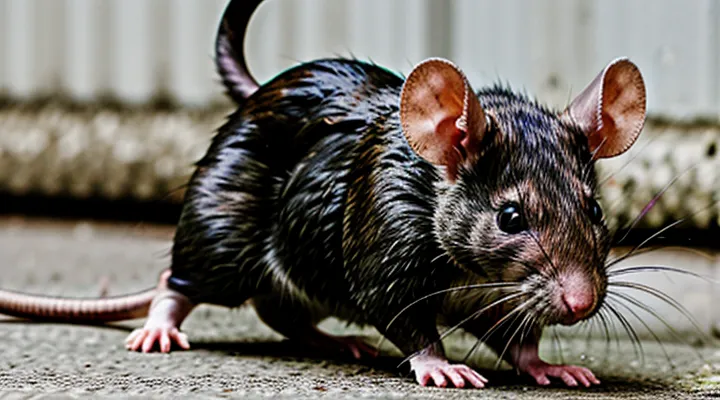
Understanding Rat Bites
The Immediate Sensation
Sharpness and Initial Pain
A rat’s incisors are continuously growing, self‑sharpening rods that maintain a razor‑thin edge. The enamel‑covered front edge slices through skin with minimal resistance, producing a clean puncture rather than a crushing wound. Because the bite is delivered by a single, narrow tooth rather than a broad jaw, the initial tissue disruption is limited to a small area.
When the tooth penetrates, sensory nerve endings in the epidermis and dermis are activated instantly. The resulting sensation is often described as a sharp, stabbing pain that peaks within seconds. The intensity depends on:
- Depth of penetration: deeper entry engages more nociceptors, increasing pain.
- Location on the body: areas with dense innervation (e.g., fingertips, face) produce stronger responses.
- Individual pain threshold: physiological variation alters perceived severity.
The combination of a finely honed incisor and rapid activation of cutaneous nerves creates a brief but distinct pain signal at the moment of the bite. Subsequent discomfort may subside as the wound closes, but the initial sharpness remains the primary source of immediate pain.
Duration of Acute Pain
A rat bite typically produces sharp, immediate pain that qualifies as acute nociceptive discomfort. The acute phase subsides rapidly once the mechanical stimulus ends, but the exact duration varies with several factors.
- Superficial puncture: pain diminishes within 5–15 minutes, may persist as mild throbbing for up to 30 minutes.
- Deep tissue involvement: intense pain can last 30 minutes to 2 hours, followed by a dull ache that may continue for 4–6 hours.
- Bite near highly innervated areas (e.g., fingers, face): pain often endures for 1–3 hours before significant relief.
- Presence of infection or rat‑bite fever: acute pain may transition to persistent soreness lasting 24 hours or more, accompanied by swelling and systemic symptoms.
Key determinants of pain duration include bite depth, anatomical site, individual pain threshold, and the rapidity of wound cleaning. Prompt decontamination and appropriate analgesia shorten the acute period, while delayed treatment prolongs discomfort and increases the risk of secondary complications.
Factors Influencing Pain Severity
Rat Species and Size
Rats encountered in residential and urban environments belong primarily to three species: the Norway (brown) rat, the roof (black) rat, and the house mouse, which, despite its name, is often grouped with rats in bite assessments. The Norway rat (Rattus norvegicus) reaches adult body lengths of 20–25 cm, tail lengths of 18–25 cm, and weights between 250–500 g. The roof rat (Rattus rattus) is smaller, with body lengths of 15–20 cm, tail lengths of 18–25 cm, and weights of 150–250 g. The house mouse (Mus musculus) averages 6–10 cm in body length, tail 5–10 cm, and weight 15–30 g.
Size directly influences the mechanical force a bite can deliver. Larger specimens possess stronger jaw muscles and larger incisors, resulting in higher bite pressure. Consequently, a Norway rat bite can produce deeper puncture wounds and more intense nociceptive response than a roof rat, while a house mouse bite typically causes superficial abrasion with minimal pain.
Key parameters affecting bite discomfort include:
- Jaw musculature mass: proportional to overall body weight.
- Incisor length: longer teeth penetrate deeper tissue.
- Bite duration: brief, high‑force bites generate sharper pain spikes.
- Salivary composition: similar across species, contributes little to pain level.
Understanding these species‑specific dimensions allows accurate prediction of injury severity when assessing whether a rat bite is likely to be painful.
Depth and Location of the Bite
A rat bite can produce varying levels of discomfort depending on how deeply the incisors penetrate the skin and where the wound occurs.
- Superficial puncture: tissue damage limited to the epidermis and upper dermis; pain is sharp but brief, often described as a mild sting.
- Moderate penetration: involvement of the full dermis and subcutaneous fat; pain intensifies, may include throbbing sensations and swelling.
- Deep injury: breach of muscle or tendon layers; pain is pronounced, may be accompanied by loss of function, and the wound often bleeds heavily.
Typical bite sites influence the perceived intensity:
- Fingers and hands: dense concentration of sensory nerves; even shallow bites can feel severe.
- Face and ears: high nerve density and thin skin increase sensitivity; bites may cause immediate, intense pain.
- Forearms and legs: thicker skin and more subcutaneous tissue can moderate pain, though deep bites still generate strong discomfort.
Deeper penetration and locations rich in nerve endings correlate with higher pain scores, faster onset of swelling, and greater risk of infection. Prompt assessment of bite depth and anatomical site guides appropriate medical response and pain management.
Individual Pain Threshold
A rat’s incisors can puncture skin with a force that triggers the nervous system, yet the sensation experienced differs markedly from person to person. The variability stems from the individual pain threshold, the level of stimulus required for a nerve fiber to generate a conscious pain signal.
The pain threshold reflects the balance between peripheral nociceptors, spinal modulation, and cortical interpretation. Genetic makeup determines baseline receptor density and neurotransmitter availability; ongoing physiological processes adjust that baseline throughout life.
- Genetic predisposition influencing receptor expression
- Age‑related changes in nerve conduction velocity
- Presence of chronic conditions (e.g., diabetes, neuropathy)
- Psychological state (stress, anxiety, prior trauma)
- Recent exposure to analgesics or anesthetics
Quantitative assessment employs calibrated pressure algometers, thermal grills, and electrical stimulation devices. Results are expressed as the minimal intensity that elicits a reliable pain report, typically measured in kilopascals, degrees Celsius, or milliamperes.
When evaluating a rat bite, clinicians must consider the patient’s threshold to differentiate between superficial puncture pain and deeper tissue injury. Low‑threshold individuals may report severe discomfort from a minor wound, prompting aggressive wound management and infection prophylaxis. High‑threshold individuals might underestimate injury severity, risking delayed treatment.
Effective care therefore integrates threshold data with wound inspection, bacterial risk assessment, and tetanus status, ensuring that pain perception guides, but does not replace, objective clinical judgment.
Beyond the Initial Pain
Potential Complications
Risk of Infection
Rat bites frequently transmit microorganisms that can lead to serious illness. The wound creates a direct pathway for pathogens residing in the animal’s oral cavity and skin.
Common agents associated with rat‑bite infections include:
- Streptobacillus moniliformis (rat‑bite fever)
- Spirillum minus (Sodoku disease)
- Bartonella species
- Leptospira spp.
- Rickettsia spp.
- Various Staphylococcus and Streptococcus strains
- Hepatitis E virus (in regions where rodents serve as reservoirs)
Typical clinical manifestations appear within 2 – 14 days and may involve fever, chills, headache, myalgia, arthralgia, and a rash. Progression can lead to septic arthritis, endocarditis, meningitis, or renal impairment, depending on the organism.
Immediate management steps:
- Clean the wound with sterile saline; scrub for at least 30 seconds.
- Apply an antiseptic solution (e.g., povidone‑iodine).
- Seek medical evaluation promptly.
- Initiate empiric antibiotic therapy as guided by local protocols (often doxycycline or a β‑lactam combined with a macrolide).
- Obtain cultures if possible; adjust treatment based on susceptibility results.
Preventive measures focus on reducing exposure and prompt wound care:
- Avoid handling wild or feral rats without protective gloves.
- Secure food storage to deter rodent infestations.
- Maintain sanitation to limit rodent populations in residential and occupational settings.
- Ensure tetanus immunization is up to date.
Bacterial Infections
Rat bites can introduce a range of bacterial pathogens that cause infection beyond the initial puncture pain. The most frequently isolated organisms include:
- Streptobacillus moniliformis – agent of rat‑bite fever; fever, rash, arthralgia develop 2–10 days after the bite.
- Spirillum minus – responsible for a milder, chronic form of rat‑bite fever; symptoms may be delayed up to several weeks.
- Staphylococcus aureus – common skin colonizer; can lead to cellulitis, abscess formation, or systemic spread if untreated.
- Pasteurella multocida – occasionally present in rodent oral flora; produces rapid soft‑tissue infection with purulent discharge.
Typical signs of bacterial involvement appear within 24–48 hours: increasing redness, swelling, warmth, and pain at the wound site, often accompanied by fever or chills. Progression to septic arthritis or osteomyelitis occurs when pathogens invade deeper tissues, especially in immunocompromised individuals.
Management requires prompt wound cleansing with antiseptic solution, removal of any devitalized tissue, and empirical antibiotic therapy covering the above organisms. Preferred regimens include:
- Penicillin or ampicillin for Streptobacillus moniliformis and Spirillum minus.
- Cephalexin or clindamycin for Staphylococcus aureus, with consideration of MRSA coverage (e.g., trimethoprim‑sulfamethoxazole) when risk factors exist.
- Doxycycline for mixed infections or when patient allergy to β‑lactams limits options.
Culture of the bite wound or blood is advisable when systemic symptoms arise, but treatment should not be delayed pending results. Tetanus prophylaxis must be assessed according to immunization history.
Prevention focuses on minimizing exposure to rodents, using protective gloves during handling, and immediate decontamination of any bite. Education on proper wound care reduces the likelihood of serious bacterial complications.
Rabies and Other Diseases
A rat bite can introduce pathogens directly into the bloodstream, making infection a primary concern. The most serious viral threat is rabies, although it is rare in rodents. Rabies virus replicates in peripheral nerves before reaching the central nervous system, leading to neurological failure and death if untreated. Post‑exposure prophylaxis—immediate wound cleansing, rabies immunoglobulin, and a vaccine series—remains the only proven intervention.
Other infectious agents associated with rat bites include:
- Streptobacillus moniliformis – causes rat‑bite fever; symptoms appear within 3–10 days and may involve fever, rash, polyarthritis, and septicemia.
- Leptospira spp. – responsible for leptospirosis; incubation ranges from 2 days to 4 weeks, presenting with fever, headache, muscle pain, and, in severe cases, renal or hepatic failure.
- Hantavirus – transmitted through aerosolized rodent excreta but occasionally reported after bites; can lead to hemorrhagic fever with renal syndrome or hantavirus pulmonary syndrome.
- Bartonella spp. – linked to cat‑scratch disease but documented in rat exposures; may cause prolonged fever and lymphadenopathy.
Effective management begins with thorough irrigation of the wound using soap and water, followed by antiseptic application. Antibiotic therapy—typically doxycycline or penicillin—targets bacterial agents, while tetanus immunization should be updated according to standard schedules. Monitoring for signs of systemic infection, such as fever, swelling, or joint pain, is essential during the first two weeks after injury.
Preventive measures focus on minimizing contact with wild or feral rats, securing food storage, and employing integrated pest‑management strategies. When handling laboratory or pet rats, use protective gloves and practice strict hygiene to reduce the risk of bite‑related disease transmission.
Nerve Damage and Scarring
A rat bite can penetrate skin, muscle, and peripheral nerves. Direct trauma to a nerve fiber may cause immediate loss of sensation, tingling, or sharp shooting pain in the affected area. Damage can be classified as:
- Neurotmesis: complete transection of the nerve, resulting in total loss of motor and sensory function.
- Axonotmesis: disruption of the axon while the connective tissue sheath remains intact, leading to gradual loss of function that may recover with proper care.
- Neuropraxia: temporary conduction block without structural damage, typically producing brief numbness that resolves within days.
Inflammatory response to the bite introduces bacterial contaminants, increasing the risk of secondary infection. Persistent inflammation promotes fibroblast activity, which deposits collagen and forms scar tissue. Scar tissue can tether surrounding structures, restrict movement, and compress residual nerve fibers, prolonging pain and functional impairment.
Effective management includes:
- Immediate irrigation with sterile saline to reduce bacterial load.
- Administration of broad‑spectrum antibiotics targeting common rodent pathogens (e.g., Streptobacillus moniliformis).
- Analgesic therapy to control acute nociception.
- Assessment of nerve integrity; surgical exploration may be required for neurotmesis.
- Post‑injury physiotherapy to maintain range of motion and prevent contracture.
- Scar management using silicone gel sheeting or pressure therapy to minimize hypertrophic formation.
Long‑term follow‑up should monitor for chronic neuropathic pain, sensory deficits, and abnormal scar growth. Early intervention improves the likelihood of nerve regeneration and limits permanent disfigurement.
What to Do After a Rat Bite
First Aid Steps
A rat bite can cause sharp, localized pain that may intensify as swelling develops. The puncture wounds often penetrate deep tissue, increasing the risk of infection and tissue damage. Prompt treatment reduces discomfort and prevents complications.
- Wash the area with running water and mild soap for at least 30 seconds.
- Apply gentle pressure with a clean cloth to stop bleeding.
- Disinfect the wound using an antiseptic solution such as povidone‑iodine or hydrogen peroxide.
- Cover the bite with a sterile, non‑adhesive dressing to protect against contaminants.
- Seek medical evaluation within 24 hours; a healthcare professional may prescribe antibiotics, tetanus prophylaxis, or rabies post‑exposure treatment based on exposure risk.
Monitor the site for signs of infection—redness spreading beyond the wound, increased warmth, pus, or fever. If any of these symptoms appear, obtain medical care immediately. Early intervention limits pain and supports faster recovery.
When to Seek Medical Attention
A rat bite can cause sharp, burning pain, swelling, and puncture wounds that may deepen quickly. The injury often introduces bacteria from the animal’s mouth, increasing the risk of infection and, in rare cases, disease transmission.
Seek professional medical care if any of the following occur:
- Pain intensifies or spreads beyond the bite site within a few hours.
- Redness expands, forms a streak, or is accompanied by warmth and swelling.
- Fever, chills, or general malaise develop.
- The wound is larger than a few millimeters, gapes open, or shows signs of necrosis.
- The bite occurred on the face, hands, feet, or near a joint.
- The individual has not received a tetanus booster within the past ten years.
- The rat’s health status is unknown, or there is a possibility of rabies exposure.
Immediate steps include thorough irrigation with clean water and mild soap, application of a sterile dressing, and prompt consultation with a healthcare provider. The provider may prescribe antibiotics, administer tetanus immunoglobulin, and evaluate the need for rabies prophylaxis. Early intervention reduces complications and promotes faster recovery.
Preventing Future Bites
Rats are attracted to food residues, shelter, and clutter. Removing these incentives reduces the likelihood of a bite.
Keep storage areas clean. Store food in sealed containers, dispose of waste daily, and clean spills promptly. Eliminate standing water and fix leaks. Declutter basements, attics, and garages; seal cracks, holes, and gaps in walls, floors, and foundations with steel wool and caulk.
When handling rodents, wear thick‑walled gloves and long sleeves. Use tools such as tongs or traps to avoid direct contact. If a rat must be moved, do so slowly to prevent defensive aggression.
Maintain a regular pest‑control schedule. Set snap traps or live‑catch traps along walls and in dark corners. Check traps daily and dispose of captured animals safely. Rotate trap locations to prevent habituation.
Educate household members, especially children, about rodent behavior. Instruct them not to approach or feed wild rats. Supervise pets that may chase rodents; keep cats indoors or confined to prevent confrontations.
If a bite occurs, clean the wound with soap and water, apply an antiseptic, and seek medical attention promptly. Follow up with a healthcare provider for tetanus vaccination status and possible antibiotic therapy.
By combining sanitation, physical barriers, protective equipment, and consistent monitoring, the risk of future rat bites can be effectively minimized.