
Understanding Mouse Bites
Types of Mice and Their Bites
Wild Mice
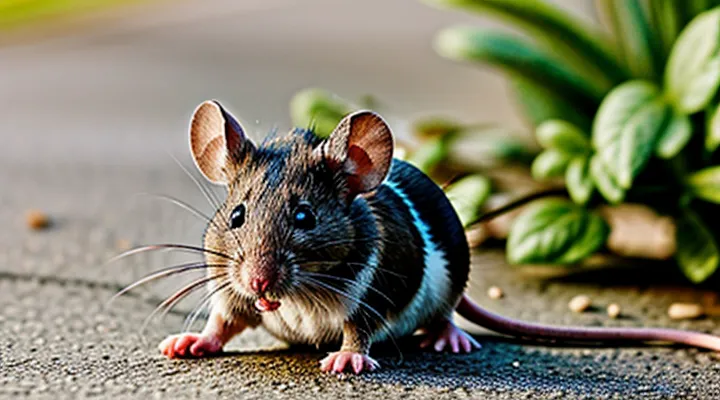
Wild mice are small rodents that inhabit fields, forests, and urban perimeters. Their teeth are sharp and capable of penetrating human skin, especially when the animal feels threatened or is handling food. The pain from a mouse bite varies with bite depth, location, and individual sensitivity, but it is generally described as sharp and immediate, followed by a throbbing sensation that can persist for several hours.
Typical clinical signs after a bite include:
- Localized redness and swelling
- Tenderness or pulsating pain
- Minor bleeding that stops quickly
- Possible development of a small ulcer or crusted wound within a day
Complications are uncommon but may arise if the wound becomes infected. Bacterial agents frequently associated with mouse saliva are Staphylococcus aureus, Streptococcus species, and Pasteurella spp. Infection indicators are increasing redness, warmth, pus formation, or fever. Prompt cleaning and, when necessary, medical evaluation reduce the risk of serious outcomes.
Preventive measures for reducing bite incidents are:
- Avoid direct handling of wild mice; use traps that limit human contact.
- Wear thick gloves if removal of mice from structures is unavoidable.
- Seal entry points in buildings to deter habitation.
- Maintain cleanliness in food storage areas to discourage attraction.
In summary, a bite from a wild mouse produces noticeable pain and may lead to infection if neglected. Immediate wound care and awareness of bacterial risks are essential for minimizing health impacts.
Pet Mice
Pet mice possess sharp incisors that can puncture skin, but the resulting discomfort is typically mild. The bite length rarely exceeds a few millimeters, and the force generated by a small rodent is limited by its jaw musculature. Consequently, most owners report a brief, stinging sensation rather than severe pain.
Factors influencing the intensity of a mouse bite include:
- Location of the bite – areas with dense nerve endings, such as fingertips, feel sharper than less sensitive skin on the forearm.
- Health of the mouse – stressed or ill individuals may bite more aggressively, increasing tissue damage.
- Owner’s pain threshold – individual variability determines perceived discomfort.
When a bite occurs, immediate cleaning with mild soap and water reduces the risk of infection. Applying an antiseptic and monitoring for redness, swelling, or prolonged tenderness is advisable. If symptoms persist beyond 24 hours, medical evaluation is recommended to rule out secondary infection.
Overall, a pet mouse bite seldom causes lasting harm. Proper handling techniques—supporting the animal, avoiding sudden movements, and respecting its natural defensive responses—minimize the likelihood of a bite and ensure a safe interaction for both companion and owner.
Laboratory Mice
Laboratory mice possess continuously growing incisors that sharpen by gnawing. Their bite force averages 0.5 N, considerably lower than that of larger rodents. Consequently, a bite typically punctures the skin without deep tissue disruption.
Human perception of a mouse bite includes a brief, sharp sensation followed by mild throbbing. The wound often presents as a small puncture with minimal bleeding. Infection risk rises when oral bacteria enter the site, especially if the animal carries Staphylococcus aureus or Pseudomonas species.
Effective response consists of:
- Immediate washing with soap and water for at least 30 seconds.
- Application of an antiseptic solution.
- Monitoring for redness, swelling, or fever over 48 hours.
- Seeking medical evaluation if signs of infection appear or if the bite occurs on the hand, face, or near a joint.
Preventive measures rely on proper restraint techniques, use of bite-resistant gloves, and regular health screening of the colony to reduce pathogen load.
The Immediate Sensation of a Mouse Bite
Initial Pain Level
A mouse bite typically produces a sharp, localized sensation that most people rate as mild to moderate on a standard pain scale. The initial discomfort often lasts only a few seconds before subsiding into a dull ache.
Key factors that influence the immediate pain level include:
- Bite location: areas with dense nerve endings, such as fingertips or lips, generate stronger sensations.
- Depth of penetration: deeper punctures involve more tissue disruption and heightened pain.
- Species and size of the rodent: larger or more aggressive mice can deliver stronger bites.
- Individual pain threshold: physiological and psychological differences affect perception.
Physiologically, the bite activates nociceptors in the skin, triggering a rapid release of neurotransmitters that signal pain to the brain. Within minutes, a mild inflammatory response begins, causing swelling and a lingering throbbing sensation that may persist for several hours.
Bleeding
A mouse bite can produce bleeding that contributes to the perception of pain. The puncture created by the incisors often severs small capillaries, resulting in a thin stream of blood that may be difficult to see but signals tissue disruption. Immediate bleeding indicates that the bite penetrated the dermis, where nerve endings are concentrated, amplifying discomfort.
Key aspects of bleeding after a mouse bite:
- Depth of penetration – deeper wounds breach more vessels, increasing blood loss and pain intensity.
- Location – bites on highly vascular areas (e.g., fingertips, face) generate more noticeable bleeding than those on less vascular skin.
- Coagulation response – rapid clot formation can limit blood flow, reducing ongoing irritation; delayed clotting prolongs both bleeding and soreness.
Persistent bleeding may suggest infection or a clotting disorder. In such cases, seek medical evaluation to prevent complications such as cellulitis or septicemia. Applying gentle pressure with a clean gauze for several minutes typically stops minor bleeding and lessens immediate discomfort.
Swelling and Redness
Swelling typically appears within minutes of a mouse bite and may enlarge over the first 24 hours. The tissue around the puncture becomes firm, indicating fluid accumulation and inflammatory response. Redness surrounds the swelling, often spreading outward as capillaries dilate. Both signs are immediate indicators of the body’s reaction to bacterial exposure and tissue injury.
- Mild swelling: limited to a few millimeters, resolves in 2–3 days with basic wound care.
- Moderate swelling: expands to a centimeter or more, persists 4–7 days, may be accompanied by throbbing discomfort.
- Severe swelling: rapidly enlarges, involves surrounding skin, lasts beyond a week, suggests infection and warrants medical evaluation.
Redness follows a similar pattern. Light pink coloration denotes normal inflammation; bright crimson or spreading erythema signals possible infection. Persistent redness, increasing warmth, or the presence of pus indicates bacterial involvement and requires professional treatment, such as antibiotics or tetanus prophylaxis.
Potential Health Risks and What to Do
Diseases Transmitted by Mice
Hantavirus
A mouse bite can cause localized soreness, but the primary health concern is the potential transmission of Hantavirus, a rodent‑borne pathogen. The virus is not typically spread through the act of biting; instead, it enters the body when aerosolized particles from rodent urine, droppings, or saliva are inhaled, or when contaminated material contacts mucous membranes or broken skin.
Transmission pathways include:
- Inhalation of dust contaminated with dried rodent excretions.
- Direct contact of infected fluids with open cuts or eyes.
- Rarely, a bite that breaks the skin and introduces virus‑laden saliva.
After exposure, the incubation period ranges from one to five weeks. Early signs consist of fever, muscle aches, and fatigue; severe cases progress to hantavirus pulmonary syndrome, characterized by rapid respiratory distress and high mortality without prompt medical care.
Preventive actions:
- Seal entry points to eliminate rodent access.
- Use protective gloves and masks when cleaning areas with visible droppings.
- Disinfect surfaces with bleach solutions (1 part bleach to 10 parts water).
- Avoid direct handling of live rodents without appropriate protective equipment.
If a bite occurs and the rodent is suspected of carrying Hantavirus, wash the wound thoroughly with soap and water, apply an antiseptic, and seek medical evaluation immediately. Early diagnosis and supportive treatment improve outcomes for hantavirus infections.
Lymphocytic Choriomeningitis Virus (LCMV)
A mouse bite can introduce Lymphocytic Choriomeningitis Virus (LCMV) into the wound, making the injury more than a simple puncture. The virus resides in the saliva, urine, and feces of infected rodents; transmission occurs when these materials contact broken skin or mucous membranes during a bite.
Clinical manifestations appear within 1–2 weeks after exposure. Common signs include:
- Fever and chills
- Headache
- Muscle aches
- Neck stiffness
- Confusion or lethargy in severe cases
Immunocompromised individuals and pregnant women face higher risk of complications, such as meningitis, encephalitis, or fetal infection.
Diagnosis relies on serologic testing for LCMV‑specific antibodies or polymerase‑chain‑reaction detection of viral RNA from blood or cerebrospinal fluid. No antiviral therapy is approved; treatment focuses on supportive care, hydration, and fever control. Hospitalization may be required for neurological involvement.
Preventive measures reduce the likelihood of a bite and subsequent infection:
- Avoid handling wild rodents without gloves
- Secure food sources to deter rodent activity
- Maintain clean living environments to limit infestations
- Seek immediate medical evaluation after any rodent bite, even if pain is mild
Understanding the link between rodent bites and LCMV informs appropriate medical response and public‑health strategies.
Salmonellosis
A mouse bite can introduce Salmonella bacteria into the wound, leading to salmonellosis. The bacteria multiply locally, causing inflammation, swelling, and a sharp pain that may persist for several days. Systemic infection may follow if the pathogen enters the bloodstream.
Typical manifestations of salmonellosis after a bite include:
- Fever ranging from 38 °C to 40 °C
- Nausea, vomiting, and abdominal cramps
- Diarrhea, sometimes bloody
- General fatigue and muscle aches
Onset usually occurs 12–72 hours post‑exposure. Diagnosis relies on culturing the organism from wound swabs or stool samples. Laboratory confirmation guides antimicrobial therapy.
Treatment recommendations:
- Clean the wound thoroughly with antiseptic solution.
- Administer a broad‑spectrum antibiotic (e.g., ciprofloxacin or azithromycin) pending culture results.
- Provide supportive care: hydration, antipyretics, and monitoring for complications such as sepsis.
Prevention focuses on minimizing contact with rodents, using protective gloves when handling mice, and seeking prompt medical attention after any bite. Early intervention reduces the likelihood of severe pain and systemic illness.
Rat-Bite Fever
A mouse bite can be painful, but the clinical significance extends beyond immediate discomfort. The primary concern is the potential transmission of Rat‑Bite Fever, a bacterial infection caused by Streptobacillus moniliformis (in North America) or Spirillum minus (in Asia). The organism resides in the oral flora of rodents, including mice, and may enter the bloodstream through a puncture wound.
Typical manifestations appear 2–10 days after exposure and include:
- Sudden fever, chills, and headache
- Joint and muscle pain, often migratory
- Red rash on the palms and soles
- Nausea, vomiting, or abdominal pain
If left untreated, the disease can progress to septicemia, endocarditis, or meningitis, with a mortality rate of up to 10 % in severe cases.
Prevention focuses on avoiding direct contact with wild rodents and using protective gloves when handling them. Immediate wound care—thorough irrigation with antiseptic solution and prompt medical evaluation—reduces infection risk. Empirical therapy with penicillin G or ampicillin for 7–14 days is standard; alternative agents include doxycycline for penicillin‑allergic patients.
In summary, while a mouse bite may cause brief soreness, the associated risk of Rat‑Bite Fever warrants swift medical attention to prevent serious systemic complications.
When to Seek Medical Attention
Signs of Infection
A mouse bite can introduce bacteria into the skin, and infection may develop within hours to days. Recognizing early symptoms is essential for prompt treatment.
Typical indicators include:
- Redness spreading outward from the wound, often with a well‑defined margin.
- Swelling that feels warm to the touch and may increase in size.
- Persistent throbbing or increasing pain beyond the initial sting.
- Pus or other fluid discharge, which may be yellow, green, or cloudy.
- Fever, chills, or general malaise, suggesting systemic involvement.
- Enlarged, tender lymph nodes near the bite site, especially in the armpit or groin.
If any of these signs appear, medical evaluation is recommended. Early intervention with appropriate antibiotics reduces the risk of complications such as cellulitis, abscess formation, or more severe systemic infections.
Deep or Punctured Wounds
A mouse bite can produce a wound that penetrates skin layers, creating a deep or punctured injury. The puncture narrows the entry point, concentrating force on a small area, which often results in acute, sharp pain that may persist for several minutes. Tissue disruption includes tearing of dermal fibers and possible damage to underlying muscle or tendon, depending on bite depth.
Key characteristics of such wounds:
- Pain intensity – immediate, localized, may intensify with movement of the affected area.
- Bleeding – typically minimal because the bite compresses blood vessels, but prolonged pressure can cause delayed hemorrhage.
- Risk of infection – mouse oral flora contains Streptobacillus moniliformis and other pathogens; puncture wounds provide a protected environment for bacterial growth.
- Healing timeline – superficial punctures close within 5–7 days; deeper lesions may require 2–3 weeks and possible medical intervention.
Prompt cleaning with antiseptic solution, followed by sterile dressing, reduces infection likelihood. Medical evaluation is advisable when pain escalates, swelling spreads, or signs of fever appear, as these indicate possible systemic involvement. Antibiotic therapy may be prescribed to address bacterial contamination typical of rodent bites.
Bites from Wild or Unknown Mice
Mouse bites from feral or unidentified rodents produce a sharp, localized sting that lasts from a few seconds to several minutes. The intensity varies with the size of the animal, the depth of the puncture, and the location on the body. Bites on the fingers or hands often feel more intense because of dense nerve endings; bites on the forearm or thigh may be perceived as milder.
Typical clinical features include:
- Immediate sharp pain followed by throbbing discomfort
- Redness and swelling around the wound
- Small puncture marks, sometimes accompanied by a minor abrasion
- Possible bruising if deeper tissue is involved
Complications arise primarily from bacterial contamination. Wild mice commonly carry pathogens such as Streptococcus, Staphylococcus, and Pasteurella species, as well as hantavirus and leptospira in some regions. Infection signs develop within 24–48 hours and may present as increasing pain, spreading erythema, pus formation, fever, or lymph node enlargement.
Management protocol:
- Clean the wound with running water and mild antiseptic solution.
- Apply gentle pressure to stop bleeding.
- Cover with a sterile dressing.
- Seek medical evaluation if the bite is deep, located near joints, or shows signs of infection.
- Follow prescribed antibiotics if bacterial infection is confirmed; tetanus booster may be required for individuals lacking recent immunization.
Prevention strategies focus on minimizing exposure to stray rodents, sealing entry points in homes, and using traps or professional pest control services. Personal protective equipment, such as gloves, reduces the risk of direct contact during handling of unknown mice.
First Aid for a Mouse Bite
Cleaning the Wound
A mouse bite can cause sharp pain, puncture wounds, and a high risk of infection. Prompt cleaning reduces tissue damage and prevents bacterial contamination.
- Wash hands thoroughly before handling the wound.
- Rinse the bite under running water for at least 30 seconds to flush out debris.
- Apply mild soap around the area; avoid scrubbing the puncture site.
- Pat the skin dry with a sterile gauze pad.
- Cover the wound with an antiseptic‑impregnated dressing or a clean, non‑adhesive bandage.
Monitor the site for redness, swelling, or pus. Seek professional medical care if symptoms progress, if the bite is deep, or if the animal’s vaccination status is unknown. Early antibiotic treatment may be required to prevent serious infection.
Applying Antiseptic
A mouse bite can cause sharp, localized pain that may develop into swelling, redness, and infection if the wound is not treated promptly. Immediate application of an antiseptic reduces bacterial load, limits tissue damage, and alleviates discomfort.
- Clean the area with mild soap and water to remove debris.
- Apply a broad‑spectrum antiseptic (e.g., povidone‑iodine, chlorhexidine) directly to the bite.
- Allow the solution to dry; avoid rubbing, which can irritate the tissue.
- Cover with a sterile gauze if bleeding persists, then re‑apply antiseptic after each dressing change.
Proper antiseptic use within the first minutes after a bite lowers the risk of secondary infection, shortens the duration of pain, and supports faster healing.
Covering the Wound
A mouse bite can cause immediate pain, bleeding, and risk of infection. Promptly sealing the wound reduces exposure to bacteria and limits further tissue damage.
First‑aid measures:
- Apply gentle pressure with a clean cloth or sterile gauze to stop bleeding.
- Rinse the area with lukewarm water and mild soap; avoid harsh antiseptics that may irritate tissue.
- Pat the skin dry with a sterile pad.
- Place an adhesive bandage or sterile dressing over the wound, ensuring full coverage without tension.
- Secure the dressing with medical tape if needed; replace it after 24 hours or when it becomes wet or dirty.
Additional considerations:
- Observe for signs of infection: redness spreading beyond the margin, swelling, heat, pus, or escalating pain.
- Seek medical evaluation if the bite is deep, the animal’s health status is unknown, or tetanus vaccination is outdated.
- For individuals with compromised immunity, consider prophylactic antibiotics as directed by a healthcare professional.
Effective coverage maintains a moist environment that promotes healing while protecting against external contaminants. Proper dressing changes and monitoring are essential to prevent complications and support recovery.
Preventing Mouse Bites
Mouse Control in Homes
Sealing Entry Points
Sealing entry points eliminates the primary route mice use to access indoor spaces, directly reducing the risk of bites that can cause pain and infection. By removing gaps, cracks, and openings, homeowners create a physical barrier that prevents rodents from entering, thereby minimizing exposure to potential injuries.
Identifying vulnerable areas involves a systematic inspection of the building envelope:
- Check the foundation for cracks wider than a quarter inch.
- Examine gaps around utility penetrations, such as pipes, cables, and vent ducts.
- Inspect door frames, windows, and sliding glass tracks for misaligned or damaged weatherstripping.
- Look for openings around the roofline, including eaves, soffits, and chimney flues.
Once entry points are located, apply appropriate sealing methods:
- Use steel wool or copper mesh to fill large gaps; these materials resist chewing.
- Apply expanding polyurethane foam for irregular openings, then cover with metal flashing or cement board for durability.
- Install solid door sweeps and replace worn weatherstripping with silicone or rubber seals.
- Fit vent covers with stainless‑steel mesh screens to block rodent passage while maintaining airflow.
Regular maintenance ensures the barrier remains effective. Re‑inspect after seasonal weather changes, repair any new damage promptly, and keep vegetation trimmed away from the building’s exterior to prevent rodents from gaining leverage. Implementing these measures provides a reliable defense against mouse intrusion and the associated bite injuries.
Proper Food Storage
Proper food storage reduces the likelihood of rodent encounters that could result in painful bites. Secure containers prevent mice from accessing crumbs, spoiled produce, and pet food, eliminating a primary attractant.
Key practices include:
- Use airtight, metal or heavy‑plastic bins with tight‑fitting lids.
- Store dry goods at least six inches off the floor and away from walls.
- Freeze leftovers within two hours of cooking; thaw only in the refrigerator.
- Keep refrigerator and pantry shelves clean; wipe spills immediately.
Regular inspection of storage areas identifies breaches before rodents exploit them. Replace damaged seals, repair cracks in cabinetry, and install metal mesh behind appliances.
When food is sealed and surfaces remain clean, mouse activity declines sharply, directly lowering the risk of bites that cause sharp, localized pain and potential infection.
Trapping and Extermination
A mouse bite can cause a sharp, localized sting that lasts a few seconds to several minutes. The pain level varies with the size of the animal, the depth of the puncture, and the individual’s sensitivity. Even mild discomfort may mask underlying risks such as bacterial infection or exposure to pathogens carried by rodents.
Effective control of the problem relies on two complementary actions: capture and elimination.
- Identify entry points – seal cracks, gaps, and openings larger than a quarter‑inch.
- Place traps where activity is evident – along walls, behind appliances, and near food sources.
- Choose trap type according to situation:
- Snap traps – deliver immediate fatal injury, reduce suffering, and allow quick disposal.
- Live‑catch traps – enable relocation, require prompt release far from the property to prevent return.
- Electronic traps – use a high‑voltage shock to kill instantly, minimize mess.
- Bait traps with attractive food – peanut butter, seeds, or dried fruit increase capture rate.
- Check traps daily – remove dead rodents, disinfect surfaces with a bleach solution (1 % sodium hypochlorite).
If trapping alone does not achieve a satisfactory reduction, extermination methods may be employed. Professional pest‑control services use rodenticides that target the nervous system of mice, delivering a rapid lethal effect. Safe application follows strict guidelines: sealed bait stations, placement away from children and pets, and compliance with local regulations.
Regular sanitation supports both strategies. Remove spilled grain, store food in airtight containers, and maintain low clutter to eliminate hiding places. Consistent implementation of these measures limits bite incidents and reduces the likelihood of pain and health complications associated with mouse encounters.
Safe Handling of Pet Mice
Gentle Interaction
A mouse’s incisors are small, but they are capable of puncturing skin and delivering a sharp, localized sensation. The pain originates from the rapid compression of tissue and the activation of nociceptors, which transmit signals to the brain within milliseconds. The intensity of the response varies with bite depth, location, and individual sensitivity, but even a superficial puncture can produce a noticeable sting.
Gentle interaction minimizes the likelihood of a bite and reduces associated discomfort. Key principles include:
- Maintaining a calm environment to prevent stress‑induced aggression.
- Approaching the animal slowly, keeping movements fluid and predictable.
- Using soft, open‑hand contact rather than grasping or restraining.
- Allowing the mouse to explore the hand before any handling, encouraging voluntary contact.
Practical steps for safe handling:
- Wash hands and remove strong scents that may alarm the mouse.
- Position the hand palm up, fingers slightly spread, creating a shallow trough.
- Gently coax the mouse onto the hand using a familiar scent or a small treat.
- Support the body with both hands, avoiding pressure on the spine or limbs.
- Release the mouse promptly after the required interaction, minimizing confinement time.
Consistent application of these methods lowers the probability of a bite and, consequently, the experienced pain.
Avoiding Stressors
A mouse bite can produce sharp, localized pain that may be intensified by physiological stress. Reducing external and internal stressors helps the nervous system respond more predictably, limiting the duration and severity of discomfort.
Key stressors to eliminate include:
- Sudden temperature changes that cause vasoconstriction.
- Elevated cortisol levels from anxiety or fear.
- Excessive movement of the affected area, which can aggravate tissue damage.
- Exposure to irritants such as strong odors or chemicals that stimulate sympathetic activity.
Implementing these measures creates a stable environment for the wound. Maintaining a calm setting, keeping the bite site warm, and restricting unnecessary motion support faster resolution of pain signals.
Recognizing Warning Signs
Mouse bites can produce a range of sensations, from mild tingling to sharp, localized pain. Recognizing early indicators helps differentiate a harmless nip from a potentially serious injury. Prompt identification reduces the risk of infection and complications.
Key warning signs include:
- Sudden, intense throbbing at the bite site
- Rapid swelling extending beyond the immediate area
- Redness that spreads outward or forms a halo
- Fluid discharge, pus, or foul odor
- Fever, chills, or elevated body temperature
- Numbness or loss of sensation around the wound
- Persistent pain lasting more than 24 hours
When any of these symptoms appear, immediate cleaning with antiseptic solution, followed by medical evaluation, is essential. Early intervention with proper wound care and, if necessary, antibiotics prevents escalation and ensures optimal recovery.
Long-Term Effects and Recovery
Healing Process of a Mouse Bite
Scarring Potential
A bite from a mouse can break the epidermis and reach the dermis, creating a wound that may develop a scar. The size of the puncture, depth of tissue injury, and the individual's healing response determine the scar’s appearance.
- Depth of penetration: deeper wounds involve more collagen deposition, increasing scar thickness.
- Location on the body: areas with limited skin mobility, such as the forearm or scalp, are prone to more noticeable scarring.
- Age and skin type: younger skin heals faster but may form hypertrophic scars; darker skin tones have a higher risk of hyperpigmentation.
- Infection status: bacterial contamination delays closure, prompting excessive scar tissue formation.
- Prompt care: immediate cleaning, antiseptic application, and proper wound dressing reduce inflammatory response and scar risk.
Effective management includes thorough irrigation, topical antibiotics, and, when appropriate, suturing or adhesive strips to minimize tension. Monitoring for signs of infection and applying silicone gel or pressure therapy during the remodeling phase can improve final scar quality.
Infection Monitoring
A mouse bite can introduce bacteria that may develop into a serious infection if not detected early. Immediate observation of the wound and systematic tracking of symptoms are essential for preventing complications.
After the bite, clean the area with mild soap and antiseptic. Record the following indicators daily for at least seven days:
- Redness extending beyond the margin of the wound
- Swelling that increases in size or firmness
- Heat radiating from the site
- Pain that intensifies rather than diminishes
- Pus or other discharge
- Fever, chills, or malaise
If any of these signs appear, seek medical evaluation promptly. Laboratory testing may include a culture of wound exudate and a complete blood count to assess inflammatory response.
Monitoring also involves documenting the bite’s location, depth, and any pre‑existing conditions such as diabetes or immunosuppression, which can accelerate infection. Photographs taken at 24‑hour intervals provide visual reference for both the patient and the clinician.
Standard treatment protocols recommend a course of antibiotics targeting common rodent‑borne pathogens, typically including coverage for Staphylococcus aureus and Pasteurella species. Adjustments are made based on culture results and clinical response.
Continued vigilance after completing antibiotics remains important. Re‑emergence of redness, swelling, or pain within a week signals possible treatment failure and warrants repeat assessment.
By adhering to a structured observation schedule and responding to early warning signs, individuals can mitigate the risk of severe infection following a mouse bite.
Psychological Impact
Anxiety and Fear
A mouse bite often triggers a rapid stress response. The sudden intrusion of sharp teeth activates the sympathetic nervous system, releasing adrenaline and cortisol. These hormones heighten alertness, increase heart rate, and amplify pain signals, making the sensation feel more intense than the physical injury alone would suggest.
Anxiety amplifies the perception of pain through several mechanisms:
- Hypervigilance: the brain monitors the wound continuously, interpreting normal sensations as threatening.
- Catastrophic thinking: anticipation of infection or severe damage intensifies discomfort.
- Muscle tension: involuntary tightening around the bite site compresses nerves, worsening the sting.
Fear of rodents compounds these effects. Prior negative experiences or cultural aversion create a conditioned response, where mere sight of a mouse can provoke dread. This anticipatory fear primes the nervous system, so that when a bite occurs, the pain pathway is already sensitized.
Clinical observations indicate that individuals with heightened anxiety report stronger pain scores after rodent bites, even when the wound depth is comparable to that of non‑anxious subjects. Managing the emotional component—through relaxation techniques, cognitive reframing, or short‑acting anxiolytics—often reduces the reported intensity of the bite.
In practice, immediate wound care should be accompanied by reassurance. Providing clear information about low infection risk and offering coping strategies can mitigate the stress reaction, allowing the physical injury to heal with minimal discomfort.