
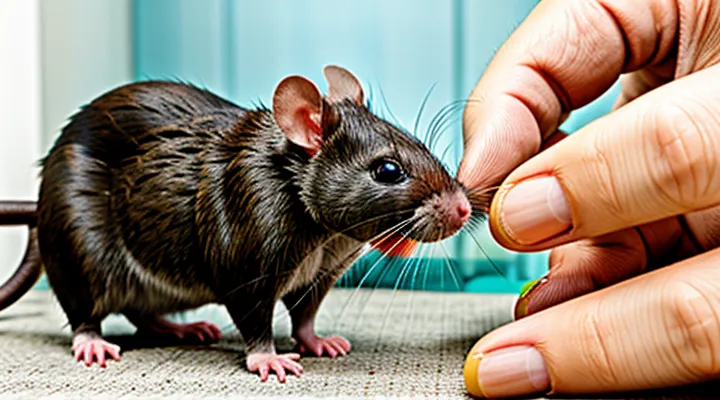
«The Basics of Rat Nail Care»
«Understanding Rat Nails»
«Natural Wear and Tear»
Rats constantly grind their claws against surfaces such as cage bars, wheels, and nesting material. This activity produces natural wear that typically keeps nail length within a functional range. The rate of abrasion depends on substrate hardness, frequency of movement, and the animal’s weight. Soft bedding or smooth plastic reduces friction, slowing nail shortening; rough wood or metal accelerates it.
When natural wear is insufficient, overgrown claws may:
- Curl into the foot pad, causing pain and infection.
- Interfere with grip, leading to reduced mobility.
- Accumulate debris, increasing the risk of fungal growth.
Observational signs of excessive growth include visible length beyond the toe pad, difficulty climbing, and frequent scratching of the cage floor. Regular visual checks, performed weekly, allow caretakers to assess whether the animal’s environment provides adequate abrasion.
If nails remain overly long despite normal activity, trimming becomes necessary. Proper technique involves restraining the rat gently, using a small animal nail clipper, and cutting only the transparent tip to avoid the blood vessel (the “quick”). Sterile tools and a calming environment reduce stress and prevent bleeding.
In summary, natural wear and tear generally maintains appropriate claw length for healthy rats, but environmental factors and individual activity levels can alter this balance. Routine inspection and, when required, precise trimming ensure the animal’s comfort and prevent complications.
«When Nails Become Problematic»
Overgrown claws can interfere with a rat’s daily activities. When the nail tips extend beyond the soft pad, they may catch on cage bars, bedding, or toys, causing the animal to stumble or become trapped. Repeated snagging creates stress on joints and can lead to muscle strain.
Excessive length also increases the risk of injury. The sharp tip can puncture skin, especially on the hind feet, resulting in bleeding and potential infection. If the nail grows into the surrounding tissue, a condition known as an ingrown claw develops, producing swelling, pain, and possible abscess formation.
Mobility problems arise when the rat attempts to climb or groom. Long nails reduce traction on smooth surfaces, making climbing ladders or navigating vertical tubes difficult. Reduced agility may discourage exercise, leading to weight gain and associated health concerns.
A concise list of common complications:
- Snagging on cage infrastructure
- Skin puncture and bleeding
- Ingrown claws with inflammation
- Infection and abscesses
- Impaired climbing and grooming
- Decreased activity and weight gain
Preventive care, including regular nail assessment and trimming, eliminates these issues and supports overall well‑being.
«Identifying Overgrown Nails»
«Signs of Long Nails»
Long nails can interfere with a rat’s mobility and health, making early detection essential for proper care.
- Nails extend beyond the toe pad, visibly protruding when the animal stands.
- The rat repeatedly scratches or drags its feet against cage bars, bedding, or toys.
- Gait changes appear: hesitancy, limping, or a tendency to walk on the toes.
- The animal adopts a crouched posture, often holding the hindquarters lower than the front.
- Small cuts or bleeding spots develop at the nail tips, indicating accidental tearing.
- Grooming time decreases, and the rat may appear irritable or avoid climbing.
Unaddressed overgrowth can lead to nail breakage, infections, and joint stress, potentially compromising the rat’s overall wellbeing. Regular observation of these indicators enables timely trimming, preventing complications and maintaining optimal comfort.
«Potential Health Risks»
Overgrown nails can cause a range of health problems for pet rats. Excessive length increases pressure on the toe joints, leading to pain and altered gait. The animal may develop calluses or ulcerations where the nail rubs against the paw pads, creating entry points for bacteria and fungi. Infections often manifest as swelling, redness, and discharge, and may progress to systemic illness if left untreated.
Additional risks include:
- Self‑injury – long nails may snag on cage bars or bedding, resulting in torn tissue or broken claws that bleed and become infected.
- Impaired locomotion – cramped nails hinder climbing and running, reducing exercise and potentially causing obesity or musculoskeletal strain.
- Dental stress – rats use their front paws to manipulate food; painful nails can discourage normal chewing, affecting dental wear and overall nutrition.
- Behavioral changes – discomfort may lead to aggression, avoidance of handling, or reduced social interaction, which can compound stress‑related health issues.
Regular nail trimming prevents these complications, promotes normal movement, and supports overall wellbeing.
«To Trim or Not to Trim: The Debate»
«Arguments Against Trimming»
«Stress and Injury Risks»
Excessively long claws can become a source of chronic discomfort for rats, which in turn elevates cortisol levels and predisposes them to anxiety‑related behaviors. When a rodent repeatedly experiences pain while navigating its environment, the stress response may impair immune function and reduce overall vitality.
The trimming process itself introduces acute stressors. Restraint, unfamiliar tools, and brief periods of tactile irritation trigger sympathetic activation. Proper habituation to handling and the use of gentle, precise clippers reduce the duration of this response, limiting the physiological impact.
Long nails also create direct injury hazards:
- Uncontrolled scratching of the animal’s own skin, leading to ulceration or secondary infection.
- Accidental breakage, producing sharp fragments that can embed in soft tissue and cause hemorrhage.
- Damage to cage furnishings, which may result in splintered material that the rat could ingest or injure itself on.
Regular, careful claw maintenance eliminates these risks, supporting both physical health and behavioral stability.
«Alternatives to Manual Trimming»
Rats naturally file their claws against rough surfaces, so providing environments that encourage regular wear can reduce the need for direct clipping. Durable cage bars, textured tunnels, and climbing ropes allow the animals to grind down excess nail growth during normal activity.
- Enrichment toys made of wood or hard plastic create friction points for claw abrasion.
- Sand or dust baths mimic natural grooming behavior; fine particles polish the nails as the rat rolls or digs.
- Co-housing with other rats promotes mutual grooming, during which individuals may trim each other’s nails inadvertently.
- Professional grooming services employ specialized equipment such as rotary nail grinders, which remove material without the precision required for hand clipping.
- Dietary adjustments that encourage chewing on fibrous foods increase overall oral activity, indirectly supporting paw use and nail wear.
Selecting a combination of these strategies creates a self‑maintaining system, minimizing the frequency of manual nail trims while preserving the rat’s comfort and health.
«Arguments For Trimming»
«Preventing Injury to Rats and Owners»
Regular nail maintenance protects both pet rats and their caregivers. Overgrown claws can puncture delicate skin, cause bleeding, and create painful pressure on joints. In the opposite direction, sharp nails increase the risk of accidental scratches that may transmit zoonotic bacteria such as Streptobacillus moniliformis to humans.
Key preventive measures:
- Inspect claws weekly; the quick (vascular tissue) should remain visible as a pink line. If the nail extends beyond the quick, trimming is required.
- Use a dedicated small‑animal nail clipper or a human manicure scissor with a fine tip. Apply gentle pressure to avoid crushing the nail.
- Trim only the distal edge, leaving at least 0.5 mm of nail length. Excessive removal can cause bleeding and infection.
- Provide a textured surface (e.g., sandpaper block or wood chew toy) for natural wear. Regular use reduces the frequency of manual trimming.
- Wear protective gloves when handling rats after trimming to prevent inadvertent scratches. Wash hands thoroughly with soap and water before and after contact.
When a rat shows signs of discomfort—reluctance to climb, limping, or visible nail deformation—immediate trimming or veterinary assessment is warranted. Proper nail care minimizes tissue damage, reduces stress for the animal, and safeguards owners from preventable injuries.
«Improving Quality of Life»
Regular nail maintenance directly influences a rat’s overall well‑being. Overgrown claws can cause painful tissue damage, restrict movement, and create entry points for bacterial infection. By keeping nails at an appropriate length, owners mitigate these health risks and support natural locomotion.
Key health advantages of proper claw trimming include:
- Prevention of skin tears and joint strain.
- Reduction of bacterial colonization on damaged pads.
- Maintenance of balanced weight distribution during climbing and running.
Comfort and behavior improve alongside physical health. Rats with trimmed nails display smoother gait, fewer signs of agitation during handling, and more consistent self‑grooming. Lowered discomfort translates into reduced stress responses and more reliable interaction with enrichment items.
Effective nail care follows a simple protocol:
- Observe nail length weekly; visible pink tissue (the quick) indicates safe cutting zone.
- Use dedicated small‑animal nail clippers or fine scissors.
- Apply gentle pressure to the toe pad, trim only the translucent tip.
- Offer a treat immediately after trimming to reinforce positive association.
- Inspect for bleeding; apply styptic powder if necessary.
Consistent application of this routine sustains optimal health markers and enhances daily activity levels. Regular claw upkeep is therefore a fundamental component of a rat’s quality of life.
«Safe Nail Trimming Techniques»
«Preparation for Trimming»
«Tools Needed»
Rats that are kept as pets often develop overgrown claws, which can cause mobility problems and damage to cages. Proper trimming requires specific equipment to ensure safety for both the animal and the handler.
- Small animal nail clippers or guillotine-style trimmers designed for rodents
- A fine‑toothed grooming comb to separate fur and expose the nail tip
- Styptic powder or cornstarch to stop bleeding if the quick is cut
- A bright, magnifying light source for accurate visualization of the nail structure
- Soft restraint device such as a pet towel or a specialized rat holder to keep the animal calm and still
- Disposable gloves to maintain hygiene and reduce stress for the rat
Having these tools on hand allows precise, low‑stress nail maintenance and reduces the risk of injury.
«Creating a Calm Environment»
A calm environment reduces stress for both the animal and the caretaker during nail maintenance. Quiet rooms, low lighting, and minimal background noise create a setting where the rat is less likely to panic, which in turn makes the trimming process smoother and safer.
Consistent handling builds trust. Daily gentle interaction familiarizes the rat with human touch, so when the time for nail care arrives, the animal remains relaxed. A brief acclimation session in the trimming area—allowing the rat to explore the surface and feel the tools without immediate clipping—further diminishes anxiety.
Key elements for a tranquil setting include:
- A stable temperature of 68‑72 °F (20‑22 °C) to prevent shivering or overheating.
- Soft bedding or a silicone mat that provides a secure foothold without slipping.
- A quiet surface such as a folded towel to dampen any incidental sounds.
- A calm voice, speaking in a low, steady tone throughout the procedure.
Before beginning, inspect the nails for length and any signs of injury. Use a small, high‑quality clipper designed for rodents; dull blades increase pressure and cause discomfort. Trim only the transparent tip, avoiding the pink vascular area (the quick). If the quick is accidentally cut, apply a sterile styptic powder promptly to stop bleeding.
After the session, reward the rat with a favorite treat and a brief period of gentle petting. This positive reinforcement reinforces the calm experience and encourages cooperation in future nail care. Maintaining a serene environment consistently ensures that nail trimming remains a routine, low‑stress task rather than a source of fear.
«The Trimming Process»
«Holding Your Rat Securely»
Proper handling is a prerequisite for safe nail maintenance in pet rats. A secure grip minimizes stress, prevents accidental injury, and allows precise trimming.
- Approach the rat calmly; allow it to sniff your hand before contact.
- Place one hand under the chest, supporting the torso just behind the forelimbs.
- Use the other hand to gently cup the hindquarters, keeping the spine aligned.
- Apply light pressure to keep the animal steady without restricting breathing.
- Hold the rat close to your body; the warmth and slight restraint reduce movement.
When the rat is held correctly, its claws are accessible without forcing the animal into an uncomfortable position. Avoid squeezing, which can cause bruising or panic. Keep nails of the opposing hand trimmed to prevent accidental scratches. If the rat struggles, release it, allow a brief pause, and attempt again after the animal settles.
Consistent, gentle restraint creates a predictable routine, making nail care a routine procedure rather than a stressful event for both caretaker and rat.
«Identifying the Quick»
Rats’ nails contain a vascular tissue called the quick, which supplies blood and nerves. Cutting into the quick causes bleeding, pain, and possible infection; therefore, recognizing its location is essential for safe nail maintenance.
The quick appears as a pinkish line within the nail when the nail is transparent. In dark‑colored nails, the quick is less visible; the safe approach is to trim only the clear, distal portion of the nail, leaving at least a millimeter of uncut tissue.
When examining a rat’s paw, follow these steps:
- Gently extend the toe and press lightly on the nail tip to straighten it.
- Observe the nail under good lighting; a visible pink band indicates the quick.
- If the nail is opaque, trim a very small amount (about 0.5 mm) and reassess; repeat cautiously until the nail shortens without exposing pink tissue.
- Use a pair of rat‑specific nail clippers or fine scissors; avoid crushing the nail, which can damage the quick.
Signs of accidental quick contact include immediate bleeding and a dark spot at the cut edge. Apply a styptic powder or cornstarch to stop bleeding, and monitor the toe for swelling or infection.
Regular trimming, performed every four to six weeks, keeps the nails short enough to prevent overgrowth while minimizing the risk of reaching the quick.
«Making the Cut»
Proper nail maintenance is a critical component of rodent health care. Overgrown claws can cause pain, impede movement, and lead to injuries on furniture or the animal’s own skin. Trimming nails eliminates these risks and supports normal locomotion.
When performing a trim, follow a precise protocol:
- Secure the rat gently but firmly, using a towel or specialized holder to limit sudden movements.
- Inspect each claw to locate the transparent quick, the blood vessel that runs within the nail.
- Cut only the opaque tip, leaving at least 1 mm of nail length to avoid reaching the quick.
- Apply a small amount of styptic powder or cornstarch to any bleeding site immediately.
- Reward the animal with a treat to reinforce a calm response for future sessions.
Frequency depends on growth rate; most pet rats require clipping every four to six weeks. Younger individuals may need more frequent attention because their nails develop rapidly. Regular observation of nail length, especially after periods of increased activity, helps determine the optimal schedule.
Neglecting nail care can result in claw deformation, joint stress, and secondary infections. Consistent trimming, performed with proper technique and tools, maintains the animal’s comfort and prevents costly veterinary interventions.
«Post-Trimming Care»
«Treats and Reassurance»
Treats serve a dual purpose when you address a rat’s nail health. Positive reinforcement encourages the animal to remain calm during handling, reducing the risk of sudden movements that could cause injury. Small, high‑value foods such as bits of dried fruit, nuts, or specially formulated rodent treats can be offered immediately before, during, and after a trimming session. The rapid reward creates an association between the procedure and a pleasant outcome, making future sessions smoother.
Reassurance techniques complement the use of treats. Gentle petting, soft spoken tones, and consistent handling patterns signal safety to the rat. A brief period of calm interaction before attempting to clip nails helps lower stress hormones, which in turn makes the claws more pliable and easier to trim. Incorporate a short, soothing routine—such as a few minutes of hand‑holding or a quiet cage environment—to reinforce the sense of security.
Practical steps for combining treats and reassurance:
- Prepare a handful of favorite treats within reach.
- Begin with a calm, low‑light setting; speak softly.
- Offer a treat while gently stroking the rat’s back.
- Proceed to examine the nails; pause to give another treat if the animal shows hesitation.
- Complete the clipping, then reward with a larger treat and a brief cuddle session.
«Monitoring for Bleeding»
When a rat’s claws are shortened, the rapid (the blood‑filled tissue near the tip) can be exposed. Exposure leads to blood loss, infection risk, and pain, making immediate detection critical.
- Observe the claw tip after each cut.
- Look for a bright red droplet or a dark smear, which indicates a cut into the rapid.
- Check the surrounding fur and skin for wetness or staining.
- Use a magnifying glass or good lighting to confirm the source.
If bleeding appears, apply direct pressure with a clean gauze pad for several seconds. Follow with a small amount of styptic powder or cornstarch to accelerate clotting. Re‑examine the claw after one minute; persistent flow requires additional pressure and, if uncontrolled after a few minutes, veterinary intervention.
Preventive practice includes trimming only the clear, translucent portion of the claw, avoiding the pinkish area where blood vessels reside. Sharp, appropriately sized nail clippers reduce the chance of accidental rapid damage. Regular, brief trimming sessions decrease the need for deep cuts, thereby lowering bleeding risk.
«Preventative Measures and Alternatives»
«Environmental Enrichment for Nail Wear»
«Rough Surfaces and Toys»
Rats’ claws grow continuously; excessive length can cause discomfort, impede movement, and increase the risk of injury. Regular nail maintenance is a common preventative measure, yet environmental factors can naturally limit growth.
- Rough surfaces such as untreated wood, concrete, or textured plastic encourage claw wear during climbing and foraging.
- Toys designed with abrasive elements—e.g., sisal rope, stone blocks, or hardened chew sticks—provide additional grinding action.
- Frequent interaction with these materials reduces the frequency of manual trimming required.
When selecting enrichment, prioritize items that combine durability with safe abrasiveness. Rotate multiple rough-textured toys to maintain consistent wear and prevent overuse of any single surface. Monitor claw length monthly; if nails remain short and free of sharp points, trimming intervals can be extended safely.
«Dig Boxes and Substrates»
Providing rats with appropriate digging environments directly influences nail health. Natural digging behavior promotes self‑maintenance; abrasive surfaces gradually wear the claw edges, reducing the frequency of manual trimming.
Suitable digging containers include:
- Plastic or wooden boxes with low sides, allowing easy access for cleaning.
- Ceramic or metal tubs that resist chewing and retain heat.
- Enclosed tunnels that encourage continuous burrowing.
Effective substrates consist of materials that balance abrasiveness and safety:
- Aspen shavings: fine texture, low dust, moderate wear.
- Coconut coir: fibrous, encourages digging, gentle on claws.
- Paper‑based bedding: soft, low allergen, limited wear; best paired with a harder digging box.
- Untreated hardwood chips (e.g., maple): coarse enough to file nails, safe if free of chemicals.
Maintenance requires regular removal of soiled bedding, replacement of worn substrate, and inspection of claw length. When claws become excessively long despite adequate digging provisions, a brief trimming session remains necessary to prevent injury.
«Professional Assistance»
«When to Seek a Vet»
Rats with overgrown claws may experience pain, difficulty climbing, or injuries to the skin and fur. If any of these symptoms appear, professional veterinary assessment is necessary.
Signs that indicate a visit to the vet includes:
- Persistent limping or reluctance to move
- Bleeding from the nail bed after an attempted trim
- Visible cracks, splits, or discoloration of the claw
- Swelling, redness, or pus around the toe pads
- Unusual scratching behavior that damages the paw pads
Even with regular nail maintenance, sudden changes in a rat’s gait or paw condition warrant immediate examination. A veterinarian can safely trim the claws, treat infections, and advise on a suitable grooming schedule to prevent future problems.
«Grooming Services for Rats»
Rats require regular nail maintenance to prevent injury, discomfort, and damage to cages or furniture. Professional grooming services address this need through specialized handling, precise trimming tools, and experienced technicians who understand rodent anatomy.
Typical grooming packages include:
- Nail inspection and trimming using calibrated clippers to achieve a safe length without exposing the quick.
- Fur brushing to remove loose hair, reduce matting, and distribute natural oils.
- Ear cleaning to eliminate wax buildup and prevent infection.
- Dental check‑up, often combined with a brief oral health assessment.
- Skin health evaluation for parasites, irritations, or lesions.
Trimming frequency varies with activity level and genetics; most healthy rats benefit from nail care every 4‑6 weeks. Overgrown claws can curl, embed in pads, and cause bleeding, making timely service essential.
Professional groomers employ restraint techniques that minimize stress. They also provide owners with guidance on home care, including signs of nail overgrowth and safe handling methods for occasional touch‑ups between appointments.
Cost ranges from modest per‑session fees for basic nail trimming to comprehensive packages that cover full‑body grooming. Selecting a reputable provider ensures sterile equipment, proper record‑keeping, and adherence to animal welfare standards.
«Myths and Misconceptions About Rat Nail Care»
«Common Untruths»
«Rats Always Trim Their Own Nails»
Rats possess a natural grooming behavior that includes regular nail wear. Their claws contact cage surfaces, wheels, and chew toys, causing gradual shortening. Observations of healthy adult rats in enriched environments show consistent nail length reduction without human intervention.
Key factors influencing self‑trimming:
- Hard substrate in the cage floor provides abrasion.
- Frequent climbing and running on wire mesh or plastic bars generates wear.
- Chewing activity indirectly affects nail edges through foot placement.
When environmental enrichment is insufficient—smooth flooring, limited climbing structures, or excessive bedding depth—nails may grow longer than the natural wear rate. In such cases, nails can become overgrown, leading to discomfort, impaired locomotion, or tissue injury. Regular visual inspection allows early detection of abnormal growth.
Veterinary guidelines recommend providing abrasive surfaces and monitoring nail length weekly. If nails exceed the optimal length, manual trimming remains the safest corrective measure. Relying solely on the animal’s self‑maintenance is acceptable only when the habitat meets the wear requirements outlined above.
«Trimming is Always Necessary»
Rats’ claws grow continuously; without regular trimming they become excessively long. Overgrown nails can embed in the foot pads, causing pain, reduced mobility, and tissue damage. They may also snag on cage accessories, leading to accidental tearing or infection.
Signs that a rat’s nails need attention include:
- Visible curvature that extends beyond the toe pad
- Audible clicking on hard surfaces
- Reluctance to climb or run
- Redness or swelling around the nail base
Trimming should be performed every two to four weeks, depending on the individual’s growth rate. The procedure requires:
- A pair of small, sharp animal nail clippers or scissors.
- A well‑lit area and a calm environment.
- Gentle restraint, preferably with a soft towel or a dedicated handling glove.
- Immediate access to styptic powder or cornstarch to stop bleeding if the quick is cut.
The correct technique involves cutting only the transparent tip, avoiding the pink quick that contains blood vessels and nerves. If the quick is visible, stop a short distance before it; if not, trim a small amount and reassess after a few days. Regular maintenance prevents the health complications associated with overgrown claws and supports the rat’s natural activity levels.
«Setting the Record Straight»
«Fact-Based Approaches»
Rats’ claw health can be assessed through measurable indicators rather than assumptions. Veterinary studies show that overgrown nails impair locomotion, cause tissue damage, and increase infection risk. Regular observation of the following signs provides objective evidence for trimming needs:
- Visible length extending beyond the toe pad or curling around the foot.
- Difficulty climbing, slipping on surfaces, or reluctance to walk.
- Red or swollen foot pads, bleeding, or ulceration near the nail bed.
- Audible clicking when the rat moves on hard surfaces, indicating excessive length.
Scientific literature recommends trimming when any of these criteria appear. The recommended frequency ranges from every four to six weeks for indoor rats, based on average growth rates of 1‑2 mm per week. Measurements taken with a digital caliper can confirm that the nail tip remains at least 1 mm above the quick, minimizing pain and preventing accidental removal of the sensitive tissue.
Procedural guidelines derived from peer‑reviewed veterinary protocols emphasize the following steps:
- Restrain the rat gently but securely to prevent sudden movements.
- Use a small animal nail clipper designed for rodents.
- Trim only the distal, translucent portion, avoiding the pink quick.
- Apply a styptic powder or cornstarch to the cut edge if bleeding occurs.
- Monitor the rat for stress indicators and provide a calm environment post‑procedure.
Data from longitudinal studies indicate that rats receiving regular, fact‑based nail maintenance exhibit lower incidences of foot injuries and higher activity levels compared to untreated groups. These outcomes support a systematic, evidence‑driven approach to claw care.