
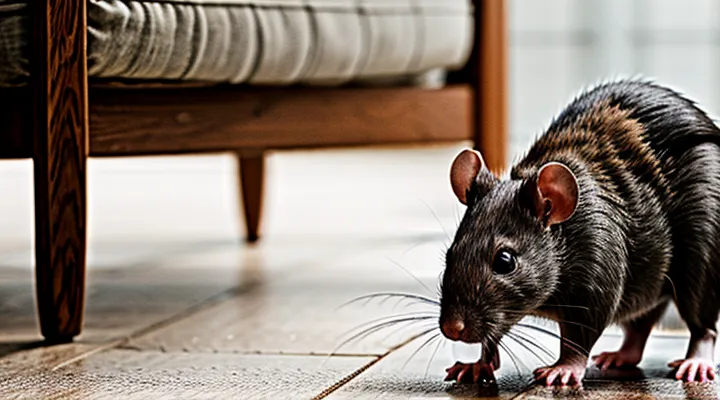
The Olfactory World of Rats
Understanding Rodent Scents
How Rats Use Scent for Communication
Rats rely on a sophisticated olfactory system to convey information about identity, reproductive status, territory, and hierarchy. Specialized scent glands—preputial, anal, and flank glands—produce complex secretions that contain volatile and non‑volatile compounds. When a rat deposits these secretions on nesting material, food sources, or the walls of burrows, it creates a persistent chemical map that other individuals can decode.
The chemical signals serve several functions:
- Individual recognition: Unique blends of pheromones enable rats to distinguish familiar conspecifics from strangers, facilitating social cohesion and reducing aggressive encounters.
- Reproductive signaling: Females emit estrus‑related odors that attract males; males release dominant‑status chemicals that influence female mate choice.
- Territorial marking: Depositing glandular secretions at the perimeter of a home range establishes boundaries and deters intruders.
- Hierarchy reinforcement: Dominant rats produce higher concentrations of certain compounds, reinforcing their rank within a colony.
- Maternal–offspring bonding: Mothers coat pups with scent from mammary glands, creating a recognizable odor that guides feeding and protection behaviors.
Rats detect these cues through the main olfactory epithelium and the accessory olfactory system, which transmit signals to the vomeronasal organ and related brain regions. Neural processing translates the chemical profile into behavioral responses, allowing rapid adjustments to social and environmental changes. This reliance on scent communication underlies the species’ adaptive success in densely populated habitats.
Differences in Scent Across Rat Species
Rats emit species‑specific odors that arise from glandular secretions, skin microbiota, and dietary metabolites. Chemical analyses reveal distinct volatile profiles for each common rat species, allowing researchers to differentiate them by scent alone.
The Norway rat (Rattus norvegicus) produces a strong musky odor dominated by fatty acid derivatives such as hexanoic and octanoic acids. Its large flank glands secrete additional compounds, including phenols, that intensify the smell in confined environments.
The black rat (Rattus rattus) emits a lighter, sweeter aroma characterized by higher concentrations of aldehydes like nonanal and lower levels of the fatty acids found in R. norvegicus. Its smaller scent glands contribute less to overall odor intensity.
Roof rats (Rattus rattus frugivorous populations) display a markedly fruity scent profile, reflecting a diet rich in fruit and nectar. Elevated levels of esters, particularly ethyl acetate, distinguish their odor from that of grain‑feeding conspecifics.
Asian house rats (Rattus tanezumi) generate a pungent odor with notable amounts of sulfur‑containing compounds, such as dimethyl sulfide, linked to their preference for protein‑heavy food sources.
Key factors shaping inter‑species scent variation:
- Gland size and activity – larger flank and anal glands increase secretion volume.
- Dietary composition – fruit, grain, or protein intake alters metabolic by‑products released as volatiles.
- Skin microbiome – bacterial communities metabolize secretions into species‑specific odorants.
- Habitat humidity – moisture levels affect volatile release rates and perception.
Understanding these chemical differences clarifies why rats are perceived to have distinct smells across species, supporting precise identification in pest management and ecological studies.
Identifying Rat Presence Through Smell
Common Descriptions of Rat Odor
Ammonia-like Smell
Rats emit an odor reminiscent of ammonia, especially when confined or stressed. The scent originates from urea breakdown in urine, producing volatile compounds such as ammonia (NH₃) and related amines. These chemicals disperse rapidly in enclosed spaces, creating a distinctive, sharp smell that humans readily detect.
Key characteristics of the ammonia-like odor:
- Produced primarily by metabolic waste excreted in urine and feces.
- Intensifies with higher protein intake, which increases urea production.
- Heightens in poorly ventilated environments, where volatile compounds accumulate.
- Serves as a cue for predators and conspecifics, signaling the presence of a rodent population.
Scientific studies confirm that the ammonia component is measurable with gas‑chromatography techniques, distinguishing rat odor from other common indoor smells. The presence of this scent does not imply a unique, species‑specific fragrance beyond the chemical by‑products of metabolism.
Musky or Stale Odor
Rats emit a characteristic odor that most observers describe as musky or stale. The scent originates from secretions of the anal and preputial glands, as well as from urine and feces. These chemical compounds persist on fur and in the environment, creating a recognizable smell distinct from that of common household pets.
Key factors influencing the odor include:
- Glandular secretions: High concentrations of fatty acids and volatile organic compounds.
- Dietary residues: Protein‑rich foods increase ammonia production in waste.
- Habitat conditions: Poor ventilation and accumulated bedding amplify the stale aspect.
The odor serves as a social cue among conspecifics, signaling territorial boundaries and reproductive status. Humans detect the musky note primarily through the olfactory receptors attuned to the same volatile substances.
Factors Influencing Rat Odor Intensity
Population Size and Density
Rats living in large, tightly packed colonies generate higher concentrations of volatile compounds than isolated individuals. As the number of individuals rises, the collective output of pheromones, metabolic by‑products, and microbial metabolites scales proportionally, creating a more detectable scent cloud.
Population density directly affects the spatial distribution of odor cues. In environments where rodents occupy limited space—such as sewers, warehouses, or densely built apartments—airflow is restricted, allowing scent molecules to accumulate near the source. Conversely, low‑density settings disperse emissions more rapidly, reducing the likelihood of a recognizable odor signature.
Empirical studies compare scent detection thresholds across varying colony sizes. Typical findings include:
- Small groups (1‑5 rats) produce odor concentrations below the human detection limit under normal ventilation.
- Medium groups (10‑30 rats) generate measurable odors in confined rooms, detectable by trained observers.
- Large colonies (100+ rats) create pervasive odors that persist despite ventilation, often reported as a distinct, unpleasant smell.
Research methodology relies on gas chromatography–mass spectrometry to quantify specific compounds (e.g., 2‑methylnaphthalene, phenols) and on sensory panels to assess perceptibility. Results consistently show a positive correlation between the number of rats per unit area and the intensity of the odor profile.
Understanding this relationship informs pest‑management strategies. Reducing colony size and dispersing populations lower odor levels, making infestations less noticeable and easier to control.
Diet and Environment
Rats emit a distinctive odor that varies with what they eat and where they live. Nutritional intake directly shapes the composition of their skin secretions, urinary metabolites, and gastrointestinal gases. High‑protein diets increase the production of ammonia and sulfur‑containing compounds, intensifying the smell. Fat‑rich foods contribute to the release of volatile fatty acids, while carbohydrate‑heavy meals tend to produce milder scents. Fermented or spoiled feed introduces additional microbial metabolites, further altering the odor profile.
Environmental conditions modulate the same chemical signals. Factors that influence rat scent include:
- Bedding material: natural fibers absorb moisture and odorants, whereas synthetic substrates reflect them.
- Humidity: elevated moisture levels enhance volatilization of scent compounds.
- Ventilation: poor airflow traps odors, while adequate exchange disperses them.
- Seasonal temperature shifts: warmer temperatures accelerate metabolic rates, increasing odor production.
Together, dietary composition and habitat characteristics determine the intensity and quality of the scent that rats emit.
Health Status of the Rats
Rats emit a scent that reflects their physiological condition. Healthy individuals produce a faint, musky odor generated by sebaceous secretions, urine, and the microbial flora on the skin. The composition of this baseline smell remains relatively constant across normal adult specimens.
Factors that alter the odor profile include:
- Respiratory infections – increase volatile organic compounds from inflamed nasal passages.
- Gastrointestinal disease – elevate fecal‑derived metabolites detectable on fur.
- Dermatological lesions – promote bacterial overgrowth, creating stronger, sour notes.
- Nutritional deficiencies – modify the fatty acid profile of skin oils, resulting in a lighter, sometimes rancid scent.
- Stress‑induced hormonal changes – raise levels of catecholamines, subtly shifting the chemical signature.
The link between health status and odor is measurable through gas‑chromatography–mass‑spectrometry, which identifies specific biomarkers such as isoprene, acetone, and aldehydes. Elevated concentrations of these compounds correlate with disease states and can be distinguished from the baseline musky profile.
Consequently, assessing a rat’s smell provides a non‑invasive indicator of its health. Detectable deviations from the typical odor suggest underlying pathology, enabling early intervention without reliance on visual examination or invasive testing.
Distinguishing Rat Smell from Other Pests
Comparing Rat Scent to Mouse Scent
Rats and mice emit distinct olfactory signatures that serve different ecological functions. Both species rely on scent for territory marking, predator avoidance, and social communication, yet the chemical composition and intensity of their odors vary markedly.
-
Composition: Rat urine contains higher concentrations of phenols, sulfides, and volatile fatty acids, producing a pungent, musky odor. Mouse urine is richer in aldehydes and lower‑molecular‑weight ketones, resulting in a milder, sweeter smell. These differences reflect divergent metabolic pathways and diet preferences.
-
Intensity: Rats excrete larger volumes of urine and secrete more scent glands per individual, leading to a stronger, more pervasive odor in shared environments. Mice produce smaller, more localized scent marks, which dissipate quickly.
-
Behavioral relevance: Rats use robust scent cues to establish dominance hierarchies and deter intruders over larger territories. Mice rely on subtle scent trails for nest identification and mate recognition within confined spaces.
Scientific analyses using gas chromatography–mass spectrometry confirm that the ratio of phenolic compounds to aldehydic compounds is consistently higher in rat samples than in mouse samples across laboratory strains and wild populations. This ratio serves as a reliable biochemical marker for distinguishing the two species in forensic and pest‑control contexts.
Differentiating from Other Household Pests
Rats emit a unique odor profile that distinguishes them from common household pests such as mice, cockroaches and insects. The scent originates from a combination of glandular secretions, urine, and feces, producing volatile organic compounds (VOCs) like 2‑methoxy‑3‑isopropylpyrazine and phenolic acids. These chemicals persist in indoor environments and can be detected at lower concentrations than the pheromones released by smaller rodents.
Key distinguishing characteristics:
- Chemical composition: Rat urine contains higher concentrations of ammonia and specific nitrogenous compounds not present in mouse urine, which is richer in aldehydes.
- Intensity and spread: The larger body mass of rats results in a broader distribution of scent particles, allowing detection across multiple rooms, whereas cockroach odors are confined to crevices and are primarily composed of cuticular hydrocarbons.
- Temporal pattern: Rat odor intensifies during breeding seasons due to increased territorial marking, while insect pheromones fluctuate with life‑stage cycles and are often short‑lived.
- Detection methods: Trained canines and electronic noses calibrated for rat‑specific VOCs reliably separate rat presence from other pests, whereas generic pest detectors respond to a wider, less specific range of odors.
Understanding these differences enables precise identification of rat infestations, reduces unnecessary treatment of non‑rat pests, and supports targeted control strategies.
Managing and Eliminating Rat Odor
Locating the Source of the Smell
Rats emit a characteristic odor that can be traced to specific physiological and environmental sources. The scent originates primarily from scent glands located near the anal region, the urinary tract, and the skin’s sebaceous secretions. These secretions contain volatile organic compounds (VOCs) such as 2‑acetyl‑1‑pyrroline, phenols, and fatty acids, which together create the recognizable “rat smell.”
Identifying the precise origin of the odor requires systematic observation and analytical techniques:
- Direct inspection: Examine the animal’s perianal area, paws, and fur for signs of glandular discharge or excessive grooming, which often correlates with heightened VOC release.
- Urine sampling: Collect urine in a sealed container and analyze it with gas chromatography‑mass spectrometry (GC‑MS) to pinpoint specific aromatic compounds.
- Skin swabbing: Use solvent‑impregnated swabs on the dorsal and ventral fur to extract surface lipids; subsequent chromatographic analysis reveals the contribution of sebaceous secretions.
- Environmental monitoring: Deploy portable electronic noses or ion mobility spectrometers in infested areas to map odor gradients and locate active nesting or foraging sites.
Behavioral cues complement chemical analysis. Rats frequently mark territory by dragging their hindquarters across surfaces, depositing glandular secretions. Observing such marking behavior narrows the search to high‑traffic zones, including burrow entrances, food storage locations, and waste accumulation points.
In controlled settings, researchers can isolate the source by eliminating variables: housing rats in sterile cages, providing odor‑free bedding, and systematically introducing potential odor contributors. Comparative analysis of VOC profiles before and after each addition confirms the dominant source.
By integrating anatomical knowledge, chemical profiling, and behavioral observation, investigators can accurately locate the origin of the rat-associated odor and differentiate it from other environmental smells.
Cleaning and Deodorizing Affected Areas
Professional Odor Removal
Rats produce a characteristic scent originating from urine, glandular secretions, and decomposing organic material. The odor is recognizable in residential and commercial settings where infestations occur, often persisting after the animals are removed.
Professional odor removal addresses the residual smell through systematic assessment and targeted treatment. Technicians first locate contaminated zones, then eliminate the source and apply specialized cleaning protocols.
Common procedures include:
- Extraction of soiled insulation, carpeting, and porous surfaces.
- Application of enzymatic cleaners that break down protein‑based residues.
- Use of ozone generators or hydroxyl generators to oxidize lingering molecules.
- Installation of antimicrobial sealants to prevent re‑colonization of odor‑producing bacteria.
Successful remediation restores indoor air quality, reduces health risks, and eliminates cues that attract new rodents. Regular monitoring and preventative maintenance help sustain a neutral environment.
DIY Solutions for Odor Mitigation
Rats emit a characteristic scent that can linger in homes, kitchens, and storage areas. The odor originates from secretions, urine, and the breakdown of food particles, making it noticeable even after the animals are removed. Effective odor control requires addressing both the source and the surrounding environment.
DIY measures focus on neutralizing compounds, improving ventilation, and preventing re‑contamination. Practical steps include:
- Cleaning surfaces with a solution of white vinegar and water (1:1 ratio); allow contact time of five minutes before rinsing.
- Sprinkling baking soda on carpets, upholstery, and hard‑floor seams; let sit for several hours, then vacuum thoroughly.
- Placing activated charcoal bags in closets, cabinets, and under sinks; replace monthly to maintain adsorption capacity.
- Installing a small exhaust fan or using a portable air purifier equipped with a HEPA filter and an activated carbon cartridge; operate continuously for at least 24 hours after cleaning.
- Sealing cracks, gaps, and entry points with caulk or steel wool to block future infestations and limit odor accumulation.
Combining these actions creates a hostile environment for lingering smells, restores indoor air quality, and reduces the likelihood of recurrence. Regular maintenance—weekly surface cleaning and periodic replacement of odor‑absorbing materials—sustains the results.
The Science Behind Rat Pheromones
Types of Rat Pheromones
Rats rely heavily on chemical signals to coordinate social behavior, reproductive cycles, and predator avoidance. Their scent glands produce a range of volatile compounds that convey specific information to conspecifics.
- Alarm pheromone – emitted from the perianal gland when a threat is detected; triggers rapid escape and heightened vigilance in nearby individuals.
- Sexual pheromone – secreted by the flank and preputial glands of sexually mature males; induces estrus and receptivity in females and signals male dominance to rivals.
- Territorial pheromone – deposited through urine and cheek secretions; marks the boundaries of an individual's home range and deters intruders.
- Maternal pheromone – released from the mammary glands and dorsal skin of lactating females; guides newborn pups toward the mother’s nipples and reduces stress in the litter.
- Stress pheromone – produced by the adrenal glands and excreted in feces; conveys physiological stress to group members, influencing collective behavior and resource allocation.
Each pheromone class consists of distinct molecular profiles, primarily fatty acids, aldehydes, and sulfated steroids. Detection occurs via the vomeronasal organ and main olfactory epithelium, enabling rapid, context‑specific responses that shape rat societies.
Their Role in Rat Behavior
Rats rely on a specialized olfactory system to coordinate social interactions, establish territories, and locate resources. Individual scent signatures, produced by urinary and glandular secretions, convey age, sex, reproductive status, and dominance rank. When a rat encounters another’s odor, neural pathways in the olfactory bulb trigger immediate behavioral responses: submissive individuals retreat, dominant rats increase patrol activity, and potential mates are attracted.
Key behavioral functions mediated by odor cues include:
- Territorial delineation – scent marks define boundaries; intruders are repelled without direct confrontation.
- Hierarchy maintenance – dominant rats emit higher‑concentration pheromones, suppressing aggression in lower‑rank members.
- Mating coordination – females release estrus‑specific volatiles that stimulate male courtship and reduce competition.
- Predator avoidance – detection of predator‑related odors prompts rapid freezing or escape, reducing exposure risk.
- Foraging efficiency – conspecific scent trails indicate food locations, allowing individuals to follow established routes.
Experimental studies demonstrate that lesions to the main olfactory epithelium disrupt these patterns, causing increased aggression, loss of social order, and impaired navigation. Conversely, enhanced olfactory acuity improves group cohesion and resource acquisition. The evidence confirms that odor perception is integral to rat behavior, shaping interactions at every social level.