
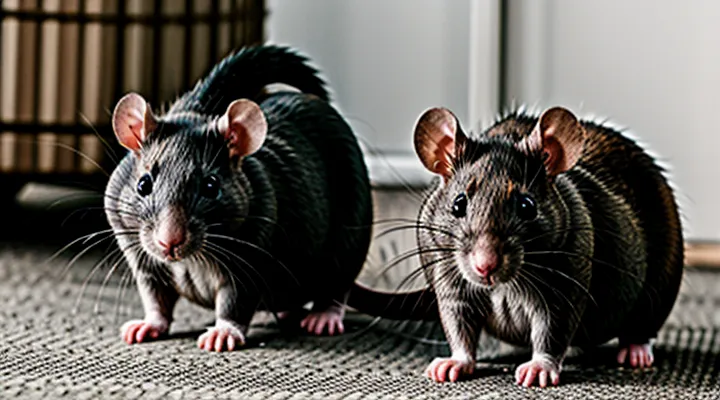
Understanding « Breeds » in Animals
What Defines a « Breed »?
Domesticated Species and Selective Breeding
Domesticated rats are the product of deliberate selection for traits such as temperament, coat color, and body size. Breeders have established distinct lines that differ genetically and phenotypically, creating a practical framework for identification and trade.
Selective breeding began with wild Rattus norvegicus captured for laboratory use. Over generations, individuals exhibiting reduced aggression, increased sociability, or specific aesthetic features were paired to reinforce those characteristics. The process generated populations that are reproductively isolated from their wild counterparts and from each other, satisfying criteria used to define separate breeds in other domestic species.
Current rat lines include:
- Standard Fancy – medium size, smooth coat, balanced temperament.
- Dumbo – enlarged ears, calm disposition, often used in pet shows.
- Hairless – lack of fur, requires specialized care, valued for research.
- Rex – curly fur, distinct texture, popular among enthusiasts.
- Hooded – dark mask and dorsal stripe, strong visual marker.
Each line maintains a stable genetic profile through controlled matings, record-keeping, and health screening. Registries maintained by national rodent clubs assign breed names, document lineage, and set standards for appearance and behavior. This systematic approach mirrors breed classification practices found in dogs, cats, and other domesticated mammals.
Scientific literature acknowledges the genetic divergence between these domestic lines and wild populations, citing measurable differences in allele frequencies linked to coat pigmentation, stress response, and growth rate. The existence of reproducible, heritable traits across multiple generations fulfills the operational definition of a breed, confirming that rats possess a recognized classification system within the domestic sphere.
Genetic Lineage and Standardized Traits
Rats are divided into distinct genetic groups that function similarly to breeds in other domesticated species. The two principal species, Rattus norvegicus (brown rat) and Rattus rattus (black rat), contain multiple laboratory strains, wild populations, and selectively bred pet lines. Laboratory strains—such as Sprague‑Dawley, Wistar, and Long‑Evans—originate from controlled breeding programs that fix genetic markers for research reproducibility. Wild populations retain diverse alleles reflecting geographic isolation, while pet lines, often called “fancy rats,” arise from purposeful selection of aesthetic and behavioral traits.
Standardized traits in these groups include:
- Coat coloration (e.g., albino, hooded, agouti, sable)
- Fur texture (standard, rex, satin)
- Body size and weight ranges specific to each strain or line
- Ear and tail morphology (short‑tailed, curled ears)
- Temperament profiles (docile, active, exploratory)
These characteristics are recorded in breed standards maintained by hobbyist societies and documented in scientific literature for laboratory strains. The standards provide reproducible criteria for identification, breeding decisions, and experimental control.
Official breed registries exist for fancy rats, assigning names such as “Dutch,” “Berkshire,” and “Standard.” In contrast, taxonomic classification treats all domestic rats as subspecies of R. norvegicus or R. rattus, without formal breed categories. Consequently, the concept of a rat breed is recognized in the pet community and research contexts through defined genetic lineages and trait standards, but it lacks a universal taxonomic breed designation.
The Case of Rattus Norvegicus and Rattus Rattus
Wild Rat Populations and Natural Variation
Geographic Distribution and Adaptations
Rats occupy every continent except Antarctica, thriving in habitats that range from tropical rainforests to arid deserts and densely populated urban centers. The most widely studied species, Rattus norvegicus (the brown rat), dominates temperate zones and sewers, while Rattus rattus (the black rat) prefers warmer climates and structures that provide access to stored food. In Southeast Asia, Rattus exulans (the Pacific rat) inhabits coastal islands, and in sub‑Saharan Africa, Rattus tanezumi adapts to agricultural fields and village perimeters.
Adaptations that support this broad distribution include:
- Highly flexible dentition allowing consumption of diverse food sources, from grains to insects.
- Efficient thermoregulation through dense fur and the ability to enter torpor in colder environments.
- Rapid reproductive cycles, with gestation periods of 21–23 days, enabling swift population expansion after colonization.
- Enhanced sensory systems; whisker arrays detect minute air currents, and olfactory receptors identify food and predators in complex surroundings.
These ecological traits influence how taxonomists approach rat classification. Morphological differences such as skull shape, tail length, and fur coloration often reflect regional adaptations rather than distinct breeds. Genetic analyses reveal clades that correspond to geographic lineages, supporting a classification system based on subspecies and population clusters rather than a breed framework. Consequently, the concept of “breed”—as applied to domestic dogs or cats—does not align with the evolutionary and ecological realities observed in rat populations.
Genetic Diversity within Wild Populations
Rats in natural environments exhibit extensive genetic variation, which directly challenges attempts to assign them to fixed breed categories. Population genetics studies reveal multiple, geographically structured lineages that differ in allele frequencies, mitochondrial haplotypes, and chromosomal arrangements.
Genetic heterogeneity arises from several mechanisms:
- Geographic separation limiting gene exchange
- Habitat fragmentation creating isolated demes
- High reproductive rates generating novel mutations
- Occasional long‑distance dispersal introducing foreign alleles
Molecular analyses of Rattus norvegicus and Rattus rattus populations across continents consistently identify distinct clades. Microsatellite profiling shows average heterozygosity values of 0.35–0.45, while whole‑genome sequencing uncovers region‑specific selective sweeps linked to local adaptation.
These findings imply that conventional breed classification, which assumes uniform phenotypic and genotypic traits, does not reflect the biological reality of wild rats. Instead, taxonomy based on subspecies or ecotypes aligns more closely with observed genetic structure and provides a framework for ecological and epidemiological research.
Domesticated Rats and « Varieties »
The History of Pet Rats
Pet rats entered the domestic sphere in the early 1900s, when laboratory breeders began offering surplus animals to hobbyists. The practice expanded after World War II, as surplus stock from scientific facilities became available to the public. By the 1950s, dedicated enthusiasts formed clubs, exchanged breeding records, and organized exhibitions that highlighted distinct color patterns and body types.
Selective breeding quickly produced recognizable phenotypes. Breeders emphasized traits such as coat pigmentation, ear shape, and size, establishing a vocabulary of descriptors that persists today. The most widely acknowledged categories include:
- Standard (or “normal”) rats – typical brown or black coat, standard body proportions.
- Dumbo – enlarged, low‑set ears that extend beyond the skull.
- Hairless – absence of fur, exposing delicate skin.
- Rex – curly or wavy fur resulting from a recessive gene.
- Satin – glossy, iridescent coat with a smooth texture.
- Himalayan – dark points on ears, nose, and tail with a lighter body.
In the 1970s, the International Fancy Rat Society (IFRS) introduced a registry system that assigned numerical codes to each phenotype, facilitating communication among breeders worldwide. The registry also defined health standards, mandating genetic screening for common ailments such as respiratory infections and dental malocclusion.
Contemporary breeding programs rely on genetic testing to confirm lineage and to prevent inadvertent propagation of deleterious alleles. Online databases now catalog pedigrees, phenotypic traits, and health records, allowing prospective owners to assess suitability before acquisition.
Overall, the evolution of pet rats reflects a transition from laboratory surplus to a structured hobby with defined phenotypic categories, formal documentation, and a global community of dedicated caretakers.
Selective Breeding for Appearance and Temperament
Selective breeding has produced distinct groups of domestic rats distinguished by coat color, fur texture, body size, and behavior. Breeders choose pairs that display desired visual traits—such as albino, hooded, or rex fur—and mate them over successive generations. This practice stabilizes genetic markers, resulting in predictable phenotypes that can be reliably reproduced.
Temperament is equally subject to intentional selection. Rats exhibiting calmness, reduced aggression, or heightened sociability are paired to reinforce these characteristics. Over time, lines emerge that consistently demonstrate specific personality profiles, making them suitable for research, exhibition, or pet ownership.
Key outcomes of targeted breeding include:
- Uniform appearance within a line, facilitating identification and standardization.
- Predictable behavioral patterns, allowing owners to anticipate handling requirements.
- Enhanced suitability for specialized roles, such as laboratory models or show animals.
The cumulative effect of these breeding strategies has led to a de facto classification system for domestic rats, analogous to breed categories in other domesticated species. This system organizes rats into recognized groups based on combined aesthetic and behavioral criteria, providing a framework for breeders, exhibitors, and veterinarians.
Coat Colors and Patterns
Rats exhibit a wide range of coat colors and patterns that are essential for distinguishing among recognized varieties. Standard colors include albino (white with red eyes), black, brown, and gray, each resulting from specific pigment genes. Pattern categories encompass solid, agouti, hooded, and variegated forms; the latter combines multiple pigments in irregular patches.
Breeders rely on these visual traits to assign rats to particular strains or “breeds.” For example, the “Satin” strain is defined by a glossy, semi‑transparent coat, while the “Blaze” pattern features a distinct white blaze on the head and shoulders. Genetic markers such as the C (color) and h (hooded) loci determine the expression of these traits, allowing predictable selection in breeding programs.
The classification system used by rat fanciers groups varieties based on coat appearance, temperament, and lineage. Color and pattern serve as primary identifiers, enabling registries to maintain pedigrees and standardize show criteria.
Key coat descriptors commonly listed in breed standards are:
- Solid – uniform coloration across the entire body.
- Agouti – banded hairs producing a speckled effect, often with a darker dorsal stripe.
- Hooded – dark coloration limited to the head, neck, and shoulders, with a lighter body.
- Variegated – irregular patches of contrasting colors, sometimes called “piebald.”
- Satin – semi‑transparent, glossy fur with a muted hue.
Understanding these color and pattern categories provides the basis for any systematic classification of domestic rats, supporting both hobbyist records and formal breed registries.
Ear Types and Body Shapes
Rats are grouped into distinct categories based on observable physical traits, chiefly ear morphology and overall body conformation. These characteristics provide the primary criteria for differentiating among recognized types.
Ear types commonly identified include:
- Large, erect ears that stand straight up.
- Large, floppy ears that hang to the sides.
- Small, rounded ears with a compact appearance.
- Hairy ears covered by a dense fur coat.
Body shapes are classified according to proportion and length:
- Standard body: balanced length and depth, typical for most pet rats.
- Compact body: short, robust frame with a low profile.
- Long-bodied: elongated torso and tail, giving a slender silhouette.
- Hairless: smooth skin without fur, often accompanied by a thin coat elsewhere.
- Curly‑coated: dense, wavy fur that alters the perceived body outline.
Breed-like divisions rely on the combination of these ear and body attributes. Official standards, such as those published by rat fancier societies, assign a category when a specimen exhibits a specific set of ear and body features. The classification process excludes genetic testing; it focuses solely on the external phenotype.
For breeders, consistent identification of ear type and body shape ensures accurate record‑keeping, predictable offspring traits, and alignment with exhibition criteria. The reliance on these visible markers confirms that morphological assessment remains the cornerstone of rat breed categorization.
Temperamental Differences
Rats exhibit a spectrum of temperamental traits that correlate with their genetic lines, providing a practical basis for breed-like categorization. Behavioral profiles differ markedly among groups commonly referred to as “fancy,” “laboratory,” and “wild‑derived” strains.
- Fancy strains (e.g., Rex, Satin, and Dumbo) display high sociability, reduced aggression, and a propensity for human interaction. Their calm disposition makes them suitable for pet ownership and educational settings.
- Laboratory strains (e.g., Sprague‑Dawley, Wistar) show moderate curiosity, consistent exploratory behavior, and a predictable stress response. These characteristics support reproducible results in scientific research.
- Wild‑derived strains (e.g., Norway, Black) retain heightened wariness, strong territorial instincts, and rapid flight responses. Their nervousness limits suitability for domestic environments but offers insight into natural survival strategies.
Temperamental variation arises from selective breeding, genetic drift, and environmental conditioning. Consistent behavioral patterns within each line enable researchers and breeders to predict responses to handling, enrichment, and social grouping. Consequently, temperament serves as a reliable metric for distinguishing rat categories, even though formal breed terminology remains uncommon in zoological taxonomy.
Distinguishing « Breeds » from « Varieties »
The Absence of Formal Rat Breed Registries
Rats lack an internationally recognized system for recording pure‑bred lines. Unlike dogs, cats, or horses, no major kennel clubs or breed registries maintain official pedigrees for laboratory or pet rats. The primary reason is the species’ short generation time and the prevalence of outbred stock in commercial breeding operations, which makes strict lineage tracking impractical.
Key factors contributing to the absence of formal registries:
- Commercial suppliers focus on traits such as coat color, size, and temperament rather than genetic purity.
- Scientific research uses outbred colonies to preserve genetic diversity, discouraging closed breeding programs.
- Pet‑owner communities rely on informal naming conventions (e.g., “Dumbo,” “Rex”) without legal or organizational backing.
- No governing body has established standards for rat breed definitions, registration procedures, or certification processes.
Consequences of this gap include:
- Difficulty distinguishing between true breed lines and hobbyist designations.
- Limited access to verified genetic information for breeders seeking specific characteristics.
- Reliance on visual assessment and breeder reputation rather than documented ancestry.
Efforts to create structured classification have emerged within niche forums and hobbyist groups, but these initiatives lack official recognition and enforceable standards. The current landscape therefore remains characterized by informal categorization rather than a formal registry system.
The Role of Enthusiast Clubs and Standards
Enthusiast clubs serve as the primary organizers of rat breeding activities, establishing the social infrastructure that enables systematic documentation of phenotypic traits. Club meetings, exhibitions, and online forums provide venues where breeders present specimens, compare characteristics, and reach consensus on distinguishing features. This collective scrutiny generates the data needed to differentiate distinct lines and to justify the existence of separate categories.
Standards drafted by these organizations define the measurable criteria for each recognized type. Typical elements include coat color, pattern, body size, ear shape, and tail length. By publishing detailed descriptions, clubs create a reference point that breeders can use to assess conformity. Standards also specify acceptable ranges for each trait, reducing ambiguity when evaluating new litters.
Key contributions of clubs and standards include:
- Consolidation of breed histories and lineage records.
- Publication of official breed manuals and judging guidelines.
- Organization of competitive shows that enforce compliance with defined criteria.
- Maintenance of registries that assign unique identifiers to approved lines.
Registries maintained by clubs function as authoritative databases. Each entry records parentage, phenotypic measurements, and compliance with standards. This systematic cataloguing supports reproducibility of traits across generations and facilitates recognition by external bodies, such as veterinary associations and scientific researchers.
The interplay between community-driven clubs and formally written standards thus shapes the practical framework for classifying rat varieties. Without organized groups to propose, test, and enforce criteria, attempts to categorize rats would remain informal and inconsistent.
Crossbreeding and Genetic Blending in Pet Rats
Pet rats are not organized under an official breed registry, yet distinct phenotypes are recognized by hobbyists and commercial breeders. Classification relies on observable traits such as fur color, pattern, body size, and ear shape rather than a formalized system.
Common phenotypic groups include:
- Albino: pink eyes, white coat, lack of pigment.
- Hooded: dark coloration on head, shoulders, and tail with a lighter body.
- Rex: wavy, plush fur caused by a recessive mutation.
- Dumbo: enlarged, low‑set ears that fold forward.
- Satin: iridescent sheen due to a dominant gene affecting hair structure.
Crossbreeding intentionally combines these traits. Breeders select parent rats that carry specific alleles and mate them to produce offspring with desired combinations. When two recessive traits are paired, the resulting litter can display both characteristics, as in a Rex‑Hooded hybrid that exhibits plush fur and the hooded pattern simultaneously. Dominant alleles, such as the Satin gene, appear in the first generation when one parent possesses the trait.
Genetic blending extends beyond coat appearance. Body size, temperament, and health susceptibility are also inherited. Selecting for larger size may inadvertently increase the frequency of skeletal issues, while breeding for docile behavior can reduce aggression but may also diminish natural foraging instincts. The cumulative effect of multiple gene interactions creates a spectrum of phenotypes that defies simple categorization.
Responsible breeders employ pedigree tracking to monitor allele frequencies and avoid inbreeding depression. Maintaining genetic diversity requires occasional outcrosses to unrelated lines, which reintroduces rare alleles and stabilizes population health. Owners benefit from clear documentation of lineage, as it predicts coat type, potential health concerns, and expected behavior.
In summary, pet rats lack a formal breed classification, but systematic crossbreeding produces a predictable range of physical and behavioral traits. Understanding the underlying genetics enables precise trait selection while preserving overall vigor.
Practical Implications for Rat Owners and Enthusiasts
Understanding Your Rat's Characteristics
Rats kept as pets fall into several recognized groups that differ in coat texture, coloration, size, and typical temperament. These groups are often referred to as “breeds” or “varieties,” and each exhibits a distinct combination of physical and behavioral traits.
Identifying a rat’s characteristics begins with visual inspection. Coat type ranges from smooth to hairless, with intermediate woolly or rex textures. Color patterns include solid, brindle, hooded, and piebald arrangements. Body measurements—weight, length, and head shape—provide additional clues. Ear placement and tail thickness further distinguish one variety from another.
- Coat texture: smooth, rex, wooly, hairless
- Primary color: black, white, brown, agouti, etc.
- Pattern: solid, hooded, piebald, brindle
- Size class: standard (≈300 g) or dwarf (≈150 g)
- Ear size and shape
- Tail diameter and length relative to body
These observable features correspond to the established classification system used by breeders and veterinarians. Recognizing them enables owners to select appropriate housing, diet, and enrichment, and it assists professionals in diagnosing health issues that may be breed‑specific. Accurate assessment of a rat’s traits therefore supports optimal care and informed breeding decisions.
Health Considerations Based on « Variety »
Rats exhibit distinct varieties that influence health profiles. Genetic differences affect susceptibility to disease, lifespan, and nutritional needs. Recognizing these variations is essential for effective veterinary care and responsible ownership.
Common varieties include:
- Dwarf (e.g., “Han” or “Dutch”): Prone to skeletal malformations, respiratory infections, and dental overgrowth due to reduced body size. Regular weight monitoring and gentle handling reduce stress‑related complications.
- Fancy (standard laboratory or pet strains): Higher incidence of tumors, especially mammary and pituitary adenomas, linked to selective breeding. Routine palpation and periodic imaging support early detection.
- Hairless (e.g., “Satin” or “Albino”): Increased risk of skin lesions, dehydration, and temperature regulation problems. Protective housing, humidified environments, and skin‑friendly grooming products mitigate issues.
- Long‑haired (e.g., “Rex”): Prone to matting, which can trap moisture and foster bacterial growth. Daily grooming prevents dermatitis and secondary infections.
Health management strategies tailored to each variety include:
- Dietary adjustments: Dwarf rats benefit from high‑calorie, nutrient‑dense feeds; fancy rats require balanced protein‑fat ratios; hairless rats need moisture‑rich diets to support skin health.
- Environmental control: Temperature range of 20‑24 °C maintains thermoregulation for all varieties; humidity around 50 % prevents respiratory irritation, especially in hairless strains.
- Preventive veterinary care: Quarterly examinations for fancy rats, semi‑annual for dwarfs, and monthly for hairless individuals address variety‑specific risks promptly.
- Genetic screening: DNA testing for known tumor markers in fancy rats and skeletal gene mutations in dwarfs informs breeding decisions and early intervention.
Understanding the health implications of each rat variety enables targeted prevention, timely treatment, and improved overall welfare.
The Future of Rat Classification
The question of breed recognition for rats has long remained unsettled. Current taxonomic frameworks treat all domestic Rattus norvegicus specimens as a single species, distinguishing only subspecies and laboratory strains. No official breed registry exists, and pet‑owner classifications lack formal criteria.
Future classification efforts will converge on three primary mechanisms.
- Genomic profiling – Whole‑genome sequencing will identify consistent genetic markers linked to phenotypic traits such as coat color, size, and temperament. Databases will enable objective grouping of animals that share these markers.
- Standardized phenotypic metrics – Morphometric measurements, fur pattern catalogues, and behavioral assays will be codified into a reference manual. The manual will serve as the basis for breed proposals submitted to a governing body.
- International breed registry – A consortium of research institutions, veterinary associations, and major rodent‑breeding societies will establish registration criteria, maintain lineage records, and oversee breed approval processes.
Implementation of these mechanisms will require coordination across scientific, veterinary, and hobbyist communities. Funding agencies are already allocating resources to rodent genomics projects, and several national kennel‑club analogues have expressed interest in extending their oversight to small mammals. As data accumulate, the distinction between informal pet‑owner labels and formally recognized rat breeds will become clearer, potentially influencing breeding practices, health monitoring, and regulatory policies.