
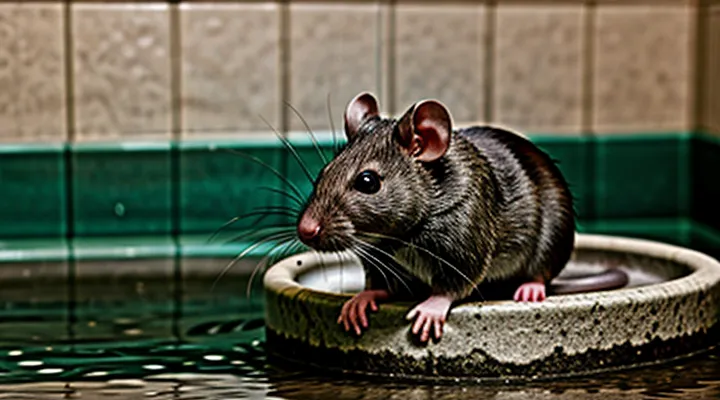
Understanding Rat Hygiene
Natural Grooming Behaviors
Rats manage coat condition primarily through self‑directed grooming. The behavior consists of rapid forepaw strokes, tongue licking, and occasional facial rubbing. These actions remove debris, spread natural oils, and maintain thermoregulation without external water sources.
When water is present, rats typically limit exposure to brief contact rather than full immersion. They may sip, splash paws, or press a wet surface against the body to achieve localized cleaning. Full baths are rare and often induce stress, indicating that natural grooming fulfills most hygienic needs.
Key elements of rat grooming:
- Forepaw sweeping across the back and sides.
- Tongue licking of the head, ears, and ventral region.
- Cheek and whisker cleaning with coordinated paw movements.
- Occasional use of moist substrates for targeted moisture.
Understanding these innate practices clarifies why rats seldom seek prolonged bathing. Providing opportunities for self‑grooming and occasional moist environments satisfies their hygienic requirements more effectively than enforced submersion.
The Role of Water in a Rat's Life
Hydration Needs
Rats require a steady supply of water to maintain blood volume, temperature regulation, and cellular function. Dehydration reduces skin elasticity, impairs thermoregulation, and increases the likelihood that a rat will resist handling, including exposure to water.
A typical adult rat consumes 10–15 ml of water per 100 g of body weight each day. Laboratory strains often drink slightly less than pet rats because of controlled environments, but both groups show increased intake when ambient temperature rises or when food is dry.
Skin health depends directly on hydration status. Adequate moisture keeps the epidermis supple, allowing the animal to tolerate brief, warm baths without excessive stress. Conversely, low water intake leads to dry, flaky fur and heightened sensitivity to temperature changes, making bathing uncomfortable.
Providing fresh water immediately before and after a soak supports recovery. Access to drinking water helps the rat re‑establish normal body temperature, replaces fluids lost through evaporation, and encourages normal grooming behavior.
Practical guidelines:
- Keep a clean water bottle or bowl within easy reach at all times.
- Check daily consumption; a sudden drop may signal illness or stress.
- Adjust water temperature to room temperature; avoid cold or hot water.
- Offer a small amount of water right after the bath to encourage drinking.
- Monitor the rat’s fur and skin; dryness indicates insufficient hydration.
Ensuring proper hydration eliminates a major barrier to comfortable bathing and promotes overall health.
Environmental Factors
Rats respond to bathing opportunities according to several environmental variables. Temperature directly influences comfort; water that is too cold triggers avoidance, while warm water near body temperature encourages immersion. Humidity levels affect skin moisture retention—high humidity reduces the need for external water sources, whereas low humidity can increase the desire for a soak.
Water quality matters. Clean, chlorine‑free water without strong odors minimizes stress and promotes voluntary contact. Stagnant or contaminated water often leads to avoidance and potential health risks. The depth and accessibility of the water source also shape behavior; shallow trays allow quick paw contact, while deeper bowls enable full-body immersion for rats that seek thorough cleaning.
Lighting conditions play a role. Dim or natural lighting reduces perceived threat, making rats more likely to approach water. Bright, harsh illumination can cause hesitation. Finally, enclosure design influences exposure: open‑top cages provide easy entry to water dishes, whereas enclosed habitats may limit access and discourage bathing.
- Key environmental factors:
- Water temperature (warm vs. cold)
- Ambient humidity (high vs. low)
- Water cleanliness (fresh vs. stagnant)
- Depth and accessibility of water source
- Lighting intensity (soft vs. bright)
- Cage architecture (open vs. enclosed)
Adjusting these parameters creates conditions under which rats are more inclined to engage in bathing behavior.
The Debate: Do Rats Enjoy Bathing?
Why Some Rats Might Seem to Enjoy Water
Playful Behavior vs. Enjoyment
Rats frequently interact with water, but the same actions can represent either exploratory play or genuine pleasure. Playful behavior appears as rapid, repetitive splashing, pursuit of moving droplets, and frequent changes in direction without sustained contact with the liquid. Enjoyment, by contrast, is indicated by prolonged immersion, relaxed posture, and a reduction in physiological stress markers.
Experimental observations show that rats exposed to a shallow water tray emit ultrasonic vocalizations in the 50‑kHz range during extended submersion, a signal linked to positive affect. Simultaneously, blood samples reveal lower corticosterone concentrations compared with brief, high‑intensity splashing episodes. The vocal and hormonal profiles differentiate short‑term play from enduring enjoyment.
Controlled studies provide quantitative criteria:
- Duration: Play bursts last 2‑5 seconds; enjoyment persists beyond 30 seconds.
- Posture: Play involves crouched, tense limbs; enjoyment displays relaxed limbs and flattened torso.
- Vocal output: Play triggers occasional low‑frequency calls; enjoyment generates consistent high‑frequency calls.
- Stress hormones: Play correlates with elevated corticosterone; enjoyment correlates with reduced levels.
These metrics allow researchers to separate rats’ water‑related antics that serve as exploratory play from those that reflect a pleasurable bathing experience.
Learned Associations
Rats form strong learned associations with water based on the consequences of each encounter. When water exposure is paired with restraint, cold temperature, or sudden immersion, the animal rapidly links the sensory cues of splash and humidity with stress, resulting in avoidance behavior. Laboratory studies demonstrate that rats repeatedly placed in a shallow water bath while restrained exhibit reduced exploratory activity and elevated corticosterone levels, confirming a negative association.
Conversely, gentle handling, warm water, and immediate food rewards can create a positive link between water and comfort. Experiments in which rats receive a small food pellet within seconds of a brief, lukewarm soak show increased approach latency to water sources and higher rates of voluntary immersion in subsequent trials. These findings indicate that the valence of the association depends on the context of the experience rather than an innate preference for bathing.
Key variables shaping learned associations include:
- Temperature of the water (cold → aversion; warm → neutral or positive)
- Presence of restraint or confinement (restraint → stress, free movement → reduced stress)
- Timing of reward delivery (immediate reward → reinforcement, delayed reward → weak association)
- Frequency of exposure (repeated negative exposure → stronger avoidance, intermittent positive exposure → flexible response)
The pattern of learned associations determines whether a rat displays a genuine enjoyment of bathing or merely tolerates it under specific conditions. Positive conditioning can mask innate discomfort, while repeated negative conditioning reinforces avoidance, suggesting that the animal’s response is largely a product of experience rather than a fixed preference.
Reasons Why Most Rats Dislike Bathing
Stress and Fear
Rats typically experience high stress levels when exposed to water immersion. Elevated cortisol and adrenaline concentrations appear within minutes of placement in a shallow tub, indicating activation of the hypothalamic‑pituitary‑adrenal axis. Observable signs include rapid breathing, frantic limb movements, and attempts to escape the container.
Fear responses manifest as freezing, vocalizations, and increased heart rate. Studies using video tracking show that rats spend significantly less time voluntarily entering a water‑filled arena compared to dry control zones. When water temperature deviates from body temperature by more than 2 °C, avoidance behavior intensifies, reinforcing the link between thermal discomfort and anxiety.
Key factors influencing the reaction:
- Water depth – deeper water restricts the ability to stand, amplifying panic.
- Temperature – cold water triggers thermoregulatory stress; warm water reduces but does not eliminate fear.
- Prior exposure – rats with repeated, non‑threatening water experiences display lower cortisol spikes, yet still exhibit cautious approach.
Neurochemical analysis reveals that the amygdala, a central fear processor, shows heightened activity during initial immersion, correlating with the observed behavioral patterns. Even after habituation, baseline stress markers remain above those recorded in dry environments, suggesting that bathing does not become a source of pleasure for most individuals.
Consequently, the premise that rats enjoy water‑based cleaning lacks empirical support. Their physiological and behavioral responses consistently indicate that bathing constitutes a stressor and a fear‑inducing event rather than a rewarding activity.
Risk of Hypothermia
Rats possess a high metabolic rate and maintain a core temperature around 37 °C (98.6 °F). Immersion in water colder than their body temperature rapidly draws heat from the skin and fur, potentially overwhelming thermoregulatory mechanisms. Even brief exposure to water below 20 °C (68 °F) can lower body temperature enough to trigger hypothermia, especially in young, elderly, or ill individuals.
Key factors influencing hypothermic risk:
- Water temperature: Temperatures under 20 °C increase heat loss; optimal bathing water lies between 30–35 °C (86–95 °F).
- Exposure duration: Periods longer than 2–3 minutes accelerate core cooling; shorter sessions reduce risk.
- Fur condition: Wet, matted fur impedes insulation, magnifying heat loss.
- Ambient environment: Cold air or drafts after bathing exacerbate cooling.
- Health status: Malnutrition, disease, or stress diminish the animal’s ability to generate heat.
Signs of hypothermia in rodents include shivering, lethargy, reduced responsiveness, and a drop in respiration rate. Immediate response should involve gently drying the animal, warming the environment, and providing a heat source such as a warming pad set to low intensity. Continuous monitoring of body temperature, using a rectal probe or infrared device, confirms recovery.
Best practices for safe water exposure:
- Prepare water within the 30–35 °C range.
- Limit immersion to a maximum of 2 minutes.
- Keep the bathing area free of drafts and maintain ambient temperature above 20 °C.
- Dry the rat thoroughly with a soft towel immediately after removal.
- Offer a warm, dry shelter for at least 30 minutes post‑bath.
Adhering to these guidelines minimizes the likelihood of hypothermia while allowing controlled water interaction, which can be useful for cleaning or veterinary procedures.
Stripping Natural Oils
Rats possess a dense coat coated with sebaceous secretions that maintain skin elasticity, protect against pathogens, and regulate temperature. When water contacts the fur, the lipid layer disperses, reducing its protective capacity.
Removing these oils produces several physiological changes:
- Decreased fur insulation, leading to rapid heat loss in cool environments.
- Increased susceptibility to bacterial and fungal growth on exposed skin.
- Elevated skin irritation, manifested by redness and scratching.
- Impaired water repellency, causing the coat to remain wet longer and fostering matting.
Consequently, a bath that strips natural oils may cause discomfort and stress, diminishing the likelihood that rats will tolerate repeated washing. To minimize adverse effects, limit immersion to brief, warm-water rinses, use a mild, rodent‑specific cleanser, and promptly dry the animal with a soft towel to restore the lipid barrier as quickly as possible.
Sensory Overload
Rats rely on whisker contact, scent detection, and acute hearing to navigate their environment. Immersing a rat in water introduces simultaneous tactile, thermal, auditory, and olfactory stimuli that can exceed the capacity of these sensory channels.
Sensory overload occurs when the brain receives more input than it can process efficiently. In rodents, the condition manifests as heightened stress responses, disrupted motor coordination, and avoidance of the source of stimulation.
Factors that contribute to overload during a bath include:
- Water pressure on whiskers, which interferes with tactile mapping.
- Rapid temperature change, challenging thermoregulation.
- Noise from running water, adding unexpected auditory input.
- Dissolved chemicals or soap, altering familiar scent cues.
Experimental observations show that rats exposed to prolonged immersion display elevated corticosterone levels and increased locomotor hesitation when returned to their cages. Short, lukewarm rinses produce fewer physiological changes, suggesting limited exposure mitigates overload.
For handling situations that require cleaning, apply the following guidelines:
- Use water at body temperature (approximately 37 °C).
- Keep exposure time under one minute.
- Reduce ambient noise by covering the water source.
- Avoid scented detergents; rinse with plain water only.
- Dry the animal promptly with a soft cloth.
Adhering to these practices minimizes sensory stress and aligns with the animal’s natural preference for dry, scent‑stable habitats.
When is Bathing Necessary for Rats?
Specific Situations Requiring Intervention
Illness or Injury
Rats that are ill or injured often display reduced interest in water immersion. Infection, fever, or musculoskeletal trauma can diminish the drive to groom or seek out moist environments, because physiological stress overrides the natural inclination to explore water. In some cases, pain in the limbs or joints makes the act of entering a tub or bath physically uncomfortable, leading the animal to avoid it altogether.
Key health conditions that alter bathing behavior include:
- Respiratory infections: congestion and coughing make inhaling humid air unpleasant, discouraging water exposure.
- Skin lesions or dermatitis: open wounds become more vulnerable to bacterial growth in damp settings, prompting avoidance.
- Gastrointestinal upset: nausea and reduced appetite are often accompanied by decreased activity, including avoidance of water.
- Orthopedic injuries: swelling or fractures in the hind limbs hinder the ability to climb into a container, eliminating the opportunity for bathing.
When a rat does engage with water despite illness, the experience may exacerbate the condition. Moisture can soften already compromised skin, facilitating secondary infections. Elevated body temperature from immersion may worsen fever, while stress from forced handling can suppress immune function. Monitoring a rodent’s willingness to enter water provides a practical indicator of health status; a sudden decline often signals underlying pathology that warrants veterinary assessment.
Severe Soiling
Rats that experience extreme fecal and urinary contamination often develop a strong aversion to water exposure. The build‑up of waste material clogs fur, reduces insulation, and creates a moist environment conducive to skin infections. As a result, the animal’s natural grooming instincts shift toward avoiding additional moisture that could worsen the condition.
Key consequences of severe soiling include:
- Loss of coat integrity, leading to heat loss and increased susceptibility to hypothermia.
- Irritation and ulceration of skin, which painfully intensifies when the animal is immersed.
- Elevated risk of respiratory problems caused by inhalation of ammonia‑laden air from contaminated bedding.
When rats are forced into a bath under these circumstances, stress hormones rise, and the animal may exhibit frantic struggling, vocalizations, and attempts to escape. This behavior indicates that bathing provides no relief; instead, it compounds discomfort and may trigger secondary infections.
Preventive measures focus on maintaining a clean habitat. Regular cage cleaning, adequate ventilation, and prompt removal of soiled bedding reduce the likelihood of severe contamination. In environments where cleaning is insufficient, providing a shallow water source for voluntary drinking, rather than forced immersion, supports hydration without exposing the rat to the hazards associated with a dirty coat.
In summary, extreme waste accumulation creates physiological and behavioral barriers that make water immersion undesirable for rats, negating any potential benefit of bathing.
Parasite Infestation
Rats frequently carry ectoparasites such as fleas, lice, and mites, and endoparasites including nematodes, cestodes, and protozoa. These organisms thrive in dense fur and moist skin folds, making grooming essential for parasite control.
Water exposure can directly reduce ectoparasite numbers. Immersion or thorough rinsing removes loose insects and dislodges larvae attached to the coat. However, most rats instinctively avoid submersion, preferring brief self‑grooming. In laboratory or pet settings, controlled bathing with mild, non‑detergent solutions can lower infestation levels without harming the animal’s skin barrier.
Endoparasite burdens are unaffected by external washing; they require internal treatment. Diagnostic fecal analysis identifies species such as Hymenolepis nana (dwarf tapeworm) or Strongyloides spp. Targeted anthelmintics, administered orally, eliminate these infections.
Effective parasite management combines:
- Regular inspection of fur for visible ectoparasites.
- Periodic, gentle baths for captive rats when ectoparasite load rises.
- Routine fecal screening for internal parasites.
- Prompt pharmacological intervention based on identified species.
Maintaining clean bedding, limiting overcrowding, and providing dry nesting material further reduce the risk of infestation, supporting overall rat health regardless of bathing preferences.
Safe Bathing Techniques
Water Temperature and Depth
Rats show a clear preference for water that is warm but not hot. Experiments indicate that temperatures between 24 °C and 30 °C (75 °F–86 °F) elicit the most sustained activity, while cooler water (< 20 °C) triggers rapid avoidance. Temperatures above 35 °C (95 °F) cause stress responses, including rapid breathing and attempts to escape the source.
Depth influences comfort and safety. Rats can navigate shallow pools as little as 2 cm deep without difficulty, using their paws to maintain balance. When depth exceeds 5 cm, most individuals remain near the surface, relying on their ability to float and paddle. Depths greater than 10 cm rarely attract prolonged immersion; rats typically retreat to the edge after brief exposure.
Practical guidelines for providing a suitable bathing environment:
- Water temperature: maintain 24 °C–30 °C.
- Depth: 2 cm–5 cm for unrestricted movement; avoid exceeding 10 cm.
- Monitor behavior: prolonged submersion or frantic attempts to exit indicate unsuitable conditions.
Appropriate Shampoos or Cleansers
Choosing a cleanser for a rodent requires attention to safety, pH balance, and ingredient composition. Veterinary recommendations limit products to those formulated for small mammals or specifically for rats. Human shampoos often contain fragrances, detergents, or preservatives that can irritate the delicate skin and compromise the coat’s natural oils.
Key characteristics of a suitable product:
- Mild, pH‑neutral formula (approximately 6.5–7.0) to match the skin’s natural acidity.
- Absence of strong fragrances, dyes, and parabens.
- Inclusion of hypoallergenic, non‑ionic surfactants such as coco‑betaines.
- Presence of moisturising agents like aloe vera or oatmeal to reduce dryness.
- Tested for toxicity in small mammals; preferably labeled “pet‑safe” or “small‑animal‑approved.”
When a wash is necessary, apply a small amount of the cleanser to damp fur, avoiding the eyes, ears, and nose. Rinse thoroughly with lukewarm water to eliminate residue that could cause dermatitis. Pat the animal dry with a soft towel; avoid hair dryers, which can overheat the skin.
Monitoring after the bath is essential. Signs of adverse reaction—redness, excessive scratching, or a greasy coat—indicate the product is unsuitable and should be discontinued. In such cases, switch to a veterinary‑approved cleanser or use plain warm water for future hygiene sessions.
Gentle Handling and Drying Methods
Rats tolerate brief water exposure when they are approached calmly and supported securely. A handler should cup the animal in one hand, allowing the forepaws to rest on the palm while the hind legs hang freely. This posture prevents the rat from feeling trapped and reduces stress signals. The water temperature must stay near body heat, typically between 35 °C and 37 °C, to avoid shock. A shallow basin limits movement, making the experience more manageable.
After the rinse, the drying phase is critical to prevent hypothermia. The following steps ensure rapid, gentle drying:
- Transfer the rat to a soft, absorbent towel; press lightly to remove excess moisture.
- Use a second towel to pat the fur, avoiding vigorous rubbing that could damage the coat.
- If ambient temperature is low, place the animal in a warm, draft‑free enclosure for 5–10 minutes; a low‑intensity heat lamp at a safe distance may be employed.
- Observe the rat’s behavior; normal grooming activity indicates successful recovery.
Consistent application of these techniques minimizes anxiety and promotes a positive association with occasional bathing, allowing owners to maintain hygiene without compromising the animal’s welfare.
Post-Bath Care
After a rat is bathed, immediate attention prevents temperature loss and skin irritation. Dry the animal with a soft, lint‑free towel, applying gentle pressure to remove excess water. Avoid vigorous rubbing that could damage the delicate fur.
- Place the rat in a warm, draft‑free area until its coat is completely dry; a temperature of 24‑26 °C (75‑79 °F) is optimal.
- Observe the animal for signs of shivering or lethargy; intervene with a heating pad set on low if necessary, but never let the surface become hot enough to cause burns.
- Check ears, paws, and tail for residual moisture; dry these areas carefully, as retained water can foster fungal growth.
- Offer a small amount of fresh water and a light snack to encourage hydration and energy replenishment.
- Inspect the skin for redness, abrasions, or unusual discharge; contact a veterinarian promptly if abnormalities appear.
Regular post‑bath routines support a healthy coat, maintain body temperature, and reduce the risk of infection. Consistency in these practices contributes to the overall well‑being of pet rats.
Alternatives to Full Baths
Spot Cleaning
Rats rarely seek out water, yet occasional bathing may be necessary for health or odor control. Spot cleaning targets only the contaminated area, reducing stress and preventing full‑body immersion that most rodents find uncomfortable.
Effective spot cleaning for a rat includes:
- Identify the soiled region, such as a paw pad or fur patch after a spill.
- Use a shallow dish of lukewarm water; limit exposure to a few seconds.
- Moisten a soft, lint‑free cloth or cotton swab with the water, gently wipe the area.
- Apply a small amount of pet‑safe, fragrance‑free disinfectant if bacteria are suspected; avoid soaking the skin.
- Pat the spot dry with a clean towel, then monitor the rat for signs of irritation.
Regularly inspecting cages for localized messes allows owners to intervene promptly, maintaining hygiene without subjecting the animal to full‑body baths. This approach respects the rat’s natural aversion to water while ensuring cleanliness where it matters most.
Dust Baths and Sand Baths
Rats instinctively seek out dry substrates such as dust or sand to perform self‑grooming rituals. When a rat digs into a shallow pit of fine material, it rolls, sweeps, and flicks the particles across its fur. This activity removes excess oil, dislodges parasites, and reduces skin irritation more effectively than water alone.
Key functions of dust and sand baths:
- Absorption of sebum and moisture from the coat.
- Mechanical removal of ectoparasites, including mites and fleas.
- Stimulation of natural foraging and digging behaviors, which alleviates stress.
- Cooling effect in warm environments, as the dry medium evaporates residual moisture.
Observational data indicate that rats spend several minutes per session, alternating between digging, rolling, and grooming. Frequency varies with individual preference and habitat conditions, but most captive rats engage in a dry bath at least once daily when suitable material is available.
Providing a dedicated dust‑bath box—filled with low‑dust, chemically inert sand or specialized rodent dust—supports the animal’s hygiene and mental well‑being. The substrate should be changed regularly to prevent bacterial buildup, and the enclosure must remain dry to avoid mold growth.
Environmental Enrichment for Self-Grooming
Research on laboratory and pet rats shows that opportunities for self‑grooming reduce stress and improve coat condition, suggesting a positive association with water‑related activities. Providing environments that encourage rats to clean themselves can make bathing experiences more appealing.
Key elements of enrichment for self‑grooming include:
- Textured surfaces such as sandpaper, sisal rope, and natural wood chips that allow rats to rub against rough material.
- Branching structures with varying diameters, enabling rats to brush their fur while climbing.
- Grooming stations equipped with shallow water dishes, shallow mud trays, or moist sponges, offering controlled exposure to moisture.
- Reusable grooming toys made from safe polymers or untreated cotton that mimic natural debris.
Implementing these items in cages or vivaria yields measurable benefits: reduced incidence of alopecia, lower cortisol levels, and increased frequency of voluntary grooming bouts. When rats encounter water in a familiar, low‑stress setting, they are more likely to explore bathing voluntarily rather than react defensively.
To maximize effectiveness, rotate enrichment objects weekly, maintain cleanliness to prevent bacterial growth, and monitor individual preferences. Some rats may favor dry rubbing surfaces, while others respond more readily to moist substrates. Tailoring enrichment to observed behavior ensures that self‑grooming opportunities support overall welfare and enhance the likelihood that rats will enjoy bathing when it occurs.