
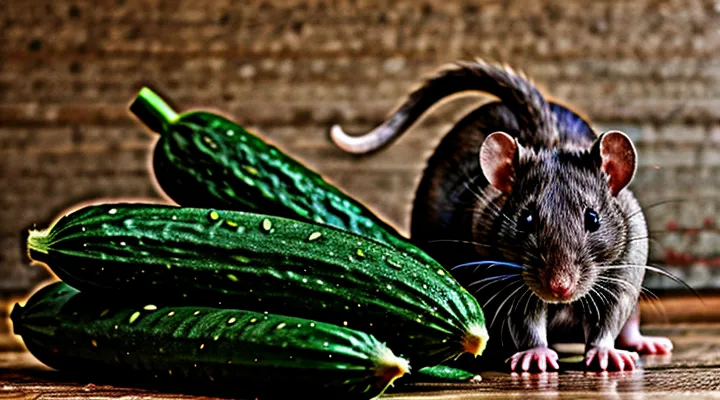
The Nutritional Value of Cucumbers for Rats
Macronutrients in Cucumbers
Rats are capable of consuming cucumbers, and the macronutrient profile of this vegetable determines its nutritional value for them.
- Water: approximately 95 % of fresh cucumber weight, providing hydration.
- Carbohydrates: 3.6 g per 100 g, primarily simple sugars such as glucose and fructose.
- Protein: 0.7 g per 100 g, consisting of essential amino acids in modest amounts.
- Fat: 0.1 g per 100 g, negligible for an omnivorous rodent.
The high water content supplies most of the caloric intake, while the limited protein and fat make cucumbers a low‑energy supplement rather than a primary food source. Carbohydrate levels are sufficient to offer a quick source of glucose, which can support short bursts of activity. However, the modest protein contribution means that cucumbers alone cannot meet the rat’s requirement for growth and tissue maintenance; additional protein‑rich foods are necessary.
In summary, cucumbers deliver abundant hydration, minimal calories, and a small amount of protein, making them an acceptable occasional component of a rat’s diet but insufficient as a sole nutritional staple.
Micronutrients in Cucumbers
Vitamins
Rats will readily eat cucumber when it is offered, and the vegetable supplies several vitamins that contribute to their dietary balance.
- Vitamin A (β‑carotene) – supports vision and immune function.
- Vitamin C – acts as an antioxidant and aids collagen synthesis.
- Vitamin K – required for blood clotting and bone metabolism.
- B‑complex vitamins (B1, B2, B3, B5, B6, B9) – participate in energy production and cellular processes.
Laboratory and pet‑rat nutrition guidelines list these vitamins among the nutrients rats need in moderate amounts. Cucumber’s vitamin profile complements standard rodent chow, which often contains fortified levels of the same nutrients. The vegetable’s water content also assists hydration, but its low caloric density means it should not replace the primary energy source.
When incorporating cucumber into a rat’s diet, provide fresh, washed slices in quantities that do not exceed 10 % of total daily food intake. Monitor for any signs of digestive upset, and ensure the main diet continues to meet the species’ recommended vitamin levels.
Minerals
Rats are omnivorous rodents that occasionally accept raw vegetables, including cucumber, as part of a supplemental diet. The relevance of cucumber lies primarily in its mineral profile, which can influence the nutritional balance for captive or laboratory rats.
Cucumber (Cucumis sativus) contains low concentrations of several essential minerals:
- Calcium: 16 mg per 100 g, supporting bone mineralization.
- Magnesium: 13 mg per 100 g, involved in enzymatic reactions.
- Potassium: 147 mg per 100 g, critical for nerve impulse transmission.
- Phosphorus: 24 mg per 100 g, required for energy metabolism.
- Sodium: 2 mg per 100 g, minimal but contributes to electrolyte balance.
Rats require a diet that supplies adequate amounts of calcium, phosphorus, magnesium, potassium, and trace elements such as zinc and iron. Cucumber’s mineral contributions are modest; calcium and phosphorus levels are insufficient to meet the daily requirements of a growing rat, while potassium and magnesium can complement other feed components. The low sodium content aligns with the need to avoid excess dietary salt.
When incorporating cucumber into a rat’s diet, consider the following guidelines:
- Offer cucumber in limited quantities (no more than 5 % of total food weight) to prevent nutrient dilution.
- Combine with fortified rodent chow that supplies the bulk of mineral needs.
- Monitor for gastrointestinal upset, as excessive raw vegetable intake may cause diarrhea.
- Ensure fresh, pesticide‑free cucumbers to avoid toxic residues.
In summary, cucumber provides a small but beneficial source of select minerals for rats. Its inclusion should be strategic, complementing a nutritionally complete base diet rather than serving as a primary mineral source.
Can Rats Safely Eat Cucumbers?
Potential Benefits of Feeding Cucumbers to Rats
Feeding cucumbers to rats can improve overall health when incorporated correctly into a balanced diet. The vegetable’s high water content supports hydration, especially in warm environments, while its low caloric density aids in weight control. Essential nutrients such as vitamin K, vitamin C, and potassium contribute to metabolic functions and electrolyte balance. Dietary fiber present in cucumber flesh promotes gastrointestinal motility, reducing the risk of constipation and supporting a stable gut microbiome.
- Hydration: ~95 % water enhances fluid intake without excess calories.
- Nutrient supply: Vitamins K and C, potassium, and small amounts of magnesium.
- Fiber: Insoluble fiber encourages regular bowel movements and microbial diversity.
- Antioxidants: Cucurbitacin compounds provide mild oxidative stress mitigation.
- Dental benefit: Crunchy texture encourages natural tooth wear, helping maintain proper incisor length.
Moderate portions—no more than 5–10 % of daily food volume—prevent potential issues such as excess moisture leading to loose stools. Selecting organic, washed cucumbers eliminates pesticide exposure. When offered alongside standard rodent pellets and occasional protein sources, cucumbers serve as a safe, health‑promoting supplement.
Potential Risks of Feeding Cucumbers to Rats
Pesticide Residues
Rats are opportunistic omnivores and will consume cucumbers when they are readily available. The presence of pesticide residues on cucumbers influences both the attractiveness of the fruit and the health outcomes for rats that ingest it.
Pesticide residues originate from agricultural practices intended to protect crops from insects, diseases, and weeds. Residue levels are regulated by maximum residue limits (MRLs) established by agencies such as the EPA and EFSA. When cucumbers exceed these limits, the chemical compounds can be toxic to rodents, causing acute symptoms (e.g., tremors, salivation) or chronic effects (e.g., hepatic enzyme induction, reproductive impairment).
Key considerations for evaluating rat consumption of cucumbers with pesticide residues:
- Residue type – organophosphates, carbamates, pyrethroids, and neonicotinoids each have distinct toxicity profiles in rodents.
- Concentration – exposure risk rises sharply when measured residues approach or surpass the MRL.
- Feeding behavior – rats may avoid heavily contaminated produce if alternative food sources are present; however, scarcity can override avoidance.
- Metabolic capacity – hepatic enzymes in rats metabolize many pesticides, but inter‑species variation can affect detoxification efficiency.
- Experimental implications – uncontrolled pesticide exposure can confound studies of rat nutrition, behavior, or disease models involving cucumber diets.
Monitoring residue levels on cucumbers used in laboratory or field settings ensures that observed rat responses are attributable to the intended dietary component rather than unintended chemical toxicity.
Digestive Upset
Rats may accept cucumber as a snack, but the vegetable’s high water content and mild acidity can provoke gastrointestinal disturbance in some individuals. The fibrous skin and seeds introduce bulk that exceeds the rat’s typical digestive capacity, especially when offered in large pieces or without gradual introduction.
Symptoms of digestive upset include:
- Soft or watery feces
- Reduced food intake
- Lethargy
- Abdominal distension
- Occasional vomiting in severe cases
Preventive measures consist of limiting cucumber portions to no more than one‑quarter of a standard slice per day, removing the skin and seeds, and monitoring the animal for any change in stool consistency. If diarrhea persists for more than 48 hours, replace cucumber with a bland diet of boiled rice and plain water, and consult a veterinarian for possible rehydration therapy.
How to Prepare Cucumbers for Rats
Washing
When investigating whether rodents will consume cucumber, the cleanliness of the vegetable directly influences experimental outcomes and animal health. Residual soil, pesticides, or microbial contaminants can deter feeding, cause gastrointestinal distress, or introduce variables that obscure dietary preferences.
Thorough washing removes surface residues and standardizes the test material. Recommended procedure:
- Rinse under cool running water for 30 seconds, using a soft brush to dislodge particles.
- Submerge in a 10 % diluted food‑grade sanitizer solution for 2 minutes.
- Rinse again with potable water to eliminate sanitizer traces.
- Pat dry with a clean cloth or paper towel before presentation.
Consistent application of these steps ensures that observed rat behavior reflects true acceptance of cucumber rather than reactions to contaminants.
Peeling
Rats will consume cucumber flesh, but the outer skin influences acceptance and safety. The epidermal layer of cucumber contains high concentrations of dietary fiber, chlorophyll, and, when grown conventionally, residual pesticides. These components can impede digestion in small rodents and increase the risk of gastrointestinal irritation.
Studies of laboratory rat diets show a marked preference for peeled cucumber when presented alongside unpeeled specimens. The reduced texture hardness and lower fiber content of the peeled fruit facilitate mastication and nutrient absorption. Nevertheless, some rats ingest the skin without adverse effects, especially when the produce is organically cultivated and thoroughly rinsed.
Feeding guidelines recommend the following steps:
- Rinse cucumber under running water to remove surface contaminants.
- Remove the skin with a clean vegetable peeler or knife, discarding the peel.
- Cut the flesh into bite‑size cubes (approximately 0.5 cm³) to match the animal’s oral capacity.
- Offer no more than 10 % of the total daily food volume as cucumber to avoid excess water intake.
When the peel is retained, monitor the animal for signs of reduced appetite, loose stools, or abdominal discomfort. Immediate removal of the fruit and observation of behavior are advised if any abnormality appears.
Portion Size
Rats can safely eat cucumber, but the amount offered must align with their dietary needs and body weight. A typical adult laboratory rat weighing 250 g can consume roughly 5–10 g of fresh cucumber per day without adverse effects. Smaller pet rats require proportionally less, often not exceeding 2–4 g daily.
Guidelines for serving cucumber to rats:
- Offer a single bite‑sized piece (approximately 0.5 cm thick) at each feeding.
- Limit total cucumber intake to no more than 3 % of the animal’s overall food consumption.
- Provide cucumber as a supplement, not as a primary food source; maintain a balanced diet of grains, protein, and fiber.
Excessive cucumber may cause digestive upset because of its high water content. Monitor the rat’s stool and behavior after introduction to ensure tolerance. Adjust portions gradually if any signs of diarrhea or reduced appetite appear.
How Often Can Rats Eat Cucumbers?
Moderation is Key
Rats can safely consume cucumber, but the vegetable should be offered in limited amounts. Their natural diet consists mainly of grains, seeds, and insects; fresh produce provides moisture and fiber but lacks the protein and fats they require for optimal health.
- A small slice (approximately 1–2 cm) satisfies a rat’s curiosity without displacing essential nutrients.
- Excess cucumber can dilute the diet’s caloric density, leading to weight loss or nutrient deficiencies.
- High water content may cause loose stools if introduced abruptly or in large portions.
Introducing cucumber gradually allows the digestive system to adjust. Monitor the animal’s stool consistency and overall activity after each feeding. If any adverse signs appear, reduce or cease cucumber provision.
Balanced feeding schedules that prioritize staple foods and supplement with occasional vegetables maintain a healthy weight, support dental wear, and prevent dietary boredom. Moderation thus ensures that cucumber remains a beneficial, not detrimental, addition to a rat’s regimen.
Integrating Cucumbers into a Balanced Rat Diet
Cucumbers can be included in a rat’s diet without compromising nutritional balance when they are offered in limited quantities and combined with other food groups. Their high water content supplies hydration, while the modest amount of fiber supports digestive health.
Key nutritional points for cucumber integration:
- Moisture: Approximately 95 % water; useful for preventing dehydration, especially in dry environments.
- Calories: Roughly 15 kcal per 100 g; contributes minimal energy, preventing excess caloric intake.
- Vitamins: Provides vitamin K and small amounts of vitamin C; supplements the rat’s requirement for micronutrients.
- Minerals: Supplies potassium and small quantities of magnesium; aids electrolyte balance.
- Fiber: Low soluble fiber; complements the fiber supplied by grains, legumes, and leafy greens.
Guidelines for safe inclusion:
- Offer raw cucumber slices no larger than 1 cm thick; larger pieces may be difficult for small rodents to handle.
- Limit servings to 5–10 % of total daily food volume; higher proportions risk diluting essential protein and fat intake.
- Remove seeds and skin if the rat shows signs of gastrointestinal irritation; some individuals prefer peeled cucumber.
- Rotate cucumber with other vegetables such as carrots, bell peppers, and broccoli to ensure a varied nutrient profile.
Monitoring is essential. Observe the rat for changes in stool consistency, appetite, or activity level after introducing cucumber. Any adverse reaction warrants immediate cessation and consultation with a veterinarian experienced in small‑animal nutrition.
Other Safe Vegetables for Rats
Leafy Greens
Rats are omnivorous rodents that readily consume plant matter, and leafy vegetables rank among their preferred foods. Their natural foraging behavior includes nibbling on tender foliage, which supplies fiber, vitamins, and minerals essential for growth and reproduction.
Common leafy greens accepted by rats include:
- Romaine lettuce
- Kale
- Spinach (in moderation)
- Swiss chard
- Collard greens
These greens provide high levels of vitamin A, vitamin K, calcium, and antioxidants. Rats demonstrate a strong preference for the crisp texture and mild flavor of fresh leaves, often selecting them before other vegetables.
When evaluating the likelihood of rats ingesting cucumbers, the presence of leafy greens influences consumption patterns. Rats offered both cucumbers and fresh greens typically consume the greens first, using the cucumber as a supplemental source of moisture rather than a primary food item. The high water content of cucumbers may be appreciated, but the nutritional density of leafy greens makes them a more attractive option.
For safe incorporation of leafy greens into a rat’s diet, follow these guidelines:
- Wash thoroughly to remove pesticides or contaminants.
- Offer small, bite‑size portions to prevent choking.
- Rotate varieties to provide a balanced nutrient profile.
- Limit spinach and kale to occasional servings due to oxalate content.
Providing a consistent supply of fresh leafy vegetables satisfies rats’ dietary needs and reduces the reliance on cucumbers as a water source, confirming that leafy greens play a central role in their overall feeding behavior.
Root Vegetables
Rats are omnivorous mammals that regularly include plant matter in their diet. Among vegetables, they show a marked preference for underground parts, which are often more accessible and nutritionally dense.
Common root vegetables consumed by rats include:
- Carrots
- Beets
- Turnips
- Sweet potatoes
- Radishes
- Parsnips
These foods provide carbohydrates, sugars, and fiber that support the high metabolic rate of rodents. The texture of root crops is soft enough for gnawing, and the natural sugars satisfy the animal’s craving for sweet flavors.
When evaluating the broader question of rats eating cucumbers, it is relevant to compare the nutritional profile of cucumbers with that of root vegetables. Cucumbers contain high water content and low caloric value, while root vegetables deliver higher energy density and essential nutrients such as vitamin A, potassium, and complex carbohydrates. Consequently, rats are more likely to favor root crops over cucumbers when both are available.
Laboratory observations confirm that rats will readily consume carrots, beets, and similar tubers when presented alongside cucumbers. Preference tests show a statistically significant increase in intake of root vegetables, indicating a dietary bias toward these items.
In summary, root vegetables constitute a substantial component of a rat’s plant-based intake, offering energy and nutrients that cucumbers lack. This preference influences feeding behavior and should be considered when assessing rodent interactions with garden produce.
What Vegetables Should Rats Avoid?
Toxic Vegetables
Rats frequently encounter a variety of plant foods, prompting questions about their willingness to consume cucumbers and the safety of other vegetables in their diet. Cucumbers contain minimal levels of solanine and other alkaloids, rendering them non‑toxic for rodents. Their high water content and mild flavor make them an acceptable occasional treat, provided they are fresh and free of pesticides.
Several vegetables pose a clear risk to rat health. The following list identifies common toxic items and the primary compounds responsible for adverse effects:
- Tomatoes (unripe or green parts) – solanine, tomatine
- Potatoes (green skin or sprouts) – solanine, chaconine
- Eggplant – solanine, nasunin
- Bell peppers (green, unripe) – solanine
- Nightshade family members (e.g., deadly nightshade) – atropine, scopolamine
When offering cucumbers or other vegetables, adhere to these practices: wash thoroughly to remove residues, serve in small portions, and monitor for signs of digestive upset. Replace any suspicious or toxic vegetables with safe alternatives such as carrots, leafy greens, or apples, which lack harmful alkaloids. Consistent observation and a balanced diet reduce the likelihood of poisoning while allowing rats to enjoy the occasional cucumber bite.
Vegetables Causing Digestive Issues
Rats frequently sample a range of garden produce, yet several vegetables trigger gastrointestinal disturbances. The primary mechanisms involve high concentrations of indigestible fibers, sulfur‑rich glucosinolates, or irritant alkaloids that overload the small intestine and alter microbial balance.
Common culprits include:
- Cabbage, broccoli, kale – rich in glucosinolates that ferment rapidly, producing gas and bloating.
- Lettuce varieties with high water content – may cause diarrhea when consumed in excess.
- Onions and garlic – contain thiosulfates that irritate the mucosa and can lead to hemolytic anemia at high doses.
- Tomatoes (green) – contain solanine, a known irritant.
- Spinach – oxalates may precipitate renal stress and contribute to constipation.
Cucumbers differ markedly. Their low fiber and minimal glucosinolate content make them less likely to provoke the reactions listed above. Nonetheless, individual rats can exhibit sensitivity; sudden introduction may still result in loose stools if the animal’s gut flora is unaccustomed.
Effective management for rodent caretakers involves:
- Introducing any new vegetable in small quantities.
- Observing fecal consistency for at least 48 hours after each addition.
- Removing any food that produces persistent soft stools or mucus.
- Maintaining a balanced diet that limits problematic vegetables to occasional, minimal portions.
By adhering to these practices, owners can provide nutritional variety while minimizing the risk of digestive upset.