
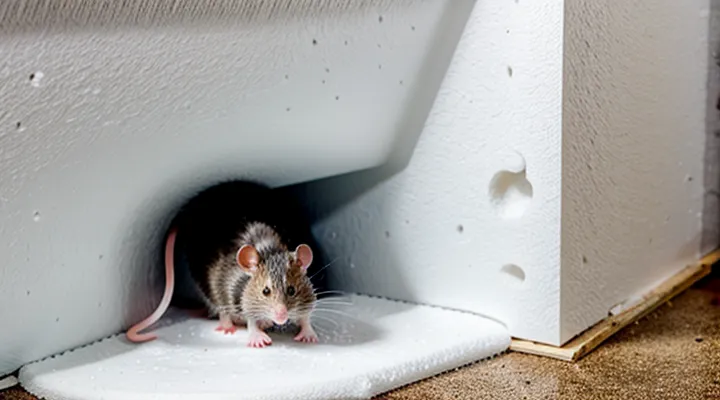
Understanding Mice Behavior and Habitats
Why Mice Seek Shelter
Food Sources
Mice can colonize cavities formed by foam sheathing, and their presence is sustained by the nutrients they can acquire within the wall cavity and nearby structures.
Typical nutrition sources inside insulated wall assemblies include:
- Wood framing members, especially if they show signs of decay or have been exposed to moisture.
- Residual foam material that has softened or broken down, providing a low‑protein, carbohydrate‑rich substrate.
- Dust, lint, and shredded paper that accumulate in the voids behind the insulation.
- Small insects or larvae that develop in the same concealed spaces.
External food supplies that draw rodents toward the insulation cavity are:
- Crumbs and spills from kitchens or pantries that migrate along baseboards and gaps.
- Pet food left uncovered or stored in low cabinets.
- Grain, cereal, and packaged snacks that are not sealed properly.
- Fruit or vegetable waste that is disposed of in open trash bins near the building.
When these food sources are abundant, mice are more likely to establish nests within foam‑filled cavities, increasing the risk of structural damage and contaminating the insulation with droppings and urine. Effective mitigation requires eliminating both interior and exterior nutrient pathways.
Water Access
Mice can occupy foam insulation, but the material itself supplies little water. Foam’s closed‑cell structure repels moisture, creating an environment where rodents must seek hydration elsewhere.
Typical water sources for mice in insulated walls include:
- Leaking pipes or fixtures that drip into cavities.
- Condensation on cold surfaces that gathers on framing or insulation.
- Moisture absorbed by adjacent building materials such as gypsum board or wood.
- Water content inherent in stored food particles or debris.
When external water sources are absent, mice may experience dehydration, limiting population growth and activity. Detecting signs of moisture intrusion—wet spots, rust, or mold—often correlates with rodent presence in foam‑filled spaces. Addressing leaks and reducing condensation effectively removes the primary water supply that sustains mice in these areas.
Protection from Predators and Elements
Mice seeking shelter often encounter foam insulation within building cavities. The material’s dense, soft structure creates a concealed space that limits visibility and access for common predators such as cats, snakes, and birds of prey.
- Narrow channels impede larger hunters.
- Soft texture reduces noise generated by movement.
- Lack of direct line‑of‑sight prevents visual detection.
Beyond predator avoidance, foam insulation offers environmental protection. Its low thermal conductivity stabilizes interior temperatures, shielding mice from extreme cold in winter and excessive heat in summer. The closed‑cell composition resists moisture penetration, preventing dampness that could lead to hypothermia or fungal growth.
However, the same properties that provide safety also impose constraints. The airtight environment can trap carbon dioxide, leading to respiratory stress if ventilation is insufficient. High temperatures generated by electrical wiring or sunlight exposure may raise the foam’s temperature beyond tolerable limits for rodents. Additionally, some insulation formulations contain chemicals that are toxic when ingested or inhaled.
Overall, foam insulation furnishes mice with a hidden refuge that reduces predator encounters and buffers against temperature and humidity fluctuations, while also presenting physiological challenges that limit long‑term habitation.
The Nature of Foam Insulation
Types of Foam Insulation
Foam insulation comes in several distinct categories, each defined by composition, density, and moisture resistance. Understanding these categories clarifies how they interact with potential rodent activity.
Open‑cell spray foam expands rapidly, forming a low‑density matrix that fills cavities. Its cells remain unsealed, allowing vapor transmission. The material is soft enough for rodents to chew through, making it less effective as a barrier.
Closed‑cell spray foam produces a high‑density, airtight barrier. The sealed cells inhibit water penetration and increase structural strength. Rodents find it difficult to gnaw, though prolonged exposure can still cause damage.
Rigid foam boards are manufactured from three primary polymers:
- Expanded polystyrene (EPS): lightweight, moderate compressive strength, relatively porous. Mice can create entry points with minimal effort.
- Extruded polystyrene (XPS): denser than EPS, with a closed cell structure that resists moisture and offers greater resistance to gnawing.
- Polyisocyanurate (polyiso): highest thermal performance among rigid boards, featuring a foil facing that adds a moisture barrier. Its rigidity and density deter rodent intrusion.
Polyurethane panels, similar to polyiso but without the foil layer, provide comparable density and moisture resistance. Their solid surface presents a physical obstacle to mice.
Selection of foam type influences both insulation efficiency and susceptibility to rodent habitation. High‑density, closed‑cell products present the most effective deterrent, while low‑density, open‑cell options offer minimal resistance.
Properties of Foam Insulation
Foam insulation consists primarily of closed‑cell polymers such as polyurethane, polyisocyanurate, or phenolic resin. The material expands during application, creating a continuous barrier that fills cavities and adheres to structural surfaces.
- Density: Ranges from 1–3 lb/ft³ for low‑density spray foam to 4–5 lb/ft³ for high‑density variants. Higher density produces a tougher matrix that resists penetration.
- Cell structure: Closed cells trap air, limiting airflow and reducing voids that could serve as nesting spaces.
- Thermal conductivity: Values between 0.022–0.030 W/(m·K) maintain stable interior temperatures, discouraging rodents that seek warm, fluctuating environments.
- Moisture resistance: Closed‑cell foam repels water, preventing condensation that would attract insects and rodents seeking damp conditions.
- Chemical composition: Additives such as flame retardants and biocides create an inhospitable chemical environment for small mammals.
Low‑density foam can be pushed aside or chewed, providing a pathway for mice to create tunnels. High‑density foam forms a solid block that limits physical alteration and reduces available crevices. Moisture‑impermeable cells eliminate the humidity that often draws rodents to building cavities. Consistent temperature within the insulated envelope removes the thermal gradient that typically motivates mice to seek shelter.
Selecting high‑density, closed‑cell foam with moisture barriers and chemical deterrents minimizes the likelihood of rodent habitation. Proper installation that eliminates gaps and ensures full coverage further reinforces the barrier against intrusion.
How Foam Insulation is Installed
Foam insulation is applied as a continuous barrier that fills cavities, reduces heat transfer, and blocks air infiltration. The process begins with a thorough assessment of the target space, removal of damaged material, and sealing of large openings to prevent spray escape.
Preparation
- Identify all cavities, studs, and joists that require coverage.
- Clean surfaces of dust, oil, and loose debris.
- Install temporary barriers (plastic sheeting or tape) around windows, doors, and vent openings.
Equipment and safety
- Use a two‑component spray rig calibrated for the selected foam density.
- Wear chemical‑resistant gloves, goggles, and a respirator rated for isocyanate vapors.
- Ensure adequate ventilation in the work area.
Application
- Mix the resin and catalyst according to manufacturer specifications; the reaction begins within seconds.
- Attach the spray nozzle to the rig, set the desired expansion rate, and begin dispensing at a steady pace.
- Direct the foam into each cavity, allowing it to expand and fill gaps completely.
- Monitor the thickness; most building codes limit expansion to 1‑2 inches per application to avoid over‑pressurization.
- Allow the material to cure for the recommended period, typically 15‑30 minutes, before handling.
Finishing
- Trim excess foam that protrudes beyond structural members using a utility knife.
- Apply sealant around penetrations, pipe sleeves, and electrical boxes to maintain continuity.
- Conduct a visual inspection for voids or uneven coverage; re‑spray any deficient areas.
Proper installation creates an airtight envelope that deters rodent intrusion by eliminating accessible voids, while delivering the thermal performance expected of modern insulation systems.
Do Mice Inhabit Foam Insulation? The Core Question
Mice and Open-Cell Foam Insulation
Ease of Entry and Nesting
Foam insulation creates a continuous barrier that can conceal gaps, cracks, and seams. When panels are cut, trimmed, or installed without sealing, openings as small as a quarter‑inch remain. Mice, whose bodies compress to roughly 0.5 inches in width, can squeeze through these imperfections and gain direct access to the cavity.
Entry is facilitated by several common conditions:
- Unsealed joints between foam boards and framing members.
- Gaps around electrical boxes, plumbing penetrations, and HVAC ducts that intersect the insulation.
- Damage from rodents or pests that enlarges existing openings.
Once inside, the material offers a stable, insulated environment. The porous structure retains warmth and reduces drafts, while the softness of the foam provides a comfortable substrate for building nests. Mice can gather shredded paper, fabric, or insulation fibers to construct a compact nest that remains concealed within the foam mass.
The combination of easily exploitable entry points and a protected, temperature‑controlled cavity makes foam insulation particularly inviting for rodent habitation. Proper sealing of all seams and regular inspection of penetrations are essential measures to prevent mice from establishing nests in this material.
Material Degradation and Tunneling
Mice are attracted to foam insulation primarily because it offers shelter and a stable temperature. When the polymer matrix begins to break down—through hydrolysis, UV exposure, or thermal cycling—the material loses structural integrity. Cracks and softened sections appear, creating pathways that rodents can exploit. The degradation process therefore directly influences the likelihood of burrowing activity.
Key mechanisms of material breakdown that facilitate tunneling include:
- Moisture ingress: Water penetrates the foam, accelerates hydrolytic degradation, and softens surrounding fibers.
- Temperature fluctuations: Repeated heating and cooling cause expansion‑contraction cycles, generating micro‑fractures.
- Chemical aging: Exposure to solvents or fire retardants alters polymer chains, reducing tensile strength.
- Biological attack: Mold or bacterial growth weakens the foam, producing irregular voids.
These mechanisms produce a network of cavities and weakened zones. Mice can gnaw through softened foam with less effort than intact material, expanding existing gaps into extensive tunnels. The resulting channels not only provide movement routes but also improve ventilation, which further accelerates drying and cracking, creating a feedback loop that enlarges the burrow system.
Effective mitigation requires interrupting the degradation‑tunneling cycle. Strategies include sealing moisture sources, applying protective coatings that resist UV and thermal stress, and regularly inspecting insulation for early signs of softening. By preserving the foam’s mechanical properties, the environment becomes less conducive to rodent intrusion and the associated damage.
Reproductive Cycles within Insulation
Mice that occupy foam insulation experience reproductive cycles that differ from those in open environments because the material alters temperature stability, moisture levels, and predator exposure. The insulated cavity provides a relatively constant microclimate, which can shorten the interval between estrus cycles and increase the likelihood of successful mating.
Key physiological effects include:
- Estrus frequency: In a warm, dry cavity, females may enter estrus as often as every 4‑5 days, compared with the typical 5‑7‑day interval observed in cooler, more variable settings.
- Gestation length: The standard mouse gestation of 19‑21 days remains unchanged, but reduced stress in the insulated space can lower the incidence of implantation failure.
- Litter size: Average litters of 5‑8 pups are common; the stable temperature can support slightly larger litters by reducing neonatal hypothermia risk.
- Weaning period: Pup development proceeds at a normal rate, but the insulated environment may allow earlier weaning (≈18 days) because mothers can maintain higher nest temperatures without excessive energy expenditure.
Environmental constraints of foam insulation influence these outcomes:
- Temperature regulation: Foam’s low thermal conductivity maintains a temperature near the mice’s thermoneutral zone (≈30 °C), preventing the cold‑induced delay of ovulation.
- Moisture control: Low humidity limits fungal growth and respiratory irritation, supporting maternal health and continuous breeding.
- Predator concealment: The sealed nature of insulation reduces exposure to external predators, decreasing stress‑induced reproductive suppression.
Overall, the combination of thermal stability, moisture regulation, and reduced predation risk creates conditions that can enhance reproductive efficiency for mice residing within foam insulation.
Mice and Closed-Cell Foam Insulation
Resistance to Penetration
Foam insulation presents a physical barrier that limits mouse intrusion. The material’s density determines how easily a rodent can push through. Low‑density foams (e.g., open‑cell spray) compress under pressure, allowing a mouse to create a passage. High‑density foams (e.g., closed‑cell spray, rigid board) resist deformation, making penetration difficult without significant force.
Key factors influencing resistance to penetration:
- Cell structure – Closed cells create airtight, solid walls; open cells contain interconnected gaps.
- Thickness – Greater thickness increases the distance a mouse must breach, raising the required effort.
- Adhesion to framing – Proper sealing around studs and joists eliminates gaps that rodents could exploit.
- Material hardness – Harder polymers maintain shape under stress, reducing the chance of tearing.
When installation includes continuous coverage and eliminates seams, the likelihood of mouse entry drops dramatically. Conversely, gaps left around electrical boxes, plumbing penetrations, or poorly sealed edges provide direct pathways, regardless of foam type. Effective prevention therefore relies on both selecting a high‑resistance foam and ensuring meticulous installation.
Potential for Surface Nesting
Mice frequently select locations that provide warmth, concealment, and easy access to food. Foam insulation, when exposed on interior walls or ceilings, can meet these criteria if it remains relatively dry and undisturbed. Surface nesting on foam differs from burrowing into deeper cavities; it involves building a compact nest directly on the material’s exterior.
Key factors influencing surface nesting include:
- Temperature stability – Foam retains heat, creating a micro‑environment that reduces the energy mice expend to maintain body temperature.
- Material texture – The semi‑rigid surface offers a stable platform for arranging shredded paper, fabric, or other soft debris into a nest.
- Accessibility – Gaps, cracks, or unsealed edges allow entry without the need for extensive tunneling.
- Moisture level – Low humidity prevents mold growth, preserving the integrity of both the insulation and the nest.
Observational signs of surface nesting are distinct. Small piles of gnawed material, droppings, or urine stains appear directly on or adjacent to the foam panels. The nests themselves are often shallow, dome‑shaped structures composed of mixed debris and may be partially embedded in the insulation’s surface.
Preventive measures target the same variables that attract mice. Sealing all penetrations, maintaining low indoor humidity, and regularly inspecting exposed foam for debris accumulation reduce the likelihood of surface nests. When nests are discovered, removal should be followed by thorough cleaning and the application of rodent‑resistant barriers to eliminate re‑entry points.
Damage to Vapor Barriers
Mice that gnaw their way into spray‑foam or rigid foam can puncture the vapor‑barrier layer that seals the building envelope. Their incisors create holes ranging from a few millimeters to several centimeters, allowing moist indoor air to migrate into insulation cavities. The breach compromises the intended one‑way moisture flow, leading to condensation on cold surfaces and eventual material degradation.
Consequences of a compromised vapor barrier include:
- Increased humidity levels within wall or attic cavities.
- Growth of mold and mildew on insulation and framing members.
- Loss of thermal performance as moisture‑filled foam conducts heat more readily.
- Accelerated rot in wood framing, reducing structural integrity.
Detection methods focus on visual inspection of foam surfaces for chew marks, exposed fibers, and droppings. Moisture meters can confirm elevated moisture content behind the barrier. Repair involves sealing holes with compatible foam sealant, reinstalling an intact vapor barrier, and implementing rodent exclusion measures such as steel‑wool padding and sealed entry points.
Risks and Consequences of Mice in Insulation
Structural Damage
Chewing and Gnawing
Mice are equipped with continuously growing incisors that require regular gnawing to maintain proper length. When foam insulation is present in walls or attics, rodents encounter a material that is soft enough to be bitten but lacks the structural integrity needed for long‑term habitation. Their chewing activity can create small entry holes, allowing access to the cavity behind the foam. Once inside, mice may gnaw on adjacent framing, wiring, or other building components, using the insulation merely as a temporary barrier rather than a permanent nest site.
Key aspects of mouse chewing behavior in relation to foam insulation:
- Material preference: Foam offers low resistance, enabling quick bite penetration, but it does not provide the stability required for nesting.
- Hole creation: Initial gnawing produces openings as small as 1 mm, sufficient for a mouse to squeeze through.
- Progression: After entry, mice continue to gnaw on structural wood or plastic, potentially compromising the building’s integrity.
- Insulation damage: Repeated chewing fragments the foam, reducing its thermal efficiency and creating gaps for air leakage.
Understanding these chewing dynamics helps assess the likelihood of rodent intrusion and informs preventive measures such as sealing gaps, applying rodent‑resistant barriers, and regular inspection of insulation layers.
Compromised Thermal Performance
Mice that colonize spray‑foam or rigid‑foam cavities create pathways for air and moisture, directly reducing the insulation’s effective R‑value. Their gnawing activity punctures the sealed cells, allowing heat to bypass the intended barrier. The resulting convective loops transfer interior warmth to the exterior more efficiently, raising heating demands.
Key mechanisms of thermal degradation:
- Cell rupture: Holes increase thermal conductivity by permitting conductive heat flow through the foam matrix.
- Air infiltration: Gaps around gnawed edges act as drafts, delivering cold outside air into conditioned spaces.
- Moisture migration: Entrapped water vapor condenses on damaged surfaces, lowering insulation performance and encouraging mold growth.
- Structural compression: Nesting material and debris compress foam, diminishing thickness and thus thermal resistance.
Consequences for building performance include higher energy consumption, elevated utility bills, and accelerated wear on HVAC components. Detecting rodent activity early—through visual inspection, acoustic monitoring, or thermal imaging—allows remediation before thermal loss becomes chronic. Sealing entry points, employing pest‑resistant barriers, and selecting foam formulations with rodent‑deterrent additives mitigate the risk of compromised insulation efficiency.
Electrical Wiring Hazards
Mice that enter foam-filled wall cavities often gnaw on surrounding materials, including the protective sheathing of electrical conductors. When insulation is compromised, wires become exposed to air, moisture, and the rodents themselves, creating conditions that can quickly evolve into serious electrical hazards.
Exposed conductors may:
- Contact each other, forming a short circuit that trips breakers or damages appliances.
- Ignite surrounding foam, which burns rapidly and releases toxic fumes.
- Allow stray currents to flow through the animal’s body, causing electrocution and creating a conductive path that can spread the fault.
- Lead to intermittent power loss, affecting critical systems such as heating, refrigeration, and security equipment.
Preventive measures focus on eliminating rodent access and protecting wiring:
- Install metal or rigid plastic conduit in areas where foam insulation is present, shielding cables from chewing.
- Seal all gaps, cracks, and utility penetrations with steel wool, caulk, or mesh to block entry points.
- Use rodent‑resistant insulation compounds that contain bittering agents or are formulated from materials rodents avoid.
- Conduct routine visual inspections of exposed wiring, looking for bite marks, gnawing debris, or displaced insulation.
- Deploy electronic or ultrasonic deterrents in high‑risk zones to discourage rodent activity without chemical agents.
By integrating these strategies, property owners reduce the likelihood that rodent activity within foam insulation will translate into electrical failures, fire hazards, or safety incidents.
Health Risks to Humans
Droppings and Urine Contamination
Mice that colonize foam insulation leave droppings and urine that penetrate the material’s porous structure. These excretions contain pathogens such as Hantavirus, Salmonella, and Leptospira, which can become airborne when disturbed or when the insulation degrades. The moisture from urine accelerates foam breakdown, reducing thermal performance and creating conditions for mold growth.
Key implications of rodent excreta in insulation:
- Direct health risk to occupants through inhalation of contaminated dust.
- Loss of R‑value as moisture expands foam cells and compromises seal integrity.
- Increased fire hazard; urine-soaked foam ignites more readily than dry material.
- Difficulty of remediation; removal often requires demolition of affected sections.
Detection relies on visual identification of dark, pellet‑shaped droppings and staining or odor indicative of urine. Laboratory analysis of swab samples confirms pathogen presence. Early identification prevents extensive damage and reduces remediation costs.
Effective control measures include sealing entry points, installing traps, and replacing contaminated foam with certified rodent‑resistant insulation. Professional cleaning must employ HEPA filtration and protective equipment to avoid exposure to hazardous particles.
Disease Transmission
Mice that colonize foam insulation can serve as reservoirs for pathogens that affect humans and domestic animals. Their close proximity to interior spaces facilitates the movement of infectious agents from nests to living areas.
Key disease agents associated with rodent infestation in insulation include:
- Hantavirus – transmitted through aerosolized urine, droppings, or saliva; inhalation of contaminated dust can cause severe respiratory illness.
- Salmonella enterica – spread by direct contact with rodent feces or contaminated food surfaces; ingestion leads to gastroenteritis.
- Leptospira spp. – shed in urine; exposure occurs when contaminated water or surfaces contact skin or mucous membranes, potentially causing febrile illness and kidney damage.
- Streptobacillus moniliformis – the cause of rat‑bite fever; infection may result from bites, scratches, or handling of contaminated materials.
Transmission pathways are amplified by the porous nature of foam, which traps particulate matter and retains moisture, creating an environment where droppings and urine persist. Air currents can carry microscopic particles from rodent nests into occupied rooms, while pets may transport contaminated material on fur or paws.
Effective control measures focus on exclusion and sanitation:
- Seal entry points such as gaps around vents, pipes, and foundation cracks.
- Replace compromised insulation with non‑cellular alternatives or treat existing foam with rodent‑resistant additives.
- Conduct thorough cleaning of affected areas, using HEPA‑filtered vacuums and disinfectants proven against the listed pathogens.
Prompt identification of rodent activity and implementation of these steps reduce the risk of disease spread from mice inhabiting foam insulation.
Allergens and Asthma Triggers
Mice can infiltrate foam insulation when gaps or damage provide access points. Their presence introduces biological contaminants that act as potent allergens and asthma triggers.
Common rodent‑related allergens found in insulated spaces include:
- Urine and feces that dry into dust particles
- Dander shed from fur and skin
- Salivary proteins deposited on nesting material
- Microbial growth stimulated by moisture from rodent waste
When these particles become airborne, they can provoke airway inflammation, bronchoconstriction, and heightened sensitivity in susceptible individuals. The fine nature of dust generated from dried droppings enables deep lung penetration, increasing the risk of severe asthma episodes.
Effective control measures focus on eliminating rodent entry and removing contaminated insulation. Recommended actions:
- Seal all openings larger than ¼ inch with steel wool, caulk, or metal mesh.
- Replace compromised foam sections with non‑porous, rodent‑resistant barriers.
- Conduct thorough cleaning of affected areas using HEPA‑filtered vacuums and wet‑wipe methods to reduce residual allergen load.
- Implement regular inspections to detect early signs of infestation.
By preventing mouse habitation in insulation and promptly addressing contamination, exposure to allergenic particles diminishes, reducing asthma trigger frequency and severity.
Property Value Impact
Odor Problems
Mice that colonize spray‑foam insulation produce odors that indicate a hidden infestation. Urine and feces accumulate within the sealed cells, releasing a pungent, ammonia‑like scent. Decomposing carcasses add a putrid note, while moisture trapped by the foam encourages mold growth, which contributes a musty odor.
The smell is often strongest near wall cavities, attic spaces, or floor joists where the foam was applied. A sharp, metallic odor suggests fresh urine, whereas a sour, stale scent points to long‑term decay. Detecting these cues helps locate the affected area without invasive inspection.
Addressing odor problems requires three actions:
- Remove contaminated foam and any dead rodents; discard material in sealed containers.
- Clean and disinfect the cavity with an EPA‑registered rodent‑kill disinfectant; allow thorough drying to prevent mold resurgence.
- Install new, rodent‑resistant insulation and seal all entry points with steel mesh or caulk designed for pest exclusion.
Prompt removal of the source eliminates the odor and reduces the risk of secondary health hazards.
Costly Repairs and Remediation
Mice that infiltrate spray‑foam cavities create pathways for moisture, compromising the material’s structural integrity. When rodents chew through the foam, gaps appear, allowing air leakage and reducing thermal performance. The resulting heat loss forces HVAC systems to operate longer, increasing energy expenses.
Remediation typically involves:
- Professional inspection to locate infestation sites and assess foam damage.
- Removal of contaminated foam sections, often requiring demolition of wall or ceiling panels.
- Replacement with new insulation, ensuring proper sealing and pest‑proofing measures.
- Application of rodent‑resistant barriers or mesh to prevent re‑entry.
- Post‑remediation verification to confirm absence of activity and restored R‑value.
Repair costs vary by scope:
- Inspection and wildlife control: $150‑$300 per visit.
- Foam removal and disposal: $2‑$4 per square foot.
- New spray‑foam installation: $1.20‑$2.00 per board foot, including labor.
- Additional sealing or barrier installation: $0.50‑$1.00 per foot.
Failure to address mouse damage promptly can lead to mold growth, structural rot, and prolonged energy waste. Early detection combined with comprehensive remediation limits financial impact and restores insulation efficiency.
Reduced Home Value
Mice that colonize spray‑foam or rigid‑board insulation create visible damage that lowers a property's marketability. Their activity produces gnaw marks, chewed wiring, and contaminated material, all of which appear in inspection reports and deter prospective buyers.
The financial impact manifests in several ways:
- Repair costs for insulation removal, replacement, and pest‑control services.
- Reduced appraisal value because inspectors assign lower scores to homes with documented rodent infestations.
- Increased insurance premiums or difficulty obtaining coverage when structural damage is evident.
Consequently, homes with evidence of rodent presence in insulation typically sell for less than comparable properties that are free of such issues, directly affecting the owner’s return on investment.
Preventing Mice Infestations in Insulation
Sealing Entry Points
Inspecting Foundation and Walls
Inspecting the foundation and walls provides the most reliable evidence of rodent presence in spray‑foam insulation. Look for gnaw marks on wooden studs, chewed insulation edges, and fresh droppings near the base of walls. Small entry holes, often ¼‑inch in diameter, appear near utility penetrations, cracks in the concrete slab, or gaps around vent pipes. Moisture stains or discoloration in the foam can indicate burrowing activity that disrupts the material’s integrity.
A systematic inspection should include:
- Visual examination of all exposed foundation surfaces for cracks, gaps, and rodent damage.
- Probing suspected openings with a thin, flexible rod to detect concealed tunnels.
- Using a flashlight to trace the foam’s edge for irregular cuts or bite marks.
- Checking for footprints or tail‑drag marks on the floor near the foundation wall.
- Inspecting utility entry points (electrical, plumbing, HVAC) for missing or damaged sealant.
If evidence of infestation is found, seal all identified openings with steel wool, copper mesh, or approved rodent‑proof caulk before re‑applying foam. Replace compromised insulation sections and consider installing a physical barrier, such as metal flashing, behind the foam to prevent future intrusion. Continuous monitoring of the foundation and wall interfaces helps maintain a rodent‑free envelope around the building.
Repairing Gaps and Cracks
Mice can enter wall cavities through tiny openings left in foam insulation. Once inside, they create nests, chew wiring, and cause structural damage. Sealing gaps and cracks eliminates these entry points and protects the building envelope.
Effective repair begins with a thorough inspection. Identify all visible seams in the foam, as well as hidden joints around windows, doors, utility penetrations, and roof eaves. Use a bright flashlight and a mirror to reveal gaps as narrow as 1 mm.
Repair methods include:
- Expanding spray foam for gaps larger than ¼ inch; apply until the cavity fills completely, then trim excess.
- Low‑expansion polyurethane sealant for cracks up to ½ inch; smooth the surface to maintain insulation continuity.
- Steel wool or copper mesh backed with sealant for openings around pipes and ducts; rodents cannot gnaw through metal.
- Silicone caulk for perimeter seams around windows and doors; provides a flexible, weather‑proof barrier.
After sealing, reinstall any damaged insulation to restore thermal performance. Conduct a final walk‑through to confirm that no openings remain. Regular maintenance—checking for new cracks after settlement or temperature fluctuations—prevents re‑infestation.
Using Mouse-Proof Materials
Mice can breach foam insulation because the material is soft and contains gaps that allow entry. Selecting barriers that resist gnawing and seal openings eliminates this vulnerability. Effective mouse‑proof options include:
- Steel wool or copper mesh packed into cavities before installing foam.
- Rigid, closed‑cell spray foam that expands without leaving voids.
- Rigid plastic sheeting (e.g., PVC) applied over foam to create a hard surface.
- Concrete or cement board panels installed in high‑risk areas.
- Silicone or polyurethane sealant applied around pipes, vents, and seams.
Installation guidelines:
- Clean surfaces to remove dust and debris that could create additional gaps.
- Fit steel wool or mesh tightly into all openings larger than ¼ in., then cover with foam or sheeting.
- Apply sealant continuously around penetrations, ensuring a smooth, unbroken layer.
- Verify that all joints between foam panels are overlapped and sealed.
- Inspect the finished envelope for any exposed edges or loose material; reinforce as needed.
Using these materials and methods blocks access points, preventing rodents from establishing nests within insulation.
Exclusion Techniques
Mesh and Wire Barriers
Mice can enter foam insulation through gaps around wiring, ducts, and structural seams. Mesh and wire barriers create a physical obstacle that prevents rodents from reaching the insulation cavities.
Rigid metal mesh, typically 1/4‑inch galvanized steel, fits tightly around pipe penetrations and vent openings. The fine aperture blocks entry while allowing airflow for ventilation. Wire mesh with a 6‑mm opening size is sufficient to stop adult mice but remains flexible enough for irregular shapes.
Key considerations for installation:
- Cut the barrier to overlap the opening by at least 2 inches on each side.
- Secure edges with stainless‑steel screws or staples to avoid rust and maintain tension.
- Seal seams with fire‑rated caulk to prevent small gaps.
- Inspect regularly for corrosion or damage, especially in humid areas.
When applied correctly, mesh and wire barriers eliminate the primary pathways mice use to access foam insulation, reducing the risk of damage, nesting, and associated health hazards.
Professional Pest Control Consultation
Mice can penetrate and nest within foam insulation when gaps, damaged sheathing, or insufficient sealing provide access points. A professional pest‑control consultation begins with a thorough visual inspection of the building envelope, focusing on areas where insulation meets structural components, utility penetrations, and exterior cladding. Inspectors use flashlights, mirrors, and, when necessary, thermal imaging cameras to locate rodent activity, droppings, gnaw marks, and entry holes.
Key steps in the consultation include:
- Identifying all potential entry points larger than ¼ inch and documenting their condition.
- Assessing the integrity of the foam material for cracks, compression, or moisture that may attract rodents.
- Evaluating surrounding landscaping, waste storage, and exterior lighting that could encourage mouse presence.
- Providing a written report that ranks each vulnerability by risk level and outlines immediate corrective actions.
Recommendations focus on sealing openings with steel wool, silicone caulk, or metal flashing, repairing or replacing compromised foam, and installing exclusion devices such as door sweeps and vent covers. Follow‑up monitoring schedules are set to verify that remediation remains effective and to detect any new activity before it escalates into a full infestation.
Regular Home Maintenance
Mice can infiltrate foam insulation when gaps, cracks, or damaged sections provide entry points. Regular inspection of exterior walls, attic spaces, and crawl‑areas reveals such vulnerabilities before they become habitats. Seal openings with steel‑wool, caulk, or expanding foam designed for pest exclusion. Replace deteriorated insulation that shows signs of gnawing, moisture, or compression, because compromised material loses its barrier function.
Maintain the building envelope by:
- Checking roof flashing and vent covers for loose seams.
- Cleaning debris, vegetation, and stored items near foundations.
- Trimming tree branches that touch the house, eliminating bridge routes.
- Inspecting utility penetrations (pipes, wires) for gaps and sealing them.
Schedule seasonal audits: spring for exterior damage after winter, summer for attic ventilation, fall for sealing before colder months, and winter for interior checks of insulation condition. Consistent upkeep removes the conditions that encourage rodents to inhabit foam, preserving structural integrity and energy efficiency.
Deterrent Strategies
Proper Food Storage
Mice are drawn to accessible food rather than the insulation material itself. When food is stored securely, the incentive for rodents to explore wall cavities and foam layers diminishes dramatically.
- Keep all dry goods in containers that seal tightly; metal or heavy‑wall plastic jars prevent chewing.
- Place perishable items in refrigerators or freezers set to appropriate temperatures; low temperatures inhibit bacterial growth and reduce odor.
- Label containers with purchase dates and rotate stock regularly; older items are removed before they become attractive to pests.
- Conduct weekly visual inspections of pantry shelves, cupboards, and storage bins; discard any spills or crumbs immediately.
- Position storage units away from walls and baseboards; a clear gap limits rodents’ ability to reach food from hidden routes.
Secure food storage eliminates the scent trails that guide mice into structural cavities. By removing the primary food source, the risk of gnawing on foam insulation drops, preserving the material’s thermal performance and preventing costly repairs.
Eliminating Water Sources
Mice are attracted to foam insulation when moisture is present. Dry conditions reduce the likelihood of colonization because the material offers little nutritional value without water.
To eliminate water sources, follow these steps:
- Inspect exterior walls for leaks, seal cracks, and repair damaged siding.
- Ensure roof gutters and downspouts direct water away from the building foundation.
- Install vapor barriers behind foam panels to block condensation.
- Maintain proper indoor humidity; use dehumidifiers in basements and crawl spaces.
Regularly monitor plumbing fixtures for drips, and repair any faulty connections promptly. Drainage around the property should slope away from the structure to prevent groundwater accumulation.
By removing all potential moisture, the environment becomes inhospitable for mice, decreasing the chance they will inhabit foam insulation.
Strategic Placement of Traps
Mice often exploit gaps in building envelopes, and foam insulation can create concealed pathways that are attractive for nesting. Effective control depends on positioning traps where mice are most likely to travel while they remain hidden from occupants.
- Place snap or live‑catch traps directly against the foam surface where edges meet walls, ceilings, or floor joists. These junctions form natural travel corridors.
- Position baited traps within 12‑18 inches of any visible gnaw marks, droppings, or shredded insulation. Proximity to evidence increases capture probability.
- Install traps perpendicular to the foam’s expansion joints. Mice tend to run along the length of the joint, so a perpendicular orientation forces them to encounter the trigger mechanism.
- Use multiple traps in a staggered line along the length of a wall cavity, spacing them 2‑3 feet apart. This arrangement covers the typical stride length of a mouse and reduces the chance of an untrapped bypass route.
- In attics or crawl spaces, secure traps to structural members adjacent to foam panels rather than directly on the foam, which can flex and diminish trigger sensitivity.
Monitoring and adjustment are essential. After each capture, relocate traps toward the next cluster of activity signs. Maintaining a consistent bait type—peanut butter, dried fruit, or high‑protein rodent chow—ensures reliable attraction without introducing unnecessary variables. Proper trap placement, aligned with the mice’s concealed movement paths within foam insulation, maximizes effectiveness while minimizing disruption to the building’s thermal envelope.
Remediation and Management of Existing Infestations
Identifying Infestation Signs
Visual Evidence of Mice
Mice that settle in foam insulation reveal their presence through distinct visual signs. Droppings appear as small, dark pellets scattered on surfaces adjacent to insulation, often near entry points such as gaps around windows or utility penetrations. Gnaw marks on the foam surface indicate attempts to enlarge openings; the material may show ragged edges or shredded fibers where teeth have bitten. Nesting material—shredded paper, fabric fibers, or insulation scraps—accumulates in crevices, forming compact piles that can be seen when the foam is removed or examined through a small access cut. Footprints or tail marks may be visible on smooth surfaces that have been brushed aside, especially in areas where the foam has settled against hard walls.
Photographic documentation frequently captures these indicators. Typical images include:
- Close‑up of droppings on drywall or baseboard near foam.
- Enlarged holes in foam with visible chew lines.
- Bundles of loose insulation fibers collected in a corner of an attic cavity.
- Live or dead mice caught in traps placed within foam cavities, confirming occupancy.
Video recordings from infrared cameras installed in attics often show nocturnal activity: mice entering and exiting through tiny gaps, navigating the foam, and carrying nesting material. Such footage provides time‑stamped proof of movement within the insulation.
Inspection reports that reference visual evidence usually note the location, quantity, and condition of each sign. For example, a report may state: “Twenty‑four droppings identified on the ceiling joist adjacent to foam panel; three gnaw holes measuring 0.3 in. diameter observed; nest material comprising shredded newspaper and insulation fibers found in cavity.” This level of detail allows homeowners and pest‑control professionals to assess the severity of infestation and plan targeted remediation.
In summary, visual evidence—droppings, gnaw marks, nests, footprints, photographs, and video—constitutes reliable confirmation that mice are inhabiting foam insulation. Accurate identification of these signs is essential for effective control measures.
Sounds within Walls
Mice that enter wall cavities generate distinct acoustic signatures. Their movements, gnawing, and vocalizations produce low‑frequency thumps, high‑pitched squeaks, and intermittent scraping noises. When foam insulation fills the cavity, sound transmission changes: the material dampens higher frequencies while allowing lower‑frequency vibrations to travel through the structure.
Typical sounds associated with rodent activity include:
- Soft, repetitive scratching on wood or drywall.
- Sharp, intermittent squeaks lasting less than a second.
- Repetitive thudding as mice run along joists or crawl spaces.
- Rattling of loose insulation fibers when disturbed.
Detecting these sounds requires a systematic listening approach. Begin by quieting the environment, then move a stethoscope or a sensitive microphone along the wall surface, pausing at seams, outlets, and vent openings. Record any recurring patterns and compare them to baseline ambient noise. Consistent detection of the listed acoustic cues strongly suggests rodent presence, even when foam insulation is present.
Foam’s acoustic properties can mask some noises, but the persistence of low‑frequency thuds and high‑frequency squeaks usually penetrates the material. Therefore, acoustic monitoring remains a reliable method for identifying mice within insulated walls. Regular inspection of sound patterns enables early intervention before damage escalates.
Unexplained Odors
Mice can infiltrate spray‑foam cavities, where they find warmth, protection from predators, and a stable food supply. Their presence often generates odors that homeowners cannot immediately attribute to a specific source.
Typical odor signatures associated with rodent activity in foam include:
- Urine and feces: a sharp, ammonia‑like scent that intensifies in confined spaces.
- Nest material: shredded paper, fabric, or insulation fibers emit a musty, stale smell as they decompose.
- Decomposing carcasses: a foul, putrid odor that may spread through the foam’s porous structure.
- Bacterial growth: moisture from mouse waste fosters mold and bacteria, producing a sour or earthy aroma.
Detecting these smells requires systematic inspection. Begin by locating areas where the insulation is exposed—attic corners, wall cavities, or beneath flooring. Use a handheld odor detector or a simple cotton swab to sample air near suspect zones. Persistent ammonia or rot odors, especially when coupled with droppings or gnaw marks, strongly indicate rodent habitation.
Remediation steps include:
- Removing contaminated foam sections.
- Sanitizing the area with an EPA‑approved disinfectant.
- Installing rodent‑proof barriers such as metal mesh or sealed caulking.
- Re‑insulating with a material resistant to burrowing.
Addressing unexplained smells promptly prevents health hazards, structural damage, and further infestation.
Safe Removal and Cleaning
Protective Gear Requirements
When assessing foam insulation for rodent activity, workers must wear equipment that prevents exposure to dust, fibers, and potential pathogens.
- Respiratory protection: N95 or higher‑efficiency particulate respirator, sealed fit, replace filter according to exposure time.
- Eye protection: impact‑resistant goggles or face shield that fully cover the eyes, compatible with respirator straps.
- Hand protection: cut‑resistant, chemical‑impermeable gloves (e.g., nitrile or Kevlar‑lined) to avoid abrasions and contact with contaminants.
- Body protection: disposable coveralls with a fluid‑tight seam, rated at least level 3 for particulate resistance; include a hood and boot covers.
- Footwear: steel‑toe boots with puncture‑resistant soles, paired with disposable shoe covers.
Compliance with OSHA 29 CFR 1910.134 (respiratory protection) and NFPA 1991 (protective ensembles for hazardous materials) is mandatory. Each item must meet the specified performance class, be inspected before entry, and be replaced after any breach or when the service life expires.
Routine checks include visual inspection for tears, seal integrity tests for respirators, and verification of expiration dates on filters and disposable layers. Documentation of inspections and replacements ensures ongoing protection throughout the inspection process.
Disinfecting Contaminated Areas
Mice that have burrowed into spray‑foam or other insulation can leave urine, feces, and saliva that contaminate surrounding surfaces. These biological residues harbor pathogens such as Hantavirus, Salmonella, and Leptospira, creating health hazards for occupants and maintenance personnel. Prompt disinfection of affected zones prevents disease transmission and limits odor development.
Effective disinfection follows a systematic approach:
- Isolation: Seal the contaminated area to prevent particle dispersion. Use plastic sheeting and negative‑pressure ventilation when available.
- Personal protection: Equip workers with N‑95 respirators, disposable gloves, goggles, and coveralls. Replace PPE if breach occurs.
- Removal of debris: Vacuum or sweep loose droppings using a HEPA‑filtered vacuum. Dispose of waste in sealed biohazard bags.
- Surface cleaning: Apply a detergent solution to dissolve organic matter. Rinse thoroughly before applying a disinfectant.
- Disinfectant selection: Choose agents proven against rodent‑borne viruses and bacteria, such as a 1 % sodium hypochlorite solution, 70 % ethanol, or EPA‑registered quaternary ammonium compounds. Follow manufacturer contact times.
- Application: Spray or wipe disinfectant uniformly across all exposed surfaces, including the foam itself, adjacent walls, and floor junctions. Ensure saturation without oversaturating the insulation, which could compromise its structural integrity.
- Verification: Conduct swab testing in high‑risk spots to confirm microbial reduction to acceptable levels.
- Restoration: Allow the area to dry completely before reinstalling insulation panels or finishing materials.
Regular monitoring of insulation integrity and prompt removal of rodent activity reduce the frequency of contamination events. Integrating these disinfection protocols into building maintenance schedules safeguards indoor air quality and protects public health.
Disposal of Damaged Insulation
Foam insulation that has been chewed or torn creates cavities where rodents can nest, increasing the likelihood of an infestation spreading throughout a building. Damaged material also releases fibers and chemicals that may irritate occupants and contaminate the indoor environment. Proper removal prevents further rodent activity and reduces health hazards.
Effective disposal follows a systematic approach:
- Inspection: Identify all compromised sections, noting the extent of damage and any visible rodent activity.
- Containment: Seal the area with plastic sheeting and tape to stop dust and droppings from escaping during removal.
- Removal: Cut the damaged foam into manageable pieces, using gloves and a mask to protect against inhalation of particles.
- Packaging: Place each piece in heavy‑duty trash bags, double‑bagging to prevent leaks.
- Labeling: Mark bags with “rodent‑contaminated insulation” to alert waste handlers.
- Transport: Deliver sealed bags to a licensed landfill or a facility that accepts construction waste; avoid regular household trash unless local regulations permit.
- Site cleanup: Vacuum the work area with a HEPA‑rated unit, then mop surfaces with a disinfectant solution to eliminate residual contaminants.
Compliance with local waste‑management regulations ensures that the material is not inadvertently recycled, which could reintroduce contaminants into new construction projects. Following these steps eliminates the immediate risk posed by compromised insulation and supports long‑term pest control.
Professional Extermination Services
When to Call an Expert
Mice can infiltrate spray‑foam cavities, creating damage that is not always apparent from the surface. Homeowners often notice gnaw marks, droppings, or a persistent odor, but these signs may be the tip of a larger problem. When the infestation reaches a point where the insulation’s integrity is compromised, professional intervention becomes necessary.
Indicators that professional help is required
- Visible damage to the foam, such as holes or crumbling sections, suggesting structural weakening.
- Accumulation of rodent droppings or urine inside walls, posing health risks and contaminating the insulation.
- Recurrent mouse activity despite DIY traps or repellents, implying a hidden population.
- Presence of nests built within the foam, which can attract additional pests and increase fire hazards.
- Unusual sounds of movement behind walls that persist after sealing obvious entry points.
Calling a pest‑control specialist or a certified insulation contractor ensures proper identification of entry routes, thorough removal of the rodents, and safe restoration of the foam. Experts possess the tools to cut into sealed cavities without breaching fire barriers, apply targeted exclusion methods, and replace damaged insulation to maintain energy efficiency. Delaying professional assistance can lead to extensive repairs, higher energy costs, and potential health concerns.
Integrated Pest Management Approaches
Mice frequently enter building envelopes through gaps surrounding foam insulation, where the material’s softness can be chewed to create additional pathways. Once inside, they can damage insulation, contaminate surfaces, and increase heating‑cooling costs. Effective management requires a systematic approach that reduces attraction, prevents entry, and controls existing populations.
Integrated pest management (IPM) for rodent intrusion in foam insulation relies on five core actions:
- Inspection and assessment – Identify all foam‑covered cavities, locate gnaw marks, and map entry points using visual checks and low‑power cameras.
- Exclusion – Seal openings larger than ¼ inch with steel‑wool, copper mesh, or high‑density foam sealants; reinforce vulnerable edges with metal flashing or concrete caulk.
- Sanitation – Remove food residues, store waste in sealed containers, and keep surrounding landscaping trimmed to eliminate shelter.
- Monitoring – Install snap traps, electronic sensors, or pheromone stations at known ingress sites; record capture data to evaluate trend patterns.
- Control – Deploy mechanical traps as first response; apply rodenticide baits only in secured, non‑accessible voids, following label instructions and local regulations.
Regular maintenance of the building envelope, combined with prompt repair of compromised foam sections, sustains the exclusion barrier and limits re‑infestation. Documentation of inspection results and control measures supports long‑term efficacy and compliance with health‑safety standards.
Long-Term Prevention Plans
Mice can infiltrate foam insulation, creating pathways for gnawing, contamination, and structural compromise. Persistent entry points allow repeated infestations despite short‑term remedies.
Effective long‑term prevention requires a coordinated approach:
- Seal all exterior gaps larger than ¼ inch with steel wool, caulk, or expanding foam designed for pest exclusion.
- Install a continuous physical barrier—such as metal flashing—around the building’s perimeter to block rodents from reaching insulation.
- Eliminate interior food sources and water leaks; store waste in sealed containers and repair plumbing promptly.
- Conduct quarterly inspections of attic and wall cavities, focusing on signs of nesting material, droppings, or gnaw marks.
- Maintain vegetation at least two feet from the foundation; trim overhanging branches that provide access to roof spaces.
- Engage licensed pest‑control professionals for annual assessments and, when necessary, baiting or trapping programs that target established colonies.
By integrating structural fortification, environmental management, regular monitoring, and professional oversight, property owners can sustain a rodent‑free envelope and preserve the integrity of foam insulation over the long term.