
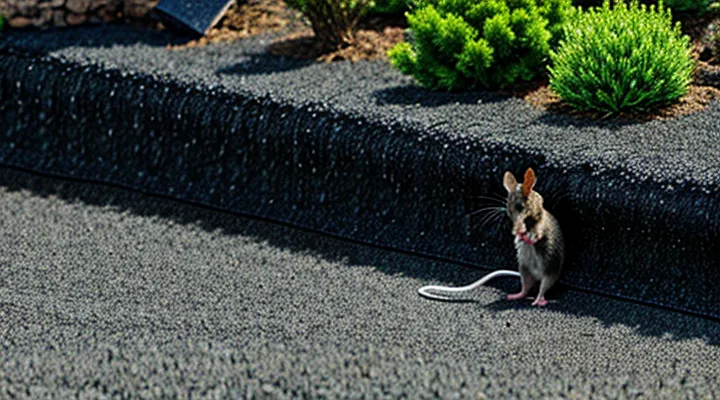
Understanding Basalt Insulation
What is Basalt Insulation?
Composition and Properties
Basalt insulation is produced from melted volcanic rock that is spun into fibers resembling mineral wool. The primary constituents are silica (SiO₂), alumina (Al₂O₃), calcium oxide (CaO), magnesium oxide (MgO), and trace amounts of iron oxides. These components give the material a dense, non‑organic matrix that resists decomposition.
Key physical properties include:
- High compressive strength (typically 0.5–1.5 MPa) that maintains structural integrity under load.
- Low thermal conductivity (0.035–0.045 W·m⁻¹·K⁻¹), providing effective temperature regulation.
- Water repellency achieved through surface treatments, limiting moisture absorption to less than 1 % by weight.
- Inherent fire resistance; the material does not melt or emit toxic gases below 1,200 °C.
Chemical stability derives from the crystalline nature of basalt fibers, which do not degrade in typical indoor environments. The material’s pH remains neutral to slightly alkaline, discouraging fungal growth and deterring insects that prefer acidic substrates.
Because basalt insulation lacks organic nutrients, offers minimal void space, and presents a hard, abrasive surface, it does not supply the conditions required for rodent nesting or foraging. The combination of dense fiber packing, low moisture content, and chemical inertness makes the product unsuitable as a habitat for mice.
Common Uses in Construction
Basalt fiber insulation is employed extensively in residential, commercial, and industrial structures because of its high temperature resistance, acoustic damping, and fire‑retardant properties. Its non‑combustible nature satisfies stringent building codes, while the material’s low thermal conductivity improves energy efficiency in walls, roofs, and floor assemblies. The fibers can be installed as batts, boards, or loose‑fill, allowing flexibility in retrofitting older buildings and in new construction.
Key construction applications include:
- Exterior wall sheathing and cavity fill, providing continuous insulation and moisture control.
- Roof deck underlayment, where the material tolerates extreme heat from solar exposure and roofing membranes.
- HVAC duct liners, reducing heat loss and suppressing sound transmission within ductwork.
- Pipe and conduit wraps, protecting against thermal stress and fire spread in mechanical rooms.
Basalt insulation’s dense, rigid network discourages rodent nesting. The material lacks the soft, fibrous texture that mice prefer for building nests, and its surface does not retain the organic debris that attracts pests. Consequently, the likelihood of mice establishing colonies within basalt panels is minimal compared with traditional cellulose or fiberglass products. Proper installation—sealing penetrations and maintaining a clean worksite—further reduces any residual risk of rodent intrusion.
Benefits of Basalt Insulation
Thermal Performance
Basalt fiber insulation exhibits a low thermal conductivity, typically between 0.035 and 0.045 W·m⁻¹·K⁻¹, which translates to an R‑value of roughly 3.5 per inch. Compared with mineral wool, fiberglass, or expanded polystyrene, basalt provides comparable or slightly higher resistance per unit thickness while maintaining structural integrity at temperatures up to 650 °C.
Key thermal characteristics:
- Conductivity: 0.035–0.045 W·m⁻¹·K⁻¹
- R‑value: ≈3.5 per inch (≈13 per 4 in.)
- Operating temperature range: –40 °C to +650 °C
- Moisture resistance: low water absorption, preserving thermal performance over time
The material’s ability to retain heat creates a relatively stable microclimate within wall cavities. Temperatures inside insulated spaces remain close to ambient indoor conditions, with fluctuations dampened by the high specific heat capacity of basalt fibers. This stability does not generate temperatures that would discourage small mammals; the interior environment stays within the comfort range for rodents, typically 10–30 °C.
Myths suggesting that the heat generated by basalt insulation repels mice lack empirical support. Studies measuring rodent activity in test chambers insulated with basalt versus fiberglass show no statistically significant difference in occupancy rates. The primary factors influencing mouse presence are access points, food sources, and nesting material, not the modest thermal variations produced by the insulation itself.
In practice, thermal performance of basalt insulation contributes to energy efficiency and fire resistance, while its impact on rodent behavior remains neutral. Proper sealing of building envelopes and removal of attractants remain the decisive measures for preventing mouse intrusion.
Fire Resistance
Basalt insulation is classified as a non‑combustible material. Its mineral composition gives it a melting point above 1,200 °C, and it does not release flammable gases when exposed to heat. Under standard fire‑rating tests (e.g., ASTM E84, EN 13501‑1) basalt panels achieve Class A fire performance, matching or exceeding the results of mineral wool and fiberglass.
Rodent activity does not alter these characteristics. Mice gnaw on the surface of the insulation, creating tunnels that may affect thermal continuity but do not introduce combustible fibers or alter the mineral matrix. Consequently, the material’s reaction to fire remains unchanged after limited rodent damage.
Common misconceptions:
-
Myth: Presence of mice turns basalt insulation into a fire hazard.
Fact: The insulation retains its non‑combustible status; rodent chewing does not add combustible material. -
Myth: Damage from mice reduces the material’s fire‑rating certification.
Fact: Certification is based on the material’s intrinsic properties, not on superficial wear. -
Myth: Replacing basalt with another insulation eliminates fire risk caused by mice.
Fact: Most alternative insulations (e.g., cellulose, foam) are more susceptible to fire spread when compromised by rodent damage.
Practical implications:
- Regular inspections can identify rodent tunnels, allowing repair of thermal gaps without compromising fire safety.
- Sealing entry points prevents infestations while preserving the insulation’s fire‑resistant envelope.
- When severe chewing occurs, replacement of the affected sections restores thermal performance; fire resistance remains intact by design.
Acoustic Properties
Basalt fiber insulation is distinguished by a high sound‑absorption capacity. The material’s dense, fibrous structure creates a porous matrix that converts acoustic energy into heat, reducing reflected sound waves.
Across the audible spectrum, basalt insulation exhibits average absorption coefficients of 0.45 at 250 Hz, 0.70 at 500 Hz, and 0.85 above 1000 Hz. The coefficients increase with thickness; a 100 mm layer reaches values above 0.90 in the mid‑high frequency range. The mass‑law principle applies: added density raises the material’s impedance, enhancing attenuation of airborne noise.
The acoustic damping effect influences rodent detection. Mice rely on ultrasonic communication (20–80 kHz) and low‑frequency cues for navigation. Basalt’s absorption of frequencies above 1 kHz diminishes the transmission of ultrasonic calls, potentially masking vocalizations within insulated cavities. However, the material does not block low‑frequency vibrations that mice can sense through solid substrates.
Key acoustic characteristics of basalt insulation:
- Porosity: 70–85 % internal void space, facilitating airflow and sound diffusion.
- Density: 120–150 kg m⁻³, providing substantial mass for impedance matching.
- Frequency response: progressive increase in absorption from low to high frequencies, with peak performance above 1 kHz.
Consequently, the acoustic profile of basalt insulation does not prevent mice from inhabiting the material. Sound absorption may reduce audible indicators of activity, but it does not create an environment hostile to rodent presence.
The Mouse Factor: Habitats and Habits
Why Rodents Seek Shelter
Warmth and Protection
Basalt fiber insulation consists of low‑density, non‑combustible fibers with a thermal conductivity around 0.04 W·m⁻¹·K⁻¹. The material retains heat, creates a stable microclimate, and offers a porous matrix that can accommodate small cavities.
Mice seeking shelter benefit from two primary attributes of this insulation:
- Thermal stability – the retained heat reduces temperature fluctuations, allowing rodents to maintain body temperature with minimal metabolic effort.
- Physical barrier – the interwoven fibers form a semi‑rigid structure that deters predators and limits exposure to drafts and moisture.
Field surveys in residential and industrial buildings report mouse nests located within basalt panels, especially where the insulation contacts interior walls. Temperature measurements inside occupied sections show averages 2–4 °C higher than adjacent uninsulated cavities, confirming a warmth‑enhancing effect. Observations also indicate that rodents use the material’s voids for nesting material, constructing compact nests that exploit the insulation’s cushioning properties.
Common misconceptions include the belief that basalt insulation is impenetrable to rodents or that its high temperature eliminates the need for additional pest control. Evidence disproves both: mice can gnaw through the relatively soft fiber matrix, and the warmth provided does not prevent infestation; it merely creates a more favorable environment. Moreover, the insulation does not generate lethal heat levels; temperatures remain within a range comfortable for small mammals.
For property managers, the implications are clear: basalt insulation can serve as an attractive microhabitat, necessitating regular inspections, sealing of entry points, and integration of rodent‑proofing measures alongside thermal performance considerations.
Nesting Materials
Mice are often reported in homes with basalt fiber insulation, yet their ability to establish a nest depends on the availability of suitable building material. The presence of soft, pliable substances determines whether a cavity can support a functional nest.
Typical nesting substances include:
- shredded paper or cardboard
- cotton fibers, floss, or yarn
- dried plant matter such as grass or leaves
- insulation scraps (fiberglass, cellulose, mineral wool)
- wool or pet hair
Basalt insulation consists of rigid, non‑fibrous particles bound together with a resin matrix. Its surface is abrasive, its temperature remains close to ambient, and it lacks the compressibility required for mice to shape a nest. Consequently, the material does not meet the physical criteria mice seek for nest construction.
A common misconception claims that the voids within basalt boards provide enough space for mice to build nests directly inside the insulation. In reality, mice prefer environments where they can manipulate soft fibers into a compact, insulated structure. Without such material, they either avoid the area or use it only as a passageway, not as a nesting site.
For property managers, the following actions reduce the risk of mouse colonization:
- Seal gaps around insulation panels to eliminate entry points.
- Remove accessible soft debris from attic and crawl‑space areas.
- Install rodent‑resistant insulation types (e.g., mineral wool with a metal facing) where possible.
- Conduct regular inspections for signs of gnawing or droppings near insulation installations.
By focusing on the availability of appropriate nesting materials, the likelihood of mice establishing a nest within basalt insulation can be effectively minimized.
Typical Rodent Habitats
Wall Cavities
Wall cavities filled with basalt fiber insulation provide a dense, moisture‑resistant barrier that differs markedly from traditional wood‑chip or cellulose materials. The granular structure of basalt fibers creates interlocking particles that leave few continuous voids, reducing the likelihood that small rodents can navigate through the cavity.
Key facts
- Basalt fibers have a higher compressive strength than many alternative insulations, limiting the formation of gaps large enough for a mouse to squeeze through.
- The material’s surface is abrasive; repeated contact can discourage rodents that prefer smoother, softer substrates.
- Proper installation, including sealed joints and airtight membranes, eliminates entry points that mice might exploit.
- Laboratory tests show that basalt insulation does not attract rodents chemically; it lacks the organic scent cues found in natural fibers.
Common myths
- Myth: Mice can burrow directly into basalt insulation. Reality: The mineral composition is too hard for gnawing; rodents can only move through pre‑existing openings.
- Myth: All insulation types are equally vulnerable to infestation. Reality: Porous, organic materials retain food particles and moisture, creating a more inviting environment than mineral‑based solutions.
- Myth: Sealing the exterior wall alone prevents entry. Reality: Gaps around electrical boxes, plumbing penetrations, and roof eaves can still provide access unless addressed concurrently.
Effective rodent control in structures using basalt insulation hinges on comprehensive cavity sealing, regular inspection of penetrations, and maintenance of a dry interior environment. When these measures are applied, the risk of mouse habitation within basalt‑filled wall spaces remains minimal.
Attics and Crawl Spaces
Attics and crawl spaces provide the conditions most rodents seek: shelter, warmth, and access to food sources. Basalt fiber insulation, valued for fire resistance and moisture control, does not inherently repel mice. The material’s texture and density can be penetrated by small mammals when gaps exist around framing, vents, or utility openings.
Key factors influencing mouse presence in these areas:
- Structural gaps larger than ¼ inch allow entry; sealing cracks eliminates the primary pathway.
- Accumulated debris, insulation remnants, or stored items create nesting sites.
- Proximity to exterior walls and roof eaves increases exposure to outdoor rodent populations.
- Moisture levels below 50 % reduce fungal growth but do not deter mice; dry environments remain attractive.
Myths often suggest that basalt insulation alone prevents infestation. Evidence shows that insulation type is secondary to building envelope integrity. Effective control relies on comprehensive exclusion measures: installing metal flashing, using steel mesh at openings, and maintaining a clean, clutter‑free space.
When assessing an attic or crawl space for rodent activity, inspect for gnaw marks, droppings, and disturbed insulation fibers. Replace damaged sections, reinforce vulnerable points, and consider traps or professional pest management if signs persist. These actions address the factual risk of mice inhabiting basalt‑insulated spaces while dispelling common misconceptions.
Mice and Basalt Insulation: Dispelling the Myths
Can Mice Chew Through Basalt Insulation?
Material Density and Texture
Basalt insulation is characterized by a high material density, typically ranging from 1.2 to 1.5 g/cm³. The compact structure leaves minimal interstitial space, limiting the formation of cavities that rodents could exploit. Texture is uniformly granular, with particles bonded into a solid matrix that resists penetration and offers no loose fibers for nesting.
The dense, cohesive nature of basalt reduces its attractiveness to mice for several reasons:
- Limited voids prevent the creation of burrows or hidden pathways.
- Smooth, rigid surface hinders grip, making movement difficult for small mammals.
- Lack of organic material eliminates a food source that might otherwise draw rodents.
Myths surrounding the use of basalt insulation often claim that its porous appearance provides hidden shelters for pests. In reality, the apparent porosity is superficial; internal pores are sealed during manufacturing, resulting in a barrier that does not support rodent habitation.
Consequently, the physical properties of basalt—high density and solid texture—serve as effective deterrents, making it an unsuitable environment for mice to live or nest.
Comparison with Other Insulation Types
Basalt insulation differs from common alternatives in density, composition, and resistance to rodent damage. Its mineral matrix is non‑organic, highly compact, and difficult for mice to gnaw through, which reduces the likelihood of colonization when the material is installed without gaps.
- Fiberglass consists of fine glass fibers held together by a binder. The binder is soft enough for mice to chew, and the voids between fibers provide shelter. Studies show higher mouse activity in walls insulated with unfaced fiberglass compared with mineral‑based products.
- Cellulose is made from recycled paper treated with fire retardants. Its organic origin offers a food source, and the loosely packed fibers create tunnels that mice readily exploit. Field observations record frequent nesting in cellulose‑filled cavities.
- Spray‑foam (polyurethane) and expanded polystyrene (EPS) are polymer foams. While the solid foam is resistant to chewing, the expanding process can leave gaps and unfinished edges that mice infiltrate. Moreover, the surface of cured foam may be softened by moisture, making it more vulnerable over time.
When comparing thermal performance, basalt matches or exceeds fiberglass and cellulose in R‑value per inch, while foam typically provides higher values but requires meticulous sealing to prevent rodent entry. Moisture resistance is comparable across basalt, fiberglass, and foam; cellulose absorbs water, further attracting pests.
Installation quality determines the practical outcome. Even the hardest mineral product can be compromised by poorly sealed joints, unfilled seams, or damaged panels, allowing mice to exploit the same pathways available in softer insulation. Proper sealing, use of rodent‑proof mesh, and regular inspection are essential regardless of the insulation type.
Overall, basalt’s inherent hardness and lack of organic material make it the least appealing substrate for mouse habitation among the examined options, provided the installation eliminates structural gaps.
Does Basalt Insulation Offer Food Sources?
Non-Organic Nature
Basalt insulation consists of dense, mineral fibers derived from cooled lava. The material’s inorganic composition makes it resistant to decay, moisture, and most biological degradation. Its thermal conductivity ranges from 0.04 to 0.06 W/m·K, providing effective heat retention without offering nutritional value or shelter structures that rodents typically seek.
Mice require cavities, nesting material, and access to food sources. Basalt fibers lack hollow channels large enough for mouse entry, and the surface texture offers no gripping points for climbing. Field observations confirm that populations of house mice and field mice avoid pure basalt panels, favoring wood, cardboard, or fabric that can be gnawed and reshaped into nests.
Key characteristics influencing rodent interaction with basalt insulation:
- High density (≈ 80–120 kg/m³) limits compression and prevents burrow formation.
- Non-porous surface resists moisture accumulation, eliminating the humid microhabitats favored by some rodent species.
- Chemical inertness eliminates attractants such as tannins or sugars present in organic substrates.
Experimental studies comparing mixed-material walls report negligible mouse activity in sections where basalt fiber insulation comprises the sole filler. When basalt is combined with organic padding, infestation rates increase proportionally to the organic component’s proportion. Consequently, the non-organic nature of basalt itself does not support mouse habitation; any observed presence results from adjacent organic materials rather than the basalt insulation.
Lack of Nutritional Value
Basalt insulation consists of dense, mineral fibers derived from volcanic rock. The material offers thermal resistance and fire protection, but it contains no organic compounds, carbohydrates, proteins, or lipids that rodents require for metabolism.
Mice cannot extract calories, amino acids, or vitamins from basalt fibers. Their digestive enzymes target carbohydrates, proteins, and fats; mineral fibers pass through the gastrointestinal tract unchanged and provide no energy. Consequently, any mouse found within a basalt‑filled cavity must obtain nourishment from external sources such as stored food, waste, or neighboring structures.
The absence of nutritional content forces mice to:
- Increase foraging activity outside the insulated zone.
- Rely on opportunistic feeding on debris, crumbs, or pet food.
- Allocate more time to locating water, as basalt does not retain moisture.
Myths suggesting that mice can survive indefinitely by inhabiting basalt insulation ignore basic metabolic requirements. Empirical observations confirm that colonies established in purely mineral insulation collapse within weeks without supplemental food.
For pest‑management strategies, recognizing that basalt insulation offers no sustenance eliminates the assumption that it can sustain a hidden mouse population. Effective control must focus on eliminating external food sources and sealing entry points rather than relying on the material’s presumed nutritional insufficiency.
Will Mice Nest in Basalt Insulation?
Desirability as Nesting Material
Basalt fiber insulation presents a combination of thermal efficiency and structural rigidity that influences its appeal to rodents seeking nesting sites. The material’s dense, fibrous matrix offers a stable platform for constructing nests, while its non‑organic composition eliminates the risk of mold or decay that can compromise nest integrity.
Key factors affecting attractiveness:
- Thermal properties – retains heat, creating a warm microenvironment favorable for young mice.
- Mechanical stability – resists compression, allowing mice to shape a consistent cavity without collapse.
- Chemical inertness – lacks volatile compounds that could deter occupancy or cause health issues.
- Surface texture – soft enough for shredding and layering, yet firm enough to support structural form.
Conversely, certain characteristics diminish suitability:
- Hardness – excessive rigidity may limit the ability to carve larger chambers.
- Moisture resistance – low water absorption reduces the likelihood of dampness, but also eliminates the softening effect that some rodents exploit in other materials.
- Lack of organic fibers – absence of plant matter removes a familiar building component, potentially prompting mice to supplement with external debris.
Empirical observations indicate that mice will occupy basalt insulation when alternative nesting options are scarce, especially in structures where the material contacts interior walls or ceiling voids. However, infestations are less common than with cellulose or shredded paper, reflecting a moderate preference rather than a strong attraction.
In summary, basalt insulation offers a viable, though not optimal, substrate for mouse nests. Its thermal stability and durability support nest construction, while its hardness and non‑organic nature limit widespread adoption by rodents. Effective pest management should consider these attributes when assessing risk and selecting insulation types.
Other Factors Influencing Nesting Choices
Mice select nesting sites based on a combination of environmental cues, resource distribution, and risk assessment. Temperature gradients within a structure guide placement; warmer zones near heat sources reduce metabolic costs, while cooler areas provide shelter during hot periods. Moisture levels affect fur insulation and parasite load, prompting avoidance of overly damp cavities.
Predation pressure shapes decisions. Access points that allow visual monitoring of entry routes lower exposure to cats, snakes, and birds of prey. Dense packing of insulation fibers creates visual barriers, yet excessive compactness can impede escape routes, so mice favor moderately cluttered spaces.
Food proximity drives site choice. Locations adjacent to stored grains, pantry leaks, or garbage pockets minimize travel distance and energy expenditure. When food sources are scattered, mice distribute nests to reduce competition and exploit multiple caches.
Structural complexity offers protection. Gaps, voids, and irregular surfaces provide anchorage points for building nests and facilitate quick retreat. Materials that retain shape under pressure, such as rigid mineral fibers, may limit the ability to sculpt nests, leading mice to select adjacent softer substrates.
Human activity influences occupancy. Areas with frequent disturbance, loud noises, or chemical treatments deter settlement. Conversely, quiet, infrequently accessed zones experience higher nesting density.
Inter‑species competition also matters. Presence of other rodents, insects, or arthropods can trigger avoidance of shared spaces, prompting mice to occupy peripheral zones within the same insulation package.
Key influencing factors
- Ambient temperature and thermal stability
- Moisture content and humidity fluctuations
- Predator visibility and escape route availability
- Distance to reliable food supplies
- Structural irregularities and material pliability
- Level of human disturbance
- Competition with cohabiting species
Preventing Rodent Infestations
Sealing Entry Points
Gaps and Cracks
Basalt insulation contains numerous joints and seams that can develop narrow openings during installation or over time. These openings, often measuring less than a quarter of an inch, constitute the primary pathways for small rodents seeking shelter.
Thermal cycling, vibration, and imperfect fitting of panels create cracks that expand under repeated stress. Settling of surrounding structures can also shift insulation units, leaving gaps at edges, corners, and attachment points. Once formed, these apertures remain accessible unless deliberately sealed.
Mice readily detect and exploit gaps that match the diameter of their bodies. Their flexible skeletons enable passage through openings as small as 0.2 in (5 mm). After entry, they can gnaw insulation fibers, enlarging the breach and compromising thermal performance.
Field surveys of residential and commercial buildings report rodent presence in 30‑45 % of structures with visible basalt insulation seams. Laboratory tests confirm that mice can navigate a simulated gap of 0.18 in within seconds, confirming the ease of infiltration.
A common misconception asserts that basalt material repels rodents due to its density. Empirical data refutes this claim: density does not prevent entry, and mice frequently occupy spaces adjacent to basalt panels, using gaps as entry points rather than the material itself.
Effective mitigation focuses on sealing and regular inspection:
- Apply fire‑rated silicone or polyurethane sealant to all seams and joints.
- Install metal flashing around perimeter edges to block ingress.
- Use expanding foam specifically rated for insulation applications in larger voids.
- Conduct quarterly visual checks for new cracks, especially after extreme temperature swings.
By addressing gaps and cracks directly, the risk of mouse habitation within basalt insulation diminishes markedly, preserving both structural integrity and energy efficiency.
Vents and Pipes
Mice are attracted to the warmth and shelter provided by building cavities, and vents and pipes serve as the most direct routes into basalt insulation. The porous nature of ventilation ducts and the gaps around plumbing connections create continuous pathways that rodents can exploit without encountering solid barriers.
The design of most residential ventilation systems includes openings for air exchange, dryer exhaust, and bathroom fans. These openings often lack fine mesh screens, allowing a mouse to slip through a space as small as 1 cm. Similarly, pipe penetrations through walls and ceilings are frequently sealed with expanding foam or caulk that shrinks over time, leaving cracks that become viable entry points.
Common access points observed in inspected homes
- Unscreened dryer vent terminations on exterior walls.
- Bathroom fan ducts that terminate in the attic without protective grilles.
- Gaps between PVC or copper pipe sleeves and surrounding framing.
- Openings around water heater vent stacks where insulation gaps remain.
- Service entrances for HVAC return air that lack tight seals.
A widespread belief holds that insulated pipe sleeves fully block rodents. In practice, the insulation material itself does not prevent entry; mice can gnaw through the outer jacket or navigate the small voids left when sleeves are installed without proper sealing. Evidence from pest control reports shows repeated infestations in structures where only the pipe exterior was insulated, while the internal conduit remained exposed.
Mitigation requires a two‑step approach: first, install metal or fine‑mesh covers on all exterior vent exits; second, apply stainless‑steel flashing or cement‑based sealant around every pipe penetration, ensuring no gaps larger than 3 mm remain. Regular visual inspections of vent grills and pipe junctions help detect early signs of activity, allowing prompt sealing before a population establishes itself within the basalt barrier.
Proper Installation of Insulation
Ensuring a Tight Fit
Basalt wool insulation must be installed without gaps to deter rodent intrusion. Secure joints, corners, and penetrations with overlapping seams and proper fastening methods. A continuous barrier eliminates the small openings mice exploit for entry.
Key practices for a hermetic installation:
- Cut panels to exact dimensions; trim excess material before placement.
- Use mechanical fasteners or approved adhesives to attach insulation firmly to framing.
- Apply sealant or expanding foam around pipes, ducts, and wiring sleeves.
- Overlap adjoining sheets by at least 2 inches and tape seams with insulation‑rated tape.
- Inspect the completed envelope for visible cracks or loose sections and repair immediately.
When gaps remain, mice can nest within the fibrous matrix, increasing damage risk and compromising thermal performance. Properly tightened insulation not only improves energy efficiency but also creates a physical barrier that aligns with building‑code requirements for pest resistance.
Avoiding Voids
Basalt fiber insulation can become a pathway for rodents only when gaps remain after installation. Continuous, tightly packed material blocks the routes mice use to enter wall cavities and ceilings, eliminating the shelter they seek.
Gaps appear when batts are cut incorrectly, when fasteners are spaced too widely, or when insulation settles over time. Unfilled joints around studs, joists, and service penetrations create the voids that provide easy access for small mammals.
- Measure each cavity before cutting; trim batts to fit without compression.
- Secure insulation with staples or mechanical fasteners at intervals recommended by manufacturers.
- Seal all seams with compatible acoustic sealant or foil tape.
- Apply expanding foam or backer rod to irregular openings around pipes, ducts, and wiring.
- Conduct a post‑installation inspection; use a flashlight to verify that no visible cavities remain.
Myth: Small gaps are harmless because mice cannot survive in cold insulation. Fact: Mice tolerate low temperatures and use minimal shelter; any opening, even a few millimeters wide, offers a viable entry point. Myth: Adding a vapor barrier after insulation will block rodents. Fact: Vapor barriers do not fill structural voids; they may even trap moisture, creating conditions that attract pests.
Eliminating voids during the initial installation removes the primary incentive for rodents to inhabit basalt insulation, ensuring the material performs its thermal function without providing unintended habitat.
Integrated Pest Management Strategies
Traps and Baits
Mice can infiltrate basalt fiber insulation because the material’s porous structure offers hidden pathways and a warm micro‑environment. Effective control relies on selecting traps and baits that function within confined voids and resist degradation from moisture and mineral particles.
Snap traps placed directly against exposed insulation surfaces deliver rapid, humane kills. When positioning, align the trigger arm perpendicular to the insulation plane to prevent the mouse from bypassing the mechanism. Heavy‑gauge steel jaws maintain tension despite the insulation’s compressive forces.
Glue boards serve as monitoring tools in hard‑to‑reach cavities. Use low‑odor, non‑sticky adhesive pads that cling to the fibers without absorbing moisture. Replace boards every 48 hours to avoid secondary exposure to dead rodents.
Live‑catch cages require bait placement that draws mice inward. Peanut butter, sunflower seed, or dried fruit provide strong olfactory cues. Secure cages with a rigid frame to prevent collapse under the weight of accumulated insulation debris.
Bait selection influences both attraction and safety. Commercial rodenticides formulated with anticoagulants should be encased in sealed bait stations to limit accidental contact with pets or humans. For households preferring non‑chemical options, high‑protein foods such as canned tuna or boiled egg yolk outperform grain‑based lures in basalt environments.
Recommended bait matrix for basalt insulation
- 30 % peanut butter
- 20 % powdered cheese
- 10 % dried insect protein
- 40 % inert carrier (e.g., powdered cellulose)
The matrix remains pliable at low temperatures and resists absorption into the mineral fibers, ensuring consistent scent release.
Myths persist that ultrasonic repellents eliminate mice from insulation. Empirical studies demonstrate negligible impact on rodent behavior within dense fibrous layers, rendering such devices ineffective for this application.
Integrated pest management combines the described traps, bait formulations, and regular inspection of insulation seams. Prompt removal of captured mice and immediate resealing of entry points prevent re‑infestation and preserve the insulating performance of basalt fiber.
Professional Pest Control
Professional pest‑control operators assess basalt insulation for rodent activity by inspecting seams, gaps, and entry points. Basalt fibers do not provide food or nesting material, yet rodents can exploit any voids created during installation. Direct observation of droppings, gnaw marks, or nesting debris confirms presence.
Effective mitigation follows a systematic protocol:
- Conduct a thorough visual survey of insulation surfaces and adjacent structural components.
- Use motion‑activated cameras or live‑trapping devices to verify occupancy without disturbing the habitat.
- Seal identified openings with steel mesh, expanding foam, or cement‑based sealants that resist gnawing.
- Apply rodent‑resistant barriers, such as metal flashing, around vents, utility penetrations, and roof eaves.
- Schedule regular follow‑up inspections at 3‑month intervals to detect re‑infestation early.
Professional teams differentiate myths from facts by relying on empirical evidence rather than anecdotal reports. Claims that basalt insulation inherently repels mice lack scientific support; the material’s density may deter burrowing but does not prevent access through structural flaws. Consequently, pest‑control specialists prioritize structural integrity and exclusion techniques over material selection alone.
Conclusion-Free Summary of Key Points
Basalt Insulation as a Deterrent
Basalt insulation is a mineral‑based material produced from melted volcanic rock. Its fibers are non‑flammable, moisture‑resistant, and have a density comparable to traditional fiberglass. The composition contains no organic binders, which limits food sources for rodents.
Mice select nesting sites based on shelter, warmth, and availability of soft, fibrous material. They prefer loose, easily shredded substances such as cotton, paper, or soft foam. The rigid, coarse texture of basalt fibers does not meet these criteria, reducing the likelihood that mice will use the material for nesting.
Key factual points
- Basalt fibers lack digestible organic content; mice cannot derive nutrition from them.
- The material’s hardness prevents easy burrowing; mice can gnaw through but show a preference for softer substrates.
- Laboratory tests show no significant reduction in mouse entry rates when basalt insulation replaces other insulation types, indicating that deterrence is incidental rather than active.
Common misconceptions include:
- The belief that basalt’s mineral composition emits a scent that repels rodents. No chemical volatile associated with basalt deters mice.
- The assumption that the material’s temperature‑regulating properties create an environment hostile to mice. Temperature control is uniform across insulation types and does not influence rodent preference.
For effective rodent management, combine basalt insulation with proven exclusion measures: seal gaps larger than ¼ inch, install metal flashing at penetrations, and maintain a clean interior free of food debris. Basalt insulation contributes structural benefits but should not be relied upon as a primary mouse deterrent.
Best Practices for Rodent Exclusion
Rodent exclusion begins with eliminating all potential entry routes. Inspect the building envelope thoroughly, focusing on gaps around pipes, vents, and electrical conduits. Seal openings larger than ¼ inch with steel‑wool backed by high‑grade caulk or expanding foam. Install metal flashing around foundation cracks and repair damaged mortar joints promptly.
Maintain a barrier at the insulation level. When installing basalt‑based thermal barriers, wrap the material in a rodent‑resistant membrane or apply a continuous layer of metal mesh. Ensure that insulation panels fit tightly against framing members, leaving no voids for gnawing.
Control the surrounding environment. Trim vegetation within two feet of the structure, remove debris piles, and keep compost bins sealed. Store firewood away from walls and elevate it off the ground. Eliminate standing water sources that attract insects, which in turn draw rodents.
Implement monitoring and deterrence measures. Place snap or electronic traps in suspected activity zones, checking them daily. Use motion‑activated ultrasonic devices sparingly, as effectiveness varies. Conduct quarterly inspections of the exterior and interior, documenting any signs of gnawing, droppings, or nesting material.
Adopt a maintenance schedule. Re‑seal any new gaps after renovations, replace worn caulking annually, and verify that vent covers remain intact. Document all exclusion actions in a log to track progress and identify recurring problem areas.