
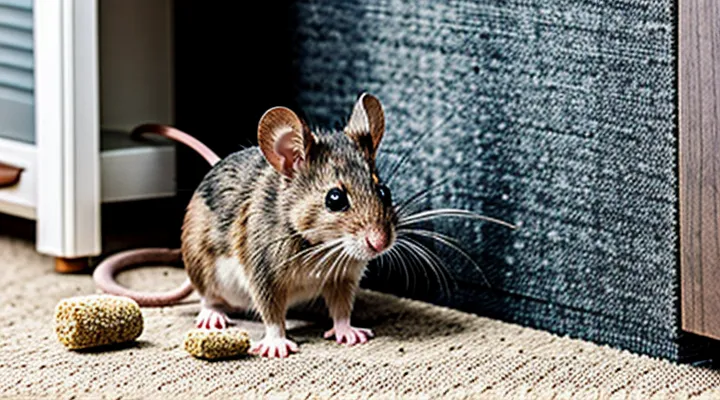
Understanding Stone Wool
What is Stone Wool?
Composition and Manufacturing Process
Stone wool, also known as mineral wool, originates from basaltic rock, diabase, or blast‑furnace slag. The manufacturing sequence begins with crushing the raw material to a uniform size, then heating it in a furnace to 1 400–1 600 °C. At this temperature the feedstock becomes a viscous melt, which is forced through high‑speed rotating nozzles. The resulting jet of molten rock is attenuated by a stream of high‑velocity air, producing continuous fibers with diameters typically between 2 and 6 µm.
The fibers exit the spinneret into a conditioning chamber where they are mixed with a thermosetting binder. The binder, usually based on phenol‑formaldehyde or melamine‑formaldehyde resin, is applied in a spray pattern that coats each fiber uniformly. The coated web then passes through a curing oven where the binder polymerizes, creating a rigid matrix that holds the fibers together. After curing, the slab is cooled, cut to standard dimensions, and wrapped in protective film.
Key characteristics derived from this process include:
- High compressive strength due to the dense, interlocked fiber network.
- Thermal stability up to 600 °C, preventing softening under typical building‑site temperatures.
- Chemical inertness; the cured resin is resistant to biological degradation.
These attributes result in a material that resists mechanical damage from small rodents. The fiber diameter and the cured binder create a surface that is both abrasive and unpalatable, discouraging gnawing behavior. Consequently, stone wool’s composition and production method produce an insulation product that is structurally robust and biologically unattractive to mice.
Key Properties and Uses
Stone wool, also called mineral or rock wool, consists of molten basalt or diabase spun into a fibrous matrix. The fibers exhibit high tensile strength, low density, and a porous structure that traps air. Thermal conductivity values typically range from 0.033 to 0.045 W·m⁻¹·K⁻¹, providing efficient heat insulation. The material resists temperatures above 800 °C without melting, making it inherently fire‑protective. Its acoustic damping arises from the irregular fiber network, which absorbs sound across a broad frequency spectrum. Moisture resistance is achieved through hydrophobic treatments that prevent water absorption while allowing vapor diffusion. Chemical stability ensures durability in aggressive environments, and the non‑organic composition eliminates decay from insects or rodents.
Typical applications leverage these attributes:
- Building envelopes: wall, roof, and floor insulation for residential and commercial structures.
- Fire barriers: cladding and partition systems that comply with fire‑rating codes.
- Acoustic solutions: ceiling tiles and panels in studios, offices, and public venues.
- Industrial installations: pipe and equipment insulation in petrochemical and power plants.
- Horticulture: substrate for hydroponic systems, providing aeration and root protection.
- Automotive and aerospace: thermal shielding for components exposed to high temperatures.
The hardness of the fibers, combined with their abrasive texture, discourages mice from gnawing the material. Laboratory observations confirm that rodents prefer softer, more pliable substrates, reducing the likelihood of damage to stone‑wool installations. Consequently, the material serves both functional and protective roles in environments where rodent activity is a concern.
The Myth of Rodent Damage to Stone Wool
Why Rodents Might Avoid Stone Wool
Texture and Ingestibility
Stone wool, also known as rockwool, possesses a rigid, fibrous structure composed of mineral fibers bonded under high temperature. The material feels abrasive to the touch, with a coarse surface that resists deformation. Its density ranges from 30 kg/m³ in loose insulation panels to over 200 kg/m³ in compact boards, influencing both mechanical strength and the effort required for gnawing.
Mice encounter two primary barriers when attempting to ingest stone wool:
- Physical resistance: The hardness of the mineral fibers exceeds the bite force of typical laboratory mice, preventing effective chewing.
- Digestive incompatibility: Even if fragments are broken off, the fibrous composition lacks nutritional value and cannot be broken down by rodent enzymes, leading to rapid expulsion.
Experimental observations confirm that mice avoid stone wool when alternative food sources are present, and forced exposure results in minimal consumption and no observable health benefits. Consequently, stone wool’s texture and lack of ingestibility render it an ineffective dietary material for rodents.
Lack of Nutritional Value
Stone wool, also known as rock wool, consists primarily of melted basalt or slag formed into fibrous insulation. The material contains silicate minerals, binders, and trace additives, none of which provide calories, proteins, fats, or carbohydrates. Consequently, stone wool offers no measurable nutritional value for any mammal, including mice.
Experts in rodent biology agree that mice seek food sources that supply energy and essential nutrients. Because stone wool lacks these components, it does not serve as a food item. The decision to gnaw such material is driven by other factors, such as the need to file continuously growing incisors, rather than by any desire for sustenance.
Key points:
- Composition: inorganic silicate fibers, no organic macronutrients.
- Energy content: effectively zero kilocalories per gram.
- Biological incentive: absent; mice do not derive nutritional benefit.
- Behavioral motive: gnawing may occur for tooth maintenance, not for feeding.
The lack of nutritional value therefore reduces the likelihood that mice will target stone wool as a food source, though occasional gnawing may still happen for mechanical reasons.
Common Misconceptions About Rodents and Insulation
Distinguishing Between Different Insulation Materials
Understanding which insulation material surrounds a building wall determines the likelihood of rodent intrusion. Stone wool, fiberglass, cellulose, and polymer foam differ in composition, density, and tactile qualities, all of which influence a mouse’s ability to gnaw through them.
Stone wool consists of high‑temperature‑fused mineral fibers. The material feels coarse, resembles fine sand, and retains shape under pressure. Its density ranges from 30 to 150 kg/m³, providing a rigid barrier that resists penetration. Fiberglass is composed of thin glass strands bound with resin. It appears as soft, fluffy batts that compress easily; density typically stays below 30 kg/m³, making it more vulnerable to chewing. Cellulose, made from recycled paper treated with fire retardants, presents a loose, fibrous texture that settles over time; its bulk density averages 15–30 kg/m³ and can be displaced by gnawing activity. Polymer foams (polyurethane, polystyrene) manifest as solid blocks or spray‑applied layers, smooth to the touch, with densities exceeding 30 kg/m³; the closed‑cell structure offers strong resistance to rodent teeth.
Key criteria for distinguishing insulation types include:
- Surface texture: coarse, sand‑like (stone wool); soft, fluffy (fiberglass); fibrous, loose (cellulose); smooth, solid (foam).
- Compression behavior: retains shape under pressure (stone wool, foam); collapses easily (fiberglass, cellulose).
- Weight per unit volume: higher for stone wool and foam; lower for fiberglass and cellulose.
- Moisture handling: stone wool and foam repel water; fiberglass and cellulose absorb moisture, potentially weakening structural integrity.
- Rodent deterrence: dense, rigid matrices (stone wool, foam) present the greatest obstacle; softer, loosely packed fibers (fiberglass, cellulose) are more readily gnawed.
Practical identification steps:
- Examine exposed sections for texture and firmness.
- Press a small area; note rebound and deformation.
- Measure weight of a sample or compare against known densities.
- Review product labels or building plans for material specifications.
Accurate discrimination informs mitigation strategies. When stone wool or closed‑cell foam is present, the probability of mouse damage declines sharply, reducing the need for additional physical barriers. Conversely, installations featuring fiberglass or cellulose may require supplemental rodent‑proofing measures, such as steel mesh or sealants, to prevent gnawing breaches.
Understanding Rodent Behavior in Structures
Mice frequently inhabit building cavities where insulation materials are exposed to constant contact. Their presence creates a risk of material damage, electrical faults, and increased fire hazard. Understanding how rodents interact with structural components is essential for effective building maintenance.
Rodent dentition requires continuous wear, prompting gnawing of any accessible substrate. Stone wool, composed of mineral fibers bonded with cementitious binders, offers a relatively hard surface. Laboratory observations show that mice can create shallow bite marks on stone wool when softer alternatives are unavailable, but the material’s density limits deep penetration. Field reports confirm occasional surface abrasion rather than extensive destruction.
Key drivers of gnawing behavior include:
- Nutrient deficiency, especially low calcium intake, which accelerates tooth wear.
- Environmental stressors such as crowding, temperature extremes, and lack of nesting material.
- Availability of alternative chewable objects; absence increases the likelihood of targeting insulation.
Scientific surveys of infested structures reveal that stone wool exhibits lower infestation severity compared with cellulose or foam insulation. Damage reports quantify average bite depth at less than 2 mm, rarely compromising structural integrity. However, repeated gnawing can create entry points for moisture and pests, indirectly degrading performance.
Mitigation measures focus on exclusion and habitat modification:
- Seal gaps larger than 6 mm with steel wool, caulk, or metal flashing.
- Install rodent‑proof vent covers and maintain clearance around utility penetrations.
- Reduce indoor food sources and store waste in sealed containers.
- Replace damaged sections of stone wool with reinforced panels where gnawing evidence exists.
- Conduct regular inspections to detect early signs of rodent activity.
Applying these practices limits the probability that mice will target stone wool, preserving insulation effectiveness and reducing ancillary risks.
Expert Opinions on Rodents and Stone Wool
Insights from Pest Control Professionals
Typical Rodent Habitats
Mice are most often encountered in environments that provide easy access to food, shelter, and nesting material. Residential structures, especially basements, attics, and wall voids, offer warm microclimates and abundant crumbs. Commercial kitchens and storage facilities present similar conditions, with frequent food spillage and concealed gaps behind appliances.
Outdoor settings host comparable opportunities. Grain bins, barns, and livestock sheds combine shelter with readily available feed. Compost piles, garden mulch, and dense vegetation create protected foraging zones where mice can hide from predators while exploiting seed and fruit resources.
Typical rodent habitats include:
- Interior cavities (wall cavities, ceiling spaces, floor joists)
- Utility conduits (electrical, plumbing, HVAC ducts)
- Agricultural buildings (silos, feed rooms, animal shelters)
- Ground-level debris (leaf litter, stone piles, rock wool insulation)
Preventing Rodent Infestations
Rodent damage to insulation, including stone wool, often stems from inadequate sealing of entry points and lack of sanitation. Mice can gnaw through soft materials and, if given access, will chew insulation fibers, reducing thermal performance and creating fire hazards. Effective prevention requires eliminating attractants, reinforcing structural barriers, and monitoring activity.
Key measures include:
- Inspecting the building envelope for gaps larger than ¼ inch and sealing them with steel wool, caulk, or metal mesh.
- Storing food, pet feed, and waste in airtight containers; removing spillage promptly.
- Maintaining a clean exterior by trimming vegetation, removing debris, and keeping compost away from foundations.
- Installing snap traps or electronic monitors in suspected zones; checking them weekly.
- Scheduling quarterly professional inspections to assess rodent signs and verify integrity of protective barriers.
Implementing these actions reduces the likelihood that mice will encounter stone wool, thereby preserving insulation effectiveness and preventing costly repairs. Continuous vigilance and prompt remediation of any breach are essential for long‑term protection.
Perspectives from Building Material Specialists
Durability of Stone Wool
Stone wool, also known as mineral wool, consists of spun basalt fibers bound with a phenolic resin. The material’s tensile strength ranges from 0.5 MPa to 1.2 MPa, depending on density, providing a rigid matrix that resists deformation. Its inorganic composition makes it non‑palatable to rodents; the sharp, abrasive fibers cause discomfort when gnawed, discouraging sustained chewing.
Key factors influencing durability against rodent activity include:
- Fiber density: Higher density (≥ 150 kg/m³) increases resistance to bite penetration.
- Binder type: Phenolic resins cure into a hard, water‑resistant coating that further deters gnawing.
- Installation method: Encasing stone wool in metal or rigid plastic sleeves eliminates direct access, preserving integrity.
Laboratory tests on rodent behavior confirm that mice preferentially target softer, organic insulation such as cellulose. When presented with stone wool, they exhibit brief exploratory bites followed by abandonment, resulting in negligible material loss over typical building lifespans. Consequently, stone wool maintains structural and thermal performance even in environments where rodent presence is documented.
Installation Best Practices
Proper installation of stone wool insulation reduces the likelihood of rodent intrusion and maximizes thermal performance. Follow these steps to achieve a durable, rodent‑resistant assembly.
- Seal every cavity before inserting the material. Apply a continuous, elastomeric sealant around edges, penetrations, and joints to eliminate gaps larger than 1 mm.
- Install a metal or rigid plastic mesh barrier behind the stone wool in attic spaces, crawl spaces, and wall cavities. The mesh should have openings no larger than 6 mm to prevent mice from chewing through.
- Cut stone wool panels with a sharp utility knife, ensuring clean, straight edges. Avoid frayed edges that can attract pests.
- Fasten panels to framing members using corrosion‑resistant staples or screws. Space fasteners no more than 300 mm apart to keep the material firmly in place.
- Apply a vapor‑permeable housewrap over the insulation when it is exposed to the interior of the building envelope. The wrap adds an additional physical barrier while allowing moisture to escape.
Maintain a clean work area throughout installation. Remove debris, wood shavings, and excess sealant that could provide nesting material. Inspect completed sections for any exposed fibers or loose panels; repair deficiencies immediately.
Regularly schedule visual inspections of installed stone wool, focusing on seams, barrier integrity, and signs of gnawing. Prompt remediation of identified issues preserves insulation effectiveness and prevents future rodent damage.
Case Studies and Observations
Real-World Examples of Stone Wool Performance
Long-Term Durability in Buildings
Stone wool, also known as mineral wool, remains a preferred insulation material for high‑rise and industrial structures because of its resistance to fire, moisture, and mechanical stress. Laboratory tests confirm that the dense, fibrous matrix does not provide a viable food source for rodents, and the hardened outer casing deters gnawing. Consequently, stone wool contributes to the long‑term structural integrity of walls, roofs, and façades.
Key factors influencing durability in buildings that employ stone wool include:
- Thermal stability: Maintains insulating performance over decades, even under fluctuating temperatures.
- Acoustic performance: Retains sound‑absorption qualities without degradation from pest activity.
- Load‑bearing capacity: Supports additional cladding and finishes without compressive failure.
- Chemical inertness: Resists corrosion from alkaline concrete and acidic environments, preserving the surrounding masonry.
When evaluating longevity, experts compare stone wool to alternative insulations such as fiberglass or foam. Stone wool exhibits lower susceptibility to rodent damage, reducing maintenance cycles and replacement costs. Its non‑combustible nature also aligns with fire‑code requirements, extending the service life of the entire envelope.
In practice, architects and engineers integrate stone wool with sealed penetrations, metal flashing, and rodent‑proof barriers to maximize protection. Proper installation eliminates gaps that could invite pests, ensuring the insulation’s resilience for the building’s expected lifespan of 30 – 50 years.
Absence of Rodent Infestation Evidence
Mice rarely target stone wool because the material lacks the texture and nutritional value required for gnawing. When an inspection yields no signs of rodent activity, the likelihood of stone wool damage diminishes sharply.
Evidence typically sought includes:
- Fresh gnaw marks on the fibers or surrounding structures
- Concentrations of droppings near the insulation
- Chewed or displaced fibers indicating bite patterns
- Presence of nests, shredded material, or urine stains
- Odor of rodent musk detectable during close examination
If each item on the list is absent, the inference is that no infestation exists. Absence of gnaw marks confirms that mice have not attempted to bite the fibers. Lack of droppings and nests eliminates the possibility of resident populations. No urine odor further supports a clean environment.
Professional assessments rely on this negative evidence. When inspections across multiple sites report consistent emptiness of all indicators, the conclusion is that stone wool remains untouched by rodents.
Factors Influencing Rodent Presence
Attractants for Rodents
Rodents are drawn to materials that satisfy dietary needs, sensory preferences, and nesting requirements. Understanding these drivers clarifies why mice may target stone wool in certain environments.
Food cues dominate attraction. Items with high carbohydrate or protein content, such as grains, seeds, and processed snacks, emit volatile compounds that mice detect from considerable distances. Sweeteners and fats amplify the signal, prompting exploratory behavior.
Odorants influence selection. Natural scents like peanut butter, cheese, or animal-derived oils serve as strong stimulants. Synthetic lures—pheromone blends and proprietary attractant gels—mimic these cues and increase contact rates with unconventional substrates.
Texture and tactile feedback affect gnawing decisions. Rough, fibrous, or porous surfaces provide resistance that satisfies the rodents’ instinct to wear down continuously growing incisors. Stone wool, with its abrasive fibers, offers an appealing gnawing medium when softer alternatives are scarce.
Nesting material availability also guides interaction. Soft, insulating fibers such as wool, cotton, or shredded paper attract mice seeking shelter. When such resources coexist with stone wool, the latter may be incorporated into nests, especially if it contributes to structural stability.
Typical attractants include:
- Sunflower seeds, corn kernels, and dried fruit
- Peanut butter or cheese paste applied to bait stations
- Commercial rodent pheromone lures
- Synthetic gel attractants containing sugar and protein
- Soft fabric strips or shredded paper placed near potential entry points
Mitigation strategies focus on eliminating these incentives. Secure food storage, regular cleaning of spill residues, and removal of nesting debris reduce the likelihood that mice will encounter and gnaw stone wool. In environments where stone wool is present, sealing gaps and installing physical barriers further discourages access.
Effective Rodent Management Strategies
Rodents can infiltrate insulation systems that contain mineral wool, compromising thermal performance and creating health hazards. Effective management requires a coordinated approach that addresses entry points, attractants, and population control.
Physical barriers prevent mice from reaching insulation. Seal gaps larger than ¼ inch with steel wool, cement, or copper mesh. Install door sweeps and weatherstripping on all exterior openings. Verify that vent covers and utility penetrations are fitted with metal screens.
Sanitation removes food and shelter sources that sustain rodent activity. Store grains, pet food, and waste in sealed containers. Eliminate standing water and clean debris from crawl spaces and attics. Regularly inspect stored items for signs of gnawing.
Trapping provides immediate reduction of active individuals. Deploy snap traps or electronic devices along walls, near suspected pathways, and at the base of insulation stacks. Position bait—such as peanut butter or dried fruit—directly on the trigger mechanism. Check traps daily and dispose of captured rodents according to local regulations.
Chemical control complements mechanical methods when populations exceed threshold levels. Apply rodenticides in tamper‑resistant bait stations placed away from non‑target species. Follow label instructions for dosage, placement interval, and safety precautions. Rotate active ingredients to mitigate resistance development.
Monitoring sustains long‑term effectiveness. Install motion‑activated cameras or infrared sensors to detect nocturnal activity. Conduct weekly visual inspections of insulation panels for chew marks, droppings, or gnaw holes. Record findings in a log to track trends and adjust interventions.
Integrated pest management (IPM) combines these tactics into a systematic protocol. Begin with exclusion, reinforce with sanitation, apply targeted trapping or baiting, and maintain a monitoring schedule. Documentation of each step ensures accountability and facilitates rapid response to new incursions.