
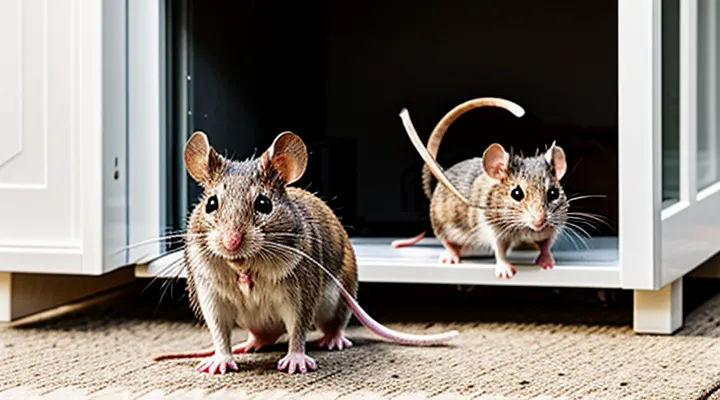
The Reality of Rodent Interaction with Insulation
Do Mice Actually Gnaw on Insulation?
Why Mice Gnaw: Instincts and Needs
Mice chew natural and synthetic fibers because their incisors grow continuously and require constant abrasion. The act of gnawing wears down tooth length, preventing overgrowth that would impede feeding and mobility.
Food scarcity drives rodents to explore all available resources. Insulation fibers, especially those containing organic binders or dust, may contain trace nutrients or attract insects that mice can consume. When primary food sources diminish, the urge to sample unconventional materials intensifies.
Nesting behavior compels mice to gather soft, pliable substances. Wool‑based insulation offers a warm, malleable substrate suitable for constructing concealed chambers. The material’s texture facilitates shaping and provides thermal protection for offspring.
Physiological deficiencies also trigger gnawing. Low calcium or protein levels stimulate exploratory biting of objects that might contain hidden mineral deposits. The tactile feedback from fibers can signal potential mineral content, prompting further investigation.
Typical motivations can be summarized:
- Dental maintenance through continuous wear
- Search for supplemental nutrition or insects embedded in the material
- Acquisition of nesting material offering insulation and concealment
- Response to mineral or protein deficiencies
Understanding these drivers clarifies why mice target insulation, helping design more effective deterrent strategies.
Types of Insulation Most Susceptible
Rodents are attracted to insulation that is soft, accessible, and provides a protected nesting environment. Materials that combine these characteristics are most frequently damaged by mouse gnawing.
- Cellulose insulation – comprised of recycled paper treated with fire retardants; its fibrous structure is easy to bite through and offers ample warmth for nesting.
- Mineral wool (rock or slag wool) – dense, yet loosely packed fibers can be separated with little effort, allowing mice to create cavities.
- Fiberglass batts – loosely held glass fibers can be displaced by gnawing, especially when the facing paper is absent or damaged.
- Foam board (polystyrene or polyisocyanurate) – rigid panels can be breached at joints and edges; once a small opening appears, mice enlarge it rapidly.
- Spray‑foam insulation – while chemically resistant, the expanding foam creates voids that rodents exploit; the soft surface near seams is vulnerable to gnawing.
These insulation types share a tendency to present soft or loosely bound surfaces, moisture pockets, or seams that mice can exploit. Selecting denser, sealed alternatives and sealing entry points reduces the likelihood of rodent damage.
Understanding the Damage Caused by Mice
Structural Integrity and R-Value Degradation
Compromised Thermal Performance
Rodent activity that damages wool insulation creates gaps, compresses fibers, and introduces moisture, all of which lower the material’s ability to retain heat. When the continuous barrier is broken, air infiltration rises and the R‑value of the wall cavity drops, leading to measurable heat loss.
The reduction in thermal performance manifests as higher heating demand in winter and increased cooling load in summer. Energy consumption rises proportionally to the loss of insulation effectiveness, and indoor temperature stability deteriorates, causing discomfort and higher utility costs.
Mitigation measures focus on preventing and repairing damage:
- Conduct regular visual inspections of exposed insulation and surrounding structures.
- Seal entry points with steel mesh, metal flashing, or cement‑based caulking.
- Replace compromised wool with rodent‑resistant insulation or treat existing material with approved repellents.
- Install physical barriers such as metal plates or rigid foam boards over vulnerable areas.
- Maintain a clean, clutter‑free environment to reduce attractants for rodents.
Prompt detection and remediation preserve the intended thermal resistance, maintain energy efficiency, and protect building envelope integrity.
Contamination and Health Risks
Mice that chew wool‑based insulation introduce biological contaminants directly into building cavities. Saliva, urine, and feces left on damaged fibers become sources of bacteria such as Salmonella, Staphylococcus, and Leptospira. These organisms can migrate through ventilation systems, increasing the likelihood of indoor exposure. In addition, rodent droppings contain allergens that trigger respiratory irritation, asthma exacerbations, and allergic rhinitis in sensitive occupants.
The compromised insulation also creates conditions favorable to mold growth. Moisture retained in gnawed wool provides a substrate for fungal spores, which release mycotoxins capable of causing headaches, fatigue, and immunosuppression. The combination of microbial load and mold amplifies the overall health hazard.
Key health risks associated with rodent damage to wool insulation include:
- Bacterial infection from rodent excreta
- Allergenic reactions to rodent proteins and droppings
- Fungal colonization and mycotoxin exposure
- Increased indoor particulate matter due to disturbed fibers
- Potential for fire ignition if damaged fibers contact electrical wiring
Addressing the issue requires prompt removal of contaminated insulation, thorough cleaning of affected spaces, and implementation of rodent exclusion measures. Continuous monitoring of indoor air quality after remediation ensures that residual contaminants do not persist.
Signs of Mouse Activity in Insulation
Visual Indicators of Infestation
Mice that target building insulation leave distinct visual clues that confirm an active problem. Identifying these signs early prevents extensive damage and reduces health risks.
- Small piles of shredded fibers or tufts of wool near walls, ceilings, or ducts.
- Dark, greasy smears along the surface of insulation material, often near entry points.
- Chewed or gnawed sections of insulation, recognizable by irregular holes and frayed edges.
- Accumulated droppings, typically 3‑5 mm long, dark brown to black, found on or beside insulation.
- Gnaw marks on adjacent structural elements, such as wooden joists or metal supports, indicating repeated chewing activity.
- Unusual, faint odors of urine or nesting material, especially in concealed spaces where insulation is installed.
These indicators appear together in areas where rodents have established pathways. The presence of shredded fibers and gnawed openings directly demonstrates that mice are compromising the thermal barrier. Droppings and grease stains confirm ongoing habitation, while gnaw marks on surrounding structures reveal the extent of the infestation. Monitoring for these visual cues enables swift intervention before insulation integrity deteriorates further.
Auditory Cues and Odors
Auditory signals such as squeaks, rustling, or the hum of ventilation systems alter the foraging patterns of rodents in residential structures. High‑frequency sounds emitted by active appliances mask the subtle noises produced when a mouse gnaws on fibrous material, reducing the likelihood of detection and encouraging continued chewing. Conversely, sudden loud noises trigger a flight response, interrupting gnawing activity and prompting relocation to quieter zones.
Odor cues exert a comparable influence. The presence of predator scents—ferret, owl, or cat urine—creates an olfactory deterrent that discourages mice from approaching insulation. Conversely, food‑related volatiles, including grain or cheese aromas, can attract rodents and increase the probability that they will explore and gnaw accessible wool fibers. Chemical repellents such as peppermint oil or ammonia generate strong, unpleasant odors that mask the neutral scent of insulation, thereby decreasing gnawing incidents.
Key factors affecting mouse interaction with wool insulation:
- Ambient sound level: low‑noise environments facilitate undisturbed gnawing.
- Frequency spectrum: sounds overlapping mouse hearing range mask gnawing noises.
- Predator odor concentration: higher levels produce stronger aversion.
- Food odor intensity: elevated levels draw mice toward insulation sites.
- Repellent odor persistence: long‑lasting, pungent scents maintain deterrence.
Preventive Measures and Mitigation Strategies
Rodent-Proofing Your Home
Sealing Entry Points
Mice can infiltrate wall cavities and damage insulation by gnawing it. Preventing access eliminates the risk before it materializes.
Identify gaps larger than a quarter‑inch in exterior walls, foundation cracks, utility penetrations, and roof eaves. Apply durable materials that resist chewing.
- Steel wool or copper mesh packed into openings, then covered with caulk or expanding foam.
- Hardware cloth (¼‑inch mesh) secured over vents, chimney flues, and crawl‑space vents.
- Silicone‑based sealant for gaps around pipes, cables, and windows.
- Rigid foam board or metal flashing for larger cracks, fastened with screws and sealed with mortar.
Inspect the building envelope seasonally, repair new breaches promptly, and maintain a continuous barrier to keep rodents from reaching insulation.
Eliminating Food and Water Sources
Mice will gnaw insulation when accessible food or water sustains their activity. Removing those resources cuts the incentive to breach building cavities.
Secure all edible items in sealed containers made of metal or thick plastic. Dispose of crumbs and spills immediately. Keep pantry shelves orderly; rotate stock to prevent spoilage. Place trash cans with tight lids away from walls and empty them regularly.
Eliminate water sources by repairing drips, sealing pipe joints, and drying condensation-prone areas. Clear gutters and downspouts to prevent roof leaks. Remove standing water from basements, crawl spaces, and pet bowls overnight.
Maintain a clean environment in and around the structure. Vacuum floors and corners frequently. Store firewood and compost at least three feet from the foundation. Trim vegetation that contacts the building to reduce moisture accumulation.
By systematically denying food and water, the likelihood of rodents targeting insulation diminishes dramatically.
Choosing Rodent-Resistant Insulation Materials
Fiberglass and Mineral Wool
Mice frequently target building insulation because it offers shelter and a source of nesting material. When assessing the risk posed by two common insulation types—fiberglass and mineral wool—several material properties determine the likelihood of rodent damage.
Fiberglass consists of fine glass fibers bonded with a resin binder. The sharp, abrasive nature of the fibers discourages prolonged chewing, yet the resin matrix can be softened by moisture, making it more palatable after exposure to damp conditions. Laboratory observations indicate that mice will gnaw at the resin‑rich edges of fiberglass batts, especially when the material is loosely installed or exposed to water infiltration.
Mineral wool, produced from rock or slag, features dense, interlocked fibers with a higher melting point than fiberglass. Its mineral composition is less attractive to rodents, and the material’s rigidity reduces the ease of removal for nesting purposes. However, when mineral wool is installed with gaps or voids, mice can exploit those spaces to bite through the surrounding paper or foil facing, compromising the barrier.
Key factors influencing rodent interaction with these insulations:
- Moisture level: increased humidity softens binders, encouraging chewing.
- Installation quality: gaps, exposed edges, and unsecured panels provide entry points.
- Facing material: paper or foil facings are more readily gnawed than vapor‑resistant membranes.
- Rodent population pressure: higher infestation rates raise the probability of any insulation being damaged.
Overall, both fiberglass and mineral wool present physical deterrents to mouse gnawing, but improper installation and moisture exposure significantly elevate the risk of damage. Proper sealing, moisture control, and the use of rodent‑resistant facings enhance the longevity of these insulation systems.
Cellulose and Foam Board
Cellulose insulation is made from recycled paper treated with fire‑retardant chemicals. Its fibrous structure resembles natural wood, which attracts rodents. Mice can gnaw cellulose when it provides a source of cellulose fibers and a warm, protected environment. Evidence from pest‑control studies shows:
- Mice readily chew cellulose to create nesting chambers.
- The organic composition makes it more palatable than synthetic foams.
- Moisture accumulation in cellulose can increase susceptibility to rodent damage.
Foam board, typically composed of extruded polystyrene (XPS) or polyisocyanurate, presents a hard, non‑organic surface. Rodents find it difficult to bite through the dense polymer matrix. Laboratory tests indicate:
- Minimal chewing activity on foam board surfaces.
- Occasional gnaw marks at edges where the material is thin or exposed.
- Reduced attraction compared to cellulose due to lack of food value.
In practice, installations that combine both materials should prioritize sealing gaps around cellulose layers and protecting foam board edges with metal flashing or mesh. This approach limits rodent access while preserving the thermal performance of each insulation type.
Professional Pest Control Intervention
Inspection and Identification
Inspection of insulation requires systematic observation to determine rodent activity. Begin with a visual sweep of exposed surfaces, attic joists, and crawl spaces. Look for the following indicators:
- Small, gnawed holes ranging from ½ inch to 2 inches in diameter.
- Frayed or shredded fibers mixed with droppings.
- Chewed wiring or conduit near insulation layers.
- Accumulated urine stains or ammonia odor.
Complement visual checks with targeted tools. Use a flashlight with a focused beam to illuminate concealed cavities. Deploy a handheld infrared camera to reveal heat patterns caused by nesting material. Apply a moisture meter to detect wet spots that often accompany urine leakage.
When evidence suggests chewing, verify the source. Collect specimens of gnawed material and compare fiber edges under magnification; rodent teeth leave characteristic parallel cuts. Set up motion‑activated cameras at suspected entry points to capture activity. Examine nearby structural gaps for gnaw marks that match the size of typical mouse incisors.
Document findings with photographs, timestamps, and precise locations. Record measurements of damage and note any concurrent signs of infestation, such as nesting material or live captures. This data supports remediation planning and validates the extent of insulation compromise.
Eradication and Exclusion Methods
Mice frequently target insulation because the fibers provide nesting material and a warm environment. Preventing damage requires eliminating access points and removing attractants.
Effective eradication and exclusion strategies include:
- Seal all openings larger than ¼ inch with steel wool, copper mesh, or cement. Pay special attention to gaps around pipes, vents, and foundation cracks.
- Install door sweeps and weatherstripping on exterior doors to block entry.
- Place snap traps or electronic traps along walls, behind appliances, and near suspected pathways. Replace captured devices promptly.
- Deploy tamper‑resistant bait stations in concealed locations, following local regulations for rodent control.
- Apply granular or liquid rodent repellents containing capsaicin or predator urine around the building perimeter; reapply after heavy rain.
- Remove food sources by storing grain, pet food, and trash in sealed containers. Maintain a clean environment to reduce foraging incentives.
- Trim vegetation, remove debris, and keep landscaping at least 18 inches from the foundation to limit shelter.
- Conduct quarterly inspections of insulation layers, looking for gnaw marks, droppings, or nesting material. Repair compromised sections immediately.
- Engage licensed pest‑management professionals for large infestations or when structural modifications are needed.
Combining physical barriers with targeted trapping and diligent sanitation creates a comprehensive defense that minimizes the likelihood of rodents compromising insulation integrity.
The Impact of Insulation Type on Mouse Behavior
How Different Materials Deter or Attract
Dense vs. Loose-Fill Insulation
Rodents frequently target insulation as a source of nesting material and as a pathway into walls. The choice between dense and loose‑fill insulation directly influences the likelihood of chewing damage.
Dense insulation—typically fiberglass batts or rigid foam—packs tightly against framing members. Minimal voids limit the space available for rodent burrows. Higher compressive strength makes the material harder to bite through, reducing the frequency of gnaw marks.
Loose‑fill insulation—such as cellulose or blown‑in fiberglass—occupies irregular cavities. Air pockets create pathways that rodents can navigate and enlarge. The loosely packed fibers are easier to grasp and shred, increasing the chance of chewing activity.
Key contrasts:
- Structural integrity: dense products resist deformation; loose‑fill settles over time.
- Barrier effectiveness: dense layers form continuous shields; loose‑fill leaves intermittent gaps.
- Installation tolerance: dense insulation requires precise cutting; loose‑fill can be over‑filled, creating excess space.
- Rodent access: dense materials limit entry points; loose‑fill offers numerous small openings.
Choosing dense insulation, sealing all penetrations, and maintaining tight building envelopes provide the most reliable defense against rodent gnawing.
Irritants and Repellents in Insulation
Mice are attracted to insulation because the material provides warmth and nesting space. Preventing damage relies on incorporating substances that deter rodents without compromising thermal performance.
Chemical irritants function by creating an environment that mice find uncomfortable. Common agents include ammonium hydroxide, naphthalene, and certain phenolic compounds. These chemicals release volatile fumes that irritate the respiratory system of rodents, reducing the likelihood of gnawing. Application methods involve impregnating the insulation fibers during manufacturing or spraying a thin coating after installation. Safety data sheets advise ventilation and protective equipment for installers, as prolonged exposure may affect human occupants.
Natural repellents offer an alternative for users seeking low‑toxicity solutions. Peppermint oil, eucalyptus extract, and cedar oil possess volatile oils that mice detect as aversive. Integration techniques consist of micro‑encapsulation of essential oils within the fiber matrix, allowing gradual release over months. Field trials report a decline in rodent activity for up to six weeks, after which re‑application is required to maintain efficacy.
Physical deterrents complement chemical and natural approaches. Embedding fine steel mesh or glass fiber strands within the insulation creates a barrier that rodents cannot easily bite through. The mesh density typically ranges from 1 mm to 2 mm openings, sufficient to prevent gnawing while preserving R‑value.
When selecting an irritant or repellent, consider:
- Toxicity level for humans and pets
- Longevity of active ingredient release
- Compatibility with insulation type (fiberglass, cellulose, mineral wool)
- Compliance with building codes and environmental regulations
Combining at least two deterrent strategies—chemical irritant plus physical barrier—provides the most reliable protection against rodent intrusion in insulation systems.
Long-Term Effects on Home and Health
Mice that gnaw insulation composed of wool create gaps that diminish thermal performance, increase energy consumption, and raise heating bills. Persistent damage allows cold air infiltration during winter and heat loss in summer, forcing HVAC systems to operate longer and wear out faster.
The compromised barrier also permits moisture to accumulate behind the insulation. Moisture combined with rodent excreta fosters mold growth, which releases spores that can settle on surfaces throughout the dwelling. Long‑term exposure to mold spores is linked to respiratory irritation, allergic reactions, and, in susceptible individuals, chronic sinusitis or asthma exacerbation.
Rodent droppings and urine embedded in damaged insulation present a continuous source of pathogens. Bacteria such as Salmonella and Leptospira may survive in the material, increasing the risk of gastrointestinal and zoonotic infections for occupants who inhale dust or come into contact with contaminated fibers.
The structural integrity of walls can deteriorate as rodents enlarge entry points. Over time, weakened framing may require extensive repairs, potentially compromising the building’s load‑bearing capacity and necessitating costly renovations.
Long‑term consequences summary
- Reduced energy efficiency → higher utility costs
- Moisture retention → mold proliferation → respiratory health issues
- Persistent rodent waste → bacterial and viral exposure → infection risk
- Structural weakening → extensive repair expenses
Mitigating these outcomes involves sealing entry routes, replacing damaged insulation, and implementing regular pest‑monitoring protocols to preserve both household performance and occupant health.