
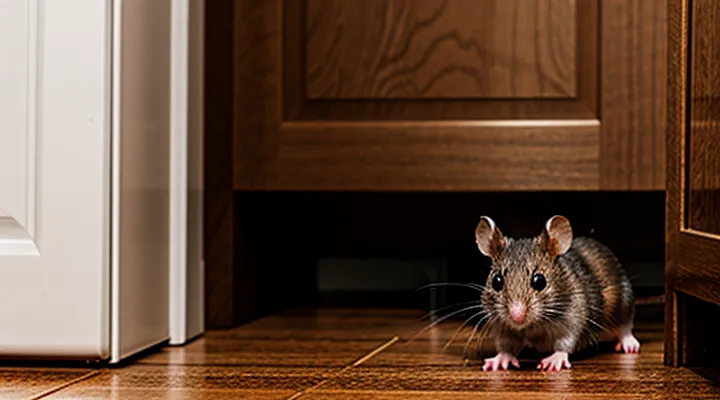
Understanding Mouse Behavior Towards Humans
The Innate Fear Response
Predator-Prey Dynamics
Mice in residential environments exhibit predator‑prey interactions that differ from wild settings because humans are not typical predators. Their survival strategy relies on detecting movement, vibrations, and odors that signal danger, rather than recognizing a specific species as a threat.
Key elements influencing mouse responses to occupants:
- Sensory cues: Rapid footfalls, sudden shadows, and strong scents trigger avoidance behavior.
- Risk assessment: Mice weigh the probability of capture against the availability of food and shelter; low perceived risk leads to habituation.
- Learning: Repeated exposure to non‑lethal human presence reduces fear, while encounters with traps or cats reinforce avoidance.
Consequently, mice do not inherently fear people inside a house; they respond to immediate threat indicators. When human activity is predictable and non‑aggressive, mice may coexist with occupants, whereas abrupt or harmful stimuli elicit escape responses consistent with predator‑prey dynamics.
Olfactory Cues and Human Presence
Mice rely heavily on smell to assess risk within a domestic environment. Human odor—comprising sweat, skin oils, and trace chemicals from cosmetics—creates a distinct olfactory signature that mice detect through their highly sensitive vomeronasal organ. Laboratory studies show that exposure to these scents reduces exploratory behavior and increases time spent in sheltered locations, indicating heightened wariness.
Key olfactory components influencing mouse reactions include:
- Lactones and fatty acids from human skin secretions, which trigger avoidance circuits in the olfactory bulb.
- Volatile organic compounds (VOCs) emitted by cleaning products and perfumes; many act as repellents by activating irritant receptors.
- Carbon dioxide exhalation, a metabolic by‑product that mice associate with larger mammals and often leads to retreat from the source.
Human presence also alters the ambient scent landscape. Frequent movement disperses odor plumes, creating a dynamic chemical environment that mice interpret as unpredictable. This unpredictability amplifies stress responses, manifested by elevated corticosterone levels and reduced foraging efficiency.
Field observations in residential settings corroborate laboratory findings. Mice captured near occupied rooms demonstrate higher levels of stress hormones than conspecifics found in unoccupied storage areas. Moreover, traps baited with neutral odors attract fewer individuals when human scent permeates the vicinity.
In summary, olfactory cues generated by occupants serve as primary deterrents for mice inside homes. The combination of skin‑derived chemicals, environmental VOCs, and respiratory gases establishes a chemical barrier that promotes avoidance behavior, thereby reducing the likelihood of direct encounters with humans.
Factors Influencing Mouse Fear
Frequency of Human Interaction
Mice respond to human presence primarily through the frequency of encounters within a dwelling. Repeated exposure to occupants reduces the animal’s flight response, while infrequent contact maintains a high level of wariness.
Research on laboratory and residential settings shows a clear correlation between contact rate and behavioral inhibition:
- Daily activity in kitchens, pantries, or utility rooms lowers mouse latency to explore, resulting in reduced avoidance of human movement.
- Sporadic visits, such as occasional cleaning or brief occupancy, keep mouse alertness at baseline, prompting rapid retreat at the first sign of motion.
- Continuous human activity, for example in homes with multiple residents or pets, leads to habituation; mice may forage near foot traffic zones despite the presence of people.
Physiological measurements support these observations. Corticosterone levels in captured rodents decline after a week of daily human interaction, indicating stress reduction. Conversely, short‑term exposure does not alter hormone concentrations, confirming sustained fear.
Practical implications follow directly. Households that maintain regular schedules—daily food placement, consistent cleaning, and predictable movement patterns—encourage mice to adapt, decreasing the likelihood of panic‑driven damage. Environments characterized by irregular human activity preserve the animal’s innate avoidance, increasing the chance of sudden scurrying and potential contamination.
Therefore, the frequency of human interaction serves as a decisive factor in shaping mouse perception of danger inside residential spaces. Consistent, predictable presence promotes habituation; irregular contact sustains fear.
Noise and Movement
Mice rely on acute auditory and tactile cues to assess threats within a dwelling. Sudden loud sounds trigger the startle reflex, causing immediate retreat to concealed areas. Continuous low‑frequency noise, such as household appliances, habituates the animal, reducing its vigilance over time.
Movement patterns of occupants also influence mouse behavior. Rapid, unpredictable motions generate visual and vibrational cues that the rodent interprets as predator activity, prompting avoidance of the vicinity. Steady, predictable movements allow mice to establish safe pathways and maintain foraging routes.
Key observations:
- Acoustic threshold: Sounds above 60 dB elicit escape responses; lower levels produce minimal disturbance.
- Frequency sensitivity: High‑frequency noises (above 10 kHz) are most effective at inducing alertness.
- Vibration detection: Floor vibrations exceeding 0.02 g are perceived as danger signals.
- Temporal consistency: Repeated exposure to the same noise level leads to desensitization within 48 hours.
- Motion predictability: Erratic motions increase perceived risk; smooth, deliberate motions diminish it.
These factors combine to shape the mouse’s risk assessment. Loud, abrupt noises and erratic human activity amplify fear, while steady sounds and controlled movements allow the rodent to coexist with occupants without heightened stress.
Lighting Conditions
Mice rely primarily on tactile and olfactory cues to assess threats, yet visual information influences their perception of danger when humans are present inside a residence. Low‑light environments diminish a mouse’s ability to detect movement, reducing the likelihood of immediate flight responses. Conversely, bright illumination enhances detection of sudden motions, prompting rapid escape toward concealed pathways.
- Bright lighting: increases visibility of human silhouettes, accelerates startle reflex, encourages use of burrows or wall voids.
- Dim lighting: limits visual acuity, allows mice to remain active near food sources, decreases frequency of avoidance behavior.
- Sudden changes in illumination: create transient shadows that trigger heightened alertness, temporarily elevating escape activity.
Rodent eyes contain a high proportion of rod cells, optimizing sensitivity in dim conditions but providing limited color discrimination. Therefore, mice can navigate effectively in low‑light settings, but they perceive bright, fluctuating light as a potential indicator of predator presence. Human movement under intense illumination generates distinct visual cues that mice interpret as immediate threats, prompting avoidance.
In practice, homeowners seeking to deter rodents may adjust indoor lighting to reduce exposure. Maintaining moderate, steady illumination in areas where food is stored can increase the perceived risk for mice, while avoiding abrupt bright flashes prevents inadvertent habituation. Consistent lighting patterns reinforce the association between human activity and an unsafe environment for the rodents.
Signs of Fear in Mice
Hiding Behavior
Mice inside residential spaces exhibit a distinct pattern of concealment that directly reflects their perception of human presence. When occupants move through rooms, rodents react by seeking immediate refuge in locations that limit visual and auditory exposure. Typical hiding sites include wall voids, ceiling insulation, under appliances, and dense clutter. These areas provide three essential advantages: protection from sudden disturbances, access to established travel routes, and proximity to food sources.
Key characteristics of concealment behavior are:
- Rapid retreat within seconds of detecting motion or sound.
- Preference for narrow passages that restrict predator entry.
- Utilization of pre‑existing cavities rather than creating new burrows.
- Selection of sites with stable temperature and low humidity fluctuations.
The decision to remain hidden is reinforced by the mouse’s acute sense of vibration and scent. Even low‑intensity footsteps generate substrate vibrations that trigger escape responses. Olfactory cues from humans, such as skin oils and perfumes, further heighten alertness, prompting rodents to avoid open areas and maintain a concealed posture.
Observational studies demonstrate that mice will emerge from hiding only when a reliable food source is present and the risk of detection is minimal. In such cases, they may temporarily occupy exposed surfaces but will quickly retreat if human activity resumes. Consequently, the presence of occupants does not eliminate mouse populations; it shapes their spatial usage, concentrating activity within concealed zones throughout the dwelling.
Freezing and Startling
Mice that enter residential interiors often display two distinct anti‑predator reactions when a person appears: immobility and rapid flight. Immobility, commonly called freezing, involves the animal remaining motionless for several seconds after detecting a sudden visual or auditory cue. The response is mediated by the amygdala and brainstem circuits that suppress motor output while the animal assesses threat level. Freezing reduces movement‑generated cues that could attract a predator, allowing the mouse to blend with surrounding clutter.
Rapid flight, or startling, occurs when the mouse perceives the stimulus as immediate danger. The animal initiates a burst of acceleration, usually toward the nearest concealment such as a wall void, appliance gap, or floor crevice. Startle responses are triggered by high‑intensity sounds, abrupt shadows, or sudden vibrations, and are accompanied by heightened heart rate and adrenaline release.
Factors that modulate the choice between freezing and startling include:
- Distance from the human observer
- Brightness and contrast of the environment
- Prior exposure to humans (habituation reduces both responses)
- Availability of nearby shelter
- Presence of strong odors (e.g., food, predator scent)
Understanding these behaviors informs control strategies. When mice freeze, visual inspection may reveal their location without disturbing them, enabling targeted trapping. When they startle, placement of snap traps or bait stations near typical escape routes increases capture likelihood. Recognizing the conditions that provoke each response enhances the effectiveness of humane removal and long‑term exclusion measures.
Increased Activity at Night
Mice that share a dwelling with humans tend to concentrate most of their movements after sunset. Darkness reduces visual cues that humans rely on, allowing rodents to navigate without immediate detection. The decline in ambient light also coincides with lower human activity in many households, creating a temporal window in which mice can forage, explore, and establish new routes with minimal disturbance.
Several factors amplify nocturnal activity. First, temperature drops at night lower metabolic demands, prompting rodents to seek food sources that are often stored in kitchens or pantries. Second, the rhythmic release of the hormone melatonin in both mice and humans suppresses alertness in the latter, indirectly decreasing the likelihood of encounters. Third, the acoustic environment quiets after evening, making it easier for mice to hear predators and avoid them, while still remaining undetected by occupants.
Observations in residential settings reveal consistent patterns:
- Entry points such as gaps around doors, windows, and utility lines become focal during nighttime, as mice exploit the reduced airflow from closed ventilation systems.
- Food residues left on counters or in trash bins attract rodents, and the absence of regular cleaning routines at night intensifies this draw.
- Nesting materials, often displaced during daytime cleaning, are gathered under cabinets or within wall cavities when human presence wanes.
Understanding these dynamics helps homeowners implement targeted measures. Sealing structural breaches before dusk, storing food in airtight containers, and maintaining a clean environment throughout the evening reduce the incentives that drive nocturnal foraging. By addressing the conditions that promote heightened night‑time activity, residents can diminish the frequency of mouse encounters and limit the perception that rodents are actively avoiding people.
Adapting to Human Presence
Habituation Over Time
Mice that repeatedly encounter humans inside a residence often show reduced avoidance behaviors. Initial exposure typically triggers a flight response, but repeated, non‑threatening interactions lead to habituation—a gradual decline in the intensity of the fear reaction.
Repeated exposure without negative consequences allows the rodent’s nervous system to reclassify human presence as neutral. This process involves:
- Diminished activation of the amygdala, the brain region that mediates acute fear.
- Increased reliance on the hippocampus for contextual learning, recognizing the home environment as safe.
- Lowered cortisol levels during human proximity, indicating reduced stress.
The speed of habituation varies with several factors:
- Frequency of encounters – daily contact accelerates the adjustment.
- Predictability of human behavior – consistent, calm actions facilitate learning.
- Availability of food – easy access to resources near humans encourages tolerance.
- Age and prior experience – younger mice with limited exposure adapt more quickly than older, wild‑caught individuals.
Long‑term habituation can result in mice coexisting with occupants, entering structures unnoticed and exploiting human activity to obtain shelter and nutrition. However, the process is not irreversible; sudden threats or aggressive handling can re‑activate fear responses, resetting the habituation curve.
Seeking Shelter and Food
Mice enter residential buildings primarily to obtain protection from predators and to locate edible resources. Their natural instinct drives them toward concealed, stable environments such as wall voids, attic insulation, and the undersides of appliances. These sites offer constant temperature, limited light, and minimal disturbance, which reduce the likelihood of detection by humans.
Food acquisition follows the same risk‑avoidance pattern. Mice exploit easily accessible items—cereal grains, pet food, uncovered pantry goods, and crumbs left on floors. They favor locations where human traffic is low, because frequent movement increases the chance of being startled or harmed. Nevertheless, the presence of people does not prevent mice from foraging; it merely shapes the timing and placement of their activities.
Key factors influencing shelter and food selection:
- Proximity to concealment: Preference for cracks, gaps, and nests hidden behind structures.
- Temperature stability: Warm zones near heating ducts or electronic equipment.
- Human activity level: Reduced foraging during periods of high movement; increased activity during quiet hours.
- Food availability: Concentrated in storage areas with minimal sealing or regular cleaning.
Overall, the drive to secure shelter and nourishment outweighs any innate wariness of occupants. Mice adapt their behavior to minimize contact while still exploiting the resources that human dwellings provide.
Coexistence in Urban Environments
Mice are among the most successful wildlife species in densely populated areas, regularly sharing indoor spaces with humans. Their presence reflects a broader pattern of synanthropy, where animals adapt to the resources and shelter offered by urban dwellings.
Research indicates that mice display a flight response when confronted with sudden movement, bright light, or unfamiliar scents. Repeated exposure to non‑threatening human activity reduces this response, leading to habituation. Studies using infrared tracking and acoustic monitoring show that mice can distinguish between passive occupants and active disturbances, adjusting their activity cycles accordingly.
The dynamic between rodents and residents shapes urban coexistence. Effective management relies on modifying environmental variables rather than relying on fear alone. Strategies include sealing entry points, maintaining low clutter, and using deterrents that exploit mice’s sensory sensitivities. When these measures are applied consistently, mouse populations tend to relocate or remain at low densities, minimizing conflict without eliminating the species from the ecosystem.
Practical actions for households:
- Inspect and repair structural gaps larger than ¼ inch.
- Store food in sealed containers; clean crumbs promptly.
- Reduce clutter that offers nesting sites.
- Deploy ultrasonic emitters or peppermint oil in areas of frequent activity.
- Monitor activity with motion‑sensitive cameras to identify hotspots.
Implementing these steps fosters a predictable environment, allowing both humans and mice to occupy shared spaces with reduced stress and lower risk of infestation.
Practical Implications for Homeowners
Minimizing Mouse Encounters
Eliminating Food Sources
Mice that enter residential spaces are driven primarily by the availability of edible material. When food is abundant, rodents are compelled to explore, often encountering occupants despite a natural tendency to remain concealed. Reducing or removing edible attractants lowers the incentive for mice to venture near people, thereby decreasing the likelihood of direct contact.
Effective elimination of food sources requires systematic control of all potential supplies:
- Store dry goods in airtight containers made of metal or heavy‑wall plastic.
- Transfer pantry items to shelves that are not open‑fronted; avoid cardboard boxes that can be chewed.
- Clean countertops, floors, and under appliances after each meal; remove crumbs, spills, and pet food remnants.
- Use sealed trash cans with tight‑fitting lids; empty them regularly to prevent odor buildup.
- Restrict feeding of pets to designated areas and remove uneaten portions promptly.
When these measures are consistently applied, mouse activity diminishes. The rodents shift to a more cautious foraging pattern, limiting movement to concealed zones and avoiding areas where human presence is frequent. Consequently, the perception that mice fear residents is reinforced by the absence of food incentives that would otherwise draw them into shared spaces.
Sealing Entry Points
Mice are primarily motivated by access to food, water, and shelter; human presence does not deter them if pathways into the interior remain open. Preventing intrusion hinges on eliminating all potential entry points.
Effective sealing requires a systematic inspection of the building envelope. Identify gaps larger than ¼ inch in walls, foundations, utility penetrations, and around doors and windows. Use durable materials such as steel wool, copper mesh, or silicone‑based sealants for small openings, and install metal flashing or concrete patches for larger cracks.
When sealing, follow these steps:
- Clean each opening to remove debris and moisture.
- Apply a primer compatible with the chosen sealant to improve adhesion.
- Insert steel wool or mesh into the gap, then press a silicone or polyurethane sealant over it, smoothing the surface.
- For structural cracks, fill with hydraulic cement, allowing it to cure fully before applying a waterproof coating.
- Inspect door thresholds and vent covers, installing brush seals or tight-fitting grilles where necessary.
Regular maintenance reinforces the barrier. Re‑examine seals after seasonal temperature shifts, as expansion and contraction can reopen gaps. Document any recurring damage and address it promptly to sustain a mouse‑free environment.
By rigorously sealing all ingress routes, the likelihood of rodents entering the residence diminishes, rendering human occupancy irrelevant to their decision to enter.
Maintaining Cleanliness
Maintaining a clean home directly influences the likelihood that mice will enter and remain in living spaces. Food residues, spills, and clutter provide both nourishment and shelter, encouraging rodents to explore areas where humans are present. By eliminating these resources, residents reduce the incentive for mice to approach or tolerate human activity inside the house.
Practical measures for preserving cleanliness include:
- Storing all edible items in airtight containers.
- Promptly cleaning crumbs and spills from countertops, floors, and appliances.
- Disposing of garbage in sealed bins and removing waste regularly.
- Decluttering storage areas, especially basements, attics, and closets.
- Vacuuming and sweeping daily in high‑traffic zones to remove dust and potential food particles.
When these practices are consistently applied, mice encounter fewer attractants and are more likely to avoid domestic environments altogether, even in the presence of occupants.
Humane Deterrents
Ultrasonic Devices
Ultrasonic repellents emit high‑frequency sound waves that rodents cannot hear but that are uncomfortable for them. The devices are marketed as a humane alternative to traps and poisons, promising to deter mice from entering living spaces where people are present.
Effectiveness depends on several factors:
- Frequency range (typically 20–65 kHz) must match the hearing sensitivity of the target species.
- Sound intensity decreases sharply with distance; placement near entry points maximizes coverage.
- Continuous operation can lead to habituation, reducing long‑term impact.
- Physical barriers such as furniture and walls block propagation, creating silent zones.
Safety considerations are straightforward: frequencies are above the human auditory threshold, so occupants experience no audible disturbance. However, pets with higher hearing ranges (cats, dogs, some birds) may perceive the emissions and exhibit stress behaviors.
Empirical studies show mixed results. Controlled experiments report short‑term avoidance of treated areas, while field trials often reveal limited reduction in mouse activity after several weeks. The most reliable outcomes combine ultrasonic units with complementary measures—sealing gaps, eliminating food sources, and maintaining cleanliness.
In practice, ultrasonic devices serve best as part of an integrated pest‑management program rather than a standalone solution. Their role is to create an additional deterrent layer that complements structural and sanitation interventions aimed at minimizing rodent presence in human‑occupied homes.
Natural Repellents
Mice typically avoid unfamiliar disturbances within a residence, yet they may still explore areas where human activity is minimal. Natural repellents exploit the species’ sensitivity to strong odors and textures, creating an environment that discourages entry without chemical agents.
Common natural deterrents include:
- Peppermint oil – Apply a few drops on cotton balls and place them in corners, closets, and near potential entry points; the volatile menthol compounds irritate mouse olfactory receptors.
- Cayenne or chili powder – Sprinkle a thin layer along baseboards, under appliances, and around holes; capsaicin creates an uncomfortable sensation upon contact.
- Clove or eucalyptus oil – Soak cloth strips in the oil and distribute similarly to peppermint; both oils emit pungent vapors that mice find repulsive.
- Steel wool – Pack tightly into gaps and cracks; the abrasive texture prevents chewing and blocks passage.
- Vinegar solution – Mix equal parts white vinegar and water, spray around door frames and windowsills; the acidic scent deters rodents without leaving residue.
Effectiveness depends on regular renewal of the scent source, typically every 2–3 days, and on sealing structural openings. When used consistently, these methods reinforce the natural wariness mice exhibit toward human presence, reducing the likelihood of indoor activity.
Trapping and Relocation
Mice generally exhibit avoidance behavior toward humans, but their response varies with exposure and food availability. Trapping and relocation remain common strategies for managing indoor infestations while minimizing lethal outcomes.
Effective trapping starts with accurate placement. Mice travel along walls and seek sheltered routes; therefore, position snap or live traps at 1‑2 cm from baseboards, behind appliances, and near identified droppings. Bait selection influences capture rates: a small amount of peanut butter, oat, or dried fruit attracts most house mouse populations. Set traps in the late afternoon; mice are most active during the night, increasing the likelihood of contact.
When a live trap secures a mouse, immediate relocation is essential to reduce stress. Follow these steps:
- Cover the trap with a cloth to calm the animal and prevent escape.
- Transport the trap to a suitable release site at least 1 km from the residence, preferably in a field or woodland with natural cover and abundant food sources.
- Open the trap on the ground, allow the mouse to exit voluntarily, and retreat to avoid direct contact.
- Clean and disinfect the trap before reuse to prevent disease transmission.
Relocation success depends on habitat suitability at the release point. Areas lacking predators, vegetation, and water diminish survival prospects, potentially prompting the mouse to return to the original dwelling. Consequently, assess the environment before release; choose locations where the species naturally occurs.
Repeated capture of the same individual indicates either trap avoidance or an inadequate release distance. To counter avoidance, rotate trap types, vary bait, and alternate placement locations. Incorporating exclusion measures—sealing entry points, maintaining sanitation, and storing food in sealed containers—reduces re‑infestation risk and lessens reliance on trapping.
Overall, trapping paired with strategic relocation offers a humane alternative to extermination, provided that trap placement, bait selection, and release protocols align with mouse behavior and ecological requirements.
When to Seek Professional Help
Persistent Infestations
Mice are capable of establishing long‑term colonies in residential environments despite regular human activity. Their success stems from several biological and environmental factors.
- Adaptable foraging habits: Mice exploit food residues, pet food, and improperly stored pantry items. Even minimal crumbs provide sufficient sustenance for breeding pairs.
- Nesting flexibility: Insulation, wall voids, and clutter offer protected sites that remain undisturbed by occupants. Once a nest is formed, removal of a single mouse does not eliminate the colony.
- Rapid reproduction: Females can produce up to ten litters annually, each containing four to eight pups. A small initial population can expand to hundreds within months if unchecked.
- Limited aversion to human presence: Laboratory studies show that mice exhibit reduced fear responses in familiar indoor settings, treating human movement as a background stimulus rather than a threat.
Persistent infestations typically arise when one or more of these conditions persist. Effective control therefore requires simultaneous action on all fronts:
- Eliminate food sources: Store dry goods in sealed containers, clean spills promptly, and manage pet feeding stations.
- Reduce shelter opportunities: Declutter storage areas, seal gaps larger than ¼ inch, and repair damaged insulation.
- Interrupt breeding cycles: Deploy proven traps or bait stations in identified activity zones, ensuring consistent monitoring.
- Maintain sanitation: Conduct regular deep cleaning of kitchens, basements, and utility rooms to remove residual attractants.
Addressing each element prevents mice from perceiving the home as a safe, resource‑rich habitat, thereby breaking the cycle of chronic infestation.
Health Concerns
Mice that encounter residents inside a dwelling often retreat rather than confront, yet their presence introduces several health risks.
- Bacterial pathogens such as Salmonella and Leptospira can be transferred through urine, feces, and contaminated surfaces.
- Viral agents, including hantavirus, may spread when aerosolized particles from dried droppings are inhaled.
- Parasites like fleas and mites may hitchhike on rodents, increasing the likelihood of secondary infestations.
- Allergens present in mouse hair, dander, and urine can trigger respiratory irritation and exacerbate asthma.
- Food supplies become vulnerable to contamination, leading to gastrointestinal disturbances.
Frequent inspection of hidden areas, prompt removal of droppings with protective equipment, and sealing entry points reduce exposure. Regular sanitation and pest‑control measures limit the duration of contact between rodents and household members, thereby mitigating the outlined health concerns.
Property Damage
Mice that occupy residential interiors cause substantial property damage irrespective of their reaction to occupants. Their primary motivations—seeking shelter, food, and breeding sites—drive behaviors that compromise structural integrity and household goods.
Typical damage includes:
- Chewed electrical wiring, increasing fire risk and requiring costly repairs.
- gnawed insulation, reducing energy efficiency and prompting HVAC service.
- compromised plumbing seals, leading to leaks and water‑related deterioration.
- destroyed stored food, creating contamination and waste disposal expenses.
- damaged furniture and fabrics, necessitating replacement or professional restoration.
Preventive measures focus on exclusion and sanitation: sealing entry points, removing accessible food sources, and maintaining clean, clutter‑free environments. Early detection—evident through droppings, gnaw marks, or audible activity—allows swift intervention, limiting repair costs and preserving property value.