
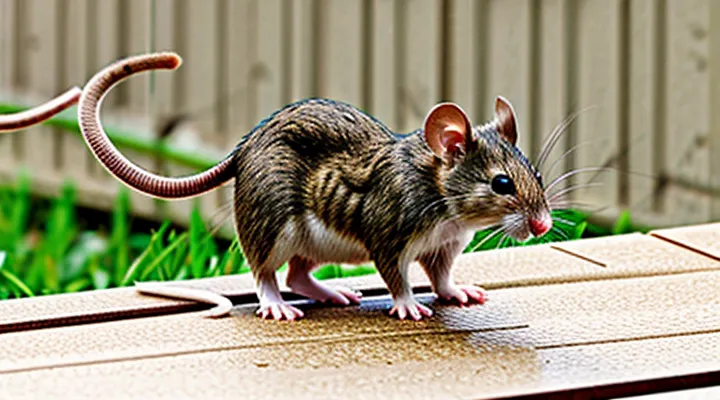
Understanding SIP Panels
What Are SIP Panels?
Core Components
SIP panels consist of a sandwich structure that combines a rigid outer skin with an insulating core. The outer skins are typically oriented strand board (OSB) or plywood, while the core is expanded polystyrene (EPS) or extruded polystyrene (XPS). Adhesives bond the layers, and a protective coating or sealant shields seams from moisture and pests.
- Outer skins (OSB or plywood): Provide structural strength, resist compression, and form the panel’s exterior surface. Their fibrous composition can be gnawed by rodents if exposed.
- Insulation core (EPS/XPS): Offers thermal resistance, lightweight properties, and dimensional stability. Polystyrene is relatively soft; mice can bite through thin sections, especially at panel edges or penetrations.
- Adhesive layer: Epoxy or polyurethane glues maintain bond integrity. Once compromised, the core may detach, creating gaps that attract further gnawing.
- Protective coating/sealant: Polyurethane or elastomeric membranes protect seams from moisture and insect ingress. Damage to this layer exposes underlying materials to rodent activity.
Mice preferentially target softer, accessible material. Exposed EPS or thin OSB edges present the least resistance. Proper installation—covering seams, sealing penetrations, and using thicker skins—reduces the likelihood of gnawing. Selecting panels with dense, high‑pressure laminates for outer skins and incorporating metal or hard‑plastic barriers at vulnerable points further limits rodent interaction.
Understanding the composition of each layer informs preventive measures. Reinforcing edges, applying rodent‑resistant sealants, and maintaining a sealed envelope around the panel assembly collectively mitigate the risk of mice chewing through SIP construction.
Structural Characteristics
Structural SIP panels consist of an insulating foam core sandwiched between two oriented‑strand board (OSB) facings. The core typically employs expanded polystyrene (EPS) or extruded polystyrene (XPS), each offering distinct compressive strength and moisture resistance. OSB facings provide rigidity, nail‑holding capacity, and a surface that can be finished with siding or drywall.
Key attributes influencing rodent interaction include:
- Core density: Higher density foam resists deformation, reducing the ease with which mice can create tunnels.
- Facing thickness: Thicker OSB layers increase the mechanical barrier against gnawing.
- Edge sealing: Continuous sealants or tape applied to panel edges eliminate gaps that rodents exploit for entry.
- Surface finish: Smooth, painted, or metal‑clad exteriors diminish the tactile cues that encourage chewing.
Rodents possess continuously growing incisors and preferentially gnaw on soft, fibrous, or easily penetrated materials. The rigid OSB and dense foam core present a relatively hard substrate, limiting the incentive for sustained chewing. However, exposed edges or damaged facings can become vulnerable points where mice may attempt to gnaw.
Mitigation strategies focus on preserving the integrity of all panel surfaces, reinforcing joints, and applying rodent‑resistant coatings. Maintaining a sealed envelope around the SIP assembly effectively reduces the likelihood of mice exploiting structural weaknesses.
Why Mice Might Be Attracted to Homes
Common Entry Points
Mice gain access to structural insulated panels primarily through imperfections created during construction and maintenance. Small gaps around fasteners, seams where panel edges meet, and openings left for utilities provide pathways that rodents can exploit. Penetrations for electrical wiring, plumbing, and HVAC ducts often lack airtight seals, allowing entry with minimal effort. Damage to the panel’s exterior coating—cracks, chips, or weathering—creates additional breaches. Roof and wall flashings that are improperly installed or deteriorated expose the panel cavity to the environment, inviting infestation. Finally, gaps surrounding doors, windows, and service hatches, if not tightly fitted, serve as convenient ingress points for mice seeking shelter and food sources within the building envelope.
Food Sources and Shelter
Mice consume a wide range of organic matter, including grains, seeds, fruits, insects, and occasional animal protein. Their diet also contains non‑nutritive items such as paper, cardboard, and wood, which provide roughage and aid digestion.
- Grains (wheat, corn, oats)
- Seeds (sunflower, millet)
- Fresh produce (berries, vegetables)
- Insects and arthropods
- Manufactured materials (paper, cardboard)
When natural food sources are scarce, mice may gnaw on structural components of buildings to obtain moisture, calcium, or to wear down continuously growing incisors. SIP (Structural Insulated Panel) cores often contain gypsum or other mineral fillers that supply calcium, making them attractive to rodents experiencing dietary deficiencies.
Mice seek shelter that offers concealment, warmth, and protection from predators. Gaps, voids, and loosely sealed joints in panel assemblies create microhabitats ideal for nesting. Proper sealing and exclusion of entry points reduce both food access and shelter availability, limiting mouse activity around insulated panels.
The Reality of Mice and SIP Panels
Can Mice Chew Through SIP Panels?
The Polystyrene Core
The polystyrene core of structural insulated panels consists of expanded or extruded polystyrene foam sandwiched between two rigid sheathing layers. Its low density and closed‑cell structure provide thermal resistance while keeping panel weight minimal.
Mice encounter the foam when panel edges are exposed or when sheathing is breached. The material’s softness permits easy gnawing; the absence of deterrent odors or textures makes it indistinguishable from other chewable substrates. Although polystyrene offers no nutritional value, rodents often bite it to shape nesting material or to wear down continuously growing incisors.
When gnawed, the foam fragments can be displaced, creating gaps in the insulation envelope. Ingested pieces are indigestible, posing a risk of gastrointestinal obstruction if a mouse swallows sufficient material. The structural integrity of the panel may deteriorate as the core loses volume and loses its load‑bearing capacity.
Factors that raise the probability of chewing include:
- Moisture accumulation that softens the foam surface.
- Food residues or spillage near panel joints.
- Physical damage exposing the foam edges.
- Absence of secondary barriers such as metal mesh or rodent‑proof sealants.
Mitigation strategies focus on protecting the foam surface. Applying steel or aluminum reinforcement at seams, sealing all penetrations with rodent‑resistant caulk, and maintaining a clean environment around the panels reduce the incentive for mice to gnaw the polystyrene core. Continuous inspection for signs of bite marks allows early intervention before structural degradation occurs.
The OSB or Plywood Sheathing
Mice are capable of gnawing the sheathing that forms the exterior faces of structural insulated panels. Both oriented strand board (OSB) and plywood are composed of wood fibers bonded with resin, providing a surface that rodents can bite into when food sources are limited or nesting material is needed.
The likelihood of damage depends on several material properties:
- Density: Higher density panels require more effort for rodents to cut through. Plywood typically offers greater density than OSB.
- Resin content: Panels with a higher proportion of synthetic resin are less attractive to mice because the taste is less palatable and the material is harder to chew.
- Surface finish: Smooth, sealed surfaces resist gnawing better than rough, unfinished edges where teeth can gain purchase.
- Moisture level: Wet or damp sheathing softens the wood fibers, making it easier for mice to penetrate.
When evaluating a SIP assembly, consider the following observations:
- Mice have been recorded to create small entry holes in OSB sheathing, especially at seams or cutouts where the resin bond is weaker.
- Plywood sheathing shows fewer gnaw marks, but rodents can still breach it if the panel is thin (≤ ½ inch) or if the edges are exposed.
- Foam cores inside the panels are not a primary food source; however, mice may chew through the surrounding sheathing to reach the insulation for nesting material.
Mitigation strategies focus on reinforcing vulnerable areas:
- Apply a thin layer of metal flashing or rigid foam board over seams and cutouts.
- Use high‑density, low‑grade plywood for exterior faces where rodent pressure is expected.
- Seal all joints with rodent‑resistant caulk to eliminate gaps.
In summary, both OSB and plywood sheathing present potential entry points for mice, with OSB being more susceptible due to lower density and resin content. Selecting denser plywood, sealing all seams, and adding physical barriers reduces the risk of gnawing damage to structural insulated panels.
Potential Damage Caused by Rodents
Structural Integrity Concerns
Mice can gnaw on the polymer skins of Structural Insulated Panels (SIPs), creating penetrations that compromise the sealed envelope. Even small openings allow moisture ingress, leading to core insulation saturation and loss of thermal performance. Repeated chewing may also expose the expanded polystyrene (EPS) or polyurethane core, which is vulnerable to compression under load when moisture‑filled.
Key structural integrity risks include:
- Reduced load‑bearing capacity due to core degradation.
- Accelerated corrosion of embedded metal fasteners when moisture reaches them.
- Diminished shear strength as skin continuity is broken.
- Increased likelihood of air leakage, affecting pressure differentials in the building envelope.
Inspection protocols should prioritize detection of rodent damage. Visual surveys, infrared thermography, and acoustic emission testing reveal skin breaches and localized moisture accumulation. Prompt repair with rodent‑resistant materials restores panel performance and prevents progressive weakening.
Design mitigation measures involve:
- Installing metal or hard‑plastic mesh barriers beneath exterior skins.
- Applying rodent‑deterrent coatings to panel surfaces.
- Specifying panel manufacturers that use reinforced skin composites.
- Integrating sealed conduit pathways to limit rodent access to interior spaces.
Implementing these controls maintains the intended structural behavior of SIP assemblies and prevents degradation caused by rodent activity.
Insulation Degradation
Rodents can compromise the integrity of structural insulated panels (SIP) by gnawing on the foam core, exposing it to air, moisture, and temperature fluctuations. Once the protective barrier is breached, the polymer matrix begins to break down through oxidation, hydrolysis, and UV‑induced chain scission. The resulting loss of thermal resistance raises heating and cooling loads, accelerates condensation within wall cavities, and creates pathways for mold growth.
Key mechanisms of insulation degradation caused by rodent activity include:
- Mechanical damage – bite marks create perforations that disrupt the continuous insulation layer.
- Moisture ingress – exposed foam absorbs water, leading to swelling, loss of compressive strength, and reduced R‑value.
- Chemical breakdown – water and organic contaminants introduced by gnawing stimulate hydrolytic reactions that degrade polymer bonds.
- Thermal instability – damaged areas experience temperature gradients that accelerate aging of surrounding material.
Mitigation requires sealing entry points, installing rodent‑proof barriers, and conducting regular inspections to detect early signs of foam deterioration. Prompt repair or replacement of compromised panels restores the intended thermal performance and prevents long‑term energy loss.
Health Risks from Droppings and Urine
Mice that gnaw on structural insulated panels can leave droppings and urine on the material’s surface and within any exposed cavities. These contaminants introduce several health hazards for building occupants and maintenance personnel.
- Pathogen transmission – Rodent feces commonly contain bacteria such as Salmonella and Leptospira, which can cause gastrointestinal illness and leptospirosis when inhaled or ingested.
- Allergic reactions – Proteins in mouse urine and dander act as potent allergens, triggering asthma attacks and rhinitis in sensitive individuals.
- Airborne contamination – Disturbing contaminated panels releases dust laden with microbial spores and endotoxins, increasing the risk of respiratory irritation and chronic bronchitis.
- Secondary pest attraction – Accumulated waste provides a food source for insects and other vermin, amplifying the spread of disease vectors.
Effective mitigation requires immediate removal of contaminated panels, thorough disinfection with EPA‑registered rodent‑specific agents, and implementation of exclusion measures to prevent future rodent ingress. Personal protective equipment, including N‑95 respirators and disposable gloves, must be worn during cleanup to limit exposure to hazardous bioaerosols.
Preventing Rodent Infestations in SIP Homes
Effective Exclusion Strategies
Sealing Entry Points
Mice can gnaw through the joints and seams of structural insulated panels, compromising insulation and structural integrity. Preventing access requires a systematic approach to sealing all potential entry points.
Inspect the building envelope for gaps larger than ¼ inch. Common locations include:
- Openings around utility penetrations
- Gaps at panel seams and butt joints
- Spaces around doors, windows, and vent covers
- Holes left by construction fasteners
Apply sealing measures that resist rodent chewing. Recommended materials and techniques are:
- Steel wool packed tightly into gaps, then covered with a sealant to prevent removal.
- Rodent‑proof caulk formulated with acrylic or silicone base, applied to seams and corners.
- Metal flashing installed over larger openings, fastened with corrosion‑resistant screws.
- Hardware cloth (¼‑inch mesh) used as a barrier behind insulation, secured with staples.
- Expanding foam with added steel wool for irregular voids, trimmed after curing.
Regularly verify the integrity of seals, especially after seasonal temperature changes, to maintain a barrier that deters mice from reaching the panel interiors.
Using Rodent-Resistant Materials
Mice can compromise structural insulated panels (SIPs) by gnawing the foam core or penetrating the sheathing. Selecting materials that deter chewing reduces repair costs and extends building lifespan.
Rodent‑resistant materials share specific characteristics: hardness that exceeds typical rodent bite force, low palatability, and surface textures that impede chewing. They also maintain structural integrity under environmental stress.
Common choices include:
- Galvanized steel or aluminum sheathing
- Concrete or masonry block walls
- Pressure‑treated lumber with high‑density fibers
- Polyethylene or polypropylene composite panels reinforced with metal mesh
- Rigid foam cores blended with silica or calcium carbonate fillers
Effective installation requires sealing all seams, installing barrier tape or mesh at joints, and ensuring no gaps larger than ¼ inch. Regular inspection of penetrations such as utility openings helps detect early signs of activity.
Pest Control Measures
Trapping and Baiting
Mice that gnaw structural insulated panels (SIP) can compromise energy efficiency and structural integrity. Effective control begins with accurate identification of activity zones, followed by strategic placement of traps and appropriate bait.
- Snap traps: steel spring mechanism, positioned against walls where gnaw marks appear; set with a minimal trigger force to target small rodents.
- Live‑catch traps: humane cages with a secure latch; useful for monitoring population size before deciding on eradication methods.
- Glue boards: adhesive surface placed in concealed corners; best suited for secondary inspection rather than primary control.
Bait selection influences capture rates. Preferred attractants include:
- Peanut butter – strong odor, high fat content, readily adheres to trap surfaces.
- Soft cheese – aromatic, palatable, effective for nocturnal foragers.
- Commercial rodent gel – formulated with pheromones, maintains potency over weeks.
Placement guidelines:
- Position traps perpendicular to known runways, with the trigger end facing the wall.
- Space devices 10–15 feet apart in areas of visible droppings, gnaw marks, or shredded insulation.
- Rotate bait types weekly to prevent habituation.
After capture, inspect panels for fresh gnaw marks and assess insulation loss. Replace damaged sections promptly to deter further infestation. Continuous monitoring, combined with proper sanitation to remove alternative food sources, reduces the likelihood that mice will target SIP panels again.
Professional Extermination Services
Mice can gnaw structural insulated panels, compromising thermal performance and creating entry points for additional pests. Damage often appears as small, irregular holes in the outer skin or as chewed insulation fibers visible during inspections.
Professional extermination services address the problem through systematic steps:
- Inspection using visual assessment and motion‑detecting devices to locate activity zones.
- Identification of species, population size, and entry routes.
- Application of targeted control measures such as bait stations, sealing of gaps, and, when necessary, low‑toxicity rodenticides approved for indoor use.
- Post‑treatment monitoring to confirm elimination and prevent recurrence.
- Documentation of findings and recommendations for structural reinforcement.
Engaging certified exterminators reduces the risk of hidden damage, ensures compliance with health regulations, and provides a lasting solution that protects the integrity of insulated building envelopes.
Maintenance and Monitoring
Regular Inspections
Regular inspections are the primary defense against rodent damage to structural insulated panels (SIPs). Inspectors must verify that panel seams, joints, and penetrations remain intact, because any breach provides a potential entry point for mice that could gnaw the foam core.
Key inspection actions include:
- Visual examination of exterior cladding for gaps larger than ¼ inch.
- Probe of interior wall cavities with a flashlight to detect droppings, chew marks, or nesting material.
- Assessment of utility openings (electrical, plumbing, HVAC) for proper sealing with metal flashing or steel mesh.
- Confirmation that vent screens are intact and securely fastened.
- Documentation of findings on a standardized checklist, noting location, severity, and recommended remediation.
A minimum quarterly schedule satisfies most climate zones; colder regions may require bi‑monthly checks due to increased rodent activity. Seasonal spikes—particularly in fall—warrant an additional inspection before heating systems activate.
When an inspection reveals damage, immediate repair using rodent‑resistant materials (e.g., steel wool, hardware cloth) prevents further consumption of the panel core. Follow‑up verification after repairs ensures the integrity of the barrier and reduces the likelihood of future gnawing incidents.
Keeping the Surroundings Clean
Mice are attracted to debris, food residue, and nesting material near structural components. When such matter accumulates around structural insulated panels, the likelihood of rodents gnawing on the panels increases, potentially compromising insulation and structural integrity.
Keeping the area free of contaminants reduces the incentive for rodents to explore and damage the panels. A clean environment eliminates food sources, eliminates hiding places, and makes inspection of panel condition more straightforward.
Practical measures for maintaining a clean perimeter include:
- Remove food scraps and spills immediately; store consumables in sealed containers.
- Dispose of waste in tightly closed bins and empty them regularly.
- Sweep or vacuum floors, countertops, and work surfaces daily to eliminate crumbs.
- Store building materials and tools off the ground to prevent dust accumulation.
- Seal cracks, gaps, and openings in walls, floors, and ceilings to block entry points.
- Conduct weekly visual inspections of panels and surrounding areas for signs of gnawing or droppings.
Consistent application of these practices minimizes rodent attraction, protects panel performance, and supports long‑term durability.