
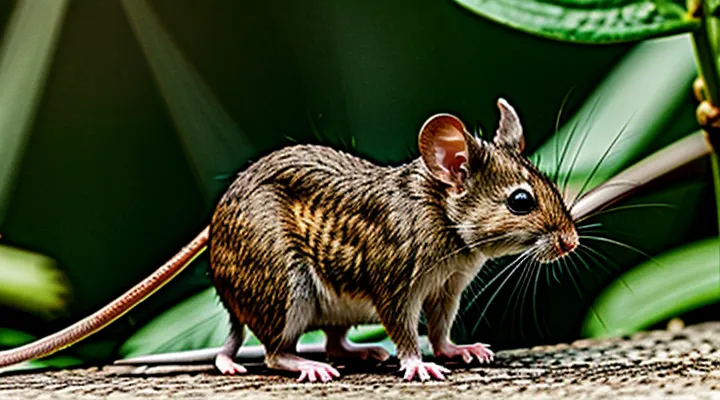
Understanding the Typical Mouse Diet
Primary Food Sources for Wild Mice
Grains and Seeds
Mice consume a wide variety of plant material, with grains and seeds forming a core component of their nutritional intake. These items supply carbohydrates, proteins, and essential fatty acids that support rapid growth, reproduction, and metabolic maintenance.
Common grains and seeds found in mouse diets include:
- Wheat kernels
- Barley grains
- Oats
- Corn kernels
- Sunflower seeds
- Millet
- Rye
- Flaxseed
Selection criteria are driven by availability, size, and energy density. Smaller seeds are preferred for easy handling, while larger grains provide higher caloric content. Mice exhibit opportunistic foraging behavior, harvesting seeds from stored grain piles, wild grasses, and human refuse.
Digestive physiology adapts to high‑starch content; pancreatic amylase activity rises when rodents shift toward grain‑rich meals. Excessive reliance on seeds alone can lead to micronutrient deficiencies, prompting mice to supplement with insects, fruits, or leafy material when accessible.
In laboratory settings, purified grain mixtures serve as baseline feed, ensuring reproducible growth rates and experimental control. Field observations confirm that wild populations exploit seasonal seed bursts, often storing surplus for periods of scarcity.
Overall, grains and seeds represent the primary energy source for mice, while occasional insect consumption balances protein and mineral requirements.
Fruits and Vegetables
Mice incorporate a variety of fruits and vegetables into their diet, supplementing the protein obtained from arthropods. Natural foraging behavior leads them to consume seeds, berries, leafy greens, and root vegetables when these resources are accessible. The carbohydrate content of such plant matter provides rapid energy, while fiber supports digestive health.
Typical plant foods observed in mouse stomach contents include:
- Apples, grapes, and berries (high sugar concentration)
- Carrots, lettuce, and spinach (moderate moisture and fiber)
- Sweet potatoes and squash (starch reserves)
When insect intake declines, mice increase reliance on plant matter to meet caloric needs. Seasonal availability of fruits and vegetables influences the proportion of these items in the overall diet, often resulting in a flexible feeding strategy that balances animal and vegetal sources.
Fungi and Roots
Mice are primarily granivores, yet their diet can incorporate non‑seed items when opportunities arise. Fungi appear in field observations as occasional components of mouse stomach contents. Mycelial mats and fruiting bodies provide protein, vitamins, and moisture, especially in damp habitats where seed availability declines. Species such as Agaricus and Coprinus have been identified in fecal analyses, indicating ingestion rather than accidental consumption.
Roots contribute similarly when mice forage near the soil surface. Taproots and fibrous roots of grasses, legumes, and herbaceous plants contain carbohydrates and minerals. Laboratory feeding trials demonstrate that mice will gnaw shallow roots to access stored nutrients, particularly during winter months when aerial food sources are scarce. The following points summarize the relevance of fungi and roots to mouse nutrition:
- Fungal protein supplements dietary protein intake.
- Vitamin B complexes from mushrooms support metabolic functions.
- Moisture from fungal tissue reduces dehydration risk.
- Root carbohydrates supplement energy reserves.
- Mineral uptake from root tissue aids bone development.
These dietary elements complement the primary focus on insect consumption, showing that mice exploit a broader spectrum of resources when insects are limited.
Dietary Variations by Mouse Species
House Mouse Diet
The house mouse (Mus musculus) consumes a highly opportunistic diet, driven by availability rather than strict preference. Primary components include grains, seeds, and processed human food, which provide carbohydrates and proteins essential for rapid growth and reproduction. In urban and agricultural settings, these rodents exploit stored cereals, pet food, and refuse, resulting in frequent contact with human resources.
Insects form a supplemental portion of the diet, especially when plant material is scarce. Mice capture and ingest a range of arthropods—such as beetles, moth larvae, and houseflies—primarily for protein and moisture. Laboratory observations record insect consumption ranging from 5 % to 15 % of total intake, with higher percentages during dry seasons or in habitats lacking abundant grain supplies.
Typical dietary items for a house mouse include:
- Grains (wheat, barley, corn)
- Seeds (sunflower, millet)
- Fruit and vegetable scraps
- Processed foods (bread, cheese, pet kibble)
- Invertebrates (beetles, larvae, flies)
- Fungi and mold spores in damp stores
Nutritional balance is maintained through this varied intake, allowing the species to thrive in diverse environments and adapt quickly to changes in food sources.
Deer Mouse Diet
Deer mice (Peromyscus maniculatus) exhibit a highly adaptable diet that reflects seasonal resource availability and habitat diversity. Plant matter dominates their intake; seeds, grains, and nuts provide essential carbohydrates and fats, while leaves, stems, and buds contribute fiber and micronutrients. In temperate zones, autumn brings an abundance of acorns and pine seeds, which deer mice store for winter consumption.
Animal protein supplements their herbivorous base. Insects, arachnids, and small invertebrates appear regularly in stomach analyses, particularly during spring and early summer when arthropod populations surge. Beetles, moth larvae, and springtails constitute the primary arthropod prey, delivering amino acids and lipids unavailable in plant tissue. Laboratory observations confirm that captive deer mice will actively hunt and consume live insects when offered.
Occasional opportunistic feeding expands their repertoire. Fruit, berries, and fungal spores are ingested when fruiting bodies are accessible. Carrion and scavenged eggs are reported in field studies, indicating a willingness to exploit high‑energy resources irrespective of typical dietary classification.
Key dietary components:
- Seeds and nuts (e.g., acorns, pine seeds)
- Fresh vegetation (leaves, stems, buds)
- Invertebrates (beetles, moth larvae, springtails)
- Fruit and berries
- Fungi and occasional carrion
Nutrient balance shifts with environmental conditions. During periods of scarce plant material, reliance on insects increases, supporting growth and reproductive output. Conversely, when seed caches are plentiful, insect consumption declines but does not cease entirely. This flexibility enables deer mice to maintain stable populations across a broad range of ecosystems.
Field Mouse Diet
Field mice are omnivorous rodents whose diet varies with season, habitat, and resource availability. Plant material dominates their intake; seeds, grains, and green vegetation provide the bulk of calories. In the summer, when insects are abundant, field mice supplement their diet with arthropods. Commonly consumed insects include beetles, caterpillars, grasshoppers, and fly larvae. These protein sources contribute essential amino acids and micronutrients that are scarce in a purely herbivorous diet.
Key dietary components:
- Seeds and nuts (e.g., sunflower, wheat, acorns) – primary energy source.
- Fresh vegetation (shoots, leaves, buds) – carbohydrates and fiber.
- Invertebrates (beetles, moth larvae, spiders) – protein and lipids.
- Fungi and mold spores – occasional supplemental nutrition.
- Detritus and carrion – opportunistic consumption when other foods are limited.
Seasonal shifts affect the proportion of each component. During autumn, seed availability increases, reducing reliance on insects. In early spring, limited plant growth may prompt higher ingestion of insects and other animal matter. Field mice exhibit opportunistic foraging behavior, selecting foods that maximize energy efficiency while meeting nutritional requirements.
Overall, insects form a measurable but not dominant portion of the field mouse’s diet, serving primarily as a supplemental protein source during periods of high arthropod activity.
The Role of Insects in a Mouse's Diet
Opportunistic Insect Consumption
Availability as a Factor
Mice have omnivorous diets that can include arthropods when other food sources are scarce. Insect consumption is not uniform across species or environments; it correlates strongly with the ease of obtaining alternative nutrients.
- Seasonal scarcity of seeds and grains increases the likelihood of insect intake.
- Habitat types that support high insect biomass, such as wetlands or forest floors, provide more opportunities for predation.
- Population density can limit access to plant material, prompting individuals to exploit available insects.
- Age and reproductive status affect nutritional demands; pregnant or lactating females may incorporate more insects to meet protein requirements.
Field observations show that laboratory mice, supplied with constant grain, rarely ingest insects, whereas wild mice captured during winter months display stomach contents rich in beetles and larvae. Controlled experiments confirm that when protein‑rich insects are presented alongside low‑quality plant matter, mice preferentially select insects, demonstrating a direct response to resource availability.
Nutritional Benefits of Insects
Mice regularly incorporate insects into their natural foraging repertoire, providing a direct source of nutrients that differ from plant‑derived foods. Insects supply high‑quality protein, containing all essential amino acids required for growth and tissue repair. Their lipid profile includes polyunsaturated fatty acids that support cellular membrane integrity and energy metabolism.
- Protein: 50–70 % dry weight, rich in lysine, methionine, and tryptophan.
- Lipids: 10–20 % dry weight, notable for omega‑3 and omega‑6 fatty acids.
- Vitamins: B‑complex (B12, riboflavin, niacin) and fat‑soluble vitamins (A, D, E).
- Minerals: iron, zinc, magnesium, calcium, and trace elements such as selenium.
- Chitin: insoluble fiber that promotes gut microbiota diversity and enhances digestive efficiency.
Experimental diets that substitute a modest proportion of insect meal for traditional grain or seed components improve feed conversion ratios and reduce the incidence of nutrient‑deficiency symptoms in laboratory mouse colonies. The inclusion of insects also introduces bioactive compounds—antimicrobial peptides and antioxidants—that contribute to immune function and oxidative stress mitigation. Consequently, insect‑based ingredients represent a viable, nutritionally dense option for formulating balanced mouse diets.
Types of Insects Mice Might Consume
Beetles and Grubs
Mice incorporate a variety of arthropods into their omnivorous diet, with beetles and grubs representing two of the most frequently consumed insect groups.
Beetles provide a hard exoskeleton that requires gnawing, yet laboratory observations show that house mice readily chew through the cuticle of common species such as flour beetles (Tribolium spp.) and darkling beetles (Tenebrionidae). Their chitinous bodies contribute dietary fiber, while the internal tissues supply protein and lipids. Seasonal abundance of beetles in grain stores and outdoor debris aligns with peaks in mouse foraging activity, increasing encounter rates.
Grubs, the larval stage of many beetles and scarab insects, present a softer body structure that facilitates rapid ingestion. Their high protein content and fat reserves make them an efficient energy source, particularly during late summer when larvae proliferate in compost and garden soil. Field studies report that wild mice often target grubs found in decaying organic matter, sometimes transporting them back to nesting sites for consumption by offspring.
Empirical data support these behaviors. Controlled feeding trials indicate that mice will choose beetles or grubs over standard grain when offered simultaneously, with intake levels reaching 15‑20 % of total daily caloric consumption. Radio‑telemetry tracking of free‑ranging populations reveals increased nocturnal foraging trips to habitats rich in larval insects during periods of low seed availability.
Key characteristics of beetles and grubs in mouse diets:
- Beetles: hard exoskeleton, moderate protein, source of chitin, seasonal peaks in stored-product environments.
- Grubs: soft-bodied larvae, high protein and fat, abundant in compost and soil, preferred during larval surges.
These points illustrate that both beetles and their larval forms constitute a reliable, nutrient‑dense component of mouse feeding ecology.
Crickets and Grasshoppers
Mice frequently include insects in their natural foraging repertoire, and two of the most common arthropods encountered are crickets and grasshoppers. Laboratory trials demonstrate that both species are readily accepted when presented alongside seeds and plant material. The insects provide high‑quality protein, essential amino acids, and a range of micronutrients that complement the carbohydrate‑rich diet typical of rodents.
Key characteristics influencing mouse consumption:
- Size and mobility – Crickets (2–5 g) and grasshoppers (3–10 g) fall within the optimal prey size range for adult house mice, allowing easy capture and handling.
- Nutrient profile – Both species contain 50–65 % dry‑matter protein, 10–15 % fat, and chitin, which contributes to dietary fiber and may stimulate gut health.
- Seasonal availability – Grasshopper populations peak in late summer, while crickets remain abundant in warm, humid microhabitats throughout the year, ensuring a consistent supplemental food source.
- Palatability – Behavioral assays record higher bite rates for live crickets compared with other insects, suggesting a preference linked to movement cues.
Field observations confirm that wild mice opportunistically harvest grasshoppers from vegetation and capture crickets from leaf litter. Stomach‑content analyses of specimens collected in agricultural margins reveal insect fragments in up to 30 % of individuals, with identifiable cricket and grasshopper remains comprising a substantial portion.
Overall, crickets and grasshoppers serve as valuable, protein‑rich components of the mouse diet, especially when plant resources are scarce. Their inclusion enhances nutritional balance and reflects the opportunistic foraging strategy characteristic of these rodents.
Spiders and Other Arthropods
Mice regularly include arthropods in their foraging repertoire, supplementing plant material with animal protein. Spiders constitute a frequent target because they are abundant in ground litter and produce minimal defensive chemicals. Capture occurs primarily through opportunistic ambush: a mouse encounters a spider’s web or a wandering individual and uses its incisors to subdue the prey.
Other arthropods consumed by mice encompass a range of taxa that vary in size, defensive mechanisms, and seasonal availability. Typical items include:
- Beetles (Coleoptera): larvae and soft‑bodied adults are readily eaten; hard‑shelled species are less common.
- Caterpillars (Lepidoptera): high protein content makes them attractive, especially during spring outbreaks.
- Crickets and grasshoppers (Orthoptera): captured by night‑time foraging; larger specimens may be abandoned if too cumbersome.
- Centipedes (Chilopoda): selected despite venomous forcipules, as mice can neutralize the toxin with rapid ingestion.
- Ants (Formicidae): taken in small numbers; aggressive species are avoided.
Nutritional analysis shows that arthropod intake contributes essential amino acids, lipids, and micronutrients absent from seeds and grains. Laboratory studies report that mice offered a mixed diet with 10 % arthropod protein exhibit increased growth rates compared with a strictly herbivorous regimen.
Seasonal patterns influence consumption levels. In temperate zones, arthropod availability peaks in late spring and early summer, prompting a measurable rise in predation events. During colder months, mouse diets shift back toward stored seeds and detritus, though occasional winter‑active arthropods such as spiderlings remain part of the intake.
Predation risk associated with hunting arthropods is low; most prey lack significant defense beyond silk or minor toxins. Consequently, mice can exploit this food source without substantial exposure to danger, reinforcing the role of spiders and related invertebrates in their overall dietary strategy.
How Mice Hunt and Consume Insects
Foraging Strategies
Mice employ flexible foraging tactics that allow them to incorporate insects into a primarily plant‑based diet. Their small size and acute sensory organs enable rapid assessment of microhabitats where arthropods may be present. Tactile whiskers detect surface vibrations, while olfactory receptors identify prey odors, especially in low‑light conditions when visual cues are limited.
Key components of mouse foraging behavior include:
- Opportunistic predation – mice capture exposed insects such as beetles or larvae encountered while foraging for seeds.
- Scavenging – dead or moribund insects found near decomposing organic matter are consumed without active hunting.
- Temporal adjustment – activity peaks during twilight and night hours reduce competition with larger predators and increase insect availability.
- Spatial memory – individuals remember locations of rich foraging sites, revisiting them when seasonal insect abundance rises.
- Risk assessment – mice weigh the energy gain from an insect against potential exposure to predators, often opting for concealed micro‑refuges.
Seasonal fluctuations influence strategy selection. In temperate regions, spring and early summer see heightened insect activity; mice intensify predation and scavenging during these periods. Conversely, in colder months, reliance shifts toward stored seeds and grains, with insects contributing minimally to caloric intake.
Overall, mouse foraging demonstrates a balance between opportunistic insect consumption and the exploitation of more reliable plant resources, driven by sensory acuity, memory, and adaptive risk management.
Predatory Behavior
Mice demonstrate opportunistic predation when insects are accessible. Their small size limits the range of prey, but they readily capture arthropods such as beetles, moth larvae, and housefly pupae. Capture relies on rapid bite and bite‑and‑hold technique; the incisors pierce the exoskeleton, while the forepaws assist in grasping struggling insects. This behavior supplements plant‑based intake, especially during periods of low seed availability.
Key aspects of mouse insect predation include:
- Preference for soft‑bodied insects and early developmental stages, which require less force to subdue.
- Increased predatory activity in habitats with abundant leaf litter, compost heaps, or stored grain where insects congregate.
- Seasonal spikes in consumption during spring and early summer, coinciding with insect population surges.
- Variation among species; Mus musculus exhibits higher insect intake than wild field mice (Apodemus spp.), reflecting differences in foraging ecology.
Digestive enzymes, notably chitinase, enable mice to extract nutrients from arthropod exoskeletons. Energy derived from insect protein supports growth and reproductive output, contributing to overall fitness when plant resources are scarce.
Factors Influencing Insect Consumption
Seasonal Changes and Food Availability
Winter Scarcity
Winter brings a marked decline in readily available food sources for small rodents. As temperatures drop, plant growth stalls and seed production diminishes, forcing mice to confront a limited supply of energy‑rich items.
Insect populations contract sharply during the cold months. Many arthropods enter diapause, remain hidden in leaf litter, or die off, reducing the total biomass that mice could exploit. Consequently, the proportion of insects in a mouse’s diet falls from a noticeable share in temperate seasons to a marginal component in winter.
Mice respond to scarcity through several physiological and behavioral adjustments:
- Elevated metabolic rate to maintain body heat, increasing overall energy requirements.
- Expanded foraging range, often venturing into human‑occupied structures where crumbs and stored grains are accessible.
- Selective consumption of high‑fat seeds and nuts that persist through winter, replacing insects as the primary caloric source.
- Temporary reduction in activity levels to conserve energy when food remains insufficient.
These strategies enable mice to survive periods when insects are scarce, but the shift away from insect protein can affect growth rates and reproductive output until more abundant resources return in spring.
Summer Abundance
During the warm months, insect populations surge, providing an accessible protein source for small rodents. Field observations show that house mice (Mus musculus) and related species increase opportunistic insect consumption when insects are abundant.
- Crickets and grasshoppers
- Beetles, especially darkling and ladybird species
- Caterpillars of moths and butterflies
- Fly larvae and adult flies
- Ants and termites
These taxa supply amino acids, lipids, and micronutrients that complement the primarily grain‑based diet of mice. Laboratory analyses indicate that a single beetle can deliver up to 20 % of a mouse’s daily protein requirement, while a handful of caterpillars provide comparable caloric value.
Long‑term studies in temperate regions recorded a 15‑30 % rise in insect fragments found in stomach contents from June through August. Radio‑frequency identification (RFID) tracking confirmed increased foraging activity near ground‑level vegetation where insects congregate. In arid zones, where seed availability declines in midsummer, mice rely more heavily on termites and beetles, maintaining body condition despite reduced plant food.
Seasonal dietary flexibility reduces dependence on stored seeds and mitigates competition with other granivores. The shift toward insect intake during summer aligns with peak reproductive periods, ensuring sufficient nutrient supply for litter growth. Consequently, the presence of a rich insect fauna directly influences mouse health and population dynamics during the hottest months.
Habitat and Environment
Rural vs. Urban Settings
Mice commonly consume insects, but the proportion of arthropods in their diet varies markedly between rural and urban environments.
In agricultural and natural landscapes, field mice encounter a wide array of insects such as beetles, grasshoppers, and moth larvae. Seasonal surges of these prey items often increase protein intake during breeding periods. Studies in grain fields report insect-derived calories accounting for up to 25 % of total energy consumption, particularly when seed availability declines.
Urban mice experience limited exposure to large, ground-dwelling insects. Their foraging grounds consist mainly of building interiors, sewers, and refuse piles, where small dipteran larvae and household pest insects dominate. Analyses of stomach contents from city-dwelling specimens reveal insect contributions typically below 10 % of total diet, with a higher reliance on human-derived waste and stored grains.
Key distinctions:
- Habitat complexity: Rural settings provide heterogeneous microhabitats supporting diverse insect populations; urban areas offer homogenized niches with fewer species.
- Seasonal availability: Rural insects display pronounced fluctuations, influencing mouse diet seasonally; urban insects remain relatively constant but scarce.
- Nutritional impact: Higher insect intake in rural mice correlates with faster growth rates and larger litter sizes; urban mice exhibit slower growth and smaller litters, reflecting reduced protein sources.
Understanding these environmental differences clarifies how mouse feeding strategies adapt to resource distribution, informing pest management and ecological research.
Forest vs. Field Habitats
Mice inhabiting dense forests encounter a broader variety of arthropods than those in open fields. Leaf litter, fallen logs, and understory vegetation host beetles, larvae, and spiders that become occasional prey. Seasonal spikes in insect activity—such as emergence of mayflies in spring—correlate with increased insect intake among forest-dwelling mice.
Field mice rely primarily on seed and grain stores, with insects representing a minor protein source. Grassland ecosystems support fewer ground-dwelling arthropods; when present, they are typically grasshoppers or ant workers. Insect consumption in these habitats rises only during drought or crop failure, when plant resources dwindle.
Key contrasts between the two environments:
- Diversity of prey: Forests provide multiple insect orders; fields offer limited taxa.
- Seasonal availability: Forest insects appear throughout the year; field insects peak during brief warm periods.
- Dietary reliance: Forest mice incorporate insects regularly; field mice turn to insects sporadically, mainly as supplemental nutrition.
Overall, habitat structure dictates the frequency and variety of insects in mouse diets, with forest settings supporting more consistent and diverse insect consumption.
Nutritional Needs and Deficiencies
Protein and Fat Requirements
Mice require a diet that supplies sufficient protein and fat to support rapid growth, reproduction, and thermoregulation. Adult laboratory mice maintain an average daily protein intake of 14–16 % of total calories, while growing juveniles may need up to 20 % to sustain tissue development. Fat contributes 4–6 % of caloric intake, providing a dense energy source for body temperature maintenance and hormone synthesis.
Insects deliver both nutrients in a compact form. A typical housefly contains approximately 55 % protein and 28 % fat on a dry‑matter basis, exceeding the protein density of standard grain‑based feeds. When insects are incorporated at 10–15 % of a mouse’s diet by weight, they can raise overall protein levels by 2–3 percentage points without exceeding recommended fat limits. This adjustment reduces reliance on supplemental soy or casein powders while preserving a balanced energy profile.
Key considerations for integrating insects:
- Amino acid profile: Insect protein supplies essential amino acids (lysine, methionine, tryptophan) in ratios comparable to mammalian sources, minimizing the risk of deficiencies.
- Fatty acid composition: Insect lipids are rich in monounsaturated and polyunsaturated fatty acids, contributing to membrane fluidity and signaling pathways.
- Digestibility: Chitin, the exoskeletal component, reduces overall digestibility by 5–10 %; processing methods such as grinding and de‑chitinization improve nutrient absorption.
- Safety: Proper heat treatment eliminates pathogens and reduces allergenic potential, ensuring compliance with animal‑health standards.
For breeding colonies, protein requirements peak during gestation and lactation, reaching 20–22 % of caloric intake. Supplementing diets with insects during these phases can sustain litter growth rates and weaning weights comparable to conventional high‑protein feeds. Fat levels must be monitored to avoid excess deposition, which can impair reproductive performance.
Overall, insects serve as an efficient source of both protein and fat, aligning with the macronutrient ratios required for optimal mouse health while offering a sustainable alternative to traditional feed ingredients.
Supplementing a Plant-Based Diet
Mice primarily consume seeds, grains, and vegetative material, yet their natural foraging behavior includes opportunistic ingestion of arthropods. Introducing insects into a plant‑based regimen can address specific nutritional gaps, particularly in protein, essential fatty acids, and micronutrients such as iron and zinc.
Key benefits of insect supplementation:
- High‑quality protein comparable to that of animal meat, supporting growth and reproductive performance.
- Concentrated sources of omega‑3 and omega‑6 fatty acids, which enhance membrane fluidity and neural development.
- Bioavailable minerals and vitamins (e.g., B12, chitin‑derived glucosamine) that are scarce in purely herbivorous diets.
Practical considerations for laboratory or pet care settings:
- Select species with established safety records, such as mealworms, crickets, or housefly larvae.
- Process insects into dried, ground, or freeze‑dried forms to ensure consistent nutrient density and reduce pathogen risk.
- Adjust overall caloric intake to account for the higher energy content of insects, preventing excess weight gain.
Research indicates that mice receiving a modest proportion of insects (5–10 % of total diet by weight) exhibit improved growth rates and immune markers without adverse effects on gut microbiota composition. Excessive inclusion may disrupt fiber balance and lead to digestive disturbances, emphasizing the need for calibrated supplementation.
In summary, integrating insect protein into a plant‑dominant diet provides a targeted solution for nutritional deficiencies, enhances physiological outcomes, and aligns with the omnivorous feeding strategies observed in wild mouse populations.
Signs of Insect Consumption in Mice
Analyzing Mouse Droppings
Chitin Fragments
Mice that opportunistically ingest insects encounter chitin, a polymer of N‑acetylglucosamine that forms the exoskeleton of arthropods. When chitin enters the gastrointestinal tract, it is broken down into small fragments through mechanical disruption and enzymatic activity. These chitin fragments are resistant to mammalian digestive enzymes, but gut microbiota produce chitinases that hydrolyze the polymer into soluble oligosaccharides.
The presence of chitin fragments influences mouse nutrition in several ways:
- Digestive processing: Microbial chitinases convert chitin into N‑acetylglucosamine, which can be absorbed and utilized as a source of carbon and nitrogen.
- Immune modulation: Short chitin oligomers can stimulate pattern‑recognition receptors in the gut epithelium, prompting modest inflammatory responses that may enhance mucosal immunity.
- Microbiome composition: Chitin serves as a selective substrate for chitin‑degrading bacteria, promoting the growth of taxa such as Bacteroides and Lactobacillus that contribute to overall gut health.
- Energy contribution: Although the caloric yield from chitin is low compared to carbohydrates or fats, the metabolic products of its degradation can supplement the mouse’s energy budget during periods of limited food availability.
Empirical studies demonstrate that laboratory mice fed diets supplemented with purified chitin exhibit increased levels of intestinal chitinase activity and a shift toward chitin‑utilizing microbial populations. Field observations indicate that wild mice consuming beetles or larvae acquire measurable amounts of chitin fragments, reflected in fecal analyses that detect N‑acetylglucosamine residues.
In summary, chitin fragments derived from insect consumption are not merely indigestible waste; they are metabolically active components that interact with the mouse’s gut microbiome, contribute minor nutritional value, and exert immunological effects.
Other Undigested Insect Parts
Mice that opportunistically consume insects often excrete fragments of the prey that resist enzymatic breakdown. These remnants provide reliable evidence of insect ingestion because they persist unchanged through the gastrointestinal tract.
- Chitinous exoskeleton fragments (cuticle)
- Sclerotized leg segments
- Wing membranes and elytra
- Mandibles and other hardened mouthparts
- Pigmented abdominal plates (e.g., tergites)
The presence of these structures in fecal samples indicates that mice ingest whole or partially intact insects rather than solely liquid or soft tissues. Chitin, the primary component of the exoskeleton, is indigestible for rodents; consequently, it appears as coarse, translucent particles. Hardened leg and wing parts, composed of cross‑linked proteins and sclerotin, also survive digestion. Mandibles and other mouthparts, being heavily calcified, are similarly resistant.
Analyzing the frequency and type of undigested insect parts allows researchers to quantify the contribution of arthropods to the mouse diet, assess seasonal variations, and evaluate habitat‑related foraging behavior.
Observational Evidence
Direct Sightings
Observations recorded in natural habitats provide the most reliable evidence of mouse predation on arthropods. Field cameras positioned near grain stores have captured house mice seizing and swallowing beetles, moth larvae, and small flies. In grassland plots, motion‑triggered video showed meadow mice extracting grasshopper nymphs from vegetation and consuming them whole. Researchers monitoring barn interiors reported multiple instances of mice removing adult beetles from stored feed, with the insects later found intact in mouse burrows.
Laboratory trials corroborate these findings. When offered live crickets alongside seed, laboratory mice repeatedly chose the moving prey, displaying rapid capture and ingestion. In a controlled arena, mice presented with a mixture of beetle larvae and dried grains selected the larvae in over 70 % of trials, indicating a clear preference for animal protein when available.
Anecdotal reports from pest‑control professionals add further documentation. Technicians describe finding mouse droppings containing recognizable insect exoskeleton fragments, and note mouse gnaw marks on live insects trapped in bait stations. These accounts, while informal, align with visual records and experimental data, reinforcing the conclusion that mice do consume insects when opportunities arise.
Damage to Insect Nests or Cocoons
Mice incorporate insects into their diet when opportunities arise, and this behavior frequently results in direct damage to insect nests and cocoons. Their small size and agile movements enable them to infiltrate burrows, leaf litter, and stored materials where insects develop. Once inside, mice grasp and consume larvae, pupae, or adult insects, often tearing the protective structures in the process.
Typical effects on insect colonies include:
- Destruction of silk cocoons – mice chew through silk threads, exposing pupae to predation and environmental stress.
- Disruption of nest architecture – gnawing on structural components collapses chambers, forcing remaining insects to abandon the site.
- Loss of brood – consumption of developing stages reduces reproductive output and can collapse population growth.
- Contamination of nest debris – mouse saliva and excrement introduce pathogens that further weaken surviving insects.
The extent of damage correlates with mouse population density, availability of alternative food sources, and the accessibility of insect habitats. In agricultural settings, mouse predation on beneficial insects such as pollinator larvae can lower ecosystem services, while in stored-product environments it may diminish pest control agents that rely on intact nests for survival. Monitoring mouse activity and securing insect habitats reduce the likelihood of such destructive interactions.
The Impact of Mice on Insect Populations
Localized Predation Effects
Mice occasionally capture and consume insects, creating direct predation pressure that varies across microhabitats. This pressure alters insect abundance and community composition within confined areas such as garden beds, stored grain facilities, and field margins.
- In grain stores, mouse predation reduces populations of stored‑product beetles, lowering infestation levels.
- In meadow edges, mouse foraging diminishes leaf‑chewing larvae, decreasing herbivory on low‑lying vegetation.
- In compost heaps, mouse consumption of detritivorous insects accelerates decomposition by shifting microbial activity.
Localized reductions in insect numbers affect plant health. Fewer herbivorous insects lessen leaf damage, allowing greater photosynthetic efficiency in nearby plants. Conversely, removal of predatory insects can increase populations of pest species that mice do not target, potentially offsetting benefits.
Mouse predation also interacts with other vertebrate predators. In areas where owls or shrews coexist, competition for shared insect prey can lead to niche partitioning; mice concentrate on larger, slower insects while other predators focus on agile species. This partitioning stabilizes overall predation pressure and prevents overexploitation of any single insect group.
Research documenting these effects relies on field surveys and controlled enclosure experiments that compare insect densities with and without mouse access. Findings consistently show that mouse‑driven predation produces measurable, site‑specific changes in insect community structure, influencing nutrient cycling and plant productivity at the local scale.
Role in the Ecosystem's Food Web
Mice incorporate a modest proportion of arthropods into an otherwise plant‑dominated diet. Consumption of insects provides a direct pathway for energy and nutrients to move from invertebrate prey into the mammalian segment of terrestrial food webs.
- Energy transfer: insect protein and lipids are assimilated by mice and subsequently delivered to their predators, including owls, hawks, snakes, and carnivorous mammals.
- Population control: predation on insects, especially larvae and beetles, reduces herbivore pressure on vegetation and can limit pest outbreaks.
- Nutrient cycling: digestion of chitinous material releases nitrogen and phosphorus, which reappear in mouse feces and enrich soil microbial activity.
- Trophic connectivity: mice serve as a bridge between detrital and higher trophic levels, linking decomposer communities to apex predators.
These mechanisms integrate mice into the complex network of energy flow and matter recycling, influencing stability and resilience of the ecosystem.