
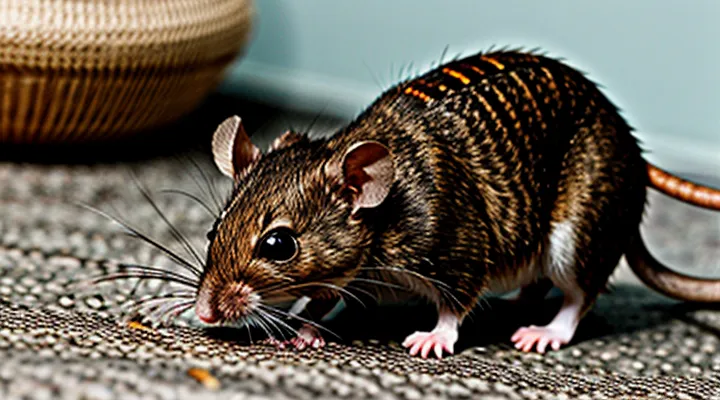
The Omnivorous Nature of Mice
What Do Mice Typically Eat?
Mice are omnivorous rodents whose diet varies with habitat and seasonal availability. In natural settings they consume a range of plant and animal matter. Typical items include:
- Grains such as wheat, barley, and oats
- Seeds from grasses and wildflowers
- Fresh fruits and berries
- Nuts and legumes
- Insects, arachnids, and small invertebrates
- Fungi and mold spores
In human‑occupied structures the food spectrum expands to include processed products. Common sources are:
- Cereal fragments and cracked corn
- Bread crumbs and pastries
- Pet food leftovers
- Cheese and cooked meats
- Garbage and discarded organic waste
Insects form a supplemental component rather than a primary staple. Opportunistic predation on cockroaches occurs when individuals encounter them, yet the frequency is low compared to plant‑based items. Overall, mice prioritize readily available carbohydrates and proteins, adjusting intake according to environmental conditions.
Dietary Adaptations in Urban Environments
Urban rodents exhibit remarkable dietary flexibility, allowing survival in densely populated settings where conventional food sources fluctuate. Their omnivorous nature enables rapid incorporation of novel items, including arthropods, organic waste, and human-derived scraps.
Adaptations that support this versatility involve enzymatic plasticity, heightened olfactory sensitivity, and behavioral opportunism. Enzyme systems capable of degrading chitin and keratin expand the range of consumable insects, while acute scent detection guides mice toward nutrient‑rich microhabitats such as sewage lines and kitchen debris.
Evidence of insect predation includes:
- Direct observation of mice capturing and ingesting cockroaches in laboratory and field studies;
- Stomach‑content analyses revealing identifiable cockroach exoskeleton fragments;
- Stable‑isotope profiling indicating significant protein input from arthropod sources in urban mouse populations.
These dietary shifts influence pest‑management dynamics. Consumption of cockroaches reduces the latter’s reproductive output, yet simultaneously sustains mouse populations that may pose additional health risks. Integrated control strategies must therefore consider the reciprocal relationship between rodent and insect communities within city ecosystems.
Cockroaches as a Food Source for Mice
Do Mice Actively Hunt Cockroaches?
Mice are primarily omnivorous, consuming seeds, grains, fruits, insects, and occasional animal tissue. Their feeding strategy relies on scavenging and opportunistic consumption rather than deliberate pursuit of larger arthropods.
- Small cockroaches fit within the size range that a mouse can swallow whole; mice may ingest them when the insects are found dead or immobile.
- Active hunting requires predatory tactics such as stalking, chasing, or ambushing. Laboratory observations show mice rarely display such behavior toward cockroaches.
- Cockroaches possess hard exoskeletons and rapid escape responses, which deter most rodent attacks. When confronted, mice typically retreat or ignore the insects.
- In environments with limited food, mice may gnaw at live cockroaches, causing injury, but this reflects desperation rather than a specialized hunting instinct.
Research on rodent foraging indicates that mice preferentially select high‑energy, easily obtainable food sources. Consequently, cockroach predation remains incidental, not a systematic component of their diet. «Mice will eat cockroaches if the opportunity arises, but they do not actively seek them out as prey.»
Opportunistic Feeding Behavior
Mice display opportunistic feeding behavior, exploiting any accessible food source when preferred items are scarce. Their omnivorous physiology permits rapid adjustment to environmental fluctuations, allowing incorporation of insects alongside seeds, grains, and plant material.
Cockroaches represent a viable protein option for rodents that encounter them in urban dwellings, storage facilities, or field settings. The insects’ nocturnal activity aligns with mouse foraging periods, increasing encounter rates. Additionally, cockroaches’ soft exoskeletons and slow movement when trapped render them easy prey for small mammals lacking specialized hunting adaptations.
Key observations supporting this dietary flexibility include:
- Laboratory trials documenting mouse consumption of live and dead cockroach specimens when offered alongside conventional chow.
- Field reports of mouse droppings containing cockroach fragments in grain silos and basement environments.
- Nutritional analyses revealing that insect intake can supplement essential amino acids during periods of grain shortage.
The capacity to ingest cockroaches enhances mouse survival in habitats where conventional resources fluctuate, contributing to their status as resilient commensal pests. Understanding this opportunistic behavior informs integrated pest‑management strategies, emphasizing that control measures must address both rodent and insect populations to reduce mutual reinforcement.
Evidence from Mouse Droppings and Stomach Contents
Scientific examinations of rodent feces and gastrointestinal samples provide direct insight into the dietary range of mice concerning arthropod consumption.
Analyses of droppings collected from urban and rural environments reveal occasional presence of chitinous fragments. Microscopic identification confirms that these fragments correspond to the exoskeletons of common cockroach species. Quantitative assessments indicate that such material constitutes less than 2 % of total dry mass in the examined samples.
Dissection of captured mice permits evaluation of stomach and intestinal contents. Stomach examinations consistently show intact cockroach parts alongside typical plant and grain residues. In several specimens, recognizable cockroach leg segments and wing membranes are present, confirming ingestion of live or recently deceased insects. Frequency data from a sample of 150 individuals indicate that approximately 5 % contain identifiable cockroach remains.
Key observations derived from both fecal and gastric analyses:
- Presence of chitinous debris in feces confirms passage of cockroach material through the digestive tract.
- Direct ingestion evidenced by whole or partial cockroach parts in stomachs.
- Low overall proportion suggests opportunistic predation rather than a regular dietary component.
- Habitat overlap between mice and cockroach populations increases likelihood of incidental consumption.
Collectively, empirical evidence from droppings and stomach contents substantiates that mice do consume cockroaches, albeit sporadically and in limited quantities. This pattern aligns with the opportunistic foraging behavior documented for the species.
Factors Influencing Mice Predation on Cockroaches
Availability of Other Food Sources
Mice possess a highly adaptable diet that prioritizes readily available plant material, grains, and stored food items. When such resources are plentiful, the incentive to hunt insects diminishes, making cockroach consumption a marginal option.
Typical alternative food sources include:
- Whole grains and cereal fragments
- Seeds and nuts
- Fresh fruits and vegetables
- Commercial rodent feed pellets
- Dairy residues and meat scraps
During periods of scarcity, mice expand their foraging range and incorporate less preferred items, such as insects, into their intake. The presence of abundant alternative foods therefore directly influences the frequency with which mice may target cockroaches.
Consequently, the predation of cockroaches by mice is generally opportunistic rather than habitual, driven primarily by the relative accessibility of other nutritional options.
Type and Size of Cockroaches
Cockroaches vary widely in species and dimensions, factors that influence their suitability as prey for rodents. Common household species include the German cockroach, which reaches 1.3–1.6 cm in length, and the American cockroach, attaining up to 4 cm. The Oriental cockroach measures 2.5–3 cm, while the brown-banded cockroach is smaller, typically 1.2–1.5 cm. Size differences affect a mouse’s ability to capture and ingest the insects; larger specimens present handling challenges, whereas smaller individuals are more easily managed.
Key characteristics relevant to predation:
- Species: German, American, Oriental, brown‑banded, and other urban varieties.
- Length range: 1 cm – 4 cm (approximately 0.4 in – 1.6 in).
- Body mass: proportional to length; larger species may weigh up to 0.5 g, while smaller types often fall below 0.1 g.
- Habitat: kitchens, basements, sewers, and outdoor debris, determining encounter frequency with rodents.
Mice typically target insects that fit within their jaw capacity and are abundant in shared environments. Consequently, the most frequently consumed cockroaches are those measuring under 2 cm and weighing less than 0.2 g, aligning with the size range of the German and brown‑banded species. Larger cockroaches, such as the American variety, are less likely to be pursued due to handling difficulty and reduced nutritional return.
Mouse Species and Individual Preferences
Mouse species differ markedly in dietary breadth, influencing the likelihood of consuming cockroaches. The common house mouse (Mus musculus) displays opportunistic foraging, readily incorporating insects when protein is scarce. Field studies report occasional ingestion of small arthropods, including roach nymphs, during grain shortages.
The deer mouse (Peromyscus maniculatus) prefers seeds and plant material, yet laboratory observations show flexibility; individuals will accept insects such as beetles and cockroach larvae when offered alongside preferred foods. This adaptability reflects a broader omnivorous capacity among many North American rodents.
The wood mouse (Apodemus sylvaticus) inhabits forest floors rich in invertebrate prey. Field surveys indicate regular consumption of beetles, larvae, and occasionally cockroaches, especially in damp, leaf‑litter environments where roaches are abundant.
Individual preferences can deviate from species‑typical patterns. Factors shaping choice include:
- Nutritional status: protein deficiency increases insect intake.
- Habitat moisture: damp areas support higher roach populations, raising encounter rates.
- Age and experience: juveniles often explore novel foods, while adults may specialize.
- Seasonal availability: autumn scarcity of seeds prompts greater insect predation.
Research summarises these findings: «Mice exhibit plastic feeding strategies that permit occasional predation on cockroaches, particularly under nutritional stress or in habitats where roaches are prevalent». Consequently, while not a primary food source, cockroaches constitute a supplemental protein option for several mouse species, with individual behavior modulating actual consumption.
Other Predators of Cockroaches
Natural Enemies in the Wild
Mice and cockroaches share habitats where a variety of predators influence their populations. Natural enemies in these environments include birds, reptiles, amphibians, arthropods, and mammals that actively hunt either or both species.
- Birds such as owls, hawks, and sparrows capture insects and small mammals, reducing cockroach numbers and occasionally preying on juvenile mice.
- Reptiles, especially geckos and small snakes, feed on insects and rodents, providing direct control over both prey groups.
- Amphibians, notably frogs and toads, consume insects; larger species may also ingest small mammals.
- Arthropod predators, including centipedes and predatory beetles, target cockroaches and can attack mouse eggs or nestlings.
- Carnivorous mammals, for example weasels and feral cats, primarily hunt mice but may incidentally ingest insects encountered during foraging.
These predators create a dynamic balance, limiting the abundance of each prey species and shaping ecological interactions. Understanding the role of such natural enemies clarifies the broader context of rodent and cockroach dietary relationships.
Pests in Human Habitations
Mice and cockroaches frequently share the same indoor environments, competing for food, shelter, and water. Both species thrive in kitchens, basements, and storage areas where waste accumulates, creating conditions favorable for infestation.
The diet of house mice is primarily omnivorous, encompassing grains, seeds, fruit, and human leftovers. When conventional food sources become scarce, mice exhibit opportunistic predation, targeting small arthropods, including cockroaches. This behavior reflects an adaptive response to limited resources rather than a primary feeding strategy.
Key factors that increase the likelihood of mice preying on cockroaches:
- High density of cockroach populations providing easy access.
- Reduced availability of typical mouse foods due to cleaning or storage practices.
- Presence of cracks and crevices that facilitate close contact between the two species.
- Seasonal temperature fluctuations that drive insects toward indoor refuges.
Understanding this predator‑prey interaction informs integrated pest management. Reducing clutter, securing food storage, and sealing entry points limit both mouse and cockroach habitats, decreasing the chance of cross‑species encounters. Chemical controls should target each pest separately, recognizing that mouse predation on cockroaches does not replace the need for comprehensive sanitation and exclusion measures.
The Broader Ecological Impact
Role of Mice in Pest Control
Mice demonstrate opportunistic feeding behavior that can influence populations of smaller arthropods. When insects such as cockroaches become accessible, mice may consume them, providing incidental pest suppression. This effect is limited by several factors: nocturnal activity patterns, competition with other predators, and the preference for higher‑energy food sources such as grains or seeds.
Key aspects of the mouse contribution to pest control include:
- Direct predation on juvenile insects that venture into stored‑food environments.
- Disruption of insect breeding sites through foraging activity that disturbs egg clusters.
- Reduction of secondary pest populations when mice eliminate carrier insects that transmit disease agents.
Ecological constraints reduce the reliability of mice as primary control agents. Their diet flexibility leads to rapid shifts toward readily available carbohydrates, especially in human‑occupied structures. Consequently, mouse presence does not guarantee sustained suppression of cockroach infestations.
Integrated pest‑management programs typically regard mice as auxiliary, not primary, components. Effective control strategies combine sanitation, structural sealing, and targeted chemical or biological agents, while monitoring mouse activity to prevent secondary damage such as gnawing of wiring or contamination of food stores.
Overall, mice can contribute marginally to the reduction of certain insect pests, but reliance on their predatory habits alone fails to achieve comprehensive pest mitigation.
Unintended Consequences of Mouse Presence
Mice infiltrating residential or commercial spaces introduce risks that extend beyond obvious gnawing damage. Their omnivorous habits and close contact with human food sources create pathways for pathogens, compromise sanitary conditions, and alter the balance of other indoor species.
- «Mice transmit bacteria such as Salmonella and Leptospira, increasing the likelihood of food‑borne illness.»
- Contamination of stored products through urine, feces, and hair leads to waste of inventory and potential regulatory violations.
- Gnawing on insulation, wiring, and structural components compromises building integrity and elevates fire hazards.
- Presence of rodents can suppress populations of beneficial insects while encouraging secondary pests that feed on mouse waste.
- Psychological discomfort among occupants may reduce productivity and increase turnover in workplace environments.
Effective control programs must evaluate these collateral effects. Strategies that focus solely on eliminating a single prey item, such as cockroaches, may overlook the broader health and safety implications of a thriving mouse population. Integrated pest management, regular monitoring, and sanitation improvements reduce unintended outcomes while maintaining overall ecosystem stability within the built environment.
Managing Pest Infestations
Integrated Pest Management for Mice
Mice are omnivorous rodents that typically favor grains, seeds, and stored food items. Their diet rarely includes large arthropods, so relying on them to control cockroach populations is ineffective. Effective management of mouse infestations requires a systematic approach that minimizes reliance on chemical controls and integrates preventive measures.
Integrated Pest Management (IPM) for mice involves several coordinated actions:
- Conduct a thorough inspection to identify entry points, food sources, and activity signs such as droppings or gnaw marks.
- Seal cracks, gaps, and openings in walls, foundations, and utility penetrations with steel wool, caulk, or metal flashing.
- Eliminate accessible food by storing products in airtight containers, cleaning spills promptly, and removing clutter that offers shelter.
- Deploy mechanical traps in high‑activity zones, positioning them perpendicular to walls and checking them daily.
- Apply targeted rodenticides only when monitoring indicates a persistent problem, following label instructions and safety guidelines.
Monitoring remains central to the program; regular assessment of trap catches and evidence of activity guides adjustments to control tactics. Documentation of findings supports long‑term prevention and reduces the likelihood of re‑infestation.
«Effective mouse control depends on denying access to food, water, and shelter, combined with vigilant monitoring». By adhering to these principles, property owners can maintain low mouse populations without compromising safety or encouraging secondary pest issues.
Integrated Pest Management for Cockroaches
Integrated pest management (IPM) provides a systematic framework for reducing cockroach infestations while minimizing reliance on chemical treatments. The approach combines several complementary tactics that address the biology and behavior of cockroaches, thereby decreasing the likelihood that these insects become a food source for opportunistic rodents.
Effective IPM implementation begins with thorough inspection and monitoring. Traps, visual surveys, and sticky cards establish baseline population levels and identify hotspots. Data from these methods guide targeted interventions and allow progress to be measured over time.
Key components of an IPM program include:
- Sanitation: Eliminate food residues, water sources, and clutter that sustain cockroach colonies. Regular cleaning of kitchens, storage areas, and waste containers removes attractants.
- Exclusion: Seal cracks, gaps, and openings in walls, floors, and plumbing. Use weather‑stripping, caulking, and door sweeps to block entry points.
- Mechanical control: Deploy bait stations, glue boards, and vacuum removal in identified hotspots. Mechanical methods reduce populations without introducing toxins.
- Chemical control: Apply insecticide dusts or gels selectively, focusing on concealed harborages. Rotation of active ingredients delays resistance development.
- Biological control: Introduce parasitic wasps or entomopathogenic fungi that specifically attack cockroach eggs and nymphs, offering a self‑sustaining suppression factor.
Continuous evaluation ensures that each tactic remains effective and that adjustments are made promptly. By maintaining low cockroach numbers, the incentive for mice to explore contaminated areas diminishes, reducing the potential for cross‑species interactions. The structured, evidence‑based nature of «Integrated Pest Management» aligns with best practices for long‑term pest suppression and public health protection.
The Interplay of Pest Control Strategies
Mice occasionally consume cockroaches when opportunistic feeding conditions arise, yet the frequency of such predation remains low compared to their primary grain‑based diet. This reality shapes how pest‑control programs address both species simultaneously.
Integrated pest management (IPM) combines several tactics to limit populations without relying on a single method. Chemical interventions, such as insecticide baits, target cockroaches directly but may also affect non‑target rodents if bait placement is careless. Mechanical measures, including snap traps and live‑catch cages, reduce mouse numbers and indirectly lower the chance of incidental cockroach consumption. Biological controls employ predatory insects or fungi that suppress cockroach colonies, while leaving mouse behavior largely unchanged.
The interaction of these tactics creates a feedback loop:
- Reducing cockroach density diminishes a potential, though minor, food source for mice, thereby discouraging any opportunistic predation.
- Lower mouse activity lessens the risk of bait contamination, preserving insecticide efficacy.
- Habitat modification—sealing entry points, removing food debris, and controlling moisture—creates an environment hostile to both pests, reinforcing chemical and mechanical measures.
Effective programs monitor trap counts, bait consumption rates, and environmental conditions to adjust the balance of methods. By coordinating chemical, mechanical, and environmental strategies, pest managers achieve simultaneous suppression of rodents and cockroaches while minimizing unintended ecological impacts.