
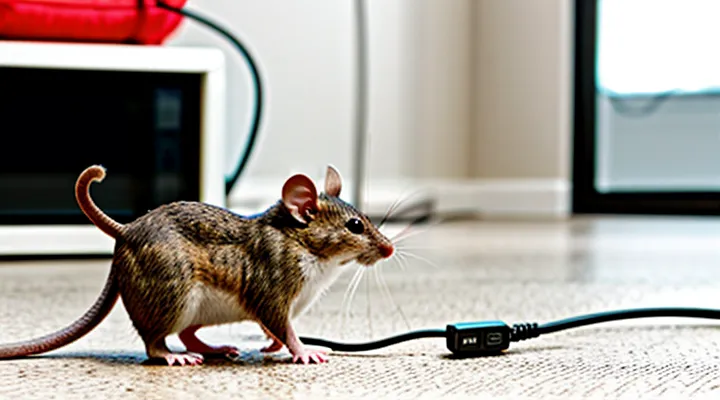
Understanding Rodent Behavior
Why Do Mice Chew Wires?
Instinctual Needs
Mice possess three primary instinctual drives that directly influence their interaction with man‑made environments: the need to maintain constantly growing incisors, the requirement to create secure nests, and the impulse to explore tactile stimuli. Continuous tooth growth forces rodents to gnaw on any available material, while nest‑building compels them to gather and manipulate flexible objects. Curiosity about texture and vibration leads them to investigate cables and wires that are readily accessible in homes and workplaces.
These drives translate into wire chewing because insulation offers a soft, chewable surface and often emits faint electrical hums that attract the animal’s sensory organs. The act of gnawing reduces the wire’s cross‑section, exposing conductive cores and creating short circuits. Repeated bites can sever connections, degrade signal integrity, and generate intermittent failures that are difficult to diagnose.
Typical damage patterns include:
- Nicks or cuts in plastic jackets near entry points or junction boxes.
- Exposed copper strands that corrode or flash under load.
- Compromised shielding that allows electromagnetic interference.
Effective mitigation targets the underlying instincts. Strategies include:
- Installing metal conduit or rigid tubing to prevent gnawing.
- Using chew‑resistant composite sheathing.
- Removing food sources and clutter that attract nesting activity.
- Deploying ultrasonic repellents calibrated to mouse hearing ranges.
Addressing the instinctual motivations of mice eliminates the primary cause of wire damage, preserving equipment functionality and extending service life.
Dental Health
Mice possess continuously growing incisors that require constant abrasion; the state of those teeth directly influences the frequency and intensity of wire gnawing.
Typical dental conditions affecting gnawing behavior include:
- Overgrowth of incisors causing excessive pressure on objects
- Malocclusion leading to uneven wear and irregular chewing patterns
- Dental abscesses or infections that may alter bite force
- Enamel wear that reduces the efficiency of cutting through materials
When incisors are properly trimmed through natural wear, mice exert moderate force sufficient for occasional nibbling. Overgrown or misaligned teeth generate greater torque, increasing the likelihood of severing insulation or breaking conductive cores. Consequently, poor dental health elevates the risk of electronic component failure.
Mitigation strategies focus on maintaining rodent dental health and limiting access:
- Provide chew‑friendly substrates (wood blocks, mineral rods) to promote regular tooth filing
- Ensure diet includes hard grains that naturally wear down incisors
- Conduct periodic visual inspections of populations in sensitive areas
- Implement humane exclusion measures such as sealed conduit and physical barriers
By addressing the dental condition of rodents, the propensity for wire damage can be substantially reduced.
Exploration and Curiosity
Mice are driven by innate exploratory instincts that compel them to investigate new objects through tactile and oral interaction. This behavior frequently leads them to gnaw on exposed conductors, where the combination of soft insulation and the presence of heat or scent cues creates an attractive target. Laboratory observations confirm that juvenile rodents exhibit a higher frequency of wire contact during the first three weeks of life, coinciding with peak neural development and heightened curiosity.
The act of chewing disrupts electrical continuity, creates short circuits, and can trigger fire hazards. Empirical data from pest‑control agencies indicate that up to 30 % of reported equipment failures in residential settings involve rodent‑induced cable damage. The underlying mechanism is mechanical erosion of the polymer sheath, followed by exposure of copper or aluminum conductors, which then oxidize and lose conductivity.
Mitigation strategies focus on redirecting exploratory drive away from vulnerable components:
- Encase cables in steel‑braided conduit that resists gnawing.
- Apply bitter‑tasting deterrent compounds to insulation surfaces.
- Install motion‑activated ultrasonic emitters near high‑risk areas.
- Reduce accessible nesting materials to limit the incentive for prolonged investigation.
Understanding the link between curiosity‑driven behavior and hardware degradation enables targeted interventions, decreasing downtime and preventing costly repairs.
Identifying the Problem
Signs of Rodent Activity
Rodent presence in an environment where electronic equipment operates can be identified through distinct indicators. Recognizing these signs early prevents costly damage and service interruptions.
Visible evidence includes:
- Gnawed insulation on cables, cords, or connectors.
- Small droppings, typically dark and pellet‑shaped, near power strips or device bases.
- Chewed or missing plastic components on devices, routers, or adapters.
- Nests constructed from shredded paper, fabric, or insulation material inside equipment enclosures.
- Unexplained odors resembling urine or ammonia near workstations or server racks.
- Tracks or footprints in dust, especially near cable bundles or ventilation openings.
- Sound of scratching or scurrying within walls, ceilings, or behind panels.
Additional clues arise from operational anomalies:
- Intermittent power loss or sudden resets of devices.
- Overheating of components due to compromised ventilation caused by nesting material.
- Increased frequency of short circuits or blown fuses without apparent cause.
Monitoring for these symptoms allows maintenance teams to intervene before rodents inflict permanent electrical failures.
Specific Chewing Patterns
Rodents display predictable chewing habits that determine the likelihood of cable damage. Observations in laboratory and field settings reveal that mice focus on specific physical characteristics rather than random nibbling.
- Material preference – softer insulation (PVC, rubber) is gnawed more often than hardened sheathing (metal‑clad, Teflon).
- Diameter selection – wires with diameters between 0.5 mm and 2 mm attract the most activity; larger conductors are typically ignored.
- Location bias – junction boxes, cable trays, and exposed ends present higher chewing rates than buried or concealed runs.
- Temporal pattern – peak activity occurs during nocturnal hours, especially the first two hours after lights off.
- Edge focus – mice initiate bites at cut or frayed edges, then extend the damage along the length of the exposed strand.
These patterns explain why certain installations experience frequent failures while others remain intact. Recognizing the specific conditions that trigger chewing enables targeted mitigation, such as using harder insulation, sealing exposed ends, and limiting nocturnal access.
The Dangers of Wire Damage
Electrical Hazards
Fire Risk
Mice gnawing on insulated cables creates a direct path for electrical arcing. When the protective coating is breached, exposed conductors can contact metal surfaces or combustible material, generating heat that may exceed the ignition temperature of surrounding fibers.
Key mechanisms that turn wire damage into fire include:
- Short‑circuit formation, producing rapid temperature rise.
- Sparks igniting dust, lint, or insulation remnants.
- Continuous overheating of damaged sections, weakening structural integrity and facilitating flame spread.
Preventive measures reduce the likelihood of fire: install rodent‑proof conduits, apply steel‑mesh sleeves to vulnerable runs, and conduct regular visual inspections for chew marks or exposed wiring. Prompt replacement of compromised cables eliminates the source of electrical ignition.
Short Circuits and Power Outages
Mice gnawing on insulated conductors removes the protective barrier that separates live conductors from each other and from grounded surfaces. Exposed copper or aluminum contacts can touch, creating a low‑resistance path that draws excessive current. This condition, known as a short circuit, forces the circuit’s protective devices—fuses or circuit breakers—to open, instantly cutting power to the affected branch.
When a short circuit occurs in a critical supply line, the resulting interruption propagates through downstream equipment. Sensitive electronics lose power, data storage may become inaccessible, and HVAC or lighting systems shut down. In larger installations, multiple simultaneous faults can overload main distribution panels, causing widespread outages that affect entire facilities.
The electrical consequences of rodent damage include:
- Arcing at the point of contact, which can ignite surrounding insulation or combustible materials.
- Overheating of conductors, leading to insulation melt and further degradation of the wiring system.
- Tripping of protective devices, which may require manual reset after inspection and repair.
- Potential cascade failures if a short circuit disables backup power sources or emergency lighting.
Mitigation strategies focus on detection and prevention:
- Install rodent‑proof conduit and steel‑braided cable armor in vulnerable areas.
- Apply chew‑resistant coating or tubing to exposed sections of wiring.
- Deploy motion‑activated ultrasonic repellents or bait stations near cable trays.
- Conduct regular visual inspections of cable bundles, especially in attics, basements, and crawl spaces.
- Use thermal imaging or current‑leak detection devices to identify abnormal heat signatures indicative of compromised insulation.
Prompt identification of chewed wires reduces the likelihood of short circuits escalating into full‑scale power loss, preserving the reliability of electronic systems and maintaining operational continuity.
Electric Shock
Electric shock occurs when the human body becomes part of an electrical circuit, allowing current to flow through tissues. The severity depends on voltage, current strength, path through the body, and exposure duration. Even low‑voltage sources can produce painful or fatal outcomes if the current passes through the heart or central nervous system.
Rodents that gnaw insulation expose live conductors, creating points where accidental contact is possible. Exposed wires may touch conductive surfaces, water, or metal objects, increasing the chance that a person or animal will complete the circuit. When a person touches a chewed wire while standing on a grounded surface, the current can travel from the hand to the feet, potentially causing cardiac arrhythmia, muscle contraction, or burns.
Key physiological effects:
- Cardiac disruption: Currents as low as 30 mA can induce ventricular fibrillation.
- Neuromuscular response: Currents above 10 mA cause involuntary muscle contraction, preventing release of the source.
- Thermal injury: High currents generate heat, producing burns at the contact site and surrounding tissue.
Preventive measures:
- Install rodent‑resistant conduit or metal raceways to shield cables.
- Use double‑insulated wiring where feasible.
- Apply chew‑deterrent coatings containing bitter agents.
- Perform regular inspections for exposed conductors, especially in areas prone to infestation.
- Disconnect power to equipment suspected of being compromised before inspection.
If an electric shock is suspected, immediate actions include:
- Remove the victim from the source without touching them directly if they remain energized.
- Call emergency services.
- Begin CPR if cardiac arrest is evident and trained personnel are available.
- Keep the victim still to avoid further injury from muscle contractions.
Understanding the link between rodent damage and electric shock informs both safety protocols and maintenance practices, reducing the likelihood of accidental injury in environments where wiring is vulnerable.
Data and Device Malfunction
Intermittent Connectivity Issues
Rodents frequently infiltrate environments where data transmission relies on exposed cabling, producing sporadic loss of signal that mimics hardware failure. When a mouse gnaws through a conductor, the resulting breach often leaves the wire partially intact, allowing current to flow intermittently until the damaged segment contacts another conductor or ground. This condition creates brief, unpredictable disconnections that can be mistaken for software glitches or network congestion.
Typical indicators include random packet loss, occasional device resets, and fluctuating voltage measurements that stabilize after a short period. Visual inspection may reveal frayed insulation or bite marks, but the defect can remain hidden beneath protective jackets. Using a continuity tester or time‑domain reflectometer pinpoints the exact location of the intermittent break without dismantling the entire system.
Mitigation strategies focus on eliminating access points and reinforcing vulnerable sections. Effective actions are:
- Install conduit or braided sleeves around all critical cables.
- Seal entry holes with steel mesh or silicone caulk.
- Deploy ultrasonic or scent‑based rodent repellents near cable trays.
- Route cables away from floor level and behind insulated panels.
- Conduct quarterly visual audits and perform automated continuity checks.
Implementing these measures reduces the likelihood of sporadic connectivity loss caused by gnawing activity, preserving network reliability and extending equipment lifespan.
Device Failure
Mice gnawing on cables creates short circuits, exposing conductive cores to open air and allowing unintended connections. The resulting electrical arcing can instantly destroy sensitive components such as microprocessors, power regulators, and memory modules. Once a short occurs, voltage spikes travel through the system, often leading to irreversible damage to downstream circuitry.
Typical signs of failure include intermittent power loss, unexplained system resets, and erratic sensor readings. Physical inspection may reveal chewed insulation, exposed wires, or bite marks near connectors. In many cases, the damage extends beyond the affected cable, compromising entire assemblies that share the same power bus.
Preventive measures focus on physical barriers and monitoring:
- Install rodent‑proof conduit or metal tubing around vulnerable wiring.
- Apply bitter‑tasting deterrent compounds to cable jackets.
- Deploy motion‑activated ultrasonic devices in high‑risk areas.
- Conduct regular visual checks and use continuity testers to detect hidden shorts.
Addressing the problem promptly reduces downtime, preserves equipment lifespan, and prevents costly replacements.
Data Loss
Rodent activity on electrical and data cables can interrupt signal transmission, causing immediate loss of information stored on connected devices. When a mouse gnaws a network or power line, the resulting short circuit or disconnection stops data flow, often before backup systems detect the failure.
Typical outcomes of such damage include:
- Corrupted files due to abrupt power loss.
- Incomplete data transfers, leading to missing or duplicated records.
- Failure of storage arrays when power spikes destroy controller boards.
- Extended downtime while technicians replace damaged wiring and restore connectivity.
Preventive measures focus on physical protection and monitoring:
- Install metal conduit or hardened sleeves around vulnerable cables.
- Deploy ultrasonic or scent‑based repellents in areas with known rodent activity.
- Use uninterruptible power supplies (UPS) with automatic shutdown to preserve data integrity during power interruptions.
- Schedule regular inspections of cable pathways, especially near floor joists and walls.
When damage occurs, immediate actions should consist of isolating the affected segment, securing power, and running data integrity checks on all devices that relied on the compromised connection. Restoring backups from off‑site storage eliminates the risk of permanent loss.
Prevention and Mitigation Strategies
Rodent-Proofing Your Home
Sealing Entry Points
Sealing entry points prevents rodents from accessing interior wiring, reducing the risk of gnawed conductors and subsequent equipment failure.
Identify all potential gaps where mice can infiltrate: holes around utility pipes, gaps under raised floors, openings around conduit penetrations, and cracks in walls or foundation.
Apply appropriate barriers:
- Steel wool or copper mesh packed into openings larger than ¼ inch, then covered with caulk or expanding foam.
- Silicone‑based sealants for small fissures; ensure full coverage and smooth finish.
- Stainless‑steel plates or flashing over larger voids, fastened with corrosion‑resistant screws.
Inspect seals regularly. Schedule visual checks quarterly, and after any pest‑control activity, to confirm integrity and repair any damage promptly.
Combine sealing with environmental controls: maintain low clutter, store food in sealed containers, and manage vegetation near the building to discourage rodent habitation.
Implementing these measures creates a physical barrier that limits rodent access, protects wire insulation, and extends the service life of electronic systems.
Eliminating Food Sources
Mice are attracted to areas where crumbs, spilled liquids, or stored feed are present. When food residues accumulate near workstations, server racks, or cable bundles, rodents are drawn into the vicinity, increasing the likelihood of gnawing on insulation and causing electrical failures.
- Store all consumables in sealed, rodent‑proof containers.
- Clean work surfaces after each use; remove particle buildup from keyboards, desks, and equipment trays.
- Dispose of waste in containers with tight‑fitting lids; empty them regularly to prevent odor buildup.
- Restrict food‑related activities to designated break areas away from wiring installations.
- Inspect and seal gaps around cable conduits, floor vents, and wall openings that could allow mice to enter food‑rich zones.
Routine inspection of premises reinforces these practices. Verify that no food debris remains on or beneath equipment racks, and replace damaged seals promptly. Consistent elimination of edible attractants reduces rodent presence and substantially lowers the risk of wire damage.
Wire Management Solutions
Rodents frequently gnaw electrical cables, leading to short circuits, data loss, and equipment failure. Uncontrolled wiring provides easy access points and attractive chew surfaces, amplifying the risk of damage.
Organized routing limits exposure. When cables are confined within protective structures, rodents encounter fewer entry points and the material becomes less appealing. Structured layouts also simplify visual inspections and maintenance.
- Cable trays mounted above floor level
- Rigid metal or PVC conduit covering high‑traffic runs
- Spiral wrap or split‑loom sleeves with rodent‑resistant fibers
- Heat‑shrink tubing reinforced with steel braid for critical connections
- Cable ties spaced no more than 12 in (30 cm) apart to prevent sagging
- Sealed junction boxes with tamper‑proof covers
- Elevated cable pathways using brackets or ladder racks
Implementation guidelines: select materials rated for the operating environment, secure all sections at regular intervals, and verify that protective coverings extend beyond any gaps. Combine physical barriers with routine pest‑monitoring programs to detect early signs of activity.
Effective wire management reduces unplanned outages, enhances safety, and lowers repair costs by preventing rodent‑induced failures.
Repellents and Traps
Natural Deterrents
Mice frequently gnaw insulated cables, leading to short circuits, data loss, and fire hazards. Preventing this behavior with natural deterrents reduces reliance on chemical sprays and costly repairs.
- Peppermint oil applied to cotton swabs and placed near vulnerable wiring creates a scent mice avoid.
- Cloves or clove oil, dispersed in the same manner, produce a strong aromatic barrier.
- Cayenne pepper sprinkled around entry points irritates rodent nasal passages, discouraging exploration.
- Dryer sheets, especially those scented with citrus or lavender, emit volatile compounds that repel rodents.
- Fresh catnip placed in strategic locations deters mice while remaining safe for household electronics.
Effective use requires regular reapplication, as volatile compounds dissipate within 24–48 hours. Position deterrents where cables run behind appliances, under desks, and inside cable management trays. Ensure the materials do not contact the conductors directly to avoid moisture or residue buildup.
Combining multiple natural agents enhances protection, as mice quickly adapt to a single scent. Monitoring for fresh gnaw marks and adjusting placement maintains a hostile environment for rodents, preserving the integrity of electronic systems.
Electronic Repellents
Electronic repellents provide a direct method for protecting wiring from rodent interference. Devices emit ultrasonic frequencies or electromagnetic fields that rodents find uncomfortable, prompting them to avoid the area surrounding the equipment. Because the emissions target sensory perception rather than physical barriers, they can be installed without altering existing cable routes.
Typical electronic repellents include:
- Ultrasonic emitters calibrated to frequencies above 20 kHz, which are inaudible to humans but disruptive to rodent hearing.
- Electromagnetic pulse units that generate low‑intensity fields interfering with rodent navigation.
- Combined systems that alternate between ultrasonic and electromagnetic signals to prevent habituation.
Effectiveness depends on proper placement and coverage. Emitters should be positioned near entry points, junction boxes, and any exposed conduit. Manufacturers recommend spacing devices no more than 10 feet apart in dense installations to maintain consistent field strength. Regular inspection confirms that devices remain functional; most units feature indicator LEDs or audible alerts for power loss.
Maintenance involves cleaning speaker grills and verifying power supply integrity. Battery‑operated models require replacement cycles of six to twelve months, while hard‑wired units benefit from uninterrupted mains connection. When integrated with routine pest‑control protocols, electronic repellents reduce the incidence of wire gnawing, lower the risk of short circuits, and extend the service life of electronic assemblies.
Humane Trapping Methods
Mice frequently gnaw on insulation, creating short circuits that compromise devices and increase repair costs. Preventing this damage requires controlling rodent access without harming the animals.
Humane trapping methods focus on live capture and release, minimizing stress and injury. Effective options include:
- Multi‑catch live traps – compartments that close automatically when a mouse enters, allowing multiple captures before emptying.
- Snap‑free single‑catch traps – lever‑activated doors that seal the interior without lethal force; designs incorporate padded interiors to reduce bruising.
- Cage traps with bait stations – enclosed chambers fitted with food attractants; doors lock from the outside once the mouse is inside.
- Electronic monitoring traps – sensors detect entry and trigger a gentle shut‑off mechanism, alerting owners via smartphone for timely release.
Key practices for successful humane control:
- Position traps along walls, behind appliances, and near known gnawing sites; mice prefer concealed routes.
- Use high‑protein baits such as peanut butter or dried fruit to increase capture rates.
- Check traps at least twice daily; prolonged confinement raises stress and health risks.
- Release captured mice at least two miles from the building, in a habitat with natural cover and food sources.
- Seal entry points after removal; steel wool, caulk, and metal flashing block future incursions.
Combining live capture with thorough exclusion eliminates the primary source of wiring damage while adhering to ethical standards. Continuous monitoring and prompt trap maintenance sustain protection without resorting to lethal measures.
Professional Pest Control
When to Call an Expert
Mice can compromise wiring, leading to short circuits, intermittent power loss, or fire hazards. Recognize the point at which professional intervention becomes necessary.
Visible gnaw marks on insulation, exposed conductors, or burned sections indicate immediate risk. If a device repeatedly fails after simple troubleshooting, the damage likely extends beyond a replaceable component and requires specialized assessment.
When any of the following conditions appear, contact a qualified technician:
- Electrical arcing or sparking observed near cables.
- Persistent outages despite resetting circuit breakers.
- Unexplained overheating of equipment enclosures.
- Presence of droppings or nests inside walls, conduit, or equipment bays.
- Inability to safely access or repair damaged sections due to structural constraints.
Delaying professional repair can result in equipment loss, increased downtime, and potential safety violations. Prompt expert evaluation restores functionality, ensures compliance with electrical codes, and prevents future rodent‑related incidents.
Long-Term Prevention Plans
Mice cause costly failures in wiring and circuitry; a sustainable defense requires systematic, multi‑layered measures.
A robust plan combines habitat modification, physical barriers, and ongoing surveillance.
- Seal all entry points: install steel wool, copper mesh, or silicone caulk around gaps, vents, and utility openings.
- Elevate and protect cables: route wires through conduit, metal raceways, or PVC sleeves, keeping them at least six inches above floor level.
- Reduce attractants: store food, waste, and nesting material in sealed containers; maintain low humidity and eliminate clutter near equipment racks.
- Deploy deterrents: place ultrasonic emitters, motion‑activated lights, or scent‑based repellents in high‑risk zones; rotate devices periodically to prevent habituation.
- Implement monitoring: install motion sensors or camera traps focused on conduit entry points; schedule weekly inspections of insulation integrity and signs of gnawing.
Document each intervention, record incidents, and review data quarterly to adjust tactics. Consistent application of these steps minimizes rodent‑related outages and extends the service life of electronic installations.