
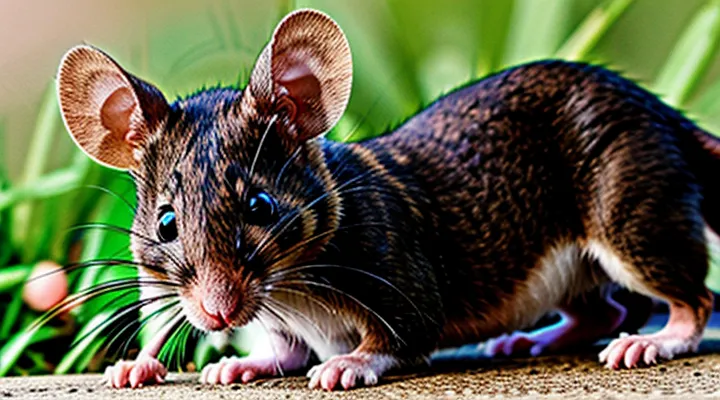
Understanding Mouse Behavior
Why Mice Might Bite
Defensive Biting
Mice bite primarily as a self‑preservation response. When they perceive a threat—such as sudden movement, loud noise, or direct contact with a predator’s hand—their instinct triggers a rapid, forceful closure of the incisors. The bite is short, but the sharp enamel edges can puncture skin and cause bleeding.
The mechanics of a mouse bite stem from continuously growing incisors. The front edge is self‑sharpening, allowing the animal to deliver a clean incision with minimal effort. Because the teeth are oriented forward, the bite is most effective when the mouse is forced to turn its head sideways or upward, a position commonly encountered during handling.
Typical circumstances that provoke defensive biting include:
- Confinement in a small cage or trap that restricts movement.
- Exposure to unfamiliar scents or objects.
- Rough handling, especially when the mouse is lifted by the tail without support.
- Presence of a predator, including cats, dogs, or humans displaying aggressive gestures.
Signs that a mouse is about to bite are observable: flattened ears, rapid whisker twitching, and a stiffened body. The animal may also emit high‑frequency vocalizations that are inaudible to most people but indicate distress.
Preventive measures rely on minimizing perceived danger. Approaching the mouse calmly, offering a secure hand that supports the torso, and allowing the animal to explore a hand before grasping reduce the likelihood of a defensive bite. Providing enrichment and adequate space also lowers stress levels, decreasing aggressive incidents.
If a bite occurs, immediate cleaning with antiseptic solution and monitoring for infection are essential. Minor wounds typically heal quickly, but deeper punctures may require medical attention due to the risk of bacterial contamination.
Threat Perception
Mice are often assumed to be dangerous because of their sharp incisors, yet actual bite incidents are rare. Human threat perception is shaped by several measurable factors:
- Visual cues: small size and rapid movements trigger a reflexive alarm response.
- Historical anecdotes: stories of disease transmission amplify fear, even when scientific evidence shows low pathogen load in mouse saliva.
- Personal experience: individuals who have been bitten report heightened anxiety, reinforcing the belief that bites are common.
- Media portrayal: cartoons and news reports frequently exaggerate aggression, influencing public opinion.
Physiological evidence indicates that mouse bites occur primarily when the animal feels confined, threatened, or provoked. In laboratory settings, bite frequency ranges from 0.5 % to 2 % of handling events, far below the levels perceived by most people. The pain inflicted is mild, and tissue damage is limited to superficial punctures that heal quickly.
Risk assessment models show that the perceived danger exceeds the actual probability by a factor of five to ten. This discrepancy arises from the innate human tendency to overestimate threats posed by small, fast-moving mammals. Education on mouse behavior, coupled with exposure to controlled handling, reduces exaggerated threat perception and aligns public understanding with empirical data.
When Mice Are Most Likely to Bite
Trapped or Cornered Mice
Mice confined in a small space or forced into a corner exhibit heightened stress, which can trigger defensive biting. Their incisors continuously grow, and the animal relies on gnawing to wear them down; when cornered, the bite serves both as a warning and a means to protect vulnerable teeth.
- A trapped mouse may bite after a brief period of hesitation, typically within seconds of perceived threat.
- Bites are usually shallow, targeting fingers or tools that restrict movement; deeper punctures occur if the mouse feels imminent danger.
- The bite force is modest, averaging 0.1–0.2 N, sufficient to break skin but not to cause severe injury.
- Saliva contains mild anticoagulants; infections are possible if the wound is not cleaned promptly.
Handling strategies that reduce biting risk:
- Approach slowly, avoiding sudden movements that startle the rodent.
- Use thick gloves or tools to create a barrier between skin and teeth.
- Provide a hiding spot or tunnel within the enclosure to allow the mouse to retreat voluntarily.
- Release the animal promptly after capture to minimize prolonged stress.
Understanding the link between confinement stress and bite response clarifies why mice may bite when trapped, despite their generally timid nature.
Protecting Young
Mice possess continuously growing incisors that enable them to gnaw wood, plastic, and food packaging. The sharp edges can cause puncture wounds if a mouse feels threatened or is mishandled, a risk that extends to newborn and juvenile animals as well as small children.
Protective strategies focus on minimizing exposure and reducing stress for young individuals:
- Keep nesting areas, play zones, and feeding stations sealed with fine‑mesh screens or solid lids.
- Inspect bedding, toys, and clothing for signs of rodent activity before use.
- Store food in airtight containers to eliminate attractants.
- Maintain a clean environment; remove droppings and gnaw marks promptly.
- Use humane traps or professional pest control to eliminate infestations without exposing youngsters to toxic baits.
When handling infant rodents, wear thick gloves and support the animal’s body to prevent defensive bites. For children, supervise interaction with pet mice, teach gentle handling, and discourage attempts to grab or squeeze the animal’s head.
Early detection of bite marks is essential. Small punctures may bleed minimally but can introduce bacteria from the mouse’s oral flora. Clean wounds with mild antiseptic, apply a sterile dressing, and seek medical advice if redness, swelling, or fever develop.
By enforcing physical barriers, maintaining hygiene, and supervising contact, caregivers can effectively reduce the likelihood of mouse‑related injuries to vulnerable members of the household.
Mouse Anatomy and Bite Mechanics
The Structure of Mouse Teeth
Incisors: Constantly Growing
Mice possess a single pair of upper and lower incisors that never cease to grow. The enamel on the front surface is hard, while the dentin behind it is softer, creating a self‑sharpening edge as the tooth wears down during gnawing. Continuous eruption compensates for this wear, maintaining functional length throughout the animal’s life.
The growth rate of each incisor averages 0.1 mm per day, regulated by stem cells in the dental papilla. If a mouse lacks suitable material to gnaw, the teeth can overgrow, leading to malocclusion, difficulty eating, and potential self‑injury. Proper dental health therefore depends on regular abrasion of the incisors through natural behaviors such as chewing wood, plastic, or cage bars.
Key aspects of constantly growing incisors:
- Enamel covers only the labial (front) surface, producing a chisel‑shaped cutting edge.
- Dentin is exposed on the lingual (rear) side, allowing gradual wear.
- Growth is driven by proliferative cells at the root, pushing the tooth outward.
- Habitual gnawing supplies the necessary wear to keep tooth length balanced.
- Overgrowth signs include visible curvature, difficulty grooming, and reduced food intake.
Molars: For Grinding
Mice rely on their molars to break down seeds, grains, and fibrous plant material. The teeth are positioned behind the sharp incisors and feature broad, flat surfaces covered with hard enamel. Enamel thickness varies across the crown, providing resistance to wear while allowing precise grinding of coarse particles.
Key characteristics of mouse molars:
- Multicuspid arrangement creates multiple cutting edges for efficient comminution.
- Continuous growth compensates for abrasion caused by abrasive diets.
- Rooted in the mandible and maxilla, supplying blood flow and sensory innervation.
- Occlusal surfaces exhibit wear patterns that reflect dietary composition.
During biting, incisors seize and slice, then the molars engage to pulverize the material into digestible fragments. This division of labor enables mice to exploit a wide range of food sources without excessive dental damage.
How a Mouse Bites
Force and Penetration
Mice generate bite forces measured between 0.1 N and 0.5 N, depending on species, age, and jaw musculature. Their incisors possess a high‑density enamel edge that concentrates pressure, allowing the small force to produce a sharp stress concentration at the point of contact. This concentration enables penetration of soft tissues and thin, pliable materials such as paper, fabric, or animal skin.
Penetration depth depends on three primary variables: applied force, material resistance, and contact duration. Higher force increases stress, while lower material hardness reduces resistance, permitting deeper cuts. Prolonged biting maintains pressure, allowing the incisors to grind through tougher substrates gradually. Because mouse incisors grow continuously, they maintain a keen edge that does not dull during repeated use.
Key quantitative points:
- Average bite force: 0.1 – 0.5 N (≈10 – 50 g force).
- Stress at incisor tip: up to 5 MPa on soft tissue.
- Typical penetration in skin: 1 – 2 mm with a single bite lasting 0.2 s.
- Ability to gnaw through 0.5 mm polyethylene sheet within 3 s of continuous biting.
These figures demonstrate that, although mice lack the raw power of larger mammals, the geometry of their teeth and the sustained pressure they can apply make them capable of delivering puncture wounds and chewing through thin materials.
Potential for Skin Puncture
Mice possess continuously growing incisors that are sharp enough to penetrate human skin under certain conditions. The likelihood of a puncture depends on several factors:
- Motivation – defensive aggression, fear, or territorial disputes increase the chance of a bite.
- Contact duration – prolonged handling or restraint raises the probability of the animal’s jaws closing on the skin.
- Age and size – adult mice have larger, stronger teeth than juveniles, producing deeper wounds.
- Health of the rodent – dental abnormalities or infections may cause the mouse to bite more readily.
When a mouse does bite, the wound is typically a small puncture, often 1–2 mm in diameter, with minimal tissue loss. However, the bite can introduce oral flora, leading to localized infection if not cleaned promptly. Proper hygiene—washing the area with soap and water, applying an antiseptic, and monitoring for redness or swelling—reduces complications.
In laboratory or pet settings, minimizing stress, providing adequate enrichment, and handling mice gently lower the risk of skin puncture incidents.
Assessing the Risk of Mouse Bites
Likelihood of Being Bitten by a Wild Mouse
Avoiding Contact
Mice possess sharp incisors designed for gnawing, yet they rarely bite unless they feel threatened. Preventing encounters eliminates the risk of a bite and reduces stress for both humans and rodents.
Maintain a clean environment. Food residues, spilled grain, and accessible garbage attract rodents. Regularly sweep floors, wipe countertops, and store dry goods in sealed containers. Dispose of waste in tightly closed bins.
Secure entry points. Inspect walls, foundations, and utility openings for gaps larger than ¼ inch. Use steel wool, caulk, or metal mesh to seal cracks. Install door sweeps and repair damaged screens.
Limit direct exposure. When handling equipment in areas where mice are known to travel, wear gloves and use long sleeves. Avoid reaching into dark corners without a light source. If a mouse appears, retreat slowly and give it an unobstructed escape route.
Implement deterrents. Place ultrasonic emitters or rodent-repellent plants such as mint near suspected pathways. Rotate locations periodically to prevent habituation.
If contact is unavoidable, follow these steps:
- Remain calm; sudden movements provoke defensive bites.
- Keep hands open and palm outward to signal non‑threat.
- Use a container with a lid to capture the animal safely.
- Release the mouse at a distance from the building, preferably in a wooded area.
Consistent sanitation, structural repairs, and cautious behavior together create a low‑risk environment where mouse bites become exceedingly rare.
Situational Awareness
Understanding the risk of a mouse bite requires accurate situational awareness. Recognizing the animal’s behavior, environment, and physical cues allows safe interaction and prevents injury.
Mice rely on tactile and auditory signals to assess threats. When they detect sudden movements, loud noises, or unfamiliar scents, they retreat or display defensive postures. Conversely, calm handling, low lighting, and consistent temperature reduce stress and the likelihood of a bite.
Key indicators of heightened bite risk include:
- Rapid, erratic scurrying
- Ears flattened against the head
- Teeth bared or gnashing sounds
- Aggressive lunges toward the hand
Mitigation strategies:
- Approach slowly, keeping hands within the mouse’s peripheral vision.
- Use gloves or tools when handling unfamiliar specimens.
- Maintain a quiet, stable environment to minimize startle responses.
- Observe the animal’s body language before making contact.
Applying these observations ensures informed decisions about when and how to handle rodents, directly addressing concerns about their biting potential and dental capabilities.
Bites from Pet Mice vs. Wild Mice
Domestication and Temperament
Domesticated mice differ markedly from their wild counterparts in bite propensity. Selective breeding for laboratory or pet use has produced strains that tolerate handling and exhibit reduced aggression. This behavioral shift results from generations of exposure to human contact, which lowers stress‑induced gnawing responses.
Temperament in captive mice is shaped by genetic background, early socialization, and environmental enrichment. Typical characteristics include:
- Calm demeanor when provided with nest material and hiding places.
- Minimal defensive biting during routine care, provided the animal is not startled.
- Increased exploratory chewing directed at objects rather than handlers.
Wild mice retain a heightened defensive reflex. Their teeth, continuously growing incisors, are primarily tools for gnawing food and constructing tunnels. When threatened, they may deliver a quick nip as a protective measure. The bite force is modest, but the sharp edges can cause puncture wounds if the animal is mishandled.
Understanding the link between domestication and temperament clarifies why pet and research mice rarely bite, whereas field‑caught specimens may. Proper handling techniques—gentle restraint, gradual acclimation, and provision of chewable substrates—further reduce the likelihood of a bite incident.
Handling Practices
Handling small rodents requires precise techniques that reduce the likelihood of a bite while respecting the animal’s natural behavior. Mice possess continuously growing incisors; any stress that triggers defensive action can result in a quick, sharp bite.
Secure a mouse by gently wrapping the hand around its torso, leaving the head exposed for observation. Apply light pressure on the back, allowing the forepaws to rest against the palm. Avoid gripping the tail, as this induces panic and increases bite risk. Maintain a steady, calm motion; sudden movements provoke defensive reflexes.
Acclimate the animal to human contact by conducting short, daily sessions. Begin with brief hand placements near the cage, progress to offering food from the fingers, and finally introduce brief lifts. Consistent exposure lowers stress levels and diminishes aggressive responses.
Safety measures:
- Wear thin, puncture‑resistant gloves when handling unfamiliar or stressed mice.
- Keep nails trimmed to prevent accidental injury.
- Clean hands before and after each interaction to remove scent cues that may alarm the rodent.
- Inspect the enclosure for hiding spots that could cause sudden escape attempts.
Adhering to these practices ensures reliable handling while minimizing bite incidents.
Health Implications of Mouse Bites
Potential Diseases Transmitted by Mouse Bites
Bacterial Infections
Mice possess continuously growing incisors that enable them to gnaw and, on occasion, bite. When a bite occurs, the primary health concern is the transfer of oral bacteria into the wound, which can lead to infection.
Common bacterial agents introduced by mouse bites include:
- Streptococcus species – cause cellulitis and abscess formation.
- Staphylococcus aureus – may result in purulent infections and, in resistant strains, complicate treatment.
- Pasteurella multocida – known for rapid tissue inflammation and potential septicemia.
- Leptospira interrogans – can cause systemic illness, particularly in individuals with compromised immunity.
- Clostridium perfringens – produces toxins that accelerate tissue necrosis.
Typical signs of infection appear within 24–48 hours and encompass redness, swelling, pain, pus discharge, and fever. Prompt medical evaluation is essential; empirical antibiotic therapy often starts with a broad-spectrum agent such as amoxicillin‑clavulanate, adjusted based on culture results.
Preventive measures focus on minimizing exposure to wild rodents, using protective gloves when handling them, and ensuring immediate wound cleansing with antiseptic solution followed by sterile dressing. Tetanus status should be verified, and a rabies assessment performed if the animal’s health is uncertain.
Viral Concerns
Public concern often centers on the possibility that a mouse bite could transmit a virus. Scientific evidence shows that direct transmission through bite wounds is rare, yet several viral agents have been documented in association with rodent exposure.
- Hantavirus: primarily spread by inhalation of aerosolized rodent excreta, but documented cases exist where bite wounds introduced the virus into the bloodstream.
- Lymphocytic choriomeningitis virus (LCMV): can be transmitted through saliva, urine, or feces; a bite provides a direct route for viral entry.
- Rat‑associated hantavirus (e.g., Seoul virus): occasionally linked to bite incidents in laboratory settings.
Epidemiological data indicate that most bite‑related infections occur in environments with high rodent density, inadequate sanitation, or where individuals handle mice without protective equipment. Immunocompromised persons exhibit higher susceptibility to severe outcomes.
Preventive actions include: maintaining rodent‑free living spaces, using traps or exclusion methods, wearing gloves when handling mice, and promptly cleaning any bite with antiseptic. Medical protocol advises immediate wound assessment, tetanus prophylaxis, and laboratory testing for viral markers when exposure is suspected. Early antiviral therapy, where applicable, improves prognosis.
Understanding the limited but genuine viral risk associated with mouse bites informs appropriate public health responses and reduces unfounded alarm.
What to Do After a Mouse Bite
First Aid Steps
Mice can inflict puncture wounds that may become infected if not treated promptly. Immediate care reduces tissue damage and lowers the risk of bacterial complications.
- Wash the bite thoroughly with lukewarm water and mild soap for at least 30 seconds.
- Apply gentle pressure with a clean gauze pad to stop bleeding.
- Disinfect the area using an antiseptic solution such as hydrogen peroxide or povidone‑iodine.
- Cover the wound with a sterile, non‑adhesive dressing to protect it from contaminants.
- Seek medical evaluation within 24 hours, especially if the bite is deep, shows signs of redness, swelling, or if the patient has weakened immunity.
If a tetanus booster has not been administered within the past five years, arrange vaccination. Monitor the wound daily; escalating pain, pus, or fever warrants immediate professional attention.
When to Seek Medical Attention
Mouse bites can introduce bacteria, cause tissue damage, and trigger allergic reactions. Prompt medical evaluation is required when any of the following conditions appear:
- Rapid swelling, redness, or warmth extending beyond the bite site
- Persistent pain that intensifies after the initial injury
- Fever of 100.4 °F (38 °C) or higher
- Pus, drainage, or foul odor from the wound
- Signs of infection such as increasing tenderness or bruising
- Difficulty breathing, hives, or swelling of the face, lips, or throat, indicating a possible allergic response
If the bite penetrates deep tissue, involves a puncture that may have retained a tooth fragment, or occurs on a hand, foot, or near a joint, professional assessment is advisable to prevent complications. Children, individuals with compromised immune systems, or those with diabetes should seek care even after minor exposure, because their bodies may react more severely.
When medical attention is obtained, clinicians typically clean the wound thoroughly, prescribe antibiotics if bacterial infection is suspected, and may recommend a tetanus booster if immunization status is uncertain. For allergic reactions, antihistamines or epinephrine may be administered. Early intervention reduces the risk of chronic infection, scarring, and systemic illness.
Prevention Strategies
Mouse Control in Homes
Exclusion Techniques
Exclusion techniques focus on preventing rodents from reaching surfaces where they might bite or cause damage. Effective implementation requires eliminating pathways, modifying environments, and providing alternatives that satisfy natural gnawing behavior.
Physical barriers block entry points. Seal cracks, gaps around pipes, and openings in walls with steel wool, copper mesh, or silicone caulk. Install door sweeps and weather stripping to deter infiltration through doors and windows. Replace damaged screens with fine‑mesh material that resists chewing.
Environmental modification reduces attraction. Remove food sources by storing grains, seeds, and waste in airtight containers. Keep workspaces clean, dispose of debris promptly, and maintain low humidity to discourage nesting. Elevate equipment and cables away from floor level to limit access.
Behavioral redirection offers a non‑lethal outlet for gnawing. Provide chew blocks, wooden toys, or mineral rods in areas where mice are active. Regularly replace these items to maintain interest and prevent the development of biting habits toward humans or equipment.
A concise checklist of exclusion measures:
- Inspect and seal all structural openings larger than ¼ inch.
- Install steel or copper mesh over ventilation ducts and utility penetrations.
- Apply caulk or expanding foam to gaps around baseboards and shelving.
- Use door sweeps and airtight curtains on high‑traffic entryways.
- Store food in containers with lockable lids; clean spills immediately.
- Maintain a clutter‑free environment; remove potential nesting materials.
- Offer durable chew objects in identified activity zones.
- Conduct monthly inspections to verify integrity of barriers and replace worn chew items.
By integrating these steps, facilities can minimize the risk of mouse bites, protect equipment, and uphold a safe, rodent‑free environment.
Trapping and Removal
Mice possess continuously growing incisors that enable them to gnaw through a wide range of materials. Their teeth are not designed for aggressive biting, yet a bite can occur when the animal feels threatened or cornered. Effective control therefore focuses on humane capture and safe removal to prevent defensive bites.
- Snap traps: steel spring mechanisms deliver a rapid, lethal strike to the head, minimizing struggle and bite risk. Position traps along walls, behind appliances, and near nesting sites. Bait with high‑fat foods such as peanut butter or dried fruit for maximum attraction.
- Live‑catch traps: cage‑style devices confine the mouse without injury. Use the same bait strategies as snap traps. Check traps at least every two hours; prolonged confinement increases stress and the likelihood of a defensive bite.
- Electronic traps: deliver a high‑voltage shock that kills instantly. Place in concealed locations. Ensure power source is reliable and follow manufacturer safety guidelines.
- Glue boards: adhesive surfaces immobilize rodents, but cause prolonged distress and increase bite potential. Generally discouraged in professional pest management.
After capture, wear thick‑gloved protection and use a sealed container for disposal. If a live mouse is released, choose an outdoor area at least 100 meters from the building to reduce re‑entry. Sanitize all trap surfaces with a diluted bleach solution to eliminate scent trails that could attract other rodents.
Professional exterminators may employ bait stations with anticoagulant rodenticides. These products require strict adherence to regulatory standards, proper labeling, and exclusion of children and pets. Integrated pest management recommends combining trapping with exclusion measures—sealing entry points, removing food sources, and maintaining low indoor humidity—to diminish the need for repeated capture and lower the chance of bite incidents.
Safe Handling Practices for Pet Mice
Proper Restraint
Proper restraint minimizes the risk of a mouse biting and protects both the animal and the handler. Secure handling begins with calm movements; sudden gestures trigger defensive responses. Use a small, well‑ventilated container or a clear plastic tube to confine the mouse briefly while you position your fingers. Place the mouse on a flat surface, then gently cup the body with one hand, keeping the head slightly tilted away from the fingers. The thumb and index finger form a shallow “V” that cradles the neck without applying pressure to the jaw.
Key points for effective restraint:
- Hold the mouse at the base of the tail, not the mid‑body, to avoid pulling on the spine.
- Apply light, steady pressure; excessive force can cause stress and increase aggression.
- Keep the fingers away from the incisors; position the thumb behind the cheekbones to block the mouth.
- Release the animal as soon as the necessary task (e.g., health check, tagging) is completed.
When restraint is performed correctly, the mouse’s incisors remain disengaged, reducing bite incidents. Regular practice with gentle handling improves the animal’s tolerance and further lowers the likelihood of biting.
Recognizing Stress Signals
Mice display distinct physiological and behavioral cues when they experience stress, many of which directly affect their oral health and propensity to bite. Elevated cortisol levels cause rapid breathing, pupil dilation, and a stiffened posture. These signs often accompany increased gnawing activity as the animal attempts to relieve tension, which can lead to excessive wear on incisors and heightened aggression toward handlers.
Observable stress indicators include:
- Frequent grooming of the face and whiskers, suggesting discomfort in the oral region.
- Sudden retraction of the head and a flattened ear position, reflecting heightened alertness.
- Rapid, shallow chewing motions without the usual rhythmic pattern, indicating nervous gnawing.
- Audible squeaks or chirps when approached, a vocal warning of perceived threat.
When stress persists, mice may develop malocclusion, a misalignment of the incisors that compromises chewing efficiency and increases the likelihood of biting. Regular monitoring of these signals enables early intervention, such as environmental enrichment, consistent handling routines, and appropriate diet, which together mitigate stress and reduce the risk of bite incidents.