
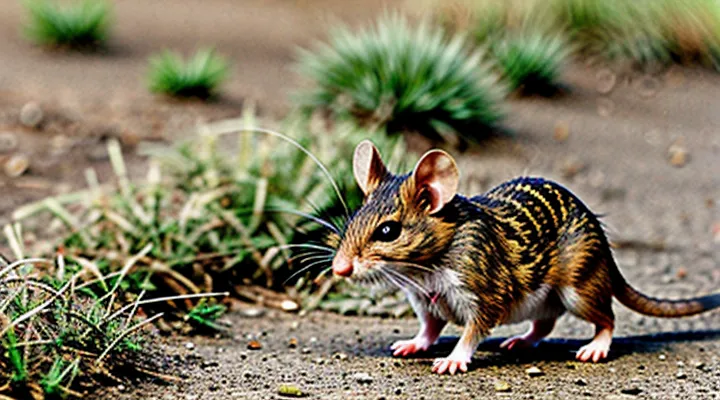
What Are Field Mice?
Distinguishing Field Mice from Other Rodents
Field mice, commonly identified as Apodemus species, differ from other rodents through a combination of morphological, behavioral, and habitat characteristics.
- Size: body length typically 6–10 cm, tail length equal to or slightly longer than the body; house mice (Mus musculus) exhibit a shorter tail relative to body size.
- Fur coloration: dorsal pelage ranges from gray‑brown to reddish‑brown with a distinct sharp contrast to a lighter ventral side; rats (Rattus spp.) display coarser, uniformly darker fur.
- Ear shape: field mice possess large, rounded ears with a thin, transparent membrane; other rodents often have smaller, less conspicuous ears.
- Tail texture: field mouse tails are slender, hairless, and covered with fine scales; the tails of voles (Microtus spp.) are shorter and more tufted.
- Habitat preference: field mice favor open grasslands, hedgerows, and agricultural fields, whereas house mice and rats are closely associated with human dwellings and stored food.
Dental formula distinguishes families: field mice have a 1.0.0.3/1.0.0.3 arrangement, while rats display a 1.0.0.3/1.0.0.3 with larger molars adapted for gnawing tougher material.
These diagnostic traits enable accurate identification, reducing misinterpretation of field mouse presence and informing assessments of any potential risk to humans.
Typical Habitat and Diet
Field mice inhabit temperate grasslands, agricultural fields, hedgerows, and the peripheries of human settlements. They prefer dense ground cover that offers protection from predators and harsh weather. Populations thrive in areas with abundant seed-producing plants and moderate soil moisture.
Typical diet consists of:
- Seeds of cereals and wild grasses
- Fresh green shoots and leaves
- Insects and arachnids encountered on the ground
- Small amounts of fruit and berries when available
Feeding behavior focuses on readily accessible, low‑risk food sources; aggressive biting of humans is rare. Bites, when they occur, result from defensive responses to handling rather than predatory intent. Consequently, field mice pose minimal danger to people.
Do Field Mice Bite Humans?
Instinctive Behavior: Why They Might Bite
Field mice exhibit bite responses primarily as instinctive defense mechanisms. When an individual perceives sudden movement, pressure, or intrusion near its burrow, neural circuits trigger a rapid bite to deter the perceived threat. The reaction operates without conscious deliberation, relying on innate sensory processing.
Key factors that can provoke a bite include:
- Sudden approach or handling that startles the animal.
- Direct contact with vulnerable body parts such as the tail or hindquarters.
- Presence of predators or larger mammals within close proximity.
- Maternal instinct protecting offspring in a nest.
- Competition for limited food resources in a confined area.
Bite incidents involving humans are uncommon and usually result in superficial punctures. Although the wound may introduce bacterial flora from the mouse’s oral cavity, serious infection remains rare. Prompt cleaning and, if necessary, medical evaluation mitigate health risks.
Situations That Provoke a Bite
Field mice may bite when they feel threatened, experience sudden stress, or encounter unfamiliar handling. Their bites are typically brief, resulting in minor puncture wounds that rarely transmit disease.
Situations that provoke a bite include:
- Direct capture or restraint without gentle technique.
- Exposure to loud noises, bright lights, or rapid movements that startle the animal.
- Presence of predators, including domestic cats or dogs, prompting defensive aggression.
- Handling after the mouse has been confined for an extended period, leading to heightened anxiety.
- Attempted removal of nesting material or disturbance of a burrow, which the mouse perceives as an intrusion.
In most cases, the bite does not pose a serious health risk. Proper hygiene—cleaning the wound with soap and water and applying an antiseptic—prevents infection. If redness, swelling, or pain develop, medical consultation is advisable.
Feeling Cornered or Threatened
Field mice respond to confinement with rapid defensive behaviors. When an individual perceives a barrier that limits escape routes, physiological stress hormones rise, prompting heightened alertness and aggressive posturing. This reaction is a survival mechanism, not an indication of innate hostility toward humans.
Key signs of a mouse feeling trapped include:
- Stiffened body and erect tail
- Rapid, shallow breathing
- Sudden lunges toward the perceived source of threat
- Audible squeaks or teeth chattering
These behaviors increase the likelihood of a bite if contact is forced. Bites are typically superficial, caused by the mouse’s incisors attempting to create an opening. The wound may bleed briefly and carries a low risk of infection when proper hygiene follows.
Mitigation strategies focus on reducing the perception of entrapment:
- Provide multiple exit routes in traps or exclusion devices
- Avoid sudden movements that limit the animal’s visual field
- Use gentle guidance rather than direct handling when removal is necessary
Understanding the stress response clarifies why a field mouse may bite when cornered, while also emphasizing that such incidents remain rare under normal circumstances. Proper handling and environmental design minimize risk to humans.
Protecting Their Young
Field mice exhibit a suite of behaviors aimed at safeguarding their offspring from predators, environmental hazards, and accidental injury. The mother constructs a concealed nest using shredded plant material, grasses, and soft debris, positioning it in dense ground cover or under stones to reduce visibility. Once the litter is born, the female remains nearby, limiting exposure to external threats and regulating nest temperature through body heat.
Key protective strategies include:
- Frequent relocation of the nest when signs of disturbance appear, ensuring that the young are not left in a compromised location.
- Aggressive vocalizations and rapid darting movements when potential predators approach, deterring intruders and alerting the litter to seek shelter.
- Selective feeding of the young, providing only safe, nutritionally appropriate food items that minimize the risk of ingesting harmful substances.
These measures also influence the likelihood of human encounters. When field mice perceive a threat near human habitation, they may retreat deeper into concealed areas, reducing the chance of direct contact. Biting incidents are rare and typically occur only when a mouse feels cornered or its nest is inadvertently disturbed. The protective instincts of the mother thus serve both the survival of the litter and the mitigation of potential bites to people.
Handling Without Caution
Field mice are wild rodents capable of delivering brief, sharp bites when provoked. Handling these animals without proper restraint or protective equipment increases the likelihood of oral injury and exposure to pathogens carried in saliva and fur.
Potential consequences of careless handling include:
- Bite wounds that may require medical attention and carry a risk of infection.
- Transmission of zoonotic agents such as hantavirus, salmonella, and leptospirosis.
- Release of allergenic proteins that can trigger respiratory or skin reactions in sensitive individuals.
- Elevated stress levels in the animal, leading to unpredictable behavior and further aggression.
Neglecting basic safety measures—gloves, gentle capture techniques, and immediate hand hygiene—creates a direct pathway for these hazards. The combination of physical injury and disease exposure underscores the necessity of disciplined handling practices when interacting with field mice.
Are Field Mice Bites Dangerous?
Potential Health Risks from Field Mouse Bites
Field mice may bite if they feel cornered or handled roughly. The wound typically measures a few millimeters, but the bite can act as a conduit for microorganisms carried in the animal’s oral cavity or on its fur.
Potential health risks include:
- Bacterial infection such as Streptobacillus moniliformis (rat‑bite fever) or Yersinia pestis (plague).
- Transmission of Leptospira spp., which can cause leptospirosis.
- Introduction of Salmonella or Staphylococcus species, leading to cellulitis or systemic illness.
- Exposure to hantavirus, a cause of hemorrhagic fever with renal syndrome.
- Tetanus, especially when the wound is deep or contaminated.
- Allergic or hypersensitivity reactions to mouse saliva proteins.
Immediate care consists of thorough irrigation with clean water, application of antiseptic, and assessment for tetanus immunization status. Medical evaluation is advisable to determine the need for antibiotics, post‑exposure prophylaxis, or laboratory testing for specific pathogens. Monitoring for signs of infection—redness, swelling, fever—should continue for several days after the bite.
Bacterial Infections
Field mice are small rodents that occasionally bite when handled or threatened. Bites create puncture wounds that can introduce bacteria residing on the animal’s oral cavity or fur.
Common bacterial agents associated with rodent bites include: - Streptococcus species, particularly S. pyogenes, which may cause cellulitis and, in severe cases, necrotizing fasciitis. - Staphylococcus aureus, including methicillin‑resistant strains, leading to localized infection or systemic spread. - Pasteurella multocida, a gram‑negative organism that produces rapid inflammation and purulent discharge. - Leptospira interrogans, transmitted through contaminated saliva, potentially resulting in leptospirosis with fever, myalgia, and renal involvement. - Bartonella henselae, the causative agent of cat‑scratch disease, occasionally reported after rodent bites and capable of causing lymphadenopathy.
Clinical presentation typically involves erythema, swelling, pain, and possible purulence at the bite site within 24 hours. Systemic signs such as fever, chills, or malaise may develop if infection spreads. Empiric antibiotic therapy often starts with amoxicillin‑clavulanate to cover both aerobic and anaerobic organisms; alternatives include doxycycline for suspected leptospirosis or clindamycin for methicillin‑resistant S. aureus.
Preventive actions focus on minimizing contact with wild rodents, using protective gloves when handling, and promptly cleaning any wound with soap and water. Medical evaluation is advised for deep punctures, signs of infection, or exposure to known reservoirs of zoonotic bacteria. Regular vaccination against tetanus remains essential for individuals at risk of animal bites.
Other Pathogens Carried by Rodents
Field mice, like many small rodents, host a variety of microorganisms that can affect human health even without a bite. These animals act as reservoirs for agents transmitted through contaminated food, water, aerosolized particles, or direct contact with urine and feces.
-
Bacterial agents:
• Salmonella spp. – cause gastroenteritis after ingestion of contaminated food.
• Leptospira interrogans – induces leptospirosis via contact with infected urine.
• Yersinia pestis – responsible for plague; transmission occurs through fleas that feed on infected rodents. -
Viral agents:
• Hantavirus – leads to hemorrhagic fever with renal syndrome or pulmonary syndrome after inhalation of aerosolized rodent excreta.
• Lymphocytic choriomeningitis virus (LCMV) – produces febrile illness and meningitis following exposure to contaminated secretions. -
Parasitic agents:
• Toxoplasma gondii – oocysts shed in feces can contaminate soil and water, causing toxoplasmosis.
• Baylisascaris procyonis – larvae disseminated through fecal contamination may result in severe neurological disease.
Human infection typically follows ingestion of contaminated substances, inhalation of dust containing droplet nuclei, or skin contact with infected material. Preventive measures include sealing food storage, maintaining rodent‑free environments, using protective equipment during cleaning, and implementing rodent control programs. Regular surveillance of rodent populations assists in early detection of emerging pathogens and reduces the risk of zoonotic transmission.
Hantavirus
Field mice serve as natural hosts for hantavirus, a single‑stranded RNA virus that circulates primarily in rodent populations. Infection in mice occurs without overt disease, allowing the virus to persist in urine, feces, and saliva.
Transmission to humans does not rely on biting. The virus becomes airborne when contaminated rodent droppings dry and are disturbed, creating infectious aerosols that are inhaled. Direct contact with bite wounds or scratches poses a negligible risk compared with inhalation.
Human infection can lead to hantavirus pulmonary syndrome (HPS) or hemorrhagic fever with renal syndrome (HFRS). Early symptoms include fever, muscle aches, and respiratory distress; progression may result in severe pulmonary edema or renal failure, with mortality rates up to 40 % for HPS.
Preventive actions:
- Seal entry points to eliminate rodent access to indoor spaces.
- Maintain cleanliness in storage areas; avoid sweeping dry droppings.
- Use protective equipment (gloves, masks) when cleaning contaminated sites.
- Implement rodent‑control programs to reduce population density.
Awareness of hantavirus transmission pathways and adherence to control measures markedly reduce the health threat posed by field mice.
Leptospirosis
Leptospirosis is a bacterial infection caused by pathogenic spirochetes of the genus Leptospira. Rodent species that inhabit open fields, including the common field mouse, serve as natural reservoirs. Infected animals shed the organisms in urine, contaminating soil and water sources that may later come into contact with humans.
Transmission occurs primarily through skin abrasions or mucous membranes exposed to contaminated material. Biting incidents involving field mice can introduce the bacteria directly, although indirect exposure via contact with urine‑stained environments represents a more frequent route. Human infection does not require a bite; any breach in the skin or ingestion of contaminated water can result in disease.
Typical clinical manifestations include:
- High fever
- Headache
- Muscle pain, especially in the calves
- Conjunctival suffusion
- Jaundice and renal impairment in severe cases
Preventive actions focus on minimizing contact with potentially contaminated sources:
- Wear protective gloves when handling rodents or cleaning areas with rodent urine
- Avoid swimming or wading in water suspected of rodent contamination
- Implement rodent control programs to reduce reservoir populations
- Ensure proper wound care and immediate cleaning of any skin injuries
Early diagnosis and antibiotic therapy reduce the risk of complications and mortality associated with leptospirosis.
Severity of Bites: Minor vs. Significant
Field mice can inflict bites that fall into two distinct categories: minor and significant. Understanding the differences assists clinicians and the public in assessing risk and determining appropriate response.
Minor bites are shallow punctures confined to the epidermis. Typical signs include brief pain, localized redness, and a small amount of bleeding that stops within minutes. Healing usually occurs within a few days without medical intervention. The primary concern is irritation rather than infection.
Significant bites penetrate deeper layers, reaching the dermis or subcutaneous tissue. Symptoms often involve prolonged throbbing, swelling, and possible bruising. The wound may ooze pus, indicating bacterial involvement. Complications can include cellulitis, abscess formation, or transmission of zoonotic pathogens such as hantavirus or Leptospira. Recovery may require antibiotics, wound debridement, and monitoring for systemic infection.
Management recommendations:
- Clean the area with mild soap and sterile water immediately after the bite.
- Apply an antiseptic solution; avoid harsh chemicals that could damage tissue.
- Observe for signs of infection: increasing redness, warmth, swelling, or fever.
- Seek professional medical care if the bite is deep, if bleeding persists, or if systemic symptoms develop.
- Document the incident and, when possible, capture the animal for identification to aid epidemiological tracking.
«Field mice rarely cause life‑threatening injuries, but deep punctures demand prompt evaluation» supports the view that most encounters are benign, yet vigilance remains essential for the minority of cases that present significant health risks.
Prevention and Safety Measures
Avoiding Contact with Field Mice
Field mice are small rodents that rarely bite humans, yet their presence can lead to indirect health concerns. Preventing encounters reduces the likelihood of scratches, bites, or disease transmission.
Maintain a clean environment around homes and gardens. Remove tall grass, debris, and dense vegetation that provide cover for mice. Store firewood and compost away from structures, and keep doors and windows fitted with tight screens.
Seal potential entry points. Inspect foundations, crawl spaces, and utility openings; install metal mesh or steel wool in gaps larger than a few millimeters. Repair damaged siding and roof tiles promptly.
Control food sources. Store grain, pet food, and garbage in sealed containers. Clean up spilled seeds or fruit promptly, and avoid leaving outdoor pet dishes unattended.
Use protective equipment when handling suspected mouse activity. Wear thick gloves and long sleeves while cleaning nests or droppings. Disinfect surfaces with appropriate solutions after removal.
Consider humane trapping. Place snap‑free or live traps along established runways, checking them daily. Relocate captured animals far from residential areas, following local regulations.
Limit direct contact with field mice. Educate household members, especially children, about the risks of handling wild rodents. Encourage observation from a distance rather than interaction.
By implementing these measures, the probability of bite incidents and associated health issues remains minimal.
Safe Practices Around Rodents
Field mice rarely bite, yet direct contact can transmit pathogens such as hantavirus, salmonella, or leptospirosis. Preventive measures reduce the risk of infection and minimize stress to the animals.
- Secure food sources: store grains, seeds, and pet feed in airtight containers; clean spills promptly.
- Eliminate shelter: seal cracks, gaps, and openings in walls, foundations, and roofs; install door sweeps and window screens.
- Maintain hygiene: dispose of waste in sealed bins; keep compost piles distant from dwellings; wash hands after handling any rodent‑contaminated material.
- Use protective equipment: wear disposable gloves and long sleeves when setting traps, cleaning nests, or collecting droppings.
- Apply traps responsibly: prefer live‑capture devices; check traps frequently; release captured mice at least 5 km from the property to prevent re‑colonization.
- Disinfect surfaces: apply a diluted bleach solution (1 part bleach to 9 parts water) to areas with urine, feces, or nesting material; allow contact time of at least 10 minutes before rinsing.
Avoid feeding field mice directly; supplemental feeding encourages habituation and increases the likelihood of aggressive encounters. Observe behavior from a distance; sudden movements or attempts to escape may precede a bite. In the event of a bite, cleanse the wound with soap and water, apply an antiseptic, and seek medical evaluation promptly.
What to Do If Bitten
Field mice may bite when handled or threatened. Bites are usually shallow and cause minor discomfort, but infection risk exists because rodents carry bacteria such as Streptobacillus moniliformis and Salmonella. Prompt care reduces complications.
- Wash the wound with mild soap and running water for at least one minute.
- Apply an antiseptic solution (e.g., povidone‑iodine or hydrogen peroxide).
- Cover with a sterile gauze or bandage to keep the area clean.
- Observe for signs of infection: increasing redness, swelling, heat, pus, or fever.
If any of the following occur, seek medical attention immediately:
- Persistent pain or swelling beyond a few hours.
- Fever above 38 °C (100.4 °F).
- Red streaks radiating from the bite site.
- Known allergy to rodent saliva or previous severe reactions.
A healthcare professional may prescribe antibiotics targeting rodent‑associated bacteria and may administer a tetanus booster if vaccination status is uncertain. Documentation of the incident, including the animal’s environment and any visible injuries, assists in accurate diagnosis and treatment.
After treatment, monitor the wound daily until complete healing. Maintain good hygiene when handling small mammals to prevent future bites.
First Aid for a Mouse Bite
Mouse bites can occur when field rodents feel threatened. Prompt treatment reduces the chance of infection and other complications.
The first response should be immediate and thorough:
- Rinse the wound under running water for at least one minute.
- Apply mild soap, then rinse again to remove debris.
- Pat the area dry with a clean cloth.
- Apply an antiseptic solution such as povidone‑iodine or chlorhexidine.
- Cover with a sterile dressing and apply gentle pressure if bleeding persists.
After basic cleaning, professional medical assessment is necessary. The caregiver must inform the clinician about the animal’s habitat and any known disease exposure. Evaluation includes:
- Determination of wound depth and need for suturing.
- Review of tetanus immunization status; administer booster if required.
- Consideration of prophylactic antibiotics, especially for deep punctures or signs of cellulitis.
- Assessment of rabies risk; initiate post‑exposure prophylaxis when exposure to a potentially infected rodent cannot be ruled out.
Continued observation is essential. Return to medical care if any of the following develop:
- Redness, swelling, or warmth expanding beyond the wound margin.
- Increasing pain or pus discharge.
- Fever or chills.
- Persistent bleeding despite dressing.
Preventive measures decrease bite incidents. Avoid direct handling of wild mice, use gloves when cleaning habitats, and secure food sources to deter rodent attraction.
When to Seek Medical Attention
Field mouse bites are uncommon, yet they can introduce bacterial pathogens and trigger allergic reactions. Prompt evaluation is critical when specific symptoms appear.
Seek medical attention if any of the following conditions develop after a bite:
- Redness, swelling, or warmth extending beyond the immediate wound site
- Persistent pain or throbbing sensation
- Pus, foul odor, or visible discharge from the puncture
- Fever, chills, or malaise indicating systemic infection
- Rapidly spreading rash, hives, or swelling of the face, lips, or throat suggesting anaphylaxis
- Deep puncture that cannot be cleaned adequately at home
- Uncertainty about tetanus immunization status, especially if the last booster was administered more than ten years ago
Immediate professional care allows for proper wound cleaning, assessment for infection, administration of antibiotics when indicated, and provision of tetanus prophylaxis. In rare cases where the mouse exhibits abnormal behavior or originates from a region with known rabies activity, a rabies risk assessment should be performed promptly.
Myths vs. Facts About Field Mice
Common Misconceptions
Field mice are frequently portrayed as aggressive pests, yet most observations contradict this image. The belief that they commonly bite humans stems from isolated incidents involving stressed or cornered individuals; regular encounters rarely result in a bite. Another widespread notion holds that field mice transmit serious diseases to people. While they can carry parasites, documented cases of direct transmission to humans are scarce, and proper hygiene eliminates most risk. A third misconception suggests that their presence inevitably leads to structural damage. Field mice primarily feed on seeds and insects; they seldom gnaw on building materials unless food sources are scarce.
Common misconceptions clarified:
- «Field mice bite humans frequently» – Biting occurs only when the animal feels threatened; most interactions are harmless.
- «They are vectors of major human diseases» – Pathogen carriage exists, but transmission to humans is uncommon and preventable.
- «Their activity destroys property» – Damage is limited to food stores; structural harm is rare.
Reality of Their Threat Level
Field mice (Microtus spp.) possess sharp incisors capable of delivering a brief bite when provoked. Bites are uncommon; they occur primarily during handling or when the animal feels threatened. The resulting wound is typically superficial, producing mild pain and minor bleeding.
Health risks associated with a bite are limited. The primary concern is bacterial contamination, most often Staphylococcus aureus or Streptococcus species, which can cause localized infection if the wound is not cleaned promptly. Transmission of zoonotic diseases such as hantavirus, leptospirosis, or salmonellosis is rare, requiring prolonged exposure to rodent excreta rather than a single bite.
Preventive measures reduce the already low threat level:
- Avoid direct contact with wild field mice; use gloves when handling captured specimens.
- Clean any bite wound with soap and water, apply an antiseptic, and monitor for signs of infection.
- Seek medical evaluation if redness, swelling, or fever develop.
Overall, field mice present a minimal danger to humans. Their bites are infrequent, typically minor, and rarely lead to serious health complications.
Rodent Control and Management
Humane Deterrent Methods
Field mice rarely bite humans; incidents occur mainly when animals feel threatened or are handled improperly. Bites, when they happen, are usually superficial and pose minimal health risk, though they can transmit zoonotic bacteria if proper hygiene is not observed. Preventing unwanted contact relies on humane deterrent strategies that discourage mouse presence without causing suffering.
Effective humane deterrent methods include:
- Habitat modification: remove food scraps, store grain in sealed containers, and eliminate clutter that offers shelter.
- Physical exclusion: seal entry points with steel wool, caulk, or metal mesh; install door sweeps and window screens.
- Predator encouragement: install owl or hawk nesting boxes, or use domestic cats responsibly to create a natural deterrent.
- Ultrasonic emitters: deploy devices that emit high‑frequency sounds uncomfortable to rodents but inaudible to humans.
- Scent repellents: apply peppermint oil, mustard oil, or commercially available rodent‑repelling sprays around potential entry zones.
- Live traps: capture individuals using baited humane traps, then release them at least several miles from the residence in suitable habitat.
Combining several approaches enhances effectiveness, reduces the likelihood of mice adapting to a single method, and maintains ethical standards for animal welfare. Regular inspection of the environment and prompt repair of structural gaps sustain long‑term deterrence.
Professional Extermination When Necessary
Field mice rarely pose a direct biting threat to people, yet dense populations can compromise health and property. When the presence of these rodents exceeds casual sightings, professional extermination becomes a prudent response.
Key indicators that justify expert intervention include:
- Persistent droppings or gnaw marks throughout indoor spaces.
- Evidence of disease‑transmitting parasites in the environment.
- Noticeable damage to wiring, insulation, or stored food.
- Inability of household members to control the infestation with DIY measures.
Certified pest‑control operators employ integrated strategies. Trapping devices are placed strategically to capture active individuals while minimizing non‑target catches. Bait stations, formulated with regulated rodenticides, are positioned in concealed locations to reduce accidental exposure. Structural exclusion—sealing entry points, repairing cracks, and installing door sweeps—prevents re‑infestation. Sanitation protocols remove food sources and nesting material, limiting the rodents’ attraction to the site.
Safety protocols govern all aspects of the operation. Technicians follow local regulations governing pesticide application, wear protective equipment, and maintain detailed records of product usage. These practices protect occupants, pets, and the environment while ensuring compliance with health standards.
When professional assistance is warranted, the recommended course of action comprises:
- Conducting a thorough site assessment by a licensed exterminator.
- Implementing a customized control plan based on infestation severity.
- Scheduling follow‑up inspections to confirm eradication and address residual entry points.
Adhering to these steps maximizes effectiveness, safeguards human health, and reduces the likelihood of future rodent activity.