
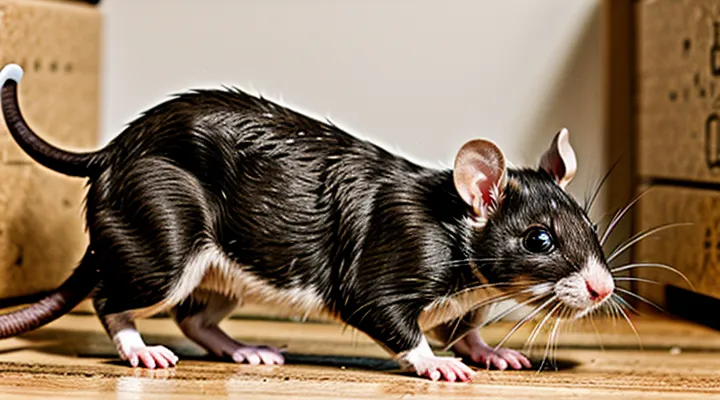
Why DIY Rat Toys?
Benefits for Your Pet
Mental Stimulation
Mental stimulation keeps pet rats engaged, promotes problem‑solving abilities, and reduces stress‑induced behaviors. Providing challenges that mimic natural foraging and exploration supports healthy brain development.
- Puzzle feeder constructed from a small plastic bottle with drilled holes; treats drop only when the rat pushes the bottle to release gravity.
- Maze assembled from cardboard tubes and paper rolls; pathways can be rearranged to present new routes.
- Scent‑trail board using cotton swabs dipped in safe essential oils; rats follow the aroma to locate hidden treats.
- Hide‑and‑seek boxes made from shredded paper and small wooden crates; treats placed inside encourage digging and searching.
- Lever‑activated dispenser fashioned from a lightweight wooden lever attached to a container; pulling the lever releases a single treat.
Regular rotation of these items prevents habituation and sustains curiosity. Each toy offers a distinct cognitive challenge, ensuring comprehensive mental enrichment for the animal.
Physical Activity
Physical activity is essential for the health and well‑being of pet rats. Regular movement supports cardiovascular function, strengthens muscles, and reduces stress‑induced behaviors. Engaging rodents in active play also encourages natural foraging instincts and improves cognitive sharpness.
Homemade enrichment items can be crafted from inexpensive, safe materials to promote vigorous exercise. Designs should incorporate climbing surfaces, tunnels, and manipulable objects that require the animal to exert effort. Durability and ease of cleaning are critical factors when selecting components.
Practical constructions include:
- A vertical ladder made from untreated wooden dowels, spaced to accommodate the rat’s small paws.
- A suspended rope bridge using natural fiber twine stretched between two sturdy anchors.
- A rotating wheel fashioned from a lightweight plastic hub and attached to a low‑friction axle.
- A maze of cardboard tubes interconnected with paper twists, encouraging exploration and rapid navigation.
Installation should place toys at varying heights to motivate jumping and climbing. Monitoring the rat’s interaction ensures the items remain safe and functional, allowing adjustments that sustain interest and physical challenge.
Preventing Boredom
Pet rats experience rapid habituation to static environments; without regular mental and physical challenges, stress levels rise and health deteriorates. Continuous engagement mitigates these risks by promoting natural foraging, climbing, and problem‑solving behaviors.
Structured enrichment can be achieved through inexpensive, handmade items that exploit rats’ tactile curiosity and dexterity. The following concepts provide versatile options for daily rotation:
- A maze constructed from cardboard tubes, intersecting at varying angles, encourages navigation and spatial learning.
- A foraging ball made from a perforated plastic container filled with seed mix forces manipulation to retrieve food.
- A hanging ladder assembled from wooden dowels and twine offers climbing opportunities and strengthens hind‑limb muscles.
- A puzzle feeder crafted from a PVC pipe segment with removable caps presents a timed challenge for food access.
- A scent trail laid with a dab of essential oil (safe, diluted) on paper strips stimulates olfactory investigation.
Implementation guidelines ensure safety and sustained interest. Rotate each toy every two to three days to prevent habituation; inspect for splinters, loose wires, or sharp edges before each use. Clean reusable components with mild soap and water, then dry thoroughly. Provide a balanced diet alongside enrichment to avoid over‑consumption of treats hidden in toys.
Consistent application of these strategies maintains cognitive vitality, reduces repetitive behaviors, and supports overall well‑being in captive rodents.
Benefits for You
Cost-Effectiveness
Creating enrichment items from readily available materials reduces out‑of‑pocket expenses while delivering comparable stimulation to commercial alternatives. Simple supplies such as cardboard tubes, wooden dowels, and fabric scraps cost fractions of a store‑bought toy’s price and can be sourced from household waste or low‑cost retailers.
Benefits of low‑budget construction include:
- Reusability: items can be refreshed or repurposed, extending functional lifespan.
- Customization: designs adapt to specific cage dimensions, eliminating the need for multiple purchased sizes.
- Minimal waste: using recyclable components aligns with sustainable budgeting practices.
Initial investment remains modest; a typical kit comprising a cardboard roll, a few wooden sticks, and a piece of non‑toxic rope totals under five dollars. Ongoing costs are negligible, as most replacements involve discarded household objects rather than new purchases.
Overall, the economic advantage lies in the combination of low material cost, durability through reuse, and the ability to tailor enrichment without recurring expenses. This approach maximizes value for owners seeking affordable, effective stimulation for their small‑pet companions.
Customization
Customization transforms simple rodent enrichment into engaging, safe, and adaptable play solutions. Selecting appropriate materials—non‑toxic wood, untreated cardboard, natural fibers—ensures durability while meeting health standards. Size adjustments match the animal’s growth, while varied textures stimulate exploration and chewing instincts. Incorporating scent cues, such as dried herbs, adds sensory depth without compromising safety.
Key customization avenues include:
- Modular tunnels that connect via interchangeable clips, allowing rapid reconfiguration of pathways.
- Replaceable chew blocks crafted from different densities of untreated bark, providing progressive wear challenges.
- Puzzle chambers with sliding doors and hidden compartments, encouraging problem‑solving behavior.
- Color‑coded elements that facilitate visual differentiation of sections, supporting training and enrichment tracking.
- Adjustable hanging toys featuring detachable ropes of varying thickness, enabling easy swap of dangling objects.
Implementation guidelines focus on practicality and longevity. Use water‑based, non‑hazardous adhesives to secure joints; verify each connection under gentle stress before introduction to the cage. Rotate customized components on a weekly schedule to prevent habituation. Document modifications in a simple log to assess preference patterns and refine future designs.
Eco-Friendliness
Eco‑friendly construction of small‑animal enrichment items reduces landfill contribution while providing safe, non‑toxic play objects. Selecting renewable or reclaimed resources eliminates the need for virgin plastics and minimizes chemical exposure for the animal.
Key sustainable materials include:
- «recycled cardboard» from packaging or boxes, sturdy enough for tunnels and chew blocks.
- «organic cotton» fabric for soft nesting pads, free from pesticides.
- «natural wood» scraps, sanded to remove splinters and untreated to avoid harsh finishes.
- «upcycled fabric» such as old t‑shirts, cut into ropes or hammocks.
Design considerations that enhance environmental responsibility:
- Prefer modular components that can be reassembled, extending the toy’s lifecycle.
- Incorporate detachable parts for easy cleaning, reducing water and detergent usage.
- Apply non‑chemical adhesives, such as plant‑based glue, to avoid hazardous residues.
- Label each piece with a simple recycling code to guide proper disposal after wear.
End‑of‑life management should involve:
- Disassembling the toy into its original material categories.
- Composting organic fabrics and untreated wood.
- Sending cardboard and fabric remnants to municipal recycling streams.
- Repurposing worn components into new configurations, completing a circular use cycle.
Essential Materials for DIY Rat Toys
Safe and Unsafe Materials
Approved Materials
Safe construction of rat enrichment items requires materials that pose no health risk, withstand chewing, and are readily available.
- Untreated hardwood (e.g., birch, maple, beech) – dense, non‑toxic, resists splintering.
- Natural sisal rope – strong fibers, suitable for climbing structures.
- Food‑grade silicone molds – heat‑resistant, easy to clean, ideal for shaping treats.
- Unbleached cotton fabric – soft, breathable, can be knotted for tunnels.
- Cardboard from plain, non‑glossy boxes – lightweight, biodegradable, encourages gnawing.
Selection criteria focus on non‑chemical finishes, absence of dyes, and structural integrity under constant gnawing. Materials should be free of adhesives, paints, or coatings that could leach toxins.
Suppliers include local hardware stores for hardwood, craft shops for silicone molds, and reputable pet‑product retailers for food‑grade silicone. Cardboard and cotton can be sourced from household waste, provided they are clean and free of contaminants.
Adhering strictly to approved materials ensures durability, reduces the likelihood of injury, and supports the well‑being of pet rats.
Materials to Avoid
When creating homemade enrichment items for pet rats, certain substances must be excluded because they pose health hazards.
- Toxic plastics such as PVC, polystyrene, and soft vinyl can release chemicals when chewed.
- Treated or pressure‑treated lumber contains preservatives that may cause liver or kidney damage.
- Metals with sharp edges or rust, including galvanized steel and copper wire, can cause puncture wounds or toxic reactions.
- Small detachable parts—beads, buttons, plastic caps—present choking risks.
- Paints, varnishes, and stains lacking a non‑toxic certification may contain lead, cadmium, or solvent fumes.
- Adhesives based on solvent, epoxy, or super‑glue release volatile compounds harmful to respiratory tissue.
- Rubber bands and elastic cords can snap and injure delicate jaws or teeth.
- Synthetic fabrics that fray easily, such as polyester fleece, generate loose threads that rats may ingest.
«Never use materials that can be chewed, ingested, or cause injuries». Selecting only safe, natural, and non‑toxic components ensures the well‑being of the animal while providing stimulating play. Regular inspection of the toys for wear or damage is essential to maintain a safe environment.
Common Household Items
Cardboard
Cardboard offers an inexpensive, recyclable medium for constructing rat enrichment items. Its lightweight structure permits easy manipulation, while its corrugated layers provide tactile variation that encourages natural foraging and gnawing behaviors.
Key characteristics include easy cutting with scissors or a craft knife, compatibility with folding or rolling techniques, and the ability to absorb scent from nesting material or safe herbs, enhancing sensory stimulation.
Practical applications:
- Tunnel network: cut sections into cylinders, connect with adhesive‑free interlocking slots, and arrange in a maze‑like layout.
- Chew blocks: stack multiple sheets, secure edges with non‑toxic tape, and embed wooden dowels for additional gnawing surfaces.
- Puzzle box: fold a shallow box, insert a treat compartment, and seal with a removable flap that requires manipulation to access the reward.
- Nesting nest: crumple torn pieces into a loose bundle, place inside a larger cardboard enclosure for a comfortable hiding spot.
- Climbing tower: assemble layered platforms with vertical supports, creating a multi‑level structure that promotes climbing and exploration.
Safety considerations demand removal of staples, glue, and sharp fragments before presentation. All edges should be smoothed with sandpaper or folded inward to prevent injury. Supervision during initial interaction ensures proper use.
Regular inspection identifies wear, prompting replacement of compromised sections. Cleaning with mild, unscented soap and thorough drying maintains hygiene without introducing harmful residues.
Paper Products
Paper products offer inexpensive, safe, and engaging materials for creating rat enrichment. Cardboard tubes from paper towels or toilet rolls serve as tunnels; cutting them lengthwise and inserting nesting material creates a hollow passage that encourages exploration. Corrugated sheets can be folded into accordion tunnels; securing edges with non-toxic glue prevents accidental ingestion of loose fibers. Shredded newspaper, when tightly rolled, forms chewable spirals that satisfy gnawing instincts while reducing the risk of splintering. Origami techniques transform plain sheets into folded mazes; simple folds produce walls and platforms that can be stacked for vertical play.
When preparing paper items, prioritize cleanliness: wash and dry recycled paper to eliminate residues. Use water-based, animal‑safe adhesives; avoid hot glue, which may melt and release fumes. Inspect finished toys for loose edges or torn pieces before introducing them to the cage. Regularly replace worn components to maintain hygiene and prevent mold growth.
Implementing paper‑based creations enhances foraging behavior, provides tactile stimulation, and supports dental health without increasing costs. By repurposing everyday paper waste, owners can continuously refresh the environment, fostering curiosity and activity in their small pets.
Fabrics
Fabrics provide essential texture, durability, and safety for homemade rodent play items. Natural fibers such as cotton, linen, and hemp resist static buildup and are easy to clean, reducing the risk of skin irritation. Synthetic options like fleece and polyester fleece offer soft surfaces that encourage chewing while maintaining structural integrity; however, they must be free of loose threads that could become choking hazards.
Selection criteria focus on weave density, chemical treatment, and color safety. Tight weaves prevent small fibers from escaping, while untreated or organically dyed materials eliminate exposure to harmful chemicals. Light-colored fabrics simplify inspection for wear, allowing timely replacement before damage compromises the toy’s functionality.
Practical applications include:
- Cotton canvas strips for tunnel construction, providing sturdy walls that withstand frequent gnawing.
- Fleece patches sewn into cage corners, creating cushioned hideouts that retain warmth.
- Hemp rope braids wrapped around wooden frames, delivering resilient climbing surfaces.
- Linen sheets folded into layered mazes, offering varied textures that stimulate exploratory behavior.
Cutting and assembling should employ scissors designed for fabric to achieve clean edges, and stitching with heavy-duty thread ensures longevity. Regular inspection for fraying or discoloration maintains a safe environment for the pet.
Toy Categories and Ideas
Foraging and Puzzle Toys
Cardboard Tube Treats
Cardboard tube treats provide an inexpensive, recyclable option for stimulating pet rats. A clean, empty tube from paper towels or toilet roll serves as a hollow chamber that can be filled with small snack pieces, encouraging natural foraging behavior while satisfying the need to gnaw.
- Cut the tube to a convenient length (5‑10 cm) to match the animal’s size.
- Remove any plastic inner core; ensure the cardboard is free of ink or adhesives.
- Place a handful of dry treats (e.g., seed mix, dried fruit, or specially formulated rodent snacks) at one end of the tube.
- Seal the open end with a loosely fitted piece of paper or a small cloth clip, allowing the rat to pull the treats through.
- Supervise the first interaction to confirm the animal can manipulate the tube without tearing it.
The design offers multiple benefits: the cardboard surface supports dental health through regular chewing; the hidden treats create a problem‑solving task that reduces boredom; and the disposable nature of the material simplifies hygiene, as the tube can be replaced after a few uses. Regular rotation of tube length, treat type, and placement within the cage maintains novelty and maximizes engagement.
Toilet Paper Roll Puzzles
Toilet‑paper‑roll puzzles provide a compact, inexpensive method for stimulating a pet rat’s problem‑solving abilities. The basic design involves cutting a length of cardboard tube, inserting a treat or small piece of fruit, and sealing both ends with breathable tape or safe glue. Rats must manipulate the tube, roll it, or bite through a perforated section to access the reward, encouraging natural foraging behavior.
Key construction steps:
- Cut the roll into two equal sections; retain one half as a lid.
- Poke a series of small holes near the closed end of the lower half, spacing them 1–2 cm apart.
- Place a treat inside the tube, then reattach the lid, securing it loosely to allow slight movement.
- Optionally, add a thin strip of non‑toxic wood or plastic inside the tube to create a sliding barrier that must be displaced.
Benefits include:
- Development of fine motor skills through grasping and chewing.
- Reinforcement of exploratory instincts without requiring large space.
- Easy cleaning; the entire puzzle can be dismantled and rinsed after each use.
Variations can increase difficulty: insert multiple treats separated by removable dividers, or coat the interior with a thin layer of unsweetened peanut butter to add texture. For group housing, attach several puzzles to a single roll, allowing multiple rats to engage simultaneously while maintaining individual access to the hidden food.
Regular rotation of puzzle designs prevents habituation. Replacing the cardboard with a recycled paper tube or a biodegradable plastic sleeve extends durability while preserving the low‑cost advantage.
Cereal Box Foragers
Cereal boxes provide a lightweight, easily shaped base for constructing foraging toys that stimulate a rat’s natural searching behavior. The cardboard folds create tunnels and compartments where small treats can be hidden, encouraging exploration and problem‑solving.
Materials required include an empty cereal box, a pair of scissors, non‑toxic glue or tape, and a selection of dry seeds, nuts, or freeze‑dried insects. All components should be free of residual sugar or artificial flavors to prevent digestive issues.
Construction steps:
- Cut the box along one seam to open it into a flat sheet.
- Trim excess cardboard, leaving a margin of approximately one inch around the edges.
- Fold the sheet into a rectangular tunnel, securing the ends with glue or tape.
- Create interior partitions by cutting thin strips and inserting them at right angles, forming chambers of varying sizes.
- Place a small amount of food in each chamber, then seal the openings with a loose flap of cardboard that the rat can push aside.
The resulting toy offers tactile variety, promotes mental engagement, and reduces boredom‑related behaviors. Regularly inspect the cardboard for wear; replace the toy when edges become frayed or when moisture compromises the material. Proper maintenance ensures a safe, durable enrichment device that enhances the rat’s quality of life.
Chewing Toys
Wooden Blocks
Wooden blocks provide a sturdy, customizable element for homemade rat enrichment projects. Natural wood resists chewing damage better than plastic, offers a tactile surface, and can be shaped to create climbing structures, tunnels, and puzzle components.
When constructing blocks, select untreated hardwood such as maple or birch to avoid toxic chemicals. Cut pieces to dimensions of 2–3 cm on each side, allowing easy manipulation by small paws. Sand all edges until smooth, then apply a food‑grade mineral oil finish to protect against splintering while preserving a natural scent that encourages exploration.
Practical applications include:
- Stacking configurations that challenge balance and problem‑solving skills.
- Interlocking designs forming arches or bridges for climbing routes.
- Embedded cavities serving as hideouts for foraging treats.
- Modular walls that can be rearranged to create new maze layouts.
Regular maintenance extends the lifespan of the blocks. Clean with warm water and a mild, pet‑safe detergent, then dry thoroughly before reassembly. Inspect each piece weekly for cracks or splinters; replace any compromised block promptly to maintain a safe environment.
Paper Shreds
Paper shreds provide a lightweight, flexible substrate that encourages chewing, nesting, and foraging in pet rats. The material’s texture stimulates oral activity while offering a safe medium for constructing tunnels and hideouts.
Preparation requires shredding clean, unprinted paper into strips 1–2 cm wide. Sterilize by baking at 180 °C for 10 minutes or by microwaving for 30 seconds on high, ensuring moisture is eliminated. Store in an airtight container to preserve dryness.
Design concepts include:
- Layered nest: alternate layers of shredded paper and untreated tissue to create a soft, insulated burrow.
- Puzzle tube: roll a cylinder of paper shreds, insert a treat, then seal with tape; the rat must unroll the tube to access the reward.
- Suspended hammock: braid strips of shredded paper, attach to cage bars with zip ties, forming a hanging perch for climbing and gnawing.
Safety guidelines mandate the use of non‑glossy, ink‑free paper to prevent ingestion of toxic chemicals. Regularly inspect shreds for mold or fraying; replace when degradation is observed. Monitoring ensures the material remains a beneficial enrichment tool without posing health risks.
Willow Branches
Willow branches provide a natural, flexible material ideal for constructing small climbing structures and chew toys for pet rats. The soft, pliable fibers encourage gnawing, helping to maintain dental health while the slender stems create tunnels and perches that stimulate exploratory behavior.
Preparation steps ensure safety and durability:
- Harvest fresh, pesticide‑free willow shoots in early spring when sap flow is low.
- Rinse thoroughly under running water to remove dust and debris.
- Trim to lengths of 5–10 cm, discarding any brittle or overly thick sections.
- Soak trimmed pieces in warm water for 10 minutes to increase pliability.
- Allow to air‑dry for 24 hours, forming a slightly hardened yet still chewable texture.
Design concepts that incorporate willow branches:
- Mini ladder – Align three to five branches vertically, spacing them 2 cm apart, and secure with non‑toxic twine. Rats climb the ladder, exercising hind‑limb muscles.
- Tunnel network – Connect multiple short branches with a thin wooden dowel, forming a maze of intersecting passages. The network promotes navigation skills and reduces boredom.
- Suspended chew bar – Hang a single, sturdy branch from the cage top using stainless‑steel clips, leaving 3 cm of free length for rats to grasp and gnaw.
Maintenance guidelines prolong usability:
- Inspect branches daily for splintering or mold growth.
- Replace any damaged pieces immediately to prevent injury.
- Clean the cage floor weekly, removing loose bark and debris that may accumulate.
Willow branches combine ecological sustainability with functional versatility, making them a valuable component of any rat enrichment program.
Climbing and Exploration Toys
Fabric Ladders
Fabric ladders provide a compact, vertical climbing structure that encourages natural foraging and exercise behaviors in pet rats. Constructed from sturdy cotton or linen strips, the ladder can be attached to cage bars, creating a dynamic pathway that promotes muscle development and mental stimulation. The lightweight material allows easy repositioning, enabling owners to refresh the environment without extensive modifications.
Key considerations for building a fabric ladder include material durability, secure attachment, and appropriate rung spacing. Select fabric with a high thread count to prevent fraying under repeated use. Secure each rung with non‑toxic adhesive or stitching, ensuring that no loose threads pose a choking hazard. Position rungs at intervals of 1–2 cm to match the average rat’s stride, facilitating confident ascent and descent.
Practical construction steps:
- Cut fabric strips to a length of 10–12 cm and a width of 2 cm.
- Fold each strip in half, forming a loop that will serve as a rung.
- Sew the loop closed with a tight stitch, leaving a small opening for reinforcement.
- Attach loops to a vertical fabric spine using reinforced stitching or a small bolt, maintaining consistent spacing.
- Anchor the spine to cage bars with zip ties or stainless‑steel clamps, verifying stability before introducing the animal.
Regular inspection for wear and prompt replacement of compromised components maintain safety and extend the ladder’s functional lifespan.
Rope Swings
Rope swings provide rats with a vertical climbing challenge that encourages natural foraging behavior and strengthens hind‑leg muscles. The simple design fits most cage sizes and can be assembled from readily available household items.
Materials
- Natural‑fiber rope, 4 mm thickness, untreated
- Small wooden dowel, 2 cm diameter, sanded smooth
- Non‑toxic adhesive or zip ties
- Scissors or utility knife
- Drill with 6 mm bit (optional for dowel anchoring)
Construction steps
- Cut a 30 cm length of rope and fold it in half to create a loop.
- Thread the loop through the dowel, forming a secure knot at the midpoint.
- Position the dowel horizontally across the cage bar, ensuring the loop hangs at rat‑level height.
- Fasten the dowel to the bar using adhesive or zip ties; allow adhesive to cure for 24 hours if used.
- Trim excess rope and check that the knot holds firmly under tension.
Safety and maintenance
- Verify rope is free of frayed strands before each use.
- Inspect adhesive joints weekly; replace if loosening occurs.
- Clean the rope with a mild, pet‑safe disinfectant monthly; rinse thoroughly and air‑dry.
- Position the swing away from food dishes to prevent contamination.
Design variations
- Attach multiple loops of varying lengths to create a cascading swing system.
- Replace the wooden dowel with a sturdy PVC pipe for a lighter, waterproof option.
- Incorporate small wooden beads or natural twine knots along the rope to add tactile interest.
Properly constructed rope swings deliver reliable enrichment, promote physical activity, and fit seamlessly into a DIY rat toy program.
Hammocks
Hammocks provide a suspended platform that encourages climbing, nesting, and gentle swinging, creating a dynamic environment for small rodents. Their lightweight design fits easily into cages of various sizes, allowing vertical space to be utilized without compromising floor area.
Construction begins with a sturdy frame, typically fashioned from untreated wooden dowels or PVC pipe sections cut to the cage’s width. A piece of breathable fabric—cotton, fleece, or recycled polyester—serves as the hammock surface. The fabric is folded to form a double layer, then secured to the frame with non‑toxic knots or stainless‑steel clamps. A short length of natural rope, knotted at each end, attaches the hammock to the cage’s upper bars, ensuring stability while permitting slight movement.
Customization options include:
- Adding removable pockets for treats or nesting material.
- Incorporating textured strips of sisal or jute to enhance chewing interest.
- Painting the wooden frame with water‑based, pet‑safe colors for visual contrast.
- Adjusting suspension height to accommodate different activity levels.
Regular inspection should focus on wear of the fabric, integrity of knots, and any signs of fraying rope. Cleaning involves spot‑washing the fabric with mild detergent, rinsing thoroughly, and air‑drying before reinstallation. Re‑tightening attachment points every few weeks maintains safety and prolongs the hammock’s functional lifespan.
Interactive Toys
Ball Pit
A ball pit offers a compact, sensory-rich environment that encourages natural foraging and exploration behaviors in pet rats. The structure consists of a shallow container filled with lightweight, non‑toxic balls, providing tactile stimulation and opportunities for climbing, digging, and burrowing.
Materials commonly used include a plastic storage bin, polypropylene balls (diameter 1–2 cm), and a breathable lid to prevent escape. Optional additions such as shredded paper, untreated wood shavings, or safe chew sticks enhance texture diversity and promote dental health.
Construction steps:
- Select a container with smooth interior surfaces to avoid injury.
- Drill a small ventilation hole near the top for airflow.
- Place a layer of balls, ensuring they are free of sharp edges.
- Add a thin layer of nesting material beneath the balls for burrowing.
- Secure the lid with a clip that can be opened for cleaning.
Maintenance involves weekly removal of soiled balls, replacement with fresh ones, and thorough cleaning of the container with mild, unscented soap. Regular inspection for wear ensures the pit remains safe and engaging over time.
Tug-of-War Ropes
Tug‑of‑war ropes offer a compact, interactive solution for stimulating small rodents. The design combines durable fibers with a lightweight core, allowing rats to grasp, pull, and release without excessive stress on teeth or joints.
Materials commonly employed include natural sisal, untreated cotton rope, and thin wooden dowels. Sisal provides a rough texture that encourages chewing, while cotton adds softness for delicate paws. A wooden dowel, typically 1 cm in diameter and 15 cm long, serves as a sturdy anchor that can be inserted into a wall or cage bar.
Construction steps:
- Cut two equal lengths of rope, each 20 cm long.
- Fold each piece in half, forming a loop at the midpoint.
- Thread the loop around the wooden dowel, positioning the dowel centrally.
- Tie a secure knot (e.g., a double‑overhand) at each end, leaving short tails for extra grip.
- Trim excess rope, ensuring knots remain tight.
Safety considerations:
- Use untreated fibers to avoid chemical irritation.
- Inspect knots regularly; replace if frayed.
- Position the rope at a height that encourages vertical play without risking falls.
Benefits observed in laboratory and home environments include increased muscular activity, enhanced coordination, and reduced stereotypic behaviors. Variations may incorporate scent‑infused rope (e.g., a few drops of rosemary oil) or interchangeable dowels of different lengths to adjust difficulty.
Regular rotation of the rope with other chewable items maintains novelty and prevents habituation, supporting ongoing engagement and well‑being.
Snack Dispensers
Snack dispensers serve as interactive enrichment devices that combine food reward with problem‑solving activity, encouraging natural foraging behavior in pet rats.
Materials commonly employed include untreated hardwood, PVC pipe, thick cardboard, non‑toxic silicone sealant, and small metal or plastic beads for weighting. All components must be free of chemicals that could leach into food.
Typical DIY designs are:
- Rolling tube with a central aperture that releases a single treat when the rat pushes the tube forward.
- Puzzle box featuring a sliding door that opens only after a lever is depressed, delivering a hidden snack.
- Maze of interconnected chambers where treats are placed at dead‑ends, prompting exploration.
Construction steps:
1. Measure and cut each material to the dimensions required by the chosen design.
2. Drill openings that match the size of a rat’s head, ensuring easy access without risk of entrapment.
3. Assemble components using non‑toxic silicone, allowing full cure before introducing treats.
4. Test the mechanism with a few snacks to verify reliable dispensing.
Safety considerations mandate smooth edges, secure joints, and avoidance of small detachable parts that could be swallowed. Regular inspection for wear or damage prevents accidental injury.
Maintenance involves disassembling the dispenser weekly, washing all surfaces with mild soap, and drying thoroughly before reassembly. Refill with appropriate-sized treats such as small pellets, dried insects, or vegetable pieces, adjusting portion size to the animal’s dietary requirements.
Properly constructed snack dispensers provide consistent mental stimulation, reduce boredom, and promote healthy activity levels in domesticated rats.
Safety Considerations and Best Practices
Material Safety
Non-Toxic Adhesives
Non‑toxic adhesives are essential for constructing safe rat toys. They must be free of harmful chemicals, odorless, and able to bond materials such as wood, cardboard, and fabric without leaving residue that could be ingested.
Key categories include:
- PVA glue (polyvinyl acetate) – water‑based, dries clear, meets food‑grade standards.
- Low‑temperature silicone sealant – flexible, cures without emitting volatile compounds.
- Plant‑based adhesives (e.g., wheat paste) – biodegradable, suitable for lightweight structures.
- Low‑heat hot‑glue sticks – formulated for hobby use, melt at temperatures below 120 °C to prevent burns.
Selection criteria:
- Certification as food‑safe or ASTM D‑4236 compliant.
- Absence of solvents such as acetone, formaldehyde, or toluene.
- Minimal shrinkage during drying to preserve structural integrity.
- Rapid cure time to reduce exposure duration.
Application guidelines:
- Apply a thin, even layer to avoid excess buildup that could be chewed off.
- Allow full curing, typically 24 hours for PVA and 4–6 hours for silicone, before presenting the toy to the animal.
- Test a small sample on a disposable surface; ensure no discoloration or off‑gassing occurs.
- Store adhesives in sealed containers away from direct sunlight to maintain stability.
Recommended products meeting these standards are widely available from craft retailers and specialty pet‑supply shops. Choosing the appropriate non‑toxic adhesive ensures durability of the toy while safeguarding the health of the small pet.
Avoiding Small Parts
When constructing enrichment items for pet rats, every element must be sized to prevent accidental ingestion or entrapment. Components smaller than the animal’s skull width pose choking hazards and can become lodged in the digestive tract, leading to severe health complications.
Designs should incorporate only solid, sturdy materials that remain intact under vigorous chewing. Avoid detachable screws, beads, or plastic caps. Use thick wooden dowels, solid acrylic sheets, or heavy-duty cardboard that cannot be broken into bite‑size fragments. When fasteners are necessary, select non‑removable rivets or welded joints rather than screws that can loosen over time.
Practical measures for eliminating hazardous fragments:
- Choose raw materials with a minimum thickness of 5 mm; thinner pieces fracture easily.
- Secure all connections with adhesives rated safe for rodents; allow full curing before offering the toy.
- Test each toy by applying pressure equal to a rat’s bite force; replace any item that yields or cracks.
- Inspect toys weekly for signs of wear; discard any piece that shows splintering or edge erosion.
- Prefer monolithic constructions—single‑piece tunnels, blocks, or chew sticks—over multi‑part assemblies.
Adhering to these guidelines eliminates the risk of small parts, ensuring that homemade enrichment remains both engaging and safe for small‑sized companions.
Regular Inspections
Regular inspections are essential for maintaining the safety and functionality of homemade rodent enrichment projects. Each toy should be examined before each use and periodically during its lifespan.
Inspection checklist:
- Verify that all materials are intact; replace any frayed rope, cracked plastic, or broken wood.
- Confirm that adhesives have cured fully; remove any loose or sticky residue that could trap a pet’s paws.
- Check for sharp edges or protruding nails; sand or file surfaces to eliminate injury risk.
- Ensure that moving parts, such as wheels or pulleys, rotate smoothly without excessive friction or wobble.
- Assess the stability of the structure; reinforce joints if the toy shows signs of sagging or tilting.
- Look for signs of wear caused by chewing; discard components that show deep gnaw marks or splintering.
A practical schedule includes a quick visual scan before each play session and a thorough evaluation weekly. Documentation of inspection dates and findings can help track the toy’s condition over time and prompt timely repairs.
By adhering to these systematic checks, owners can provide a consistently safe and engaging environment for their small pets, extending the usefulness of each DIY creation.
Hygiene and Maintenance
Cleaning Schedules
Regular cleaning of homemade rodent enrichment items prevents bacterial growth and protects the health of the animal.
A practical schedule divides tasks by frequency:
- Daily: inspect toys for visible waste, remove droppings, and rinse with warm water.
- Weekly: disassemble removable parts, soak in mild detergent solution for 10 minutes, scrub with a soft brush, and rinse thoroughly.
- Monthly: perform a deep clean by immersing entire toys in a diluted vinegar solution (1 part vinegar to 4 parts water) for 15 minutes, then air‑dry completely before reassembly.
Materials used in DIY projects influence cleaning methods. Non‑porous items such as plastic tubes or metal clips tolerate detergent and vinegar without degradation, while natural fibers like untreated wood or cotton should be limited to gentle soap and water to avoid weakening.
After each cleaning cycle, store toys in a dry, well‑ventilated container to inhibit mold formation. Record dates of cleaning in a simple log to ensure consistency and to identify any patterns of rapid contamination.
Adhering to this structured regimen maintains a sanitary environment, extends the lifespan of the toys, and supports the overall wellbeing of pet rats.
When to Replace Toys
Rats quickly reveal when a toy has become unsuitable. Visible fraying, broken components, and excessive chewing marks indicate structural failure. Accumulated droppings or urine that cannot be cleaned effectively create a health risk and signal that the item should be retired. A loss of engagement—when the animal consistently ignores the toy—suggests that the stimulus no longer provides mental enrichment.
Key indicators for replacement:
- Fractured or missing parts that could cause injury.
- Surface wear that allows sharp edges or splinters to emerge.
- Persistent odor despite thorough washing.
- Lack of interaction for an extended period (several weeks).
Regular inspection, at least once a week, ensures that toys remain safe and stimulating. Prompt removal of compromised items maintains hygiene and supports the rat’s well‑being.
Introducing New Toys
Gradual Introduction
Gradual introduction ensures that a new toy becomes a positive element of a rodent’s environment rather than a source of stress. Presenting one item at a time allows the animal to explore, assess safety, and develop confidence before additional complexity is added.
Key steps for a measured rollout:
- Select a single, simple toy made from non‑toxic materials.
- Place the toy in a familiar section of the cage, away from food and water.
- Observe the rat’s interaction for several hours; note curiosity, avoidance, or tentative use.
- If the rat engages without signs of fear, retain the toy for a few days to establish routine.
- Introduce a second, slightly more challenging toy only after the first is consistently used.
Monitoring behavior during each phase is essential. Signs of anxiety—such as excessive hiding, aggression, or refusal to eat—indicate that the pace should be slowed. Adjust placement, reduce novelty, or revert to the previous toy until the animal demonstrates comfort.
«Introduce one toy at a time» serves as a practical reminder that each addition builds on established familiarity, fostering lasting enrichment and reducing the likelihood of stress‑related issues.
Observing Your Rat's Reaction
Observing a rat’s response to a homemade toy provides the most reliable data for evaluating effectiveness. Immediate behaviors—such as rapid pawing, climbing, or vocalizing—indicate high interest, while indifference or prolonged avoidance signals low engagement.
Key indicators include:
- Frequent gnawing or chewing on the toy surface.
- Repeated climbing or jumping onto the structure.
- Vocalizations that differ from baseline quiet periods.
- Duration of interaction measured in seconds or minutes.
Systematic observation requires consistent conditions: identical lighting, temperature, and time of day for each trial. Recording sessions with a video camera allows playback for detailed analysis of subtle movements, such as head tilts or whisker positioning, which may be missed in real time.
Interpretation follows a simple feedback loop. Positive reactions lead to retaining design elements; neutral or negative responses prompt modification—adjusting size, texture, or placement of components. Over successive iterations, the rat’s preferences become quantifiable, guiding the creation of increasingly engaging toys.