
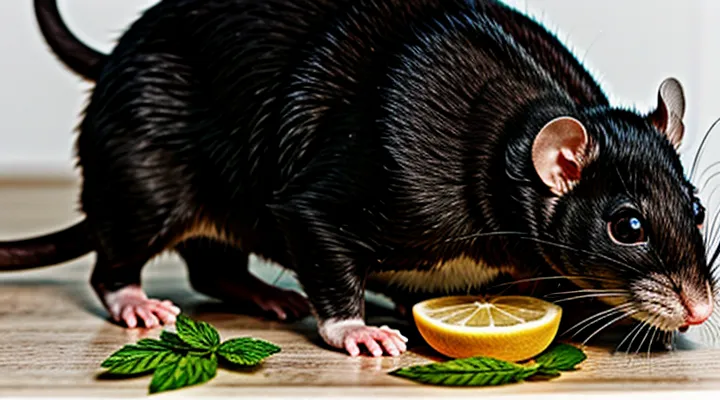
The Importance of a Varied Diet for Fancy Rats
Why Variety Matters
Nutritional Balance
A balanced diet for pet rats requires precise proportions of protein, fat, carbohydrate, fiber, vitamins, and minerals. Protein should represent 15‑20 % of total calories, sourced from high‑quality animal or plant proteins such as boiled eggs, cooked chicken, or soy. Fat supplies essential fatty acids and must not exceed 5‑7 % of calories; suitable fats include small amounts of unsalted nuts, seeds, or vegetable oil. Carbohydrates provide energy and should constitute roughly 45‑55 % of the diet, derived from whole grains, cooked sweet potatoes, or oatmeal. Fiber, at 5‑10 % of intake, supports gastrointestinal health; oats, barley, and raw vegetables like carrots and broccoli meet this need.
Vitamins and minerals must be supplied through a fortified rat pellet or a carefully formulated supplement mix. Key micronutrients include:
- Vitamin A for vision and immune function
- Vitamin D3 for calcium absorption
- Vitamin E as an antioxidant
- B‑complex vitamins for metabolism
- Calcium and phosphorus in a 1.2 : 1 ratio for bone integrity
- Magnesium and potassium for muscle activity
Water availability is non‑negotiable; fresh, clean water should be accessible at all times. Monitoring body condition, coat quality, and stool consistency provides immediate feedback on nutritional adequacy. Adjustments to macronutrient ratios or supplement levels should be made only after systematic observation and, when possible, veterinary consultation.
Enrichment and Mental Stimulation
Enrichment and mental stimulation are essential components of a healthy life for pet rats. Providing varied sensory experiences reduces stress, encourages natural foraging behavior, and supports cognitive development.
Dietary variety serves as a primary form of enrichment. Rotating fresh fruits, vegetables, and protein sources introduces new flavors and textures, prompting exploration. Small, irregularly shaped treats placed in bedding stimulate digging and scent tracking. Incorporating occasional safe herbs or spices adds aromatic complexity without compromising nutrition.
Physical surroundings further enhance mental activity. A network of tunnels, climbing platforms, and hammocks creates three‑dimensional space for navigation. Hide‑away chambers filled with shredded paper or shredded cardboard encourage nesting and material manipulation. Regular rearrangement of these elements prevents habituation.
Cognitive challenges deepen engagement. Puzzle feeders require rats to manipulate levers or roll objects to release food, reinforcing problem‑solving skills. Short training sessions using clicker cues and reward markers teach simple commands, strengthening the human‑animal bond. Rotating tasks every few days maintains interest and prevents monotony.
Practical enrichment ideas
- Mix a handful of chopped kale, carrot, and apple weekly.
- Hide a single pea in a paper tube, replace daily.
- Install a wooden ladder across the cage’s upper level.
- Provide a PVC pipe with perforated ends for tunnel exploration.
- Use a treat‑dispensing ball that releases kibble after a set number of rolls.
Preventing Pickiness
A varied diet reduces the likelihood that a fancy rat will become selective about food. Introducing new ingredients gradually conditions the animal to accept multiple flavors and textures, preventing the development of a narrow palate.
Key practices include:
- Rotate protein sources (e.g., mouse, chicken, boiled egg) every few days to avoid habituation.
- Mix fresh vegetables (such as broccoli, carrots, and leafy greens) with standard pellets, ensuring each serving contains at least one novel vegetable.
- Offer textured options (soft mash, crunchy chew sticks, small fruit pieces) to develop adaptability to different consistencies.
- Limit treats to no more than 5 % of total intake; excessive sugary or fatty snacks reinforce pickiness.
- Maintain consistent feeding times; predictable schedules encourage the rat to eat what is presented rather than wait for preferred items.
Monitoring intake records helps identify emerging preferences early. If a rat consistently rejects a food group, reintroduce the item in smaller portions mixed with a favored component, then increase the proportion over several weeks. This systematic exposure maintains dietary breadth and supports overall health.
Core Diet Components
High-Quality Rat Blocks/Pellets
Recommended Brands
Providing a balanced diet for pet rats requires selecting commercial products that deliver essential nutrients while offering variety in flavor and texture. Reputable manufacturers formulate blends that meet the specific metabolic needs of small rodents, ensuring adequate protein, fiber, and vitamin content without excessive fat or sugar.
Recommended brands
- Kaytee Forti-Diet – grain‑based pellets fortified with vitamin C, calcium, and prebiotic fiber; suitable for daily feeding.
- Oxbow Essentials – high‑protein pellets with added omega‑3 fatty acids; includes a small amount of dried fruit for palatability.
- Mazuri Small Rodent Diet – nutritionally complete formula with balanced amino acids; provides a crunchy texture that encourages natural chewing behavior.
- Higgins Premium Rat Food – includes a mix of seeds, legumes, and dried vegetables; formulated to support dental health and digestive function.
- Sunseed Rat Chow – organic blend of whole grains and vegetables, free from artificial preservatives; appropriate for rats with sensitive stomachs.
Each brand meets the dietary standards established by rodent nutrition research and is widely available through veterinary supply channels. Rotating between two or three of these products, supplemented with occasional fresh vegetables, promotes dietary diversity and reduces the risk of nutrient deficiencies.
Nutritional Content
A balanced diet for pet rats must supply adequate protein, fat, carbohydrates, fiber, and water. Protein should represent 18‑20 % of total calories, supporting tissue growth and maintenance. Fat supplies 5‑7 % of calories, providing essential fatty acids and energy. Carbohydrates furnish the remaining energy, while insoluble fiber (3‑5 % of diet) promotes gastrointestinal motility. Fresh water must be available at all times.
Vitamins and minerals are required in trace amounts. Vitamin A, D₃, E, K, and the B‑complex prevent deficiencies that impair vision, bone health, and metabolic functions. Calcium and phosphorus maintain skeletal integrity; a Ca:P ratio of approximately 1:1 is optimal. Magnesium, potassium, sodium, and zinc contribute to nerve transmission, muscle contraction, and enzymatic activity. Deficiency signs include weight loss, coat deterioration, and abnormal behavior.
A varied menu delivers the necessary nutrients without overreliance on a single source. Common components include:
- Protein: cooked chicken, boiled egg, low‑fat cottage cheese, mealworms.
- Vegetables: kale, broccoli, carrots, bell peppers—rich in vitamins and fiber.
- Fruits: apple slices, berries, melon—provide natural sugars and antioxidants.
- Grains and seeds: rolled oats, quinoa, sunflower seeds—offer carbohydrates and healthy fats.
- Treats (limited): plain popcorn, small pieces of unsalted nuts—add novelty and enrichment.
Adjustments depend on life stage and health status. Juvenile rats require higher protein (up to 22 % of calories) for rapid growth. Breeding females benefit from increased calcium and fat to support gestation and lactation. Senior rats may need reduced fat and easily digestible fibers to mitigate age‑related metabolic changes. Regular observation of body condition, coat quality, and activity levels guides portion modifications and food selection.
Fresh Produce: Fruits and Vegetables
Safe Options for Rats
Rats require a diverse diet to support dental health, immune function, and overall vitality. Providing a range of safe foods reduces the risk of nutritional deficiencies and encourages natural foraging behavior.
- Leafy greens: kale, romaine lettuce, spinach (washed, trimmed of thick stems)
- Root vegetables: carrots, sweet potatoes, beets (cooked or raw, cut into bite‑size pieces)
- Fruit: apples (core removed), blueberries, melon, banana (small portions)
- Whole grains: cooked oatmeal, brown rice, whole‑wheat pasta (unseasoned)
- Protein sources: boiled egg, plain cooked chicken, low‑fat cottage cheese, mealworms (limited)
Serve fresh items daily, removing leftovers within two hours to prevent spoilage. Limit high‑sugar fruits and starchy vegetables to no more than 10 % of the total intake. Avoid foods known to be toxic, such as raw beans, chocolate, citrus peels, and processed human snacks. Regularly monitor weight and adjust portions to maintain a lean body condition.
Foods to Avoid
A balanced diet for pet rats requires careful exclusion of items that can cause immediate or long‑term health problems. Certain foods introduce toxins, disrupt digestive function, or create nutritional imbalances that jeopardize wellbeing.
- Chocolate and cocoa products
- Citrus fruits (lemons, oranges, grapefruits)
- Raw potatoes and green tomato skins
- Processed meats, bacon, and deli slices
- Salty snacks, chips, and pretzels
- Sugary treats, candy, and artificial sweeteners
- Dairy products (milk, cheese, yogurt) in large quantities
- Highly seasoned or spicy foods
- Nuts with high fat content (macadamia, peanuts)
- Grapes and raisins
These items share common hazards: chocolate contains theobromine, which is toxic to rodents; citrus acids irritate the gastrointestinal lining; solanine in raw potatoes and green tomatoes can cause neurological symptoms; processed meats introduce excessive sodium and preservatives; salty snacks elevate blood pressure and strain kidneys; sugary treats promote obesity and dental decay; dairy may trigger lactose intolerance and diarrhea; spices and strong flavors stress the digestive tract; high‑fat nuts overload the liver and increase obesity risk; grapes and raisins can induce acute kidney failure. Removing them from the rat’s menu eliminates preventable illnesses and supports optimal growth and longevity.
Preparation and Serving Tips
Providing a balanced diet for pet rats requires careful preparation and thoughtful serving methods. Fresh ingredients should be washed thoroughly to remove pesticides and contaminants. Cut vegetables and fruits into bite‑size pieces, roughly one‑centimeter cubes, to facilitate chewing and prevent choking. Cooked grains, such as quinoa or brown rice, must be cooled completely before mixing with raw components to avoid heat damage to delicate teeth.
When assembling meals, follow these practices:
- Combine a protein source (hard‑boiled egg, cooked chicken, or commercial rat pellets) with a vegetable mix in a 1:2 ratio by volume.
- Add a small portion of fruit (e.g., blueberry or apple) no larger than a quarter of the total serving to provide natural sugars without overwhelming the diet.
- Include a calcium supplement, such as finely ground eggshell or a commercial mineral block, sprinkled lightly over the mixture.
- Serve the prepared food in a shallow, clean dish to allow easy access and minimize spillage.
Storage guidelines are essential for maintaining nutritional integrity. Place unused portions in an airtight container within the refrigerator and discard any leftovers after 24 hours to prevent bacterial growth. Rotate fresh items daily, ensuring that each ingredient appears at least twice a week for variety.
During feeding, observe the rats’ behavior. Preference for certain textures indicates the need for adjustment; softer foods may be offered to younger or dental‑compromised individuals, while firmer pieces stimulate dental wear for healthy adults. Consistent cleaning of feeding vessels after each meal reduces the risk of mold and maintains a hygienic environment.
Protein Sources
Lean Meats
Lean meats supply essential protein, low‑fat calories, and bioavailable micronutrients that support growth, muscle maintenance, and immune function in pet rats. Common options include skinless chicken breast, turkey, rabbit, and lean cuts of beef such as sirloin or round steak. Each source delivers a distinct amino‑acid profile, iron, zinc, and B‑vitamins, contributing to a balanced nutritional regimen.
When incorporating lean meats, follow these guidelines:
- Cook thoroughly to eliminate pathogens; boiling, steaming, or baking without added salt or seasoning is preferred.
- Cool to room temperature before offering to prevent burns.
- Slice or shred into bite‑size pieces, roughly 0.5 cm³, to accommodate the rat’s small mouth.
- Limit portions to 1–2 g per 100 g body weight, delivered 2–3 times weekly, to avoid excess protein or fat.
- Rotate between different meat types to prevent dietary monotony and ensure a broader nutrient spectrum.
Safety considerations include removing visible fat, connective tissue, and bone fragments that could cause obstruction or injury. Avoid processed meats such as deli slices, cured products, or those containing preservatives, as these introduce sodium, nitrates, and additives unsuitable for rodents.
Integrating lean meats with other food groups—whole grains, vegetables, and occasional fruits—creates a comprehensive diet that mirrors the varied intake of wild conspecifics, promoting optimal health and longevity in fancy rats.
Cooked Eggs
Cooked eggs offer a high‑quality protein source for pet rats, complementing grains, vegetables, and fruits in a balanced feeding plan. The egg white supplies essential amino acids, while the yolk adds vitamins A, D, E, and essential fatty acids valuable for coat health and immune function.
When preparing eggs for rats, follow these guidelines:
- Cook thoroughly to eliminate Salmonella; boiling or scrambling without oil is sufficient.
- Cool to room temperature before serving to prevent burns.
- Remove any added salt, butter, or seasoning, as rodents are sensitive to sodium and fats.
- Offer a portion no larger than a quarter of a hard‑boiled egg per adult rat, adjusting for age and activity level.
Feeding frequency should remain moderate. Incorporating cooked egg once or twice a week provides nutritional variety without risking excess calories or cholesterol. Observe the animal’s response; any signs of digestive upset warrant immediate removal from the diet.
Integrating eggs into a diverse feeding regimen supports overall health. Pair a small egg piece with fresh greens or a small amount of whole‑grain cereal to encourage natural foraging behavior and ensure a range of micronutrients. Regular rotation of protein sources—such as cooked chicken, low‑fat cheese, or boiled legumes—further enhances dietary breadth for fancy rats.
Legumes and Beans
Legumes and beans supply high‑quality protein, dietary fiber, and essential micronutrients that contribute to a balanced diet for pet rats. Their carbohydrate profile offers sustained energy, while low fat content helps maintain healthy body weight.
Suitable varieties include lentils, chickpeas, mung beans, black beans, and pinto beans. All must be cooked thoroughly, rinsed to remove excess sodium, and served plain. Raw beans, especially kidney and broad beans, contain toxic lectins and should never be offered.
Feeding guidelines:
- Cooked legumes: 1–2 teaspoons per rat, 2–3 times weekly.
- Introduce gradually, observing for digestive upset.
- Mix with regular pellets or fresh vegetables to encourage acceptance.
Potential concerns:
- High fiber may cause gas if introduced too quickly.
- Over‑feeding can lead to excess calories and weight gain.
- Inadequately cooked beans retain antinutrients that impair nutrient absorption.
Providing legumes in controlled portions expands dietary diversity, supports gut health, and supplies nutrients not abundant in standard rat chow. Regular monitoring ensures the benefits outweigh any adverse effects.
Healthy Fats
Small Amounts of Nuts and Seeds
Including a modest portion of nuts and seeds enhances the nutritional profile of a pet rat’s diet. These foods supply healthy fats, protein, and micronutrients that complement the primary staples of pellets and fresh produce.
Recommended options:
- Sunflower seeds (unsalted, shelled) – ¼ teaspoon per day.
- Pumpkin seeds (unsalted, shelled) – ¼ teaspoon per day.
- Sliced almonds (unsalted) – ⅛ teaspoon per day.
- Chopped walnuts – ⅛ teaspoon per day.
- Hemp seeds – ¼ teaspoon per day.
Guidelines for safe inclusion:
- Offer only small quantities to prevent excess calorie intake and potential digestive upset.
- Ensure all nuts and seeds are free from added salt, sugar, or flavorings.
- Introduce each type gradually, observing the rat for signs of intolerance such as diarrhea or reduced appetite.
- Rotate varieties weekly to provide a broader spectrum of fatty acids and vitamins while avoiding monotony.
When administered correctly, nuts and seeds act as a supplemental source of essential nutrients, contributing to overall health without displacing the core components of a balanced rat diet.
Healthy Oils (in moderation)
Healthy oils provide essential fatty acids that support skin elasticity, coat shine, and cardiovascular function in pet rats. Incorporating small amounts into a balanced diet delivers these benefits without risking excess caloric intake.
- Olive oil – rich in monounsaturated fats; ¼ teaspoon per 100 g of food is sufficient.
- Flaxseed oil – high in omega‑3 ALA; ½ teaspoon per week supplies anti‑inflammatory compounds.
- Sunflower oil – source of linoleic acid; ¼ teaspoon per 150 g of feed enhances vitamin E absorption.
- Coconut oil – contains medium‑chain triglycerides; ¼ teaspoon per 200 g of food aids energy metabolism.
Guidelines for safe usage:
- Add oil to fresh vegetables or mash, mixing thoroughly to ensure even distribution.
- Store oils in dark, airtight containers at low temperature to prevent oxidation.
- Monitor body condition weekly; reduce or discontinue if weight gain exceeds 5 % over a month.
- Rotate oil types every two weeks to avoid nutrient imbalances.
Moderation prevents obesity and digestive upset while preserving the nutritional advantages of fatty acids. Consistent observation and precise measurement maintain optimal health outcomes for fancy rats.
Supplemental Foods and Treats
Occasional Treats
Grain-Based Snacks
Grain-based snacks provide a source of complex carbohydrates, dietary fiber, and essential micronutrients that complement the protein‑rich diet of pet rats. Whole grains such as oats, barley, and brown rice deliver sustained energy while supporting healthy gut motility.
Key nutritional contributions of grain snacks include:
- Complex carbohydrates: regulate blood glucose and prevent rapid spikes.
- Dietary fiber: promotes intestinal peristalsis and reduces the risk of constipation.
- B‑vitamins and minerals: supply niacin, thiamine, iron, and magnesium necessary for metabolic processes.
- Low fat content: helps maintain optimal body condition without excess caloric density.
When selecting grain treats, consider the following criteria:
- Choose products labeled “whole grain” or “unrefined” to ensure maximal nutrient retention.
- Verify the absence of added sugars, artificial flavorings, and preservatives that could disrupt digestive balance.
- Opt for small, bite‑size pieces to prevent choking and facilitate precise portion control.
- Prefer organic or non‑GMO options to reduce exposure to pesticide residues.
Preparation guidelines for safe inclusion in a rat’s diet:
- Rinse grains thoroughly to eliminate dust and potential contaminants.
- Lightly toast or steam to enhance palatability while preserving nutrient integrity; avoid deep frying or excessive oil.
- Cool completely before offering, and present no more than 5–10 % of the total daily intake to maintain dietary balance.
- Store in airtight containers at room temperature for up to two weeks; discard any stale or mold‑affected portions.
Integrating grain-based snacks in a varied feeding regimen contributes to overall nutritional completeness, encourages natural foraging behavior, and supports long‑term health in fancy rats.
Small Amounts of Dairy
Including dairy in a fancy rat’s diet can add nutritional diversity when offered sparingly. Rats tolerate low‑fat cheeses such as cottage cheese, mozzarella, or mild cheddar, providing calcium, protein, and vitamin B12. Serve portions no larger than a pea‑sized cube or a teaspoon of soft cheese per animal per day to prevent excess fat and lactose intolerance.
Key considerations:
- Choose fresh, low‑salt varieties; avoid processed cheese spreads that contain additives.
- Monitor each rat for signs of digestive upset, such as loose stools or reduced appetite, and discontinue if symptoms appear.
- Rotate dairy with other protein sources (e.g., boiled egg, cooked chicken) to maintain a balanced nutrient profile.
Regularly assess body condition and adjust frequency accordingly; most rats benefit from dairy no more than two to three times weekly, never as a staple food.
Foraging Opportunities
Hiding Food
Hiding food encourages natural foraging behavior, promotes mental stimulation, and diversifies nutrient intake for pet rats. By dispersing small portions throughout the cage, you create a dynamic feeding environment that mirrors the animal’s wild instincts.
Effective hiding techniques include:
- Embedding bite‑size pieces of fresh vegetables in shredded paper or tissue.
- Concealing dry pellets inside chewable wooden blocks with drilled cavities.
- Tucking treats under overturned water bottles or plastic lids.
- Placing small fruit morsels in the corners of a tunnel system.
These strategies prevent monotony, reduce the risk of overconsumption, and support dental health through increased gnawing activity. Ensure all hidden items are safe, free of toxic substances, and sized to avoid choking. Remove uneaten food after 24 hours to maintain hygiene and prevent spoilage.
DIY Foraging Toys
Providing rats with foraging opportunities encourages exploration of different textures, flavors, and nutritional components, which supports a balanced diet. Homemade toys allow owners to tailor ingredients to specific nutritional goals and to rotate items regularly, preventing monotony.
When constructing foraging toys, select non‑toxic, chew‑safe materials such as untreated wood, cardboard, paper pulp, and natural fibers. Secure all components to avoid loose parts that could be swallowed. Incorporate a mixture of fresh vegetables, dried herbs, and small protein treats, ensuring each item is appropriately sized for the animal’s mouth.
Practical DIY ideas include:
- A cardboard tube filled with shredded kale, carrot shreds, and a few mealworm pieces, sealed with non‑adhesive tape.
- A wooden block drilled with shallow cavities, each loaded with a different seed blend and a pinch of low‑fat cheese.
- A paper roll wrapped in hemp twine, packed with chopped apple, broccoli florets, and a small amount of cooked egg.
- A PVC pipe segment (cut to safe length) containing layers of lettuce leaves, bell pepper strips, and a sprinkle of powdered calcium.
After each foraging session, inspect toys for wear and replace any damaged sections. Rotate the types of toys and the ingredient combinations weekly to sustain interest and provide comprehensive nutrient exposure.
Dietary Considerations and Special Needs
Age-Specific Diets
Young Rats (Pups)
Providing young rats with a nutritionally diverse regimen supports optimal growth, immune development, and behavioral health. During the first three weeks, pups rely primarily on maternal milk, which supplies essential proteins, fats, and immunoglobulins. After weaning (approximately 21 days), a gradual introduction of solid foods is required to prevent digestive upset and ensure adequate nutrient intake.
Key considerations for introducing dietary variety to weaned rat pups include:
- Protein sources: high‑quality rodent pellets formulated for juveniles, cooked chicken breast, boiled egg white; limit each to 10 % of total daily intake.
- Healthy fats: small amounts of unsalted nuts (e.g., almonds, walnuts) or a few drops of plant‑based oil; monitor caloric density to avoid obesity.
- Fiber and bulk: fresh vegetables such as carrots, broccoli, and leafy greens; provide 5–7 % of diet by weight to promote gut motility.
- Vitamins and minerals: fortified pellet mix ensures adequate calcium, phosphorus, and vitamin D; occasional vitamin C‑rich fruit (blueberries, kiwi) can augment antioxidant intake.
- Hydration: clean, fresh water must be available at all times; consider a water bottle with a stainless‑steel spout to reduce contamination.
When expanding the diet, follow a structured schedule:
- Day 1–3 post‑weaning – 25 % pellet mix, 75 % soft mash (pellet crumbs mixed with warm water).
- Day 4–7 – Introduce 10 % finely chopped vegetables, maintain 15 % protein supplement.
- Day 8 onward – Add 5 % nuts or seeds, increase vegetable portion to 15 %, keep protein at 10 % of total calories.
Avoid foods known to cause toxicity in rats, such as raw potatoes, citrus peels, chocolate, and excessive dairy products. Monitor body condition weekly; a healthy pup should display steady weight gain of 1–2 g per day and active, alert behavior.
Implementing a varied feeding plan during the juvenile stage establishes lifelong preferences for balanced nutrition and reduces the risk of diet‑related disorders in adult fancy rats.
Adult Rats
Adult fancy rats require a balanced and diverse diet to maintain optimal health, support growth, and prevent disease. Their nutritional requirements differ from those of juveniles, emphasizing steady energy intake, adequate protein, and sufficient fiber.
Protein sources such as high‑quality rodent pellets, cooked lean poultry, boiled eggs, and small amounts of low‑fat cheese provide essential amino acids for tissue maintenance. Fiber, supplied by fresh vegetables, whole‑grain cereals, and occasional fruit, aids digestion and promotes gastrointestinal motility. Essential fats are delivered through modest portions of nuts, seeds, or commercially formulated rat treats that contain omega‑3 and omega‑6 fatty acids.
A typical daily feeding plan for an adult rat includes:
- 1–2 tablespoons of premium rodent pellets (the primary staple)
- 1–2 tablespoons of fresh vegetables (e.g., kale, carrot, broccoli)
- ½–1 tablespoon of fruit (e.g., apple, berries) no more than twice per week
- 1 teaspoon of protein supplement (cooked egg, chicken, or low‑fat cheese) a few times per week
- Small handful of nuts or seeds as occasional fat source, limited to 1–2 times weekly
Water must be continuously available in a clean bottle. Treats should never exceed 10 % of total caloric intake to avoid obesity and related complications.
Common dietary pitfalls include overreliance on sugary fruits, feeding processed human foods, and providing unlimited access to high‑fat treats. These practices can lead to dental disease, hepatic lipidosis, and weight gain. Regular monitoring of body condition, coat quality, and activity level helps detect nutritional imbalances early.
In summary, adult fancy rats thrive on a diet that combines a nutritionally complete pellet base with a rotating selection of fresh produce, modest protein additions, and limited healthy fats, while maintaining strict control over treat quantities and ensuring constant access to fresh water.
Senior Rats
Senior rats experience reduced metabolic rate, decreased dental wear, and a higher risk of age‑related ailments. Their diet must supply adequate protein while limiting excess calories to prevent obesity, a common problem in older rodents. Balanced nutrition supports muscle maintenance, immune function, and organ health.
Key nutritional adjustments for aging fancy rats include:
- Protein: 18‑20 % of daily calories from high‑quality sources such as cooked chicken, boiled egg, or low‑fat cottage cheese.
- Fiber: 5‑7 % of diet from hay, shredded wheat, or bran to promote gastrointestinal motility and dental wear.
- Fat: No more than 5 % of calories; choose unsaturated fats from small portions of flaxseed oil or fish oil.
- Vitamins and minerals: Calcium‑phosphorus ratio of approximately 1.2:1, supplemented with powdered calcium carbonate if needed. Vitamin E and B‑complex vitamins aid neurological health; a daily multivitamin formulated for rodents can fill gaps.
- Hydration: Fresh water at all times; consider adding a few drops of electrolyte solution during heat stress.
Variety reduces monotony and encourages natural foraging behavior. Rotate fresh vegetables (e.g., carrots, broccoli, kale) and fruits (e.g., apple slices, blueberries) on a weekly schedule, limiting sugary items to 5 % of total intake. Introduce novel textures—soft cooked legumes, small pieces of whole‑grain bread, or low‑fat yogurt—to stimulate oral muscles and maintain dental integrity.
Regular monitoring of body condition, coat quality, and stool consistency informs dietary tweaks. Adjust portions upward if weight loss occurs, or reduce calories if adiposity increases. A structured, diverse feeding plan extends lifespan and preserves quality of life for senior fancy rats.
Health Conditions and Dietary Adjustments
Obesity
Obesity in pet rats results from excess caloric intake combined with insufficient physical activity. Excess fat accumulation impairs cardiovascular function, reduces lifespan, and predisposes animals to metabolic disorders.
A varied feeding program reduces the risk of overconsumption by providing balanced nutrients and encouraging natural foraging behavior. Diversity in diet supplies essential proteins, fibers, vitamins, and minerals while limiting the proportion of high‑fat and high‑sugar components.
Practical measures to control weight include:
- Offer a base of high‑quality rodent pellets that meet established nutritional standards; limit portion to the manufacturer’s recommended daily amount.
- Supplement with fresh vegetables (e.g., leafy greens, carrots, broccoli) in small, measured servings; rotate types to maintain interest and nutritional breadth.
- Provide occasional protein treats (hard‑boiled egg, cooked chicken) no more than once or twice per week, using precise weight measurements.
- Introduce safe foraging items such as shredded paper or wood blocks infused with limited amounts of nuts or seeds; monitor consumption closely.
- Schedule daily out‑of‑cage time of at least 30 minutes to promote locomotion and mental stimulation.
Regular monitoring of body condition score, weight, and coat quality enables early detection of excess fat. Adjustments to portion sizes or frequency of treats should follow any upward trend in measurements.
Implementing a structured, diverse diet alongside consistent activity safeguards against obesity and supports optimal health in fancy rats.
Allergies and Sensitivities
Allergies and sensitivities are frequent obstacles when expanding a pet rat’s diet. Identifying problematic ingredients prevents chronic gastrointestinal distress, respiratory irritation, and skin inflammation.
Common allergens include:
- Commercial grain mixes containing wheat, barley, or rye.
- Soy‑based protein supplements.
- Dairy products such as cheese or yogurt.
- Certain fruits with high citric acid content (e.g., oranges, grapefruits).
Physical signs of a reaction appear within hours to days and may involve:
- Diarrhea or soft stools.
- Sneezing, wheezing, or nasal discharge.
- Itching, hair loss, or reddened skin patches.
- Lethargy and reduced appetite.
When a new food is introduced, follow a systematic trial:
- Offer a single test item in a measured portion.
- Observe the rat for 24–48 hours, recording any abnormal behavior or symptoms.
- If no adverse response occurs, maintain the item for an additional 3–5 days before adding another new ingredient.
Veterinary consultation is essential for persistent or severe reactions. Diagnostic tools such as skin prick tests, blood panels, or elimination diets provide definitive identification of the offending substance.
Managing sensitivities involves:
- Excluding confirmed allergens from the daily menu.
- Substituting hypoallergenic alternatives (e.g., millet instead of wheat, pea protein for soy).
- Rotating safe foods to maintain nutritional balance while reducing exposure to any single protein source.
A disciplined approach to ingredient selection and monitoring ensures that a varied feeding program enhances health without triggering immune‑mediated problems.
Dental Issues
Providing a varied diet directly influences the dental health of pet rats. Their continuously growing incisors require constant abrasion; insufficient wear leads to malocclusion, overgrowth, and associated pain.
Common dental problems include:
- Overgrown incisors that cannot be trimmed naturally.
- Misaligned teeth causing difficulty chewing.
- Periodontal disease resulting from plaque buildup.
A diverse selection of hard and fibrous foods promotes natural tooth filing. Items that require gnawing create the necessary mechanical action to keep incisors at appropriate length and alignment.
Recommended dietary components:
- Raw, unsalted nuts (e.g., almonds, hazelnuts) for firm chewing.
- Fresh vegetables with fibrous stems such as carrots, celery, and romaine lettuce.
- Whole grains like oats and barley, offered in dry form.
- Small wooden chew blocks or untreated branches for continuous abrasion.
Monitor each rat’s mouth weekly. Signs of dental distress—excessive drooling, reluctance to eat, or visible tooth length—warrant immediate veterinary assessment. Professional trimming and treatment prevent chronic discomfort and preserve overall health.
Hydration
Fresh Water Availability
Fresh water must be continuously accessible to pet rats to support metabolic processes, kidney function, and overall health. Adequate hydration complements a varied diet by facilitating nutrient absorption and waste elimination.
Suitable water delivery methods include:
- Stainless‑steel or glass bottles with sipper tubes that prevent bacterial growth.
- Ceramic bowls with wide rims that reduce spillage.
- Automated dispensers calibrated to provide a steady flow without excess pooling.
Maintenance procedures are essential:
- Replace water daily to avoid stagnation.
- Clean containers with mild detergent and rinse thoroughly before refilling.
- Inspect sipper tubes for wear and replace them every two to three months.
Dehydration indicators are observable:
- Sunken eyes and dry skin.
- Reduced activity and weight loss.
- Concentrated urine with a strong odor.
Prompt correction of these signs restores normal hydration levels and supports the nutritional diversity required for optimal rat wellbeing.
Water Bottle vs. Bowl
Water dispensers designed for small rodents come in two common forms: sealed bottles with sipper tubes and open bowls. Each system affects hydration quality, cage cleanliness, and rat behavior.
A sealed bottle delivers water through a stainless‑steel or plastic tube that opens only when the animal applies pressure. This mechanism reduces spillage, limits bacterial growth, and maintains a stable water temperature. The limited exposure also discourages mold formation and eliminates the need for frequent cleaning of the water surface. Rats quickly learn to manipulate the sipper, ensuring consistent intake even when bedding shifts.
An open bowl provides unrestricted access, allowing rats to drink from any angle. This arrangement mimics natural drinking behavior and eliminates the learning curve associated with sipper tubes. However, exposure to air accelerates evaporation, especially in low‑humidity environments, and encourages droplet formation on cage walls. Contamination from bedding, food particles, and urine increases the risk of gastrointestinal disturbances, requiring daily replacement and thorough sanitation.
Key considerations:
- Hygiene – Bottle: minimal surface contact; Bowl: frequent contamination.
- Water loss – Bottle: negligible evaporation; Bowl: significant loss in dry climates.
- Ease of monitoring – Bottle: clear volume indicator; Bowl: visual assessment of water level required.
- Rat preference – Bottle: may need acclimation; Bowl: immediate accessibility.
- Maintenance – Bottle: weekly tube cleaning; Bowl: daily refilling and thorough cleaning.
Choosing between the two depends on cage humidity, the owner’s cleaning schedule, and the individual rats’ adaptability. Combining a bottle for primary hydration with a shallow bowl for occasional drinking can balance hygiene and natural behavior, supporting overall dietary diversity and health.
Common Misconceptions and Mistakes
Overfeeding Treats
Overfeeding treats introduces excess calories, sugars, and fats that quickly disrupt a fancy rat’s nutritional balance. Treats should complement, not replace, the core diet of high‑quality pellets, fresh vegetables, and occasional protein sources.
Excessive treat consumption leads to rapid weight gain, insulin resistance, digestive upset, and shortened lifespan. Rats may develop a preference for sugary snacks, reducing intake of essential nutrients and increasing the risk of dental problems.
Guidelines for safe treat use:
- Limit treats to no more than 5 % of total daily caloric intake.
- Offer treats no more than three times per week.
- Choose low‑sugar, low‑fat options such as small pieces of apple, plain cooked egg, or specially formulated rat treats.
- Measure each treat portion to a size comparable to a pea.
- Monitor body condition weekly; adjust treat frequency if weight increases.
Consistent application of these limits preserves dietary variety while preventing the health hazards associated with overindulgence.
Feeding Human Junk Food
Human junk food is high in fat, salt, sugar, and artificial additives. These components exceed the nutritional requirements of pet rats and can cause obesity, dental disease, and gastrointestinal upset. Occasional exposure may be tolerated, but systematic inclusion undermines a balanced diet.
Common junk items and associated risks:
- Potato chips – saturated fats and excess sodium increase blood pressure and liver strain.
- Candy and chocolate – simple sugars trigger rapid blood‑glucose spikes; chocolate contains theobromine, toxic to rodents.
- Processed meats (e.g., pepperoni, hot dogs) – high sodium and preservatives irritate the digestive tract and may introduce pathogens.
- Sugary drinks – provide calories without nutrients, promote dental decay, and can lead to dehydration due to diuretic effects.
Guidelines for limited use:
- Offer no more than one small bite (approximately 0.5 g) per week.
- Choose items with minimal additives; plain baked chips are preferable to flavored varieties.
- Monitor weight and stool consistency after any exposure.
- Replace junk food with nutritionally appropriate alternatives such as small pieces of fresh fruit, unsalted nuts, or whole‑grain crackers.
If a rat exhibits lethargy, vomiting, or abnormal stool after consuming junk food, discontinue the item immediately and consult a veterinarian. Maintaining a diet rich in commercial rat pellets, fresh vegetables, and occasional protein sources ensures optimal health while allowing limited novelty.
Lack of Dietary Research
Scientific literature addressing the range of foods suitable for pet rats remains minimal. Most published work focuses on basic nutrient requirements for laboratory strains, not on the broader dietary options owners provide to ornamental varieties.
Key deficiencies include:
- Absence of controlled trials comparing grain‑based, fresh‑produce, and protein‑rich diets.
- Limited data on long‑term health outcomes linked to diet rotation.
- Lack of standardized guidelines for portion sizes of novel ingredients.
- Inadequate information on micronutrient bioavailability from unconventional sources.
These gaps force caretakers to rely on anecdotal evidence, increasing the risk of nutritional imbalances, gastrointestinal disturbances, and premature obesity. Without empirical guidance, owners cannot assess the impact of diet diversification on growth, reproduction, or lifespan.
To close the knowledge gap, research should:
- Design randomized feeding studies that evaluate physiological markers across multiple diet regimes.
- Establish reference values for essential vitamins and minerals derived from diverse food groups.
- Publish comparative analyses of gut microbiota responses to varied dietary inputs.
- Develop evidence‑based recommendations for safe inclusion rates of fruits, vegetables, and insects.