
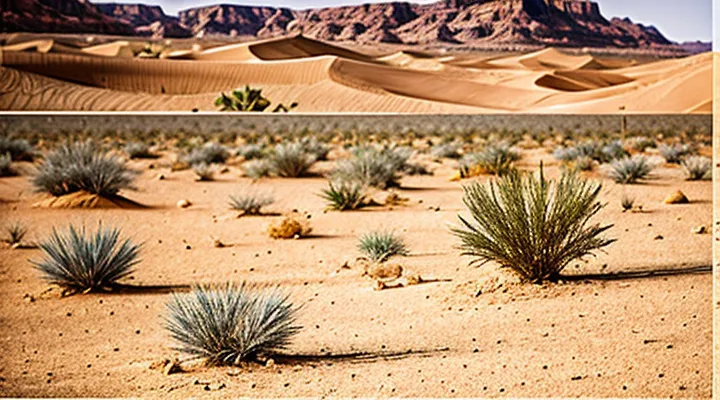
Adaptations to Extreme Environments
Physiological Mechanisms
Physiological mechanisms enabling survival in dry ecosystems involve precise regulation of water, temperature, and energy.
- Efficient renal concentration: nephrons reabsorb water, producing urine with high solute density, minimizing fluid loss.
- Counter‑current heat exchange: vascular networks in extremities transfer heat to core circulation, reducing peripheral temperature and conserving body heat.
- Evaporative cooling control: sweat glands modulate secretion rates, balancing heat dissipation against water expenditure.
- Metabolic water production: oxidation of fatty acids generates internal water, supplementing external intake during prolonged scarcity.
- Osmolyte accumulation: cells increase intracellular concentrations of compatible solutes (e.g., taurine, betaine) to maintain volume and protein stability under hyperosmotic stress.
Thermoregulatory strategies complement these mechanisms. Peripheral vasoconstriction limits heat influx, while nocturnal activity shifts energetic demands to cooler periods, decreasing reliance on evaporative cooling. Hormonal regulation, primarily via antidiuretic hormone and aldosterone, fine‑tunes kidney function and electrolyte balance, ensuring plasma osmolality remains within survivable limits.
Collectively, these adaptations form an integrated physiological network that permits organisms to endure extreme dehydration, high ambient temperatures, and limited food resources characteristic of arid regions.
Behavioral Strategies
Small mammals inhabiting arid zones adopt a suite of behavioral adaptations that mitigate extreme temperature fluctuations, scarce water, and limited food resources. These adaptations enable individuals to maintain physiological homeostasis while exploiting transient resources.
- «Thermoregulation» through activity timing: nocturnal foraging reduces exposure to peak daytime heat; dawn and dusk periods provide moderate temperatures for limited daytime movement.
- «Burrowing» creates microclimates with stable humidity and temperature, shielding occupants from solar radiation and predation.
- «Water conservation» achieved by selective feeding on succulent plants and seeds, coupled with metabolic water production from protein catabolism.
- «Food caching» involves storing seeds and insects in underground chambers, ensuring supply during prolonged droughts.
- «Social cooperation» manifests as communal burrow systems, allowing shared thermoregulatory benefits and coordinated vigilance against predators.
Behavioral flexibility extends to opportunistic migration toward temporary water sources after rare rainfall events, followed by rapid return to established territories. This pattern balances resource acquisition with the costs of habitat displacement.
Collectively, these strategies constitute an integrated response to the challenges of desert living, illustrating how behavioral plasticity underpins survival in environments characterized by chronic resource scarcity.
Diverse Species of Desert Rodents
North American Deserts
North American deserts occupy a narrow belt extending from the southwestern United States into northern Mexico. Climate is defined by low annual precipitation, high temperature variability, and intense solar radiation. Soils are typically coarse, with limited organic matter and high mineral content.
Key desert systems include:
- Mojave Desert, covering southeastern California and parts of Nevada, Arizona, and Utah.
- Sonoran Desert, spanning Arizona, California, and the Mexican states of Sonora and Baja California.
- Chihuahuan Desert, extending across western Texas, southern New Mexico, and central Mexico.
- Great Basin Desert, situated in Nevada, Utah, and portions of Oregon and Idaho.
Vegetation adapts through xerophytic traits: reduced leaf surface, thick cuticles, and deep root systems. Dominant plant groups comprise creosote bush, saguaro cactus, and various sagebrush species. Faunal assemblages feature nocturnal mammals such as kangaroo rats, reptilian predators like sidewinder rattlesnakes, and avian scavengers including roadrunners.
Human presence concentrates around water sources: oasis settlements, agricultural valleys, and mining districts. Infrastructure relies on groundwater extraction, rain‑water capture, and imported supplies. Indigenous cultures historically employed seasonal migration and resource‑conserving techniques.
Conservation pressures arise from urban expansion, off‑road recreation, and climate‑induced drought intensification. Protective measures involve federal wilderness designations, habitat restoration projects, and regulated water use policies. Continuous monitoring of species distribution and precipitation trends supports adaptive management across the desert landscape.
African Deserts
African deserts present extreme temperature fluctuations, minimal precipitation, and expansive sandy or rocky substrates. These conditions shape the distribution of vegetation, limit water availability, and dictate the survival strategies of resident species.
Mammalian inhabitants exhibit physiological and behavioral adaptations that enable persistence in aridity. Traits include concentrated urine, nocturnal activity, and burrowing to escape daytime heat. Species such as the desert gerbil, the sand fox, and the African rock hyrax exemplify these adaptations.
Key African deserts and their distinguishing features:
- Sahara: largest hot desert, dunes reaching 180 m, sparse xerophytic shrubs, occasional oasis ecosystems.
- Namib: coastal fog-driven moisture, gravel plains, endemic beetles that harvest fog droplets.
- Kalahari: semi‑arid savanna, deep sandy soils, grasses supporting large herbivore migrations.
Human activities—overgrazing, mining, and climate‑induced desertification—alter habitat integrity. Conservation measures focus on protected areas, sustainable land‑use policies, and monitoring of species populations to maintain ecological balance.
Asian Deserts
Asian deserts occupy a substantial portion of the continent’s arid belt, extending from the Arabian Peninsula to the interior of Central Asia. Their formation results from persistent high-pressure systems, limited precipitation, and pronounced temperature fluctuations, which together create environments where vegetation is sparse and soil stability depends on occasional moisture events.
Key characteristics of these deserts include:
- Extreme thermal ranges: daytime temperatures can exceed 45 °C, while night‑time lows often drop below 0 °C.
- Low annual rainfall: most regions receive less than 150 mm per year, with some basins measuring under 20 mm.
- Saline and alkaline soils: high evaporation rates concentrate salts, influencing plant community composition.
Adaptations among resident fauna reflect the harsh conditions. Small mammals such as jerboas employ rapid, bipedal locomotion to minimize contact with hot surfaces. Reptiles, including sand vipers, possess heat‑sensing pits that detect prey beneath the shifting substrate. Invertebrates like desert beetles harvest moisture from fog using specialized elytral structures, sustaining activity during brief periods of humidity.
Human settlements historically clustered around oasis systems, where groundwater emerges near surface layers. Traditional irrigation techniques—qanats and karez—channel subterranean flow to agricultural plots, supporting crops such as dates, figs, and barley. Contemporary water‑management projects emphasize recharge monitoring and the mitigation of over‑extraction, aiming to preserve the delicate balance between desert ecosystems and the communities that depend on them.
Ecological Roles and Interactions
Food Web Dynamics
Desert ecosystems sustain a compact food web in which primary production is limited by scarce precipitation and extreme temperatures. Xerophytic plants, such as drought‑tolerant grasses and shrubs, convert solar energy into biomass, providing the basal resource for herbivores.
Rodent species adapted to arid habitats occupy the primary consumer tier. Their foraging on seeds, leaves, and insects transfers energy upward and influences plant community composition through selective grazing and seed predation. In turn, these mammals support secondary consumers, including snakes, raptors, and small carnivorous mammals, which rely on rodents as a consistent prey source.
Trophic interactions exhibit pronounced feedback mechanisms:
- High rodent density reduces seed banks, curbing vegetation regeneration and potentially limiting future food availability.
- Predator pressure regulates rodent populations, preventing overexploitation of plant resources and maintaining ecosystem stability.
- Seasonal fluctuations in rainfall trigger bursts of primary productivity, temporarily boosting herbivore numbers and subsequently supporting predator recruitment.
Climate variability imposes additional constraints. Prolonged droughts diminish plant growth, compressing the entire food chain and elevating competition among consumers. Conversely, episodic rain events stimulate rapid plant growth, leading to short‑term increases in herbivore and predator abundance.
Human activities, such as land conversion and water extraction, alter the natural balance by fragmenting habitats and reducing resource inputs. These disturbances can disrupt established trophic pathways, leading to reduced biodiversity and compromised ecosystem resilience.
Habitat Modification
Desert rodents actively reshape arid ecosystems through a range of physical and biological processes. Their activities generate microhabitats that differ markedly from surrounding terrain, influencing moisture retention, temperature regulation, and nutrient cycling.
Key natural modifications include:
- Burrow construction that aerates soil, enhances water infiltration, and creates refuge spaces for other organisms.
- Soil displacement during excavation, which mixes organic matter and promotes seed germination.
- Seed caching and selective foraging, which alter plant community composition and distribution.
- Excrement deposition that enriches localized nutrient pools, supporting microbial activity.
These alterations affect vegetation patterns by creating patches of higher productivity, facilitating the establishment of pioneer species, and providing shelter for seedlings. Predator–prey interactions adjust accordingly, as burrows serve both as hunting grounds for predators and as safe havens for prey.
Human activities further modify habitats in arid zones. Agricultural expansion, irrigation projects, and infrastructure development convert native substrate into cultivated land, reducing the availability of suitable burrowing sites. Climate variability intensifies soil desiccation, limiting the depth and stability of underground chambers. Conservation measures that preserve natural ground cover and limit disturbance sustain the functional role of desert rodents in ecosystem engineering.
Predator-Prey Relationships
Desert environments host tightly coupled predator–prey systems in which small nocturnal rodents dominate the prey base. Limited water and extreme temperatures constrain activity periods, concentrating hunting and foraging to dawn and dusk. Consequently, predator efficiency depends on temporal overlap and sensory adaptations.
-
Primary predators: • Barn owls (Tyto alba) – silent flight, acute hearing, nocturnal hunting. • Side‑winder snakes (Crotalus cerastes) – heat‑sensing pits, ambush tactics. • Fennec foxes (Vulpes zerda) – large ears for thermoregulation and sound detection, daytime burrow hunting. • Caracaras (Phalcoboenus spp.) – aerial surveillance, opportunistic scavenging.
-
Key prey adaptations: • Burrow construction – reduces exposure, provides thermal refuge. • Saltatory locomotion – rapid, erratic jumps evade capture. • Water‑conserving metabolism – minimizes need to surface, lowering predator encounter risk. • Cryptic coloration – blends with sand and rock, decreasing visual detection.
Predator–prey dynamics shape community structure by regulating rodent population density, which in turn influences seed dispersal and vegetation cover. High predation pressure favors individuals with enhanced escape responses, driving evolutionary refinement of locomotor and sensory traits. Conversely, predator abundance fluctuates with prey availability, creating feedback loops that stabilize the arid ecosystem.
Conservation Challenges
Habitat Loss and Fragmentation
Habitat loss and fragmentation represent primary threats to rodent populations inhabiting arid ecosystems. Expansion of agricultural fields, mining operations, and infrastructure projects converts native desert terrain into unsuitable surfaces, reducing the area available for foraging, nesting, and shelter. When remaining patches become isolated, gene flow between colonies diminishes, increasing the risk of inbreeding depression and local extinctions.
Key mechanisms driving degradation include:
- Conversion of shrubland to cultivated plots, which eliminates protective vegetation.
- Extraction of groundwater, leading to desertification and loss of moisture‑dependent microhabitats.
- Construction of roads and pipelines that bisect territories, creating barriers to movement.
- Overgrazing by livestock, which compacts soil and diminishes seed banks essential for rodent diets.
Consequences for desert‑dwelling rodents manifest as lower population densities, altered activity patterns, and heightened exposure to predators. Fragmented habitats force individuals to travel longer distances between resource patches, raising energetic costs and mortality rates. Reduced connectivity also impedes recolonization of vacant sites after stochastic events such as droughts or fire.
Mitigation strategies focus on preserving contiguous habitat blocks and restoring linkages between isolated fragments. Establishing protected corridors along natural topographic features facilitates dispersal and maintains genetic diversity. Implementing land‑use planning that limits expansion into critical desert zones, coupled with sustainable water management, curtails further habitat conversion. Monitoring programs that track population trends and habitat quality provide data for adaptive management, ensuring that conservation actions remain effective under changing climatic conditions.
Climate Change Impacts
Climate change intensifies temperature extremes across arid habitats, directly affecting the physiological tolerance of small mammals adapted to desert conditions. Elevated daytime heat forces nocturnal activity patterns to shift, reducing foraging windows and increasing exposure to predators. Diminished water availability accelerates dehydration risk, compelling individuals to travel longer distances in search of scarce moisture sources.
Altered precipitation regimes disrupt vegetation dynamics, compromising the primary food base for herbivorous desert rodents. Reduced plant cover amplifies soil erosion, degrading burrow stability and exposing occupants to extreme surface temperatures. Shifts in insect populations, a secondary food source, further constrain nutritional intake during breeding seasons.
Key impacts include:
- Increased mortality rates linked to heat‑stress events.
- Decreased reproductive success owing to limited water and food resources.
- Habitat fragmentation caused by desertification and loss of vegetative corridors.
- Expansion of disease vectors as warmer conditions favor pathogen development.
Adaptive responses observed in desert‑dwelling species involve morphological adjustments such as larger ear surfaces for heat dissipation, behavioral changes toward deeper burrow construction, and altered activity timing to exploit cooler periods. Long‑term population viability hinges on the capacity of these organisms to accommodate rapid environmental transformations driven by global climate trends.
Human Disturbances
Human activities increasingly modify arid ecosystems, altering the physical and biological integrity of desert habitats. Infrastructure development, mineral extraction, and recreational pursuits introduce direct and indirect pressures that accelerate degradation of fragile landscapes. These pressures manifest through soil compaction, surface disturbance, and disruption of native vegetation patterns.
Key categories of anthropogenic impact include:
- Urban and agricultural expansion that converts native dunes and scrub into impervious surfaces, reducing infiltration and increasing runoff;
- Mining operations that generate waste rock piles, introduce contaminants, and create permanent scars on the terrain;
- Off‑road vehicle traffic that fractures crusts, exposes fine sediments, and facilitates invasive species establishment;
- Tourism infrastructure such as roads, lodges, and trails that fragment habitats and increase human presence.
Consequences extend beyond immediate physical alteration. Water extraction lowers groundwater tables, limiting availability for endemic flora and fauna. Habitat fragmentation isolates populations, diminishing genetic exchange and elevating extinction risk. Introduced species often outcompete natives, reshaping community composition and ecosystem function. Effective management requires monitoring disturbance intensity, enforcing land‑use regulations, and restoring impacted sites to sustain ecological resilience in the desert environment.
Research and Future Perspectives
Study Methods
Effective learning in harsh, dry climates requires techniques that counteract extreme heat, limited water, and sparse infrastructure. Structured planning, environmental adaptation, and resource management form the core of a reliable approach.
Key practices include:
- Scheduled sessions aligned with cooler periods – early mornings or evenings reduce physiological stress and improve concentration.
- Portable, low‑power study devices – solar‑charged tablets or e‑readers eliminate reliance on unstable electricity supplies.
- Compact, modular notes – bullet‑point outlines and visual schematics occupy minimal space and facilitate rapid review.
- Environmental cue association – linking concepts to distinctive desert features (sand dunes, oasis flora) strengthens memory through contextual anchoring.
- Hydration‑linked breaks – timed water intake supports cognitive function and prevents dehydration‑induced fatigue.
- Peer‑exchange networks – small, rotating study groups share resources, verify data, and maintain motivation despite isolation.
Implementing these methods enhances retention, reduces fatigue, and ensures consistent progress for individuals conducting research or training in arid regions.
Emerging Threats
Desert-adapted rodents confront a rapidly changing risk landscape that undermines long‑term survival. Climate extremes intensify, water sources become increasingly sporadic, and human activities encroach on traditional burrow networks.
- Escalating temperature variability drives metabolic stress, reducing reproductive output.
- Expansion of agricultural frontiers fragments habitat, limiting foraging corridors and increasing exposure to predators.
- Invasive species, such as feral cats and competitive rodents, introduce novel predation pressures and resource competition.
- Mining operations generate dust and chemical runoff, contaminating soil and degrading burrow integrity.
- Emerging pathogens, often transmitted by arthropod vectors thriving in altered microclimates, cause sudden mortality spikes.
These pressures converge to diminish population resilience, accelerate range contraction, and elevate extinction risk. Mitigation strategies include establishing protected corridors, monitoring disease prevalence, regulating land‑use changes, and implementing targeted predator control programs. Continuous data collection and adaptive management are essential to counteract the evolving threat matrix.
Conservation Initiatives
Conservation initiatives targeting species that thrive in dry ecosystems focus on habitat preservation, sustainable resource use, and scientific monitoring. Protected reserves established across semi‑arid zones safeguard critical nesting and foraging sites, limiting encroachment from agriculture and infrastructure development. Community‑based programs collaborate with local residents to promote land‑management practices that reduce soil erosion and maintain native vegetation, thereby supporting the food chain that sustains small mammalian populations.
Key actions include:
- Designation of wildlife corridors that connect isolated habitats, facilitating genetic exchange and population stability.
- Implementation of water‑conservation projects, such as rain‑water harvesting and artificial oasis creation, to mitigate drought‑induced scarcity.
- Deployment of remote‑sensing technology for real‑time tracking of population dynamics and habitat health.
- Support for captive‑breeding facilities that provide a genetic reservoir and enable reintroduction efforts in degraded areas.
- Enforcement of anti‑poaching legislation combined with patrol units trained to identify and intercept illegal trapping activities.
Research collaborations between universities and conservation NGOs generate data on species’ physiological adaptations to extreme temperatures, informing climate‑resilience strategies. Educational campaigns raise public awareness of the ecological importance of these desert‑adapted mammals, encouraging support for policy measures that protect their fragile environments.