
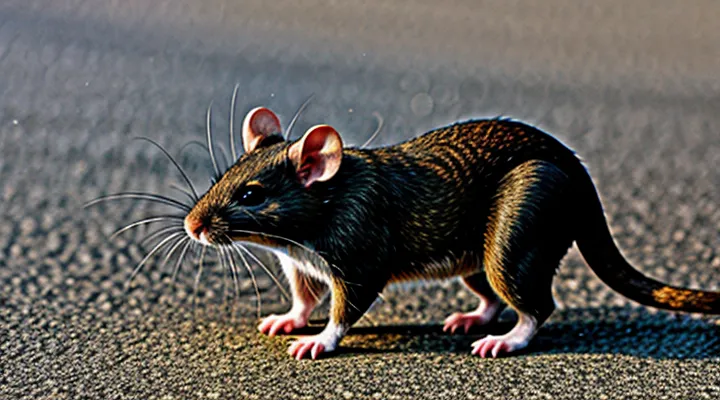
«Understanding the Rex Rat Breed»
«Origins and History»
«Development of the Rex Trait»
The Rex coat in decorative rats originated from a spontaneous mutation that altered hair follicle structure, producing a short, velvety texture. Early breeders identified the trait through visual inspection of litters, then isolated affected individuals for controlled matings. By selecting only Rex‑phenotype offspring, they increased the allele frequency from a rare occurrence to a stable presence within the population.
Key steps in the development process include:
- Initial discovery of the mutation in a single breeding pair.
- Verification of heritability through successive generations.
- Implementation of selective breeding protocols to avoid inbreeding depression.
- Introduction of the trait into diverse color lines via crossbreeding.
- Establishment of a standardized breeding registry to track lineage and phenotype consistency.
Modern breeding programs maintain the Rex characteristic by monitoring genetic markers associated with the mutation and applying rigorous health screening to ensure that the coat trait does not compromise overall vitality.
«Early Recognition and Breeding»
Early recognition of the Rex ornamental rat’s distinguishing features begins with systematic observation of coat texture, coloration, and body conformation. Breeders assess newborn litters for the characteristic plush fur, which results from a mutation affecting hair curvature. The presence of a dense, velvety coat, uniform pigmentation, and a compact, muscular frame indicates alignment with breed standards. Documentation of each pup’s phenotype, supported by high‑resolution photographs, provides a reference for future selection cycles.
Effective breeding programs rely on precise pairing strategies that reinforce desired traits while minimizing genetic defects. Key practices include:
- Pedigree analysis – trace ancestry to avoid close inbreeding and to preserve heterozygosity.
- Trait scoring – assign numerical values to coat quality, color intensity, and structural attributes for objective comparison.
- Health screening – conduct routine examinations for common issues such as respiratory infections and dental malocclusion before initiating mating.
- Controlled environment – maintain consistent temperature, humidity, and enrichment to reduce stress‑induced phenotypic variation.
Selection of breeding stock prioritizes individuals with the highest composite scores across the evaluated categories. Once a pair is chosen, timed mating ensures optimal fertility, and gestation monitoring allows early detection of complications. Post‑natal care focuses on nutrition rich in protein and essential fatty acids, supporting the development of the signature fur texture.
Record‑keeping remains essential throughout the process. Detailed logs of mating dates, litter outcomes, phenotype measurements, and health interventions create a data set that informs subsequent breeding decisions. Over successive generations, this systematic approach refines the breed’s hallmark characteristics, stabilizing the ornamental rat’s unique appearance and temperament.
«Physical Characteristics of the Rex Rat»
«Coat Type and Texture»
«Description of the Rex Coat»
The Rex coat is defined by a short, plush texture that lacks the typical guard hairs found in standard rat fur. Each hair terminates in a soft, rounded tip, creating a velvety surface that feels uniform to the touch. The coat’s density is moderate; it provides adequate insulation without excessive bulk, allowing the animal to maintain a stable body temperature while remaining comfortable in typical indoor environments.
Key attributes of the Rex coat include:
- Hair structure: Curly or wavy shafts with a fine, down‑like quality.
- Length: Uniformly short, usually ranging from 2 mm to 5 mm across the body.
- Coloration: Accepts the full spectrum of recognized rat colors; pigment distribution is unaffected by the coat type.
- Shedding: Minimal, owing to the reduced length and absence of coarse guard hairs.
- Maintenance: Requires regular gentle brushing to prevent matting; bathing should be limited to avoid skin irritation.
Genetically, the Rex phenotype results from a recessive mutation that alters hair follicle development, producing the distinctive texture. Breeders confirm the trait through pedigree analysis and, when necessary, DNA testing to ensure the presence of the responsible allele. The coat’s consistency is a standard criterion in breed evaluation, influencing both aesthetic judgment and health assessments.
«Variations in Curliness»
Variations in curliness among decorative Rex rats present distinct phenotypic categories that influence appearance, grooming requirements, and health monitoring. Curl patterns arise from mutations affecting hair follicle structure, resulting in measurable differences in coil tightness, density, and texture.
- Tight coils: hair forms compact spirals with a diameter of less than 2 mm; requires daily brushing to prevent matting; prone to localized skin irritation if debris accumulates.
- Loose curls: coils measure 2–5 mm in diameter; grooming frequency can be reduced to every other day; skin health remains stable with regular inspection.
- Wavy hair: hair exhibits gentle undulations rather than full spirals; grooming needs are minimal; minimal risk of hair-related dermatological issues.
- Mixed patterns: individuals display a combination of tight and loose sections; grooming strategy must adapt to each region; monitoring for uneven coat wear is essential.
Genetic testing identifies allelic variations responsible for each curl type, enabling breeders to predict offspring coat characteristics. Nutrition impacts hair quality; balanced protein intake supports robust curl formation, while deficiencies may lead to brittle strands. Regular veterinary examinations focus on coat condition, confirming that curl variations do not compromise overall health.
«Body Structure and Size»
«General Build»
The decorative Rat Rex exhibits a compact, muscular frame optimized for ornamental display. Adult individuals typically measure 4–6 inches (10–15 cm) in body length, excluding the tail, and weigh between 120–180 g, reflecting a dense, sturdy constitution. The skull is broad with a flattened profile, supporting a short, broad muzzle that enhances facial prominence. Musculature is well‑defined across the shoulders and hindquarters, providing a balanced stance and facilitating controlled movement during exhibition.
Key physical attributes include:
- Coat: Short, plush fur covering the entire body, with a uniform texture that accentuates the animal’s shape.
- Tail: Short, tapered, and proportionally aligned with the body, contributing to overall symmetry.
- Limbs: Short, sturdy legs with slightly rounded paws, allowing stable footing and graceful posture.
- Eyes: Large, forward‑facing eyes set wide apart, giving a distinctive, expressive appearance.
These characteristics collectively define the general build of the decorative Rat Rex, ensuring a visually appealing silhouette suited for show environments.
«Typical Weight and Length»
The decorative Rex rat displays a compact body size that distinguishes it from standard laboratory strains. Adult weight generally falls within a narrow interval, reflecting selective breeding for uniformity.
- Males: 250–300 g
- Females: 230–280 g
Overall body length, measured from nose to base of the tail, also remains consistent across the breed.
- Males: 18–20 cm
- Females: 17–19 cm
Tail length contributes an additional 8–10 cm, resulting in a total length of approximately 26–30 cm for fully mature individuals. These dimensions support the breed’s ornamental purpose while maintaining manageable handling characteristics.
«Head and Facial Features»
«Ear Placement and Shape»
Ear placement on the Decorative Rat Rex is consistently high on the skull, aligning with the top of the eyes. This positioning contributes to the breed’s distinctive silhouette and affects balance during movement.
The shape of the ears is uniformly rounded, with a smooth curvature that tapers gently toward the tip. The rim remains soft, lacking the pronounced cartilage edges seen in other rat varieties.
Key characteristics:
- Location: apex of the head, directly above the auditory canal.
- Form: circular outline, diameter proportional to head width (approximately 1.2 – 1.5 cm in mature specimens).
- Thickness: thin skin covering, minimal subdermal tissue, facilitating easy grooming.
- Genetic marker: recessive allele linked to the Rex coat also influences ear morphology, ensuring consistency across litters.
- Health considerations: high placement reduces susceptibility to trauma from environmental obstacles; rounded shape minimizes ear canal blockage, lowering infection risk.
Proper care includes regular inspection for debris, gentle cleaning of the inner surface, and avoidance of excessive pressure when handling to protect the delicate cartilage.
«Eye Characteristics»
The Decorative Rat Rex displays distinct ocular traits that differentiate it from other ornamental rodent breeds. Eye size is proportionally large relative to head length, providing a wide field of vision essential for navigating complex enclosures. The corneal surface exhibits a smooth, glossy finish, reflecting the breed’s dense, curly coat and aiding in light diffusion.
Key eye characteristics include:
- Color palette: Predominantly deep black or rich amber; occasional blue or hazel variants appear in genetically mixed lines. Pigmentation remains uniform across the iris, without speckling.
- Shape: Rounded contours with a slight upward tilt, creating a naturally alert expression. The eyelid margin aligns flush with the surrounding fur, minimizing debris accumulation.
- Vision capacity: High sensitivity to motion, moderate acuity for close-range detail. Low susceptibility to photic stress due to a well‑developed pupillary reflex.
- Health considerations: Prone to cataract formation in individuals older than two years; routine ophthalmic examinations recommended. Tear duct blockage may occur if facial grooming is neglected, leading to epiphora.
Maintaining optimal eye health involves regular cleaning of the peri‑ocular area, balanced lighting to prevent excessive glare, and periodic veterinary assessments focused on lens transparency and tear production.
«Whiskers and Their Unique Appearance»
The decorative Rat Rex exhibits whiskers that differ markedly from those of standard laboratory or pet rats. Each whisker, or vibrissa, emerges from a specialized follicle, producing a robust, tapered shaft that measures up to 5 cm in length. The shafts display a dense, wiry texture, a direct result of the breed’s characteristic coarse coat. Pigmentation varies from pure white to deep sable, often matching the animal’s overall coat hue, providing a uniform visual impression.
Key visual traits of Rat Rex whiskers include:
- Thickness: Approximately 0.3 mm in diameter, exceeding the average rat whisker by 40 %.
- Curvature: Slightly arced, facilitating tactile navigation across textured surfaces.
- Arrangement: Organized in three symmetrical rows per side, with inter‑row spacing of 2–3 mm, creating a balanced facial lattice.
- Sheen: A subtle iridescent sheen caused by the cuticular microstructure, enhancing visibility under low‑light conditions.
These attributes contribute to the breed’s ornamental appeal and support precise environmental sensing, reinforcing the Rat Rex’s reputation as a visually distinctive and functionally adept specimen.
«Temperament and Behavior»
«Social Nature»
«Interaction with Humans»
The decorative Rat Rex breed exhibits a distinct pattern of behavior toward people that influences care requirements and suitability as a companion animal.
- Calm disposition: individuals tend to remain relaxed during routine handling, reducing stress for both animal and caretaker.
- Social receptivity: early exposure to varied human voices and gentle touch fosters trust, allowing the rat to approach without hesitation.
- Limited aggression: confrontational responses are rare; defensive bites occur only when the animal perceives immediate threat.
- Adaptive learning: the breed quickly associates consistent cues with food rewards, enabling basic trick training and enclosure navigation.
Interaction guidelines for owners:
- Initiate contact with slow hand movements; avoid sudden gestures that may trigger startle reflexes.
- Offer treats from the palm to reinforce positive association; limit frequency to prevent obesity.
- Provide daily short sessions of supervised handling; extend duration as confidence increases.
- Monitor vocalizations and body language—raised fur, flattened ears, or high‑pitched squeaks signal discomfort.
- Maintain a stable environment; frequent changes in caretakers or habitat layout can disrupt the rat’s sense of security.
Health implications linked to human interaction include reduced incidence of stress‑related ailments, such as gastrointestinal upset, when the animal experiences consistent, gentle contact. Conversely, improper handling—excessive squeezing or rough gripping—raises the risk of limb injury and heightened cortisol levels.
Overall, the decorative Rat Rex responds best to predictable, low‑stress engagement. Structured interaction supports both behavioral stability and physiological well‑being, confirming the breed’s reputation as a manageable and affectionate pet.
«Compatibility with Other Rats»
The Decorative Rat Rex displays a social disposition that generally permits cohabitation with other rat varieties, provided that integration follows a structured protocol. Successful pairing depends on age, sex, and temperament; younger, neutered individuals adapt more readily, while dominant males may exhibit territorial aggression toward unfamiliar conspecifics.
Key factors influencing compatibility:
- Gradual introduction – place the newcomer in a neutral enclosure for several days, allowing scent exchange through a perforated barrier before direct contact.
- Group composition – maintain a balanced sex ratio and avoid overcrowding; a maximum of four to five rats per 2 sq ft of floor space reduces stress.
- Health screening – confirm that all participants are free of respiratory infections and ectoparasites; quarantine new arrivals for at least two weeks.
- Behavioral monitoring – observe interactions for signs of bullying, such as persistent chasing or denial of food; intervene promptly by separating aggressive individuals.
- Environmental enrichment – provide multiple nesting sites, climbing structures, and chew objects to diffuse competition for resources.
When these conditions are met, the Decorative Rat Rex integrates smoothly with standard laboratory or pet rat strains, forming stable social groups that exhibit typical communal grooming and play behaviors. Inadequate preparation—particularly neglecting quarantine or introducing multiple untested males—frequently results in injuries and heightened cortisol levels, compromising overall welfare.
«Activity Levels»
«Playfulness and Exploration»
The Decorative Rat Rex displays a high level of curiosity, driving frequent interaction with new objects and environments. This innate inquisitiveness encourages owners to provide varied enrichment, such as tunnels, climbing structures, and puzzle feeders, which sustain mental stimulation and prevent stagnation.
Playful behavior manifests in rapid, agile movements and frequent social gestures, including gentle nudges and chirping sounds. Typical activities include:
- Rapid darting between objects, indicating confidence in navigating complex layouts.
- Manipulating small toys with forepaws, demonstrating fine‑motor coordination.
- Engaging in brief bouts of chase with cage mates, reflecting social competitiveness.
Exploratory tendencies extend beyond the enclosure when supervised. Controlled exposure to safe outdoor spaces or supervised handling sessions strengthens trust and reinforces adaptive problem‑solving skills. Consistent provision of novel stimuli maintains the breed’s enthusiasm for discovery while supporting overall well‑being.
«Need for Enrichment»
The ornamental Rex rat demands regular mental and physical stimulation to maintain optimal health. Without adequate enrichment, individuals exhibit heightened stress, repetitive pacing, and increased susceptibility to immunological disorders.
Effective enrichment strategies fall into four categories:
- Environmental complexity – multi‑level cages, tunnels, and climbing structures that encourage exploration.
- Social interaction – stable group composition or supervised play sessions with compatible conspecifics.
- Foraging challenges – puzzle feeders, hidden treats, and substrate digging opportunities that promote natural search behavior.
- Sensory variety – novel textures, safe aromatic stimuli, and varied lighting conditions to engage tactile and olfactory senses.
Implementation guidelines include daily rotation of items, weekly introduction of novel objects, and continuous observation to adjust stimuli based on individual response. Record‑keeping of behavior patterns assists in identifying preferences and early signs of distress.
Consistent, varied enrichment is essential for preserving the breed’s characteristic temperament and preventing welfare decline.
«Care and Maintenance»
«Grooming Requirements»
«Brushing and Bathing»
Brushing the decorative Rex rat requires a soft, natural‑bristle brush. Begin with gentle strokes along the back, moving toward the tail to remove loose fur and prevent matting. A second, finer brush can be used on the neck and shoulder area where the hair is denser. Perform the session once or twice weekly, adjusting frequency according to the animal’s coat condition.
Bathing should be limited to occasions when the coat becomes visibly soiled or emits an odor. Use lukewarm water and a mild, rodent‑safe shampoo; avoid harsh detergents that can strip natural oils. Wet the animal carefully, applying shampoo with a fingertip massage, then rinse thoroughly to eliminate residue. After washing, pat the coat dry with a soft towel and place the rat in a warm, draft‑free environment until completely dry. Do not use hair dryers, as high heat may damage the delicate fur.
Key care points:
- Brush gently, never pull on tangles.
- Use a brush with flexible bristles to respect the fine texture of the coat.
- Limit baths to prevent over‑drying of skin.
- Choose a shampoo formulated for small mammals; rinse until water runs clear.
- Ensure the animal is warm and comfortable during drying.
«Special Considerations for Rex Coats»
The Rex coat of decorative rats presents unique maintenance demands that differ from standard fur types. Its plush, curly texture retains debris, moisture, and parasites more readily, requiring targeted care strategies.
- Grooming frequency: brush gently with a soft‑toothed comb twice weekly to eliminate tangles and prevent matting.
- Bathing protocol: limit full‑body baths to once monthly; use lukewarm water and a mild, rodent‑safe shampoo, rinsing thoroughly to avoid residue buildup.
- Moisture control: keep enclosure humidity between 40‑50 % to reduce coat dampness and discourage fungal growth.
- Nutrition: supplement diet with omega‑3 fatty acids (e.g., fish oil or flaxseed) to enhance hair elasticity and sheen.
- Health monitoring: inspect skin weekly for redness, alopecia, or parasites; intervene promptly with appropriate veterinary treatment.
Environmental enrichment, such as textured nesting material, supports natural grooming behavior while minimizing coat damage. Consistent application of these measures sustains the distinctive appearance and health of Rex‑coated decorative rats.
«Health Considerations»
«Common Health Issues in Rex Rats»
Rex rats, prized for their plush, curly coat, are prone to several health conditions that owners should monitor closely.
Respiratory infections frequently affect this breed due to the dense fur trapping moisture and debris. Symptoms include sneezing, nasal discharge, and labored breathing. Prompt veterinary assessment and humidified environments reduce severity.
Dental problems arise from continuous incisor growth. Overgrown teeth can cause malocclusion, weight loss, and oral ulcers. Regular inspection and provision of appropriate chewing materials help maintain proper wear.
Skin disorders, particularly fungal infections such as ringworm, appear more often in Rex rats because their coat hinders airflow. Visible patches, hair loss, and itching signal the issue; antifungal treatment and strict hygiene are essential.
Gastrointestinal disturbances, including diarrhea and constipation, may result from dietary imbalances or stress. High‑fiber, low‑sugar diets and consistent feeding schedules support digestive health.
Tumors, especially mammary adenomas, develop with greater frequency in older individuals. Palpable masses require immediate veterinary evaluation; early surgical removal improves prognosis.
Routine health management for Rex rats includes:
- Daily coat inspection for signs of irritation or parasites.
- Weekly weight monitoring to detect sudden changes.
- Quarterly veterinary check‑ups with emphasis on dental and respiratory assessment.
Awareness of these common ailments enables timely intervention, preserving the breed’s distinctive appearance and overall wellbeing.
«Preventive Care»
Preventive care for the decorative Rex rat focuses on routine health monitoring, environmental management, and targeted interventions to reduce disease risk.
Regular veterinary examinations every three to four months allow early detection of respiratory issues, skin conditions, and dental abnormalities common in this breed. During each visit, the veterinarian should assess weight, coat condition, eye clarity, and ear health, and perform a quick physical exam to identify any signs of infection or injury.
Key preventive actions include:
- Nutrition: Provide a balanced diet of high‑quality rodent pellets supplemented with fresh vegetables and limited treats. Monitor portion sizes to prevent obesity, a factor that exacerbates joint and heart problems.
- Grooming: Brush the soft, dense coat weekly to remove loose hair and prevent matting, which can hide skin lesions. Trim nails regularly to avoid overgrowth and associated foot injuries.
- Housing: Keep the enclosure clean, dry, and well‑ventilated. Replace bedding weekly and sanitize food dishes and water bottles to limit bacterial growth.
- Parasite control: Apply a veterinarian‑approved ectoparasite treatment quarterly; conduct fecal examinations semi‑annually to detect internal parasites.
- Vaccination and prophylaxis: Follow local guidelines for vaccinations against common rodent pathogens, and administer prophylactic antibiotics only when prescribed for specific risk factors.
- Exercise: Offer safe climbing structures and tunnels to encourage activity, supporting musculoskeletal health and mental stimulation.
Monitoring the animal’s behavior and appearance daily enables owners to notice deviations such as reduced activity, loss of appetite, or coat discoloration, prompting timely veterinary consultation. Consistent implementation of these measures sustains the health and longevity of the ornamental Rex rat.
«Dietary Needs»
«Nutritional Guidelines»
Nutritional guidelines for the decorative Rex rat focus on balanced macro‑ and micronutrient intake, appropriate feeding schedules, and safe food selections.
A diet should consist of 70–80 % high‑quality commercial rodent pellets, providing consistent protein (18–22 % of calories), essential fatty acids, and fortified vitamins. Fresh vegetables such as kale, carrots, and bell pepper may be offered daily, limited to 10 % of total intake to prevent gastrointestinal upset. Fruit portions should remain under 5 % of the diet and be given sparingly because of high sugar content. Protein supplements, including boiled egg white or cooked lean meat, may be introduced twice weekly, not exceeding 2 g per animal.
Water must be available continuously in a clean, leak‑proof bottle; daily replacement ensures freshness and prevents bacterial growth.
Feeding schedule:
- Morning: measured pellet portion plus a small vegetable serving.
- Midday: optional protein supplement, if scheduled.
- Evening: remaining pellet portion and final vegetable serving.
- Night: no feeding; ensure water remains accessible.
Monitor body condition weekly; adjust portions to maintain a slender, muscular silhouette without excess fat deposits. Replace any spoiled food immediately to avoid health complications.
«Suitable Foods and Treats»
The decorative rat rex requires a diet that supports its distinctive coat and active temperament. High‑quality laboratory rodent pellets form the nutritional foundation, providing balanced protein, fat, fiber, and essential vitamins. Fresh water must be available at all times.
Supplementary foods should be introduced gradually and offered in limited quantities:
- Fresh vegetables: kale, carrots, broccoli, and bell peppers.
- Fruits: apple slices (seedless), blueberries, and small portions of banana.
- Protein sources: boiled egg white, cooked chicken breast, or mealworms.
Treats designed for small rodents can be used for enrichment and training. Acceptable options include:
- Small pieces of low‑fat cheese.
- Commercial rat treats containing natural ingredients and no added sugars.
- Dried insects, such as crickets, provided in moderation.
Avoid foods high in fat, sugar, or sodium, and exclude toxic items like chocolate, caffeine, raw beans, and citrus peels. Consistent feeding schedules and portion control help maintain optimal weight and coat health.
«Breeding and Genetics»
«Genetic Basis of the Rex Trait»
«Dominant Gene Inheritance»
Dominant gene inheritance determines the expression of key physical and behavioral traits in the decorative Rat Rex breed. A single allele of a dominant gene overrides the recessive counterpart, resulting in visible characteristics such as glossy, curly fur, enhanced coloration patterns, and a robust skeletal structure. Breeders select for these alleles to ensure consistency across litters.
When a dominant allele is present in either parent, offspring will display the associated trait regardless of the second allele’s status. Consequently, the probability of a particular dominant trait appearing in a litter equals the proportion of parents carrying the allele. For example, if one parent is heterozygous (Dd) and the other homozygous recessive (dd), the expected distribution is:
- 50 % dominant phenotype (Dd)
- 50 % recessive phenotype (dd)
If both parents are heterozygous, the Mendelian ratio adjusts to:
- 75 % dominant phenotype (DD or Dd)
- 25 % recessive phenotype (dd)
Dominant traits also influence health parameters. The gene responsible for the characteristic dense coat often correlates with a stronger immune response, reducing susceptibility to common skin infections. However, overexpression may lead to excessive hair growth, requiring regular grooming to prevent matting.
Effective breeding programs track dominant allele frequency through pedigree analysis and genetic testing. Maintaining a balanced allele pool prevents inadvertent fixation of undesirable mutations while preserving the breed’s distinctive aesthetic and temperament.
«Double-Rex Phenotype»
The Double‑Rex phenotype represents the most pronounced expression of the rex coat mutation in decorative Rex rats. Individuals display a uniformly dense, wavy to curly fur that covers the entire body, including whiskers, tail, and hindquarters. The hair length is typically short to medium, with a plush texture that distinguishes these rats from single‑rex or standard‑coat counterparts.
Genetically, the Double‑Rex trait follows an autosomal recessive inheritance pattern. Breeding two heterozygous carriers yields a 25 % probability of producing offspring exhibiting the double‑rex condition, a 50 % chance of carriers, and a 25 % chance of normal‑coat progeny. Homozygous recessive pairs guarantee 100 % Double‑Rex litters.
Key physical characteristics include:
- Uniformly curled coat without patches of straight hair
- Soft, velvety texture observable to the touch
- Slightly rounded body shape, often accompanied by a compact skull
- Dark, expressive eyes that contrast with the light‑colored fur
Health considerations focus on coat maintenance and skin health. The dense fur predisposes Double‑Rex rats to matting; regular grooming, at least twice weekly, prevents tangles and reduces the risk of dermatitis. Moisture retention within the coat may lead to fungal growth if hygiene lapses, therefore enclosure bedding should remain dry and clean.
Reproductive management benefits from selecting genetically verified carriers. DNA testing confirms the presence of the rex allele, enabling precise pairings that maximize the likelihood of Double‑Rex offspring while minimizing unwanted traits. Litters should be monitored for coat development during the first three weeks, as early detection of irregularities guides timely intervention.
Overall, the Double‑Rex phenotype embodies the defining features of the decorative Rex rat breed, offering a distinctive aesthetic combined with specific breeding and care requirements that experienced fanciers must address.
«Ethical Breeding Practices»
«Avoiding Genetic Defects»
The ornamental rat line known for elaborate fur and distinctive coloration carries a heightened risk of hereditary health issues. Effective prevention relies on systematic evaluation and disciplined breeding protocols.
Routine genetic screening of breeding stock identifies carriers of recessive mutations linked to skeletal malformations, respiratory problems, and coat abnormalities. DNA tests, when available, should be performed before any mating decision.
Maintaining genetic diversity reduces the probability of defect expression. Pairings should avoid close relatives; a coefficient of relationship below 12.5 % is advisable. Pedigree analysis tools can verify compliance.
Veterinary oversight is essential. Regular health examinations detect early signs of inherited disorders, enabling prompt intervention and informing future breeding choices.
Record-keeping ensures traceability of traits and health outcomes. Each animal’s lineage, test results, and clinical observations must be logged in a centralized database.
Practical steps for breeders:
- Conduct DNA or phenotype tests on all prospective parents.
- Exclude individuals identified as carriers of serious defects from breeding programs.
- Implement a minimum outcross interval of two generations to distant lines.
- Schedule quarterly veterinary assessments for all breeding pairs.
- Update and audit pedigree records after each litter.
Adhering to these measures minimizes the transmission of genetic flaws, preserves the aesthetic qualities of the breed, and promotes long‑term vitality.
«Responsible Selection»
Responsible selection begins with verifying that prospective breeding animals meet the breed’s physical standards. Evaluators should confirm proper coat texture, symmetrical coloration, and proportionate body size before any mating decision.
Health assessment requires documented veterinary examinations. Breeders must prioritize individuals free from hereditary conditions such as respiratory issues, dental malformations, or skin disorders. Genetic testing for known recessive traits further reduces the risk of propagating defects.
Temperament evaluation involves observing interaction with handlers and conspecifics. Rats that display steady curiosity, minimal aggression, and adaptability to handling are preferred, ensuring offspring inherit stable behavioral profiles.
Record-keeping supports ethical breeding practices. Detailed logs of lineage, health screenings, and previous litters provide transparency and enable traceability.
Key elements of responsible selection:
- Physical conformity to breed standards
- Comprehensive veterinary clearance
- Genetic screening for hereditary issues
- Behavioral stability under routine handling
- Accurate documentation of pedigree and health data
Implementing these criteria safeguards the breed’s integrity, promotes animal welfare, and maintains the aesthetic qualities prized by enthusiasts.