
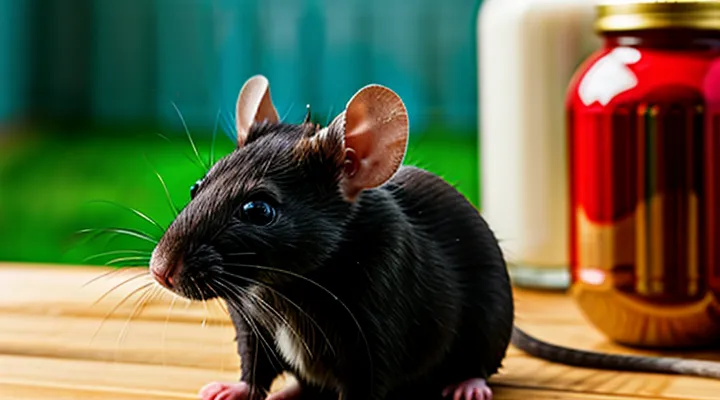
The Importance of a Reputable Decorative Rat Breeder
Understanding Responsible Breeding Practices
Genetic Health Screening
Genetic health screening is essential for anyone seeking a robust ornamental rat. DNA tests identify carriers of hereditary conditions such as pituitary adenomas, renal disease, and respiratory disorders. Early detection enables breeders to remove affected lines from their program, reducing the incidence of illness in future litters.
Key components of an effective screening protocol include:
- Sample collection: buccal swabs or ear punches provide sufficient material for analysis.
- Laboratory selection: choose accredited facilities that employ validated assays for rodent-specific mutations.
- Result interpretation: consult a veterinary geneticist to differentiate between carriers and affected individuals.
- Breeding decisions: exclude carriers from mating pairs or pair them only with clear, non‑carrier partners to prevent homozygous expression.
Maintaining records of each rat’s genetic profile creates a traceable pedigree. When a potential pet is evaluated, request the breeder’s screening documentation and verify that the rat’s lineage is free of known deleterious alleles. This practice safeguards the animal’s long‑term health and supports responsible ornamental rat keeping.
Temperament Assessment
Temperament assessment determines whether a decorative rat will fit the owner’s lifestyle and expectations. A calm, inquisitive, and sociable rat typically adapts well to handling and cohabitation, while an overly timid or aggressive individual may require specialized care.
Key indicators to evaluate include:
- Reaction to gentle touch: approaches hand, accepts petting, or retreats.
- Interaction with conspecifics: participates in group activities, shares nesting space, or displays dominance.
- Response to new environments: explores novel cage sections, investigates objects, or remains hidden.
- Vocalizations: soft chirps and squeaks during positive encounters versus harsh squeals indicating distress.
Observation methods:
- Spend 10‑15 minutes daily handling the rat, noting changes in behavior over several sessions.
- Introduce a neutral object (e.g., a wooden stick) and record the animal’s curiosity or avoidance.
- Place the rat in a temporary enclosure with unfamiliar bedding and monitor exploratory patterns for at least 30 minutes.
Interpretation guidelines:
- Consistent approach behavior, moderate exploration, and low stress vocalizations suggest a well‑balanced temperament suitable for a household pet.
- Persistent avoidance, excessive aggression, or heightened stress signals warrant reconsideration or targeted behavioral conditioning before adoption.
When selecting a rat, prioritize individuals that demonstrate steady, positive responses across these criteria. Such temperament aligns with the goals of ornamental rat breeding, ensuring both animal welfare and owner satisfaction.
Socialization of Pups
Socialization shapes a rat’s temperament, making the animal suitable for display and companionship. Early exposure to gentle handling, varied textures, and controlled noise reduces fear responses and encourages curiosity.
- Begin handling at two weeks of age; use brief, calm strokes to familiarize the pup with human touch.
- Introduce a range of safe objects (plastic tunnels, wooden blocks, soft fabrics) to develop tactile confidence.
- Conduct short sessions in different rooms; moderate ambient sounds teach adaptability without causing stress.
- Pair each pup with a calm, vaccinated conspecific for brief supervised interactions; peer contact refines communication skills and reduces aggression.
Consistency matters. Schedule daily sessions lasting five to ten minutes, gradually extending duration as the pup shows comfort. Monitor body language: relaxed posture, upright ears, and exploratory sniffing indicate progress; hissing, freezing, or excessive grooming signal overstimulation and require a pause.
Proper socialization contributes to the overall health profile of a decorative rat. A well‑adjusted animal exhibits stable weight, regular grooming, and a lower incidence of stress‑related illnesses, factors critical when evaluating potential pets for exhibition or home environments.
Identifying a Healthy Decorative Rat Pup
Physical Indicators of Health
Coat Condition and Appearance
A well‑maintained coat is the most visible sign of a rat’s overall health. Shiny, smooth fur indicates proper nutrition, adequate hydration, and the absence of parasites or skin disorders.
Key attributes of a healthy coat include uniform coloration, consistent texture, and the absence of bald patches, scabs, or excessive shedding. The skin beneath should be supple, free of redness or crusty lesions.
When evaluating a prospective pet, observe the following:
- Fur that lies flat against the body without clumping or matting.
- Even distribution of color; no faded or discolored areas.
- Absence of visible fleas, ticks, or mites.
- Skin that feels elastic and does not bleed when gently pinched.
To preserve coat quality, implement these practices:
- Provide a balanced diet rich in protein, essential fatty acids, and vitamins A and E.
- Offer regular grooming sessions with a soft brush to remove loose hair and stimulate circulation.
- Maintain a clean habitat; replace bedding weekly and monitor humidity to prevent fungal growth.
- Schedule routine veterinary check‑ups for skin examinations and parasite prevention.
Consistent attention to these factors ensures that the rat’s coat remains a reliable indicator of health and contributes to the animal’s aesthetic appeal.
Eye and Nose Discharge
When evaluating a potential decorative rat, examine the ocular and nasal regions for clear, minimal secretion. Healthy rodents typically display dry or slightly moist eyelids without crusting; tears should be absent or only a thin film that disappears quickly after blinking. Nasal passages should be free of visible mucus; a faint, moist nose surface is normal, but any thick, yellow‑green, or bloody discharge signals infection.
Signs of abnormal discharge include:
- Persistent wetness around the eyes or nose.
- Crusty or pus‑filled material adhering to fur.
- Discoloration of secretions (yellow, green, or blood‑tinged).
- Swelling of the eyelids or nasal bridge.
- Accompanying symptoms such as sneezing, coughing, or lethargy.
Veterinary guidelines recommend isolating any rat exhibiting these symptoms and seeking professional assessment within 24 hours. Treatment may involve topical ophthalmic ointments, systemic antibiotics, or environmental adjustments to reduce humidity and dust.
For breeders, maintain a clean cage environment, provide adequate ventilation, and monitor new arrivals for at least a week. Record each animal’s ocular and nasal condition; consistent absence of discharge correlates with robust immune function and reduces the risk of transmissible respiratory disease. Selecting rats that meet these criteria increases the likelihood of a long‑lasting, healthy companion.
Body Condition and Weight
A healthy ornamental rat displays a balanced body condition that reflects adequate nutrition, proper exercise, and sound genetics. The rib cage should be discernible without excessive protrusion; a thin layer of fur should cover the ribs, allowing a gentle tactile assessment. The spine and hips must be palpable as smooth lines, not overly sharp or recessed. Excess fat deposits appear around the base of the tail, the abdomen, and the hindquarters; their presence indicates overfeeding or metabolic issues.
Weight provides a quantitative complement to visual and tactile evaluation. Breed standards typically list a target range of 150–250 grams for adult decorative rats, with slight variations based on lineage and sex. Consistent weight measurements taken weekly with a calibrated digital scale help identify trends. A sudden increase of more than 5 % within a short period suggests dietary excess, while a decline exceeding 5 % may signal illness, parasites, or stress.
Key indicators for assessing body condition and weight:
- Rib visibility: slight outline, no pronounced gaps.
- Spine and hip contour: smooth, uninterrupted line.
- Tail base: minimal fat accumulation.
- Weight range: 150–250 g (adjusted for specific breed).
- Weekly weight tracking: note deviations >5 % from baseline.
Activity Level and Alertness
When evaluating a prospective ornamental rat, observe its movement patterns and responsiveness. A healthy specimen exhibits steady, purposeful locomotion rather than lethargy or erratic bursts of activity. Normal gait includes smooth transitions between walking, climbing, and brief sprints without signs of stumbling or reluctance to explore.
Alertness manifests in quick orientation to external stimuli. Test this by gently tapping the cage or introducing a novel object; the rat should turn its head, investigate, and display focused attention within a few seconds. Prolonged periods of unresponsiveness, excessive freezing, or delayed reactions may indicate underlying health concerns.
Key indicators to assess:
- Consistent, coordinated movement across all levels of the enclosure.
- Immediate response to auditory or visual cues.
- Ability to navigate obstacles without hesitation.
- Regular engagement with enrichment items such as tunnels, wheels, or chew toys.
Document observations over several days to confirm stability. Any deviation from these patterns warrants further veterinary examination before finalizing the purchase.
Behavioral Cues of Well-being
Interaction with Littermates
Interaction with littermates provides essential insight into a rat’s temperament and health status. Observing how a newborn rat engages with its siblings reveals social competence, stress resilience, and potential hereditary conditions.
- Cohesive play indicates normal motor development and neurological function.
- Frequent grooming among littermates reflects a healthy immune system and low parasite load.
- Aggressive dominance patterns may signal underlying health issues or genetic predisposition to stress‑related disorders.
- Balanced feeding behavior, where each pup obtains adequate nutrition, suggests proper digestive health and maternal care.
When evaluating a potential pet, request a brief observation period that includes the following steps:
- Allow the rat to remain with its siblings for at least fifteen minutes in a quiet environment.
- Note the frequency of gentle nuzzling versus biting or avoidance.
- Assess the uniformity of coat condition across the litter; irregular fur loss may indicate disease.
- Verify that each animal exhibits normal activity levels without lethargy or excessive trembling.
These observations help distinguish a robust, socially adaptable rat from one that may develop behavioral or medical problems later. Selecting a rat that demonstrates positive littermate interaction increases the likelihood of a healthy, well‑adjusted companion.
Responsiveness to Handling
When evaluating a decorative rat for a new home, the animal’s reaction to human contact is a primary indicator of health and temperament. A rat that remains calm, follows gentle movements, and quickly resumes normal activity after being lifted demonstrates proper nervous system function and low stress levels.
Key observations include:
- Body posture: A relaxed spine, ears forward, and whiskers slightly raised signal confidence.
- Vocal response: Soft chirps or quiet squeaks during handling indicate comfort; loud, high‑pitched cries suggest fear.
- Movement after release: Immediate exploration of the enclosure shows curiosity, while frantic running to a corner may reveal anxiety.
To assess responsiveness, follow a consistent procedure:
- Approach the cage quietly, allowing the rat to see you.
- Extend a hand slowly; note whether the rat approaches, sniffs, or retreats.
- Gently scoop the rat, supporting its hindquarters. Observe muscle tone and whether the animal resists or remains still.
- Hold the rat for 10–15 seconds, then place it back. Record the time it takes to re‑engage with its environment.
Healthy rats typically adapt to brief handling within a few sessions. Persistent avoidance or aggressive bites warrant a veterinary check for possible pain or illness. Regular, short handling sessions reinforce trust and maintain the animal’s responsiveness over its lifespan.
Absence of Aggression or Fear
When evaluating a potential decorative rat, observe behavior that indicates calmness and confidence. A rat that moves freely, explores its enclosure, and interacts with humans without retreating demonstrates low fear levels. Absence of aggression appears as gentle nibbling, brief grooming bites, or no defensive lunges when approached.
Key indicators of a non‑aggressive, fearless rat:
- Approaches hand or cage opening voluntarily.
- Shows curiosity by sniffing new objects without freezing.
- Accepts gentle handling without vocalizations or rapid tail flicking.
- Engages in social play with cage mates, sharing food or nesting material.
- Maintains steady breathing and relaxed posture during routine care.
Testing for these traits can be done in a short observation period of 5‑10 minutes per animal. Introduce a clean hand, allow the rat to climb onto the fingers, and note any sudden lunges or attempts to bite. Repeat the process with a second handler to confirm consistency across people.
Selecting rats that consistently exhibit these behaviors reduces the risk of future aggression, minimizes stress for both owner and animal, and supports a harmonious decorative breeding environment.
Questions to Ask Your Breeder
Breeder's Experience and Knowledge
Duration of Breeding Experience
When evaluating a potential ornamental rat supplier, the length of the breeder’s practical involvement is a primary indicator of animal welfare standards. A breeder who has been active for several years typically possesses a deeper understanding of genetic health patterns, disease prevention, and optimal husbandry practices. Short‑term operators may lack the cumulative observations needed to identify subtle hereditary issues that affect long‑term vitality.
Key aspects to assess regarding breeding experience:
- Minimum of three years of continuous breeding activity.
- Documented record of litters, including health outcomes and mortality rates.
- Evidence of ongoing education, such as participation in rodent‑focused seminars or membership in reputable societies.
- Consistent application of quarantine and health‑screening protocols for each new generation.
Longer experience often correlates with stable colony management, reduced incidence of congenital defects, and a track record of producing rats that meet aesthetic and health criteria. Prospective owners should request detailed breeding logs and verify the breeder’s tenure before committing to a purchase.
Knowledge of Rat Genetics and Health
Understanding rat genetics is essential for selecting a robust ornamental companion. Coat color, pattern, and temperament are inherited traits governed by well‑documented alleles. Breeders should verify that the lineage includes documented health clearances for common hereditary conditions such as mandibular hypoplasia, retinal degeneration, and spinal deformities. A pedigree that records the presence or absence of these alleles provides a reliable indicator of genetic soundness.
Health assessment begins with observable physical criteria. Ideal candidates display bright, symmetrical eyes; a clean, unblemished coat; and a firm, elastic skin that returns quickly after gentle pinching. Respiratory sounds should be clear, and the animal should move with coordinated gait, showing no signs of limping or tremor. Regular veterinary examinations, including fecal parasite analysis and blood work for metabolic disorders, confirm internal health status.
Key genetic considerations for a decorative rat include:
- Coat‑gene combinations: Avoid pairing recessive alleles known to cause alopecia or fragile fur.
- MHC diversity: Select individuals from unrelated lines to reduce inbreeding depression and improve immune competence.
- Sex‑linked traits: Monitor X‑chromosome markers associated with kidney disease in males.
Critical health checks before acquisition are:
- Dental inspection: Verify even incisor alignment; overgrown teeth indicate hereditary malocclusion.
- Auditory response: Test startle reflex; diminished hearing may signal inner‑ear degeneration.
- Weight monitoring: Record body mass index; significant deviation from breed standards suggests metabolic imbalance.
Combining thorough genetic background analysis with systematic health screening ensures the chosen decorative rat will thrive, display desired aesthetic traits, and maintain long‑term vitality.
Post-Purchase Support and Advice
After the transaction, the breeder should supply a written health guarantee covering common hereditary issues for at least 30 days. The document must list any observed conditions, vaccination dates, and a clear protocol for returns or medical reimbursements.
A follow‑up email within 48 hours should confirm receipt of the animal, provide the breeder’s contact details, and outline the next steps for acclimating the rat. This message must include:
- Recommended quarantine period and signs of stress to monitor
- Initial diet plan with portion sizes and permissible treats
- Schedule for the first veterinary examination, preferably with a small‑animal specialist
- Access to a digital file containing the rat’s pedigree, health records, and breeder’s notes
Ongoing support hinges on a responsive communication channel. The breeder ought to answer queries within 24 hours, offer guidance on cage enrichment, and update owners about any emerging health alerts within the breeding line. Participation in an online forum or mailing list managed by the breeder can facilitate peer advice and timely information sharing.
If the owner encounters unexpected health problems, the breeder must:
- Verify the issue against the health guarantee.
- Arrange a video consultation or direct veterinary referral.
- Provide a reimbursement or replacement according to the guarantee terms.
Maintaining documentation of all interactions, veterinary reports, and dietary adjustments ensures both parties can resolve disputes efficiently and supports the long‑term welfare of the decorative rat.
Information About the Parents
Health History of Sire and Dam
When evaluating potential breeding stock, the medical records of both the father (sire) and mother (dam) provide the most reliable indicator of future offspring health. A complete dossier should contain vaccination dates, parasite treatments, and any diagnosed conditions. Verify that each animal has undergone regular veterinary examinations and that results are documented.
Key elements to examine in the health history:
- Vaccination schedule – dates, vaccine types, and any adverse reactions.
- Parasite control – records of flea, mite, and internal parasite treatments, including product names and dosing intervals.
- Diagnosed illnesses – respiratory infections, tumors, metabolic disorders, or hereditary defects, with dates of onset and treatment outcomes.
- Surgical procedures – spay/neuter status, wound repairs, or other interventions, accompanied by post‑operative notes.
- Genetic screening – results of DNA tests for common rat ailments such as pituitary adenomas or hereditary cataracts.
Cross‑reference the sire’s and dam’s data to identify overlapping issues. Shared health problems may signal a genetic predisposition that could appear in the litter. Conversely, a clean, divergent record suggests lower risk of hereditary disease.
Finally, request a signed statement from the breeder confirming that all health information is accurate and up‑to‑date. This documentation forms the foundation for selecting a robust ornamental rat and reduces the likelihood of future medical complications.
Temperament of Parents
When evaluating prospective breeding pairs, the temperament of the parents directly influences the health and behavior of offspring. Calm, sociable rats tend to produce litters that adapt quickly to handling and exhibit lower stress levels, which reduces susceptibility to disease. Aggressive or overly timid individuals often pass on heightened fear responses, leading to increased cortisol production and weakened immune function.
Key temperament indicators to assess in each parent:
- Consistent willingness to explore new environments without frantic escape attempts.
- Gentle interaction with handlers, demonstrated by steady grooming or quiet sitting when approached.
- Absence of prolonged vocalizations or biting during routine cage maintenance.
- Ability to coexist peacefully with other rats, showing mutual grooming and shared nesting without frequent dominance disputes.
Rats displaying these traits are more likely to transmit stable behavioral patterns to their progeny, facilitating easier integration into a household and supporting overall physiological resilience. Selecting parents with balanced, approachable temperaments therefore constitutes a critical step in acquiring a healthy decorative pet.
Age of Parents at Breeding
When breeding ornamental rats, the age of the sire and dam directly influences litter vitality, growth rate, and longevity. Breeding females younger than eight weeks have underdeveloped reproductive systems, leading to low conception rates, increased miscarriage risk, and offspring with compromised immune function. Males under six weeks lack sufficient sperm count and motility, reducing fertilization success. Conversely, rats older than two years exhibit diminished fertility, higher incidence of genetic mutations, and greater likelihood of delivering pups with congenital defects. Selecting parents within the optimal reproductive window maximizes the probability of producing robust, disease‑resistant litters.
Key parameters for determining suitable breeding age:
- Female: 3–12 months; peak fertility observed between 4 and 9 months.
- Male: 3–14 months; optimal sperm quality maintained through 10 months.
- Minimum interval between successive litters: 8 weeks, allowing full physiological recovery.
- Health screening: weight stability, clear eyes, clean fur, and absence of respiratory symptoms before breeding.
- Genetic monitoring: avoid pairing individuals with known hereditary issues, especially in older cohorts.
Adhering to these age guidelines and health checks ensures that decorative rat breeding yields pets with strong constitution and extended lifespan.
Care and Environment of the Pups
Diet Provided to Mother and Pups
A breeding female requires a balanced diet that supports gestation, lactation, and recovery. High‑quality commercial rodent blocks should constitute the core, providing protein (18‑20 %), fat (5‑7 %), and essential vitamins. Supplement the base with fresh vegetables such as kale, carrots, and bell peppers; limit citrus to avoid acidity. Offer a small amount of cooked lean meat or boiled egg weekly to boost calcium and iron. Fresh water must be available at all times, changed daily.
Pup nutrition transitions from maternal milk to solid food within the first three weeks. Introduce softened rodent blocks mixed with warm water to create a mash, encouraging chewing. Replace mash with dry blocks by day 21, while continuing vegetable supplements. Ensure the diet remains protein‑rich (22‑24 %) to sustain rapid growth.
Practical feeding schedule:
- Daily: fresh water, fresh vegetable portion (≈10 % of total intake).
- Every other day: a boiled egg half or a teaspoon of cooked lean meat.
- Weekly: a calcium supplement (e.g., powdered calcium carbonate) mixed into the mash.
Monitor body condition by checking for a smooth, rounded abdomen in the mother and steady weight gain in pups. Adjust portions if excess waste or weight loss occurs.
Living Conditions and Cleanliness
A healthy ornamental rat requires a cage that provides ample space for movement, climbing, and nesting. Minimum dimensions should allow at least 100 cm of floor length per animal, with vertical height of 30–40 cm to accommodate hammocks and platforms. Solid, non‑porous walls prevent escape and reduce odor accumulation; wire mesh must have a gap no larger than 0.5 cm to avoid injuries. Adequate ventilation, achieved through multiple air openings or a filtered vent, maintains stable temperature and humidity, preventing respiratory problems.
The substrate must be absorbent, dust‑free, and easy to replace. Aspen shavings, paper‑based bedding, or specialized rodent pellets meet these criteria. Avoid cedar or pine, which release volatile oils harmful to the respiratory system. A routine cleaning schedule includes:
- Daily removal of soiled bedding and droppings.
- Weekly full substrate change and cage sanitization with a mild, veterinary‑approved disinfectant.
- Monthly deep clean of all accessories (toys, water bottles, feeding dishes) using hot water and a brush, followed by thorough rinsing.
Water should be supplied in a bottle with a stainless‑steel or silicone nozzle to prevent bacterial growth. Replace the bottle content at least every 24 hours and clean the bottle weekly. Food containers must be sealed, and dry feed should be stored in airtight containers to protect against moisture and pests.
Regular observation of behavior and physical condition supports early detection of health issues. Look for signs such as excessive scratching, respiratory sounds, or changes in activity level. Prompt veterinary consultation, combined with a clean environment, maximizes the likelihood that the decorative rat remains a vigorous and long‑lived companion.
Weaning Process and Age
Weaning marks the transition from mother’s milk to solid food and is a critical stage for the long‑term health of ornamental rats. Initiating the process at the appropriate age reduces stress, supports immune development, and promotes proper growth.
Rats are typically ready to be weaned between 21 and 28 days old. Indicators of readiness include:
- Ability to eat solid food independently.
- Reduced reliance on nursing, demonstrated by brief or absent suckling sessions.
- Stable body temperature and active behavior.
The weaning protocol proceeds as follows:
- Introduce a high‑quality, nutritionally balanced pellet or mash alongside the dam’s nest material. Place food within easy reach of the pups.
- Gradually increase the proportion of solid food over three to five days while monitoring intake. Maintain fresh water at all times.
- Reduce nursing sessions by separating the dam for short periods each day, allowing the pups to practice feeding without maternal interference.
- Observe weight gain daily; a steady increase of 2–3 g per day signals successful adaptation.
- Complete separation at 28–30 days, relocating the young rats to an independent cage equipped with enrichment, hideouts, and bedding.
After weaning, continue a diet of commercial rat pellets supplemented with occasional fresh vegetables and occasional protein sources. Regular health checks should follow the first week to detect any signs of malnutrition or digestive upset.
Adhering to this timeline and structured approach ensures that decorative rats develop robust immunity, appropriate weight trajectories, and behavioral confidence, laying the foundation for a healthy pet throughout its lifespan.
Red Flags and What to Avoid
Signs of an Unethical Breeder
Lack of Transparency
When evaluating ornamental rat breeders, the absence of clear information often signals unreliable practices. Sellers may hide health records, breeding lineage, or environmental conditions, making it impossible to assess the animal’s well‑being before purchase.
A lack of transparency manifests in several observable ways:
- No documentation of veterinary checks or vaccination history.
- Incomplete or vague descriptions of parentage and genetic background.
- Refusal to allow prospective buyers to visit the breeding facility.
- Inconsistent pricing that does not reflect documented health guarantees.
- Absence of written contracts outlining health warranties or return policies.
Prospective owners should demand written health certificates, detailed lineage charts, and a scheduled visit to the breeding site. Only breeders who provide these materials demonstrate a commitment to the animal’s health and reduce the risk of acquiring a compromised pet.
Unclean Living Conditions
Unclean living conditions directly compromise the health of ornamental rats. Accumulated waste, damp bedding, and contaminated food containers create breeding grounds for pathogens such as Salmonella, Streptobacillus, and parasites. Continuous exposure to these agents can cause respiratory infections, gastrointestinal distress, and skin lesions, reducing the animal’s lifespan and increasing veterinary expenses.
Key indicators of inadequate sanitation include:
- Visible droppings or urine stains on cage walls and accessories.
- Foul odor persisting despite regular cleaning.
- Mold growth on bedding, food, or enclosure surfaces.
- Presence of insects or rodents attracted to the habitat.
To maintain a hygienic environment, replace bedding every 2–3 days, disinfect cages with a mild, non‑toxic solution weekly, and store food in sealed containers. Regular inspection of the enclosure for moisture buildup and prompt removal of soiled materials prevent disease emergence and support the selection of a robust, healthy pet rat.
Pups Offered Too Young
When evaluating potential rat companions, verify the age at which the breeder makes the animals available. Pups sold before they have fully weaned and undergone basic health checks are more likely to carry undetected illnesses, experience developmental setbacks, and display poor temperament.
Key indicators of premature sales:
- Presence of a mother or littermates still nursing.
- Lack of a documented health examination performed after weaning (typically around 4‑5 weeks).
- Absence of a weaning record confirming transition to solid food.
Breeders who release pups too early often do so to increase turnover, but this practice compromises the animal’s immune system and can lead to chronic respiratory or gastrointestinal problems. Young rats also miss critical socialization periods, resulting in heightened fear responses and aggression later in life.
To ensure a robust, well‑adjusted pet, request the following from any supplier:
- Confirmation that the rat is at least 5 weeks old and fully weaned.
- A copy of the veterinary health certificate dated after the weaning period.
- Evidence of a clean, low‑stress environment during the early weeks, such as photographs or a detailed care log.
By insisting on these criteria, you reduce the risk of acquiring an unhealthy or behaviorally unstable rat, thereby supporting a successful, long‑term partnership with your ornamental pet.
Unhealthy or Stressed Pups
Signs of Illness or Malnutrition
When evaluating a prospective ornamental rat, observe the animal’s condition before finalizing the purchase. Early detection of health problems prevents costly interventions and improves the pet’s quality of life.
- Lethargy or unwillingness to explore
- Persistent sneezing, nasal discharge, or coughing
- Watery eyes, excessive tearing, or crusted eyelids
- Unexplained weight loss despite regular feeding
- Diarrhea, loose stool, or blood in feces
- Rough, hairless patches on the skin
- Swollen or reddened limbs, joints, or abdomen
- Unusual aggression, tremors, or loss of coordination
Signs indicating inadequate nutrition include:
- Dull, brittle fur that lacks the typical glossy sheen
- Visible ribs or spine due to low body condition
- Reduced activity levels and diminished curiosity
- Overgrown teeth causing difficulty chewing
- Frequent grooming with hair loss around the mouth and paws
If any of these indicators appear, cease contact with the seller, arrange a veterinary examination, and review the diet plan. A balanced regimen should contain high‑quality rodent pellets, fresh vegetables, and limited treats, supplemented with appropriate vitamins and minerals. Prompt veterinary care and dietary correction restore health and ensure a vibrant, long‑lived companion.
Overly Timid or Aggressive Pups
When evaluating juvenile rats for a home, temperament is as critical as physical health. Pups that display extreme shyness may hide, avoid interaction, or freeze when approached, indicating heightened stress levels. Conversely, overly aggressive individuals often bite, chase, or dominate littermates, suggesting poor socialization or underlying health issues.
Key indicators and corrective steps:
-
Signs of excessive timidity
- Reluctance to leave the nest
- Rapid retreat at minimal contact
- Lack of exploratory behavior
- Action: Gradually increase handling time, introduce soft bedding, and provide a quiet environment to reduce cortisol spikes.
-
Signs of undue aggression
- Frequent biting of handlers or peers
- Persistent territorial marking
- Persistent vocalizations during play
- Action: Separate aggressive pups temporarily, re‑introduce under supervised sessions, and ensure ample enrichment to channel energy positively.
Selecting a rat with balanced behavior reduces the likelihood of future health complications linked to chronic stress or injury. Consistent observation during the first weeks of life enables early identification of problematic traits, allowing breeders to intervene before the animal becomes a permanent fixture in a household.
Breeders with Multiple Species or Too Many Litters
When evaluating a source for ornamental rats, pay special attention to breeders who handle several species simultaneously or produce an excessive number of litters. Managing multiple species often forces the breeder to allocate limited space, ventilation, and sanitation resources across diverse cages, increasing the likelihood of cross‑contamination and stress‑related illnesses. Similarly, a high turnover of litters can indicate that the breeder prioritizes quantity over genetic health, leading to a greater incidence of hereditary defects, weakened immune systems, and poor mothering behavior.
Key indicators of a problematic operation include:
- Presence of several rodent species in the same room or rack.
- Continuous cycles of breeding without visible rest periods for breeding females.
- Overcrowded cages, visible soiling, or inadequate enrichment.
- Lack of detailed health records for each litter.
- Absence of a clear breeding plan that limits the number of offspring per pair.
Choosing a reputable breeder means selecting a facility that limits its focus to a single species, adheres to responsible breeding intervals, and maintains rigorous hygiene standards. These practices directly affect the long‑term well‑being of decorative rats and reduce the risk of acquiring an unhealthy pet.
Preparing for Your New Pet Rat
Essential Supplies for Arrival
Cage Setup and Enrichment
A suitable cage provides adequate space, solid construction, and secure ventilation. Minimum dimensions of 2 ft × 1 ft × 12 in. per pair allow natural movement; larger enclosures improve health and reduce stress. Wire bars should be spaced no wider than ½ in. to prevent escape, and the frame must resist gnawing. Provide a solid base covered with absorbent, dust‑free bedding such as paper pulp or aspen shavings; replace it weekly to control odor and parasites.
Enrichment items stimulate exploration and prevent repetitive behaviors. Include the following elements:
- Climbing structures (wooden branches, rope ladders) anchored securely to the cage walls.
- Hiding places (ceramic tunnels, PVC hideaways) offering darkness and privacy.
- Chewable objects (untreated wooden blocks, mineral chews) to satisfy dental wear.
- Foraging opportunities (scatter small food pieces in a treat ball or puzzle feeder) encouraging natural foraging instincts.
Regular cleaning, rotation of toys, and periodic rearrangement of the layout maintain novelty and encourage activity, contributing directly to the well‑being of decorative rats and supporting the selection of a robust companion.
Food and Water Provisions
Proper nutrition determines the health of ornamental rats. A balanced diet supplies the vitamins, minerals, and protein required for growth, coat quality, and immune function.
- Commercial rat pellets formulated for small rodents, providing complete nutrition.
- Fresh vegetables such as carrots, broccoli, and leafy greens, introduced gradually to prevent digestive upset.
- Limited fruit servings (e.g., apple or berries) for occasional enrichment.
- High‑protein treats like boiled egg or cooked chicken, offered no more than twice weekly.
- Calcium sources (e.g., plain yogurt or a small piece of cheese) to support bone development.
Water must be clean, fresh, and readily accessible at all times. Use stainless‑steel or glass bottles equipped with sipper tubes to prevent bacterial contamination. Replace water daily and sanitize containers weekly.
Feed rats twice daily, dividing the total daily portion into morning and evening servings. Observe consumption: reduced intake may signal illness, while excessive hoarding indicates insufficient diet quality. Adjust portions based on weight measurements taken weekly.
Bedding and Hiding Places
Choosing a suitable substrate and secure shelters directly influences a rat’s comfort and health. The environment must support natural behaviors while minimizing hazards.
Suitable bedding options include:
- Paper‑based products (e.g., shredded paper, recycled paper pellets) – absorbent, dust‑free, easy to replace.
- Aspen shavings – low aromatic oils, minimal splinter risk, moderate absorbency.
- Coconut fiber – high absorbency, natural scent, may retain moisture if not monitored.
- Avoid cedar or pine wood shavings; volatile compounds irritate respiratory passages.
Hiding places provide essential refuge and reduce stress. Effective shelters share these characteristics:
- Constructed from solid, non‑toxic materials such as untreated wood, acrylic, or heavy‑duty cardboard.
- Dimensions allow full body extension; interior space should accommodate nesting material.
- Placement in quieter cage zones, away from food and water sources, prevents contamination.
- Regular cleaning removes waste buildup and deters parasites.
Maintain a schedule of weekly bedding replacement and monthly inspection of shelters. Replace any soiled or damaged components promptly to preserve a hygienic habitat for a thriving pet rat.
Initial Health Check-up
Scheduling a Vet Visit
When breeding ornamental rats, a veterinary appointment is essential for confirming the animal’s health and preventing hereditary problems.
Arrange the visit before the first purchase or breeding cycle. Contact a veterinarian who specializes in small mammals; verify credentials and experience with rodents. Book the appointment at least two weeks in advance to allow time for any required pre‑visit testing, such as fecal examinations or blood work.
Prepare the rat for the exam by:
- Cleaning the cage and providing fresh bedding to reduce stress.
- Gathering records of diet, vaccinations, and any previous illnesses.
- Ensuring the animal is acclimated to handling to facilitate a smooth examination.
During the consultation, request a comprehensive health assessment that includes:
- Physical inspection of fur, eyes, ears, and limbs.
- Evaluation of weight and body condition score.
- Screening for common parasites and respiratory infections.
- Discussion of breeding suitability based on genetic health markers.
Follow the veterinarian’s recommendations for vaccinations, deworming schedules, and any needed treatments. Schedule follow‑up visits every six months, or more frequently if the rat shows signs of illness, such as sneezing, nasal discharge, or changes in appetite.
Maintain a log of all veterinary interactions, test results, and treatments. This documentation supports informed breeding decisions and helps ensure the long‑term wellbeing of decorative rat populations.
Quarantine Procedures for New Rats
Quarantining newly acquired rats protects both the newcomers and the existing colony from disease transmission. Separate the animals in a secure cage with clean bedding, food, and water for a minimum of fourteen days. During this period observe behavior, appetite, and stool for signs of illness. Keep the quarantine area away from other pets and limit handling to prevent cross‑contamination.
Maintain strict hygiene throughout the isolation phase. Disinfect all accessories before and after use, and wash hands thoroughly before entering or leaving the quarantine space. Record daily health observations in a log to track any emerging issues promptly.
Quarantine protocol checklist
- Allocate a dedicated cage with solid barriers and separate ventilation.
- Provide fresh, nutritionally balanced feed and filtered water daily.
- Conduct visual health checks twice daily, noting activity level, respiratory sounds, and fecal consistency.
- Clean cage surfaces and replace bedding at least every three days.
- Perform a full disinfection of the cage and accessories after the fourteen‑day period before integrating the rats with the main group.
Successful isolation reduces the risk of introducing parasites, viral infections, and bacterial illnesses, ensuring a stable and healthy rat breeding environment.
Gradual Introduction to Existing Pets
When adding a new ornamental rat to a household that already houses other pets, a structured, step‑by‑step approach minimizes stress and prevents disease transmission.
Begin with health verification. Obtain a recent veterinary examination for the newcomer, confirming the absence of parasites, respiratory infections, and other common ailments. Request a health certificate that details vaccination status and any treatments administered.
Next, prepare the environment. Isolate the new rat in a secure cage positioned near the existing animals but out of direct contact. Provide bedding, enrichment, and fresh water to reduce anxiety. Maintain identical temperature, humidity, and lighting conditions across both enclosures to avoid physiological shock.
Proceed with sensory acclimation. Over several days, allow the animals to detect each other’s scent through a perforated barrier or by swapping bedding. Observe behavioral cues such as aggressive posturing, excessive grooming, or signs of distress. If negative reactions appear, extend the acclimation period before advancing.
Introduce visual contact. Place the cages side by side with clear visibility while keeping a physical barrier intact. Limit exposure to short intervals (5–10 minutes) and gradually increase duration as both parties display calm behavior.
Finally, conduct supervised physical interaction. Transfer the new rat to a neutral, escape‑proof play area. Keep other pets on a leash or within a separate enclosure. Monitor closely for aggression, chasing, or mounting. Intervene immediately if any animal exhibits harmful behavior. After a successful session, return the rat to its cage and repeat the process daily, extending the interaction time until stable, non‑aggressive coexistence is evident.
Document each phase, noting dates, observations, and any health changes. Consistent records assist in identifying issues early and provide a clear timeline for successful integration.