
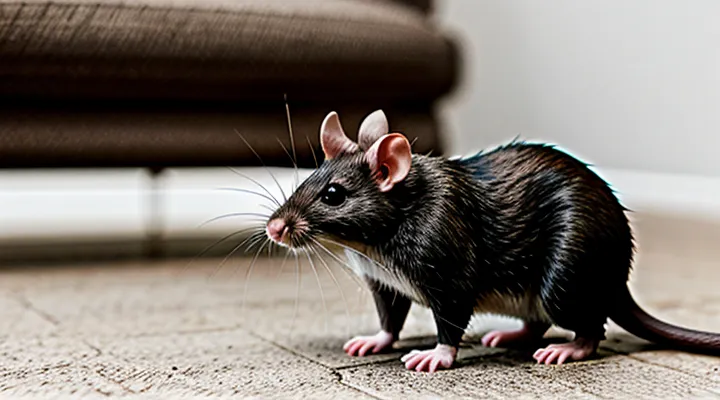
Understanding Decorative Rats
What Defines a Decorative Rat?
Domestication and Selective Breeding
Domestication of ornamental and dambo rats began with the capture of wild individuals and their adaptation to captive environments. Early breeders selected specimens that tolerated confinement, displayed reduced aggression, and accepted human handling. Over successive generations, these traits solidified, creating a foundation for systematic breeding programs.
Selective breeding refines physical and behavioral characteristics to meet specific aesthetic standards. Breeders focus on:
- Coat coloration and pattern, emphasizing vibrant hues and distinct markings.
- Body conformation, targeting compact size, muscular build, and balanced proportions.
- Temperament, prioritizing docility, curiosity, and sociability.
- Reproductive efficiency, ensuring consistent litter sizes and viable offspring.
Genetic management underpins these objectives. Pedigree analysis identifies carriers of undesirable alleles, while controlled outcrossing introduces genetic diversity to mitigate inbreeding depression. Health screening for hereditary conditions—such as renal disease, cardiac defects, and skeletal abnormalities—prevents propagation of defects that could compromise longevity.
Record‑keeping of lineage, phenotypic outcomes, and breeding pair performance enables data‑driven decisions. Quantitative traits are measured, and selection indices assign weighted scores to attributes aligned with breed standards. This systematic approach accelerates the fixation of desired features while maintaining overall vitality.
In practice, breeders implement multi‑generation plans that alternate between phenotype enhancement and genetic health reinforcement. The result is a population of ornamental and dambo rats that exhibits the visual appeal sought by enthusiasts, coupled with robust health and predictable temperament.
Common Characteristics and Temperament
Both the ornamental rat and the dambo rat share a compact body structure, dense fur, and a pronounced tail that maintains a relatively uniform thickness from base to tip. Their coat colors range from solid shades to intricate patterns, yet the underlying hair texture remains similarly coarse across the two breeds.
Temperamentally, the two varieties exhibit high levels of curiosity, quick adaptation to new environments, and a tendency toward social interaction with both conspecifics and humans. Specific behavioral traits include:
- Persistent exploration of novel objects and spaces.
- Frequent grooming, indicating a strong instinct for cleanliness.
- Low aggression levels when housed in compatible groups, provided adequate space and enrichment.
- Consistent responsiveness to gentle handling, facilitating ease of training and interaction.
Overall, the shared physical robustness and affable disposition make the decorative and dambo rats suitable for experienced keepers seeking visually striking yet manageable rodents.
Dumbo Rats: A Distinct Variety
The Origin of the Dumbo Trait
Genetic Mutation and Inheritance
The decorative rat and the dambo rat display distinct coat phenotypes that result from specific genetic alterations. In the decorative line, a mutation in the melanocortin‑1 receptor (MC1R) gene produces intensified pigment deposition, creating vivid coloration patterns. The dambo line carries a mutation in the KIT gene that disrupts melanocyte migration, yielding a characteristic dorsal spotting pattern.
- MC1R variant – autosomal dominant, expresses enhanced pigment when a single allele is present.
- KIT variant – autosomal recessive, requires two copies for full expression of the dambo spotting.
- Polygenic modifiers – multiple loci contribute to pattern intensity and distribution, interacting with the primary mutations.
Inheritance follows Mendelian expectations for the single‑gene traits. A decorative rat heterozygous for the MC1R allele will produce offspring with a 50 % probability of displaying the decorative phenotype when crossed with a non‑carrier. A dambo rat homozygous for the KIT mutation yields 100 % dambo offspring; heterozygous carriers produce dambo progeny at a 25 % rate when mated with another carrier.
Breeding strategies rely on genotypic screening to avoid lethal homozygosity in the KIT locus, which can cause embryonic failure. Selecting for heterozygous carriers maintains the dambo trait while minimizing health risks. Combining the MC1R and KIT alleles through controlled matings generates individuals that express both decorative coloration and dambo spotting, expanding phenotypic diversity within the population.
Physical Manifestations of Dumbo Ears
The Dumbo‑ear phenotype presents as markedly enlarged, horizontally extended pinnae that dominate the head silhouette. Cartilage thickness exceeds that of standard varieties, providing structural support for the increased surface area. The ear margin often drapes forward, creating a characteristic “folded” appearance.
Fur covering the ears varies from dense, silky coats to sparse hair, depending on lineage. Pigmentation ranges across the full spectrum of coat colors, with melanin distribution influencing the visibility of underlying vasculature. Muscular attachment points remain consistent with typical murine anatomy, allowing the ears to swivel independently.
Key physical manifestations include:
- Ear length that can reach up to 30 mm, measured from base to tip.
- Width proportion of at least 60 % relative to head width.
- Soft, pliable cartilage that yields under gentle pressure but retains shape.
- Enhanced surface vascularization observable through a faint pink hue in lightly pigmented specimens.
Functionally, the expanded pinnae improve sound capture by increasing the acoustic aperture, thereby heightening auditory acuity. The enlarged surface also contributes to thermoregulation, dissipating heat during elevated ambient temperatures. Grooming behavior adapts to the larger ears, with increased self‑inspection and cleaning motions.
Health considerations focus on the susceptibility of the delicate cartilage to trauma and the propensity for otitis in poorly ventilated environments. Preventive care involves regular inspection, gentle cleaning of the ear canal, and maintaining low‑humidity housing to reduce microbial growth.
From a breeding perspective, the Dumbo‑ear trait follows an autosomal dominant inheritance pattern, with heterozygous carriers expressing the phenotype. Selective pairing prioritizes individuals with robust cartilage and balanced fur density to minimize complications while preserving the distinctive ear morphology.
Unique Features of Dumbo Rats
Head Shape and Ear Placement
The ornamental rat displays a compact skull with a rounded cranial vault, giving the head a smooth, almost spherical appearance. The dambo rat, by contrast, possesses a slightly elongated cranium, where the nasal bridge extends forward, creating a more tapered silhouette. Both species share a sturdy jawline, but the ornamental rat’s mandible is broader, supporting a wider set of incisors.
Ear placement further distinguishes the two. In the ornamental rat, ears sit low on the skull, positioned just above the cheekbones and aligning with the mid‑line of the eyes. This low placement contributes to a streamlined profile. The dambo rat’s ears are set higher, near the top of the head, and are slightly forward‑tilted, offering a broader auditory field.
Key morphological points:
- Head shape
- Ornamental rat: rounded, compact skull.
- Dambo rat: elongated, tapered cranial profile.
- Ear location
- Ornamental rat: low, level with eye mid‑line.
- Dambo rat: high, near crown, forward‑tilted.
These structural differences influence visual identification and breed standards, providing clear criteria for classification.
Comparison to Standard-Eared Rats
The decorative rat and the dambo rat differ markedly from the conventional, standard‑eared laboratory rat in morphology, coat pattern, and temperament.
- Ears: Standard‑eared rats possess symmetrical, proportionate pinnae; decorative rats exhibit enlarged, often asymmetrical ears, while dambo rats have slightly reduced ear cartilage, giving a flatter appearance.
- Coat: Conventional rats display uniform fur coloration; decorative rats are bred for striking, multicolored pelage with distinct markings; dambo rats possess a dense, plush coat with a muted, single‑tone hue.
- Body size: Standard rats average 250‑300 g; decorative rats range from 300‑350 g due to selective breeding; dambo rats remain within the lower end of the standard range but show a more compact torso.
- Behavior: Standard rats demonstrate consistent exploratory activity; decorative rats show heightened curiosity paired with occasional aggression linked to their distinctive sensory input; dambo rats tend toward docility and reduced stress reactivity.
These contrasts affect husbandry requirements. Enlarged ears in decorative rats demand regular cleaning to prevent infection; the dense coat of dambo rats requires frequent grooming to avoid matting. Standard‑eared rats, lacking such extremes, generally need routine care without specialized interventions.
Care and Keeping of Decorative Rats
Housing Requirements
Cage Size and Enrichment
Adequate cage dimensions are critical for the health of both decorative rats and dambo rats. A minimum floor area of 0.5 m² per adult decorative rat and 0.6 m² per adult dambo rat provides sufficient space for movement, nesting and social interaction. Height should allow vertical climbing, with at least 30 cm of clear clearance. Wire mesh cages must have a spacing of no more than 1 cm to prevent escape and injury. Regular cleaning cycles should not reduce usable space; removable platforms and ramps must be securely attached to maintain structural integrity.
Enrichment items supplement the physical environment, stimulate natural behaviors, and reduce stress. Effective enrichment includes:
- Multi‑level platforms and climbing ladders
- Safe chew toys made of untreated wood or mineral blocks
- Hideouts such as PVC tunnels or wooden huts
- Foraging devices that dispense small food portions when manipulated
- Exercise wheels with solid rims to avoid tail injury
Each enrichment element should be inspected weekly for wear and replaced as needed. Rotating items every two weeks prevents habituation and encourages exploratory activity. Combining adequate space with a varied enrichment program supports optimal welfare for both species.
Bedding and Substrates
Bedding and substrates directly affect the health, comfort, and behavior of decorative rats and dambo rats. Proper selection reduces the risk of respiratory irritation, maintains optimal humidity, and encourages natural burrowing activity. Materials must be absorbent, dust‑free, and easy to replace without causing stress during cleaning.
Suitable options include:
- Paper‑based pellets – high absorbency, low particulate matter, quick turnover.
- Compressed wood shavings (aspen, maple) – minimal aromatic oils, suitable for short‑term use.
- Coconut fiber (coir) – retains moisture, encourages digging, requires regular replacement to prevent mold.
- Recycled cellulose sheets – soft texture, low dust, compatible with nesting behavior.
Maintenance guidelines:
- Change bedding completely every 1–2 weeks, or sooner if soiled.
- Spot‑clean daily by removing wet or fecal clumps to control odor and bacterial growth.
- Monitor humidity levels; substrates that retain excess moisture should be supplemented with dry layers to avoid respiratory issues.
- Avoid cedar, pine, or scented products, as volatile compounds can damage nasal passages and lung tissue.
Choosing the appropriate substrate supports the physiological needs of these ornamental rodents and promotes a stable, hygienic environment for long‑term care.
Nutritional Needs
Balanced Diet Components
A well‑balanced diet directly influences the coat coloration, activity level, and overall health of both decorative and dambo rats. Proper nutrition supports the distinctive fur patterns and the robust physique that distinguish these species.
- High‑quality protein sources
- Complex carbohydrates
- Essential fatty acids
- Dietary fiber
- Vitamins (A, D, E, B‑complex)
- Minerals (calcium, phosphorus, magnesium, zinc)
- Clean, fresh water
Protein supplies amino acids required for fur pigment synthesis and muscle development. Complex carbohydrates provide steady energy without spikes that can stress the digestive system. Essential fatty acids, particularly omega‑3 and omega‑6, maintain skin elasticity and enhance the vibrancy of the fur. Fiber promotes gastrointestinal motility, reducing the risk of impaction. Vitamins act as cofactors in metabolic pathways; vitamin A influences skin health, while B‑complex vitamins support nervous function. Minerals contribute to bone density and enzymatic activity; calcium and phosphorus balance is critical for skeletal integrity, whereas zinc aids wound healing and immune response. Continuous access to fresh water ensures hydration, aids nutrient transport, and prevents renal complications.
Recommended feed includes a base of certified rodent pellets formulated for small mammals, supplemented with measured portions of cooked lean meat, boiled egg whites, or soy protein. Add small quantities of whole grains such as oats or barley, and provide fresh vegetables like kale, carrots, and bell peppers for vitamin and fiber intake. Include a limited amount of unsalted nuts or seeds for essential fatty acids, and rotate fruit offerings to prevent excess sugar. Monitor intake daily, adjust quantities to maintain a healthy body condition score, and replace water containers each morning.
Treats and Supplements
Treats and supplements for ornamental rats and dambo rats require careful selection to meet specific nutritional demands and support health objectives.
Safe treats should be low in sugar and free of artificial additives. Suitable options include:
- Small pieces of fresh apple (seed core removed)
- Cooked chicken breast, unseasoned, cut into bite‑size cubes
- Plain, unsalted pumpkin seeds in limited quantities
- Soft, dehydrated vegetables such as carrot or broccoli florets
Each treat must be offered in moderation, not exceeding 5 % of the daily caloric intake. Overfeeding can lead to obesity, dental wear, and digestive disturbances.
Supplements address deficiencies that may arise from a standard pellet diet. Recommended additions are:
- Vitamin C – essential for collagen synthesis; provide a calibrated liquid supplement at 10 mg per kilogram of body weight every other day.
- Omega‑3 fatty acids – support skin health and inflammation control; incorporate a fish‑oil capsule (approximately 300 mg EPA/DHA) once weekly, mixed with a small amount of wet food.
- Calcium‑phosphorus balance – maintain bone integrity; add a mineral powder containing a 2:1 calcium to phosphorus ratio at 0.2 g per 100 g of feed.
Supplement administration should follow a schedule that allows a washout period of at least 48 hours between different products to prevent interactions. Monitoring includes weekly weight checks, observation of coat condition, and regular veterinary examinations. Adjust dosages based on individual response, age, and reproductive status.
In summary, a disciplined approach to treats and supplements—prioritizing natural, low‑risk foods and precise supplementation—optimizes the well‑being of both ornamental and dambo rat varieties.
Health Considerations
Common Ailments
Both ornamental rats and dambo rats experience a set of health problems that are typical for small rodents kept as pets. Understanding these conditions helps maintain optimal welfare and reduces mortality.
Common ailments include:
- Respiratory infections – bacterial or viral agents cause nasal discharge, labored breathing, and reduced activity. Prompt antibiotic therapy and environmental control are essential.
- Gastrointestinal stasis – slowed gut motility leads to decreased food intake, weight loss, and lethargy. Treatment involves fluid therapy, dietary adjustment, and, when necessary, prokinetic medication.
- Dermatological parasites – mites and lice produce itching, hair loss, and skin lesions. Effective management requires topical or systemic antiparasitic agents combined with regular cage cleaning.
- Dental overgrowth – continuously growing incisors may become misaligned, causing difficulty chewing and facial deformities. Regular provision of chewable objects and periodic veterinary trimming prevent complications.
- Urinary tract infections – bacterial colonization results in frequent urination, blood in urine, and discomfort. Early detection and appropriate antimicrobial treatment are critical to avoid kidney damage.
- Metabolic bone disease – calcium deficiency or imbalanced diet leads to skeletal weakness and fractures. Supplementation with calibrated calcium and vitamin D, plus balanced nutrition, corrects the disorder.
Effective prevention relies on proper housing, balanced diet, routine health checks, and immediate veterinary intervention when symptoms appear.
Preventive Care and Veterinary Visits
Preventive health for ornamental rats, including decorative and dambo varieties, requires regular assessment of diet, environment, and routine veterinary care.
- Provide a balanced diet rich in high‑quality pellets, fresh vegetables, and limited treats.
- Maintain cage hygiene by cleaning bedding weekly and disinfecting accessories monthly.
- Ensure adequate enrichment: tunnels, climbing structures, and chew toys reduce stress and promote physical activity.
- Monitor weight weekly; a sudden change may indicate underlying illness.
Veterinary visits should follow a structured schedule. Initial examination occurs at eight weeks of age, followed by a comprehensive check‑up at six months and annually thereafter. During each appointment, the veterinarian evaluates:
- General condition: coat quality, eye clarity, and respiratory sounds.
- Dental health: overgrown incisors are trimmed to prevent malocclusion.
- Parasite control: external ectoparasites and internal worms are screened and treated as needed.
- Vaccination status: where applicable, vaccinations are administered according to regional guidelines.
Owners must report any signs of lethargy, abnormal discharge, changes in eating or drinking habits, or respiratory noises promptly. Early intervention improves recovery rates and reduces long‑term complications.
The Appeal of Decorative Rats
Personalities and Social Behavior
Intelligence and Trainability
The decorative rat and the dambo rat each display notable cognitive capacities, yet their profiles differ in specific ways that affect handling and training outcomes.
Both species demonstrate rapid acquisition of simple tasks, such as navigating mazes or retrieving objects, indicating strong short‑term memory. The decorative rat typically reaches criterion performance in fewer trials than the dambo rat when presented with a two‑choice discrimination task. In contrast, the dambo rat exhibits greater persistence during problem‑solving challenges, often exploring multiple strategies before achieving success.
Trainability hinges on responsiveness to reinforcement and the ability to generalize learned behaviors. Key distinctions include:
- Reinforcement sensitivity – Decorative rats respond consistently to food rewards, enabling efficient shaping of target actions. Dambo rats show comparable reward responsiveness but require higher frequency of reinforcement to maintain motivation.
- Command compliance – Decorative rats learn to respond to auditory cues within three to five sessions, while dambo rats typically need six to eight sessions for reliable cue association.
- Generalization – Dambo rats transfer learned behaviors across different contexts more readily, reducing the need for extensive retraining when environments change.
- Behavioral flexibility – Decorative rats excel in tasks demanding precise, repetitive actions, whereas dambo rats adapt more fluidly to novel problem structures.
Overall, the decorative rat offers faster initial learning and stable cue response, making it suitable for tasks that prioritize speed and consistency. The dambo rat provides superior adaptability and endurance in complex problem‑solving scenarios, advantageous for enrichment programs that emphasize varied cognitive challenges.
Interaction with Humans
The decorative rat and the dambo rat exhibit distinct patterns of behavior when humans are present, reflecting their adaptation to captive environments and selective breeding. The ornamental variety, bred for visual appeal, often tolerates handling and displays reduced fear responses, while the dambo rat, known for its compact body and smooth coat, shows a higher propensity for social engagement and curiosity toward caretakers.
Key aspects of human‑rat interaction include:
- Tolerance of direct contact: both types can be held briefly without stress indicators when acclimated.
- Responsiveness to vocal cues: individuals may orient toward familiar voices, indicating auditory recognition.
- Participation in enrichment activities: puzzle feeders and guided play stimulate natural foraging instincts and reinforce positive associations.
- Impact on health monitoring: regular handling facilitates early detection of dermatological or respiratory issues, essential for maintaining optimal condition.
Choosing a Rat
Breeders versus Rescues
Breeders and rescues represent the two primary channels through which ornamental and dambo rats enter the hobby. Breeders focus on controlled mating to accentuate specific coat patterns, body structure, and temperament. Rescues acquire rats from shelters or private relinquishments, emphasizing adoption of existing animals regardless of lineage.
Key distinctions include:
- Genetic predictability – Breeders provide documented pedigrees, enabling precise selection for desired traits; rescues offer limited information on ancestry.
- Health management – Breeders conduct routine veterinary screening, parasite control, and vaccination before sale; rescues may have variable health histories, often requiring post‑adoption veterinary assessment.
- Cost structure – Prices from breeders reflect selective breeding, health guarantees, and specialized care; rescue fees cover basic veterinary procedures and shelter overhead, typically lower than breeder rates.
- Availability – Breeders maintain a steady supply of rats meeting defined standards; rescues depend on the unpredictable influx of animals, resulting in irregular availability of particular phenotypes.
- Ethical considerations – Breeders operate within regulated breeding programs, potentially contributing to population control; rescues address overpopulation by providing homes for existing rats, mitigating euthanasia rates.
Choosing between these sources hinges on the buyer’s priorities: precise trait acquisition and health assurances favor breeders, while adoption of already‑existing animals and support for animal welfare align with rescue organizations. Both avenues contribute to the diversity of ornamental and dambo rat populations, offering distinct benefits and responsibilities to prospective owners.
Assessing Health and Temperament
When evaluating the condition and behavior of decorative and dambo rats, focus on objective criteria that distinguish each breed’s health status and personality profile.
-
Physical health indicators:
- Coat condition: smooth, glossy fur without bald patches or excessive shedding.
- Weight range: 250–350 g for decorative rats, 300–400 g for dambo rats; deviations suggest malnutrition or obesity.
- Dental integrity: continuously growing incisors that remain straight and free of overgrowth.
- Respiratory sound: clear breathing without wheezing, rattling, or nasal discharge.
- Activity level: regular movement, prompt response to stimuli, and absence of lethargy.
-
Temperament assessment:
- Sociability: willingness to approach humans and other rats, measured by time spent in proximity during handling.
- Curiosity: exploration of new objects or environments within a short observation period.
- Fear response: latency before retreating or freezing when presented with sudden noises.
- Aggression: frequency of biting or dominant posturing during group interactions.
Standardized health checks should be performed quarterly, combining visual inspection, weight measurement, and dental examination. Behavioral observations require a minimum of ten minutes per session, recorded consistently to track trends over time. Deviations from the outlined benchmarks warrant veterinary consultation and possible environmental adjustments.