
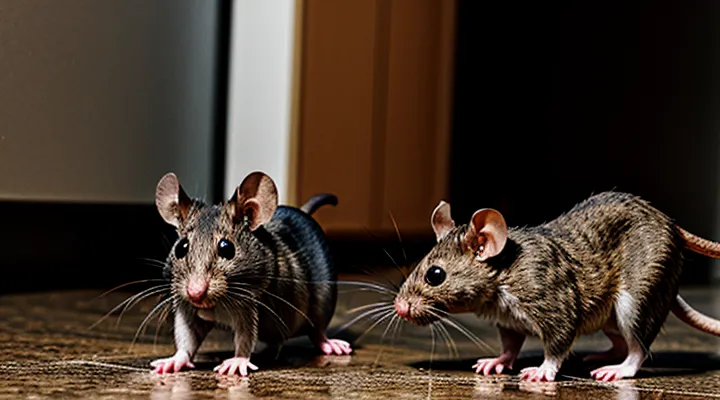
Introduction to Rodent-Borne Threats
Understanding the Ubiquity of Mice and Rats
Mice and rats inhabit virtually every continent, thriving in natural ecosystems and human‑made structures alike. Their success stems from a combination of physiological flexibility, rapid reproductive cycles, and opportunistic foraging behavior. Species such as the house mouse (Mus musculus) and the Norway rat (Rattus norvegicus) exploit cracks in walls, sewers, storage facilities, and agricultural fields, allowing them to maintain populations even when individual habitats are disturbed.
Key factors that sustain their worldwide presence include:
- High fertility: Females can produce multiple litters per year, each containing several offspring, ensuring swift population recovery.
- Broad diet: Consumption of grains, waste, insects, and stored products eliminates dependence on specific food sources.
- Mobility: Strong climbing and swimming abilities enable colonization of elevated buildings, underground tunnels, and waterborne transport routes.
- Behavioral adaptability: Quick habituation to traps, poisons, and environmental changes reduces mortality from human control measures.
Understanding these characteristics clarifies why rodents persist in close proximity to humans, establishing the foundation for assessing the health and safety risks they create.
Historical Context of Rodent-Human Interactions
Archaeological records from the Neolithic period show that permanent grain stores attracted house mice, whose presence is documented by rodent teeth and gnawed seeds in settlement layers. Early agricultural societies developed rudimentary grain protection methods, indicating awareness of rodent damage to food supplies.
Classical texts from ancient Egypt, Greece, and Rome mention rodents contaminating stored provisions and spreading disease. Greek physicians described fevers linked to rodent infestations, while Roman legal codes imposed penalties for neglecting pest control in public granaries.
During the medieval era, the spread of Yersinia pestis across Europe coincided with massive rat populations aboard merchant vessels. Contemporary chronicles attribute the rapid transmission of the pandemic to fleas carried by rats, establishing a causal link between rodent proliferation and human mortality.
In the 17th and 18th centuries, transatlantic voyages introduced invasive rat species to the Americas. Ship logs record severe infestations that compromised food stores and facilitated outbreaks of typhus and other rodent-borne illnesses among crews and colonial populations.
The 20th century saw systematic scientific investigation of rodent-borne pathogens, including hantavirus, leptospirosis, and lymphocytic choriomeningitis virus. Urbanization intensified human‑rat contact, prompting municipal pest‑management programs and the development of rodenticides and sanitation standards.
Key historical phases and their impacts:
- Neolithic agriculture: grain loss, early mitigation techniques.
- Classical antiquity: documented health effects, legal responses.
- Medieval pandemics: rat‑flea vectors, population decline.
- Colonial expansion: invasive species, disease spread on ships.
- Modern era: laboratory research, public‑health policies, urban control measures.
Health Risks Associated with Rodents
Direct Transmission of Diseases
Hantavirus Pulmonary Syndrome (HPS)
Hantavirus Pulmonary Syndrome (HPS) is a severe respiratory illness caused by hantaviruses carried primarily by wild rodents such as deer mice, white‑footed mice, and certain rat species. Human infection occurs after inhalation of aerosolized virus particles from rodent urine, droppings, or saliva, often when cleaning contaminated shelters, cabins, or grain storage facilities.
- Incubation period: 1‑4 weeks after exposure.
- Early symptoms: fever, muscle aches, headache, and gastrointestinal upset.
- Rapid progression: within 24‑48 hours, patients develop shortness of breath, cough, and pulmonary edema, requiring intensive care.
- Case‑fatality rate: 30‑50 % in the United States, higher in some South American outbreaks.
- Geographic hotspots: western United States, Canada, and parts of Central and South America where rodent populations thrive.
Prevention relies on minimizing contact with rodent excreta. Effective measures include sealing buildings to exclude rodents, using wet cleaning methods to reduce aerosolization, wearing protective masks during cleanup, and educating at‑risk populations about proper waste management. Early clinical recognition and prompt supportive care, such as oxygen therapy and mechanical ventilation, improve survival odds, although no specific antiviral treatment is approved.
Surveillance programs track rodent infection rates and human cases, enabling public‑health agencies to issue targeted advisories during periods of increased rodent activity, such as after heavy rains or agricultural harvests. Continuous monitoring and rigorous habitat control remain essential components of reducing HPS incidence and protecting public health.
Leptospirosis
Leptospirosis is a bacterial zoonosis caused by pathogenic Leptospira species. Rodents, especially mice and rats, serve as the primary reservoir, excreting the organisms in urine that contaminates water, soil, and food. Human infection occurs through skin abrasions, mucous membranes, or ingestion of contaminated material.
Typical clinical presentation includes abrupt fever, severe headache, myalgia, and conjunctival suffusion. In severe cases, kidney dysfunction, hepatic failure, pulmonary hemorrhage, or meningitis may develop. Laboratory confirmation relies on serologic testing (microscopic agglutination test) or polymerase chain reaction detection of bacterial DNA.
Effective management combines early antimicrobial therapy—doxycycline for uncomplicated disease or intravenous penicillin/ceftriaxone for severe manifestations—with supportive care for organ failure. Prompt treatment reduces mortality and long‑term complications.
Prevention strategies focus on minimizing exposure to rodent urine:
- Control rodent populations in residential and occupational settings.
- Secure food storage, eliminate standing water, and maintain clean waste disposal.
- Use protective gloves and waterproof clothing when handling potentially contaminated materials.
- Provide post‑exposure prophylaxis (single‑dose doxycycline) for high‑risk individuals.
Surveillance programs that monitor rodent infestation and track human cases enable timely public‑health interventions, limiting the impact of leptospirosis on communities.
Salmonellosis
Salmonellosis is a bacterial infection caused by Salmonella species, transmitted from animals to humans. The disease manifests as gastro‑intestinal disturbance, fever, and occasionally systemic complications.
Rodents such as mice and rats act as natural carriers of Salmonella. Their feces, urine, and nasal secretions frequently contaminate food stores, water supplies, and kitchen surfaces. Because these mammals thrive in close proximity to human habitation, they provide a persistent source of bacterial contamination.
Transmission occurs through several pathways:
- Ingestion of food or water tainted with rodent excreta.
- Contact with contaminated surfaces followed by hand‑to‑mouth transfer.
- Cross‑contamination of raw ingredients during food preparation.
Incubation ranges from 6 hours to 6 days. Typical symptoms include abdominal cramps, diarrhea (often bloody), vomiting, and fever. While most cases resolve without medical intervention, vulnerable groups—young children, the elderly, and immunocompromised individuals—face a higher risk of severe dehydration and bacteremia.
Epidemiological records link numerous outbreaks of salmonellosis to rodent infestations in residential, commercial, and agricultural settings. Outbreak investigations consistently identify breaches in rodent control as the primary factor enabling bacterial spread.
Effective mitigation relies on integrated measures:
- Maintain strict sanitation: remove food residues, store supplies in sealed containers, and clean surfaces regularly.
- Implement comprehensive rodent management: install traps, employ bait stations, seal entry points, and monitor activity.
- Enforce food‑handling protocols: wash hands thoroughly, separate raw and cooked foods, and heat‑treat potentially contaminated items.
- Conduct routine environmental testing for Salmonella presence in high‑risk areas.
Adhering to these practices reduces the likelihood of rodent‑mediated salmonellosis and safeguards public health.
Rat-Bite Fever
Rat‑Bite Fever (RBF) is an acute bacterial infection acquired through contact with rodents, especially rats and mice. The disease illustrates a direct health risk that arises from everyday interactions with these animals.
The infection is caused by two distinct pathogens: - Streptobacillus moniliformis, predominant in North America and Europe; - Spirillum minus, more common in Asia.
Clinical manifestations appear after an incubation period of 2 – 14 days and typically include: - Fever and chills; - Severe headache; - Musculoskeletal pain, especially in joints; - Rash consisting of erythematous macules or petechiae; - Nausea, vomiting, and abdominal discomfort.
Diagnosis relies on blood cultures, polymerase chain reaction (PCR) testing, or serologic assays that identify the specific organism. Prompt antimicrobial therapy, most often with penicillin G or doxycycline for patients with allergy, shortens illness duration and prevents complications such as endocarditis or septic arthritis.
Preventive actions focus on minimizing exposure to rodent saliva and excreta: - Avoid handling wild or stray rodents without protective gloves; - Secure food storage to deter rodent attraction; - Maintain clean living and work environments to reduce infestation; - Seek immediate medical evaluation after any rodent bite or scratch.
These measures reduce the likelihood of RBF and mitigate the broader health hazards associated with rodent contact.
Lymphocytic Choriomeningitis (LCMV)
Lymphocytic choriomeningitis virus (LCMV) is an arenavirus carried primarily by the common house mouse (Mus musculus) and, to a lesser extent, by rats. Infected rodents shed the virus in urine, feces, saliva, and respiratory secretions, creating a persistent source of contamination in homes, laboratories, and agricultural settings. Human exposure occurs through inhalation of aerosolized particles, direct contact with contaminated surfaces, or bites from infected animals.
Clinical manifestation ranges from asymptomatic infection to severe aseptic meningitis. Typical symptoms include fever, headache, neck stiffness, photophobia, and, in some cases, encephalitis. Immunocompromised patients may develop hemorrhagic fever or multiorgan dysfunction. Pregnant women are at particular risk; vertical transmission can result in fetal loss, hydrocephalus, or developmental abnormalities.
Diagnosis relies on detection of LCMV-specific IgM or IgG antibodies, polymerase chain reaction (PCR) amplification of viral RNA, or virus isolation from cerebrospinal fluid. Early identification is essential because antiviral therapy, primarily ribavirin, may reduce disease severity, although supportive care remains the mainstay of treatment.
Preventive actions focus on rodent control and hygiene:
- Seal entry points to eliminate rodent access to buildings.
- Maintain regular cleaning of areas prone to droppings, using wet methods to avoid aerosolization.
- Employ personal protective equipment (gloves, masks) when handling rodents or cleaning contaminated sites.
- Dispose of dead rodents promptly, following biosafety guidelines.
- Educate laboratory personnel and pet owners about the risk of LCMV transmission.
Epidemiological surveys indicate a worldwide distribution of LCMV, with seroprevalence in rodent populations ranging from 1 % to 15 %. Sporadic human cases are reported in regions where rodent infestations intersect with dense human habitation, underscoring the persistent health threat posed by these mammals.
Indirect Transmission of Diseases
Fleas, Ticks, and Mites as Vectors
Rodents such as mice and rats commonly harbor ectoparasites—fleas, ticks, and mites—that serve as bridges for pathogens from animal reservoirs to people. These arthropods acquire infectious agents while feeding on rodent blood and subsequently transmit them during subsequent bites on humans.
Key disease agents transmitted by rodent‑associated ectoparasites include:
- Yersinia pestis – spread by the Oriental rat flea (Xenopsylla cheopis), causing plague.
- Bartonella henselae – vectored by fleas, responsible for cat‑scratch disease and related febrile illnesses.
- Rickettsia spp. – transmitted by ticks, leading to spotted fever and typhus‑like syndromes.
- Orientia tsutsugamushi – carried by chigger mites, causing scrub typhus.
- Borrelia burgdorferi – occasionally transferred by rodent‑infesting ticks, the agent of Lyme disease.
Transmission mechanisms rely on the parasite’s feeding behavior. Fleas inject pathogen‑laden regurgitate into the host’s skin; ticks secrete saliva containing infectious material while remaining attached for days; mites introduce microbes through their mouthparts during brief feeding periods. Human exposure occurs in environments where rodent infestations are uncontrolled—urban dwellings, agricultural storage facilities, and outdoor recreation areas.
Control strategies focus on reducing rodent populations, eliminating ectoparasite infestations, and applying personal protective measures such as repellents and protective clothing. Integrated pest management, regular sanitation, and targeted acaricide or insecticide applications interrupt the vector pathway, thereby lowering the risk of zoonotic disease transmission.
Contamination of Food and Water Sources
Rodents infiltrate food and water supplies through direct contact, droppings, urine, and gnawed packaging. Their presence introduces a range of pathogens that compromise human health.
Common contaminants carried by mice and rats include:
- Salmonella spp. – causes gastroenteritis, fever, and dehydration.
- Escherichia coli O157:H7 – leads to severe abdominal cramps and hemolytic‑uremic syndrome.
- Listeria monocytogenes – results in meningitis and fetal loss in pregnant women.
- Hantavirus – transmitted via inhalation of dried rodent excreta, producing hemorrhagic fever with renal syndrome.
- Leptospira interrogans – spreads through contaminated water, causing leptospirosis with kidney and liver dysfunction.
Contamination pathways:
- Food storage – rodents chew containers, breach seals, and deposit feces onto bulk commodities such as grains, nuts, and dried fruits.
- Processing facilities – gnawed equipment and exposed work surfaces become reservoirs for bacterial growth.
- Water sources – open wells, cisterns, and municipal lines can be infiltrated by burrowing rodents, introducing urine and fecal matter directly into the supply.
Preventive measures focus on exclusion, sanitation, and monitoring. Structural barriers (metal flashing, sealed doors), regular inspection of storage areas, and routine testing of water for indicator organisms reduce the likelihood of rodent‑borne contamination. Prompt identification and eradication of infestations mitigate the risk of foodborne and waterborne disease outbreaks.
Allergic Reactions and Asthma Exacerbation
Rodent Dander and Urine as Allergens
Rodent dander consists of microscopic skin flakes, hair fragments, and saliva residues that become airborne when mice or rats move through indoor environments. These particles contain proteins capable of triggering IgE‑mediated allergic reactions in sensitized individuals. Inhalation of dander can provoke rhinitis, conjunctivitis, and asthma exacerbations, with severity linked to the concentration of airborne particles and the duration of exposure.
Urine from rodents contains potent allergens such as Mus m 1 and Rattus norvegicus allergen 1. When urine dries, proteins crystallize into fine particles that disperse with dust. Contact with contaminated surfaces or inhalation of aerosolized urine particles can induce similar respiratory symptoms and, in some cases, cutaneous hypersensitivity. Children, the elderly, and persons with pre‑existing asthma are disproportionately affected.
Key characteristics of rodent allergen exposure include:
- Persistent presence in poorly ventilated spaces (e.g., basements, attics, storage rooms).
- Rapid accumulation in dust layers, making standard cleaning insufficient without targeted removal.
- Detectable levels using enzyme‑linked immunosorbent assays (ELISA) or immunoblot techniques, which aid in confirming sensitization.
Mitigation strategies focus on eliminating infestations, sealing entry points, and employing high‑efficiency particulate air (HEPA) filtration during cleaning. Professional pest control combined with thorough decontamination of contaminated surfaces reduces allergen load and lowers the risk of acute and chronic respiratory effects.
Impact on Indoor Air Quality
Rodents inhabiting residential and commercial spaces introduce a range of airborne contaminants that degrade indoor air quality and increase health risks for occupants. Urine and fecal deposits release volatile organic compounds (VOCs) such as ammonia, phenols, and sulfur‑containing molecules, which contribute to unpleasant odors and irritate mucous membranes. These emissions persist in dust and can be redistributed by ventilation systems, exposing individuals to continuous low‑level inhalation.
The presence of rodent droppings also elevates concentrations of allergens. Proteins found in mouse and rat dander, saliva, and feces become airborne particles that trigger IgE‑mediated responses, exacerbating asthma and allergic rhinitis. Studies show that environments with active rodent infestations exhibit allergen levels several times higher than non‑infested premises, correlating with increased symptom severity among sensitized occupants.
Microbial proliferation is another consequence of rodent activity. Urine and feces provide nutrients for mold and bacteria, which release spores and endotoxins into the air. Pathogenic agents such as Salmonella, Leptospira, and hantavirus can become aerosolized during cleaning or disturbance of contaminated materials, creating a direct transmission route to humans.
Rodent nests and carcasses introduce additional particulate matter. Hair, nesting material, and decomposing tissue generate coarse particles that settle on surfaces and are later resuspended by human movement or airflow. These particles contribute to overall particulate matter (PM10 and PM2.5) loads, compromising respiratory health and reducing the effectiveness of air filtration devices.
Key indoor‑air impacts of rodent intrusion include:
- Release of ammonia, phenols, and other VOCs from urine and feces.
- Elevation of allergenic proteins (dander, saliva, fecal proteins) in dust.
- Promotion of mold and bacterial growth, leading to spore and endotoxin dispersal.
- Introduction of coarse particulate matter from nests, hair, and decomposing tissue.
- Potential aerosolization of zoonotic pathogens during disturbance of contaminated sites.
Mitigation requires prompt detection of rodent activity, thorough removal of droppings and nesting material, targeted cleaning with appropriate disinfectants, and maintenance of ventilation and filtration systems to prevent recirculation of contaminated air. Failure to address these factors sustains a compromised indoor environment and perpetuates health hazards associated with rodent‑related air contamination.
Structural and Economic Damages Caused by Rodents
Damage to Property and Infrastructure
Gnawing on Electrical Wires
Rodents frequently gnaw on insulated electrical wiring, creating direct threats to human safety and property. Their continuously growing incisors require constant wear, and the soft polymer sheaths of cables provide an accessible source of material.
The act of chewing compromises the conductor’s protective barrier, exposing live wires. This exposure can cause short circuits, generate sparks, and ignite surrounding combustible materials. The resulting hazards include:
- Residential or commercial fires
- Unexpected loss of electricity
- Damage to appliances and electronic devices
- Risk of electric shock to occupants
Preventive actions focus on eliminating access and reducing attraction. Effective measures are:
- Seal cracks, gaps, and utility entry points with metal mesh or cement
- Replace standard cable with rodent‑resistant variants that incorporate steel braiding or hardened sheathing
- Install bait stations and mechanical traps in areas of known activity
- Conduct routine visual inspections of wiring, especially in attics, basements, and crawl spaces
Implementing these steps reduces the probability of wiring damage, thereby protecting lives and reducing financial loss caused by rodent‑induced electrical failures.
Damage to Plumbing and Insulation
Rodents gnaw on copper, PVC, and metal pipes, creating holes that lead to leaks, water loss, and structural weakening. Their incisors continuously grow, prompting frequent chewing on any accessible material, including plumbing fixtures and joints.
- Chewed pipe walls reduce pressure integrity, increasing the likelihood of burst pipes under normal flow.
- Leaking water creates damp environments that attract mold, bacteria, and insects, elevating health risks.
- Corrosion accelerates where saliva contaminates metal surfaces, shortening pipe lifespan.
Rodents also infiltrate building insulation. Their nests, constructed from shredded fibers, textiles, and insulation boards, displace material and compress thermal barriers. The resulting gaps diminish energy efficiency, raise heating and cooling costs, and expose occupants to temperature fluctuations. Additionally, urine and feces deposited in insulation introduce pathogens and allergens that can be inhaled, provoking respiratory problems.
Prompt detection and sealing of entry points, regular inspection of exposed piping, and replacement of compromised insulation are essential measures to mitigate these hazards and protect human occupants.
Structural Weakening of Buildings
Rodents gnaw on timber, insulation, and wiring, creating voids that reduce load‑bearing capacity. Repeated chewing on wooden beams can thin structural members, leading to uneven stress distribution and eventual collapse under normal loads. Insulation material, when stripped away, permits moisture infiltration, accelerating rot and corrosion in supporting elements.
- Chewed electrical cables increase fire risk, which can weaken steel reinforcements and compromise fire‑resistant barriers.
- Burrows in foundations displace soil, undermining footing stability and causing settlement or cracking of the superstructure.
- Accumulated droppings and urine attract mold, degrading plaster and drywall, further reducing rigidity of walls.
These damage mechanisms directly threaten occupant safety by diminishing the integrity of load‑bearing systems, increasing the probability of sudden structural failure, and creating secondary hazards such as fire and toxic exposure. Prompt inspection and rodent‑proofing are essential to preserve building performance and protect human lives.
Contamination and Spoilage of Food Supplies
Agricultural Losses
Rodents such as mice and rats inflict substantial damage on crops, directly reducing food availability and economic stability for farmers. Their gnawing habits compromise roots, stems, and stored grains, while their excreta contaminate produce with pathogens that can affect human health.
Key pathways of loss include:
- Consumption of seedlings and mature plants, leading to yield reductions of up to 30 % in heavily infested fields.
- Burrowing activity that destabilizes soil structure, causing root exposure, waterlogging, and increased susceptibility to erosion.
- Contamination of stored harvests; a single rat can spoil several kilograms of grain within days, prompting costly disposal and replacement.
Financial impact extends beyond immediate crop loss. Repairing infrastructure damaged by burrows, implementing rodent‑control programs, and managing disease outbreaks raise operational costs. In regions reliant on agriculture for livelihood, rodent‑related losses can depress household income by 10–15 %, intensifying poverty cycles.
Effective mitigation requires integrated measures: habitat modification to remove shelter, sanitation to limit food sources, and targeted baiting or trapping. Monitoring rodent populations through trap counts and grain damage assessments enables timely intervention, preventing escalation of damage and safeguarding both agricultural output and public health.
Food Industry Impact
Rodent intrusion in food‑processing facilities introduces pathogens such as Salmonella, Listeria and Hantavirus, directly contaminating raw materials, work surfaces and finished products. Even brief contact can render batches unsafe, prompting immediate product withdrawal and jeopardizing consumer health.
Physical damage caused by gnawing compromises packaging integrity, allowing moisture ingress and spoilage. Structural breaches also create niches for insects and mold, accelerating quality degradation and shortening shelf life.
Economic repercussions include recall expenses, waste of contaminated inventory, increased insurance premiums and potential loss of market access due to regulatory violations. Companies facing documented rodent activity often incur penalties from food‑safety authorities and suffer reputational damage that reduces sales.
Effective control measures rely on integrated pest‑management practices:
- Routine inspection and sealing of building envelope to eliminate entry points.
- Installation of stainless‑steel traps and bait stations in non‑production zones.
- Continuous monitoring with electronic detection devices.
- Strict sanitation protocols that remove food residues and water sources.
- Documentation of all actions to satisfy audit requirements.
Implementing these strategies reduces contamination risk, protects public health, and preserves profitability within the food sector.
Fire Hazards and Other Safety Concerns
Short Circuits from Chewed Wires
Rodents frequently gnaw on electrical insulation, exposing conductive cores and creating unintended connections. When a wire is chewed through, the resulting short circuit can generate sparks, arc flashes, or sudden power loss. These events pose direct threats to occupants by igniting fires, releasing toxic fumes from burning plastics, and disabling critical safety systems such as alarms and medical equipment.
Key outcomes of rodent‑induced short circuits include:
- Immediate fire hazard due to overheating or ignition of surrounding materials.
- Disruption of electrical circuits that control emergency lighting, security devices, and life‑support machinery.
- Release of hazardous combustion by‑products, which may cause respiratory irritation or chemical burns.
- Potential for electric shock to anyone touching compromised equipment or exposed conductors.
Preventive measures focus on eliminating access points and monitoring for damage:
- Seal entryways with steel mesh or cement to block rodents from reaching wiring.
- Install conduit or armored cable in vulnerable areas, especially near walls, attics, and crawl spaces.
- Conduct regular inspections of insulation for bite marks, using visual checks and infrared cameras.
- Deploy bait stations and humane traps to control rodent populations around electrical installations.
- Apply rodent‑resistant coatings or repellents to exposed cables.
By addressing the propensity of mice and rats to damage wiring, property owners reduce the likelihood of electrical failures that can endanger human health and safety.
Nesting Materials as Fire Accelerants
Rodents routinely gather shredded paper, fabric scraps, insulation fibers, and dried vegetation to build nests. These substances possess low ignition temperatures and high surface‑area‑to‑mass ratios, characteristics that promote rapid flame propagation when exposed to a spark or open flame.
Common nesting materials and their fire‑accelerating properties:
- Shredded paper and cardboard: thin fibers ignite easily and release volatile gases that sustain combustion.
- Cotton, wool, and synthetic fabrics: melt or vaporize at relatively low temperatures, producing flammable vapors.
- Fiberglass or cellulose insulation: traps heat, allowing localized temperature rise that can pre‑heat adjacent combustible structures.
- Dry plant matter: high lignin content burns intensely, adding heat and smoke load.
Rodents often place nests close to heat sources such as radiators, electrical outlets, or kitchen appliances. The accumulation of combustible material enlarges the fuel load within walls and ceilings, reduces the effective fire‑resistance rating of structural components, and creates pathways for fire to spread vertically and horizontally. In addition, gnawed wiring can produce sparks that ignite nearby nests, turning a minor electrical fault into a full‑scale blaze.
The presence of rodent‑constructed nests therefore raises the probability of rapid fire development in residential, commercial, and institutional buildings. Mitigation strategies include sealing entry points, conducting routine inspections for rodent activity, removing accumulated debris, and maintaining clear separation between potential nests and heat‑producing equipment. Implementing these measures directly lowers the fire hazard associated with rodent behavior and enhances overall human safety.
Prevention and Control Strategies
Integrated Pest Management (IPM) Principles
Sanitation and Exclusion Techniques
Rodents transmit pathogens, contaminate food supplies, and damage infrastructure, creating direct health threats for people living in affected areas. Effective control relies on eliminating conditions that attract rodents and preventing their access to human spaces.
Sanitation measures reduce food and shelter availability. Key practices include:
- Storing dry goods in sealed, rodent‑proof containers.
- Promptly cleaning spills, crumbs, and waste from floors, countertops, and equipment.
- Regularly disposing of garbage in tightly closed bins and removing litter from exterior premises.
- Maintaining vegetation at a distance from building foundations to limit cover.
- Repairing leaks and eliminating standing water that supports insect vectors and provides rodents with drinking sources.
Exclusion techniques block entry points and reinforce structural defenses. Critical actions consist of:
- Inspecting building exteriors for gaps larger than ½ inch and sealing them with steel wool, cement, or metal flashing.
- Installing door sweeps and weather stripping on all exterior doors.
- Fitting vent covers with mesh of ¼‑inch openings or smaller.
- Ensuring utility penetrations, such as pipe sleeves and cable entries, are fitted with metal or heavy‑duty silicone sealants.
- Conducting periodic audits of roof eaves, soffits, and crawl spaces to detect and repair deterioration.
Combining rigorous sanitation with comprehensive exclusion creates an environment where rodents cannot locate food, water, or shelter, thereby minimizing the health risks they pose to humans. Continuous monitoring and maintenance of these measures sustain long‑term protection.
Trapping and Baiting Methods
Effective control of rodent populations reduces the risk of disease transmission, property damage, and food contamination. Direct removal through traps or baits eliminates sources of infection and limits the spread of pathogens carried by mice and rats. Prompt implementation of these measures is essential for public health protection.
Common trapping devices include:
- Snap traps: spring‑loaded mechanisms deliver instantaneous lethal force.
- Live‑catch traps: cage designs allow capture without killing, facilitating relocation or humane euthanasia.
- Electronic traps: high‑voltage circuits cause rapid fatality while minimizing mess.
- Glue boards: adhesive surfaces immobilize rodents, requiring prompt disposal.
Bait selection and deployment influence success rates. Preferred attractants consist of high‑protein foods such as peanut butter, dried fish, or commercial rodent baits containing anticoagulants or neurotoxins. Placement guidelines recommend positioning baits along walls, behind appliances, and near known activity signs, while protecting non‑target species with tamper‑resistant stations. Integrating traps with regular sanitation, exclusion of entry points, and monitoring of capture data enhances long‑term effectiveness and reduces reliance on chemical controls.
Public Health Initiatives and Awareness
Community Education Programs
Effective community education programs reduce health risks associated with rodents by delivering targeted information, fostering preventive behaviors, and coordinating local actions. Programs combine scientific data on disease transmission, structural safeguards, and waste management practices to empower residents.
Key components include:
- Presentation of verified facts about pathogen carriers such as hantavirus, leptospirosis, and salmonella linked to rodent infestations.
- Demonstration of exclusion techniques, including sealing entry points, installing door sweeps, and maintaining vegetation buffers.
- Guidance on proper food storage, garbage handling, and compost management to eliminate attractants.
- Training of volunteers to identify signs of infestation, conduct inspections, and report findings to municipal authorities.
- Distribution of printable checklists and digital reminders that outline daily maintenance tasks.
Evaluation metrics focus on measurable outcomes: reduction in reported rodent sightings, decrease in related illness cases, and increased participation rates in workshops. Data collection through surveys, pest‑control logs, and health‑department records informs program adjustments and demonstrates accountability.
Government Regulations and Guidelines
Government authorities have instituted comprehensive rules to limit health threats from rodents. Federal agencies publish mandatory standards that address sanitation, food safety, occupational exposure, and environmental control.
- USDA regulations require livestock facilities to implement rodent exclusion measures and to document pest‑management activities.
- EPA enforces pesticide registration and sets limits on chemical residues used in rodent control.
- FDA Food Code mandates rodent‑proof construction, regular inspections, and corrective actions for any evidence of infestation.
- OSHA standards obligate workplaces to maintain environments free of rodent‑borne hazards, including mandatory training for staff handling pest‑control chemicals.
- CDC provides disease‑prevention guidelines that outline surveillance, reporting, and community outreach for rodent‑transmitted pathogens.
State and municipal codes expand on federal requirements by prescribing licensing for pest‑control operators, specifying building‑code provisions for sealing entry points, and establishing local inspection schedules. Many jurisdictions require an integrated pest‑management (IPM) plan that combines physical barriers, sanitation, and targeted chemical use.
Compliance is monitored through scheduled audits, unannounced inspections, and mandatory incident reports. Violations trigger civil penalties, revocation of licenses, or criminal prosecution when public health is jeopardized. Record‑keeping obligations include documentation of rodent sightings, control measures applied, and efficacy assessments, enabling regulators to verify that prescribed practices are consistently applied.
The regulatory framework creates a enforceable baseline for reducing rodent‑related risks, ensuring that public facilities, food‑service establishments, and occupational settings maintain environments that protect human health.
Conclusion on Mitigating Rodent Dangers
Effective mitigation of rodent-related health risks requires coordinated actions that address entry, attraction, and population control.
- Seal structural gaps, install door sweeps, and repair screens to prevent ingress.
- Eliminate food and water sources by storing provisions in sealed containers, promptly cleaning spills, and managing waste in sealed receptacles.
- Deploy mechanical traps or electronic devices in identified activity zones, ensuring regular inspection and humane disposal of captured animals.
- Apply rodenticides according to integrated pest management guidelines, limiting exposure to non‑target species and following label instructions.
- Conduct routine monitoring through visual inspections, bait station checks, and tracking plates to detect early signs of infestation.
- Educate occupants and staff on identification of rodent signs, safe handling of control measures, and reporting procedures.
Implementing these measures in a systematic, evidence‑based framework reduces disease transmission, structural damage, and economic loss associated with mouse and rat populations. Continuous evaluation and adaptation of the program sustain long‑term protection for human health and property.