
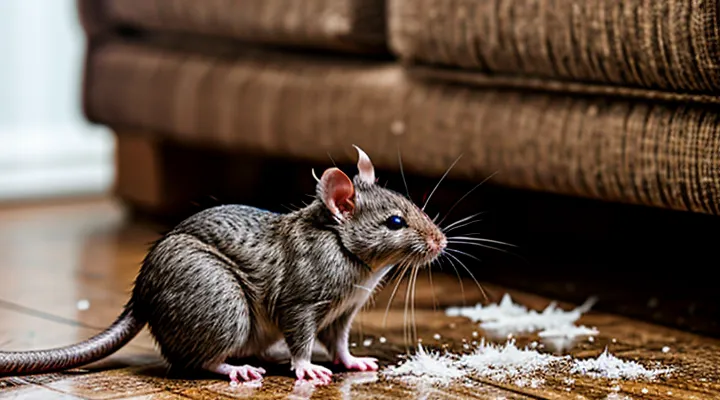
Understanding Dandruff in Rats
Causes of Dandruff in Rats
Nutritional Deficiencies
Nutritional status directly influences the severity of flaking skin in laboratory rats and modifies the efficacy of therapeutic regimens. Deficiencies in specific nutrients disrupt epidermal barrier integrity, alter keratinocyte turnover, and create an environment conducive to hyperkeratosis and secondary microbial overgrowth.
Key deficiencies associated with increased scaling include:
- Essential fatty acids (linoleic and arachidonic acids) – reduce surface lipids, impair barrier function.
- Zinc – essential for enzyme activity involved in keratin maturation; deficiency leads to abnormal cornified layer formation.
- Biotin – co‑factor for carboxylases that regulate fatty acid synthesis; lack results in dry, scaly epidermis.
- Vitamin A – modulates differentiation of epidermal cells; insufficiency causes hyperkeratosis and desquamation.
Supplementing these nutrients restores barrier competence, reduces visible flakes, and enhances response to antifungal or keratolytic agents. Studies demonstrate that rats receiving a diet enriched with the above micronutrients exhibit faster resolution of scaling when treated with topical selenium sulfide or oral ketoconazole compared with nutritionally compromised controls.
Practical guidance for managing flaking skin in rats includes:
- Verify diet formulation meets recommended levels of essential fatty acids, zinc, biotin, and vitamin A.
- Conduct periodic blood or tissue assays to detect subclinical deficits.
- Adjust feed composition or provide targeted supplements before initiating pharmacologic therapy.
- Monitor skin condition throughout treatment to assess improvement and adjust nutritional support as needed.
Integrating corrective nutrition into therapeutic protocols yields more consistent outcomes and reduces the likelihood of relapse.
Skin Parasites
Skin parasites are common contributors to flaky skin conditions in laboratory and pet rats. Mites such as Myobia musculi and Radfordia affinis attach to the epidermis, feed on keratinous material, and provoke localized inflammation. The resulting hyperkeratosis accelerates desquamation, producing visible dandruff‑like scales.
Effective control requires a two‑step approach: eradication of the parasite and restoration of normal epidermal turnover. Antiparasitic agents approved for rodents include:
- Ivermectin, administered subcutaneously at 0.2 mg/kg, repeated after 7 days.
- Selamectin, topically applied at 0.5 mg/kg, with a single dose sufficient for most infestations.
- Lime sulfur dips (2 % solution), applied for 10 minutes, repeated weekly for three cycles.
Adjunctive skin care supports recovery. Gentle bathing with a hypoallergenic, pH‑balanced shampoo reduces debris and limits secondary bacterial colonization. Topical keratolytics such as 1 % salicylic acid ointment promote shedding of excess cornified layers. Nutritional supplementation with omega‑3 fatty acids and zinc improves barrier function and reduces recurrence.
Monitoring protocols should include weekly skin examinations, fecal microscopy to rule out concurrent intestinal parasites, and weight tracking to detect systemic effects. Documentation of treatment response—measured by reduction in scale coverage and mite counts—guides dosage adjustments and confirms eradication.
Implementing these measures minimizes parasite‑induced dandruff, restores cutaneous health, and maintains experimental integrity in rat colonies.
Environmental Factors
Environmental conditions directly influence the severity of seborrheic scaling in laboratory rats and therefore must be considered when designing therapeutic protocols.
Low relative humidity accelerates skin desquamation, while high humidity can suppress scaling but may promote fungal growth. Maintaining humidity within a narrow range (45‑55 %) reduces epidermal turnover without encouraging opportunistic pathogens.
Temperature fluctuations affect lipid metabolism in the stratum corneum. Constant ambient temperature (22 ± 2 °C) stabilizes keratinocyte activity and limits inflammatory responses associated with scaling.
Bedding material determines moisture retention and mechanical irritation. Soft, absorbent substrates such as paper pulp minimize friction and prevent localized dryness that can exacerbate flaking.
Ventilation rate controls airborne particle concentration and ammonia levels. Adequate air exchange (≥20 cubic feet per minute per cage) lowers irritant exposure and supports skin barrier integrity.
Light cycles regulate circadian rhythms that modulate epidermal proliferation. A consistent 12‑hour light/12‑hour dark schedule promotes regular skin renewal, reducing abnormal shedding.
Stressors, including noise and handling frequency, elevate corticosterone, which impairs barrier repair. Minimizing disturbances and providing enrichment reduce hormonal interference with treatment outcomes.
Key environmental parameters for effective management
- Relative humidity: 45‑55 %
- Ambient temperature: 22 ± 2 °C
- Bedding: low‑friction, high‑absorbency material
- Ventilation: ≥20 cfm per cage
- Light cycle: 12 h light/12 h dark
- Noise and handling: reduced to baseline levels
Adjusting these factors creates a stable milieu that enhances the efficacy of pharmacological or topical interventions aimed at controlling rat seborrheic scaling.
Underlying Health Conditions
Scaly skin in laboratory rodents often reflects systemic disturbances rather than isolated epidermal problems. Identifying co‑existing health issues is essential before initiating any therapeutic protocol, because untreated conditions can compromise efficacy and precipitate relapse.
Common underlying disorders associated with excessive keratin shedding include:
- Nutritional deficiencies (e.g., low essential fatty acids, vitamin A or zinc)
- Endocrine imbalances such as hypothyroidism or hyperadrenocorticism
- Immunologic dysfunctions, including chronic stress‑induced immunosuppression
- Parasitic infestations (e.g., mites, lice) that trigger secondary inflammation
- Dermatologic infections (bacterial, fungal) that exacerbate scaling
Treatment plans must address each identified factor. Nutrient supplementation corrects deficiency‑driven hyperkeratosis; hormone replacement normalizes metabolic rates; immunomodulatory agents restore defensive capacity; antiparasitic regimens eradicate ectoparasites; and appropriate antimicrobial therapy resolves infectious components. Only after these underlying conditions are stabilized can topical or systemic anti‑scaling agents achieve reliable results.
Symptoms and Diagnosis
Visual Identification
Visual identification of scalp flaking in laboratory rats relies on direct observation of the skin and coat. The condition manifests as fine, white or grayish scales that detach easily from the dorsal and ventral fur. Scales are most concentrated around the neck, shoulders, and tail base, where hair density is high. Affected areas often appear dull compared to surrounding healthy fur, which retains a glossy sheen.
Key visual cues include:
- Presence of loose, powdery debris on the fur surface.
- Redness or mild erythema underlying the scales, indicating irritation.
- Excessive grooming behavior; rats may scratch or bite the affected region more frequently.
- Localized hair loss or thinning where scales accumulate.
When assessing treatment efficacy, compare pre‑ and post‑intervention photographs under consistent lighting. Document the extent of scaling by estimating the percentage of the body surface involved, using a simple scale (0 % – 100 %). Record any changes in fur texture, coloration, and animal behavior to corroborate visual findings.
Behavioral Changes
Rats with experimentally induced scalp scaling exhibit distinct alterations in activity patterns when therapeutic agents are applied. Researchers have recorded a reduction in excessive grooming bouts, indicating that effective topical or systemic regimens diminish the itch-driven response. Concurrently, locomotor assessments reveal a modest increase in open‑field exploration, reflecting improved comfort and reduced distraction from cutaneous irritation.
Observations also include:
- Decreased frequency of head‑shaking episodes, suggesting alleviation of localized discomfort.
- Stabilization of nesting behavior, with more consistent construction of complex nests compared to pre‑treatment baselines.
- Normalization of social interaction metrics, such as reduced avoidance of conspecifics during cage mate encounters.
These behavioral markers provide objective evidence of treatment efficacy beyond histological improvement. Incorporating such endpoints into protocol design enhances the translational relevance of anti‑scaling interventions for rodent models.
Veterinary Examination
A veterinary examination of a rat presenting with flaky skin must begin with a systematic physical assessment. The clinician inspects the coat for scale distribution, quantifies lesion severity, and records any concurrent alopecia, erythema, or excoriations. Palpation of the skin evaluates texture, temperature, and underlying masses. Body condition scoring and weight measurement establish baseline health status.
Diagnostic sampling follows the visual inspection. Skin scrapings are collected from affected areas and examined microscopically for mites, fungal elements, or bacterial colonies. Cytological smears from lesions identify inflammatory cell types and possible pathogens. If secondary infection is suspected, a sterile swab of any exudate is cultured on appropriate media. Blood collection allows complete blood count and serum biochemistry to detect systemic involvement, such as hypoalbuminemia or elevated inflammatory markers.
Imaging is rarely required for primary dandruff, but radiographs or ultrasound may be indicated when deep tissue involvement or neoplasia is suspected. The veterinarian documents all findings in a structured report, noting:
- Coat condition (scale type, location, extent)
- Skin integrity (lesion depth, secondary lesions)
- Laboratory results (microscopy, culture, hematology)
- Overall health indicators (weight, body condition, organ function)
The examination results guide therapeutic decisions, including topical agents, systemic medications, and husbandry modifications. Accurate assessment ensures that treatment targets the underlying cause rather than merely alleviating surface symptoms.
Treatment Strategies for Rat Dandruff
Topical Treatments
Medicated Shampoos
Medicated shampoos constitute the primary topical approach for controlling flaky skin conditions in laboratory rats. Effective formulations combine antifungal agents, keratolytic compounds, and anti‑inflammatory additives to target the microbial and epidermal factors that drive scaling.
-
Active ingredients
• Ketoconazole (1–2 % w/v) – disrupts ergosterol synthesis in Malassezia species.
• Selenium sulfide (2.5 % w/v) – reduces epidermal turnover and exhibits antifungal activity.
• Salicylic acid (0.5–1 % w/v) – promotes desquamation of hyperkeratotic layers.
• Corticosteroid (hydrocortisone 0.5 % w/v) – mitigates localized inflammation when combined with antifungal agents. -
Formulation considerations
• Non‑ionic surfactants (e.g., polysorbate 80) preserve skin barrier integrity.
• pH adjustment to 5.5–6.0 aligns with rodent epidermal pH, enhancing tolerability.
• Inclusion of glycerin or propylene glycol maintains moisture and prevents excessive drying. -
Application protocol
- Wet the animal’s coat with lukewarm water.
- Apply 0.5 ml of shampoo per 100 g body weight, ensuring thorough coverage of the dorsal and ventral regions.
- Massage gently for 30 seconds, then rinse with deionized water.
- Repeat once daily for the first three days, followed by maintenance dosing every 48 hours for two weeks.
-
Efficacy assessment
• Visual scoring of flake density on a 0–5 scale before treatment and at days 3, 7, and 14.
• Quantitative measurement of skin surface lipid content using a Sebumeter® to verify reduction in sebum-associated fungal proliferation.
• Histopathological examination of skin biopsies to confirm normalization of keratinocyte turnover.
Safety data indicate minimal systemic absorption when topical exposure is limited to the prescribed volume. Adverse reactions, such as erythema or pruritus, are rare and typically resolve after cessation of corticosteroid components. Regular monitoring of body weight and behavior ensures that the regimen does not compromise overall health or experimental outcomes.
Skin Conditioners
Skin conditioners formulated for laboratory rats provide a controlled means of reducing flaking and scaling associated with seborrheic dermatitis. These products typically contain emollient bases such as dimethicone, lanolin, or synthetic waxes, which restore lipid balance on the epidermis and limit desquamation. Incorporating humectants—glycerol, propylene glycol, or hyaluronic acid—enhances moisture retention, thereby decreasing the propensity for dry, flaky patches.
Effective conditioning regimens follow a standardized protocol:
- Preparation: Dilute the conditioner to a concentration of 0.5–2 % in a sterile isotonic carrier. Verify pH between 5.5 and 7.0 to match the rat’s skin environment.
- Application: Administer 0.1 mL per 10 g of body weight using a calibrated pipette. Apply evenly to the dorsal surface, avoiding the fur‑rich ventral area to prevent excessive absorption.
- Frequency: Treat twice daily for the first three days, then reduce to once daily for maintenance.
- Monitoring: Record the number of visible flakes per square centimeter and assess skin hydration with a corneometer at baseline, day 3, and day 7.
Ingredient selection must consider safety and compatibility. Non‑ionic surfactants (e.g., polysorbate 80) reduce irritation risk, while botanical extracts such as tea‑tree oil or neem provide mild antifungal activity without disrupting the normal microbiota. Preservative systems—phenoxyethanol or benzalkonium chloride at ≤0.1 %—prevent microbial growth in the formulation.
Quality control includes:
- Stability testing under temperature cycles (4 °C, 22 °C, 37 °C) for 30 days.
- Microbial limit tests to ensure <10³ CFU/g of aerobic bacteria.
- Skin irritation assessment using the Draize scoring method on a subset of rats before full‑scale deployment.
When these criteria are met, skin conditioners serve as a reliable component of therapeutic strategies aimed at mitigating flake formation in rats, supporting overall dermatological health and improving the consistency of experimental outcomes.
Parasite Control Sprays
Parasite control sprays serve as a practical component in managing scalp scaling in laboratory rats. External parasites, such as mites and lice, aggravate the epidermal turnover that produces visible flakes. By eliminating these organisms, sprays reduce mechanical irritation and secondary inflammation, creating conditions favorable for normal keratinization.
Active ingredients typically include pyrethroids, organophosphates, or botanical extracts with proven acaricidal activity. Formulations are designed for topical application, allowing rapid absorption through the fur coat and direct contact with the skin surface. The spray delivers a uniform dose that reaches hidden body regions where parasites reside, ensuring comprehensive eradication.
Standard protocol recommends a single application of 0.5 ml per 100 g body weight, followed by a repeat after 48 hours to interrupt the life cycle of surviving stages. Animals should be observed for at least 30 minutes post‑application to detect adverse reactions. Compatibility with antifungal shampoos permits sequential treatment: parasite spray first, antifungal rinse after 24 hours.
Research on combined therapy reports a 30‑45 % reduction in flake count within five days of initiating spray treatment, compared with untreated controls. Histological analysis shows decreased epidermal hyperplasia and fewer inflammatory infiltrates, indicating that parasite removal directly influences the pathophysiology of the condition.
Key benefits of parasite control sprays in this context
- Rapid reduction of external parasite load
- Decreased secondary skin irritation
- Improved efficacy of subsequent antifungal agents
- Minimal handling stress due to spray delivery method
- Compatibility with standard laboratory animal husbandry practices
Proper integration of these sprays into a broader therapeutic regimen enhances overall outcomes for rats suffering from scalp scaling.
Systemic Treatments
Oral Medications for Parasites
Oral antiparasitic agents are frequently incorporated into protocols aimed at reducing scalp scaling in laboratory rats. Parasite infestation, particularly by gastrointestinal nematodes, can alter skin lipid composition and exacerbate flaking. Systemic drug delivery ensures uniform exposure, bypassing the variability of topical application.
Effective compounds include:
- Ivermectin – macrocyclic lactone that disrupts glutamate‑gated chloride channels in nematodes. Standard dosage for rats is 0.2 mg kg⁻¹ administered orally once weekly. Therapeutic monitoring focuses on reduction of fecal egg counts and improvement of dermatological signs.
- Fenbendazole – benzimidazole that binds β‑tubulin, inhibiting microtubule assembly. Recommended regimen is 50 mg kg⁻¹ daily for five consecutive days. Clinical response is assessed by decreased parasite load and normalization of fur texture.
- Milbemycin oxime – similar mode of action to ivermectin, with broader spectrum against mites. Dosage of 0.5 mg kg⁻¹ given orally every two weeks provides sustained control of both internal and cutaneous parasites.
When selecting an oral antiparasitic, consider drug–drug interactions with concurrent anti‑dandruff agents, potential hepatotoxicity, and species‑specific metabolic pathways. Blood chemistry panels should be performed before initiation and after the first treatment cycle to detect adverse effects. Adjustments in dose may be required for juvenile or pregnant rats.
Integrating systemic parasite control with topical scalp treatments accelerates resolution of scaling, improves coat quality, and minimizes recurrence. Regular parasitological screening supports early intervention and maintains the efficacy of the overall management strategy.
Antibiotics for Secondary Infections
Antibiotic therapy addresses bacterial complications that frequently accompany severe seborrheic skin conditions in laboratory rodents. When scaling and pruritus disrupt the epidermal barrier, opportunistic pathogens such as Staphylococcus spp. and Pseudomonas aeruginosa may colonize lesions, leading to erythema, exudate, and delayed recovery.
Effective management requires the following steps:
- Pathogen identification – culture swabs from affected sites; sensitivity testing guides drug choice and minimizes resistance development.
- Drug selection – agents with proven activity against common rodent skin bacteria include enrofloxacin, amoxicillin‑clavulanate, and trimethoprim‑sulfamethoxazole. Choice depends on susceptibility results, spectrum, and safety profile.
- Dosage and administration – administer orally or subcutaneously at species‑specific doses (e.g., enrofloxacin 10 mg kg⁻¹ day⁻¹, amoxicillin‑clavulanate 30 mg kg⁻¹ day⁻¹ divided into two doses). Treatment duration typically spans 5–7 days, extending to 10 days for deep or persistent infections.
- Monitoring – assess lesion size, exudate volume, and animal weight daily; adjust therapy if clinical signs worsen or adverse reactions appear.
- Adjunct measures – maintain hygiene, reduce humidity, and apply topical antiseptics to limit bacterial load while primary anti‑seborrheic agents control scaling.
Avoiding prophylactic antibiotic use without confirmed infection reduces selection pressure. When secondary infection resolves, discontinue antibiotics to prevent relapse and support normal microbiota recovery.
Nutritional Supplements
Nutritional supplementation can influence the severity of scalp flaking in laboratory rats. Certain micronutrients affect keratinocyte turnover, sebaceous gland activity, and skin microbiota, thereby modifying the presentation of dandruff‑like lesions.
Key supplements supported by experimental data include:
- Zinc (Zn) oxide or picolinate – improves epidermal barrier integrity; deficiency correlates with increased desquamation.
- Omega‑3 fatty acids (EPA/DHA) – reduce inflammatory mediators in the skin, limiting excessive scaling.
- Biotin (vitamin B7) – enhances keratin structure; supplementation restores normal hair shaft formation.
- Vitamin E (α‑tocopherol) – antioxidant protection of lipid membranes, decreasing oxidative stress that aggravates flaking.
- Probiotic blends (Lactobacillus, Bifidobacterium spp.) – modulate cutaneous microbial balance, suppressing yeasts implicated in dandruff.
Administration protocols typically involve daily oral dosing adjusted to body weight (e.g., 5 mg kg⁻¹ for zinc, 50 mg kg⁻¹ for omega‑3). Combination regimens, such as zinc plus omega‑3, have demonstrated synergistic reduction of lesion scores in controlled studies. Monitoring serum levels ensures adequacy while preventing toxicity.
Environmental Management
Cage Cleaning and Disinfection
Effective management of rat scalp scaling demands rigorous cage hygiene. Contaminated bedding and surfaces provide a reservoir for keratinocyte debris and microbial agents that exacerbate the condition. Regular removal of soiled material reduces exposure to irritants and limits secondary infections that can worsen scaling.
A standardized cleaning cycle should include the following steps:
- Remove all animals and isolate them in a clean holding area.
- Discard used bedding, nesting material, and waste.
- Wash cage interior with warm water and a neutral detergent to eliminate organic residues.
- Rinse thoroughly to prevent detergent buildup.
- Apply an approved veterinary disinfectant (e.g., 0.5 % chlorhexidine or 70 % ethanol) at the manufacturer‑recommended concentration.
- Allow the disinfectant to remain for the prescribed contact time (generally 10–15 minutes).
- Rinse with sterile water and dry completely before reintroduction of the rats.
Frequency of cleaning should correspond to the severity of the scaling outbreak. Minimum daily removal of soiled bedding and weekly deep disinfection are essential for preventing recurrence. Monitoring cage conditions and adjusting the schedule based on observed skin health ensures consistent control of the scalp scaling problem.
Humidity Control
Humidity regulation is a decisive factor when managing scalp scaling in laboratory rats. Elevated moisture levels reduce skin desiccation, inhibit keratinocyte hyperproliferation, and limit fungal colonization that aggravates flaking. Conversely, excessive humidity fosters bacterial growth and compromises cage hygiene.
Optimal relative humidity for rodent housing ranges from 45 % to 55 %. Maintaining this interval stabilizes epidermal barrier function and supports the efficacy of topical or systemic anti‑scaling agents.
Practical measures:
- Install calibrated hygrometers in each rack; record values at least twice daily.
- Employ automated humidifiers with feedback control linked to the hygrometer readings.
- Adjust ventilation rates to counteract humidity spikes during cage cleaning or bedding changes.
- Use absorbent bedding materials with low moisture retention to prevent localized saturation.
- Conduct weekly calibration of sensors against a reference instrument to ensure accuracy.
When humidity deviates from the target range, immediate correction prevents exacerbation of dandruff symptoms. Integrating humidity control with other environmental parameters—temperature, light cycle, and diet—produces reproducible outcomes in therapeutic studies.
Bedding Selection
Choosing appropriate cage bedding directly influences the effectiveness of therapeutic protocols aimed at reducing epidermal scaling in laboratory rats. The substrate contacts the skin, affects moisture balance, and determines the level of microbial growth, all of which can exacerbate or alleviate flaking conditions.
Key characteristics of suitable bedding include:
- Low absorbency for water‑based shampoos and topical agents, preventing excess retention that could promote fungal proliferation.
- Minimal particle shedding to reduce irritation of the dorsal skin.
- Chemical inertness; the material must not contain fragrances, dyes, or additives that could trigger dermatitis.
- Ease of sterilization, allowing autoclaving or gamma irradiation without loss of structural integrity.
Commonly evaluated options:
- Paper‑based pellets – compressible, low‑dust, compatible with high‑temperature sterilization; suitable for short‑term studies.
- Compressed wood shavings (aspen) – low‑scent, fine texture; requires thorough drying to avoid mold.
- Cellulose fiber mats – uniform surface, high absorbency; may retain moisture if not changed frequently.
- Synthetic polymer granules – non‑absorbent, reusable after washing; risk of static electricity buildup.
Implementation guidelines:
- Replace bedding daily when topical treatments are applied, ensuring a dry environment for the next dose.
- Monitor humidity within the cage; maintain relative humidity below 60 % to limit fungal growth.
- Conduct weekly microbiological swabs of bedding material to detect opportunistic pathogens early.
- Record any skin changes correlated with bedding changes to refine selection for individual subjects.
By adhering to these criteria, researchers can minimize external factors that aggravate epidermal desquamation, thereby supporting the primary therapeutic objectives for the animal model.
Addressing Underlying Causes
Dietary Adjustments
Dietary strategies can influence the severity of flaking skin in laboratory rats and complement pharmacological approaches. Nutrient profiles that support epidermal health reduce keratinocyte turnover and limit fungal overgrowth, which are common contributors to dandruff‑like conditions.
Key adjustments include:
- Increase omega‑3 fatty acids – supplement feed with fish oil or flaxseed to enhance membrane fluidity and anti‑inflammatory capacity.
- Elevate zinc content – add zinc sulfate or zinc‑enriched pellets; zinc is essential for keratinocyte differentiation and barrier formation.
- Provide adequate vitamin A and E – incorporate β‑carotene or tocopherol sources to promote epithelial integrity and antioxidant protection.
- Limit simple carbohydrates – reduce sucrose and starch levels to prevent dysbiosis that favors Malassezia proliferation.
- Ensure consistent water intake – maintain hydration to support skin moisture; consider adding electrolyte solutions if water consumption declines.
Monitoring body weight, coat condition, and skin scrapings before and after dietary changes allows assessment of efficacy. Adjustments should align with the overall nutritional requirements of the strain to avoid confounding health effects.
Stress Reduction
Stress levels influence the severity of seborrheic dermatitis in laboratory rodents. Elevated cortisol disrupts epidermal barrier integrity, increases keratinocyte turnover, and promotes colonization by Malassezia species, which aggravates flaking. Consequently, managing anxiety and physiological stress is integral to any therapeutic regimen targeting scalp scaling in rats.
Effective stress mitigation can be achieved through environmental and pharmacological interventions. Recommended measures include:
- Provision of nesting material and shelter to allow natural burrowing behavior.
- Maintenance of a consistent light‑dark cycle (12 h : 12 h) and temperature (22 ± 2 °C).
- Daily handling sessions limited to five minutes to habituate animals without inducing fear.
- Administration of low‑dose anxiolytics (e.g., diazepam 0.5 mg/kg intraperitoneally) when behavioral assessments indicate chronic agitation.
Implementing these strategies reduces hypothalamic‑pituitary‑adrenal axis activation, thereby decreasing cortisol secretion. Lower cortisol levels correlate with improved stratum corneum cohesion and reduced Malassezia proliferation, facilitating faster resolution of flaking.
When combined with antifungal agents or keratolytic shampoos, stress reduction amplifies therapeutic efficacy. Monitoring behavioral indices (e.g., open‑field test) alongside dermatological scoring provides objective evidence of treatment success.
Veterinary Consultations for Chronic Conditions
Veterinary consultations for persistent dermatological disorders in laboratory rodents provide essential guidance for effective management of seborrheic skin conditions. During the initial assessment, the clinician records the animal’s housing environment, diet composition, and any exposure to irritants, then conducts a thorough physical examination to identify scaling, erythema, or secondary infection.
The diagnostic protocol includes skin scrapings, fungal cultures, and microscopic evaluation of hair shafts to differentiate between primary dandruff, fungal overgrowth, and bacterial dermatitis. Results direct the selection of therapeutic agents such as antifungal shampoos, keratolytic ointments, or systemic medications, with dosage calibrated to the animal’s weight and metabolic rate.
Follow‑up appointments focus on monitoring lesion regression, assessing adverse reactions, and adjusting treatment frequency. Owners receive written instructions on bathing procedures, environmental humidity control, and nutritional supplementation with omega‑3 fatty acids to support skin barrier integrity.
Key components of chronic‑condition veterinary care:
- Baseline documentation of clinical signs and husbandry factors
- Targeted laboratory testing to confirm etiology
- Evidence‑based selection of topical or systemic therapies
- Structured re‑evaluation schedule to ensure sustained improvement
Consistent veterinary oversight reduces relapse risk and promotes long‑term health of the affected rodents.
Prevention of Dandruff in Rats
Optimal Nutrition
Optimal nutrition directly influences skin integrity and keratinization in laboratory rats, thereby affecting the severity of seborrheic flaking.
A balanced diet must provide adequate levels of protein, essential fatty acids, vitamins, and minerals that support epidermal renewal and sebum regulation.
- Protein: 18‑20 % of caloric intake from high‑quality sources such as casein or soy isolate supplies amino acids for keratin synthesis.
- Omega‑3 fatty acids: 1‑2 % of diet from fish oil or algae oil reduces inflammatory mediators within the dermal layer.
- Vitamin A: 5 000 IU/kg feed maintains epithelial differentiation; excess can be toxic, so precise formulation is required.
- Vitamin E: 200 IU/kg feed acts as an antioxidant, protecting lipid membranes from oxidative damage.
- Zinc: 120 ppm feed supports enzymatic processes involved in skin barrier formation.
Carbohydrate content should remain moderate (45‑55 % of calories) to avoid excess glycemic spikes that can exacerbate microbial overgrowth on the skin surface. Fiber at 5‑7 % of the diet promotes gastrointestinal health, indirectly influencing systemic inflammation.
Feeding schedule should consist of two equal portions per day, ensuring consistent nutrient absorption. Water must be available ad libitum, with mineral supplementation limited to prevent hypernatremia.
Monitoring body weight, coat condition, and flake count weekly allows adjustment of nutrient ratios before clinical signs intensify. Implementing these dietary parameters reduces the need for pharmacological interventions and promotes sustainable remission of seborrheic symptoms in rat colonies.
Regular Grooming and Hygiene
Regular grooming reduces the accumulation of dead skin cells and excess sebum on the fur, which are primary contributors to flaking in laboratory rats. Brushing with a soft‑bristle comb twice daily removes loose debris and stimulates circulation, encouraging healthy epidermal turnover. When brushing, focus on areas prone to buildup, such as the neck, back, and tail base.
Bathing with a mild, veterinary‑approved shampoo once a week further cleanses the coat and restores the lipid balance of the skin. Rinse thoroughly to prevent residue that could irritate the dermis. After each bath, dry the animal completely with a low‑heat source or absorbent towels to avoid moisture‑related infections.
Environmental hygiene supports the grooming regimen. Replace bedding material every 48 hours to limit fungal spores and bacterial growth. Clean cage walls, feeding stations, and water bottles with a diluted disinfectant weekly, then rinse and dry before reuse. Maintain ambient humidity between 40–60 % to prevent excessive dryness of the skin.
Nutritional factors complement physical cleaning. Provide a diet enriched with omega‑3 fatty acids and vitamin E, which strengthen the skin barrier and reduce desquamation. Monitor feed intake and adjust portions to prevent obesity, which can exacerbate skin conditions.
Key practices for effective coat management
- Brush twice daily with a soft‑bristle comb.
- Bathe weekly using a mild, approved shampoo; rinse completely.
- Change bedding every two days; disinfect cage surfaces weekly.
- Keep humidity at 40–60 % and temperature stable.
- Supply a diet high in omega‑3 and vitamin E; avoid overfeeding.
Consistent application of these procedures minimizes dandruff severity, improves overall skin health, and supports the efficacy of any pharmacological interventions used in experimental settings.
Parasite Prevention
Dandruff outbreaks in laboratory and pet rats frequently correlate with ectoparasite infestations; eliminating the parasites reduces skin scaling and improves coat health.
- Maintain a clean cage environment; replace bedding weekly and disinfect surfaces with a rodent‑safe sanitizer.
- Apply a topical acaricide approved for rodents at the recommended interval; rotate active ingredients to prevent resistance.
- Conduct weekly visual inspections of the fur and skin for signs of mites, lice, or fleas; isolate any animal showing infestation.
- Provide a balanced diet rich in essential fatty acids; nutritional adequacy supports the skin barrier and deters parasite colonization.
Integrating parasite prophylaxis with antifungal or keratolytic agents yields a comprehensive strategy. Regular health assessments allow early detection of secondary infections, ensuring that treatment regimens address both the primary dandruff condition and its parasitic contributors.
Maintaining a Healthy Environment
Maintaining a clean, stable environment is essential for effective management of rat scalp scaling. Environmental conditions influence skin integrity, microbial load, and the efficacy of topical or systemic therapies.
Key environmental parameters that affect treatment outcomes include:
- Relative humidity kept between 40–60 % to prevent excessive skin dryness or moisture accumulation.
- Bedding material that is low‑dust, absorbent, and changed regularly to reduce fungal and bacterial proliferation.
- Daily cage cleaning that removes fecal matter, urine, and shed hair, thereby limiting secondary infections.
- Adequate ventilation that supplies fresh air and prevents stagnant, humid microclimates.
- Consistent temperature range of 20–24 °C to avoid thermal stress that can exacerbate skin lesions.
Implementation steps:
- Install hygrometers and thermostats for continuous monitoring; adjust humidifiers or dehumidifiers as needed.
- Select paper‑based or wood‑chip bedding, replace it at least twice weekly, and sterilize before use.
- Schedule cage cleaning at fixed intervals; use mild, non‑irritating disinfectants and rinse thoroughly.
- Ensure cage racks are spaced to allow airflow; incorporate fans or air exchangers if necessary.
- Provide a balanced diet rich in essential fatty acids and vitamins that support skin health, and monitor water quality for contaminants.
By controlling these factors, researchers create conditions that enhance therapeutic response, reduce relapse rates, and improve overall welfare of the rats under study.