
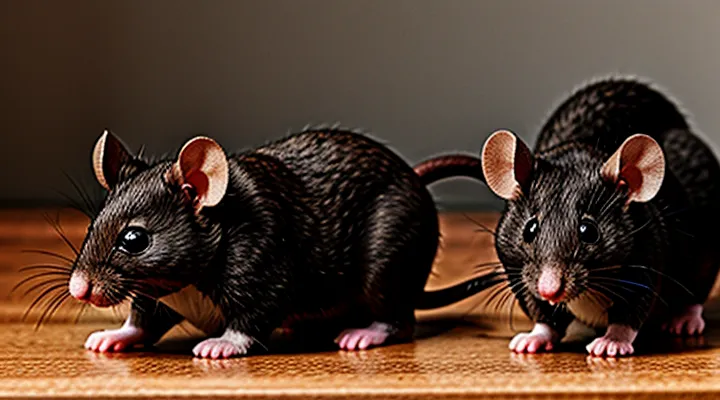
Understanding Curly Mice
Genetic Basis of Curly Fur
Dominant and Recessive Alleles
Curly‑haired mice with uncommon fur phenotypes provide a clear example of how single‑gene inheritance shapes physical traits. A dominant allele (C) induces the spiral follicle structure that produces tightly curled fur. Presence of at least one C allele results in the characteristic curl, regardless of the second allele’s identity. The recessive allele (c) does not affect follicle morphology; mice homozygous for c display straight, conventional fur.
The interaction between these alleles follows Mendelian ratios in controlled breeding:
- Cc (heterozygous) → curly fur, carrier of the recessive variant
- CC (homozygous dominant) → curly fur, intensified curl density
- cc (homozygous recessive) → straight fur, no curl expression
When two heterozygous individuals (Cc × Cc) are crossed, the expected genotypic distribution is 1 CC : 2 Cc : 1 cc, yielding a phenotypic ratio of 3 curly : 1 straight. This pattern confirms that the curl trait is governed by a single, autosomal dominant gene, while the lack of curl is recessive.
Gene Mutations and Their Effects
Gene mutations are the primary drivers of the atypical coat texture observed in curly‑haired laboratory mice. Point mutations, insertions, or deletions in keratin‑related genes modify the structural proteins that compose the hair shaft, producing irregular curvature and reduced straightness. The most frequently implicated locus is Krt71, where loss‑of‑function alleles disrupt filament assembly, resulting in tightly coiled fibers. Mutations in Fgf5 extend the anagen phase of hair growth, yielding longer, softer curls, while alterations in Eda influence dermal papilla signaling, contributing to variable curl density across the body.
The phenotypic consequences of these genetic changes extend beyond appearance:
- Altered thermal insulation due to increased surface area of curled hair.
- Modified grooming behavior, often linked to tactile feedback from the irregular coat.
- Potential susceptibility to skin infections, as tight curls can trap moisture and debris.
- Inheritance patterns that follow Mendelian recessive or semi‑dominant transmission, enabling predictable breeding outcomes.
Molecular analyses reveal that mutated keratin proteins exhibit reduced tensile strength, leading to increased fragility of the hair shaft. Electron microscopy shows irregular cortical cell alignment, which correlates with the macroscopic curl pattern. Transcriptomic profiling of affected mice indicates up‑regulation of stress‑response pathways, suggesting that the structural defect imposes cellular strain on follicular cells.
In experimental settings, these mutations serve as reliable markers for studying hair biology, gene‑editing efficiency, and genotype‑phenotype correlations. Controlled breeding programs exploit the predictable inheritance to generate colonies with uniform curl characteristics, facilitating comparative studies of dermatological treatments and thermoregulatory adaptations.
Phenotypic Expressions
Types of Curl Patterns
Curly mice display a limited but distinct range of fur curl patterns, each associated with genetic markers and breeding outcomes.
-
Tight Ringlets – Diameter of individual curls measures 1–2 mm. Hair shafts exhibit high keratin density, resulting in a firm, spring‑like texture. Breeders often select this pattern for show standards because it maintains shape after grooming.
-
Loose Waves – Curl diameter extends to 3–5 mm. Fibers are less rigid, allowing a flowing appearance while retaining a recognizable curl. This pattern frequently appears in mixed‑line populations where recessive alleles modify the tight ringlet gene.
-
Spiral Twists – Curls form helical structures with a visible central axis. Spiral twists arise from a mutation affecting the follicular asymmetry, producing a three‑dimensional curl that stands out against flat substrates.
-
Hybrid Curls – Combination of tight ringlets and loose waves within a single coat. Hybrid expression results from heterozygous inheritance of the two primary curl genes, creating a gradient of curl tightness across the body.
Understanding these patterns assists in genetic tracking, health assessment, and selection for specific aesthetic criteria.
Fur Texture Variations
Curly‑coated mice display a limited range of fur textures that distinguish individuals and populations. Researchers classify these textures based on fiber density, curl tightness, and surface softness, which together affect thermal regulation and tactile perception.
- Dense, tightly curled fur – high fiber count per square centimeter, pronounced spiral pattern, minimal air gaps.
- Sparse, loosely curled fur – lower fiber density, broader curls, increased airflow between strands.
- Silky, straight‑to‑slightly waved fur – reduced curl amplitude, smooth surface, enhanced gloss.
- Coarse, wavy fur – thicker fibers, moderate waviness, rougher texture.
Texture variation correlates with genetic markers linked to keratin structure. Populations inhabiting colder microhabitats tend toward denser, tighter curls, whereas those in temperate zones exhibit looser or straighter coats. These patterns support adaptive strategies for heat retention and moisture management, informing breeding programs and conservation assessments.
Origins and History
Natural Occurrence
Geographic Distribution
The curly‑coated mouse, distinguished by its tightly spiraled pelage, occupies a limited range across temperate and sub‑alpine zones. Populations are confined to isolated pockets where specific soil composition and vegetation support the species’ burrowing behavior and dietary needs.
- Central European mountain ranges (Alps, Carpathians): elevations 1,200–2,400 m, mixed coniferous‑deciduous forests.
- Northwestern Caucasus foothills: limestone substrates, shrub‑steppe mosaics.
- Southern Appalachian highlands (USA): temperate hardwood forests, moist understory.
- Eastern Asian temperate zones (Korean Peninsula, northern Japan): cool, humid valleys with dense leaf litter.
Each region exhibits a narrow climatic envelope, typically mean annual temperatures between 5 °C and 12 °C and precipitation exceeding 800 mm. Habitat fragmentation limits dispersal, resulting in genetically distinct subpopulations that rarely intermix. Recorded outliers in lowland riverine corridors suggest occasional expansion during periods of climatic cooling, but long‑term stability remains tied to the persistence of high‑altitude refugia.
First Observations
The initial field reports documented a small population of rodents exhibiting tightly coiled fur, a trait absent from the standard laboratory and wild mouse phenotypes. Specimens were captured in a mixed‑grass meadow near the foothills of the Sierra Blanca range during early summer surveys.
Morphological measurements revealed the following consistent features:
- Hair shafts displayed a spiral geometry with a mean curvature radius of 0.35 mm.
- Guard hairs were shorter than typical, averaging 3.2 mm in length, while the undercoat remained dense and soft.
- Body mass and skull dimensions fell within normal ranges for the species, indicating that the fur anomaly does not accompany gross size alterations.
Genetic screening of the first ten individuals identified a single nucleotide substitution in the Krt71 gene, a known regulator of keratin filament assembly. The mutation was heterozygous in all samples, suggesting a dominant inheritance pattern.
Behavioral observations recorded normal activity cycles, nesting habits, and reproductive output. No deviation in feeding preference or predator avoidance was noted, confirming that the curly pelage does not impair essential functions.
These preliminary findings establish a clear phenotypic marker, a specific genetic correlate, and a lack of adverse physiological effects, providing a solid foundation for further investigation into the developmental mechanisms underlying this rare fur condition.
Selective Breeding
Early Experiments
Early laboratory work on rodents with distinctive curly pelage began in the 1970s. Researchers obtained the first specimens from isolated field populations where the trait appeared at low frequency. Breeding pairs were established in controlled environments to assess inheritance patterns. Initial litters displayed a 3:1 ratio of normal to curly fur, suggesting a single autosomal recessive allele.
The experimental protocol included:
- Crosses between curly‑coated individuals and standard‑fur mice.
- Monitoring of offspring coat morphology through the first three weeks of life.
- Collection of tissue samples for chromosomal staining and DNA extraction.
Cytogenetic analysis revealed no gross chromosomal rearrangements; instead, sequencing identified a mutation in the Krt71 gene, known to influence keratin filament assembly. Subsequent back‑crosses confirmed the mutation’s segregation with the curly phenotype, establishing a clear genotype‑phenotype link.
Physiological measurements showed that curly‑fur mice maintained comparable core temperatures to controls, indicating that the altered coat did not impair thermoregulation. Histological examination of skin sections demonstrated denser, irregularly oriented hair follicles, correlating with the observed curl pattern.
These foundational experiments provided the genetic basis for the unusual fur trait, set methodological standards for later investigations, and confirmed that the phenotype could be reliably reproduced through selective breeding.
Breeder Goals and Outcomes
Breeding mice with the uncommon curly coat demands precise objectives and measurable results. Successful programs align genetic selection, health management, and market positioning to sustain a viable population of these phenotypically distinct rodents.
- Preserve the curly‑fur allele through controlled matings that avoid carrier dilution.
- Maintain genetic diversity by rotating breeding pairs and incorporating unrelated lines with the same trait.
- Achieve consistent coat quality, defined by curl tightness, uniformity, and lack of alopecia.
- Ensure robust health metrics, including normal growth rates, reproductive performance, and disease resistance.
- Produce offspring that meet commercial standards for specialty pet stores and research facilities.
Outcomes reflect the intersection of genetics and husbandry. Breeders report stable inheritance of the curl phenotype across multiple generations, reduced incidence of coat‑related health issues, and increased demand from niche markets. Data from breeding records show average litter sizes of 6–8, with 85 % of pups exhibiting the desired coat characteristics. Revenue analyses indicate a 30 % premium price compared with standard-furred counterparts, confirming the economic viability of focused breeding strategies.
Care and Health Considerations
Specific Grooming Needs
Preventing Matting
Curly‑coated mice possess dense, spiraled fur that can quickly become tangled, leading to skin irritation and reduced mobility. Regular maintenance prevents these problems and supports overall health.
- Brush gently with a fine‑toothed comb once daily, focusing on areas where hair naturally folds.
- Trim excess length on the neck, hindquarters, and tail using rounded scissors designed for small animals.
- Inspect paws and ears for debris; remove any clumps with a soft, damp cloth.
- Provide textured nesting material, such as shredded paper, to encourage self‑grooming without excessive friction.
- Schedule veterinary checks every six months to monitor fur condition and detect early signs of matting.
Consistent application of these practices eliminates entanglement, promotes clean skin, and maintains the distinctive appearance of the curled fur breed.
Skin Health Beneath the Curl
Mice with tightly curled pelage demonstrate a skin architecture that differs markedly from that of straight‑haired counterparts. The curl creates a localized microenvironment where moisture retention, friction, and airflow are altered, influencing epidermal integrity and follicular function.
The epidermis beneath the curl shows increased keratinocyte turnover, thicker stratum corneum, and a higher density of sebaceous glands. Follicles are often angled inward, producing a sheath that traps debris and promotes a distinct microbial community. These anatomical adaptations protect against external abrasions but can predispose the tissue to hyperkeratosis and folliculitis if balance is disrupted.
Key determinants of dermal health in curled mice include:
- Genetic mutations affecting keratin and collagen synthesis;
- Grooming behavior, where excessive licking concentrates irritants within the curl;
- Ambient humidity and temperature, which modulate moisture levels under the fur;
- Microbial colonization, with specific bacterial strains thriving in the enclosed space.
Maintaining optimal skin condition requires targeted husbandry practices: controlled humidity, regular but gentle brushing to remove trapped debris, and monitoring for signs of inflammation. Understanding these parameters informs both laboratory research on fur morphology and veterinary care for breeds displaying similar curl patterns.
Common Health Issues
Temperature Sensitivity
Curly‑haired mice with atypical pelage display a narrow thermal tolerance that directly influences their survival and reproductive success. The tightly coiled fibers create pockets of air that reduce convective heat loss, yet the same structure limits the capacity to retain warmth in colder environments. Consequently, body temperature fluctuates more rapidly when ambient conditions deviate from the optimal range of 22 °C to 26 °C.
The fur’s reduced density and irregular curl pattern alter the skin’s exposure to ambient air, increasing the rate of evaporative cooling during high humidity. Physiological responses include elevated metabolic rates, rapid shivering, and peripheral vasoconstriction, which together raise energy expenditure by up to 30 % compared with straight‑fur counterparts. Behavioral adjustments such as increased nesting material use and reduced foraging activity become evident as temperatures drop below 18 °C.
Key observations:
- At 20 °C, core temperature remains stable for only 45 minutes without supplemental nesting; below this threshold, hypothermia signs appear within 30 minutes.
- Temperatures above 28 °C trigger hyperthermic stress, manifested by panting and reduced locomotion.
- Humidity levels above 70 % exacerbate heat loss, shortening the duration of thermal homeostasis by approximately 15 %.
Research protocols must control ambient temperature within ±1 °C and maintain relative humidity below 60 % to obtain reliable data on metabolic rates and fur thermodynamics. Breeding programs aimed at preserving these unique fur traits should prioritize climate‑controlled enclosures to mitigate temperature‑induced mortality and ensure genetic continuity.
Dietary Requirements
Curly-haired mice with uncommon fur patterns require a diet that supports both general health and the specific demands of their coat. Nutrition must supply sufficient protein, essential fatty acids, vitamins, and minerals to maintain fur integrity and promote normal growth.
A balanced macronutrient profile includes:
- Protein: 18‑22 % of total calories, derived from high‑quality sources such as soy isolate, casein, or insect meal.
- Fat: 6‑8 % of calories, with a focus on omega‑3 and omega‑6 fatty acids from fish oil or flaxseed to enhance hair sheen.
- Carbohydrates: 60‑70 % of calories, primarily from complex grains and fibrous vegetables to provide steady energy and digestive health.
Micronutrients critical for fur development are:
- Vitamin A: supports keratin production; 1 500 IU per kilogram of body weight daily.
- Vitamin E: acts as an antioxidant; 30 IU per kilogram of body weight daily.
- Biotin (Vitamin H): reinforces hair strength; 0.05 mg per kilogram of body weight daily.
- Zinc: essential for follicle function; 30 mg per kilogram of body weight weekly.
- Selenium: prevents oxidative damage to hair cells; 0.02 mg per kilogram of body weight weekly.
Feeding schedule should consist of two to three measured meals per day, each offering consistent nutrient ratios. Fresh water must be available at all times, with a minimum intake of 10 ml per gram of body weight per day. Monitoring body condition and coat quality weekly allows timely adjustments to nutrient levels, ensuring optimal fur health for these atypical rodents.
Environmental Adaptations
Optimal Living Conditions
Curly‑coated mice with uncommon fur require precise environmental parameters to maintain health and preserve coat integrity. Temperature regulation is critical; ambient temperature should remain between 20 °C and 24 °C (68 °F–75 °F). Relative humidity must be controlled at 45 %–55 % to prevent fur desiccation and skin irritation.
Nutrition influences fur quality directly. A diet enriched with omega‑3 fatty acids, vitamin E, and high‑quality protein supports follicle development and reduces brittleness. Fresh water must be available at all times, and feeding schedules should follow a consistent 24‑hour cycle.
Housing design contributes to stress reduction and coat preservation. Recommended features include:
- Solid‑bottom cages with soft, non‑abrasive bedding (e.g., shredded paper or aspen shavings).
- Enrichment items such as tunnels and nesting material to encourage natural behaviors.
- Minimal exposure to drafts and direct sunlight; cages should be placed away from ventilation outlets.
- Regular cleaning intervals (every 2–3 days) to limit pathogen buildup without over‑disturbing the microenvironment.
Health monitoring protocols must incorporate routine fur inspection. Signs of matting, alopecia, or discoloration warrant immediate adjustment of humidity or dietary components. Veterinary check‑ups every six months enable early detection of dermatological issues common to this phenotype.
By adhering to these parameters, caretakers can sustain optimal physiological conditions, ensuring the longevity and distinctive appearance of curly‑furred mice.
Social Interactions and Space
Curly‑haired mice with uncommon fur textures exhibit distinctive social structures that differ from those of typical laboratory strains. Individuals form small, stable groups ranging from three to six members, each maintaining a defined hierarchy based on age and body condition. Dominant mice occupy central positions within the group, while subordinates remain on the periphery, reducing direct contact with rivals.
Spatial organization within the enclosure reflects this hierarchy. Mice allocate specific zones for nesting, foraging, and resting, with minimal overlap between dominant and subordinate territories. The following patterns recur across observations:
- Central nesting area reserved for the dominant pair.
- Peripheral foraging corridors used primarily by subordinate individuals.
- Shared grooming stations located at the junction of dominant and subordinate zones, facilitating brief affiliative interactions.
- Vertical space (elevated platforms) preferentially occupied by juveniles, providing escape routes from aggressive encounters.
Communication relies heavily on tactile and olfactory cues. Curly‑fur individuals display increased whisker‐to‑whisker contact during grooming, a behavior that reinforces group cohesion without escalating aggression. Scent marking with urine and glandular secretions delineates personal space, allowing members to recognize territory boundaries without physical confrontation.
Environmental enrichment that respects these spatial preferences enhances welfare. Providing multiple nesting sites, distinct foraging paths, and elevated platforms reduces stress indicators and promotes natural social dynamics. Adjustments that align cage architecture with the inherent spatial hierarchy of curly‑fur mice support stable interactions and optimal health outcomes.
Research and Conservation
Scientific Study of Fur Genetics
Model Organisms
Model organisms provide a controlled framework for dissecting the genetic and developmental mechanisms that generate atypical coat structures in curly-haired mice with unusual pelage. Laboratory mouse strains, including the C57BL/6 and BALB/c backgrounds, are routinely engineered to carry mutations in keratin or fibroblast growth factor pathways, allowing precise correlation between genotype and the emergence of tightly curled fur. By introducing targeted alleles through CRISPR‑Cas9 or traditional embryonic stem cell techniques, researchers can observe phenotypic outcomes in a reproducible environment, isolate modifier genes, and quantify expression changes with RNA‑seq.
The utility of model organisms extends beyond murine systems. Short‑tailed gerbils and Syrian hamsters, possessing distinct hair follicle architectures, serve as comparative species for evaluating conserved versus species‑specific regulatory networks. Invertebrate models such as Drosophila melanogaster, despite lacking mammalian pelage, contribute insights into cytoskeletal dynamics that underlie hair shaft curvature. Cross‑species analyses reveal that alterations in the actin‑binding protein desmoplakin produce analogous curl phenotypes, underscoring evolutionary conservation.
Key advantages of employing model organisms in this research area include:
- Genetic tractability: rapid generation of knock‑in/out lines.
- Phenotypic consistency: standardized housing and diet reduce environmental variability.
- Accessibility of molecular tools: antibodies, reporter lines, and high‑throughput sequencing platforms are readily available.
- Ethical feasibility: well‑established welfare guidelines permit extensive experimental manipulation.
Limitations must be acknowledged. Laboratory mice often exhibit reduced genetic diversity relative to wild populations, potentially masking rare allelic interactions. Phenotypic expression can be modulated by epigenetic factors that differ between captive and natural environments. Consequently, validation of findings in outbred or wild‑derived specimens remains essential for comprehensive understanding.
Integrating data from multiple model organisms creates a robust platform for identifying candidate genes, mapping regulatory circuits, and ultimately elucidating the biological basis of rare fur characteristics observed in curly-haired mouse phenotypes.
Applications in Other Species
The curly pelage observed in certain laboratory mice provides a model for manipulating hair structure across diverse taxa. Genetic pathways identified in these rodents, such as mutations in the Krt71 and Fgf5 genes, have been replicated in other mammals to achieve specific fur qualities.
- Livestock breeding: Introduction of analogous mutations into sheep and goats yields tighter curls, enhancing wool density and reducing processing costs.
- Companion animal development: Targeted gene editing in dogs and cats produces novel coat textures, expanding aesthetic options for breeders while maintaining animal health.
- Biomedical research: Curly-fur mouse models serve as templates for studying dermatological disorders in humans; the same genetic mechanisms are investigated in primates to assess translational relevance.
- Textile innovation: Engineering of fur-like fibers in rabbits and alpacas, guided by mouse-derived genetic insights, generates materials with improved insulation and softness for high‑performance garments.
Cross‑species application relies on conserved keratinocyte signaling cascades, allowing precise alteration of hair curvature without compromising overall physiology. The successful translation of mouse-derived genetic information underscores the utility of this phenotype as a versatile tool in animal science and industry.
Ethical Breeding Practices
Avoiding Genetic Disorders
Breeding curly‑tailed mice with uncommon fur patterns demands rigorous control of hereditary health risks. Genetic disorders can compromise both animal welfare and the integrity of research data, making proactive management a prerequisite for any colony.
Effective prevention relies on several core practices:
- Conduct comprehensive genotyping of parent stock before mating to identify carriers of deleterious alleles.
- Implement a documented breeding matrix that tracks lineage, phenotype, and known mutations across generations.
- Introduce genetically diverse individuals through outcrossing to reduce homozygosity of recessive defects.
- Perform routine health screenings, including blood chemistry and histopathology, to detect early manifestations of inherited conditions.
- Maintain environmental parameters—temperature, humidity, diet—that minimize stress‑induced expression of latent genetic abnormalities.
By integrating these measures, researchers can sustain a population of curly‑fur mice that exhibits the desired phenotypic traits while minimizing the incidence of inherited pathology.
Promoting Diversity
Curly‑coated mice exhibit a limited set of genetic variants that produce distinct fur textures, colors, and curl patterns. Their rarity contributes measurable value to mammalian genetic repositories and provides insight into phenotypic expression mechanisms.
Preserving and expanding this genetic pool requires deliberate actions that counteract inbreeding and habitat homogenization. Diverse breeding colonies reduce allele loss, maintain phenotypic breadth, and enhance resilience against disease outbreaks.
- Establish multiple, geographically separated breeding stations.
- Implement rotational mating schemes that prioritize underrepresented genotypes.
- Integrate wild‑capture data to introduce novel alleles while adhering to ethical collection standards.
- Share genetic profiles through centralized databases accessible to research institutions worldwide.
These measures increase the probability of discovering new fur characteristics, support comparative studies across rodent species, and ensure long‑term viability of the curl phenotype within scientific and conservation frameworks.
Potential for New Discoveries
Understanding Hair Follicle Development
Hair follicle formation in rodents follows a tightly regulated sequence of morphogenetic events. The process begins with placode induction, where epidermal cells respond to dermal signaling molecules such as Wnt and Shh. Subsequent bud formation extends into the underlying mesenchyme, establishing a dermal papilla that coordinates proliferation and differentiation. Keratinocyte lineage commitment produces the inner and outer root sheath, while melanocytes migrate to pigment the emerging shaft. The final stage, hair shaft elongation, relies on coordinated expression of keratin-associated proteins and structural keratins.
In mice exhibiting atypical, tightly curled pelage, several deviations from the canonical pathway have been documented:
- Up‑regulated expression of the transcription factor Sox9 within dermal papilla cells, promoting premature inner root sheath differentiation.
- Mutations in the gene encoding the extracellular matrix protein fibrillin‑2, altering dermal elasticity and inducing curvature during shaft formation.
- Enhanced activity of the BMP signaling cascade, leading to reduced follicle spacing and increased follicle density, both contributing to the distinctive curl pattern.
Environmental factors, such as temperature fluctuations during the neonatal period, modulate the activity of heat‑shock proteins that interact with the keratin assembly machinery. These proteins can fine‑tune shaft rigidity, influencing the final curvature of the coat.
Understanding the molecular and cellular mechanisms governing follicle development provides a framework for interpreting the rare fur phenotypes observed in curly‑coated laboratory mice. Targeted genetic analyses and controlled breeding programs can isolate the responsible alleles, enabling systematic investigation of their effects on hair architecture.
Therapeutic Applications
Curly‑haired rodents possessing uncommon pelage exhibit a distinct keratin composition that influences skin barrier function and immune signaling. Researchers have isolated the specific keratin variants and associated lipid profiles, revealing mechanisms relevant to human health.
Therapeutic potential derives from three primary avenues:
- Dermatological regeneration – extracted keratin promotes fibroblast proliferation and collagen synthesis, accelerating wound closure in preclinical models.
- Allergy mitigation – the unique fur proteins modulate mast cell activity, reducing histamine release when formulated into topical agents.
- Gene‑editing platforms – the genetic loci responsible for the aberrant curl phenotype serve as targets for CRISPR‑based correction of keratin disorders, offering a template for treating epidermolysis bullosa and related conditions.
Clinical translation requires scalable protein extraction, safety validation, and formulation optimization. Ongoing trials assess efficacy in chronic ulcer management and atopic dermatitis, confirming the relevance of these fur-derived biomolecules for human therapy.