
Understanding Corn Bedding
What is Corn Cob Bedding?
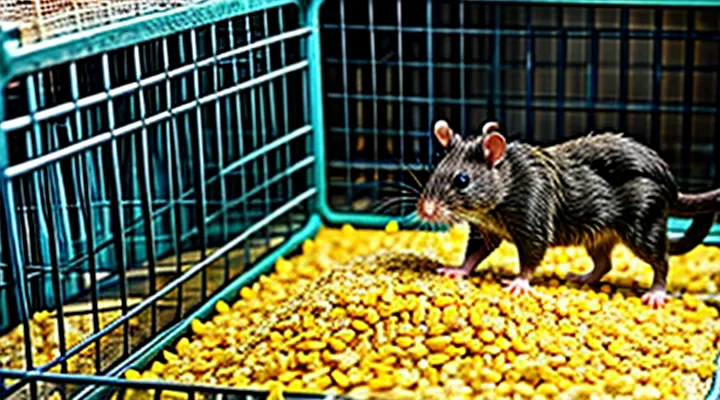
Corn cob bedding consists of shredded or ground kernels of dried corn cobs. The material is lightweight, porous, and capable of absorbing moisture through its natural fiber structure. Manufacturers typically process the cobs to remove dust and break them into uniform particles that settle easily in small animal enclosures.
The bedding’s absorbency allows it to wick away urine and damp spots, reducing the likelihood of ammonia buildup. Its coarse texture promotes airflow, helping to keep the cage environment dry. The natural composition decomposes slowly, providing a long‑lasting substrate that requires less frequent replacement than finer wood shavings.
Advantages include:
- High absorbency per unit weight
- Minimal dust generation, which lowers respiratory irritation risk
- Biodegradability and compostability after use
- Economical cost compared with specialty rodent bedding
Potential drawbacks:
- Coarser feel may be less comfortable for some rodents that prefer softer surfaces
- Slightly higher odor retention if not changed regularly
- Limited availability in some regions, requiring online ordering
Proper use involves spreading a 1‑ to 2‑inch layer over the cage floor, ensuring even coverage. The bedding should be inspected daily for wet spots; saturated areas must be removed and fresh material added. Full replacement is recommended every two to three weeks, or sooner if odor becomes noticeable.
When selecting corn cob bedding for rat enclosures, consider the balance between absorbency, dust level, and cost. The material meets the basic requirements for a clean, dry habitat while offering an environmentally friendly alternative to synthetic substrates.
Types of Corn Bedding
Crushed Cob Bedding
Crushed cob bedding consists of finely broken corn cobs that have been dried and processed into small, uniform particles. The material retains the natural absorbency of corn while providing a granular texture that encourages natural digging behavior in rats. Its low dust content reduces respiratory irritation, and the fibrous structure facilitates waste segregation, allowing droppings to fall through to a lower layer.
When used in rodent enclosures, crushed cob offers several practical advantages:
- High absorbency limits moisture buildup on the cage floor.
- Granular consistency prevents clumping, making spot cleaning straightforward.
- Biodegradable composition supports composting after use.
- Neutral odor profile minimizes scent accumulation within the habitat.
Potential limitations include:
- Higher cost compared to plain wood shavings.
- Slightly heavier weight increases shipping volume.
- Requires periodic stirring to maintain even distribution and prevent compacted spots.
Effective implementation involves a base layer of 1–2 inches (2.5–5 cm) spread evenly across the cage floor. Replace the bedding when it becomes saturated or after a month of continuous use, whichever occurs first. Regularly inspect for mold growth, especially in humid environments, and ensure the enclosure remains well‑ventilated to preserve the bedding’s absorbent properties.
Pelleted Corn Bedding
Pelleted corn bedding provides a uniform, absorbent substrate for rodent enclosures. The pellets expand when wetted, creating a fluffy layer that mimics natural litter while maintaining structural integrity.
Key characteristics include:
- High absorbency: each gram can hold several times its weight in moisture, reducing the frequency of complete substrate changes.
- Low dust generation: the coarse texture minimizes airborne particles, supporting respiratory health.
- Biodegradability: corn-derived material breaks down naturally, allowing for composting after use.
- Odor control: the organic composition binds ammonia, limiting unpleasant smells.
Installation is straightforward. Place a thin layer of dry pellets on the cage floor, then add a measured amount of water (approximately 10 ml per 100 g of pellets). Allow the mixture to swell for 10–15 minutes before introducing the animals. Regularly inspect the bedding for clumping; replace only the affected sections to extend substrate life.
Safety considerations focus on purity and mold prevention. Select products certified free of pesticides and mycotoxins. Store unopened bags in a cool, dry environment to inhibit fungal growth. Discard any bedding that develops a sour odor or visible mold.
Cost analysis shows that bulk purchases lower the price per kilogram, making pelleted corn bedding competitive with alternative wood-based options. The long‑term savings from reduced cleaning cycles and improved animal health offset the initial expense.
Overall, pelleted corn bedding delivers a reliable, hygienic, and environmentally friendly solution for rat housing, supporting both animal welfare and caretaker efficiency.
Pros and Cons of Corn Bedding for Rats
Advantages
Odor Control
Corn‑based litter absorbs urine rapidly, reducing the concentration of volatile compounds that cause unpleasant smells in rodent enclosures. The high cellulose content binds moisture, while the natural starches inhibit bacterial growth that accelerates odor formation.
Effective odor management with this substrate involves several actions:
- Replace soiled sections daily; fresh layers maintain low ammonia levels.
- Keep cage temperature between 18 °C and 24 °C; higher temperatures increase microbial activity and odor.
- Provide adequate ventilation; airflow of at least 30 cubic feet per minute per cage dilutes airborne compounds.
- Add a thin top layer of charcoal‑infused paper or activated carbon to adsorb residual odors without compromising the bedding’s absorbency.
Monitoring ammonia concentrations with a handheld meter ensures the environment remains within the 0–10 ppm range recommended for laboratory rodents. Adjust bedding depth (typically 2–3 cm) if readings exceed this threshold, as insufficient depth limits moisture retention and allows odor to escape.
Absorbency
Corn‑based bedding provides high liquid retention, allowing it to capture urine and spills quickly. The fibrous structure creates capillary channels that draw moisture away from the cage floor, reducing the amount of wet spots visible to the caretaker.
Key characteristics of its absorbency include:
- Absorption capacity of approximately 1.5 g of liquid per gram of dry material, measured under laboratory conditions.
- Rapid wicking action that spreads moisture throughout the bedding layer, preventing localized saturation.
- Retention of humidity at levels that inhibit bacterial growth while maintaining a dry surface for the animals.
The material’s ability to hold moisture also contributes to odor control. By trapping ammonia‑producing compounds within the fibers, the bedding limits the release of unpleasant smells into the environment. Regular replacement intervals can be extended compared to less absorbent substrates, as the corn fibers maintain structural integrity even when saturated.
Overall, corn‑derived bedding delivers reliable moisture management, supporting hygiene and comfort in rat enclosures.
Biodegradability
Corn‑derived substrate is widely chosen for small‑rodent habitats because it decomposes naturally when exposed to moisture, microbial activity, and the waste produced by the animals. The material consists primarily of cellulose, hemicellulose, and starch, each of which is readily broken down by soil microbes. In a typical cage environment, humidity levels rise as the rodents urinate and excrete, creating conditions that accelerate enzymatic hydrolysis of the starch component. As a result, the bedding loses structural integrity within a few days, turning into a soft, absorbent mass that can be removed and discarded without leaving persistent residues.
Key factors influencing the rate of decomposition include:
- Ambient temperature: higher temperatures increase microbial metabolism, shortening the breakdown period.
- Moisture content: excess dampness promotes fungal growth, which further speeds the disintegration of the fibers.
- Cage ventilation: adequate airflow prevents anaerobic pockets that could slow microbial activity.
- Bedding thickness: thinner layers expose more surface area to microbes, leading to faster degradation.
Because the substrate returns to organic matter, it can be composted alongside other kitchen waste, reducing landfill contributions. The biodegradation pathway does not generate hazardous by‑products; the primary outputs are carbon dioxide, water, and harmless mineral residues. Consequently, corn‑based bedding aligns with environmentally responsible husbandry practices while maintaining the absorbency and comfort required for laboratory or pet rat enclosures.
Cost-Effectiveness
Corn‑based substrate offers a low purchase price, often ranging from $0.80 to $1.20 per pound when bought in bulk. The material’s high absorbency allows a single layer to remain effective for up to two weeks in a standard laboratory cage, reducing the frequency of full‑cage changes.
Key cost determinants:
- Unit price per weight
- Absorption capacity per volume
- Replacement interval measured in days
- Labor required for removal and disposal
When compared with paper pulp or wood shavings, corn bedding typically requires fewer replacements per month, resulting in lower labor costs. Although the per‑pound cost may be slightly higher than some wood shavings, the extended service life and reduced waste handling offset the price difference, yielding a lower overall expense per cage‑day.
Disadvantages
Dust Production
Dust emitted from maize‑based litter originates from fine particles dislodged during handling, cleaning, and the rodents’ activity. The material’s inherent texture determines the volume of airborne debris.
Key factors affecting dust output include:
- Particle size distribution; smaller fragments remain suspended longer.
- Moisture content; dry bedding releases more particles than slightly damp substrate.
- Storage conditions; exposure to humidity fluctuations can cause clumping or fragmentation.
- Frequency of bedding replacement; frequent changes increase disturbance and aerosolization.
Elevated dust concentrations impair respiratory health of both rats and caretakers, provoking irritation, reduced airflow, and increased susceptibility to infection. Persistent exposure may also compromise experimental data by inducing stress‑related physiological changes.
Mitigation measures:
- Maintain bedding at 40‑55 % relative humidity to balance absorbency and particle cohesion.
- Pre‑sift or grind the material to eliminate ultra‑fine fractions before placement in cages.
- Employ sealed containers for storage to prevent moisture loss and dust escape.
- Replace bedding in a well‑ventilated area or within a containment hood to capture airborne particles.
- Use supplemental low‑dust absorbent layers (e.g., paper or wood pulp) beneath the corn substrate to limit direct disturbance.
Implementing these practices reduces aerosol formation, safeguards animal welfare, and preserves the integrity of research environments.
Potential for Mold Growth
Corn‑based litter is a popular choice for rodent enclosures because it is inexpensive and absorbent. However, its high cellulose content and residual moisture create an environment where fungal spores can germinate. When humidity exceeds 60 % and the substrate remains damp for more than 24 hours, mold colonies develop rapidly, producing visible mycelium and releasing spores that may affect the health of the animals and the caretaker.
Factors that increase the risk of mold in this type of bedding include:
- Inadequate ventilation inside the cage
- Over‑watering during cleaning or misting
- Accumulation of urine or spilled food that raises moisture levels
- Storage of the bedding in a warm, damp area before use
Preventive measures focus on controlling moisture and airflow. Replace the substrate at least once a week, dry it thoroughly before adding to the cage, and ensure the enclosure has sufficient ventilation slots or fans. If any discoloration, fuzzy growth, or musty odor appears, remove the affected bedding immediately and sanitize the cage before introducing fresh material.
Ingestibility Risks
Corn‑based bedding poses several ingestibility hazards for laboratory and pet rats. Direct consumption can lead to gastrointestinal obstruction, especially when compacted fragments accumulate in the stomach or intestines. The high fiber content may cause excessive bulk, slowing transit and increasing the risk of impaction.
Potential chemical threats arise from residual pesticides or mycotoxins that develop on stored kernels. Ingested toxins can produce hepatic or renal damage, alter behavior, and compromise experimental data. Moisture retained in the substrate encourages mold growth; spores and metabolites become readily consumed, heightening respiratory and digestive irritation.
Physical properties also contribute to danger:
- Small, dry particles are easily inhaled and swallowed, causing choking or aspiration pneumonia.
- Soft, pliable clumps may adhere to teeth, leading to dental wear or malocclusion.
- Nutrient imbalance occurs when rats ingest large quantities, displacing formulated feed and causing weight fluctuations.
Mitigation strategies focus on prevention and monitoring:
- Store bedding in airtight containers at low humidity to inhibit mold and mycotoxin formation.
- Select products certified pesticide‑free and tested for fungal contamination.
- Provide ample, nutritionally complete feed to reduce the incentive for bedding consumption.
- Inspect cages daily for visible bedding ingestion, fecal abnormalities, or signs of distress.
- Replace bedding regularly, maintaining a depth that discourages gnawing while preserving absorbency.
Understanding these risks enables caretakers to choose appropriate substrates, implement rigorous hygiene protocols, and safeguard rat health and experimental integrity.
Lack of Enrichment for Burrowing
Maize‑derived substrate is popular for its absorbency and low dust, yet it fails to support the natural digging behavior of rats. Without a material that yields easily under pressure, rodents cannot construct tunnels or nests, leading to reduced physical activity and heightened stress. The deficiency manifests in three observable outcomes:
- Diminished muscular development in forelimbs and hindquarters.
- Increased stereotypic pacing or bar‑climbing as an alternative outlet.
- Lowered overall welfare scores in routine health assessments.
To compensate, caretakers should supplement the primary bedding with a secondary layer that offers loose, friable texture, such as shredded paper or untreated wood shavings. This addition restores the opportunity for burrowing without compromising the moisture‑control benefits of the corn‑based base. Regular monitoring of tunnel formation and substrate condition ensures the enrichment remains effective and hygienic.
Availability and Sourcing
Corn‑based bedding for rodent enclosures is widely distributed across North America and Europe. Large pet‑store chains carry it year‑round, while regional feed‑stores and agricultural cooperatives stock it seasonally, often aligning inventory with harvest cycles.
Retail outlets include:
- National pet‑store franchises (e.g., PetSmart, Petco) – shelf‑stable packs, immediate availability.
- Independent boutique pet shops – smaller quantities, occasional specialty blends.
- Online marketplaces (Amazon, Chewy, direct manufacturer sites) – rapid delivery, customer reviews for quality assessment.
- Agricultural supply yards – bulk bags, typically sourced directly from corn producers.
Wholesale channels serve facilities that require large volumes:
- Distributors specializing in laboratory animal supplies provide regulated, low‑dust formulations.
- Grain elevators and commodity brokers offer bulk corn shavings at reduced unit cost, subject to transport logistics.
- Cooperative purchasing groups enable small‑scale breeders to combine orders for economies of scale.
When selecting a source, evaluate:
- Product purity – verify absence of additives or contaminants that could affect animal health.
- Packaging integrity – moisture‑resistant barriers prolong usability.
- Certification – look for ISO or ASTM compliance indicating consistent quality.
- Shipping terms – consider lead time, freight charges, and temperature control for bulk shipments.
Best Practices for Using Corn Bedding
Preparation and Application
Cleaning the Cage
Cleaning a rat cage that uses corn‑based substrate requires a systematic approach to prevent odor buildup, disease transmission, and damage to the enclosure.
- Remove all rats and place them in a temporary, secure carrier.
- Empty the used corn litter into a disposable bag; seal the bag tightly to contain debris and moisture.
- Scrape visible droppings and leftover food from the cage walls, floor, and accessories with a plastic spatula; avoid metal tools that could scratch the surface.
- Fill the cage with warm (≈40 °C) water and a mild, non‑iodine laboratory detergent. Let it soak for 3–5 minutes to loosen organic matter.
- Rinse thoroughly with running water, ensuring no soap residue remains; residual detergent can irritate the animals’ respiratory tract.
- Apply an approved rodent disinfectant (e.g., a quaternary ammonium solution at the manufacturer‑specified concentration) for the recommended contact time, typically 5–10 minutes.
- Rinse again with clean water and allow the cage to air‑dry completely; moisture left in the enclosure promotes mold growth in the corn bedding.
- Once dry, reinstall all accessories, then add a fresh layer of corn litter approximately 2–3 cm deep to provide adequate absorbency and nesting material.
- Return the rats to the cleaned cage, monitor them for signs of stress or illness, and record the cleaning date for future reference.
Perform this routine at least once weekly; increase frequency during periods of high humidity or when visible soiling occurs. Regular maintenance preserves the health of the rodents and extends the lifespan of the enclosure.
Layering the Bedding
Corn‑based substrate offers high absorbency and a natural scent that rats find comfortable. Proper layering maximizes these benefits and extends the interval between complete changes.
- Begin with a 1‑inch (2.5 cm) base of dry corn kernels. The layer creates a moisture‑wicking platform that prevents urine from reaching the cage floor.
- Add a 0.5‑inch (1.3 cm) middle tier of shredded corn husk. This intermediate stratum distributes moisture evenly and provides a soft surface for digging.
- Finish with a 0.5‑inch (1.3 cm) top layer of fine corn pulp. The fine texture encourages nesting behavior while trapping odors.
Maintain the structure by inspecting each layer daily. Replace the top layer when it becomes visibly soiled; refresh the middle layer weekly to preserve absorbency; renew the base layer monthly to prevent bacterial buildup. Adjust thickness according to cage size and the number of occupants, ensuring the total bedding depth does not exceed 2 inches (5 cm) to maintain adequate ventilation.
Maintenance and Replacement
Spot Cleaning
Spot cleaning maintains hygiene in cages that use corn‑based substrate for rats. The granular nature of corn bedding allows rapid removal of localized waste without disturbing the entire layer, preserving absorbency and reducing odor.
- Identify soiled spots: look for clumped debris, urine stains, or moldy patches.
- Remove contaminated material: scoop out the affected grains with a small scoop or tweezers, ensuring no clean bedding is displaced.
- Replace with fresh corn bedding: add an equal volume of dry grains to restore even coverage.
- Disinfect the area if necessary: apply a small amount of a rodent‑safe sanitizer, let it dry, then re‑apply fresh bedding.
Perform spot cleaning daily in high‑traffic zones and after any visible contamination. Weekly full‑layer replacement remains essential, but regular targeted removal extends the usable life of the corn substrate and supports a healthier environment for the animals.
Full Bedding Changes
Full bedding changes are a critical component of maintaining a healthy environment when corn is used as the primary substrate in rat enclosures. The process removes waste, prevents odor buildup, and reduces the risk of respiratory irritation.
A complete bedding replacement should be performed on a regular schedule, typically every 7–10 days for single‑level cages and every 5–7 days for multi‑level systems. Adjust the interval based on colony size, humidity, and observed soiling.
Procedure:
- Remove the rat(s) safely and place them in a temporary holding container with a small amount of clean bedding.
- Discard all used corn substrate, including any clumps or damp areas.
- Clean the cage interior with a mild, non‑toxic disinfectant; rinse thoroughly with water to eliminate residue.
- Dry the cage completely, ensuring no moisture remains on bars, corners, or the base.
- Refill the cage with fresh, dry corn bedding to a depth of 2–3 cm, providing adequate coverage for nesting and burrowing.
- Return the rat(s) to the cage, monitor for signs of stress, and record the change date for future reference.
Key considerations:
- Use only food‑grade corn kernels or processed corn pellets designed for laboratory rodents.
- Store fresh bedding in a sealed container to protect it from moisture and pests.
- Inspect the substrate daily for damp spots, mold, or excessive droppings; spot cleaning may extend the interval between full changes but does not replace the need for complete replacement.
Consistent implementation of full bedding changes supports optimal hygiene, minimizes disease transmission, and promotes natural behaviors in rats housed with corn substrate.
Combining with Other Bedding Materials
Mixing for Enhanced Comfort
Corn bedding provides a dry, absorbent base for rodent enclosures, but its comfort can be improved by blending it with complementary materials. Mixing creates a substrate that balances moisture control, softness, and odor reduction, enhancing the animals’ well‑being and simplifying cage upkeep.
Effective blends typically combine corn‑derived particles with one or two supplemental components:
- A fine, cellulose‑based fiber (e.g., shredded paper) to increase softness.
- A small proportion of wood shavings or peat to boost absorbency.
- Optional dust‑free mineral granules for added firmness.
The mixing process follows a precise sequence:
- Measure each component by weight to achieve the target ratio (e.g., 70 % corn bedding, 20 % cellulose fiber, 10 % wood shavings).
- Place the dry corn bedding in a clean container.
- Add the secondary material gradually while stirring with a clean, plastic spatula.
- Continue mixing until the substrate displays uniform color and texture; avoid clumping.
- Transfer the blended bedding to the cage, spreading it to a depth of 2–3 cm.
Uniform distribution prevents localized moisture buildup and reduces the likelihood of ammonia spikes. Regular monitoring confirms that the mixture retains its structural integrity for up to seven days before a full replacement is required.
Addressing Specific Needs
Corn‑based substrate offers a natural, absorbent medium that meets several distinct requirements of laboratory and pet rat enclosures. Its structure retains moisture while allowing excess fluid to drain, reducing the risk of mold and maintaining a dry surface for the animals. The material’s fibrous texture provides a suitable nesting platform, encouraging normal building behavior without excessive compaction.
Key considerations when selecting corn bedding include:
- Absorbency: Holds up to three times its weight in liquid, preventing soggy floors and supporting hygienic cage conditions.
- Dust level: Low particulate content minimizes respiratory irritation, crucial for sensitive strains and for personnel handling the cages.
- Chewability: Soft strands satisfy the rodents’ gnawing instinct, reducing wear on cage bars and preventing dental problems.
- Biodegradability: Fully compostable, allowing straightforward disposal and alignment with environmentally responsible practices.
- Allergenicity: Free from common allergens such as soy or wheat, decreasing the likelihood of allergic reactions in both animals and caretakers.
When implementing corn bedding, monitor humidity with a hygrometer and replace the substrate when the moisture‑to‑dry ratio exceeds 1:3. Ensure the depth reaches at least two inches to support nesting while avoiding excessive buildup that could trap waste. Regular inspection for signs of spoilage or pests will maintain optimal conditions and extend the useful life of the bedding.
Health and Safety Considerations
Respiratory Health Concerns
Corn‑based substrate is a popular choice for rodent enclosures because it is inexpensive, absorbent, and readily available. However, its particulate nature can create airborne dust that irritates the upper respiratory tract of rats. The dust originates from residual husk fibers, broken kernels, and mold spores that develop in humid conditions.
Key respiratory risks include:
- Upper airway irritation – inhaled particles trigger sneezing, nasal discharge, and inflammation of the nasal mucosa.
- Lower respiratory involvement – fine dust may reach the lungs, leading to bronchitis or alveolar inflammation, especially in animals with pre‑existing conditions.
- Allergic sensitization – mold growth on damp bedding introduces fungal spores that can provoke allergic rhinitis or asthma‑like symptoms.
Mitigation strategies focus on controlling dust and moisture:
- Pre‑wetting – lightly dampening the bedding before placement reduces particle suspension during handling.
- Frequent replacement – changing the substrate every 5–7 days prevents moisture buildup and mold proliferation.
- Ventilation – ensuring adequate airflow in the cage area dilutes airborne particles and maintains low humidity.
- Alternative materials – supplementing corn substrate with low‑dust options (e.g., paper pulp or aspen shavings) lowers overall dust load.
Monitoring the health of the rodents is essential. Regular observation for sneezing, nasal discharge, or labored breathing allows early detection of respiratory distress. Veterinary assessment, including nasal swabs or radiography, confirms the presence of infection or inflammation and guides treatment decisions.
Overall, corn‑derived bedding can be used safely when dust generation is minimized, moisture is controlled, and respiratory signs are promptly addressed.
Digestive Issues
Corn‑based substrate is widely used in rodent enclosures because it is inexpensive and highly absorbent. Rats frequently gnaw or ingest small fragments, especially when bedding is loose or contaminated. Direct consumption introduces indigestible material into the gastrointestinal tract, which can trigger several problems.
- Mechanical blockage: dense clumps may form a physical obstruction, leading to reduced food intake and weight loss.
- Diarrhea: fermentable carbohydrates in the bedding support rapid bacterial growth, producing excess gas and loose stools.
- Mycotoxin exposure: moisture accumulation encourages mold development; toxins such as aflatoxin and fumonisin irritate the intestinal lining and impair nutrient absorption.
- Nutrient imbalance: high fiber content dilutes dietary calories, forcing rats to eat more to meet energy requirements.
Mitigation requires strict hygiene and bedding management. Replace the substrate before it becomes damp, ensure adequate ventilation, and inspect for visible mold. Provide a separate nesting material that rats cannot easily ingest, such as paper‑based strips. Monitor fecal consistency and body condition weekly; any sudden change warrants immediate bedding replacement and veterinary evaluation.
Preventing Mold and Bacteria
Corn‑based litter provides an absorbent, low‑dust substrate for rat enclosures, but its organic nature creates conditions favorable to mold and bacterial growth when moisture accumulates. Effective control relies on consistent moisture management, regular replacement, and proper cage ventilation.
To keep the bedding dry:
- Store the material in a sealed container away from humidity.
- Spread a thin, even layer—no more than one to two inches—so excess moisture can evaporate.
- Add a secondary absorbent layer (paper towels or shredded paper) beneath the corn substrate.
Routine cage maintenance further reduces microbial risk:
- Remove droppings and soiled bedding daily.
- Perform a full bedding change at least once a week; increase frequency if the cage is in a warm, humid environment.
- Clean the cage with a mild, rodent‑safe disinfectant, rinse thoroughly, and allow it to dry completely before adding fresh litter.
Enhance air flow and inhibit microbial proliferation:
- Position cages where natural ventilation is available, or install low‑speed fans to circulate air without creating drafts.
- Use cages with perforated sides or mesh lids to promote exchange of stale, humid air.
- Consider adding a few drops of a food‑grade, antimicrobial essential oil (e.g., tea tree) to the bedding, ensuring the concentration remains below toxic levels for rodents.
Monitoring for early signs—visible fuzz, sour odor, or excessive dampness—allows prompt intervention before infestations develop. Consistent application of these practices maintains a dry, hygienic environment, preventing mold and bacterial contamination in corn‑based rat bedding.
Monitoring Rat Behavior
Effective observation of rat activity requires reliable recording techniques, consistent environmental parameters, and clear criteria for behavior classification. When corn‑based substrate is employed in cages, its physical properties—softness, moisture retention, and aroma—affect locomotion, nesting, and social interactions. Baseline data should be collected before introducing the bedding to distinguish bedding‑related changes from intrinsic variability.
Standard monitoring approaches include:
- Video tracking systems with infrared capability for continuous, low‑light recording.
- Automated RFID tags to log individual movements and cage entries.
- Direct ethogram scoring for specific behaviors such as grooming, burrowing, and aggression.
- Environmental sensors that log temperature, humidity, and ammonia levels, which influence activity patterns.
Data analysis must control for confounding factors. Compare activity levels across identical cages differing only in substrate type, apply statistical tests (e.g., repeated‑measures ANOVA) to detect significant deviations, and report effect sizes. Document any alterations in nesting material usage, as excessive compaction or clumping of corn bedding can restrict movement and skew results.
Interpretation of findings should link observable changes to bedding characteristics. Increased nesting time may indicate comfort, while reduced exploratory locomotion could suggest impeded mobility due to dense bedding. Transparent reporting of methodology and metrics enables reproducibility and informs best‑practice recommendations for substrate selection in behavioral research.
Alternatives to Corn Bedding
Paper-Based Bedding
Paper-based bedding consists of shredded or pulped cellulose fibers, often derived from recycled newspapers or specialized laboratory paper. The material provides a dry, low‑dust substrate that rats can burrow in while maintaining a stable temperature. Its texture supports nesting behavior without clumping excessively, and the fibers break down into manageable waste that can be removed with standard cage cleaning tools.
When evaluated against grain‑derived alternatives, paper bedding shows superior absorbency, reduced risk of mold growth, and minimal allergenic particles. Cost per square foot typically falls below that of corn‑based products, and the recycled content aligns with sustainability goals. However, paper substrates may compress over time, requiring periodic replacement to preserve structural integrity.
Key characteristics
- High absorbency, up to 10 ml g⁻¹
- Dust levels below 0.5 g m⁻³
- Biodegradable, compostable after use
- Lower price point than corn‑derived options
- Potential compression after prolonged wetting
Considerations
- May require more frequent topping to maintain loft
- Some rats exhibit preference for softer, grain‑like textures
- Storage must remain dry to prevent pre‑use moisture buildup
Overall, paper-based bedding delivers reliable performance for rodent enclosures, offering a practical balance of hygiene, cost efficiency, and environmental responsibility.
Aspen Shavings
Aspen shavings provide a dry, low‑dust substrate that complements corn‑based bedding in rodent enclosures. The fibers are soft enough to prevent foot injuries while maintaining structural integrity, allowing rats to dig and build nests without excessive compaction.
Key characteristics include:
- Absorbency: Aspen captures moisture efficiently, reducing the risk of mold when combined with moist corn particles.
- Odor control: The natural scent of aspen masks ammonia buildup, contributing to a more stable cage environment.
- Cleanliness: Minimal particulate release keeps respiratory tracts clear, especially important for species prone to respiratory issues.
When mixing aspen with corn bedding, follow these guidelines:
- Allocate equal volumes of each material to achieve balanced moisture management.
- Layer the mixture to a depth of 2–3 inches, ensuring enough substrate for burrowing while preventing overcrowding.
- Replace the bedding completely every 2–3 weeks, or sooner if visible soiling occurs, to maintain hygiene.
Potential drawbacks involve higher cost relative to pure corn bedding and a slightly rougher texture that may require monitoring for paw wear. Regular inspection of the cage floor will identify any emerging issues early, allowing prompt adjustment of the bedding ratio.
Fleece Liners
Fleece liners provide a reusable surface that sits beneath corn‑based substrate in rat enclosures. The fabric’s softness reduces direct contact between the animal’s paws and the bedding, minimizing skin irritation while retaining moisture that would otherwise escape through the cage floor.
Key functions of fleece liners include:
- Absorbing urine and droppings, allowing the corn litter to stay dry and fluffy for longer periods.
- Preventing the corn particles from falling through wire flooring, which reduces waste and keeps the cage cleaner.
- Offering a washable barrier; a quick rinse in hot water removes contaminants, extending the liner’s lifespan across multiple cage changes.
When integrating fleece liners with corn bedding, follow these guidelines:
- Cut the liner to match the cage dimensions, leaving a small overhang to secure the fabric under the cage rim.
- Place a thin layer of corn substrate on top of the fabric, ensuring even coverage without excessive depth.
- Monitor the liner weekly for saturation; replace or wash when it reaches the point of reduced absorbency.
Proper use of fleece liners maximizes the effectiveness of corn substrate, maintains hygiene, and supports the health of laboratory or pet rats.
Other Natural Options
Corn‑based substrate is popular for rodent enclosures, yet several natural alternatives meet similar hygiene and comfort standards. Each option presents distinct characteristics that influence odor control, absorbency, and compatibility with rats’ chewing behavior.
- Shredded paper – lightweight, low dust, readily biodegradable; requires frequent replacement to maintain dryness.
- Aspen shavings – aromatic, low resin content, moderate absorbency; suitable for long‑term use but may compact over time.
- Hemp fibers – high absorbency, minimal dust, resistant to mold; more expensive than paper but provides stable bedding depth.
- Straw – abundant, inexpensive, offers nesting material; low absorbency and prone to mold in humid conditions.
- Coconut husk (coir) – excellent moisture retention, low dust, natural antimicrobial properties; may become compacted if overly saturated.
Selection should prioritize low dust levels to protect respiratory health, high absorbency to reduce cleaning frequency, and material safety to prevent toxic ingestion. Compatibility with rats’ tendency to gnaw is essential; materials that encourage natural chewing reduce stress and dental issues. Evaluate cost, availability, and environmental impact when choosing the most appropriate natural bedding for a given setup.