
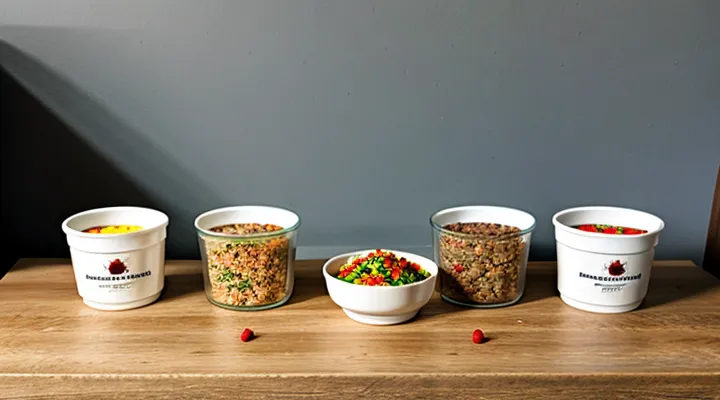
Understanding Rat Dietary Needs
Essential Nutrients for Rats
Proteins and Amino Acids
Proteins supply the nitrogenous building blocks required for tissue growth, repair, and enzymatic activity in laboratory and pet rats. High‑quality protein sources deliver amino acids in forms readily absorbed through the intestinal tract, supporting rapid metabolism and immune competence.
Ideal protein ingredients combine high digestibility with balanced amino acid profiles. Commonly used components include soy isolate, whey protein concentrate, fish meal, and egg white powder. Each provides a distinct spectrum of indispensable amino acids while contributing minimal anti‑nutritional factors.
Essential amino acids for rats are:
- Lysine
- Methionine (including cysteine)
- Threonine
- Tryptophan
- Valine
- Leucine
- Isoleucine
- Histidine
- Arginine
These amino acids must be present in the diet in proportions that meet the species‑specific requirement pattern. A typical comprehensive rat feeding program allocates 18–22 % of total calories to protein, with the essential amino acid composition adjusted to achieve a lysine‑to‑methionine ratio of approximately 3:1 and a branched‑chain amino acid content of at least 5 % of total protein.
Balancing protein with carbohydrates, fats, vitamins, and minerals prevents excess nitrogen excretion and maintains gut health. Regular formulation reviews, based on growth performance data and feed analysis, ensure the diet remains aligned with the physiological demands of the target rat population.
Fats and Fatty Acids
Fats supply the majority of caloric energy in a balanced rodent diet, delivering more than twice the energy per gram compared to carbohydrates or proteins. They also facilitate absorption of fat‑soluble vitamins, protect internal organs, and contribute to the structural integrity of cell membranes.
Essential fatty acids cannot be synthesized by rats and must be included in the diet. Linoleic acid (an omega‑6 fatty acid) and alpha‑linolenic acid (an omega‑3 fatty acid) support skin health, immune function, and inflammatory regulation. A typical formulation provides 2 %–4 % of total diet weight as combined essential fatty acids, with an omega‑6 to omega‑3 ratio of approximately 5:1.
Key considerations for incorporating fats into a complete rat feeding program:
- Source stability: Choose oils with low susceptibility to oxidation, such as refined sunflower, safflower, or fish oil, and store them in airtight containers away from light and heat.
- Quantity control: Limit total fat content to 8 %–12 % of the diet to prevent excess caloric intake and maintain proper nutrient balance.
- Essential fatty acid balance: Blend omega‑6 and omega‑3 oils to achieve the target ratio, adjusting based on specific health requirements or breeding conditions.
- Palatability: Moderate inclusion of flavor‑enhancing fats, like a small proportion of sesame or peanut oil, improves acceptance without compromising nutritional goals.
Regular analysis of the final feed mixture confirms that fatty acid profiles meet the defined specifications, ensuring consistent performance across production batches.
Carbohydrates and Fiber
Carbohydrates and fiber constitute essential energy and digestive components in a balanced rat feeding program. Their inclusion ensures steady glucose supply and promotes intestinal health, both critical for growth, reproduction, and disease resistance.
Carbohydrate sources suitable for rodents include:
- Whole grains such as oats, barley, and wheat
- Legume flours like lentil or chickpea
- Starchy vegetables, for example sweet potato or pumpkin
- Minimal amounts of refined sugars, limited to occasional treats
Recommended inclusion rates range from 45 % to 55 % of the total diet by weight, calibrated to the animal’s activity level and life stage. Complex carbohydrates provide gradual energy release, reducing post‑prandial spikes and supporting stable metabolic function.
Fiber contributes to fecal bulk, modulates gut motility, and sustains beneficial microbiota. Two functional categories are relevant:
- Soluble fiber (e.g., psyllium husk, oat bran) forms a viscous gel, slowing nutrient absorption and aiding nutrient balance.
- Insoluble fiber (e.g., cellulose, beet pulp) adds bulk, accelerates transit, and prevents constipation.
Effective fiber inclusion falls between 5 % and 10 % of the diet, with a balanced mix of soluble and insoluble types. Adequate fiber levels maintain proper stool consistency, reduce the risk of gastrointestinal disorders, and support overall health in rats.
Vitamins and Minerals
A balanced rat diet must contain a defined spectrum of vitamins and minerals to support growth, reproduction, and immune function. Each micronutrient contributes to specific physiological processes, and deficiencies manifest quickly in laboratory and pet rodents.
- Vitamin A – promotes retinal health, epithelial integrity, and bone remodeling. Adequate levels are achieved through fortified pellets or natural sources such as carrots and liver.
- Vitamin D3 – regulates calcium absorption, essential for skeletal development and neuromuscular activity. Inclusion of UV‑exposed feed or supplemental D3 ensures proper serum concentrations.
- Vitamin E – functions as an antioxidant, protecting cell membranes from oxidative damage. Wheat germ and plant oils provide sufficient amounts.
- B‑complex vitamins – include thiamine (B1), riboflavin (B2), niacin (B3), pantothenic acid (B5), pyridoxine (B6), and cobalamin (B12). These co‑enzymes facilitate carbohydrate, protein, and fat metabolism. Commercial mixes typically meet daily requirements.
- Vitamin K – necessary for blood clotting and bone metabolism. Fermented feed components supply adequate levels.
Mineral profile:
- Calcium and Phosphorus – maintain a Ca:P ratio near 1.5:1 to prevent metabolic bone disease. Sources include powdered bone meal and dairy derivatives.
- Magnesium – supports enzymatic reactions and neuromuscular transmission. Added as magnesium oxide or sulfate.
- Potassium – balances fluid electrolytes and aids nerve impulse conduction. Present in fresh vegetables and fortified chow.
- Sodium and Chloride – required in small quantities for osmotic regulation; usually supplied by the water supply and low‑salt feed additives.
- Trace elements – iron, zinc, copper, manganese, selenium, and iodine each fulfill distinct catalytic roles. Inclusion of mineral premixes guarantees concentrations within established safety margins.
The integration of these micronutrients into a comprehensive rat nutrition package eliminates the need for separate supplementation, reduces the risk of imbalanced intake, and aligns with established rodent dietary standards.
Components of a Balanced Rat Diet
Commercial Rat Food Options
Pelleted Diets
Pelleted diets provide a balanced source of nutrients in a single, easy‑to‑manage form. Each pellet contains calibrated ratios of protein, fiber, fat, vitamins and minerals, ensuring that rats receive consistent nutrition regardless of individual feeding habits.
Key characteristics of pelleted formulations include:
- Uniform nutrient distribution eliminates selective eating.
- High fiber content supports digestive health and reduces the risk of gastrointestinal issues.
- Inclusion of essential amino acids promotes muscle development and tissue repair.
- Fortified with calcium, phosphorus and trace elements to maintain bone strength and metabolic function.
- Shelf‑stable composition reduces spoilage and simplifies storage.
When integrated into a comprehensive rat nutrition package, pelleted diets serve as the staple component, complemented by occasional fresh vegetables, fruits or protein treats to provide variety and enrichment. This combination delivers complete dietary coverage while minimizing the labor involved in measuring and mixing separate ingredients.
Block Diets
Block diets constitute a core component of a comprehensive rat feeding solution, providing a single‑serve, nutritionally balanced portion that eliminates the need for mixing separate ingredients. Each block is formulated to meet the average adult rat’s daily requirements for protein, fat, fiber, vitamins, and minerals, ensuring consistent intake without over‑ or under‑supplementation.
Typical composition includes:
- High‑quality animal or plant protein (e.g., soy isolate, whey, or insect meal) at 18–22 % of the block weight.
- Essential fatty acids from flaxseed, canola oil, or fish oil, contributing 4–6 % of the mass.
- Digestible fiber sources such as beet pulp and oat bran, comprising 8–10 % to support gut health.
- A premixed vitamin‑mineral complex delivering calcium, phosphorus, vitamin A, D3, E, and B‑complex in bioavailable forms.
- Palatability enhancers (e.g., natural herbs or low‑level sugars) to encourage consistent consumption.
Storage guidelines recommend keeping blocks in a sealed, moisture‑proof container at 15‑22 °C. This preserves nutrient stability for up to six months, preventing rancidity of fats and degradation of vitamins. When dispensing, a single block should be offered per rat per day; excess should be removed promptly to avoid spoilage.
Benefits observed in controlled trials include stable body weight, reduced incidence of nutritional deficiencies, and lower waste compared with loose feed. The block format also simplifies inventory management for breeders and laboratory facilities, allowing precise budgeting and reduced labor associated with daily feeding preparations.
Extruded Diets
Extruded diets are a core component of a balanced rat nutrition program. The manufacturing process forces a blend of proteins, carbohydrates, fats, vitamins, and minerals through a high‑temperature die, producing a uniform kibble that retains nutrient stability and resists spoilage. The extrusion parameters—temperature, moisture, and pressure—determine the final product’s texture, digestibility, and caloric density, allowing precise formulation for laboratory or pet‑keeping environments.
Key attributes of extruded rat feeds include:
- Consistent nutrient profile per gram, facilitating accurate dietary planning.
- Low moisture content, extending shelf life and preventing mold growth.
- Hard texture that encourages natural gnawing behavior, supporting dental health.
- Compact shape that reduces waste and simplifies storage.
When incorporated into an all‑in‑one rat feeding solution, extruded kibble supplies the bulk of daily energy and essential micronutrients. It pairs effectively with supplemental items such as fresh vegetables, seeds, or protein treats, allowing owners to fine‑tune protein‑fat ratios or add variety without compromising overall diet balance. Recommended storage involves airtight containers at room temperature, protecting the product from humidity and temperature fluctuations.
Supplemental Foods
Fresh Fruits and Vegetables
Fresh fruits and vegetables supply essential vitamins, minerals, and dietary fiber that complement the protein‑rich components of a balanced rat diet. Their natural sugars and antioxidants support energy metabolism and immune function, while the fiber promotes gastrointestinal health and prevents constipation.
Key nutritional contributions include:
- Vitamin C from bell peppers, broccoli, and strawberries, which aids collagen synthesis and iron absorption.
- Vitamin A from carrots, sweet potatoes, and pumpkin, essential for vision and epithelial integrity.
- Potassium and magnesium from leafy greens such as kale and spinach, important for muscle contraction and nerve transmission.
- Soluble and insoluble fiber from apples, pears, and cucumbers, facilitating regular bowel movements and microbiome diversity.
Selection criteria for safe inclusion:
- Choose organic or pesticide‑free produce to minimize toxic exposure.
- Opt for firm, unblemished items; discard bruised or moldy portions.
- Prefer seasonal varieties, which typically offer higher nutrient density.
Preparation guidelines:
- Wash all produce thoroughly under running water.
- Remove seeds, pits, and skins that may contain harmful compounds (e.g., apple seeds, avocado pits).
- Chop into bite‑size pieces, roughly ¼ inch, to match a rat’s chewing capacity.
- Serve raw or lightly steamed; excessive cooking degrades heat‑sensitive vitamins.
Storage recommendations:
- Store washed, cut vegetables in airtight containers in the refrigerator for up to 48 hours.
- Keep whole fruits in a cool, dry place; consume within three days to prevent fermentation.
- Rotate stock regularly to ensure freshness and avoid nutrient loss.
Safety considerations:
- Avoid citrus fruits (orange, lemon, lime) due to high acidity, which can irritate the digestive tract.
- Exclude nightshade family members such as raw tomatoes and potatoes, which contain solanine.
- Limit high‑sugar fruits (grapes, bananas) to prevent obesity and dental issues; a maximum of two small pieces per week is sufficient.
Integrating a varied selection of fresh fruits and vegetables into a comprehensive rat feeding kit enhances overall health, supports natural foraging behavior, and contributes to a well‑rounded nutritional profile.
Healthy Snacks and Treats
Healthy snacks complement a balanced rat diet by providing essential nutrients and enrichment. Selecting items with high fiber, low sugar, and minimal additives ensures that treats support digestive health and prevent obesity.
- Fresh vegetables: carrots, broccoli florets, cucumber slices, and leafy greens such as kale or romaine lettuce.
- Fresh fruits (in moderation): apple wedges (seed‑free), blueberries, strawberries, and melon cubes.
- Whole‑grain options: unsweetened oats, small pieces of whole‑wheat toast, and plain popcorn (no butter or salt).
- Protein boosts: boiled egg yolk, cooked chicken breast, or low‑fat cheese cubes, limited to a few bites per week.
- Natural chews: raw almond slivers, unsalted pumpkin seeds, and small branches of safe wood (e.g., apple or willow).
Portion control is critical; treats should not exceed 10 % of total caloric intake. Offer a variety of textures to stimulate chewing behavior, rotating items daily to maintain interest and nutritional balance. Store fresh snacks in airtight containers in the refrigerator and discard any that become soggy or develop mold.
Occasional Protein Sources
Occasional protein sources complement the core components of a balanced rat diet by providing essential amino acids and variety. These items should be offered sparingly to avoid excess calories and digestive upset.
- Cooked eggs (hard‑boiled or scrambled without oil or seasoning); a quarter‑egg per rat once or twice weekly supplies high‑quality protein.
- Small pieces of lean cooked poultry, such as chicken breast or turkey; ½ inch cubes delivered two to three times per month keep protein intake diverse.
- Low‑fat cheese (e.g., cottage cheese or mozzarella); a pea‑sized portion offered once a week adds calcium and protein.
- Cooked fish (e.g., salmon or whitefish) without bones; a bite‑size flake once every ten days introduces omega‑3 fatty acids.
- Insects like mealworms or crickets, dried or live; a few individuals provided once a month serve as a natural enrichment and protein boost.
When introducing any occasional protein, observe the rat’s reaction for signs of intolerance, such as diarrhea or reduced appetite. Rotate sources to prevent dietary monotony and ensure that the primary diet—commercial pellets, fresh vegetables, and limited fruits—remains the nutritional foundation.
Potential Dietary Deficiencies and Excesses
Common Nutritional Problems
Obesity
Obesity in laboratory rats compromises cardiovascular function, reduces reproductive efficiency, and shortens lifespan. Excess adipose tissue results from chronic caloric surplus, low dietary fiber, and imbalanced macronutrient ratios.
A well‑designed rodent nutrition package mitigates weight gain by providing:
- Calorie‑controlled portions calibrated to strain‑specific metabolic rates.
- Balanced protein, fat, and carbohydrate distribution that meets growth requirements without excess energy.
- High‑fiber ingredients that promote satiety and regulate gastrointestinal transit.
- Micronutrient levels that support metabolic pathways involved in lipid oxidation.
Effective management includes weekly body‑weight measurements, adjustment of daily allotments when gain exceeds 5 % of baseline, and periodic reformulation to reflect age‑related metabolic shifts. Consistent application of these protocols sustains optimal body composition while preserving the nutritional completeness of the diet.
Vitamin Deficiencies
Rats require a balanced supply of fat‑soluble and water‑soluble vitamins to maintain metabolic health. Deficiencies arise when a diet lacks adequate levels of specific micronutrients, leading to clinical signs that may impair growth, reproduction, and immune function.
Common vitamin shortfalls and their manifestations include:
- Vitamin A: Dull fur, skin lesions, impaired night vision.
- Vitamin D: Weak bones, reduced calcium absorption, skeletal deformities.
- Vitamin E: Muscle degeneration, increased oxidative stress, reproductive failure.
- Vitamin K: Prolonged clotting time, spontaneous hemorrhage.
- Thiamine (B1): Loss of appetite, neurological tremors, reduced activity.
- Riboflavin (B2): Glossy eyes, inflamed mucous membranes, poor weight gain.
- Niacin (B3): Dermatitis, diarrhea, lethargy.
- Pyridoxine (B6): Seizures, anemia, altered behavior.
- Cobalamin (B12): Anemia, poor growth, neurological deficits.
Preventative measures involve formulating a nutritionally complete rodent ration that meets established dietary recommendations. Essential steps are:
- Incorporate ingredients naturally rich in the listed vitamins, such as liver, egg yolk, leafy greens, and fortified grains.
- Verify vitamin content through laboratory analysis or certified supplier data.
- Adjust formulations for life‑stage requirements; breeding females and juveniles demand higher levels of certain vitamins.
- Include a stable, antioxidant‑protected vitamin premix to counter degradation during storage and processing.
Regular health monitoring—body condition scoring, fur quality assessment, and blood biochemistry—detects early signs of deficiency. Prompt dietary correction restores normal physiological function and supports the overall welfare of the animal population.
Mineral Imbalances
A balanced rodent diet must provide adequate macro‑ and trace minerals to support skeletal development, nerve function, and metabolic processes. Excess or deficiency of calcium, phosphorus, magnesium, potassium, sodium, or trace elements such as copper, zinc, and selenium disrupts physiological homeostasis and can lead to clinical problems.
Common manifestations of mineral imbalance include:
- Soft or deformed bone structures, indicative of calcium‑phosphorus ratio errors.
- Muscle tremors or weakness, often linked to magnesium or potassium deficits.
- Skin lesions and poor coat condition, associated with zinc or copper insufficiency.
- Reduced fertility or abnormal litter sizes, related to selenium or iodine imbalance.
Veterinary nutritionists identify three primary causes:
- Formulation errors in the feed matrix, where mineral premixes are inaccurately proportioned.
- Inconsistent water mineral content, which can either dilute or concentrate dietary minerals.
- Interaction with antinutritional factors, such as phytates, that bind minerals and reduce bioavailability.
Effective management strategies comprise:
- Regular laboratory analysis of the feed to verify mineral concentrations against established reference values.
- Inclusion of chelated mineral sources to enhance absorption and mitigate antagonistic interactions.
- Monitoring of water quality and, if necessary, supplementation with mineral‑adjusted solutions.
- Periodic health assessments of the rodents, focusing on bone density scans, serum electrolyte panels, and coat examinations.
Implementing these measures ensures that the comprehensive rat nutrition program maintains mineral equilibrium, prevents disease, and promotes optimal growth and reproduction.
Preventing Dietary Issues
Portion Control
Effective portion control ensures that a comprehensive rodent diet delivers balanced nutrition without excess calories or waste. Each component of the feeding kit—dry pellets, fresh vegetables, protein treats, and supplemental grains—requires a specific weight measured against the animal’s age, weight, and activity level. Over‑feeding any single item disrupts nutrient ratios and can lead to obesity, digestive issues, or nutrient deficiencies.
Guidelines for daily allocation:
- Dry base: 15 g per 100 g of body weight, divided into two meals.
- Fresh produce: up to 5 g per gram of body weight, introduced gradually.
- Protein treats: 2–3 g per 100 g of body weight, limited to three servings per week.
- Grains and seeds: 1 g per 100 g of body weight, offered as a supplemental topping.
Monitoring intake involves weighing food before and after each feeding session, recording any leftovers, and adjusting quantities in response to weight changes. Consistent measurement, combined with regular health checks, maintains optimal growth and prevents the complications associated with improper feeding volumes.
Monitoring Weight and Health
Monitoring weight and health is essential for evaluating the effectiveness of a comprehensive rat nutrition plan. Regular weighing provides quantitative data on growth trends, caloric balance, and potential obesity. Record each animal’s weight at consistent intervals—daily for newborns, weekly for juveniles, and bi‑weekly for adults—to detect deviations promptly.
Key health indicators include:
- Body condition score (BCS) assessed by palpation of ribs and spine.
- Fur quality, noting smoothness, sheen, and presence of bald patches.
- Activity level, observing spontaneous movement and response to stimuli.
- Respiratory rate and nasal discharge, which may signal infection.
- Stool consistency, indicating digestive tolerance of the diet.
Implement a standardized log that captures weight, BCS, and the above observations for each rat. Correlate changes with dietary adjustments, such as introducing new protein sources or altering fiber content, to identify causal relationships. When weight exceeds recommended ranges by more than 10 % of the target, reduce caloric density or increase exercise opportunities. Conversely, unexplained weight loss exceeding 5 % warrants immediate veterinary assessment.
Blood sampling, while more invasive, offers precise metrics: glucose, cholesterol, and liver enzymes. Schedule quarterly panels for mature colonies; interpret results in conjunction with physical assessments. Elevated glucose may indicate excess sugars in the feed, while abnormal liver enzymes suggest over‑supplementation of fats.
By maintaining disciplined measurement routines and integrating physical and biochemical data, caretakers can ensure that the rat diet delivers optimal nutrition without compromising health. Continuous monitoring supports early intervention, reduces morbidity, and sustains the overall productivity of the colony.
Consulting a Veterinarian
Veterinarians provide essential verification that a comprehensive rat nutrition package meets the specific health requirements of each animal. Their assessment includes evaluation of ingredient suitability, detection of potential allergens, and confirmation that nutrient ratios align with the species’ developmental stage.
Key reasons to seek veterinary input:
- Confirmation that protein, fiber, and fat levels match the rat’s age, activity level, and reproductive status.
- Identification of toxic components or contaminants that may be present in raw or processed items.
- Guidance on supplementation for deficiencies such as vitamin C, calcium, or essential fatty acids.
- Recommendations for diet adjustments during illness, pregnancy, or recovery from surgery.
A professional opinion also establishes a baseline for future health monitoring, allowing owners to detect deviations in weight, coat condition, or behavior promptly. Regular consultations ensure the diet remains optimal as the rat ages or its circumstances change.
Advanced Dietary Considerations
Special Dietary Needs
Young Rats and Pups
Young rats and pups require a diet that supplies high-quality protein, essential fatty acids, vitamins, and minerals in proportions that support rapid growth and organ development. Protein sources such as soy isolate, whey, or fish meal should provide 20‑25 % of the dry matter, delivering the amino acids needed for muscle and tissue synthesis. Fat content of 5‑8 % supplies energy and aids absorption of fat‑soluble vitamins; inclusion of omega‑3 and omega‑6 fatty acids promotes neural and visual maturation.
Vitamins A, D, E, and K must be present in bioavailable forms to prevent deficiencies that impair bone formation and immune function. B‑complex vitamins, particularly thiamine, riboflavin, and niacin, support metabolic pathways critical during the early life stage. Mineral balance is achieved by adding calcium and phosphorus at a 1.2 : 1 ratio, along with trace elements such as zinc, copper, and selenium, which contribute to enzymatic activity and antioxidant defenses.
A comprehensive feeding regimen for juveniles typically includes:
- A base pellet formulated for growth, containing the protein and fat specifications above.
- A supplemental mash or gel enriched with vitamin‑mineral premix to ensure uniform intake.
- Periodic provision of soft, easily digestible treats (e.g., boiled egg yolk or low‑fat cottage cheese) to increase palatability and encourage voluntary consumption.
Water must be fresh and available at all times; dehydration can quickly compromise growth rates. Feeding frequency should be three to four times daily, with portion sizes adjusted to body weight to avoid over‑ or under‑nutrition. Monitoring body condition scores and growth curves enables early detection of dietary imbalances, allowing prompt formulation adjustments.
Pregnant and Lactating Rats
A comprehensive rat diet for breeding colonies must meet the elevated demands of gestation and lactation. Energy intake should increase by 30–40 % compared with maintenance levels; daily caloric provision of 15–20 kcal per 100 g body weight supports fetal growth and milk production. Protein content must rise to 20–25 % of the diet, with a balanced amino‑acid profile that includes lysine, methionine and threonine. Fat should constitute 5–8 % of the formulation, providing essential fatty acids such as linoleic and α‑linolenic acid.
Micronutrient adequacy is critical. Calcium and phosphorus ratios of 1.5:1 prevent skeletal deficiencies in offspring. Vitamin D3 supplementation at 500 IU/kg diet enhances calcium absorption. Vitamin E (100 IU/kg) and selenium (0.2 ppm) protect against oxidative stress during milk synthesis. B‑complex vitamins, particularly folic acid (2 mg/kg) and vitamin B12 (0.02 mg/kg), support embryonic development.
Practical guidelines for the diet package:
- Base mash or pellet formulated with high‑quality soybean meal, wheat germ and barley.
- Inclusion of dried egg yolk or fish oil for additional omega‑3 fatty acids.
- Fortified with a premix containing the listed vitamins and minerals.
- Provision of fresh water ad libitum; electrolyte solution offered during late gestation.
- Weekly monitoring of body weight and feed consumption; adjust portions to maintain target weight gain of 3–5 g per day.
Implementing these specifications ensures that pregnant and lactating rats receive the nutrients required for successful reproduction and healthy litters.
Senior Rats
Senior rats require a diet that balances reduced caloric intake with enhanced nutrient density to support declining metabolism and age‑related health issues. The comprehensive rat nutrition package should be adjusted to provide easy‑to‑digest protein sources, joint‑supporting additives, and antioxidants that mitigate oxidative stress.
Key adjustments for older rodents include:
- Protein: 18‑20 % of total calories from highly digestible sources such as boiled egg whites, low‑fat cottage cheese, or soy isolate.
- Fiber: 5‑7 % from soluble fibers (e.g., psyllium husk) to promote gut motility and prevent constipation.
- Fat: 8‑10 % from omega‑3‑rich oils (flaxseed or fish oil) to aid inflammation control and coat health.
- Vitamins & Minerals: Elevated levels of vitamin E, vitamin C, and selenium to counteract free‑radical damage; calcium‑phosphorus ratio maintained at 1.2:1 for bone integrity.
- Joint Support: Inclusion of glucosamine and chondroitin sulfate at 500 mg kg⁻¹ body weight to preserve cartilage.
Feeding schedule should consist of two measured meals per day, spaced 12 hours apart, to prevent overeating and maintain stable blood glucose. Portion sizes must be calculated based on body weight, typically 2 g of dry mix per 100 g of body mass, supplemented with fresh water at all times.
Monitoring guidelines:
- Weigh rats weekly; adjust portions if weight deviates more than 5 % from target.
- Observe stool consistency; modify fiber content if stools become hard or loose.
- Check for signs of dental wear; provide softened pellets or soaked kibble to ease chewing.
By implementing these targeted modifications within the overall rat diet system, senior rodents receive balanced nutrition that sustains vitality, reduces age‑related ailments, and promotes a higher quality of life.
Rats with Health Conditions
A comprehensive rat diet must be adjusted for individuals with medical issues. Nutrient balance, texture, and ingredient selection directly affect recovery and disease management.
Common health conditions require specific modifications:
- Respiratory infections: Increase humidity‑friendly foods such as softened pellets and fresh vegetables; avoid dusty dry mixes that irritate airways.
- Dental disease: Provide soft, easily chewable items like steamed sweet potato, pureed fruits, and finely ground grain; limit hard seeds that exacerbate tooth wear.
- Obesity: Reduce caloric density by substituting high‑fat treats with low‑calorie greens; monitor portion size and employ measured feeding schedules.
- Diabetes: Offer low‑glycemic options, including kale, broccoli, and limited amounts of whole‑grain oats; eliminate sugary fruits and honey‑based treats.
- Kidney insufficiency: Decrease protein concentration while maintaining essential amino acids; incorporate high‑water‑content foods such as cucumber and watermelon to support hydration.
Formulating the diet involves calculating macro‑ and micronutrient ratios that meet the altered physiological demands of each condition. Regular veterinary assessment ensures that adjustments remain appropriate as the rat’s health status evolves.
Food Preparation and Storage
Safe Food Handling
Proper handling of rodent nutrition kits prevents contamination, preserves nutrient integrity, and safeguards animal health. Every component—dry pellets, fresh vegetables, protein treats, and supplements—requires specific safeguards from receipt to delivery.
- Store dry items in airtight containers at ambient temperature, away from direct sunlight.
- Refrigerate perishable ingredients within two hours of arrival; maintain temperatures between 35°F (2°C) and 40°F (4°C).
- Clean all surfaces and utensils with food‑grade sanitizer before contact with food.
- Label each container with the date of opening and expiration; discard any product past its prime.
- Apply first‑in‑first‑out rotation to ensure older stock is used before newer supplies.
Routine inspections confirm that storage conditions remain within specified limits and that no signs of spoilage appear. Documentation of cleaning schedules, temperature logs, and inventory turnover provides traceability and supports compliance with veterinary and regulatory standards. Adhering to these protocols maintains the quality of a complete rat diet offering and reduces the risk of disease transmission.
Storing Dry Food
Proper storage of dry rat feed ensures nutritional quality, prevents spoilage, and safeguards against pests. Use airtight containers made of food‑grade plastic or glass. Seal each container tightly after each use to limit exposure to moisture and oxygen.
- Choose containers with a capacity that matches the weekly consumption rate; excess space encourages condensation.
- Keep containers in a cool, dark location, ideally between 50–70 °F (10–21 °C), away from direct sunlight and heat sources.
- Label each container with the purchase date; rotate stock so older batches are used first.
- Store a desiccant packet or a small amount of food‑grade silica gel inside the container to absorb residual humidity.
- Place containers on a shelf rather than on the floor to reduce the risk of rodent access and contamination.
Inspect containers weekly for signs of mold, clumping, or insect activity. Discard any feed that shows discoloration, foul odor, or visible pests. Maintaining consistent storage conditions preserves the integrity of the dry components within a comprehensive rat feeding package, supporting the health and well‑being of the animals.
Storing Fresh Food
Storing fresh food correctly is essential for maintaining the nutritional integrity of a comprehensive rat diet. Improper storage leads to rapid spoilage, loss of vitamins, and the growth of harmful bacteria, which can compromise the health of pet rodents.
- Keep perishable items (vegetables, fruits, cooked proteins) in airtight containers within the refrigerator. Use containers made of glass or BPA‑free plastic to prevent odor transfer.
- Separate raw and cooked foods to avoid cross‑contamination. Store raw meat on the lowest shelf, wrapped tightly, and cooked portions on a higher shelf.
- Label each container with the date of preparation. Consume items within 3‑5 days for vegetables and 2‑3 days for cooked proteins; discard any that develop off‑colors, sliminess, or unpleasant odor.
- For leafy greens, wash thoroughly, spin dry, and place in a single‑layer bag or container lined with a paper towel to absorb excess moisture.
- Freeze bulk portions of meat, fish, or organ meats in freezer‑safe bags. Thaw in the refrigerator, not at room temperature, and use within 24 hours after thawing.
Maintain a consistent temperature: 35‑40 °F (2‑4 °C) for refrigeration and –18 °C (0 °F) or lower for freezing. Regularly check the appliance’s thermometer to ensure compliance.
By adhering to these storage practices, fresh components of a complete rat feeding program retain their nutritional value, supporting optimal growth, immune function, and overall well‑being.