
General Overview
Scientific Classification
The common rat, a widely distributed rodent, belongs to the order Rodentia and exhibits typical murid characteristics such as a robust body, short tail, and omnivorous diet. It is frequently encountered in urban and agricultural environments, where its adaptability contributes to its extensive range.
Scientific classification:
- Kingdom: Animalia
- Phylum: Chordata
- Class: Mammalia
- Order: Rodentia
- Family: Muridae
- Genus: Rattus
- Species: Rattus norvegicus (Norwegian rat) and Rattus rattus (Black rat)
The genus Rattus includes several species, with the two listed above representing the most common forms encountered by humans. Morphological traits, genetic analyses, and geographical distribution support this taxonomic arrangement.
Origin and Distribution
The brown rat, commonly known as the Norway rat, originated in the steppes of Central Asia. Genetic analyses trace its ancestral populations to the region encompassing modern‑day Mongolia and northern China, where the species adapted to arid grassland habitats before expanding into human‑altered environments.
From its Asian core, the species spread westward along trade routes during the 18th and 19th centuries. Maritime commerce facilitated its introduction to Europe, where it rapidly colonized ports and urban centers. Subsequent global diffusion occurred through:
- European colonial expansion into the Americas, Africa, and Oceania
- Railway networks linking inland cities across continents
- Modern shipping containers transporting goods worldwide
Today the brown rat exhibits a nearly cosmopolitan distribution, occupying temperate and subtropical zones on every inhabited continent. Populations thrive in densely populated cities, agricultural landscapes, and coastal areas, demonstrating remarkable ecological flexibility. The species’ success is linked to its close association with human settlements and its capacity to exploit diverse food sources.
Physical Characteristics
Size and Weight
The common rat typically measures 20–25 cm from nose to the base of the tail, with the tail adding an additional 15–20 cm. Body mass ranges from 250 g to 500 g for adult individuals, with males generally occupying the upper portion of the spectrum. Juvenile specimens weigh considerably less, often under 100 g.
Key dimensions:
- Head‑body length: 20–25 cm
- Tail length: 15–20 cm
- Adult weight: 250–500 g
- Juvenile weight: ≤ 100 g
Fur and Coloration
The fur of the common rat is short, dense, and adapted for thermoregulation. Each hair exhibits a tapered tip that reduces drag and improves water repellency. The coat provides a protective barrier against parasites and minor abrasions, contributing to the species’ resilience in diverse environments.
Coloration varies across populations, reflecting genetic diversity and habitat influences. Typical patterns include:
- Uniform brown or gray dorsum with a lighter ventral surface.
- Reddish‑brown tones in individuals from arid regions.
- Near‑black pelage observed in urban colonies where darker fur may aid camouflage.
- Rare albino specimens displaying a pure white coat and pink eyes.
Seasonal molting occurs in temperate zones, with a denser winter coat that darkens slightly to enhance heat retention. Juvenile rats possess a softer, lighter coat that darkens as they mature, indicating age‑related pigment development. Sex‑related differences are minimal; both males and females share the described fur characteristics, though males may exhibit slightly thicker guard hairs during breeding periods.
Tail and Ears
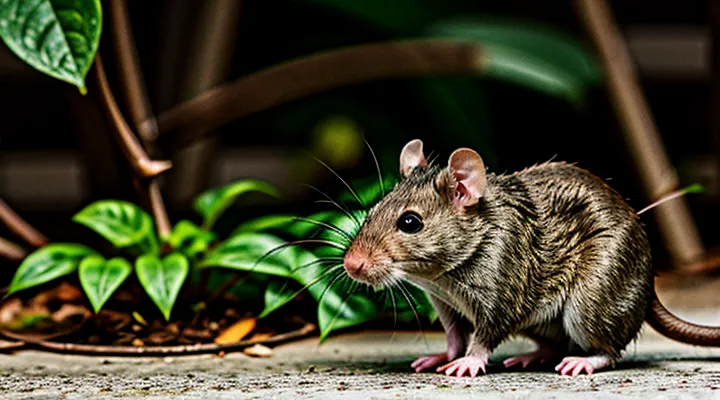
The tail of a typical brown‑field rat measures 12‑20 cm, roughly equal to the body length. It is covered with fine, overlapping scales that give a smooth, glossy appearance in photographs. The tail exhibits a gradual taper toward the tip and lacks hair, allowing clear visibility of its vascular network, which appears as faint pink lines under proper lighting. In live‑capture images, the tail’s flexibility can be demonstrated by gentle curvature, highlighting its role in balance and thermoregulation.
Ears are proportionally large, each extending 2‑3 cm from the skull. The outer surface displays a thin layer of sparse hair, while the inner ear is concealed by a translucent membrane. Photographic focus on the ear reveals a prominent, rounded shape with a slight notch at the base where the ear attaches to the head. The ear’s blood vessels are often visible as subtle red veins, especially when the animal is warm‑blooded.
Key anatomical details for accurate visual documentation:
- Tail length relative to body size
- Scale pattern and coloration
- Presence of vascular markings
- Ear size and shape
- Hair distribution on the outer ear
- Visibility of the inner membrane and blood vessels
Capturing these features requires a shallow depth of field to isolate the tail and ears from the background, and diffused lighting to reduce harsh reflections on the moist surfaces. Proper positioning of the rat with its head slightly turned ensures both ears are in clear view, while the tail can be gently lifted to display its full curvature without causing stress.
Sensory Organs
The common rat, frequently illustrated in photographic documentation, possesses a suite of sensory organs adapted for nocturnal and burrowing lifestyles.
Vision relies on relatively large, forward‑facing eyes equipped with rod‑dominant retinas that maximize light capture. The ocular structure includes a well‑developed tapetum lucidum, enhancing image brightness in low‑light conditions.
Auditory perception is supported by prominent external ears and an elongated cochlea. The middle ear amplifies sound waves, while the inner ear detects frequencies ranging from ultrasonic vocalizations to ambient environmental noises.
Olfaction is mediated by an extensive nasal epithelium containing millions of receptor neurons. This system enables detection of pheromones, food sources, and predator cues, providing critical information for social interaction and foraging.
Vibrissae (whiskers) function as tactile sensors. Each whisker is anchored in a deep follicle rich in mechanoreceptors, allowing precise spatial mapping of surrounding objects through airflow and direct contact.
Taste buds, concentrated on the tongue and oral cavity, differentiate sweet, salty, sour, bitter, and umami stimuli, guiding dietary choices and avoidance of toxins.
- Eyes: rod‑rich retinas, tapetum lucidum for enhanced night vision.
- Ears: large pinnae, elongated cochlea for broad frequency detection.
- Nose: dense olfactory epithelium for chemical cue identification.
- Whiskers: mechanoreceptive follicles for tactile navigation.
- Tongue: taste buds for chemical discrimination.
These organs collectively furnish the rat with acute perception across visual, auditory, olfactory, tactile, and gustatory domains, supporting survival in diverse habitats.
Habitat and Behavior
Preferred Environments
The species commonly referred to as the brown rat exhibits a marked preference for habitats that provide abundant food sources, shelter, and easy access to water. Adaptability to human-altered landscapes allows the animal to thrive in both rural and urban settings, where structural complexity offers nesting opportunities and protection from predators.
- Underground drainage systems and sewers, where moisture and waste accumulate.
- Agricultural storage facilities, including grain silos and barns, which supply high‑calorie provisions.
- Residential basements and crawl spaces, offering concealed nesting sites and proximity to household refuse.
- Open fields and riverbanks, providing natural vegetation and water bodies for foraging.
- Coastal ports and warehouses, where imported goods create temporary food caches.
These environments share characteristics of high resource density, structural concealment, and minimal disturbance, supporting rapid population growth and facilitating the species’ role as a ubiquitous commensal organism.
Social Structure
The common brown rat lives in colonies that range from a few individuals to several dozen members. Colonies are organized around a dominant breeding pair, which monopolizes access to nesting sites and mates. Subordinate adults assist in foraging, nest maintenance, and predator vigilance, while juveniles remain dependent until reaching sexual maturity.
Dominance is reinforced through aggressive encounters, scent marking, and vocalizations. Aggressive bouts establish a clear hierarchy, reducing the frequency of later conflicts. Scent glands on the flank and anal region release pheromones that convey rank and reproductive status to colony members.
Reproduction occurs year‑round in temperate regions, with the dominant female producing multiple litters annually. Non‑breeding females may assist in caring for the young, providing warmth and food, thereby increasing litter survival. Males that achieve subordinate status often delay breeding until a vacancy in the hierarchy arises.
Communication relies on a combination of ultrasonic calls, tail‑slapping, and tactile contacts. Ultrasonic vocalizations coordinate group movement and signal alarm, while tail‑slapping serves as a visual deterrent during territorial disputes. Tactile grooming reinforces social bonds and reduces stress within the group.
Resource allocation follows the hierarchy: dominant individuals secure priority access to food caches, while subordinates exploit peripheral foraging zones. This structure optimizes overall colony efficiency, allowing members to exploit diverse urban and rural habitats without excessive competition.
Nocturnal Habits
The common rat exhibits a distinct pattern of activity after dusk, concentrating foraging and social interactions during the night. Vision adapts to low‑light conditions, while whisker sensitivity compensates for reduced visibility, enabling navigation through cluttered environments.
Key nocturnal behaviors include:
- Exploratory foraging: rodents leave nests to locate food sources, often exploiting human waste and stored provisions.
- Territorial patrols: individuals trace the perimeter of their burrow system, marking boundaries with scent glands.
- Social communication: ultrasonic vocalizations and tail‑slaps convey status and coordinate group movements.
- Predator avoidance: heightened auditory and olfactory awareness reduces exposure to nocturnal hunters.
Physiological adjustments support these activities. Melatonin secretion peaks during darkness, regulating sleep cycles and energy expenditure. Metabolic rates rise to sustain prolonged activity, while thermoregulation relies on ambient temperature fluctuations.
Understanding these night‑time habits clarifies the species’ ecological impact, informing pest‑management strategies and urban wildlife monitoring.
Diet and Foraging
The brown rat (Rattus norvegicus) exhibits a highly adaptable diet that enables survival in diverse habitats. Its feeding strategy combines opportunistic scavenging with selective consumption of available resources.
- Plant material: seeds, fruits, cereals, leafy greens
- Animal matter: insects, carrion, small vertebrates, eggs
- Human-derived foods: waste, grain stores, processed products
- Water sources: standing water, moist vegetation, runoff
Foraging occurs chiefly during twilight and night hours, when reduced visibility lowers predation risk. Individuals employ keen olfactory and tactile senses to locate edible items, often exploiting human refuse sites and natural deposits alike. Food items are carried to secure nests or concealed caches, ensuring a reserve during periods of scarcity. Seasonal variations prompt shifts toward higher protein intake in spring, supporting reproductive demands, while autumn sees increased consumption of high‑energy grains to sustain winter metabolism.
Reproduction and Life Cycle
Breeding Habits
The common rat exhibits a prolific reproductive strategy that enables rapid population expansion in diverse habitats. Females reach sexual maturity at approximately five weeks of age, and males become capable of breeding shortly thereafter. Estrous cycles occur every four to five days, providing frequent opportunities for mating.
Gestation lasts 21 to 23 days, after which a litter of newborns is born. Litter attributes include:
- Average size of six to eight pups, with occasional extremes ranging from three to twelve.
- Birth intervals of 30 to 45 days, allowing multiple litters per year.
- Neonates weigh 5–7 g and are born hairless, eyes closed, and dependent on maternal care.
Breeding frequency is influenced by environmental conditions. Abundant food supplies, moderate temperatures (20–25 °C), and extended daylight periods accelerate reproductive cycles, while scarcity or extreme cold suppress estrus and reduce litter size. Seasonal variations are less pronounced in urban settings where climate control mitigates natural fluctuations.
Maternal investment concentrates on nest construction, thermoregulation, and nursing. Females provide a steady milk supply for the first three weeks, after which weaning commences. Offspring attain independence by four weeks of age, at which point they may join the breeding pool. Male parental involvement is minimal, with no direct care beyond occasional grooming.
These characteristics collectively define the breeding habits of the common rat, highlighting its capacity for swift demographic growth under favorable conditions.
Gestation and Litter Size
The gestation period of the common rat averages 21 to 23 days, with slight variation depending on environmental temperature and nutrition. Pregnant females typically exhibit a rapid increase in abdominal size and may display nesting behavior shortly before parturition.
Litter size for this species ranges from 5 to 12 offspring. Key parameters include:
- Average number of pups per litter: 8
- Minimum recorded litter: 5
- Maximum recorded litter: 12
- Frequency of litters per year: up to five, given optimal conditions
These reproductive characteristics contribute to the species’ high population growth potential.
Lifespan
The common rat typically lives between two and three years in the wild, with a maximum recorded age of around five years under optimal conditions. In captivity, where nutrition, shelter, and veterinary care are controlled, individuals may reach seven years or slightly longer.
Key factors influencing longevity include:
- Genetic background and strain variability
- Availability of consistent food sources
- Exposure to predators, disease, and environmental stressors
- Quality of shelter and nesting material
Seasonal fluctuations affect survival rates; mortality peaks during harsh winters and extreme summer heat. Reproductive cycles also impact lifespan, as frequent breeding can shorten the average life expectancy of females.
Ecological Impact
Role in Ecosystems
The common rat, scientifically identified as «Rattus norvegicus», inhabits urban, agricultural, and natural environments across temperate regions. Its high reproductive capacity enables rapid population growth, influencing community structure through direct and indirect interactions.
Predatory species such as foxes, owls, and snakes rely on the rat as a consistent food source. This predation pressure helps regulate rodent numbers, thereby moderating the intensity of herbivory and competition among smaller mammals.
Scavenging behavior accelerates decomposition of organic waste. By consuming carrion and refuse, the rat reduces pathogen loads in the environment and facilitates nutrient recycling into the soil matrix.
The species contributes to seed dispersal and vegetation dynamics. Transport of seeds in fur or digestive tracts leads to germination in disturbed sites, promoting plant colonization and succession.
Disease transmission represents a notable ecological function. As a reservoir for pathogens including hantavirus, leptospira, and various parasites, the rat influences the epidemiology of zoonotic diseases, affecting both wildlife health and human public health concerns.
Key ecosystem services provided by the common rat include:
- Predator support through biomass provision
- Waste reduction via scavenging
- Soil enrichment from burrowing activity
- Seed movement that shapes plant community composition
- Pathogen maintenance that shapes disease ecology
Interactions with Humans
Rats frequently encounter humans in diverse environments, creating a range of observable behaviors that inform both scientific study and urban management.
In city settings, rats exploit waste streams, resulting in regular sightings near residential buildings, markets, and transportation hubs. Laboratory facilities maintain controlled colonies for biomedical research, where direct handling by technicians is routine. Companion‑animal contexts involve domesticated rats that interact with owners through feeding, grooming, and social play.
Human presence triggers specific rat responses. Approaching individuals often elicit cautious retreat, accompanied by rapid movement toward concealed pathways. Repeated exposure leads to habituation, allowing rats to forage closer to human activity without immediate flight. Direct contact, such as handling in research or pet care, produces measurable stress markers that diminish with gradual acclimatization.
These interaction patterns affect public‑health monitoring, pest‑control strategies, and experimental design. Understanding rat behavior under human influence enables targeted interventions that reduce disease transmission risk, improve humane management practices, and enhance the reliability of laboratory models.
Key interaction categories:
- Urban foraging near human waste
- Laboratory handling for research purposes
- Domestic companionship within households
- Accidental encounters in transportation and storage areas
Common Rat vs. Other Rat Species
Distinguishing Features
The common brown rat (Rattus norvegicus) displays a set of morphological traits that enable reliable identification in photographic records and descriptive accounts.
Body size ranges from 20 to 25 cm in head‑body length, with a tail roughly equal to or slightly shorter than the body. Weight typically falls between 250 g and 500 g. Fur coloration varies from dark brown to almost black on the dorsal side, while the ventral surface remains pale, often gray‑white. The tail is covered with sparse, short hairs and lacks the distinct ringed pattern seen in some other rodent species.
Key distinguishing features include:
- Large, blunt nose with a well‑developed, whiskered rostrum.
- Prominent, rounded ears that lie close to the skull, lacking external folds.
- Strong, sharp incisors that protrude forward, visible even when the mouth is closed.
- Hind feet larger than forefeet, equipped with five toes and a robust heel pad for climbing and digging.
- Distinctive skeletal structure: a relatively short, broad skull and a robust mandible.
These characteristics, when observed together, separate the brown rat from other urban rodents such as the black rat (Rattus rattus) and various mouse species. Accurate documentation of these traits supports reliable visual identification and scientific description.
Similarities and Differences
The visual representation of a typical rat and its textual description serve the same primary purpose: to identify the species and convey key characteristics. Both mediums mention size range, fur coloration, tail length, and distinctive facial features. They also reference habitat association, indicating that the animal commonly inhabits urban and rural environments.
Differences arise from the nature of each medium. The photograph supplies exact color tones, texture details, and posture, allowing direct observation of ear shape, whisker arrangement, and limb positioning. The description conveys precise measurements, such as body length in centimeters, weight range, and skeletal proportions, and includes behavioral notes that cannot be captured in a still image. Additionally, the textual account may reference comparative anatomy, stating that the incisors are continuously growing, a detail absent from the visual alone. The image reflects a specific moment in time, whereas the description abstracts across multiple observations to present a generalized profile.
Interesting Facts
Notable Adaptations
The common rat, a highly adaptable murine species, exhibits a suite of physiological, anatomical, and behavioral traits that enable survival across diverse environments. Adaptations enhance foraging efficiency, predator avoidance, and reproductive success, supporting the species’ widespread distribution.
- Highly developed sense of smell detects food sources and conspecific signals at low concentrations.
- Whisker (vibrissae) system provides precise tactile feedback, facilitating navigation in narrow spaces and dark conditions.
- Gnawing incisors grow continuously, allowing constant wear and effective processing of hard materials.
- Flexible skeletal structure permits rapid, agile movements and the ability to squeeze through openings smaller than the body’s width.
- Omnivorous diet, coupled with a robust digestive system, enables utilization of plant matter, insects, carrion, and anthropogenic waste.
- Short gestation period (approximately 21 days) and large litter sizes accelerate population growth under favorable conditions.
- High reproductive plasticity allows adjustment of breeding frequency in response to resource availability.
- Strong social hierarchy reduces intra‑group conflict, while scent marking maintains territorial boundaries.
These adaptations collectively confer resilience, allowing the species to thrive in urban, agricultural, and natural habitats alike.
Cultural Significance
The common rat occupies a distinct position in various cultural narratives, serving as a symbol that reflects societal attitudes toward survival, adaptation, and marginality. Historical folklore frequently portrays the animal as an emblem of cunning and resilience, while contemporary media often employs its image to critique urban environments and human neglect.
Key cultural manifestations include:
- Mythic representations that cast the rat as a trickster figure, illustrating themes of ingenuity and subversion.
- Literary motifs wherein the creature embodies the tensions between civilization and wilderness, highlighting the fragility of social order.
- Visual art that utilizes the rat’s form to comment on consumerism, decay, and the dynamics of public spaces.
- Popular music and cinema that reference the animal to evoke urban grit, reinforcing its association with the underbelly of city life.
These expressions collectively underscore the rat’s role as a conduit for exploring concepts of survival, social exclusion, and the interplay between human development and the natural world. The enduring presence of the rat in cultural production evidences its capacity to convey complex ideas across temporal and geographic boundaries.