
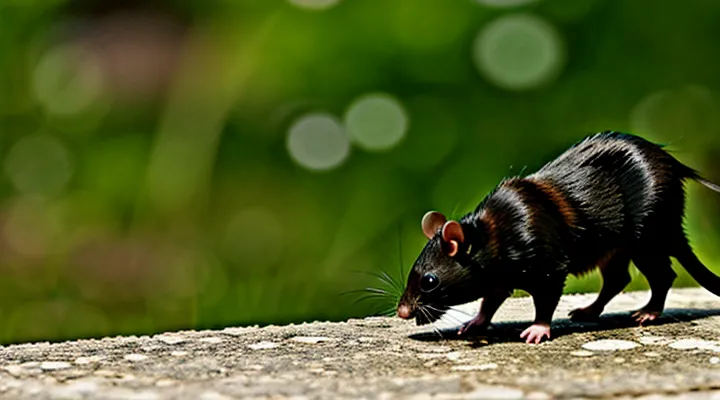
Understanding Flea Infestations in Rats
Recognizing Flea Symptoms in Rats
Rats infested with fleas often display distinct physical and behavioral signs. Early identification enables prompt treatment and reduces the risk of secondary infections.
- Excessive scratching or grooming: Persistent biting at the fur, especially around the neck, hind limbs, and tail base, indicates irritation from flea bites.
- Visible fleas or flea dirt: Small, dark specks resembling pepper grains, or live fleas moving rapidly through the coat, confirm infestation.
- Hair loss and skin lesions: Localized bald patches, redness, or crusted sores develop where fleas feed and cause irritation.
- Restlessness and reduced activity: Discomfort leads to increased agitation, frequent attempts to escape confinement, and diminished exploration.
- Weight loss or poor condition: Chronic blood loss from flea feeding may result in emaciation, lethargy, and a dull coat.
Monitoring these indicators on a regular basis, especially during warm months when flea populations surge, provides the necessary data to select an appropriate flea control product for rats.
The Dangers of Untreated Flea Infestations
Untreated flea infestations pose immediate health risks to rats and can compromise the stability of any captive colony. Fleas feed on blood, causing anemia that may progress to weakness, lethargy, and, in severe cases, death. Their saliva introduces allergens that trigger dermatitis, characterized by intense scratching, hair loss, and secondary bacterial infections. Parasite‑borne pathogens, such as Rickettsia spp. and Bartonella spp., can be transmitted through flea bites, leading to fever, organ inflammation, and reduced reproductive performance.
- Rapid population growth: A single adult flea can lay up to 50 eggs per day, resulting in exponential colony expansion within weeks.
- Contamination of habitat: Flea feces and shed exoskeletons accumulate in bedding, creating a persistent source of reinfestation.
- Stress escalation: Persistent itching and discomfort elevate cortisol levels, suppressing immune function and increasing susceptibility to other diseases.
- Cross‑species transmission: Fleas may migrate to neighboring animals, spreading infestations beyond the original host.
Effective management requires selecting a flea treatment formulated specifically for rats. Products designed for larger mammals often contain concentrations that are toxic to rodents, while rodent‑safe formulations provide the correct dosage and active ingredients to eradicate fleas without harming the host. Regular monitoring of coat condition, weight, and behavior, combined with timely application of an appropriate flea drop, prevents the cascade of health complications described above and maintains a stable, disease‑free environment.
Types of Flea Treatment for Rats
Topical Flea Drops: How They Work
Topical flea drops applied to a rat’s skin deliver insecticidal agents directly into the circulatory system. Once absorbed, the compounds spread through the bloodstream, reaching the hair follicles and skin surface where adult fleas and larvae feed.
The action sequence includes:
- Absorption: Lipophilic ingredients penetrate the epidermis within minutes of application.
- Distribution: Systemic circulation transports the agent to all body regions, ensuring contact with parasites on any part of the animal.
- Target disruption: Active molecules interfere with the nervous system of fleas, causing rapid paralysis and death.
- Residual effect: Persistent concentrations remain in the host’s plasma for several days, preventing re‑infestation during the product’s labeled protection period.
Formulations typically contain pyrethroids, insect growth regulators, or combination blends. Pyrethroids affect sodium channels in flea nerves, while growth regulators inhibit maturation of eggs and larvae. The combined approach reduces both adult populations and future generations.
Correct application involves placing the prescribed dose on a shaved area of the rat’s back, avoiding the face and limbs. The skin must be dry; excess fur can impede absorption. Following label instructions prevents under‑dosing, which reduces efficacy, and over‑dosing, which can cause toxicity.
When evaluating options, prioritize products with proven systemic activity, appropriate dosage for the rat’s weight, and a documented safety profile for small rodents. These criteria ensure reliable flea control while maintaining the animal’s health.
Other Flea Treatment Options for Rats
When flea infestation affects rats, several alternatives to standard topical drops exist. Veterinary guidance recommends evaluating each option for safety, efficacy, and ease of administration.
Oral antiparasitic products formulated for small mammals provide systemic control. These medications are administered in measured doses mixed with food or delivered via a syringe. They target adult fleas and immature stages, reducing the need for repeated applications.
Topical sprays designed for rodents can be applied directly to the animal’s fur and skin. Sprays spread evenly, allowing rapid absorption. Products containing pyrethrins or fipronil are common; dosage must follow manufacturer instructions to avoid toxicity.
Environmental measures complement direct treatments. Regular cleaning of cages, bedding replacement, and vacuuming of surrounding areas remove eggs and larvae. Insecticidal powders or foggers used in the habitat, applied according to label directions, interrupt the flea life cycle.
Natural remedies, such as diatomaceous earth, can be sprinkled in bedding to desiccate insects. Essential oil blends (e.g., lavender, eucalyptus) may deter fleas but require veterinary approval due to potential respiratory irritation.
A concise selection framework:
- Systemic oral medication – reliable, convenient dosing.
- Rodent‑specific spray – quick action, suitable for short‑haired rats.
- Habitat sanitation – essential for long‑term control.
- Adjunct natural agents – supplemental, must be vetted for safety.
Choosing the most appropriate method depends on the rat’s health status, owner’s ability to administer treatment, and the severity of infestation. Consultation with a qualified veterinarian ensures the chosen protocol aligns with best practice standards.
Factors to Consider When Choosing Flea Drops
Active Ingredients and Their Safety for Rats
Permethrin and Pyrethrin Risks
When selecting an ectoparasite treatment for rats, the presence of permethrin or pyrethrin in a product demands careful evaluation. Both compounds belong to the pyrethroid class and act on the nervous system of insects, but they also affect mammalian physiology at lower thresholds than in many other species.
Risks associated with permethrin and pyrethrin include:
- Neurotoxicity – exposure can produce tremors, hyperexcitability, and seizures in rodents due to interference with voltage‑gated sodium channels.
- Dermal absorption – the thin skin of rats facilitates rapid uptake, raising systemic concentrations even after topical application.
- Metabolic overload – rats possess limited hepatic enzymes for detoxifying pyrethroids, leading to accumulation and prolonged effects.
- Respiratory irritation – aerosolized formulations may cause bronchoconstriction and coughing when inhaled.
- Reproductive impact – studies indicate potential disruption of hormone balance and reduced fertility after chronic exposure.
Because rats are highly sensitive to these agents, products labeled for dogs or cats that contain permethrin or pyrethrin are unsuitable. Safer alternatives rely on insect growth regulators or non‑pyrethroid insecticides specifically tested in laboratory rats. Always verify the active ingredients and consult veterinary guidance before administration.
Fipronil and Imidacloprid Alternatives
When selecting flea treatments for rats, alternatives to fipronil and imidacloprid merit attention because of documented resistance and potential toxicity. Several compounds provide comparable ectoparasite control while reducing the risks associated with the primary agents.
- Spinosad – a bacterial‑derived insecticide that disrupts neural transmission; effective against adult fleas, low mammalian toxicity, approved for use in small mammals.
- Indoxacarb – a sodium channel blocker; requires metabolic activation, exhibits rapid flea knock‑down, minimal residue in rodent tissues.
- Avermectin derivatives (e.g., ivermectin) – macrocyclic lactones that interfere with glutamate‑gated chloride channels; broad‑spectrum activity, caution advised for species‑specific sensitivity.
- Essential‑oil formulations (e.g., neem, geraniol) – plant‑based repellents; limited evidence for complete eradication, useful as adjuncts in low‑infestation scenarios.
Key criteria for evaluating these options include:
- Efficacy against adult and larval stages – laboratory and field data should demonstrate ≥90 % reduction within 24 hours.
- Safety margin for rats – LD₅₀ values substantially higher than therapeutic doses, absence of neurotoxic signs in chronic exposure studies.
- Dosage precision – formulations allowing accurate micro‑dosing to avoid overdosing in small‑body‑weight animals.
- Regulatory approval – alignment with veterinary drug agencies to ensure legal use and quality assurance.
Implementing an alternative requires verification of product labeling for rat‑specific application, adherence to recommended intervals, and monitoring for adverse reactions. Selecting a vetted, non‑fipronil, non‑imidacloprid flea drop enhances therapeutic outcomes while mitigating resistance development and safety concerns.
Dosage and Application Guidelines
When administering flea drops to rats, calculate the dose based on the animal’s weight. The standard concentration of most products contains 0.5 mg of active ingredient per milliliter. Apply 0.05 ml per gram of body weight, not exceeding 0.5 ml for any individual. For a 150‑gram rat, the correct volume is 7.5 ml, which must be divided into multiple micro‑applications to avoid excess on the skin.
- Weigh the rat accurately before treatment.
- Multiply the weight (g) by 0.05 ml to obtain the total volume required.
- Use a calibrated pipette or syringe for precise measurement.
- Distribute the dose in small drops along the dorsal surface, avoiding the face, eyes, and genital area.
- Allow the drops to dry for at least 5 minutes before returning the rat to its cage.
Repeat the application according to the product’s label, typically every 30 days, and monitor the animal for signs of irritation or adverse reaction. Adjust the schedule if the rat shows excessive grooming or skin lesions, consulting a veterinarian for alternative formulations.
Brand Reputation and Veterinary Recommendations
When evaluating flea treatments for rats, focus on two reliable sources of guidance: the track record of the manufacturer and professional veterinary endorsements.
-
Manufacturer credibility
• Documented safety record in rodent applications
• Compliance with national veterinary drug regulations
• Independent laboratory testing results publicly available
• Consistent formulation across production batches -
Veterinary guidance
• Recommendations from licensed small‑animal veterinarians
• Inclusion in veterinary formularies or treatment protocols
• Positive outcomes reported in peer‑reviewed studies
• Practical considerations such as dosage accuracy and administration ease
Combining these criteria narrows the selection to products that have demonstrable efficacy, meet regulatory standards, and receive professional approval, thereby reducing the risk of adverse reactions and improving treatment success.
Step-by-Step Guide to Applying Flea Drops
Preparing Your Rat for Treatment
Before applying flea medication, confirm that the rat is healthy. Check for signs of illness, respiratory distress, or skin lesions; postpone treatment if any are present and consult a veterinarian.
Handle the animal gently but securely. Use a small, well‑ventilated cage or a hand‑tethered setup to limit movement. A soft towel can provide additional support while keeping the rat calm.
Calculate the correct dose. Measure the rat’s weight accurately with a digital scale, then refer to the product’s dosage chart. Do not exceed the recommended amount; overdosing can cause toxicity.
Apply the drop in the appropriate location. For most products, place the dose on the base of the skull, avoiding the eyes, ears, and mouth. Use a pipette or dropper to ensure precise delivery.
After application, observe the rat for at least 30 minutes. Look for signs of irritation, excessive grooming, or abnormal behavior. If adverse reactions occur, seek veterinary assistance immediately.
Maintain a clean environment. Remove bedding and replace with fresh material for 24 hours to prevent re‑contamination. Dispose of any excess product according to the manufacturer’s safety guidelines.
Proper Application Technique
Applying flea drops correctly to rats prevents ineffective dosing and reduces the risk of skin irritation. Use a product formulated specifically for small rodents; products intended for cats or dogs may contain concentrations that are unsafe.
- Restrain the rat gently but securely, preferably with a soft cloth or a small animal holder that limits movement without causing stress.
- Locate the skin fold at the base of the neck, where the fur is thin and the skin is easily accessible.
- Clean the area with a mild, unscented wipes to remove debris; allow the skin to dry completely before proceeding.
- Dispense the exact dose indicated by the label onto a single spot in the identified skin fold. Do not spread the liquid over a larger area.
- Observe the rat for 30 seconds to ensure the drop remains in place; if it spreads, re‑apply a fresh dose to the correct spot.
- Return the animal to its cage and monitor for any signs of adverse reaction, such as excessive grooming, redness, or lethargy, for at least 24 hours.
Accurate dosing, precise placement, and post‑application observation are essential components of an effective flea‑drop regimen for rats.
Post-Application Care and Monitoring
After applying flea drops to a rat, immediate observation is essential. Place the animal in a clean, well‑ventilated cage without bedding that could absorb excess product. Allow the rat to recover for at least 15 minutes before returning it to its regular environment.
Monitor the following indicators during the first 24 hours:
- Skin condition: check for redness, swelling, or rash at the application site.
- Behavior: note any signs of distress, excessive grooming, lethargy, or loss of appetite.
- Respiratory pattern: watch for labored breathing or sudden sneezing.
- Excretion: record any abnormal droppings that could suggest gastrointestinal upset.
If any adverse reaction appears, isolate the rat, contact a veterinarian, and provide supportive care such as saline drops for ocular irritation or a mild antihistamine prescribed by a professional.
Maintain a routine cleaning schedule for the cage. Replace bedding, sanitize food dishes, and disinfect surfaces with a rat‑safe disinfectant 48 hours after treatment to eliminate residual chemicals. Continue daily checks for at least three days, extending the monitoring period if the rat shows delayed symptoms.
Document observations in a log, noting the date, time, and specific findings. This record assists in evaluating product safety and informs future decisions when selecting flea control options for rodents.
Preventing Future Flea Infestations
Environmental Control Measures
Effective flea management for rats depends on more than the selected topical product; the surrounding environment must be altered to interrupt the parasite life cycle. Cleanliness, clutter reduction, and climate regulation create conditions where fleas cannot thrive, thereby enhancing the efficacy of any applied treatment.
- Remove food debris, droppings, and spilled water daily; use a mild, non‑toxic disinfectant on cages and surrounding surfaces.
- Replace bedding with low‑dust, washable material; wash or discard it weekly.
- Seal cracks, gaps, and openings in the enclosure to prevent ingress of wild rodents and insects.
- Maintain temperature between 20 °C and 25 °C and humidity below 50 %; use dehumidifiers or ventilation fans as needed.
- Conduct routine inspections for adult fleas, larvae, and eggs; eliminate visible insects with a fine‑toothed comb or vacuum equipped with a HEPA filter.
When a flea drop is administered, the animal should be isolated for the duration of the product’s absorption period to avoid re‑contamination. Simultaneously, treat the cage and any accessories with an approved insecticide spray that is safe for rodents, following label instructions precisely. Dispose of waste water and cleaning solutions in sealed containers to prevent environmental spread.
Consistent application of these measures reduces reinfestation risk, shortens treatment timelines, and supports the health of the rat population. Integrating environmental control with careful product selection yields the most reliable outcome for flea eradication.
Regular Grooming and Health Checks
Regular grooming provides the most reliable method for detecting external parasites on laboratory or pet rats. During a brief brush or comb session, technicians can observe fur condition, skin integrity, and the presence of flea larvae or adult insects. Any signs of redness, scabbing, or excessive scratching indicate a possible infestation and should prompt immediate evaluation of the flea‑drop product’s suitability.
Health checks complement grooming by establishing baseline physiological data. Measurements should include weight, respiratory rate, and coat temperature; deviations from normal ranges may affect how a rat metabolizes topical treatments. Blood samples taken quarterly can reveal liver or kidney function, which are critical when selecting a flea‑drop formulation that relies on hepatic clearance.
When selecting an appropriate flea‑drop for rats, consider the following criteria derived from grooming and health assessments:
- Active ingredient safety: Verify that the compound is approved for rodents and does not interact with existing health conditions.
- Absorption profile: Choose a product formulated for the rat’s skin thickness and fur density, as indicated by grooming observations.
- Dosage precision: Use the exact weight measurement from health checks to calculate the correct dose; over‑application can cause toxicity.
- Residue duration: Prefer formulations that maintain efficacy without accumulating in the animal’s system, especially for rats with compromised organ function.
Consistent grooming and systematic health monitoring create a data set that informs each step of the flea‑drop selection process, ensuring effective parasite control while minimizing adverse effects.
When to Consult a Veterinarian
Selecting an appropriate flea treatment for rats involves more than product comparison; it requires vigilance for health issues that demand professional veterinary assessment. Recognizing when a rat’s condition exceeds the scope of over‑the‑counter remedies prevents complications and ensures humane care.
Key indicators that a veterinarian should be consulted include:
- Persistent itching, excessive grooming, or hair loss that does not improve after applying the flea product.
- Visible skin inflammation, ulceration, or secondary infection at the site of treatment.
- Sudden changes in appetite, weight loss, lethargy, or respiratory distress following product application.
- Signs of allergic reaction such as swelling, hives, or difficulty breathing.
- Unusual behavior, tremors, or seizures that develop shortly after treatment.
Additional circumstances warranting professional input are:
- The rat is pregnant, lactating, or very young, where drug metabolism differs from adult animals.
- The animal has known chronic illnesses (e.g., renal disease, liver dysfunction) that could interact with flea medication.
- The owner is uncertain about proper dosage, administration route, or product compatibility with other medications.
When any of these symptoms appear, immediate veterinary evaluation is essential. A veterinarian can confirm the diagnosis, adjust treatment protocols, and provide supportive care to mitigate adverse reactions. Prompt consultation safeguards the rat’s health and guides responsible selection of flea control solutions.