
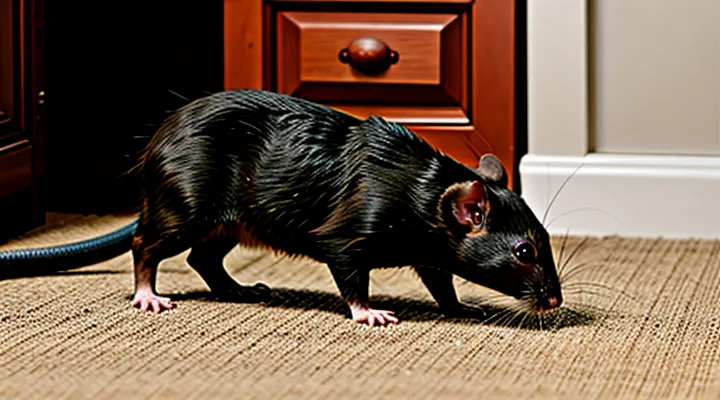
Understanding Rat Behavior and Olfactory Sensitivity
Why Rats Rely on Smell
Rats depend heavily on olfactory cues to navigate their environment. Their nasal epithelium contains millions of receptor cells, allowing detection of odorants at concentrations far below human thresholds.
The olfactory system governs several essential behaviors. Food sources are located primarily through scent gradients; social communication relies on pheromonal trails; predator presence is inferred from specific volatile compounds. Consequently, any disruption of these chemical signals can impair foraging efficiency and increase stress.
Because scent guides critical functions, odors that are unpleasant or mimic natural threats interfere with normal activity. Repellent effectiveness therefore correlates with the ability to trigger aversion or mimic predator cues.
Effective deterrent categories include:
- Strong ammonia or bleach vapors, which signal toxic environments.
- Essential oils such as peppermint, eucalyptus, and citronella, whose sharp terpenes overwhelm the rat’s olfactory receptors.
- Predator-derived substances, for example synthetic ferret or owl scent, which simulate the presence of natural enemies.
- Chemical irritants like naphthalene or mothball derivatives, producing a lingering, irritating odor.
Selection of an appropriate smell should consider volatility, persistence, and safety for human occupants. By exploiting the rat’s reliance on scent, targeted odors create an inhospitable indoor setting that discourages infestation.
How Rats Perceive Scents
Rats rely on an exceptionally sensitive olfactory system to evaluate their surroundings. Odor molecules enter the nasal cavity, bind to olfactory receptors, and generate electrical signals that travel to the olfactory bulb. The bulb processes these signals, allowing rapid discrimination between attractive, neutral, and aversive scents.
Key aspects of rat scent perception:
- Over 1 000 functional olfactory receptor genes provide a broad detection spectrum.
- Detection thresholds often lie in the parts‑per‑billion range, enabling identification of minute concentrations.
- Specialized vomeronasal receptors respond to pheromonal cues that influence social and territorial behavior.
- Neural pathways connect the olfactory bulb to limbic structures, linking scent information to fear and avoidance responses.
- Rapid habituation occurs for non‑threatening odors, while persistent aversive cues maintain heightened alertness.
Understanding these mechanisms clarifies why certain odors, such as strong ammonia, peppermint oil, or concentrated citrus extracts, trigger avoidance. These compounds activate receptors associated with irritation or toxicity, prompting immediate flight behavior. Conversely, food‑related aromas stimulate reward circuits, encouraging foraging.
Effective indoor rodent deterrence exploits the rat’s heightened sensitivity to unpleasant chemicals. Persistent exposure to aversive scents overwhelms the olfactory system, leading to sustained avoidance of treated areas.
The Concept of «Repellent» Versus «Deterrent»
The distinction between a «repellent» and a «deterrent» shapes the selection of odor‑based strategies for discouraging rodents indoors. A «repellent» emits a scent that directly interferes with a rat’s sensory perception, prompting immediate avoidance. Chemical composition typically includes strong, irritating volatiles that trigger a physiological response, such as nausea or respiratory discomfort. By contrast, a «deterrent» relies on a scent that signals an unfavorable environment without causing direct irritation. The effect is primarily psychological; the animal learns to associate the odor with potential threats or competition, leading to reduced presence over time.
Effective indoor applications separate these mechanisms:
- Peppermint oil, clove oil, and eucalyptus oil – high‑intensity volatiles that act as true «repellents», producing rapid aversion.
- Ammonia fumes, vinegar, and citrus peel – moderate‑strength odors that function as «deterrents», discouraging entry through learned avoidance.
- Synthetic rodent‑specific formulations – engineered to combine irritant and warning cues, offering a hybrid effect.
Choosing between a «repellent» and a «deterrent» depends on the desired speed of response and the tolerance for strong scents within living spaces. Immediate removal of active rodents favors «repellents», while long‑term population control benefits from «deterrents» that sustain a perception of risk without overwhelming occupants.
Natural Scents That May Repel Rats
Essential Oils and Their Effectiveness
Peppermint Oil
Peppermint oil possesses a strong, mentholaceous aroma that rats find unpleasant. The volatile compounds, primarily menthol and menthone, overload the rodents’ olfactory receptors, causing avoidance of treated areas. Laboratory studies confirm that concentrations as low as 5 % in water deter rat activity for several days.
Application methods focus on sustained release and coverage of entry points. Recommended practice includes:
- Diluting peppermint oil to 10 % with water and spraying the solution along baseboards, behind appliances, and near suspected burrows.
- Soaking cotton balls in undiluted oil, placing them in sealed containers, and positioning the containers in corners or crawl spaces.
- Using commercial peppermint‑oil dispensers that emit a fine mist continuously for up to two weeks.
Safety considerations involve keeping oil out of reach of children and pets, avoiding direct skin contact, and ventilating the area after application. Reapplication is necessary when the scent fades, typically after 48–72 hours in high‑traffic zones.
Evidence indicates that peppermint oil, when used correctly, reduces rat presence without toxic chemicals, offering a humane, odor‑based deterrent for indoor environments.
Citronella Oil
Citronella oil is a volatile botanical extract derived from Cymbopogon species. Its strong citrus‑grass scent is recognized for repelling rodents, including rats, by overwhelming the olfactory receptors that rats use to locate food and shelter. Laboratory studies demonstrate that citronella vapour reduces rat activity in confined environments by up to 70 percent when concentrations exceed 0.5 mg m⁻³.
Effective deployment in a home setting involves the following methods:
- Diffusion through electric or battery‑operated humidifiers, maintaining a continuous release of oil vapour in attics, basements, and crawl spaces.
- Soaking cotton balls or cloth pads with diluted citronella oil (approximately 5 drops per 10 ml water) and placing them near known entry points, such as gaps around pipes and vents.
- Incorporating citronella oil into rodent‑deterrent sprays, applying the mixture to the exterior of walls and around foundation cracks.
Safety considerations include:
- Avoiding direct skin contact; prolonged exposure may cause irritation.
- Ensuring adequate ventilation to prevent accumulation of strong odour, which can affect indoor air quality.
- Keeping the product out of reach of children and pets, as ingestion can be toxic.
Limitations of citronella oil as a repellent are notable. Its effectiveness diminishes rapidly as the oil evaporates, requiring re‑application every 2–3 days in high‑traffic areas. Environmental factors such as humidity and temperature influence volatilisation rates, potentially reducing efficacy in cold or excessively dry conditions. Additionally, rats may habituate to the scent after repeated exposure, diminishing the deterrent effect over time.
Integrating citronella oil with complementary strategies—such as sealing entry points, maintaining cleanliness to remove food sources, and employing physical traps—enhances overall rodent control in residential environments.
Eucalyptus Oil
Eucalyptus oil, extracted from the leaves of Eucalyptus species, emits a strong camphoraceous aroma that is readily detectable by rodents.
The scent disrupts rats’ olfactory receptors, prompting avoidance of treated zones. Laboratory observations confirm reduced activity in areas where the oil is applied, indicating its efficacy as a deterrent.
Effective deployment includes the following steps:
- Dilute Eucalyptus oil (5–10 % concentration) in water or a neutral carrier such as mineral oil.
- Soak cotton balls or small fabric pads with the mixture.
- Position the saturated material near potential entry points, gaps, or along walls where rats travel.
- Replace or refresh the treatment every 5–7 days to maintain potency.
Safety considerations demand protective gloves during preparation, avoidance of direct skin contact, and restriction of use in households with small children or vulnerable pets. Adequate ventilation mitigates the risk of respiratory irritation.
Tea Tree Oil
Tea tree oil (Melaleuca alternifolia) contains terpinen‑4‑ol, α‑terpinene and γ‑terpinene, compounds that emit a pungent, medicinal scent. Rodents detect these volatile oils through the olfactory system and typically avoid areas where the odor concentration exceeds their tolerance threshold.
Key points for residential use:
- Dilute 5 ml of tea tree oil in 500 ml of water; apply the mixture to cloth strips or spray onto corners, baseboards and entry points.
- Place cotton balls soaked in undiluted oil in concealed locations such as wall voids, crawl spaces and attic rafters; replace every 3–4 days to maintain potency.
- Combine with complementary repellents (e.g., peppermint oil) in a single diffuser to broaden the aromatic profile and prolong efficacy.
- Verify that pets, especially cats, are not exposed to undiluted oil; irritation or toxicity may occur with direct contact.
- Store oil in a cool, dark place; sealed containers preserve aromatic integrity for up to 12 months.
Scientific observations indicate that the strong, evergreen odor disrupts rodent foraging behavior, leading to reduced activity in treated zones. Consistent application, proper dilution and periodic renewal are essential to sustain the repellent effect.
Herbs and Spices
Chili Pepper
Chili pepper contains capsaicin, a volatile compound that produces a sharp, pungent odor rodents find highly unpleasant. The scent activates sensory receptors in the nasal passages of rats, causing irritation and prompting avoidance of treated areas.
Capsaicin’s irritant properties create a sensory barrier that discourages entry and nesting. The chemical’s volatility ensures rapid dispersion, establishing an odor gradient that rats detect before physical contact.
Practical application methods include:
- Sprinkling dried chili powder along baseboards, entry points, and known travel routes.
- Placing whole fresh chilies in mesh sachets near potential infestation sites.
- Preparing a spray by mixing powdered chili or crushed fresh peppers with water and a mild emulsifier, then misting cracks, crevices, and exterior door frames.
Safety considerations require protective gloves during handling, avoidance of direct contact with skin or eyes, and keeping treated zones inaccessible to pets and children. Areas intended for food preparation should remain free of chili residues to prevent contamination.
Effectiveness diminishes as the odor fades; reapplication every two to three weeks maintains a consistent deterrent level. Strong aromas may be noticeable to occupants, necessitating placement in concealed or low‑traffic locations. «Capsaicin is an effective rodent deterrent» when used correctly, but it should complement, not replace, integrated pest‑management strategies.
Garlic
Garlic emits a strong sulfur‑based odor that rodents find unpleasant. The scent interferes with rats’ olfactory receptors, prompting them to avoid areas where garlic is present.
Effective use of garlic in a residential setting includes:
- Crushed cloves placed in corners, behind appliances, and near entry points.
- Garlic oil or extract applied to cotton balls, then positioned similarly.
- Dried garlic powder sprinkled around potential nesting sites, refreshed weekly.
The repellent effect diminishes as the odor fades; regular replacement maintains potency. Garlic is non‑toxic to humans and pets when used in typical household quantities, but excessive amounts may cause strong lingering smells for occupants.
Limitations involve variability in rat tolerance; some populations may become accustomed to the odor, reducing efficacy. For persistent infestations, combine garlic with other proven rodent‑deterring scents, such as peppermint or ammonia, to create a multi‑scent barrier.
Overall, garlic provides a natural, low‑cost method to discourage rats from entering homes, suitable for short‑term deterrence and complementary to broader pest‑management strategies.
Cloves
Cloves emit a strong, pungent aroma that rats find highly unpleasant. The primary active compound, eugenol, interferes with the rodent’s olfactory receptors, causing avoidance behavior.
Effective use of cloves includes:
- Placing whole cloves in sealed sachets near entry points, gaps, and pantry shelves.
- Applying a few drops of clove essential oil to cotton balls, then positioning them in areas where rodent activity is observed.
- Mixing ground cloves with powdered pepper and sprinkling the blend along baseboards and under appliances.
The scent persists for several days; reapplication every 3‑5 days maintains deterrent effect. Clove preparations are non‑toxic to humans and pets when used in recommended quantities, but direct ingestion of large amounts should be avoided.
Combining cloves with other natural repellents—such as peppermint oil, dried bay leaves, or ultrasonic devices—enhances overall protection by presenting multiple aversive cues to rats. Regular sanitation, sealing of cracks, and removal of food sources remain essential to prevent infestation despite the use of aromatic deterrents.
Bay Leaves
Bay leaves contain eucalyptol, linalool, and other aromatic compounds that create a strong scent unpleasant to rats. The volatile oils interfere with the rodents’ olfactory receptors, prompting them to avoid areas where the leaves are present.
Common applications include:
- Placing whole dried leaves in cupboards, pantry shelves, and under sinks.
- Wrapping a handful of leaves in cheesecloth and hanging the packet near entry points.
- Sprinkling crushed leaves around the perimeter of rooms or in basements.
Effectiveness varies with leaf freshness; newly dried leaves release the highest concentration of repellent vapors. Replacing the leaves every two to three weeks maintains potency. Bay leaves are non‑toxic to humans and pets, making them a safe alternative to chemical rodenticides. Proper storage in airtight containers preserves their aromatic strength for extended use.
Other Natural Substances
Ammonia
Ammonia (NH₃) is a colorless, highly volatile liquid with a sharp, irritating odor. The scent is readily detectable by mammals, including rodents, which possess acute olfactory receptors.
Research indicates that rats avoid environments where ammonia concentration exceeds a few parts per million. The compound interferes with the nasal epithelium, causing discomfort that discourages entry and nesting. Field observations report reduced rodent activity in storage areas treated with diluted ammonia solutions.
Practical application methods include:
- Soaking cotton rags in a 10 % ammonia solution and placing them in suspected entry points.
- Spraying a 5 % solution along baseboards, behind appliances, and in crawl spaces.
- Adding a small amount of ammonia to cleaning water for routine floor mopping.
Safety considerations are essential. Ammonia vapors can irritate eyes, skin, and respiratory passages. Use protective gloves and goggles, ensure adequate ventilation, and keep containers out of reach of children and pets. Prolonged exposure may cause health hazards; therefore, limit treatment duration and avoid enclosed spaces without airflow.
Limitations involve rapid dissipation of odor, necessitating frequent reapplication to maintain effectiveness. High concentrations may attract insects such as flies, and some rat populations can develop temporary tolerance. Combining ammonia with other repellents or structural exclusion measures enhances overall control.
«Ammonia has a strong, pungent odor that rodents find unpleasant», confirming its role as a deterrent when employed correctly and safely.
Mothballs (Naphthalene)
Mothballs, composed primarily of naphthalene, emit a strong, volatile odor detectable by rodents. The scent interferes with the rats’ highly sensitive olfactory receptors, causing discomfort and prompting avoidance of treated areas.
Effectiveness depends on concentration and exposure time. Small, sealed containers placed in attics, basements, or crawl spaces create a localized vapor barrier. Continuous release maintains a deterrent atmosphere for several weeks, after which replenishment is required.
Safety considerations demand strict adherence to guidelines:
- Store mothballs in airtight containers until use.
- Position containers away from food preparation surfaces and direct human contact.
- Ensure adequate ventilation to prevent accumulation of vapors.
- Keep out of reach of children, pets, and wildlife; inhalation or ingestion of naphthalene can cause respiratory irritation, liver toxicity, and neurological symptoms.
Scientific observations indicate that rats may initially avoid naphthalene‑laden zones, yet prolonged exposure can lead to habituation, reducing long‑term efficacy. Field trials report variable success rates, with higher effectiveness in confined, low‑traffic environments.
Regulatory agencies restrict residential use of naphthalene in many jurisdictions due to health risks. Alternatives such as peppermint oil, predator urine, or ultrasonic devices are recommended where legal constraints apply or where vulnerable occupants are present.
Used Coffee Grounds
Used coffee grounds emit a strong, bitter aroma that rodents find unpleasant. The scent originates from residual caffeine, phenols, and organic acids, which interfere with rats’ keen sense of smell.
When placed strategically, the grounds create a barrier that discourages rats from entering or lingering in specific areas. The odor persists for several days, gradually diminishing as the grounds dry out.
Practical application:
- Spread a thin layer of fresh, damp grounds along entry points such as door thresholds, garage doors, and basement windows.
- Refresh the material every 48‑72 hours to maintain potency.
- Combine with other aromatic deterrents, like peppermint oil, for enhanced effect.
Safety considerations include avoiding direct contact with pets that may ingest large quantities, and ensuring that grounds do not create slip hazards on smooth surfaces. Regular removal of used material prevents mold growth and maintains a clean indoor environment.
Methods of Application and Safety Precautions
Applying Scents Safely Around the Home
Using Cotton Balls and Diffusers
Using cotton balls and ultrasonic diffusers provides a practical means of distributing rodent‑deterring vapors throughout interior spaces. The approach requires minimal equipment and allows continuous odor release without direct contact with the animals.
Effective essential oils for this purpose include:
- «peppermint» – strong menthol scent disrupts rodent olfactory cues.
- «eucalyptus» – sharp, camphoraceous aroma interferes with nesting behavior.
- «citronella» – citrus notes encourage avoidance of treated areas.
- «clove» – pungent, spicy fragrance creates an inhospitable environment.
Application with cotton balls:
- Saturate each cotton ball with 5–10 drops of a single oil or a 1:1 blend of two oils.
- Place cotton balls in concealed locations: under appliances, behind cabinets, and near entry points.
- Replace saturated balls every 3–4 days to maintain potency.
Application with diffusers:
- Fill the diffuser reservoir with 30 ml of water and add 10–15 drops of the chosen oil or blend.
- Set the device to operate continuously or on a timed cycle of 30 minutes on, 30 minutes off.
- Position the diffuser centrally in the room, ensuring airflow carries the scent to peripheral zones.
Both methods create a persistent olfactory barrier that discourages rats from inhabiting treated spaces, reducing the likelihood of infestation without chemical sprays or traps.
Creating Scent Barriers
Creating effective scent barriers involves selecting volatile compounds that rodents find aversive, applying them strategically, and maintaining concentration levels that discourage entry.
Compounds with documented repellent properties include peppermint oil, eucalyptus oil, citronella, cloves, and ammonia. Each emits a strong odor that interferes with the rodent’s olfactory receptors, reducing the likelihood of intrusion.
Implementation steps:
- Identify entry points such as gaps under doors, cracks in walls, and openings around utility lines.
- Prepare a solution by diluting essential oil (e.g., 10 ml peppermint oil) in a carrier such as water or white vinegar at a ratio of 1 : 4.
- Soak cotton balls or cloth strips in the solution and place them directly in identified gaps, ensuring continuous exposure.
- Reinforce barriers with physical seals (steel wool, caulk) after applying the scent to limit airflow that could dilute the odor.
- Reapply the solution every 3–5 days, or sooner if the scent diminishes, to sustain repellent potency.
For larger areas, consider using scented sachets or commercial rodent‑repellent granules placed in concealed corners, basements, and attics. Monitor effectiveness by inspecting for fresh droppings or gnaw marks; a decline indicates successful deterrence.
Combining multiple scents can enhance efficacy, as rodents may habituate to a single odor. Rotate peppermint, eucalyptus, and clove oils weekly to maintain novelty.
Regular maintenance, prompt repair of structural gaps, and consistent application of the chosen volatile agents constitute a comprehensive scent‑based barrier system that discourages indoor rodent activity.
Considerations for Pets and Children
When selecting odor-based rat deterrents for indoor use, the safety of pets and children must be a primary factor. Many natural repellents rely on strong aromatic compounds that can cause irritation or toxicity in vulnerable occupants. Evaluate each scent for documented effects on mammals and for the concentration required to achieve rodent aversion.
Safe options typically include low‑dose applications of essential oils that have been studied for pet tolerance. Recommended choices are:
- « peppermint oil » – diluted to no more than 0.5 % in water, applied to cotton balls placed out of reach of animals and children.
- « eucalyptus oil » – similarly diluted, useful in ventilated areas.
- « citrus peel extract » – fresh zest or diluted spray, non‑toxic at household concentrations.
Avoid scents that pose known hazards:
- « ammonia » – irritates respiratory pathways, especially harmful to small pets and young children.
- « clove oil » – effective against rodents but can cause liver strain in cats at higher levels.
- « mustard oil » – strong vapors may trigger allergic reactions in sensitive individuals.
Placement matters. Apply deterrents in locations inaccessible to pets, such as behind appliances or in sealed containers with perforated lids. Ensure adequate ventilation to prevent buildup of volatile compounds. Store all repellents out of reach of children, using child‑proof containers.
Monitoring is essential. Observe any signs of distress—excessive sneezing, coughing, lethargy, or changes in behavior—and discontinue use immediately if symptoms appear. Replace problematic scents with alternative mechanical barriers, such as sealed entry points, to maintain rodent control without chemical exposure.
Potential Downsides and Limitations
Odor-based deterrents are employed to discourage rodent intrusion, yet their practical application is constrained by several factors. Effectiveness varies with species, individual tolerance, and environmental conditions; a scent that deters one population may have negligible impact on another. Continuous exposure often leads to habituation, diminishing the repellent’s potency over time.
- High concentrations required for reliable results can produce unpleasant odors for occupants and may trigger sensitivities or allergic reactions.
- Domestic animals, particularly cats and dogs, may experience stress or aversion when exposed to strong repellents, limiting safe usage in households with pets.
- Volatile compounds can dissipate quickly, necessitating frequent reapplication to maintain an effective barrier, which raises maintenance costs.
- The presence of abundant food sources or nesting material can mask repellent odors, allowing rodents to ignore the deterrent despite its presence.
- Certain natural extracts, such as peppermint oil, may degrade when exposed to sunlight or heat, reducing longevity and increasing the need for replacement.
- Regulatory restrictions on specific chemicals may limit availability or dictate permissible concentrations, affecting implementation options.
- Environmental considerations include potential impact on non‑target insects and microbial communities, especially when large quantities are introduced into indoor ecosystems.
«Rats quickly become desensitized to persistent odors», a finding documented in rodent behavior research, underscores the necessity of integrating scent repellents with structural exclusion and sanitation measures to achieve lasting control.
Integrated Pest Management: Beyond Smells
Sealing Entry Points
Sealing entry points is a critical component of any strategy that relies on olfactory deterrents to keep rodents out of residential spaces. By eliminating gaps, cracks, and openings, the effectiveness of repellent scents is maximized because the pests have fewer routes to bypass the chemical barrier.
Common locations that require inspection and sealing include:
- Gaps around utility pipes and cables
- Openings at the base of doors and windows
- Cracks in foundation walls and flooring
- Spaces beneath vents, exhaust fans, and HVAC ducts
- Holes in attic access points and roof eaves
Applying appropriate sealants, such as silicone caulk for narrow gaps or expanding foam for larger voids, creates an airtight barrier. Metal flashing or steel wool can be used in conjunction with sealants to reinforce areas prone to chewing. After sealing, the placement of scent‑based repellents—such as peppermint oil, ammonia, or commercially formulated rodent deterrent sprays—remains concentrated in the interior, preventing rats from re‑entering through previously accessible routes.
Regular maintenance checks, performed quarterly, ensure that new gaps do not develop as the building settles or as wear occurs. Prompt repair of identified breaches sustains the integrity of the scent barrier and reduces the likelihood of infestation.
Removing Food Sources
Removing accessible food eliminates the primary attraction that draws rats into living spaces. When food residues are absent, odor‑based deterrents gain effectiveness because rodents encounter no immediate reward.
Rats locate nourishment through scent, visual cues, and learned pathways. Stored grains, uncovered trash, pet food left out overnight, and spilled crumbs create strong olfactory signals that guide rats directly to a home. Eliminating these signals interrupts the foraging cycle and reduces the likelihood of infestation.
Practical measures for eradicating food sources:
- Store dry goods in sealed, rodent‑proof containers made of metal or thick plastic.
- Clean kitchen surfaces after each meal; sweep floors and wipe counters to remove crumbs.
- Dispose of garbage daily in bins equipped with tight‑fitting lids; rinse containers before placement.
- Keep pet feeding stations empty overnight; use elevated, metal feeders that prevent gnawing.
- Secure compost piles in insulated, sealed units away from the house foundation.
- Inspect pantry shelves for spillage; vacuum or sweep any debris before restocking.
With food supplies removed, the presence of repellant aromas such as «peppermint oil», «eucalyptus», or «citronella» creates an inhospitable environment that rats are less likely to traverse. The combination of strict food control and targeted scents establishes a comprehensive barrier against rodent intrusion.
Maintaining Cleanliness
Cleanliness directly reduces the presence of food‑related odors that attract rodents, thereby supporting odor‑based deterrent methods used in residential settings. Eliminating residual scents removes the primary olfactory cues that guide rats toward a dwelling.
Key cleaning actions include:
- Immediate removal of food scraps from countertops, floors and pet feeding areas.
- Daily washing of dishes and utensils with hot, soapy water.
- Regular sweeping and vacuuming to capture crumbs and dust that conceal food particles.
- Disinfection of surfaces using bleach‑based or enzymatic cleaners that break down organic residues.
- Prompt disposal of garbage in tightly sealed containers, with weekly cleaning of bins to prevent odor buildup.
Effective waste management prevents the accumulation of volatile compounds produced by decomposing matter. Sealed trash bags and routine removal of waste eliminate the smell of decay that serves as a strong attractant for rats.
Maintaining a hygienic environment complements natural odor repellents, creating conditions in which rodents find the habitat unattractive and are less likely to establish a presence. «Rats are drawn to food residues», therefore rigorous cleanliness removes the incentive for intrusion.
Professional Pest Control as a Last Resort
When natural odor deterrents prove ineffective, professional pest‑control services become the final option.
Engaging experts is justified when infestation density exceeds thresholds that pose health hazards, when structural damage appears, or when resident safety cannot be guaranteed through DIY measures.
Specialist interventions typically include:
- Comprehensive inspection to locate nesting sites and entry points.
- Targeted application of rodent‑specific baits and rodenticides, calibrated to minimize non‑target exposure.
- Implementation of an integrated pest‑management plan that combines chemical treatment with physical barriers and habitat modification.
- Sealing of structural gaps, installation of chew‑resistant materials, and recommendation of sanitation practices that reduce attractants.
Selection criteria for service providers emphasize valid licensing, adherence to regulatory standards such as those set by the Environmental Protection Agency, documented efficacy, and transparent safety protocols.
Cost considerations balance the immediate expense of professional treatment against long‑term savings from prevented property damage and reduced disease risk.
Choosing a qualified pest‑control firm ensures that chemical interventions are applied responsibly, that follow‑up monitoring confirms eradication, and that the residential environment remains safe for occupants.