
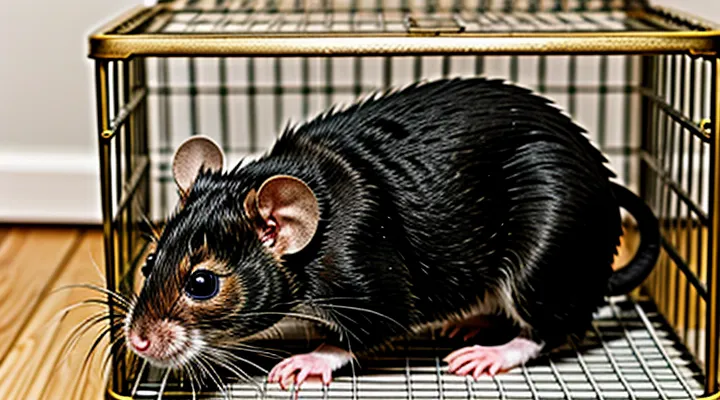
The Importance of Space
Minimum Size Requirements
When housing a fancy rat, the enclosure must provide enough space for normal movement, exploration, and enrichment. Insufficient floor area restricts natural behaviors and can lead to stress and health problems.
- Minimum floor space: at least 2 square feet (≈0.19 m²) per adult rat. Larger cages improve welfare and allow multiple animals to coexist without crowding.
- Height: a minimum of 12 inches (≈30 cm) from floor to top bar enables climbing and the placement of vertical accessories such as hammocks and ladders.
- Interior volume: a total interior capacity of 1 cubic foot (≈28 L) per rat ensures adequate air circulation and room for bedding, tunnels, and toys.
These dimensions represent the baseline; any increase beyond the minimum enhances the rat’s quality of life and simplifies cage cleaning. The measurements apply to cages constructed of wire, plastic, or hybrid materials, provided the interior dimensions meet the stated criteria.
Benefits of Larger Cages
A spacious enclosure provides a fancy rat with the room needed for natural movement patterns. Ample floor area encourages exploration, reduces stress, and supports muscular development.
- Enhanced exercise opportunities prevent obesity and promote cardiovascular health.
- Increased vertical space allows climbing, a behavior intrinsic to rats, fostering agility and confidence.
- Larger habitats accommodate enrichment items—tunnels, wheels, hammocks—without overcrowding, improving mental stimulation.
- Greater volume improves air circulation, lowering ammonia buildup and reducing respiratory risks.
When evaluating options, prioritize dimensions that exceed the minimum recommendations for a single adult rat. Aim for at least 24 × 16 inches of floor space, with additional height for climbing structures. Ensure the cage’s material is sturdy enough to support the added weight of accessories and the animal’s activity. Selecting a larger enclosure aligns with the goal of providing a healthy, active environment for a pet rat.
Material and Construction
Wire Bar Spacing
When evaluating an enclosure for a pet rat, the distance between individual wires determines both safety and comfort. Gaps wider than ½ inch (≈12 mm) allow a rat’s head or paws to slip through, creating a risk of injury or escape. Gaps narrower than ¼ inch (≈6 mm) may impede ventilation and increase the likelihood of skin irritation from constant contact.
- Maximum spacing for side panels and floor: ½ inch (12 mm) or less.
- Recommended spacing for upper bars and doors: ¼ inch (6 mm) to ⅜ inch (9 mm).
- Minimum spacing for any structural element: ¼ inch (6 mm) to maintain adequate airflow.
Wire material influences durability and health. Stainless steel provides rust resistance and tolerates chewing without degrading, while coated aluminum may flake under persistent gnawing. Choose bars with a smooth finish to prevent cuts and avoid sharp edges that could trap fur.
Before purchase, measure bar gaps with a ruler or caliper. Verify uniformity across the entire cage, especially around doors and corners where manufacturing tolerances often vary. Replace any section with excessive spacing by installing a mesh insert or reinforcing with additional wire. Regular inspection every few weeks ensures that wear or deformation has not increased the clearance beyond safe limits.
Flooring Types
When selecting an enclosure for a pet rat, the floor material directly influences hygiene, comfort, and durability. Different surfaces present distinct advantages and drawbacks.
-
Solid wood or laminate
Provides a stable, non‑slippery platform. Easy to clean with a damp cloth, but can retain moisture if not sealed, potentially fostering mold growth. -
Wire mesh (raised) floor
Allows waste to fall through, reducing odor and cleaning frequency. However, the gaps may cause foot injuries if the mesh spacing exceeds 1 mm; supplemental bedding is advisable. -
Plastic or acrylic panels
Offers a smooth, impermeable surface that resists stains. Can become slippery when wet, so a layer of absorbent bedding should be added. -
Paper‑based bedding (e.g., shredded paper, wood pulp)
Soft and absorbent, mimicking natural substrate. Requires regular replacement to prevent ammonia buildup; unsuitable for long‑term use as the sole floor. -
Cork tiles
Naturally antimicrobial and gentle on paws. Susceptible to chewing, which may compromise structural integrity.
Choosing the appropriate flooring involves balancing cleanliness, safety, and the rat’s natural behavior. A combination—solid base with a thin layer of safe bedding—often yields the most reliable results.
Door Security
When evaluating an enclosure for a pet rat, the door mechanism determines both safety and ease of maintenance. A secure latch prevents accidental openings, reducing the risk of escape and exposure to hazards. Materials such as stainless steel or reinforced polymer resist chewing and corrosion, extending the lifespan of the closure system.
Key characteristics of an effective door:
- Locking action – a spring‑loaded latch that snaps shut and stays engaged under pressure.
- Chew resistance – metal bars or thick plastic inserts that rats cannot gnaw through.
- Ease of access – a wide opening that allows hand‑in‑hand handling without compromising the seal.
- Cleaning compatibility – smooth surfaces and removable hinges that tolerate hot water and disinfectants.
Testing the latch before purchase confirms reliability. Apply gentle force to the door; it should close firmly and remain closed when the cage is tipped or moved. Inspect hinges for wobble; loose joints indicate potential failure. Replace any worn components promptly to maintain integrity.
Overall, a robust door closure contributes directly to the health and containment of a fancy rat, supporting responsible ownership and minimizing the need for constant supervision.
Cage Styles and Types
Multi-level Cages
When selecting an enclosure for a pet rat, multi‑level designs provide essential space for climbing, nesting, and exploration. Vertical platforms increase usable floor area without expanding the cage’s footprint, allowing a single unit to accommodate the animal’s natural climbing instincts while fitting comfortably on a standard desk or shelf.
Key advantages of multi‑level cages include:
- Separate platforms for sleeping, foraging, and exercise, reducing territorial disputes in multi‑rat households.
- Elevated walkways that facilitate muscle development and coordination.
- Integrated ladders or ramps that enable smooth transitions between levels, encouraging activity.
- Modular components that can be rearranged as the rats grow or as the owner’s space constraints change.
When evaluating a multi‑level model, consider the following criteria:
- Material durability: Stainless steel or powder‑coated metal frames resist corrosion and withstand chewing.
- Bar spacing: Gaps no larger than ½ inch prevent escape and limit exposure to small debris.
- Platform stability: Secure attachments prevent wobbling, ensuring safety during vigorous play.
- Cleaning access: Removable trays and hinged panels simplify waste removal and disinfectant application.
- Ventilation: Open sides or mesh panels maintain airflow, reducing humidity and odor buildup.
A well‑designed, vertically structured cage meets the physiological and behavioral needs of fancy rats while offering a compact solution for limited living spaces. Selecting a model that satisfies the criteria above ensures a healthy, active environment without unnecessary expansion of the animal’s habitat.
Single-level Cages
Single‑level cages provide a flat, unobstructed floor that matches the natural burrowing behavior of fancy rats. The absence of tiers eliminates the risk of falls and simplifies monitoring of health indicators such as coat condition and mobility.
Adequate floor space is the primary metric. A minimum of 2 sq ft per adult rat prevents overcrowding and supports regular exercise. Larger footprints accommodate enrichment items without restricting movement.
Durable materials reduce wear from gnawing. Wire mesh with a ½‑inch aperture prevents escape while allowing ventilation. Acrylic or polycarbonate panels offer visibility and are easy to disinfect, but must be thick enough to resist cracking under chewing pressure.
Easy access streamlines cleaning. Doors that open fully on one side enable rapid removal of waste and replacement of bedding. Removable trays or slide‑out bottoms facilitate litter changes without dismantling the entire enclosure.
Key considerations for single‑level enclosures:
- Floor area ≥ 2 sq ft per rat
- Mesh size ≤ ½ inch, sturdy frame
- Transparent panels ≥ 4 mm thickness
- Full‑size front or side door for cleaning
- Compatibility with enrichment accessories (tunnels, wheels, chew toys) without compromising floor space
By focusing on these parameters, caretakers secure a safe, hygienic, and comfortable habitat that promotes the well‑being of pet rats.
Custom Built Options
Custom‑built enclosures offer flexibility that standard cages cannot match. Builders can tailor size, layout, and materials to the specific needs of a pet rat, ensuring adequate space for exercise and enrichment while fitting the owner’s living environment.
Design specifications must address several critical factors. Minimum floor area should exceed 2 sq ft per adult rat, with a height of at least 12 in to accommodate climbing structures. Materials need to be non‑toxic, sturdy, and easy to disinfect; untreated hardwood, powder‑coated metal, and acrylic panels meet these criteria. Ventilation requires a minimum of 4 air changes per hour, achieved through mesh panels or drilled openings. All edges and fasteners must be smooth to prevent injuries.
Typical custom features include:
- Modular panels that allow reconfiguration of tunnels and chambers.
- Elevated platforms supported by sturdy brackets, providing vertical space.
- Integrated nesting compartments built from natural fibers.
- Sliding doors with latch mechanisms for secure access.
- Removable trays for bedding and waste, facilitating cleaning.
Construction methods vary by budget and skill level. Basic wooden cages can be assembled with common hand tools and pine or birch boards. Metal frames, welded from aluminum or steel, deliver greater durability for larger setups. Advanced options involve 3D‑printed components for precise fittings, especially for intricate accessories such as wheel housings or feeding stations.
When selecting a custom solution, compare material costs, labor time, and long‑term maintenance. A well‑designed, self‑built enclosure can outperform commercial models in durability, adaptability, and overall rat welfare.
Essential Accessories and Enrichment
Levels and Ramps
Providing vertical space within a rat enclosure enhances exercise opportunities and mimics natural climbing behavior. Multiple platforms encourage exploration, reduce boredom, and support muscular development.
When adding levels, adhere to the following dimensions: each platform should be at least 12 × 12 inches, positioned no higher than 12 inches above the cage floor to allow safe jumps. Secure attachment points prevent wobble. Use non‑toxic, sturdy materials such as untreated hardwood or powder‑coated metal.
Ramps must complement platforms with these specifications:
- Width: minimum 2 inches, allowing two rats to pass side‑by‑side.
- Slope: no steeper than 30°, reducing strain on hind limbs.
- Surface: textured or ribbed to prevent slipping, especially on smooth flooring.
- Length: proportionate to height; a 12‑inch rise requires at least 20‑inch ramp length to maintain appropriate angle.
- Attachment: reinforced brackets or bolts to avoid detachment under weight.
Secure connections between levels and ramps eliminate gaps where rats could become trapped. Regular inspection for wear, loose screws, or frayed edges maintains structural integrity. Cleaning routines should include removal of debris from ramp surfaces to preserve traction.
Integrating well‑designed platforms and ramps creates a dynamic environment that supports physical health and natural behavior without compromising safety.
Hammocks and Hiding Spots
When evaluating enclosure accessories for a pet rat, hammocks and hiding spots merit specific attention. Hammocks offer elevated rest areas that support natural climbing behavior, promote dental health through gentle gnawing, and keep bedding clean by reducing contact with waste. Hiding spots satisfy instinctual need for concealment, lower stress levels, and provide a secure base for sleep and recovery.
Key factors for selecting these elements include:
- Material safety: Use untreated, chew‑resistant fabrics or wood; avoid toxic dyes and adhesives.
- Size and placement: Hammocks should span at least 8 inches wide to accommodate adult rats; hiding spots must allow full body entry without compression.
- Ease of cleaning: Choose detachable, washable components; smooth surfaces prevent debris accumulation.
- Anchoring method: Secure hammocks to cage bars with stainless‑steel clips; ensure hiding spots are stable yet removable for inspection.
Integrating well‑designed hammocks and concealment structures enhances overall welfare, encourages natural activity, and contributes to a balanced environment within any suitable rat enclosure.
Toys and Chewables
When selecting an appropriate enclosure for a fancy rat, the inclusion of suitable toys and chewables is essential for physical health and mental stimulation.
Rats gnaw continuously; without adequate chew items, they may damage cage bars or develop dental problems. Provide a variety of safe materials such as untreated wood blocks, natural branches, and mineral chews. Rotate items regularly to maintain interest and prevent wear.
Enrichment toys should encourage natural behaviors. Effective options include:
- Tunnel systems that mimic burrows and promote exploration.
- Climbing ladders or ropes made from sisal or cotton, allowing vertical movement.
- Puzzle feeders that dispense treats when manipulated, fostering problem‑solving skills.
- Small, solid balls or rolling toys that can be pushed across the floor without rolling into corners.
Placement of toys influences engagement. Distribute items at different heights and locations within the cage to encourage movement throughout the space. Secure larger objects to the cage walls or floor to prevent tipping.
Maintenance considerations are straightforward. Clean removable toys with warm, unscented soap and rinse thoroughly; avoid harsh chemicals that could leave residues. Inspect chewables daily for splintering or excessive wear, replacing them promptly.
Material safety remains paramount. Avoid plastics that can shatter, painted surfaces with toxic pigments, and untreated softwoods such as pine or cedar, which release aromatic oils harmful to rodents. Opt for hardwoods like apple, beech, or maple, and verify that any commercial chew products are labeled rodent‑safe.
In summary, a well‑equipped enclosure combines durable chewables, diverse enrichment toys, strategic placement, and regular upkeep, ensuring a healthy, active environment for a fancy rat.
Food and Water Setups
When evaluating a habitat for a fancy rat, the design of the feeding station determines hygiene, accessibility, and the animal’s overall well‑being. A stable base prevents tipping, while a sealed container protects dry food from contamination. Water dispensers must deliver a constant flow without leakage, as rats are prone to spilling if the bottle is loose.
Key components for an effective setup include:
- A heavy, non‑tilting bowl or a stainless‑steel dish for pellets, sized to allow the rat to eat comfortably without excess spillage.
- A sealed, chew‑resistant water bottle equipped with a metal spout that can be removed for cleaning; the bottle should be positioned low enough for the rat to reach without stretching.
- A secondary water source, such as a shallow dish of fresh water, placed away from the main bottle to provide redundancy during cleaning cycles.
- A detachable tray beneath the food bowl to catch crumbs, facilitating daily removal of waste and preventing bacterial growth.
Regular maintenance—refilling food, refreshing water, and sanitizing containers at least once a week—maintains a healthy environment and reduces the risk of illness. Selecting durable, easy‑to‑clean materials further minimizes labor while ensuring the rat’s nutritional needs are met consistently.
Placement and Environment
Temperature Considerations
When selecting an enclosure for a pet rat, temperature stability is a primary factor affecting health and activity. Rats thrive in environments that stay within a narrow thermal band; prolonged exposure to temperatures outside this range can lead to stress, respiratory problems, and reduced immunity.
Ideal ambient conditions range from 65 °F to 75 °F (18 °C–24 °C). Temperatures below 60 °F (15 °C) increase the risk of hypothermia, while sustained heat above 80 °F (27 °C) may cause overheating and dehydration. Maintaining this range requires attention to both the cage’s location and its construction.
Key considerations:
- Placement: Position the cage away from drafts, direct sunlight, and heating vents. Walls and windows often create temperature fluctuations; a spot on a stable interior wall reduces these effects.
- Ventilation: Adequate airflow prevents heat buildup but must not create cold drafts. Mesh panels or vented sides provide circulation while preserving overall warmth.
- Insulation: Materials such as solid plastic or wood with a smooth interior surface retain heat better than wire cages. Adding a thin layer of non‑toxic bedding can also buffer temperature changes.
- Monitoring: Use a digital thermometer with a probe inside the cage. Record readings at different times of day to identify patterns and adjust placement or supplemental heating accordingly.
- Seasonal adjustments: In winter, consider a low‑wattage ceramic heat emitter set to a safe temperature, ensuring the rat cannot touch the source. In summer, employ a small fan on low speed to increase air movement without chilling the enclosure.
By adhering to these parameters, the enclosure will provide a consistent thermal environment that supports the rat’s physiological needs and promotes normal behavior.
Ventilation and Airflow
Ventilation determines the health of a pet rat’s environment. Stagnant air encourages respiratory infections, while fresh airflow reduces ammonia buildup from urine and droppings.
A cage should incorporate at least one of the following ventilation methods:
- Wire mesh sides – allow continuous exchange of indoor and outdoor air without exposing the rat to predators.
- Perforated panels – provide uniform airflow across the interior, preventing hot spots where moisture can accumulate.
- Adjustable vents – enable fine‑tuning of air movement according to seasonal temperature changes.
When evaluating a cage, measure the total open area. An opening equal to at least 15 % of the cage’s floor space ensures sufficient air turnover. Larger openings improve diffusion of odors but may increase drafts; balance the two by combining mesh with solid panels.
Material choice affects airflow. Metal frames with powder‑coat finishes resist corrosion and maintain mesh integrity, whereas plastic frames may warp under humidity, reducing vent size over time.
Position the cage away from direct drafts, such as open windows or HVAC vents. Direct airflow can cause stress, while a gentle circulation created by the cage’s own vents maintains a stable microclimate.
Regular maintenance supports ventilation efficiency. Clean mesh and vent openings weekly to remove debris that can block airflow. Replace worn mesh promptly to avoid gaps that compromise containment.
In summary, select a cage with ample, unobstructed ventilation, verify the open‑area ratio, choose durable materials, and maintain the vents consistently to promote respiratory health and overall well‑being of a fancy rat.
Safety from Other Pets
When a rat shares a household with dogs, cats, or other small mammals, the cage must prevent accidental attacks, stress‑induced injuries, and disease transmission. Choose a model with solid walls, a secure latch, and a height that exceeds the reach of larger pets. The enclosure’s material should be chew‑resistant to discourage predatory animals from damaging it.
Key safety features include:
- Locking mechanism – double‑locking doors eliminate gaps that a curious cat could exploit.
- Sturdy base – a weighted or anchored bottom prevents the cage from being tipped over by a dog’s nose.
- Ventilation – metal bars spaced no more than ½ inch apart stop a cat’s paw from slipping through while providing adequate airflow.
- Escape‑proof hinges – reinforced hinges resist forced opening by persistent animals.
Placement of the cage also matters. Position it on a stable surface away from high‑traffic zones, preferably on a table or shelf that a larger pet cannot reach. Use a protective cover or a secondary barrier, such as a pet‑grade screen, when the rat is out of the cage for supervised exercise. These measures ensure the rat remains safe while cohabiting with other domestic animals.
Cleaning and Maintenance
Ease of Access for Cleaning
When evaluating an enclosure for a fancy rat, the ability to reach every interior surface quickly determines overall hygiene and animal health.
Cages that feature removable top panels, sliding doors, or hinged front sections allow a caretaker to extract waste, replace bedding, and disinfect without disturbing the resident. Frames constructed from powder‑coated metal or sturdy acrylic resist corrosion, ensuring that hinges and latches remain functional after repeated cleaning cycles. Open‑grid sides provide visual inspection of hidden corners, while low‑profile bases prevent the need to lift heavy structures during deep cleaning.
Key characteristics to verify:
- Removable components – tops, doors, and ramps should detach with one hand; fasteners must be secure yet easy to release.
- Smooth interior surfaces – avoid textured plastics that trap debris; smooth acrylic or metal simplifies scrubbing.
- Adequate clearance – space beneath the cage floor must accommodate a tray that can be lifted out whole.
- Accessible hinges – hinges positioned at the front or side reduce the need to reach over the animal’s habitat.
- Modular design – sections that can be separated for separate cleaning reduce downtime.
Prioritizing these elements shortens cleaning intervals, minimizes stress for the rat, and maintains a sanitary environment essential for long‑term care.
Materials for Longevity
When evaluating cage construction for a fancy rat, the material determines the unit’s lifespan, maintenance frequency, and resistance to wear.
Durable options include:
- Powder‑coated steel – resists rust, maintains structural integrity under constant chewing, and tolerates frequent cleaning with disinfectants. Choose a coating free of lead or zinc to avoid toxicity.
- High‑density polyethylene (HDPE) or polypropylene – lightweight, impact‑resistant, and impervious to moisture. These plastics endure repeated wash cycles but may deform under extreme heat.
- Tempered glass – offers visual clarity and eliminates odor absorption. Glass panels survive scratches and chemical cleaners, though they add weight and can shatter if struck forcefully.
- Hard‑baked hardwood (e.g., maple, beech) – provides natural aesthetics and solid construction. Proper sealing with non‑toxic lacquer prevents moisture damage and gnawing; untreated wood absorbs urine and deteriorates rapidly.
Materials prone to premature failure should be avoided:
- Soft or untreated wood – absorbs moisture, warps, and invites mold growth.
- Thin metal wire without coating – rusts, bends, and may develop sharp edges.
- Acrylic panels – scratch easily, become brittle with repeated cleaning, and may crack under stress.
Selecting a material that resists gnawing, corrosion, and cleaning chemicals extends cage longevity, reduces replacement costs, and sustains a safe environment for the animal.