
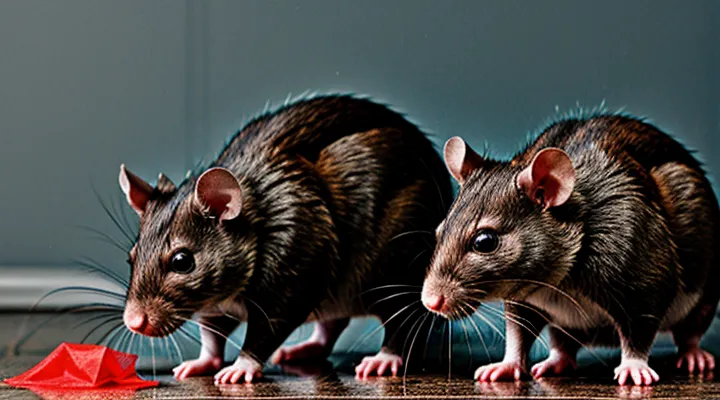
Introduction to Epistaxis in Rats
Epistaxis, the discharge of blood from the nasal cavity, is a frequent clinical sign in laboratory and pet rats. It reflects disruption of the delicate nasal mucosal vasculature and can indicate underlying pathology or environmental stress. Recognizing the presentation and basic mechanisms of nasal hemorrhage is essential for accurate assessment and timely intervention.
The rat’s nasal passages contain a dense network of capillaries supplied by the sphenopalatine and ethmoidal arteries. The thin mucosal lining, abundant in submucosal glands, is susceptible to injury from mechanical, infectious, or metabolic insults. Hemorrhage may manifest as visible blood at the nostrils, staining of the whisker pads, or accumulation in the oral cavity.
Typical contributors to nasal bleeding include:
- Physical trauma (handling, cage injury, dental procedures)
- Elevated systemic pressure (stress‑induced hypertension)
- Coagulation disorders (genetic deficiencies, anticoagulant exposure)
- Infectious agents (viral, bacterial, or fungal sinusitis)
- Environmental irritants (dry air, ammonia, abrasive bedding)
Initial evaluation relies on visual inspection, assessment of respiratory function, and basic laboratory testing (complete blood count, coagulation profile). Prompt identification of the precipitating factor guides therapeutic decisions and reduces the risk of recurrent episodes.
Common Causes of Nosebleeds
Environmental Factors
Low Humidity
Low ambient humidity dries the nasal epithelium of rats, reducing the moisture layer that protects the delicate vasculature. Desiccation leads to cracking of the mucosal surface and exposure of sub‑epithelial capillaries.
Mechanisms linking dry air to epistaxis include:
- Accelerated transepidermal water loss from the nasal lining.
- Increased epithelial cell turnover, producing fragile, immature cells.
- Heightened vascular fragility due to reduced plasma volume in the mucosa.
- Activation of local inflammatory mediators that promote vasodilation and micro‑hemorrhage.
Experimental records show a rise in bleeding frequency when relative humidity falls below 30 %. Rats maintained in controlled low‑humidity chambers develop recurrent nasal discharge and visible blood spots within days. Maintaining humidity above 50 % markedly reduces these events, confirming that insufficient atmospheric moisture is a primary trigger for nasal bleeding in this species.
Irritants and Allergens
Irritants and allergens represent a significant category of factors that can precipitate epistaxis in laboratory rats. Direct exposure to airborne particles, volatile chemicals, or dust can damage the delicate nasal mucosa, leading to hemorrhage. Common irritants include:
- Ammonia vapors from bedding degradation
- Formaldehyde fumes from disinfectants
- Particulate matter from powdered feed or cage debris
- Aerosolized cleaning agents containing surfactants
Allergic reactions, although less frequently documented in rodents, may also compromise nasal vascular integrity. Sensitization to proteins found in rodent chow, bedding materials, or environmental molds can trigger inflammatory responses, resulting in edema and fragile capillaries prone to rupture. Notable allergens comprise:
- Wheat gluten and soy proteins present in standard diets
- Mouse and rat urine proteins that accumulate in poorly ventilated enclosures
- Aspergillus spp. spores from damp bedding
- Latex-derived gloves or equipment used during handling
Both irritant exposure and allergic inflammation increase local blood flow and weaken endothelial junctions, creating conditions conducive to spontaneous bleeding. Mitigation strategies focus on maintaining low ammonia levels, using low‑dust bedding, selecting hypoallergenic feed formulations, and ensuring adequate ventilation to reduce airborne allergen concentrations.
Infectious Diseases
Bacterial Infections
Bacterial infections represent a significant etiological factor for epistaxis in rats. Pathogenic microorganisms colonize the nasal mucosa, provoke inflammatory responses, and compromise vascular integrity, resulting in bleeding.
Common bacterial agents implicated in nasal hemorrhage include:
- Streptococcus pneumoniae – induces mucosal ulceration and capillary erosion.
- Staphylococcus aureus – produces exotoxins that disrupt endothelial cells and promote clotting abnormalities.
- Pseudomonas aeruginosa – forms biofilms that impede local immunity and cause persistent inflammation.
- Klebsiella pneumoniae – triggers severe purulent rhinitis, leading to tissue necrosis and vessel rupture.
Mechanistic pathways involve:
- Direct bacterial invasion of epithelial layers, leading to cell death and exposure of submucosal vessels.
- Release of inflammatory mediators (e.g., cytokines, proteases) that increase vascular permeability and weaken vessel walls.
- Bacterial toxins that interfere with platelet function and coagulation cascades, facilitating hemorrhage.
- Secondary infection‑induced vasculitis, characterized by infiltration of neutrophils and macrophages that degrade extracellular matrix components.
Experimental studies demonstrate that intranasal inoculation of S. aureus in laboratory rats produces measurable nasal bleeding within 48 hours, accompanied by histopathological evidence of epithelial erosion and perivascular inflammation. Similar outcomes are observed with P. aeruginosa when bacterial load exceeds 10⁶ CFU per nostril, confirming a dose‑dependent relationship between bacterial burden and hemorrhagic severity.
Diagnostic evaluation should include culture of nasal swabs, histological examination of nasal tissue, and assessment of coagulation parameters to differentiate primary bacterial effects from systemic coagulopathies. Prompt antimicrobial therapy, combined with supportive measures such as humidified environments and topical hemostatic agents, reduces bleeding duration and prevents recurrence.
In summary, bacterial colonization of the rat nasal cavity initiates a cascade of tissue damage and vascular compromise that directly contributes to nosebleeds. Identification of the responsible pathogen and targeted antimicrobial intervention are essential components of effective management.
Viral Infections
Viral pathogens are recognized contributors to epistaxis in laboratory rats. Infection of the nasal epithelium disrupts the integrity of the mucosal barrier, leading to hemorrhage. Replication of viruses within endothelial cells induces inflammation, cytokine release, and vascular fragility, which predispose to bleeding. Systemic viral spread can cause thrombocytopenia, further compromising hemostasis.
Commonly implicated agents include:
- Sendai virus – respiratory tropism, causes severe mucosal necrosis and edema.
- Rat coronavirus (RCV) – infects nasal and bronchial epithelium, produces vasculitis.
- Adenovirus type 1 – targets endothelial cells, resulting in capillary rupture.
- Herpesvirus‑type 2 – establishes latent infection; reactivation triggers acute inflammation and bleeding.
Pathophysiological mechanisms involve:
- Direct cytopathic damage to epithelial and endothelial layers.
- Induction of pro‑inflammatory mediators (e.g., IL‑6, TNF‑α) that increase vascular permeability.
- Activation of coagulation cascades leading to consumptive coagulopathy.
- Secondary bacterial invasion that exacerbates tissue destruction.
Clinical observation typically reveals spontaneous blood discharge from the nares, often accompanied by sneezing, nasal discharge, and respiratory distress. Laboratory evaluation includes complete blood counts to detect thrombocytopenia, PCR assays for viral nucleic acids, and histopathology of nasal tissue to identify viral inclusion bodies and vasculitic lesions.
Preventive strategies focus on biosecurity measures: quarantine of new arrivals, routine screening for viral agents, and maintenance of barrier housing. In experimental settings, selection of virus‑free colonies reduces the incidence of bleeding episodes and improves data reliability.
Systemic Health Issues
Vitamin K Deficiency
Vitamin K deficiency compromises the synthesis of clotting factors II, VII, IX and X, reducing the blood’s ability to form stable fibrin clots. In rats, this impairment manifests as prolonged bleeding times and a heightened propensity for spontaneous nasal hemorrhage.
The deficiency affects nasal vasculature through several mechanisms:
- Diminished γ‑carboxylation of clotting proteins lowers platelet aggregation efficiency at sites of minor mucosal injury.
- Impaired activation of pro‑thrombin limits conversion of fibrinogen to fibrin, weakening clot formation on damaged nasal epithelium.
- Secondary endothelial dysfunction arises from oxidative stress associated with insufficient vitamin K, increasing capillary fragility.
Experimental data support the link. Rats fed a diet lacking vitamin K for 14 days exhibit a 2‑fold increase in epistaxis incidence compared with controls receiving adequate supplementation. Coagulation assays reveal prolonged prothrombin time and reduced plasma levels of factor VII. Reintroduction of vitamin K restores clotting parameters within 48 hours and eliminates observable nosebleeds.
Implications for laboratory research include the need to monitor dietary vitamin K status when studying hemorrhagic disorders or evaluating hemostatic agents. Failure to control this variable may confound results, attributing bleeding events to experimental treatments rather than nutritional deficiency.
Practical measures:
- Incorporate vitamin K–rich feed or supplement with phytonadione (vitamin K₁) at recommended levels.
- Perform baseline coagulation profiling before initiating studies involving vascular injury.
- Document any nasal bleeding episodes and correlate with dietary intake to differentiate nutritional from pathological causes.
Liver Disease
Liver pathology is a recognized contributor to epistaxis in laboratory rats. Hepatic impairment disrupts normal coagulation through several pathways:
- Reduced synthesis of clotting factors (II, VII, IX, X) and fibrinogen lowers plasma pro‑coagulant capacity.
- Portal hypertension elevates venous pressure in the nasal mucosa, promoting vessel rupture.
- Accumulation of bilirubin and bile acids damages endothelial cells, increasing fragility of nasal vessels.
- Impaired platelet production and function, secondary to splenic sequestration, diminish primary hemostasis.
Experimental models of chemically induced hepatitis, bile duct ligation, and genetically engineered liver failure consistently demonstrate prolonged bleeding times and spontaneous nasal hemorrhage. Histological examinations reveal edema, congestion, and microvascular erosion in the nasal turbinates of affected animals. Biochemical assays show decreased prothrombin time and elevated international normalized ratio, correlating with the frequency of nosebleeds.
Management of hepatic‑related epistaxis in rats includes correction of coagulopathy with plasma transfusion, administration of vitamin K, and control of portal pressure using vasodilators. Preventive strategies focus on minimizing hepatotoxic exposures and monitoring liver enzyme activity to detect early dysfunction.
In summary, liver disease precipitates nasal bleeding in rats by impairing clotting factor production, raising portal pressure, damaging vascular integrity, and compromising platelet function. Recognizing these mechanisms facilitates accurate diagnosis and targeted intervention in research settings.
Kidney Disease
Kidney disease stands out as a frequent contributor to nasal bleeding in laboratory rats. Renal impairment disrupts fluid balance, electrolyte homeostasis, and waste elimination, creating systemic conditions that predispose the nasal mucosa to hemorrhage.
Key mechanisms linking renal pathology to epistaxis include:
- Hypertensive spikes caused by fluid overload and activation of the renin‑angiotensin system, which raise capillary pressure in the nasal turbinates.
- Uremic toxins that interfere with platelet aggregation and adhesion, reducing primary hemostasis.
- Decreased synthesis of clotting factors in chronic kidney failure, impairing secondary coagulation.
- Metabolic acidosis that weakens vascular integrity and promotes vasodilation of nasal vessels.
Recognizing renal involvement guides both diagnosis and experimental design. Routine measurement of serum creatinine, blood urea nitrogen, and arterial pressure helps identify at‑risk animals. Interventions such as fluid restriction, antihypertensive therapy, and correction of coagulopathy reduce the incidence of nasal bleeding and improve data reliability in studies where hemorrhagic events could confound outcomes.
Tumors
Tumor development within the nasal passages or adjacent structures is a direct source of epistaxis in laboratory rats. Malignant or benign growths disrupt normal vascular architecture, leading to hemorrhage that manifests as nosebleeds.
Common neoplastic lesions associated with nasal bleeding include:
- Nasal cavity adenocarcinomas
- Squamous cell carcinomas of the sinonasal epithelium
- Hemangiomas and hemangiosarcomas
- Metastatic deposits from distant primary tumors
- Fibrosarcomas infiltrating the nasal turbinates
The underlying mechanisms involve:
- Invasion of fragile capillaries, causing vessel rupture
- Ulceration of the mucosal surface, exposing submucosal vessels
- Necrotic tumor cores that erode surrounding tissue
- Obstruction of normal drainage, increasing pressure on delicate vessels
Diagnostic workflow typically comprises:
- Physical examination for active bleeding and nasal discharge
- Radiographic or CT imaging to identify mass location and extent
- Biopsy of suspicious tissue for histopathological confirmation
Therapeutic decisions depend on tumor type, size, and invasiveness. Surgical excision, when feasible, removes the bleeding source; otherwise, radiation or chemotherapy may be employed to control tumor growth and reduce hemorrhage risk. Early detection of neoplastic lesions therefore mitigates the incidence of nosebleeds in affected rodents.
Trauma and Injury
Direct Injury to the Snout
Direct trauma to the snout is a primary trigger of epistaxis in laboratory rats. Mechanical impact ruptures nasal vessels, damages the mucosal lining, and may fracture the underlying cartilage, producing immediate bleeding.
Common sources of snout injury include:
- Accidental strikes against cage bars or handling equipment.
- Bite wounds from conspecific aggression.
- Needle punctures during intranasal drug administration.
- Crush injuries from improper restraint devices.
The injury disrupts the delicate capillary network of the nasal septum, exposing submucosal vessels to atmospheric pressure. Hemorrhage may be localized to the anterior vestibule or extend posteriorly if deeper structures are compromised. Fracture of the nasal bones can create hematomas that further amplify bleeding.
Clinical signs appear within seconds to minutes:
- Visible blood flow from one or both nares.
- Nasal discharge that may become clotted.
- Respiratory distress if airway obstruction develops.
- Swelling or bruising around the rostral facial region.
Diagnostic evaluation relies on visual inspection, gentle flushing of the nasal passages, and, when necessary, radiographic or micro‑CT imaging to assess skeletal damage. Hematological analysis can identify secondary coagulopathies but is not required for isolated trauma.
Prevention focuses on minimizing mechanical stress:
- Use smooth, rounded cage fixtures.
- Apply gentle handling techniques and appropriate restraint devices.
- Employ blunt‑tip needles for intranasal procedures.
- Monitor social groups to reduce aggressive encounters.
Treatment follows a stepwise protocol:
- Apply direct pressure with sterile gauze to the bleeding nostril for 2–3 minutes.
- If bleeding persists, administer a topical vasoconstrictor (e.g., phenylephrine) under veterinary guidance.
- Provide analgesia and anti‑inflammatory medication to reduce tissue swelling.
- Re‑examine after 24 hours; intervene surgically only if hematoma or bone fracture persists.
Rough Handling
Rough handling directly damages the delicate nasal mucosa of rats, creating lacerations that bleed readily. Sudden force applied to the head or snout compresses blood vessels, rupturing them and initiating epistaxis. Repetitive aggressive manipulation exacerbates tissue trauma, prolonging bleeding and increasing the risk of secondary infection.
Mechanical stress also induces inflammatory responses. Disrupted epithelium releases cytokines that widen vascular permeability, aggravating hemorrhage. In addition, stress hormones released during handling elevate blood pressure, further promoting vessel rupture.
Preventive measures focus on minimizing physical strain:
- Use gentle restraint techniques such as tail or scruff holds with minimal pressure.
- Employ habituation protocols to reduce animal resistance during procedures.
- Train personnel in proper handling methods and monitor force applied with calibrated devices.
- Inspect nasal regions after each manipulation for early signs of trauma.
Implementing these practices reduces the incidence of nasal bleeding and supports overall health in laboratory rodents.
Medications and Toxins
Anticoagulants
Anticoagulant agents interfere with the clotting cascade, prolonging bleeding time and reducing thrombus formation. In laboratory rodents, the most frequently employed compounds include warfarin, heparin, low‑molecular‑weight heparins (e.g., enoxaparin), and direct oral anticoagulants such as dabigatran and rivaroxaban. These substances act by inhibiting vitamin K‑dependent clotting factors, potentiating antithrombin III activity, or directly blocking thrombin or factor Xa.
When administered to rats, anticoagulants increase the susceptibility of nasal mucosa to spontaneous hemorrhage. The thin, highly vascularized epithelium of the nasal cavity lacks robust protective mechanisms; any disruption of endothelial integrity—whether from mechanical irritation, infection, or systemic stress—can precipitate epistaxis under anticoagulant influence. The severity of bleeding correlates with:
- Dose intensity: higher plasma concentrations extend clotting times and amplify hemorrhagic risk.
- Route of administration: intravenous delivery produces rapid anticoagulation, whereas oral dosing yields slower, sustained effects.
- Species‑specific pharmacokinetics: metabolic rates in rats differ from humans, requiring adjustment of dosing regimens to avoid excessive bleeding.
Experimental protocols often incorporate anticoagulant treatment to model coagulopathic conditions. Researchers monitor bleeding by:
- Recording the frequency and duration of nasal bleeding events.
- Measuring prothrombin time (PT) and activated partial thromboplastin time (aPTT) to confirm anticoagulation levels.
- Conducting histopathological examination of nasal tissue to assess vascular integrity.
Mitigation strategies include temporary suspension of anticoagulant exposure, administration of reversal agents (e.g., vitamin K for warfarin, protamine for heparin), and environmental controls to reduce nasal trauma. Understanding the pharmacodynamics of anticoagulants in rats enables precise attribution of nasal hemorrhage to coagulopathic mechanisms rather than extraneous variables.
Rodenticides
Rodenticides are chemical agents employed to reduce rodent populations. Exposure to these substances frequently results in hemorrhagic disorders, among which nasal bleeding is a common clinical sign.
The primary mechanism involves disruption of the vitamin K–dependent clotting cascade. Anticoagulant rodenticides such as warfarin, bromadiolone, and brodifacoum block vitamin K epoxide reductase, preventing activation of clotting factors II, VII, IX, and X. The resulting coagulopathy predisposes rats to spontaneous bleeding, including epistaxis. Non‑anticoagulant formulations (e.g., zinc phosphide, bromethalin) cause direct irritation of the nasal mucosa or induce systemic vascular damage, also leading to nosebleeds.
Typical rodenticides linked to nasal hemorrhage in rats:
- Warfarin‑based anticoagulants (warfarin, chlorophacinone)
- Second‑generation anticoagulants (bromadiolone, difenacoum, brodifacoum)
- Phosphide compounds (zinc phosphide, aluminum phosphide)
- Neurotoxic agents (bromethalin)
Diagnostic evaluation should include:
- Blood clotting assays (prothrombin time, activated partial thromboplastin time)
- Serum or tissue analysis for rodenticide residues
- Necropsy inspection of nasal passages for mucosal lesions and hemorrhage
Therapeutic interventions focus on reversing coagulopathy and eliminating exposure. Intravenous or oral vitamin K1 (phytonadione) restores clotting factor activity in anticoagulant poisoning. Supportive measures—fluid therapy, nasal packing, and wound care—address active bleeding. Removal of contaminated feed or bait eliminates ongoing intoxication.
Understanding the toxicological profile of rodenticides enables accurate identification of the cause of nasal bleeding and informs effective treatment strategies.
Diagnosing the Cause
Physical Examination
Physical examination constitutes the first diagnostic tier when investigating epistaxis in laboratory rats. Direct observation of the nasal region reveals the presence, amount, and pattern of bleeding, distinguishing active hemorrhage from residual clots. Inspection should include both external nares and the interior mucosa, noting erythema, ulceration, or discharge that may indicate local trauma, infection, or inflammatory disease.
Palpation of the skull and facial structures detects tenderness, swelling, or deformities suggestive of fractures, neoplasia, or abscess formation. Gentle pressure applied to the nasal bridge can expose underlying masses that compress vessels and precipitate bleeding.
Endoscopic assessment, performed with a miniature rhinoscope or otoscope, permits visualization of the nasal cavity, turbinates, and septum. Direct examination identifies mucosal lesions, foreign bodies, or vascular anomalies that are not apparent externally. Documentation of lesion location facilitates targeted therapeutic interventions.
Evaluation of systemic parameters supports differentiation between localized and systemic contributors. Measurement of hemoglobin concentration, hematocrit, and pulse rate assesses the impact of blood loss and uncovers underlying coagulopathies. Blood pressure monitoring identifies hypertension, a recognized precipitant of spontaneous nasal hemorrhage.
Key components of the physical examination:
- External nasal inspection for active bleeding, crusts, or discharge.
- Palpation of facial bones and nasal bridge for tenderness or masses.
- Endoscopic exploration of the nasal passages to locate lesions.
- Assessment of vital signs: heart rate, respiratory rate, blood pressure.
- Laboratory sampling for hemoglobin, hematocrit, and clotting profiles.
Accurate execution of these steps narrows the differential diagnosis, directing subsequent laboratory or imaging investigations toward the specific etiologic factors responsible for the hemorrhagic event.
Diagnostic Tests
Blood Tests
Blood analyses provide objective data that clarify physiological disturbances associated with nasal hemorrhage in laboratory rodents. By quantifying cellular and plasma components, researchers can differentiate between traumatic, infectious, or coagulopathic origins of the bleeding.
Typical panels include:
- Complete blood count (CBC): evaluates erythrocyte, leukocyte, and platelet numbers; thrombocytopenia or leukocytosis may signal platelet deficiency or systemic infection.
- Coagulation profile (prothrombin time, activated partial thromboplastin time): detects deficiencies in clotting factors; prolonged times suggest intrinsic or extrinsic pathway impairment.
- Serum chemistry panel: measures electrolytes, renal and hepatic markers; elevated urea or bilirubin can indicate organ dysfunction that predisposes to vascular fragility.
- Specific assays for anticoagulant agents or toxin exposure: identify drug‑induced coagulopathy or environmental contaminants.
Interpretation of these results must be integrated with clinical observations, such as the frequency and severity of bleeding, to pinpoint the underlying trigger. For example, a normal CBC combined with an extended clotting time directs attention to a coagulation disorder, whereas marked leukocytosis with normal coagulation points toward an infectious process.
Imaging Studies
Imaging techniques provide direct visualization of structural and vascular abnormalities that precipitate nasal hemorrhage in laboratory rodents. High‑resolution micro‑computed tomography (micro‑CT) delineates bony architecture of the nasal turbinates, identifies fractures, and quantifies sinus opacification. Contrast‑enhanced micro‑CT highlights aberrant vessel caliber and leakage, supporting a diagnosis of angiogenic lesions.
Magnetic resonance imaging (MRI) offers soft‑tissue contrast superior to CT. T1‑weighted sequences with gadolinium detect mucosal edema, inflammatory infiltrates, and neoplastic masses that may erode vessels. Diffusion‑weighted imaging differentiates purulent exudate from hemorrhagic collections, refining the assessment of infection‑related bleeding.
Ultrasound, particularly high‑frequency linear probes, enables real‑time observation of superficial nasal vessels. Doppler modes measure blood flow velocity and turbulence, revealing arteriovenous malformations or thrombosis. The modality’s portability allows repeated measurements under identical physiological conditions.
Digital subtraction angiography (DSA) provides dynamic view of arterial supply to the nasal cavity. Sequential images after intra‑arterial contrast injection expose focal hypervascularity, aneurysmal dilation, or vessel rupture. Quantitative perfusion maps derived from DSA support correlation with histopathological findings.
Endoscopic video imaging, combined with narrow‑band illumination, captures mucosal surface lesions, active bleeding sites, and clot formation. Integration with image‑guided biopsy improves diagnostic yield while minimizing tissue trauma.
Key considerations for all modalities include:
- Anesthetic protocol that preserves cardiovascular stability to avoid artifactual vascular changes.
- Calibration of spatial resolution to match the size of rodent nasal structures (≤ 100 µm for micro‑CT).
- Use of species‑specific contrast agents to reduce toxicity and enhance vascular delineation.
- Alignment of imaging time points with experimental interventions (e.g., drug administration, environmental exposure) to establish temporal causality.
Collectively, these imaging approaches generate quantitative data on anatomical disruptions, vascular pathology, and tissue inflammation, thereby clarifying the mechanisms underlying epistaxis in rats.
Biopsy
Biopsy provides direct access to the tissue alterations that underlie spontaneous nasal hemorrhage in laboratory rodents. By extracting a defined segment of nasal mucosa, septal cartilage, or adjacent vascular structures, researchers obtain specimens for microscopic evaluation, enabling identification of inflammatory infiltrates, neoplastic growths, ulceration, or vascular fragility that may precipitate bleeding.
The procedure typically follows these steps:
- Anesthetize the animal with an inhalant or injectable regimen that maintains stable cardiopulmonary function.
- Position the rat to expose the nasal cavity; apply a sterile speculum or custom retractors to visualize the target area.
- Excise a 2–4 mm tissue fragment using fine scissors or a biopsy punch, ensuring minimal disruption of surrounding vessels.
- Immediately place the sample in cold phosphate‑buffered saline for transport, then fix in 10 % neutral‑buffered formalin for histology or in cryoprotectant for molecular assays.
- Process the specimen for paraffin embedding, sectioning, and staining (H&E, Masson’s trichrome, or specific immunohistochemical markers).
- Analyze the slides under light microscopy; record findings such as epithelial erosion, granulomatous inflammation, or endothelial degeneration.
Histopathological data derived from biopsy complement physiological measurements (e.g., blood pressure, coagulation profiles) and help differentiate primary vascular disorders from secondary lesions caused by infection, trauma, or neoplasia. When combined with polymerase‑chain‑reaction or sequencing techniques, biopsy can reveal viral genomes or genetic mutations that predispose to mucosal bleeding.
Limitations include the potential for iatrogenic hemorrhage, the need for precise anatomical knowledge to avoid excessive tissue loss, and the ethical requirement for humane endpoints. Properly executed, biopsy remains a decisive tool for elucidating the pathophysiological mechanisms responsible for epistaxis in rat models.
Treatment and Management
Immediate Care
Immediate intervention reduces blood loss and prevents secondary complications when a rat experiences nasal hemorrhage. Prompt action stabilizes the animal, limits hypovolemia, and creates conditions for accurate diagnosis of the underlying trigger.
- Apply gentle, steady pressure to the nostrils with a sterile gauze pad for 2–3 minutes.
- Position the rat upright or slightly inclined forward to facilitate drainage and maintain airway patency.
- Use a sterile cotton swab moistened with isotonic saline to clear clots and keep the mucosa moist.
- Monitor bleeding frequency and volume; if hemorrhage persists beyond five minutes, initiate veterinary consultation.
- Provide a warm, low‑stress environment; avoid drafts and sudden temperature changes that may exacerbate vascular fragility.
- Ensure access to fresh water and a balanced diet to support coagulation mechanisms.
- Record the episode, noting time, duration, and any observable triggers (e.g., handling, cage cleaning, injury) for later analysis.
If bleeding stops, continue observation for at least 30 minutes. Re‑bleeding, signs of anemia, or respiratory distress warrant immediate professional assessment to identify and treat the precipitating factor.
Addressing Underlying Causes
Nosebleeds in laboratory rats signal disturbances that require direct intervention.
Environmental factors such as low humidity, draft exposure, and abrasive bedding degrade nasal mucosa. Maintaining relative humidity between 45‑55 % and providing soft, dust‑free bedding reduce mucosal irritation. Regular monitoring of cage temperature and airflow prevents rapid fluctuations that stress the respiratory tract.
Nutritional deficiencies, particularly of vitamin K and essential fatty acids, impair coagulation and mucosal integrity. Formulating diets with adequate vitamin K levels, balanced omega‑3/omega‑6 ratios, and sufficient protein supports vascular health. Periodic blood‑panel analysis confirms nutrient status and guides supplementation.
Physiological abnormalities, including coagulopathies, hypertension, and renal disease, predispose rats to bleeding. Routine hematological screening identifies clotting disorders; antihypertensive agents and renal‑protective diets address systemic contributors. When genetic strains exhibit known bleeding tendencies, selective breeding or strain substitution mitigates risk.
Infectious agents—bacterial (e.g., Streptococcus, Staphylococcus) and viral (e.g., parvovirus)—damage nasal epithelium and provoke hemorrhage. Implementing strict quarantine, regular pathogen testing, and appropriate antimicrobial therapy curtails infection‑related bleeding.
Handling practices influence stress‑induced vasodilation and trauma. Employ gentle restraint techniques, minimize repeated nose‑poking, and use anesthetic protocols for invasive procedures. Training personnel in low‑stress handling reduces iatrogenic injury.
Action checklist
- Adjust cage humidity and bedding material.
- Verify diet meets vitamin K and fatty‑acid requirements; supplement as needed.
- Conduct quarterly blood work for clotting profiles and renal function.
- Enforce quarantine, perform pathogen screens, treat confirmed infections promptly.
- Standardize low‑stress handling and restraint methods; provide staff training.
Addressing these underlying elements eliminates primary triggers, stabilizes nasal vasculature, and prevents recurrent epistaxis in rat colonies.
Preventing Recurrence
Effective control of recurrent epistaxis in laboratory rats requires systematic management of environmental, physiological, and procedural factors. Primary measures include maintaining stable humidity (40‑60 % relative), providing a diet low in vitamin K antagonists, and ensuring adequate hydration. Regular monitoring of coagulation parameters (e.g., prothrombin time, platelet count) allows early detection of hemostatic deficiencies.
Preventive actions can be organized as follows:
-
Environmental control:
• Keep cage temperature between 20‑24 °C.
• Use soft bedding to reduce nasal trauma.
• Minimize exposure to drafts and sudden temperature shifts. -
Health maintenance:
• Administer prophylactic vitamin K supplementation when dietary intake is insufficient.
• Conduct periodic parasitological screening to eliminate infestations that may irritate nasal mucosa.
• Treat underlying respiratory infections promptly with appropriate antibiotics. -
Procedural safeguards:
• Apply gentle restraint techniques to avoid nasal pressure.
• Use anesthetic agents that preserve mucosal integrity and do not exacerbate bleeding tendencies.
• Limit repetitive nasal sampling; alternate sites or employ non‑invasive imaging when possible.
Documentation of each intervention, coupled with a log of bleed events, supports pattern recognition and adjustment of protocols. Consistent application of these strategies reduces the likelihood of repeat hemorrhagic episodes in research rodents.