
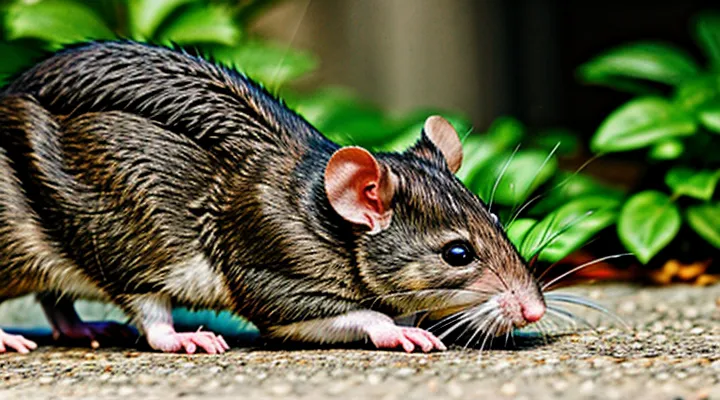
Understanding Lumps on a Rat's Cheek
Common Causes of Cheek Lumps
Abscesses
Abscesses on a rat’s cheek are localized collections of pus resulting from tissue infection. The accumulation creates a palpable, often swollen mass that may ulcerate or rupture if untreated.
Typical causes include:
- Penetrating trauma from cage equipment or handling
- Bacterial invasion following dental disease or oral injury
- Secondary infection of a bite wound or ulcer
Clinical presentation commonly features a firm, tender swelling, reddened skin, and possible discharge. Rats may exhibit reduced grooming, decreased food intake, and altered facial expression.
Diagnosis relies on physical examination, palpation of the mass, and imaging such as radiography or ultrasound to assess depth and involvement of underlying structures. Microbial culture of aspirated material guides antimicrobial selection.
Effective management comprises:
- Surgical or needle drainage to evacuate pus
- Systemic antibiotic therapy targeting likely pathogens (e.g., enrofloxacin, amoxicillin‑clavulanate)
- Analgesia and supportive care, including fluid therapy and nutritional support
- Post‑procedure wound care to prevent recurrence
Prompt intervention limits tissue destruction and promotes rapid recovery, reducing the risk of systemic infection.
Tumors
Tumors of the facial region in laboratory rats represent a frequent source of morbidity, often manifesting as a palpable mass on the cheek. Histologically, these growths include benign fibromas, papillomas, and malignant sarcomas or carcinomas, each arising from distinct cellular lineages.
Common etiologic factors include:
- Spontaneous genetic mutations affecting oncogenes or tumor‑suppressor genes
- Exposure to chemical carcinogens such as nitrosamines or polycyclic aromatic hydrocarbons
- Infection with oncogenic viruses, notably rat polyomavirus
- Chronic mechanical irritation or inflammation of the buccal tissue
Clinical assessment relies on visual inspection, palpation, and measurement of the lesion’s dimensions. Progressive enlargement, ulceration, or invasion of adjacent structures suggests malignancy.
Diagnostic procedures comprise:
- High‑resolution ultrasound or micro‑CT to define lesion boundaries
- Fine‑needle aspiration for cytological evaluation
- Incisional or excisional biopsy followed by histopathological grading
Therapeutic interventions are selected according to tumor type, size, and animal welfare considerations:
- Complete surgical excision with clean margins, the preferred approach for accessible lesions
- Cryoablation for superficial, well‑demarcated growths
- Localized radiation therapy when surgical access is limited
- Systemic chemotherapy (e.g., doxorubicin or cyclophosphamide) for metastatic disease
- Analgesic and anti‑inflammatory support to mitigate discomfort
Prognosis depends on histological grade and completeness of removal; benign tumors typically resolve without recurrence, whereas malignant sarcomas exhibit a higher likelihood of local relapse and distant spread, necessitating regular post‑treatment monitoring.
Cysts
Cysts on the facial region of laboratory rodents represent encapsulated cavities filled with keratinous debris, serous fluid, or purulent material. They arise from obstruction of sebaceous or sweat glands, proliferation of epithelial cells, or secondary infection after trauma.
Typical causes include:
- Blockage of a hair follicle or duct, leading to accumulation of secretions.
- Penetrating injury that introduces bacteria and triggers inflammatory encapsulation.
- Congenital epithelial rests that expand over time.
Clinically, a cyst appears as a well‑defined, non‑painful nodule beneath the skin of the cheek. The mass may fluctuate in size, feel firm or fluctuant, and occasionally exhibit a central punctum. Overlying skin usually remains intact unless secondary infection occurs, in which case erythema and discharge are observed.
Accurate diagnosis relies on physical examination and, when necessary, imaging such as high‑frequency ultrasonography to assess depth and relation to adjacent structures. Fine‑needle aspiration yields characteristic keratinous or serous content, confirming the cystic nature.
Therapeutic measures:
- Aspiration of fluid to relieve pressure; repeat procedures often required due to high recurrence.
- Surgical excision of the entire cyst wall, ensuring complete removal to prevent regrowth.
- Administration of appropriate antibiotics if bacterial contamination is evident.
- Post‑operative monitoring for wound healing and signs of recurrence.
Preventive strategies focus on maintaining a clean environment, minimizing cage‑mate aggression, and promptly addressing minor injuries to reduce the risk of cyst formation.
Dental Issues
Dental disease is a primary contributor to facial swellings in laboratory rats. Overgrown incisors, malocclusion, and periodontal infection can extend into the cheek, forming a palpable mass.
Typical dental conditions associated with cheek enlargement include:
- Incisor overgrowth causing pressure on adjacent soft tissue
- Malocclusion leading to uneven wear and ulceration
- Periodontal abscesses filled with purulent material
- Periapical lesions secondary to tooth decay
Diagnostic protocol:
- Visual examination of oral cavity for abnormal tooth length or discoloration
- Palpation of the cheek to assess consistency and tenderness
- Radiographic imaging to reveal bone involvement and hidden abscesses
- Microbial culture of exudate when infection is suspected
Therapeutic measures:
- Trimming or filing of overgrown incisors under anesthesia
- Extraction of severely damaged teeth
- Administration of broad‑spectrum antibiotics for bacterial infection
- Anti‑inflammatory agents to reduce edema and pain
- Local wound cleaning and sterile dressing if ulceration is present
Preventive actions:
- Provide hard‑seeded diet to promote natural tooth wear
- Include chew toys that encourage gnawing
- Conduct routine oral inspections at least monthly
- Adjust cage environment to reduce stress that may affect feeding behavior
Effective management of dental pathology eliminates the source of cheek swelling and restores normal feeding behavior.
Salivary Gland Problems
Salivary gland disorders are a frequent source of unilateral cheek swellings in laboratory rats. Inflammation, obstruction, and neoplastic growth each produce a palpable mass that may impair feeding and compromise experimental outcomes.
Inflammatory conditions, such as bacterial sialadenitis, arise after trauma or ductal contamination. Obstructive lesions include sialoliths that block saliva flow, leading to glandular distension and secondary infection. Neoplasms, although less common, present as firm, non‑painful nodules and may metastasize to regional lymph nodes.
Accurate diagnosis relies on physical examination, imaging (ultrasound or micro‑CT), and cytological sampling. Histopathology confirms the nature of the lesion and guides therapeutic decisions.
Effective management follows a stepwise protocol:
- Administer broad‑spectrum antibiotics for confirmed or suspected bacterial infection, adjusting based on culture results.
- Perform ductal lavage or minor surgical excision for obstructive calculi, ensuring sterile technique to prevent recurrence.
- Conduct complete excision of malignant masses with clear margins; consider adjunctive chemotherapy or radiotherapy in advanced cases.
- Provide postoperative analgesia and monitor for edema, infection, or recurrence.
Preventive measures include maintaining cage hygiene, minimizing oral trauma during handling, and regular health assessments to detect early glandular changes.
Diagnosing a Cheek Lump
Initial Assessment by Owner
The owner should begin by recording the lump’s exact location, size, and texture. Measuring the greatest dimension with a ruler or caliper provides a baseline for future comparison. Palpation should determine whether the mass feels firm, soft, or fluctuating, and whether it is attached to underlying tissue or freely mobile.
Observation of the rat’s behavior offers additional clues. Note any changes in feeding patterns, grooming, or activity level. Signs such as persistent scratching, facial swelling, or difficulty chewing suggest possible infection or rapid growth. Record the onset date and any recent events—trauma, environmental changes, or introduction of new animals—that could correlate with the lump’s appearance.
If the lump is >5 mm, exhibits rapid enlargement, or is accompanied by systemic signs (lethargy, weight loss, discharge), the owner must seek veterinary evaluation promptly. Prior to the appointment, prepare a concise summary of measurements, observations, and any interventions already attempted (e.g., cleaning the area). This information enables a focused diagnostic approach and expedites appropriate treatment planning.
Veterinary Examination
Physical Examination
Physical examination is the primary method for assessing a cheek mass in a rat. Visual inspection identifies skin changes, discoloration, or ulceration. Palpation determines size, consistency, mobility, and tenderness of the lesion. Temperature assessment of the affected area detects local inflammation.
- Position the animal in a restraining device that permits unobstructed access to the head while minimizing stress.
- Use a bright, focused light source to examine the skin surface for erythema, edema, or drainage.
- Apply gentle pressure with gloved fingertips, noting whether the mass feels firm, rubbery, or fluctuant.
- Observe the lesion’s attachment to underlying structures; a freely movable nodule suggests a superficial process, whereas fixation indicates deeper involvement.
- Record the dimensions with a millimeter ruler; document asymmetry relative to the opposite cheek.
- Assess pain response by monitoring vocalizations or escape attempts during manipulation.
Interpretation of findings guides subsequent diagnostics. A well‑circumscribed, non‑painful, mobile nodule often corresponds to a benign cyst or lipoma. Firm, adherent, painful masses raise suspicion for neoplasia or infectious abscess. Presence of ulcerated skin or purulent discharge warrants microbiological sampling before antimicrobial therapy. All observations should be entered into the animal’s health record for longitudinal monitoring and treatment planning.
Diagnostic Tests
Physical inspection provides the initial assessment. Palpation determines consistency, mobility, and tenderness of the cheek mass. Visual examination notes skin integrity and any ulceration.
Diagnostic procedures commonly employed include:
- «Radiography»: detects bony involvement or calcifications within the lesion.
- «Ultrasound»: distinguishes solid from cystic components, guides fine‑needle aspiration.
- «Computed tomography» (CT): offers three‑dimensional detail of tissue invasion and adjacent structures.
- «Magnetic resonance imaging» (MRI): highlights soft‑tissue contrast, useful for differentiating inflammatory from neoplastic tissue.
- «Fine‑needle aspiration cytology»: yields cellular material for rapid microscopic evaluation.
- «Incisional or excisional biopsy»: provides tissue for definitive histopathology, the gold standard for tumor identification.
- «Bacterial culture»: isolates infectious agents when purulent discharge or systemic signs accompany the swelling.
- «Polymerase chain reaction» (PCR): detects specific viral or bacterial DNA, applicable in cases of suspected viral papillomatosis.
- «Complete blood count» and «serum chemistry»: assess systemic response, identify anemia, leukocytosis, or organ dysfunction that may influence treatment planning.
Interpretation of results directs therapeutic choices, distinguishes infectious, inflammatory, or neoplastic origins, and determines the need for surgical intervention, antimicrobial therapy, or further monitoring.
Aspiration and Cytology
Aspiration of a facial mass in a laboratory rat provides immediate decompression and material for diagnostic evaluation. The procedure employs a 26‑27 G needle attached to a 1 ml syringe, inserted through the overlying skin at the point of maximal swelling. Gentle negative pressure extracts fluid or cellular fragments without disrupting surrounding musculature. Sterile technique and appropriate anesthesia minimize stress and infection risk.
Cytological examination of aspirated specimens yields rapid insight into the lesion’s nature. Smears are prepared on glass slides, fixed in 95 % ethanol, and stained with a rapid Romanowsky or Papanicolaou protocol. Under microscopy, the following patterns guide interpretation:
- Predominance of neutrophils and necrotic debris suggests suppurative infection.
- Sheets of uniform, small round cells with scant cytoplasm indicate a lymphoma or lymphoid hyperplasia.
- Spindle‑shaped cells with elongated nuclei point to a fibroblastic or sarcomatous process.
- Presence of keratinized squamous cells and inflammatory infiltrates supports a cutaneous cyst or abscess.
When cytology reveals malignant features, histopathology of a core biopsy or excised tissue is warranted for definitive classification. In cases of inflammatory or infectious etiology, microbial cultures of the aspirate direct antimicrobial therapy, while corticosteroids may be considered for immune‑mediated inflammation after ruling out infection.
Key advantages of aspiration and cytology include:
- Immediate reduction of mass pressure, improving animal welfare.
- Minimal invasiveness compared with open surgical biopsy.
- Rapid turnaround, allowing timely therapeutic decisions.
Limitations comprise insufficient cellularity in highly fibrotic lesions and potential sampling error if the needle does not reach the most representative area. Combining aspiration with imaging guidance, such as high‑frequency ultrasound, enhances accuracy and diagnostic yield.
Biopsy
A biopsy provides definitive tissue diagnosis for any abnormal swelling on a rodent’s facial region. Histological evaluation distinguishes inflammatory, infectious, neoplastic, or traumatic origins, thereby directing appropriate management.
Indications for performing a biopsy of a cheek mass in a laboratory rat include: lack of spontaneous regression, rapid growth, ulceration, or atypical imaging characteristics. Confirmation of malignancy or identification of specific pathogens guides subsequent therapeutic steps.
Common biopsy techniques are:
- «Fine‑needle aspiration» (FNA): thin needle extracts cellular material for cytology; minimally invasive, suitable for preliminary assessment.
- Incisional sampling: small wedge of tissue removed under anesthesia; preserves lesion architecture for histopathology.
- Excisional removal: complete excision of the nodule when size permits; provides both diagnostic material and potential curative treatment.
Specimen handling requires immediate fixation in neutral‑buffered formalin, orientation of tissue fragments, and labeling with animal identifier and site description. Processing follows standard paraffin embedding, sectioning, and staining protocols (e.g., hematoxylin‑eosin, immunohistochemistry).
Interpretation of biopsy results classifies the lesion as benign inflammatory, infectious granuloma, lymphoma, sarcoma, or metastatic deposit. Treatment decisions derive directly from this classification: antimicrobial therapy for infectious etiologies, surgical excision or radiation for malignant tumors, and anti‑inflammatory medication for benign processes.
Potential complications encompass hemorrhage, infection, and wound dehiscence. Adequate hemostasis, aseptic technique, and postoperative monitoring mitigate these risks.
Imaging (X-rays, Ultrasound)
Imaging provides essential information for evaluating a facial mass in laboratory rats. Radiography supplies a quick overview of bony involvement. Lateral and dorsoventral projections reveal cortical erosion, periosteal reaction, or calcified components within the lesion. Radiographs are useful for distinguishing soft‑tissue swellings from osteolytic processes and for planning surgical access.
Ultrasound offers real‑time assessment of soft‑tissue characteristics. High‑frequency probes detect lesion size, internal echogenicity, vascularity, and relationship to adjacent structures such as the masseter muscle and salivary glands. Doppler mode distinguishes avascular cystic formations from hypervascular neoplasms, guiding biopsy site selection.
Key considerations for imaging a rat cheek mass:
- Use anesthesia that maintains stable respiratory rate to avoid motion artifacts.
- Position the animal on a heated platform to preserve body temperature during prolonged examinations.
- Apply coupling gel liberally for ultrasound to ensure optimal acoustic transmission.
- Calibrate radiographic exposure to the small size of the animal to prevent over‑penetration and loss of detail.
Interpretation of imaging results directs therapeutic choices. Evidence of bone destruction or aggressive vascular patterns typically leads to surgical excision with clear margins, whereas well‑circumscribed, avascular lesions may be managed conservatively or monitored with serial ultrasound examinations.
Treatment Options for Cheek Lumps
Abscess Treatment
Drainage and Flushing
Drainage of a cheek mass in a rodent involves creating a controlled opening to evacuate purulent material and reduce pressure on surrounding tissues. Flushing follows the incision, using sterile isotonic solution to remove residual debris and dilute bacterial load.
Indications for this intervention include:
- Abscess formation confirmed by palpation or imaging
- Rapid enlargement of the swelling
- Signs of systemic infection such as fever or lethargy
Procedure steps:
- Restrain the animal securely, apply local anesthetic to the cheek region.
- Make a small incision over the most fluctuant area, taking care to avoid major vessels.
- Express pus gently with sterile forceps or a syringe.
- Insert a catheter or blunt needle, perform «flushing» with sterile saline until outflow is clear.
- Pack the cavity with sterile gauze if necessary, close the skin with absorbable sutures or leave open for secondary healing.
Post‑procedure measures:
- Administer appropriate antibiotics based on culture results.
- Monitor the site daily for signs of re‑accumulation or dehiscence.
- Maintain a clean environment to prevent reinfection.
Effective «drainage» combined with thorough «flushing» accelerates resolution of the cheek lesion and minimizes tissue damage.
Antibiotic Therapy
Antibiotic therapy is indicated when bacterial infection contributes to the development or persistence of a facial swelling in laboratory rats. Empirical selection should consider common pathogens such as Staphylococcus aureus, Streptococcus spp., and opportunistic Gram‑negative organisms.
- First‑line agents: enrofloxacin (10 mg/kg, subcutaneously, once daily) or ceftriaxone (30 mg/kg, intramuscularly, once daily). Both provide broad coverage against aerobic Gram‑negative and Gram‑positive bacteria.
- Alternative options: amoxicillin‑clavulanic acid (20 mg/kg, orally, twice daily) for mixed infections; doxycycline (5 mg/kg, orally, twice daily) when intracellular pathogens are suspected.
- Duration: 7–10 days for uncomplicated cases; extend to 14 days if abscess formation or deep tissue involvement is confirmed.
Therapeutic monitoring includes daily assessment of mass size, local temperature, and animal behavior. Reduction in swelling and absence of purulent discharge indicate effective antimicrobial activity. If no improvement occurs within 48 hours, culture and sensitivity testing should guide adjustment of the regimen.
Adjunctive measures enhance outcomes. Surgical drainage of purulent material, when present, reduces bacterial load and facilitates antibiotic penetration. Proper wound hygiene and isolation of the affected animal prevent cross‑infection within the colony.
Resistance management requires rotating classes of antibiotics and avoiding prolonged prophylactic use. Documentation of drug selection, dosage, and response supports reproducibility and compliance with institutional animal care protocols.
Tumor Management
Surgical Excision
Surgical excision provides definitive removal of a cheek mass in laboratory rats, allowing histopathologic evaluation and preventing progression. The procedure begins with pre‑operative assessment: anesthetic induction (e.g., isoflurane), analgesic administration (e.g., buprenorphine), and aseptic preparation of the surgical field. A sterile scalpel or microsurgical scissors creates an incision that follows the tumor’s periphery, preserving surrounding musculature and vascular structures. Gentle blunt dissection separates the lesion from adjacent tissue, minimizing trauma. Hemostasis is achieved with micro‑coagulation forceps or absorbable sutures. The excised specimen is placed in formalin for pathological analysis. Closure employs fine monofilament sutures in a simple interrupted pattern to reduce tension and promote healing. Post‑operative care includes monitoring for infection, pain control, and daily inspection of the incision site. Early detection of complications—such as dehiscence, edema, or hematoma—facilitates prompt intervention and improves outcome.
Palliative Care
Palliative care for a rat presenting a facial mass focuses on alleviating discomfort while avoiding aggressive curative attempts. Assessment of the lesion includes size, ulceration, and signs of pain; when progressive deterioration or limited therapeutic options are evident, a supportive strategy becomes appropriate.
Key elements of the approach are:
- Analgesia tailored to rodent metabolism, employing low‑dose opioids (e.g., buprenorphine) or non‑steroidal anti‑inflammatory drugs with careful monitoring for gastrointestinal effects.
- Local wound management, such as sterile saline irrigation and soft dressings to reduce exudate and infection risk.
- Nutritional support through softened, high‑calorie feedings placed near the cage door to encourage intake despite oral obstruction.
- Environmental modifications, including reduced noise, dimmed lighting, and bedding that minimizes facial pressure.
- Regular observation of behavior, weight, and lesion progression to adjust interventions promptly.
Medication selection must consider the rat’s rapid drug clearance; subcutaneous administration at 0.05 mg kg⁻¹ buprenorphine every 8–12 hours provides sustained analgesia without sedation. Topical lidocaine gel applied sparingly to the periphery of the mass can further diminish localized pain.
Supportive handling techniques—gentle restraint, minimal contact, and pre‑emptive habituation—reduce stress‑induced physiological responses that could exacerbate discomfort. When weight loss exceeds 15 % of baseline or the animal exhibits persistent distress despite measures, humane euthanasia aligns with ethical standards for laboratory rodents.
Cyst Treatment
Aspiration
Aspiration involves inserting a fine-gauge needle into a subcutaneous swelling to withdraw fluid or cellular material for diagnostic or therapeutic purposes. In the context of a facial mass in laboratory rats, the technique provides rapid decompression and material for cytological analysis, aiding in the differentiation between inflammatory, cystic, or neoplastic lesions.
The procedure follows a strict sequence:
- Anesthetize the animal with an appropriate inhalant or injectable agent to ensure immobility and analgesia.
- Disinfect the skin over the cheek mass with a sterile antiseptic solution.
- Select a 22‑ to 25‑gauge needle attached to a 1‑ml syringe; a smaller gauge reduces tissue trauma.
- Insert the needle at a shallow angle, aiming toward the center of the lump while maintaining constant aspiration.
- Withdraw the contents until resistance ceases, then detach the needle and apply gentle pressure to the puncture site.
Key considerations:
- Cytological smears obtained during aspiration should be spread on glass slides, fixed, and stained for microscopic evaluation.
- Fluid analysis may reveal serous, purulent, or hemorrhagic characteristics, guiding subsequent therapeutic decisions.
- If the aspirate is insufficient, repeat the procedure after a brief interval, ensuring tissue integrity is not compromised.
Potential complications include hematoma formation, infection, and inadvertent damage to underlying facial nerves or musculature. To mitigate these risks, maintain aseptic technique, limit needle passes, and monitor the animal closely during recovery. Post‑procedure observation should include assessment of swelling reduction, wound healing, and behavioral signs of discomfort.
When aspiration yields diagnostic material, it informs targeted interventions such as antimicrobial therapy for abscesses or surgical excision for neoplastic growths. In cases where the mass resolves after fluid removal, continued monitoring may suffice, reducing the need for invasive surgery.
Surgical Removal
A lump on a rat’s cheek may arise from infection, trauma, neoplasia, or cyst formation. When conservative measures fail, removal of the mass becomes the definitive therapeutic option.
Surgical excision requires strict adherence to aseptic technique and appropriate anesthesia. General inhalation agents such as isoflurane, delivered via a calibrated vaporizer, provide rapid induction and recovery. The rat should be positioned in lateral recumbency with the affected side upward, exposing the cheek region.
The operative steps are:
- Clip and disinfect the overlying skin with 70 % isopropanol followed by povidone‑iodine.
- Make a longitudinal incision through skin and subcutaneous tissue, extending 2–3 mm beyond the visible margins of the lump.
- Dissect gently around the capsule using fine microsurgical scissors, preserving surrounding facial musculature.
- Isolate the mass’s vascular pedicle, ligate with 5‑0 absorbable suture, and excise the lesion en bloc.
- Achieve hemostasis, irrigate the wound with sterile saline, and close the skin with a simple interrupted pattern using 5‑0 non‑absorbable suture.
Post‑operative monitoring includes temperature maintenance, analgesia with buprenorphine (0.05 mg/kg subcutaneously every 12 h for 48 h), and daily inspection of the incision for signs of infection or dehiscence. Removal of sutures is recommended after 7–10 days, provided healing is satisfactory.
Potential complications encompass hemorrhage, wound infection, and inadvertent damage to the facial nerve, leading to partial paralysis. Prompt identification and management of these events reduce morbidity and support full functional recovery.
Addressing Dental Issues
Dental Trimming
Dental overgrowth is a frequent origin of cheek swellings in laboratory rats. Continuous eruption of the incisors can press against the buccal mucosa, producing a localized mass that may become inflamed or infected. Prompt correction of the dental imbalance prevents tissue damage and eliminates the primary source of the lesion.
Dental trimming involves the removal of excess enamel from the incisor edges to restore normal occlusion. The technique requires precision instruments, such as fine rotary cutters or hand‑held dental files, and must be performed under appropriate anesthesia to minimize stress and movement.
- Restrain the rat securely but gently to expose the oral cavity.
- Apply a suitable anesthetic agent and confirm loss of reflexes.
- Inspect the incisors for asymmetry, length, and sharpness.
- Trim the protruding portion of each incisor, maintaining a smooth, rounded edge.
- Verify bilateral alignment by gently closing the jaws and observing contact points.
- Rinse the mouth with sterile saline and monitor for bleeding.
After trimming, observe the animal for at least two hours to detect signs of discomfort or bleeding. Provide soft, nutritionally balanced food to reduce mechanical stress on the healed incisors. Regular dental examinations, scheduled at weekly intervals, sustain optimal occlusion and prevent recurrence of cheek masses.
Extraction
A palpable mass on a rodent’s facial region often requires surgical removal to prevent infection, obstruction of feeding, or malignant progression.
Indications for «extraction» include:
- Rapid increase in size within days;
- Ulceration or necrotic surface;
- Interference with mastication or respiration;
- Histopathology suggesting neoplastic or granulomatous origin.
Pre‑operative assessment must confirm the animal’s systemic stability, evaluate blood parameters, and identify any concurrent illnesses that could impair wound healing.
Anesthetic protocol typically combines inhalational isoflurane with a short‑acting injectable analgesic such as buprenorphine; temperature regulation is maintained throughout the procedure.
Procedure steps:
- Position the rat in dorsal recumbency; secure the head with a gentle strap to expose the cheek.
- Disinfect the operative field using chlorhexidine solution; apply sterile drapes.
- Make a curvilinear incision over the lesion, preserving surrounding musculature.
- Bluntly separate tissue planes to isolate the mass; achieve hemostasis with micro‑cautery.
- Excise the lump en bloc, ensuring clear margins when malignancy is suspected.
- Irrigate the cavity with sterile saline; close the incision with absorbable sutures in a simple interrupted pattern.
Post‑operative care involves analgesic administration for 48 hours, monitoring for edema or bleeding, and providing a soft diet to reduce mechanical stress on the wound.
Complications may arise as hematoma, infection, or dehiscence; early detection and appropriate intervention—antibiotic therapy, drainage, or suture reinforcement—mitigate adverse outcomes.
Successful «extraction» restores normal facial function and enables definitive histological diagnosis, guiding any further therapeutic decisions.
Post-Treatment Care
Pain Management
Effective pain control is essential when addressing a facial mass in a laboratory rat. Analgesic protocols must consider the animal’s size, metabolic rate, and the potential impact of medication on experimental outcomes.
- Non‑steroidal anti‑inflammatory drugs (NSAIDs) such as carprofen (5 mg kg⁻¹ s.c.) or meloxicam (1 mg kg⁻¹ s.c.) provide anti‑inflammatory and analgesic effects with minimal sedation.
- Opioid analgesics, for example buprenorphine (0.05 mg kg⁻¹ s.c.) or fentanyl transdermal patches (0.018 mg kg⁻¹ day⁻¹), are indicated for moderate to severe pain; dosing intervals must reflect the drug’s half‑life in rodents.
- Local anesthetic infiltration with lidocaine (2 mg kg⁻¹ i.m.) around the lesion can reduce procedural discomfort during aspiration or biopsy.
- Adjunctive therapies, including environmental enrichment, soft bedding, and reduced handling stress, support overall welfare and may lower perceived pain.
Monitoring should include regular assessment of facial grooming, food intake, and weight loss. Scoring systems, such as the Rat Grimace Scale, provide objective indicators of discomfort. Adjustments to analgesic dosage or drug choice are warranted if signs of inadequate pain relief persist. Documentation of analgesic regimen and response is critical for reproducibility and ethical compliance.
Wound Care
A cheek mass in a laboratory rat often results from trauma, infection, or neoplastic growth. Prompt and systematic wound care reduces secondary complications and facilitates accurate diagnosis.
- Assess the lesion under magnification; note size, exudate, and surrounding tissue integrity.
- Gently restrain the animal to prevent further injury.
- Irrigate the wound with sterile isotonic saline; avoid vigorous flushing that could damage fragile tissue.
- Apply a broad‑spectrum topical antiseptic (e.g., chlorhexidine gluconate 0.05 %); limit exposure to 30 seconds to prevent cytotoxicity.
- Place a non‑adhesive, breathable dressing to maintain a moist environment while protecting against debris.
Monitor the site daily. Replace the dressing every 24–48 hours or sooner if it becomes saturated. Record changes in size, color, and presence of pus. Administer systemic antibiotics only when bacterial infection is confirmed by culture or when clinical signs (fever, lethargy) appear.
Escalate intervention if any of the following occur: rapid enlargement, necrotic tissue, hemorrhage, or systemic deterioration. In such cases, surgical debridement or biopsy may be required to obtain definitive pathology.
Effective «wound care» integrates meticulous cleaning, appropriate antisepsis, and vigilant observation, thereby minimizing secondary infection and supporting accurate evaluation of the underlying cause.
Monitoring for Recurrence
After excision of a cheek mass in a laboratory rat, systematic observation is required to detect any regrowth. Early detection limits tissue damage and reduces the need for extensive secondary surgery.
Signs that may indicate recurrence include:
- Visible swelling or discoloration on the treated side
- Palpable firm nodule beneath the skin
- Behavioral changes such as altered grooming or reduced food intake
- Weight loss or abnormal growth patterns
A practical monitoring schedule:
- Daily visual inspection and gentle palpation for the first two weeks post‑procedure
- Twice‑weekly examinations during weeks 3‑6
- Weekly checks from week 7 to week 12
- Monthly assessments thereafter up to six months, then bi‑monthly until one year
Diagnostic tools that enhance surveillance:
- High‑resolution ultrasound to identify subclinical lesions
- Magnetic resonance imaging for detailed soft‑tissue evaluation when ultrasound findings are ambiguous
- Histopathological analysis of any suspicious tissue obtained via fine‑needle aspiration
Consistent adherence to the outlined regimen maximizes the probability of identifying recurrence promptly and facilitates timely therapeutic intervention.