
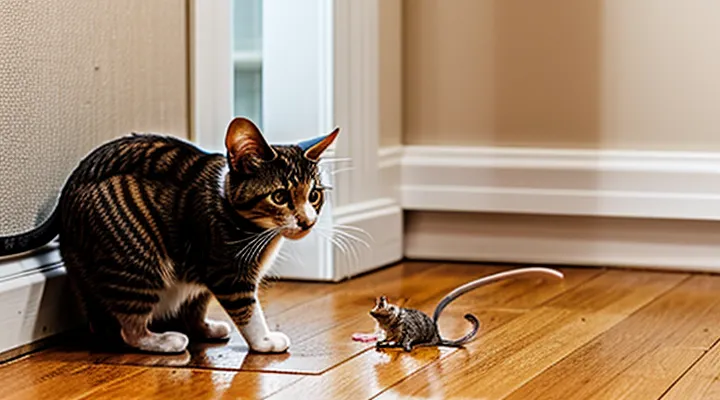
Understanding Feline Hunting Instincts
Why Cats Hunt
Natural Predators
When a cat drags a mouse into the home, the presence of natural predators can affect both the cat’s hunting instinct and the likelihood of future captures. Understanding which animals typically prey on rodents helps owners anticipate behavioral cues and choose appropriate interventions.
- Owls – nocturnal raptors that locate prey by sound and sight.
- Hawks – diurnal hunters that pursue rodents in open spaces.
- Snakes – constrictors and venomous species that ambush mice in low vegetation.
- Ferrets – domesticated mustelids with a strong drive to chase and kill rodents.
- Weasels – slender carnivores that enter burrows to hunt mice.
Predators exert pressure on mouse populations, reducing the number of rodents available for cats to capture. Their scent marks, feathers, or fur can deter mice from entering a dwelling, indirectly decreasing the chance that a cat will find prey indoors. Homeowners can leverage this effect by:
- Installing bird‑of‑prey silhouettes or decoys near windows and entry points.
- Using commercially available predator‑scent sprays on baseboards and pantry shelves.
- Securing outdoor feeding stations to limit attracted wildlife that might bring mice closer to the house.
Incorporating these measures alongside regular pest‑control practices creates an environment less favorable to rodents, thereby lowering the frequency of feline mouse deliveries. The combined approach addresses the immediate incident and reduces future occurrences through ecological deterrence.
Instinctual Behavior
When a cat drags a captured rodent into the living area, the action reflects the animal’s innate predatory sequence. The behavior originates from a hard‑wired hunting circuit that triggers chase, capture, and transport of prey to a secure location. This pattern also serves as a social signal; felines often present their catch to humans as a form of resource sharing or teaching.
The instinctual drive consists of three stages: detection of movement, rapid pounce, and subsequent relocation of the immobilized target. The relocation phase aligns with the cat’s need to store food in a safe spot, a habit inherited from solitary ancestors that required concealment of catches from competitors. Domestic cats may extend this behavior toward household members, interpreting humans as potential caretakers.
To manage the situation safely and responsibly, follow these steps:
- Secure the area – close doors to prevent the mouse from escaping into other rooms.
- Wear protective gloves – avoid bites or scratches while handling the animal.
- Contain the rodent – place a sturdy container over the mouse, then slide a lid underneath.
- Release outdoors – transport the container to a garden or wooded area, releasing the mouse at least 30 meters from the house.
- Sanitize the scene – clean surfaces with a disinfectant to remove saliva and potential pathogens.
- Assess the cat’s health – check for injuries on the feline; consult a veterinarian if wounds are present.
- Prevent recurrence – keep pet food sealed, eliminate rodent entry points, and consider interactive toys to channel hunting instincts.
Understanding the biological basis of this conduct clarifies why the cat behaves this way and informs a measured response that protects both the pet and household occupants.
Affectionate Gift or Prey?
When a cat deposits a mouse inside the home, the act can be interpreted in two primary ways. One possibility is that the cat views the capture as a present, a signal of trust intended for the owner. The alternative is that the cat is simply following its natural hunting drive, treating the mouse as prey without any social intention.
Indicators that the cat sees the mouse as a gift:
- The cat places the mouse gently, often near the owner’s feet or a favorite resting spot.
- The cat remains calm, purring, and seeks attention after the delivery.
- The cat does not attempt to eat the mouse.
Indicators that the cat treats the mouse as prey:
- The cat shows signs of excitement, such as rapid tail movement or vocalizations.
- The cat attempts to bite, chew, or swallow the mouse.
- The cat quickly loses interest after the capture, resuming typical hunting behavior.
Owner response guidelines:
- Remove the mouse safely, using gloves or a tool, to prevent injury to both the animal and the owner.
- Clean the area thoroughly to eliminate scent trails that could encourage further hunting.
- Provide alternative enrichment—interactive toys, puzzle feeders, and scheduled play sessions—to satisfy the cat’s predatory instincts.
- Monitor the cat for stress or anxiety; persistent gifting behavior may signal a need for more social interaction.
Understanding the cat’s motivation helps determine whether to reinforce the behavior as a bonding gesture or to redirect the hunting impulse toward appropriate outlets.
Immediate Actions to Take
Securing the Area
Containing the Mouse
When a cat drags a mouse inside, immediate containment prevents injury to the pet and limits disease risk.
Secure the area. Close doors to rooms not involved, and block the cat’s access to the mouse. Use a sturdy container—plastic box with a tight‑fitting lid or a metal cage—to trap the rodent without harming it.
Neutralize the mouse. Place a thick towel or a piece of carpet over the container, then gently push the mouse inside. Avoid direct hand contact; wear disposable gloves to reduce pathogen exposure.
Transport and release. Carry the sealed container outdoors, away from the home’s perimeter. Open the lid on firm ground, allowing the mouse to escape quickly. If release is not feasible, contact local animal control for humane disposal.
Sanitize the scene. Disinfect surfaces the mouse touched with a solution of one part bleach to nine parts water. Wash any bedding or cloth that may have been contaminated. Dispose of gloves and cleaning materials in a sealed bag.
Prevent future incidents. Inspect windows, doors, and vents for gaps; install fine mesh screens. Keep the cat’s hunting instincts in check by providing regular play and feeding schedules, reducing the likelihood of bringing prey indoors.
Protecting Pets and Family
A cat may capture a mouse and drop it inside the home, creating an immediate safety concern for both the animal and household members. The dead or injured rodent can carry parasites, bacterial infections, and toxins that affect a cat’s health, while children or other pets might be exposed to disease agents through contact.
Risks include gastrointestinal distress for the cat, potential allergic reactions for people, and the possibility of secondary injuries if the mouse fights back. Immediate containment prevents further contamination.
Immediate actions
- Separate the cat from the mouse using a barrier or carrier.
- Inspect the cat for scratches, bites, or signs of distress; clean any wounds with mild antiseptic.
- Dispose of the mouse in a sealed bag, then disinfect the area with a diluted bleach solution (1 part bleach to 9 parts water).
- Wash hands thoroughly after handling the mouse or cat.
Preventive strategies
- Keep cats indoors or supervise outdoor excursions to limit hunting opportunities.
- Provide regular veterinary deworming and vaccinations to reduce susceptibility to rodent‑borne diseases.
- Store food in sealed containers and eliminate rodent attractants such as open trash cans or standing water.
- Install mouse traps or ultrasonic deterrents in areas where rodents are likely to appear.
- Train the cat with positive reinforcement to discourage bringing prey indoors.
By applying these measures, owners protect the health of their pets and maintain a safe environment for all family members.
Handling the Mouse
Live Capture Methods
A cat that drags a mouse indoors creates an immediate need to secure the rodent without harming it. Live capture provides a humane solution while preventing further damage to the home.
Effective live capture relies on three principles: containment, minimal stress, and swift release. Choose devices that trap the mouse intact, allow easy observation, and facilitate quick transport to an outdoor location.
- Snap‑free cage traps with a trigger plate; position near the mouse’s entry point, check every 15 minutes.
- Box traps constructed from a shallow container, a ramp, and a baited trigger; ensure the lid closes securely when the mouse steps on the plate.
- Funnel traps made from a PVC pipe narrowing toward a holding chamber; bait the far end, monitor continuously.
After capture, wear disposable gloves, place the trap on a stable surface, and open it away from the house. Release the mouse at least 50 feet from the building, preferably near vegetation. Disinfect the trap and surrounding area with a mild bleach solution to eliminate scent trails that may attract additional rodents.
Humane Disposal Options
When a cat captures a mouse inside the home, the owner must act quickly to protect both animals and maintain hygiene. The goal is to remove the rodent without causing unnecessary suffering, while preventing the cat from ingesting it.
- Place a sturdy container over the mouse, then slide a piece of cardboard underneath to trap it safely.
- Transfer the mouse to a pre‑prepared release box with ventilation holes; secure the lid and transport the box outside, releasing the animal at least 50 feet from the house.
- Use a live‑catch trap baited with peanut butter or oats; check the trap frequently, then release the catch following the same distance guideline.
- If the mouse is injured, contact a local wildlife rehabilitator for professional care; many organizations accept small mammals and provide appropriate treatment.
After removal, clean the area with a diluted bleach solution (1 part bleach to 9 parts water) to eliminate pathogens. Inspect the home for entry points and seal gaps around doors, windows, and utility penetrations to reduce future incidents. Provide the cat with alternative enrichment—such as puzzle feeders or feather toys—to satisfy hunting instincts without risking live prey.
When to Call Pest Control
If a cat brings a single mouse inside, you can usually handle the situation without professional help. Call a pest‑control service only when the incident indicates a broader problem.
- Repeated captures: more than two mice in a week suggest a resident population.
- Evidence of nesting: droppings, gnawed food containers, or shredded material in hidden areas.
- Unexplained noises: scratching or scurrying from walls or ceilings at night.
- Health concerns: signs of disease in the mouse, such as visible parasites, or if anyone in the household is immunocompromised.
- Ineffective trapping: attempts with humane traps or household deterrents fail to reduce sightings.
- Structural damage: chew marks on wiring, insulation, or structural elements that could pose fire or safety hazards.
When any of these conditions appear, contact a licensed pest‑control provider promptly. Request an inspection to confirm infestation level, identify entry points, and implement a targeted eradication plan that includes sealing gaps, safe removal of rodents, and preventive measures to protect both pets and residents.
Post-Incident Cleanup and Sanitation
Disinfecting Surfaces
Recommended Cleaning Products
When a cat carries a mouse inside, the area where the animal was handled can contain blood, urine, and bacterial residues. Prompt removal of the carcass and thorough sanitation reduce health risks for both pets and occupants.
First, dispose of the mouse using gloves and a sealed bag. Then, wash the surface with warm water and a mild detergent to eliminate visible debris. After rinsing, apply a disinfectant that targets pathogens commonly associated with rodents.
Recommended cleaning products
- Enzymatic cleaner (e.g., Nature’s Miracle Advanced) – breaks down organic matter, neutralizes odors, and is safe for pets.
- Broad‑spectrum disinfectant spray (e.g., Lysol Disinfectant Spray) – kills bacteria, viruses, and fungi within minutes; follow label dilution ratios.
- Pet‑safe floor cleaner (e.g., Better Pet All‑Purpose Cleaner) – removes residues without leaving harmful chemicals.
- Odor‑absorbing powder (e.g., Arm & Hammer Baking Soda) – spreads lightly on carpets or upholstery, left for 30 minutes, then vacuumed.
Apply the enzymatic cleaner directly to the affected spot, let it sit for the recommended contact time, then wipe with a clean cloth. Follow with the disinfectant spray, ensuring full coverage; allow the surface to remain wet for the specified dwell period before air‑drying. For hard floors, finish with the pet‑safe cleaner to remove any remaining film. Use the odor‑absorbing powder on porous materials after the disinfectant has dried, then vacuum thoroughly.
Complete the process by laundering any fabric items that contacted the mouse, using hot water and a laundry detergent containing an enzyme boost. Regularly inspect the household for hidden traces, especially in corners and under furniture, to maintain a sanitary environment.
Areas to Prioritize
When a feline captures a rodent inside the home, immediate attention should focus on three critical zones.
-
Human health and sanitation: Inspect surfaces the mouse may have contacted. Disinfect countertops, floors, and any areas where the animal was placed. Wear disposable gloves while handling the carcass and dispose of it in a sealed bag to prevent pathogen spread.
-
Pet safety: Assess the cat for injuries or signs of illness, such as trembling or vomiting. If the cat shows abnormal behavior, consult a veterinarian promptly. Remove any remaining parts of the mouse that could be swallowed or cause choking.
-
Future prevention: Identify entry points that allowed the mouse inside—gaps under doors, cracks in walls, open windows. Seal openings, install door sweeps, and maintain a clean environment to reduce rodent attraction. Consider using humane traps or professional pest control if the problem persists.
Addressing these areas promptly minimizes health risks, protects the cat, and reduces the likelihood of repeat incidents.
Preventing Future Occurrences
Mouse-Proofing Your Home
When a cat carries a rodent inside, the household becomes vulnerable to further infestations. Immediate action focuses on eliminating current entry points and preventing future access.
Identify and block openings larger than a quarter‑inch. Inspect walls, foundations, vents, and utility penetrations. Apply steel wool, copper mesh, or silicone sealant to gaps. Install door sweeps and ensure weather stripping is intact.
Secure food sources. Store dry goods in airtight containers. Remove pet food after each meal and clean crumbs promptly. Maintain regular garbage removal, using bins with tight‑fitting lids.
Reduce shelter options. Trim vegetation away from the building’s exterior. Keep storage areas organized, avoiding piles of cardboard, fabric, or debris that rodents could use for nesting.
Set traps or bait stations in concealed locations along walls and near suspected pathways. Use snap traps for immediate capture; employ bait stations only if they comply with local regulations and are placed out of reach of children and pets.
Schedule routine inspections. Conduct monthly checks of sealants, trap activity, and signs of gnawing. Document findings to track progress.
If evidence of persistent activity appears despite these measures, consult a licensed pest‑control professional. They can perform comprehensive assessments, apply targeted treatments, and advise on long‑term exclusion strategies.
Deterrents and Repellents
When a cat carries a captured rodent indoors, immediate action focuses on safe removal and preventing recurrence. Deterrents and repellents form the core of long‑term control.
-
Physical barriers – Install fine‑mesh screens on windows and doors, seal gaps under appliances, and use pet‑proof containers for food storage. These obstacles limit a cat’s access to outdoor hunting grounds and reduce opportunities to bring prey inside.
-
Scent repellents – Apply natural deterrents such as citrus oil, eucalyptus, or lavender on entryways and perimeters. Rodents avoid these aromas, and the same odors discourage cats from exploring areas where prey may be present.
-
Taste deterrents – Treat surfaces with bitter‑tasting sprays (e.g., bitter apple or citrus‑based formulas). Cats quickly learn to associate the unpleasant flavor with specific locations, decreasing the likelihood of returning with captured animals.
-
Environmental enrichment – Provide ample indoor stimulation—interactive toys, climbing structures, and scheduled play sessions. Engaged cats expend energy on acceptable activities, lowering the drive to hunt outdoors.
-
Training devices – Employ motion‑activated deterrents (ultrasonic emitters or water sprayers) near entry points. When a cat approaches, the device delivers an immediate, harmless interruption, reinforcing avoidance behavior.
-
Routine cleaning – Remove residual mouse scent by cleaning floors, countertops, and furniture with enzymatic cleaners. Eliminating prey odor reduces the cat’s incentive to investigate and retrieve additional rodents.
Implementing a combination of these measures creates a multi‑layered defense that curtails the cat’s tendency to bring mice into the home while preserving the animal’s well‑being.
Addressing Your Cat's Behavior
Positive Reinforcement
Rewards for Non-Hunting Behavior
When a cat carries a mouse indoors, the immediate goal is to discourage predatory actions without harming the animal. Rewarding the cat for refraining from hunting creates a reliable alternative behavior.
Positive reinforcement works by delivering a desirable outcome immediately after the cat exhibits the targeted response. The cat learns to associate the absence of hunting with a benefit, increasing the likelihood of repetition.
Effective rewards include:
- High‑value treats given the moment the cat drops the mouse or walks away from it.
- Short, intense play sessions with wand toys that mimic prey movement but end with a treat.
- Verbal praise in a calm tone, paired with gentle petting, delivered within seconds of the desired action.
Consistency is essential. The reward must follow the non‑hunting behavior every time, regardless of the setting. Delayed reinforcement reduces the connection between action and outcome, weakening the training effect.
Enrich the environment to lower the cat’s drive to hunt. Provide:
- Puzzle feeders that require manipulation.
- A rotation of feather, laser, and motorized toys.
- Elevated perches and hideaways for observation without capture.
Track progress daily. Record instances of successful non‑hunting responses and adjust the reward size or type if the cat’s interest wanes. Gradual reduction of treat frequency, while maintaining occasional reinforcement, solidifies the learned behavior.
Avoiding Punishment
When a cat drags a mouse inside, the owner must act quickly to prevent the animal from being harmed and to avoid disciplinary measures from household members or authorities.
- Isolate the cat in a separate room; close doors and block escape routes.
- Inspect the floor and furniture for the mouse; use gloves to handle any capture.
- If the mouse is alive, release it outdoors at least 100 feet from the residence, ensuring it cannot re‑enter the property.
- If the mouse is dead, dispose of it in a sealed bag and place the bag in an outdoor trash container.
- Clean the area with a disinfectant solution to eliminate scent trails that could attract other pests.
- Provide the cat with a safe, engaging toy to satisfy its hunting instinct and reduce future incidents.
Document the incident in a pet‑care log; this record demonstrates responsible handling and protects against accusations of neglect or cruelty.
Enrichment and Stimulation
Interactive Toys
When a cat captures a mouse inside the home, the instinct to hunt can become heightened, leading to restless or aggressive behavior. Providing interactive toys supplies an outlet for predatory energy, reduces the likelihood of the cat returning to the captured prey, and promotes mental stimulation.
Effective interactive options include:
- Motorized feather wands that mimic erratic movement, encouraging chase and pounce.
- Puzzle feeders that require manipulation to release food, extending focus and delaying immediate hunting drives.
- Laser pointers with automatic motion patterns, delivering sustained visual stimulus without direct contact.
- Battery‑powered rolling balls with irregular trajectories, prompting tracking and batting actions.
Selection criteria should prioritize durability, safety of materials, and the ability to simulate natural prey motions. Regular rotation of toys prevents habituation, maintaining engagement and supporting a calm environment after an unexpected capture.
Increased Playtime
When a cat brings a mouse into the house, the animal often exhibits heightened excitement and a desire to engage in vigorous activity. Directing this energy into structured play reduces the risk of the cat harming the prey and helps maintain a calm environment.
Extended interactive sessions satisfy the cat’s instinctual hunting drive. Regular, intensive play sessions prevent the cat from reverting to predatory behavior toward the captured mouse and encourage the release of pent‑up energy in a safe manner.
Practical ways to increase playtime:
- Schedule three to four 10‑minute sessions daily, using wand toys that mimic the mouse’s movements.
- Incorporate short bursts of high‑speed chase followed by gentle retrieval games to replicate natural hunting patterns.
- Rotate toys every few days to sustain the cat’s interest and avoid habituation.
- End each session with a brief period of calm petting to transition the cat from excitement to relaxation.
Consistent implementation of these practices ensures the cat’s predatory urges are channeled appropriately, protecting the mouse and preserving household tranquility.
Veterinary Consultation
Parasite Concerns
When a feline captures a rodent inside the home, the mouse may carry parasites that pose health risks to both the cat and household members.
- Fleas, ticks, and mites often infest wild rodents; they can transfer to the cat during the hunt.
- Internal parasites such as roundworms (Toxocara spp.) and tapeworms (Taenia taeniaeformis) are frequently present in mouse intestines and may be ingested if the cat eats the prey.
- Protozoan agents, notably Giardia and Cryptosporidium, can survive in rodent feces and contaminate surfaces.
Immediate actions reduce exposure:
- Isolate the cat from other pets and children for at least 24 hours.
- Examine the cat’s coat and skin for external parasites; remove any visible insects with a fine-toothed comb.
- Contact a veterinarian promptly for a comprehensive parasite screening and appropriate deworming protocol.
- Clean and disinfect the area where the mouse was found using a diluted bleach solution (1 part bleach to 10 parts water) to eliminate residual eggs or cysts.
- Wash any fabrics or bedding the cat may have contacted in hot water (≥ 60 °C) to kill dormant stages.
Preventive measures sustain protection:
- Maintain a regular schedule of broad-spectrum flea and tick preventatives for the cat.
- Keep food and water dishes covered to deter rodents from entering the dwelling.
- Seal gaps and cracks in walls, doors, and windows to limit rodent access.
- Conduct periodic fecal examinations for the cat, especially after any outdoor excursions or hunting incidents.
Addressing parasite concerns promptly safeguards animal welfare and public health, preventing potential infestations from escalating into more serious infections.
Behavioral Counseling
When a cat captures a mouse inside the home, the incident often signals a need for targeted behavioral guidance. The primary objective of counseling is to modify the predatory drive while preserving the cat’s natural instincts.
First, assess the environment. Identify sources of stimulation that encourage hunting, such as unsupervised outdoor access or abundant rodent activity. Reduce these triggers by securing entry points, limiting free roaming, and maintaining a clean, pest‑free interior.
Second, introduce alternative outlets for predatory energy. Structured play sessions using feather wands, laser pointers, or motorized toys provide controlled hunting experiences. Schedule multiple short sessions each day to satisfy instinctual urges without risking live prey.
Third, implement positive reinforcement. Reward the cat for ignoring or redirecting attention from captured rodents. Use treats, verbal praise, or brief petting immediately after the desired behavior. Consistency reinforces the new response pattern.
Fourth, consider environmental enrichment. Add climbing structures, scratching posts, and puzzle feeders to occupy the cat’s mind and body. A well‑stimulated cat is less likely to seek out real prey.
Finally, monitor progress and adjust the plan. Record incidents, note successful interventions, and consult a veterinary behaviorist if the behavior persists despite these measures. Continuous evaluation ensures the strategy remains effective and tailored to the individual cat’s needs.
Living with a Hunter
Accepting Their Nature
Understanding Their Role
When a cat carries a mouse into the home, the immediate concern is the interaction between predator, prey, and human caretaker. Understanding each participant’s function clarifies the appropriate response.
The cat’s behavior reflects instinctual hunting patterns. Recognizing this instinct helps owners avoid punitive measures that could damage trust. Instead, redirecting energy through play or structured feeding satisfies the predatory drive without compromising household safety.
The mouse represents a potential health risk. Its presence introduces pathogens, parasites, and possible contamination of surfaces. Prompt removal and proper sanitation prevent secondary issues.
The caretaker’s responsibility includes assessment, containment, and follow‑up. A systematic approach ensures consistent outcomes:
- Isolate the area where the mouse was found; limit the cat’s access temporarily.
- Use gloves to capture the mouse or employ a humane trap; dispose of the animal according to local regulations.
- Clean the affected zone with an appropriate disinfectant; focus on surfaces the mouse contacted.
- Observe the cat for signs of injury or stress; provide fresh water, food, and a safe play outlet.
- Schedule a veterinary check if the cat shows unusual behavior or if there is suspicion of disease transmission.
By distinguishing the functions of cat, mouse, and caretaker, owners can act decisively, maintain a healthy environment, and preserve the cat’s natural behavior without unnecessary conflict.
Managing Expectations
When a cat brings a mouse indoors, owners often anticipate a clean‑up or immediate elimination of the prey. Expectations that the cat will dispose of the mouse without human intervention can be unrealistic; cats may play with, hide, or even present the mouse as a gift. Recognizing the range of possible behaviors prevents disappointment and guides appropriate response.
Owners should align expectations with observable cat habits and safety considerations. Clear expectations reduce stress for both pet and owner and support consistent handling practices.
- Assess the cat’s typical reaction to live prey (e.g., chase, retain, present).
- Determine the household’s tolerance for a dead or injured mouse on the floor.
- Decide whether to intervene immediately, allow the cat to finish, or remove the mouse safely.
- Communicate the chosen approach to all household members to avoid conflicting actions.
- Establish a routine for post‑incident cleaning and health checks for the cat.
By defining realistic outcomes and agreeing on a unified response, owners maintain control over the situation, safeguard their home’s hygiene, and respect the cat’s natural instincts.
Coexisting Safely
Regular Health Checks
When a cat returns home with a captured mouse, the potential for disease transmission and injury rises sharply. Immediate veterinary assessment determines whether the feline has been exposed to pathogens carried by the rodent and evaluates any trauma incurred during the hunt.
A structured health‑check protocol includes:
- Physical examination – inspection of wounds, assessment of mobility, and evaluation of overall condition.
- Parasite screening – fecal analysis for intestinal worms, blood test for vector‑borne agents such as Bartonella or Toxoplasma.
- Vaccination review – verification that core vaccines (feline panleukopenia, calicivirus, rhinotracheitis) are up to date; consider rabies booster if local regulations require it.
- Blood chemistry panel – measurement of organ function markers to detect early signs of infection or stress‑related abnormalities.
- Imaging if needed – radiographs or ultrasound to identify internal injuries not evident externally.
Owners should schedule the initial visit within 24 hours of the incident, then follow the veterinarian’s recommended re‑check interval, typically 7–14 days, to monitor healing and test results. Maintaining a detailed log of symptoms, treatments, and test outcomes supports timely intervention and long‑term health maintenance.
Keeping Outdoor Cats Indoors
When a cat carries a mouse into the home, the incident highlights the need to confine the animal to the interior environment. Keeping an outdoor cat indoors eliminates the risk of hunting, reduces exposure to parasites, and protects both wildlife and household hygiene.
Effective strategies include:
- Secure entry points – Install tight-fitting screens on windows and doors; use pet‑safe latch mechanisms to prevent accidental escapes.
- Provide enrichment – Offer climbing trees, scratching posts, and interactive toys to satisfy natural instincts and prevent boredom‑driven escapes.
- Designate a safe outdoor space – Build a enclosed patio or “catio” that allows fresh air without permitting hunting excursions.
- Use positive reinforcement – Reward indoor staying with treats or affection; avoid punishment that may cause stress and increase wandering.
- Implement routine feeding – Schedule regular meals to establish a predictable indoor routine, diminishing motivation to hunt for food.
- Monitor health – Keep vaccinations and parasite control up to date; a healthy cat is less likely to seek external sources of prey.
Adopting these measures creates a controlled environment, ensuring the cat remains inside and eliminating future incidents of unwanted wildlife being brought indoors.